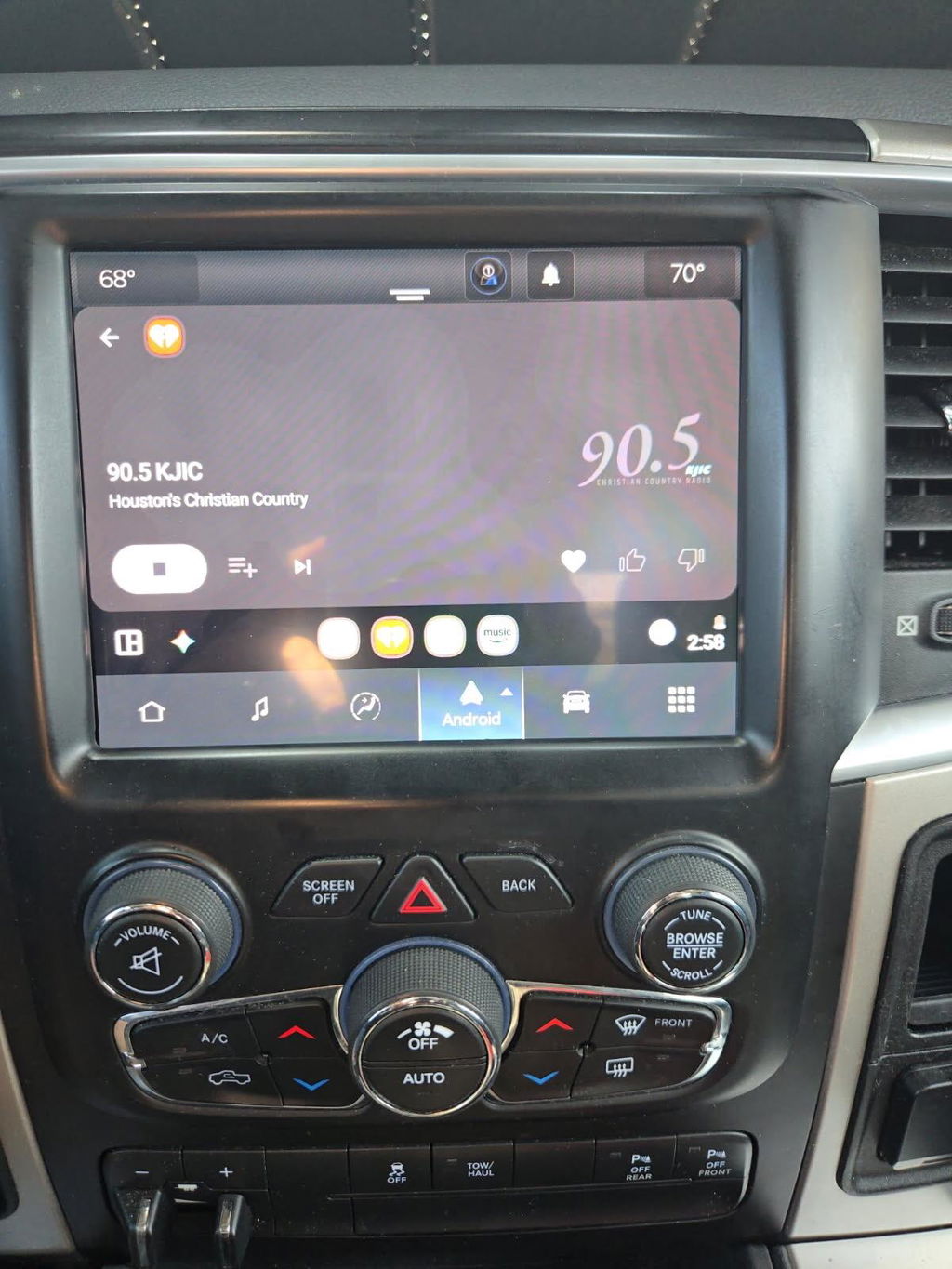
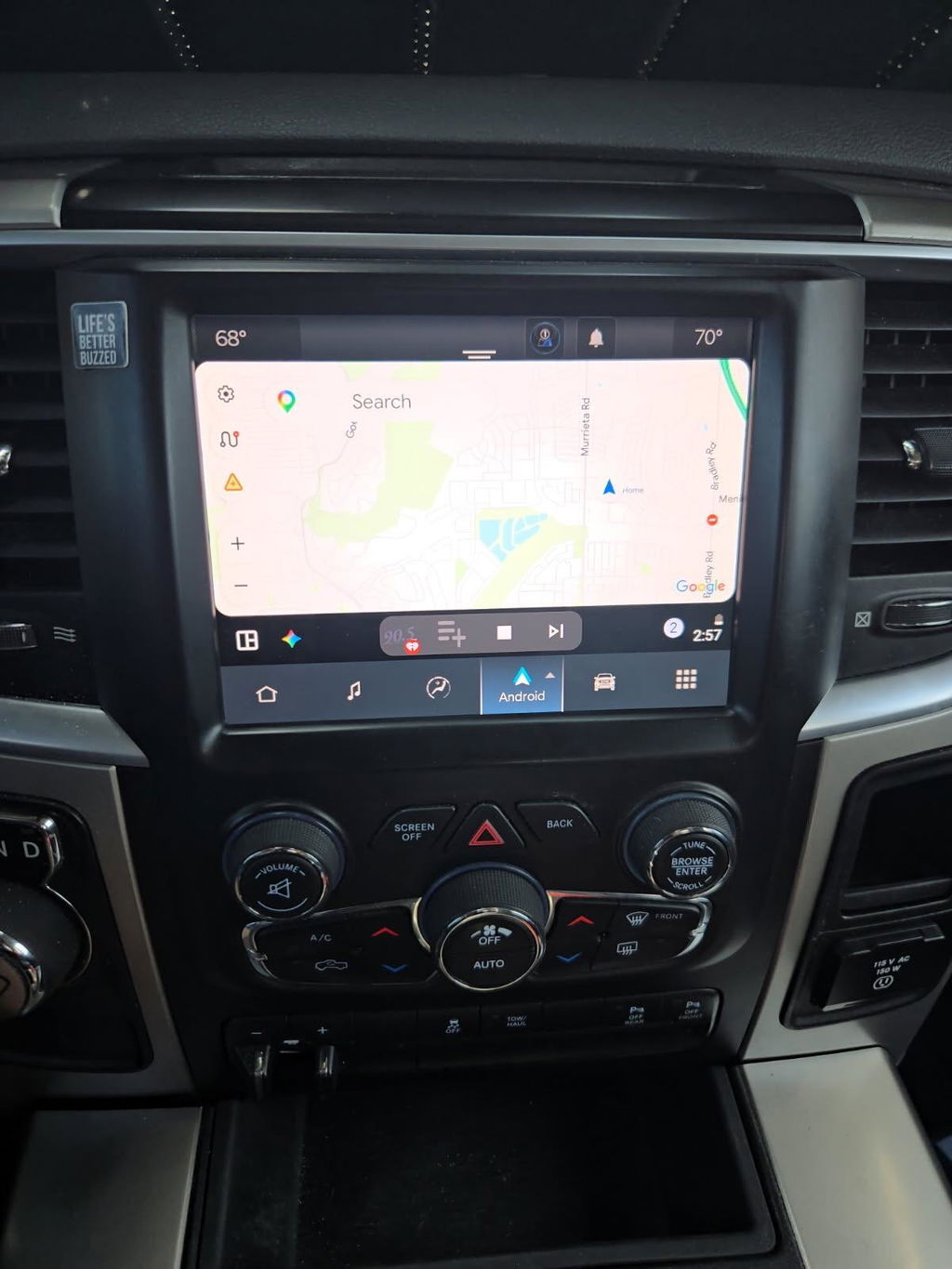
Truck Screen Modernization Without Fitment Guesswork
Share
A truck can be mechanically capable and still feel dated every time you start it. Small displays, slow menus, missing navigation, and wired-only phone connection make a solid Ram or Ford feel behind the times. Truck screen modernization solves that problem by bringing newer factory-style infotainment features into the cab without turning the dash into a custom electronics project.
For most truck owners, the goal is not a flashy screen that looks out of place. It is a larger, more useful display with modern smartphone connectivity, clear camera views, and controls that work the way the truck was designed to work. The right upgrade should retain factory integration, match the vehicle platform, and eliminate the uncertainty that comes with universal-fit head units.
What Truck Screen Modernization Actually Means
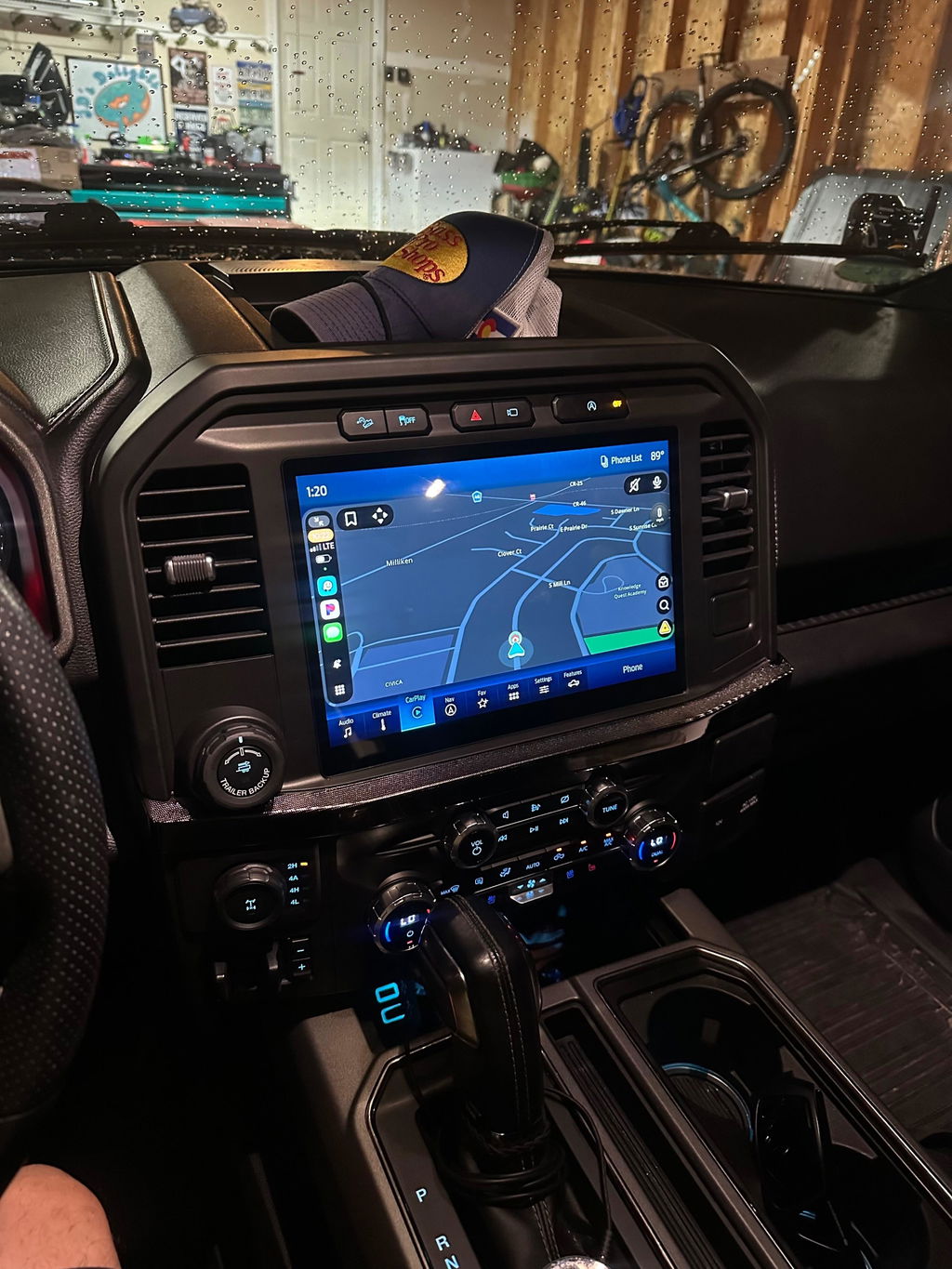
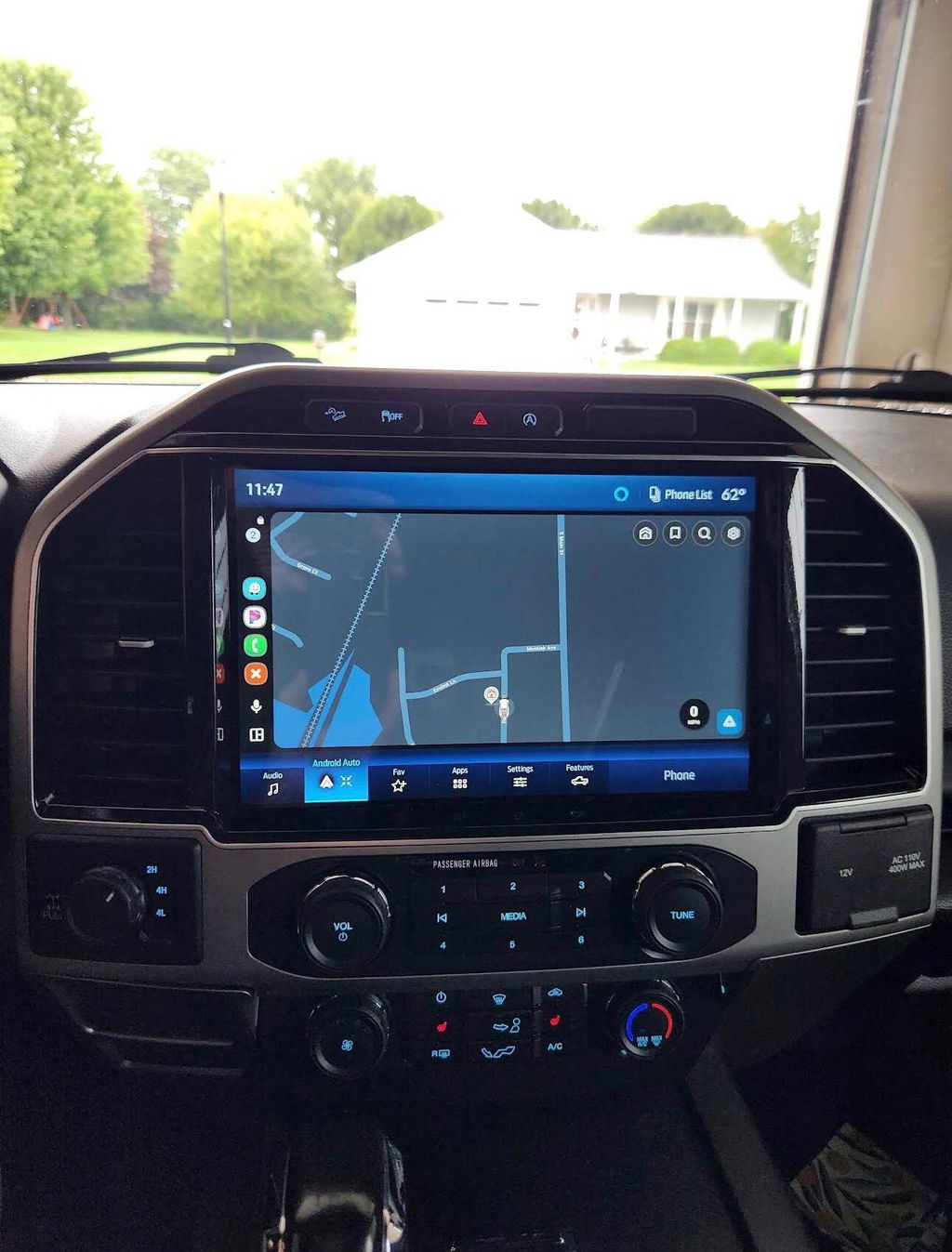
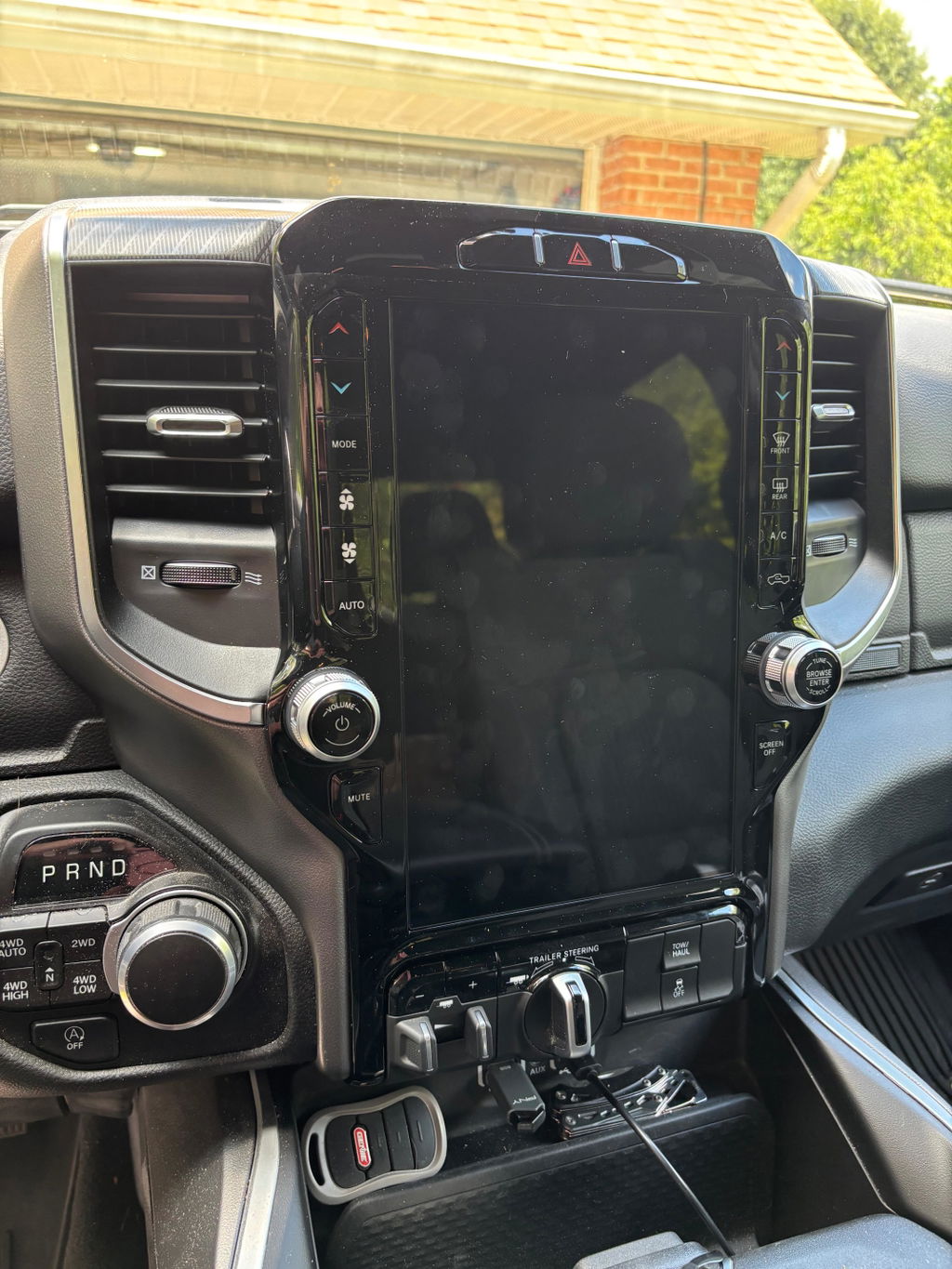
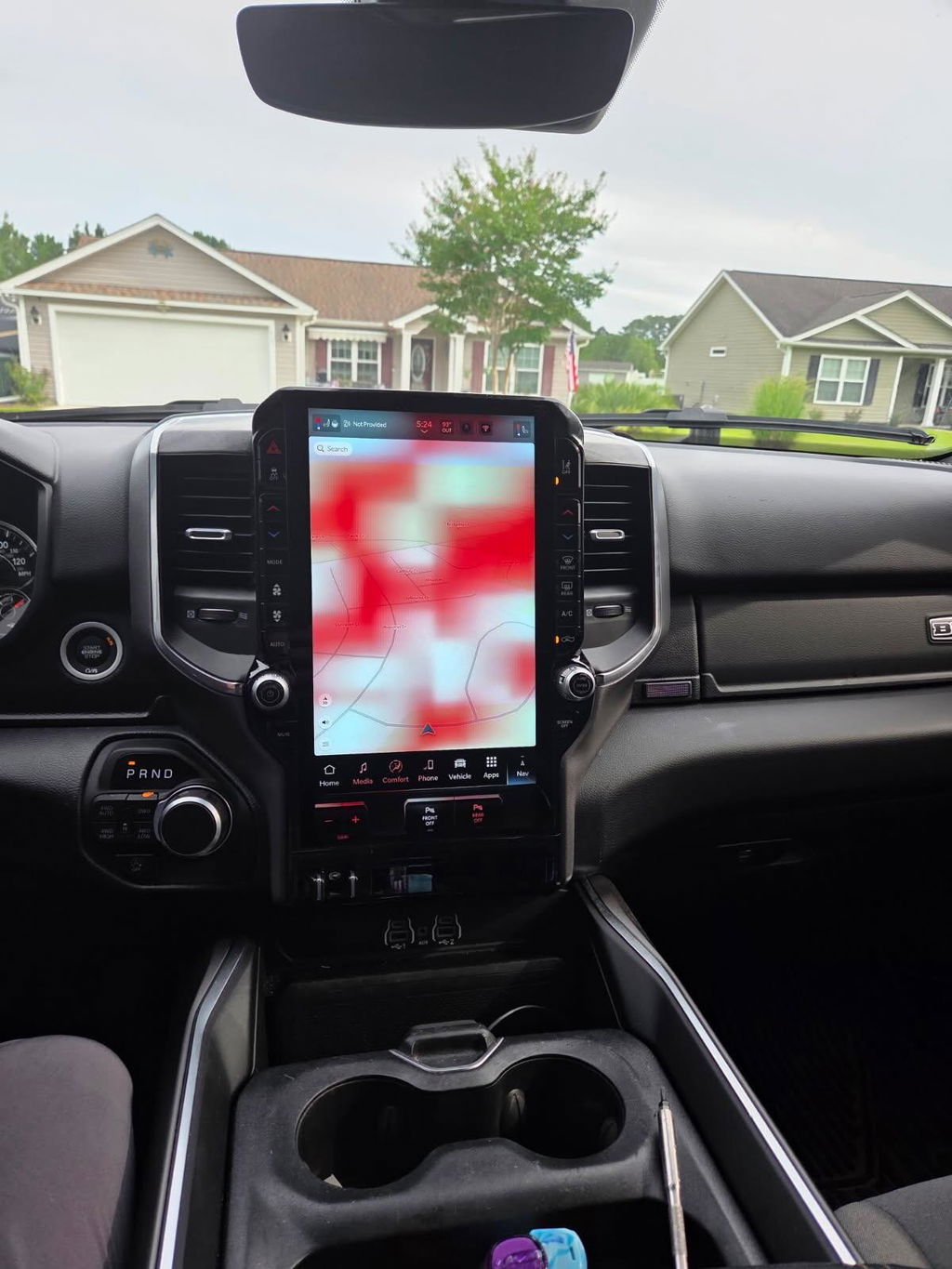
Truck screen modernization is the process of updating an older factory infotainment system with a newer OEM or OEM-based touchscreen setup. Depending on the truck and model year, that can mean moving to a larger display, adding a newer Uconnect system, gaining wireless Apple CarPlay and Android Auto, or improving access to factory features already built into the vehicle.
This is different from simply replacing a radio. A truck's screen may be tied into climate controls, steering-wheel buttons, backup camera functions, trailer settings, parking sensors, vehicle menus, and factory amplifiers. On many late-model Ram and Ford platforms, the screen is part of a larger vehicle network. An upgrade that ignores those connections can create warning messages, lost functions, poor audio performance, or a dash that never looks fully finished.
That is why vehicle-specific kits matter. A properly matched kit is built around the truck's generation, original equipment, screen size, and feature set. It gives the owner a defined upgrade path instead of a collection of adapters, harnesses, and assumptions.
Why Factory-Style Upgrades Make More Sense Than Universal Screens
Universal aftermarket radios can work well in the right vehicle, especially for a basic older truck with limited factory electronics. They can also offer features that an OEM system does not. The trade-off is installation complexity. Trim pieces may need modification, extra modules may be required for steering-wheel controls or cameras, and compatibility can depend on how the truck was originally equipped.
For owners who want factory appearance and predictable operation, OEM-based truck screen modernization is usually the cleaner option. The display fits the dash correctly, the menus look appropriate for the platform, and core controls are more likely to remain where they belong. When the kit includes the correct components and programming support, the result can feel like a factory option rather than an add-on.
OEM Genuine Components also matter for long-term ownership. Factory hardware is designed for the environment inside a truck cab, including temperature swings, vibration, and repeated daily use. That does not mean every OEM conversion is identical. Some upgrades require modules, bezel changes, antenna components, or configuration work. The point is to start with a kit designed for the exact vehicle instead of forcing a generic solution to fit.
Start With the Truck, Not the Screen Size
A bigger screen is attractive, but screen size alone should not drive the purchase. Before selecting an upgrade, identify the truck's exact year, trim, current radio system, factory screen size, and major options. A Ram 1500 from one generation can use a very different setup than a newer Ram Heavy Duty, even when the dashboards appear similar at a glance.
Factory options can change the path as well. Premium audio, navigation, a 360-degree camera system, a cargo camera, rear-seat entertainment, satellite radio, and trailer features may all affect which components are needed. The same is true for Ford trucks equipped with different SYNC versions, screen packages, or audio systems.
A good fitment process answers practical questions before the box arrives. Does the kit retain the backup camera? Will steering-wheel audio controls still work? Is the HVAC system operated through the display? Does the vehicle need programming after installation? Is wireless smartphone connection part of the system, or does it require a wired USB connection?
Those answers are more valuable than a generic claim that a screen fits a certain make. A modern touchscreen is only an upgrade if it preserves the functions you use every day.
Features Worth Paying For
Wireless Apple CarPlay and Android Auto are often the biggest day-to-day improvement. Your maps, calls, messages, and music are available without pulling out a cable each time you get in. For work trucks and daily drivers, that convenience adds up quickly.
A larger OEM-style screen also improves camera visibility. This matters when backing into a tight driveway, lining up a trailer, navigating a jobsite, or parking a full-size truck. If your vehicle already has factory camera equipment, retaining that equipment through the upgrade should be a priority.
System speed and menu layout matter more than many buyers expect. An older display may technically offer Bluetooth and navigation, but slow response and limited phone integration can make it frustrating to use. A newer factory infotainment platform can make the cab feel more current without changing the truck's character.
Compatibility Is the Part You Cannot Skip
The most expensive mistake in truck screen modernization is buying parts based on appearance. Two screens may look nearly identical while using different connectors, software, modules, or mounting arrangements. A listing that says it fits Ram or Ford is not enough when the actual vehicle has a specific production year and option package.
Confirm the platform first, then verify the original system. Take clear photos of the current radio and dash area, and check the vehicle identification details before ordering. If the truck has been modified previously, identify those changes too. An added amplifier, camera, remote start system, or prior radio conversion can affect installation.
Programming is another point where expectations need to be clear. Some OEM-style upgrades are close to plug and play, while others need configuration so the vehicle recognizes the new equipment and enables the intended features. That is not a drawback when it is disclosed upfront. It is part of doing the conversion correctly.
A complete, vehicle-specific kit reduces the chance of missing a critical harness or module. It also avoids the common situation where an owner gets the screen installed, then learns the camera, climate controls, or audio system needs additional parts. The best value is not always the lowest initial price. It is the setup that delivers the promised functions without repeat purchases and avoidable labor.
What Installation Should Look Like
A well-planned OEM-based conversion should be straightforward, but straightforward does not mean rushed. Protect the interior trim, disconnect power as required by the vehicle procedure, and keep original hardware organized. Fit the new components without forcing connectors or modifying dash panels unless the kit instructions specifically call for it.
Before reassembling the dash, test every function. Check screen response, audio output, steering-wheel controls, backup camera operation, microphone performance, USB ports, Bluetooth connection, wireless phone projection, and HVAC controls where applicable. If the truck has parking sensors, camera views, trailer pages, or vehicle settings in the display, test those too.
Professional installation is a smart choice when the truck has a premium factory audio system, advanced camera package, or a conversion that requires programming. Experienced installers can save time, but they still need the correct vehicle-specific components. Good parts and good installation work together.
When It May Be Better to Keep the Original System
Not every truck needs a screen conversion. If the vehicle is used hard off-road, on remote property, or as a dedicated work rig, the owner may prefer fewer electronics and a lower-cost solution such as a phone mount and charging setup. If the original radio works reliably and the truck has limited factory integration, an aftermarket unit may also be a reasonable option.
The OEM-style route is strongest when factory fit, retained features, and modern connectivity are the priorities. It is especially practical for owners who plan to keep the truck, drive it daily, tow regularly, or want the cabin to match the capability of the rest of the vehicle.
DD Offroad focuses on that exact upgrade path: compatible, model-year-specific OEM solutions that remove unnecessary fabrication and reduce fitment uncertainty. The right kit turns an outdated screen into a useful factory-style feature, not another unfinished project.
Before ordering, verify the truck's year, factory equipment, and the features you want to retain. A few minutes spent on fitment can be the difference between a screen that merely turns on and an upgrade you rely on every time you drive.