OEM Radio Versus Aftermarket: Which Fits?
Share
If you have ever priced a radio upgrade for a Ram or Ford truck, you already know the problem is not just picking a screen. The real question in the oem radio versus aftermarket debate is how much factory integration you want to keep, how much wiring you want to deal with, and how confident you need to be that everything will work the first time.
For truck owners, this is rarely a cosmetic decision. Your radio sits in the middle of backup camera functions, steering wheel controls, Bluetooth, factory microphones, climate access on some trims, vehicle settings, and warning chimes. Change that center stack carelessly and you can end up with more features on paper but fewer features in daily use. That is why the smartest choice depends less on brand hype and more on how your vehicle is equipped right now.
OEM radio versus aftermarket: what actually changes
An OEM radio upgrade uses factory-based hardware designed for that vehicle platform or a closely related trim package. In practical terms, that usually means factory appearance, factory connectors, and much better odds of retaining original functions. If the kit is built correctly for your model year and trim, installation is cleaner and the finished result looks like it belonged there from day one.
An aftermarket radio upgrade usually centers on a universal head unit from a major electronics brand paired with dash kits, harness adapters, interface modules, and sometimes extra programming. Aftermarket units can offer strong feature value, especially if your truck started with a very basic stereo. But they often rely on added components to communicate with the vehicle, and that is where cost and complexity can climb.
This difference matters most on newer trucks and SUVs. Older vehicles with simple double-DIN openings are usually forgiving. Late-model Ram, Ford, Dodge, Jeep, and Chrysler platforms are not. The deeper the radio is tied into factory systems, the less room there is for guesswork.
Where OEM usually wins
OEM-based upgrades make the most sense when factory integration matters more than chasing the cheapest path. If your truck has steering wheel controls, a factory backup camera, integrated climate menus, selectable vehicle settings, or trim-specific screen layouts, OEM hardware usually preserves those functions with fewer compromises.
Fit and finish is a big part of the value. Factory-style screens sit correctly in the dash, match interior design, and avoid the patched-together look that can happen with universal bezel kits. For buyers who care about resale, this matters. A clean OEM-style installation tends to look more credible to the next owner than a generic touchscreen with a stack of adapters hidden behind it.
Reliability is another factor. Genuine factory components were built to operate inside that vehicle environment, including startup behavior, dimming, audio prompts, and communication with other modules. That does not mean every OEM conversion is automatically easy, but a vehicle-specific plug-and-play kit removes a lot of the usual failure points.
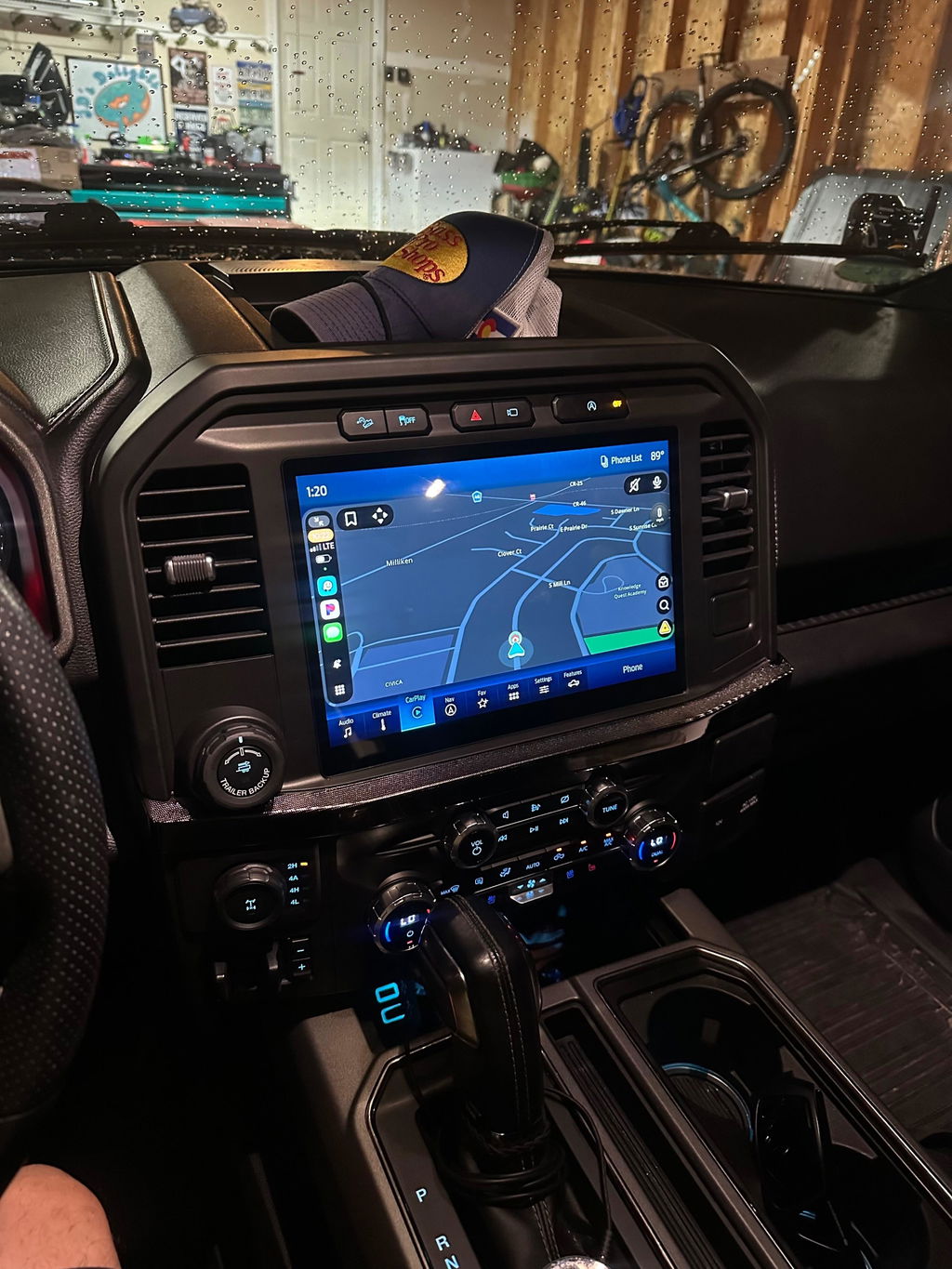
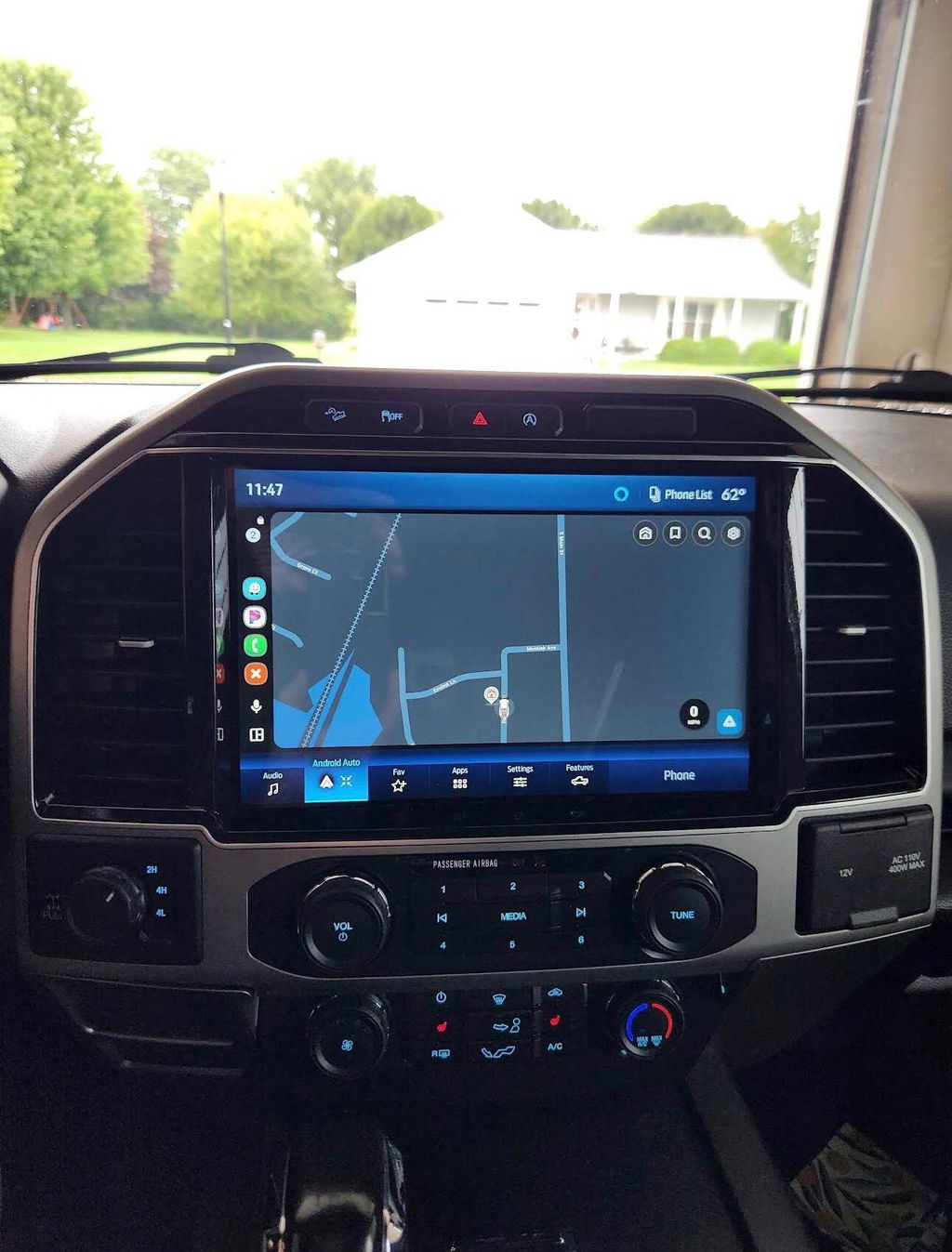
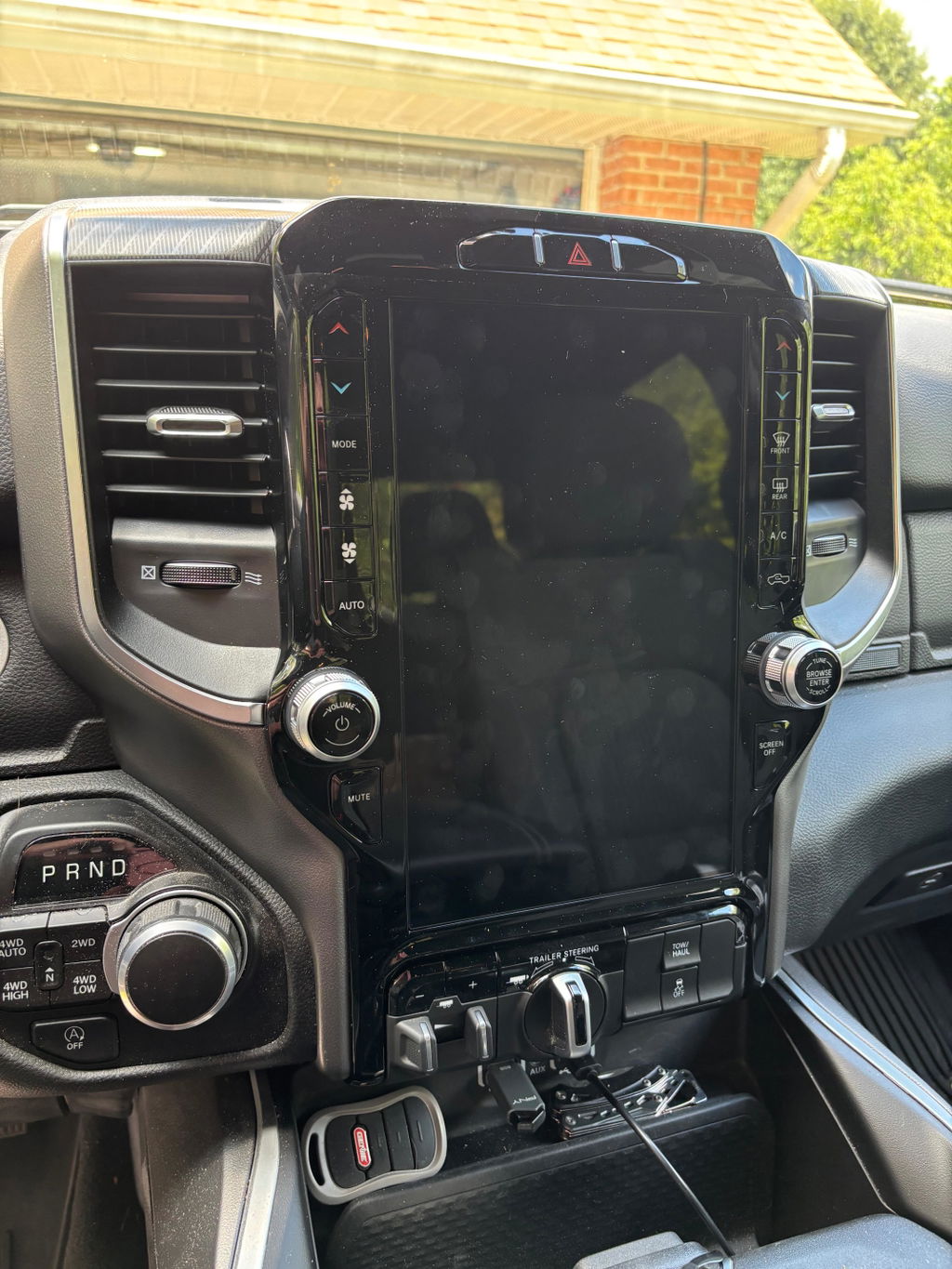
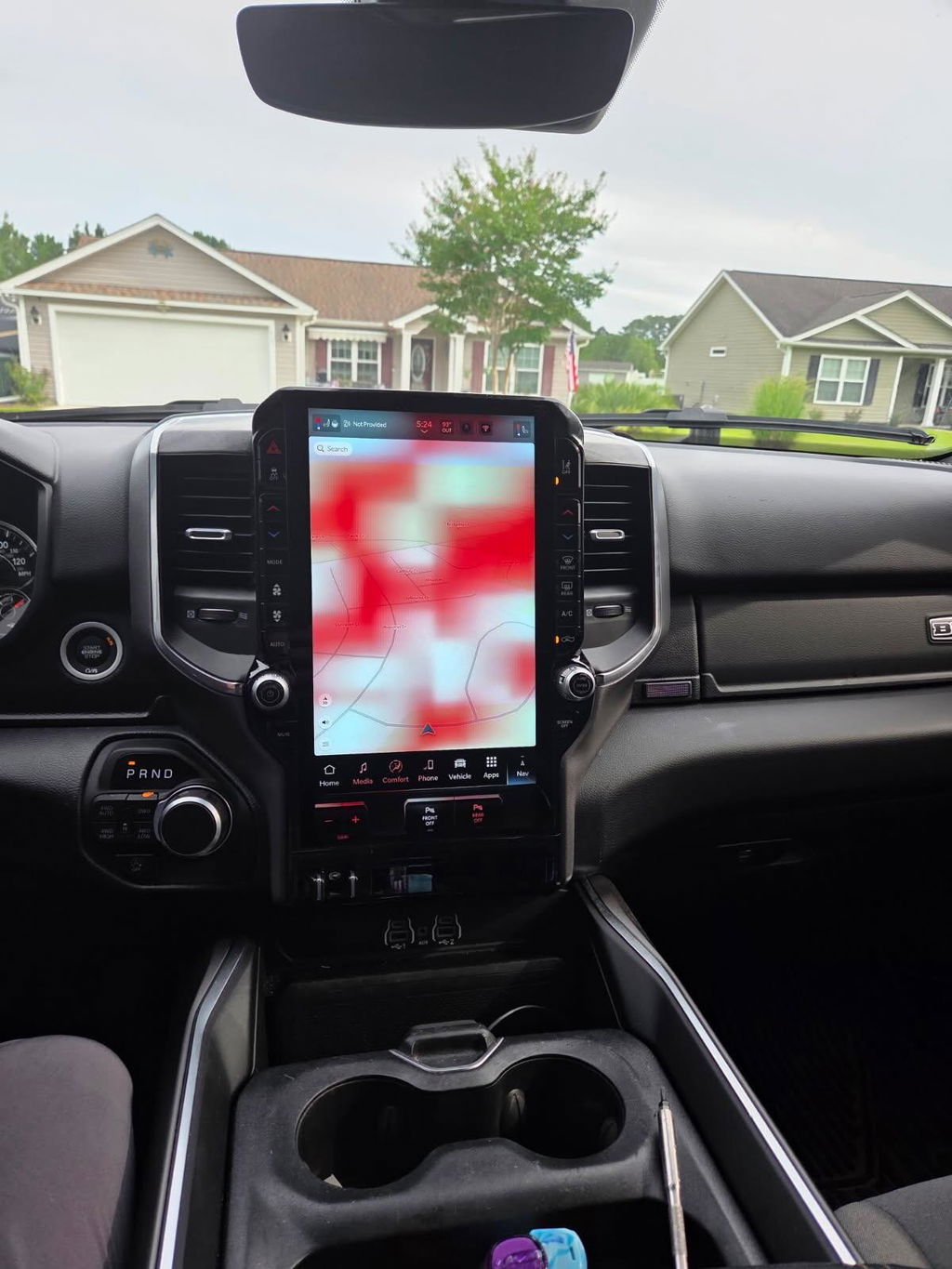
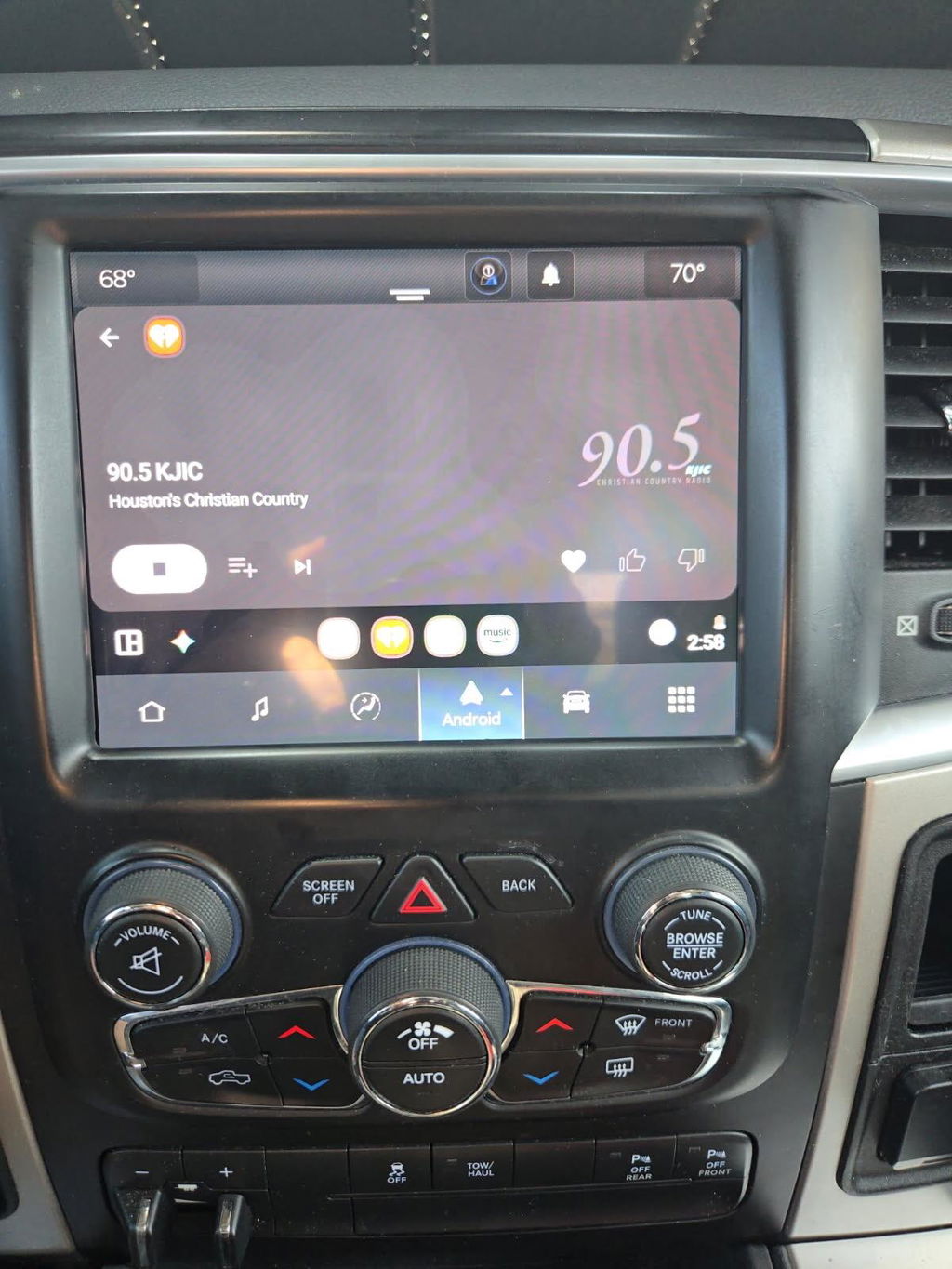
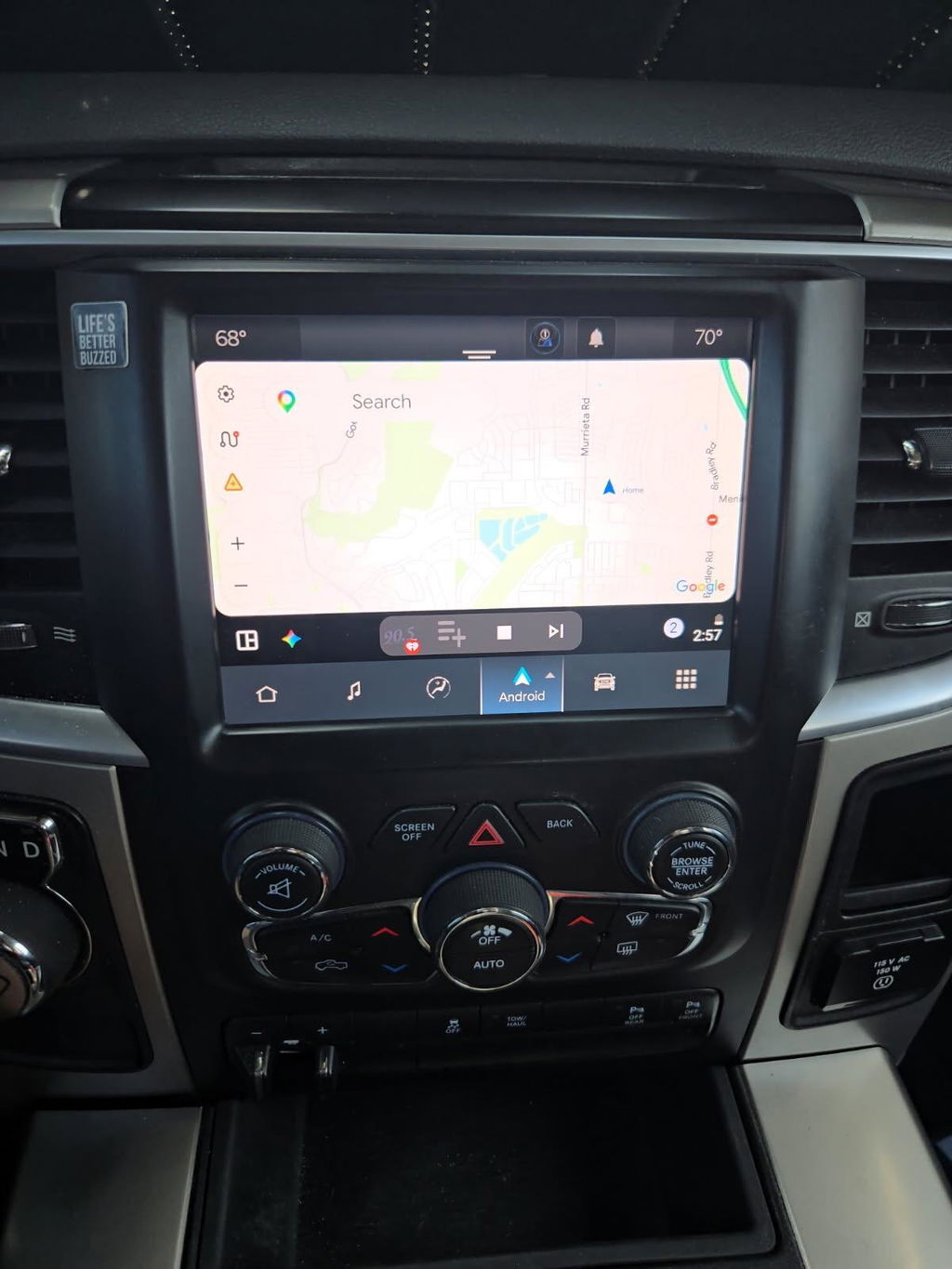
This is exactly why OEM-based upgrade paths have gained traction. Many truck owners want wireless Apple CarPlay, Android Auto, a larger touchscreen, or newer Uconnect functionality without sacrificing factory behavior. They are not trying to build a show car audio project. They just want the truck to work better.
Where aftermarket still has an advantage
Aftermarket radios are not the wrong choice by default. In some cases, they are the better buy.
If your vehicle is older, lightly optioned, or missing major factory tech, aftermarket can deliver more features per dollar. You may get stronger built-in audio tuning, more preamp outputs for amplifiers, expanded camera inputs, and a wide range of price points. If your main goal is custom audio performance, aftermarket brands still offer options OEM systems usually do not.
Aftermarket also makes sense for owners who plan to rebuild the entire system anyway. If you are adding amps, subwoofers, upgraded speakers, extra cameras, and custom tuning, then factory appearance may be less important than flexibility. In that case, a premium aftermarket head unit can become the control center for a full audio build.
The catch is integration. On a modern truck, keeping every OEM function alive may require multiple interfaces, special harnesses, and setup steps. By the time you pay for the head unit, dash kit, retention modules, and labor, the initial savings can shrink fast.
OEM radio versus aftermarket on features
This is where buyers often get misled. People assume aftermarket automatically means more features and OEM automatically means outdated hardware. That was true more often years ago. It is less true now.
Factory-based infotainment upgrades can add the exact features truck owners actually use every day, such as larger touchscreens, factory navigation on supported systems, wireless Apple CarPlay, Android Auto, voice functions, and updated interfaces. If the system comes from a higher trim or newer platform generation, you may be getting modern functionality without the headaches of a universal radio install.
Aftermarket still offers broad feature variety, but not every listed feature works as cleanly in the vehicle as it does in the product box. Wireless phone integration may be great, while vehicle info screens become limited. Audio settings may improve, while the factory camera image quality drops or startup time gets slower. It depends on the radio, the interface module, and the installer.
That is the real comparison. It is not just feature count. It is feature quality and feature retention.
Installation and compatibility are where most decisions get made
For most buyers, the oem radio versus aftermarket decision becomes simple once installation is part of the conversation.
A true vehicle-specific OEM upgrade kit is usually built around exact connectors, programmed compatibility, and trim-aware components. That reduces cutting, splicing, and trial-and-error troubleshooting. You are paying for more than the screen. You are paying for known fitment.
Aftermarket installs can be straightforward on the right vehicle, but on many late-model trucks they are only simple on the first page of the product listing. Real-world installation may include CAN bus modules, antenna adapters, USB retention parts, camera adapters, and programming steps to keep warning chimes or steering wheel buttons. None of that is impossible. It just adds variables.
If you are a do-it-yourself owner with solid wiring experience, that may be acceptable. If you want plug-and-play confidence, it usually is not.
That is where specialists matter. A platform-focused retailer like DD Offroad builds around OEM genuine components and model-year-specific kits because compatibility is the product, not an afterthought.
Cost is more complicated than the sticker price
At first glance, aftermarket often looks cheaper. Sometimes it is. But the useful number is total installed cost, not base head unit cost.
An aftermarket radio may need a dash kit, data interface, wiring harness, antenna adapter, camera retention module, and labor to sort everything out. If one part does not communicate correctly, you may spend more time and money chasing a fix. For a buyer who values convenience, that is real cost.
OEM-based upgrades can carry a higher upfront price, especially when they involve premium factory screens or newer infotainment systems. But they often deliver better long-term value because the result looks right, works with the vehicle, and avoids the stack of add-on electronics behind the dash.
The right question is not which option is cheapest today. It is which option gives you the features you want without creating new problems.
So which one should you buy?
If you drive a newer Ram, Ford, Jeep, Dodge, or Chrysler vehicle and you care about factory integration, OEM-style upgrades are usually the better path. They fit better, preserve more functions, and make the cabin feel upgraded rather than modified.
If you drive an older truck, want a budget-friendly screen, or plan to build a full custom audio system, aftermarket can still make sense. Just go in with realistic expectations about adapters, labor, and retained features.
The biggest mistake is treating every vehicle the same. A base-model older pickup and a late-model truck with integrated factory tech should not be upgraded using the same logic. One rewards flexibility. The other rewards compatibility.
That is why this choice is less about brand loyalty and more about vehicle complexity, install goals, and how you actually use the truck. If you want a radio that simply adds modern functionality and keeps the rest of the vehicle behaving like factory, OEM-based is usually the cleaner answer. If you want to customize everything around the stereo, aftermarket gives you more room to experiment.
The best upgrade is the one you do not have to think about after installation. It starts every time, keeps the features you use, and feels like it should have been there all along.