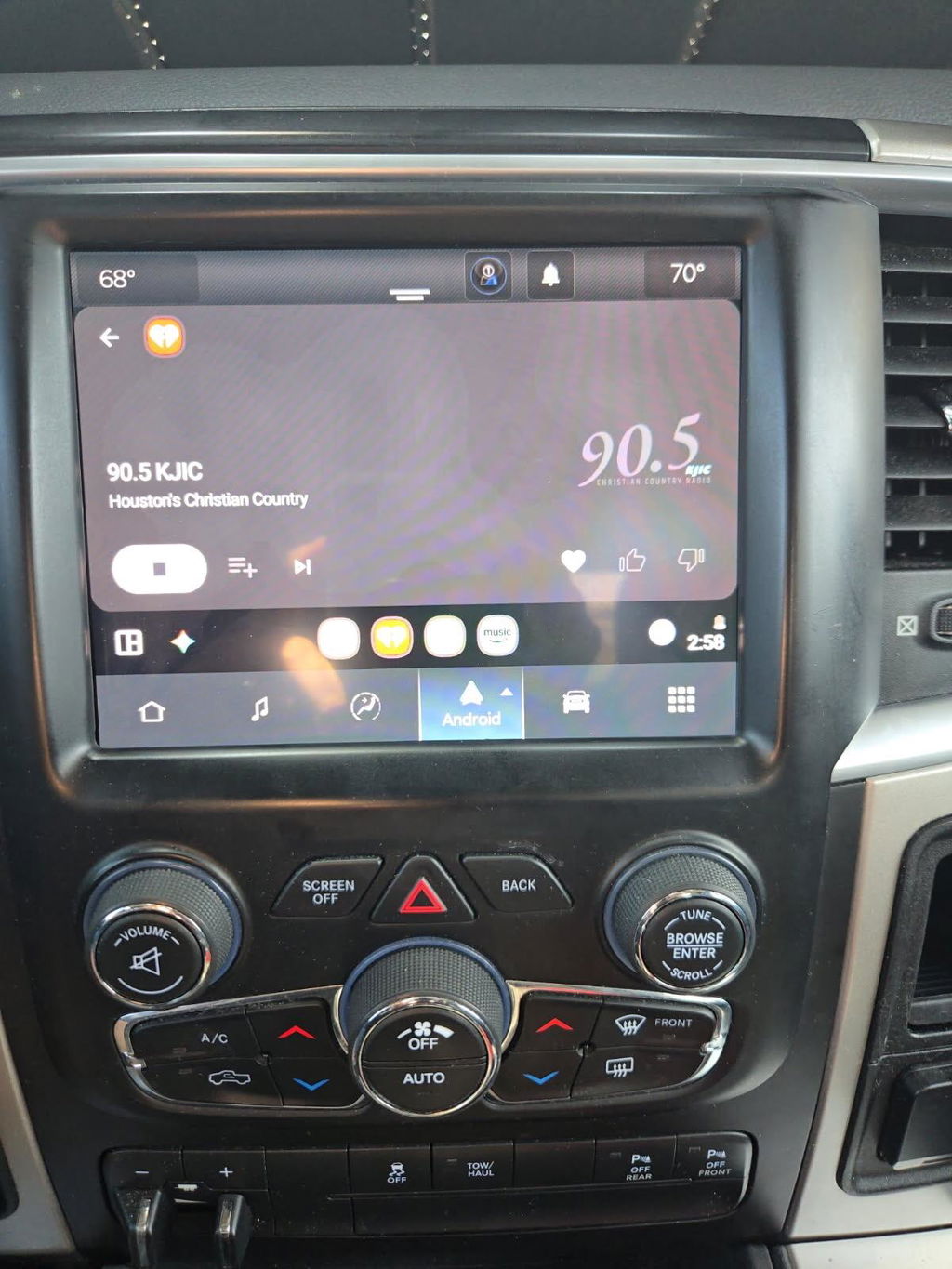
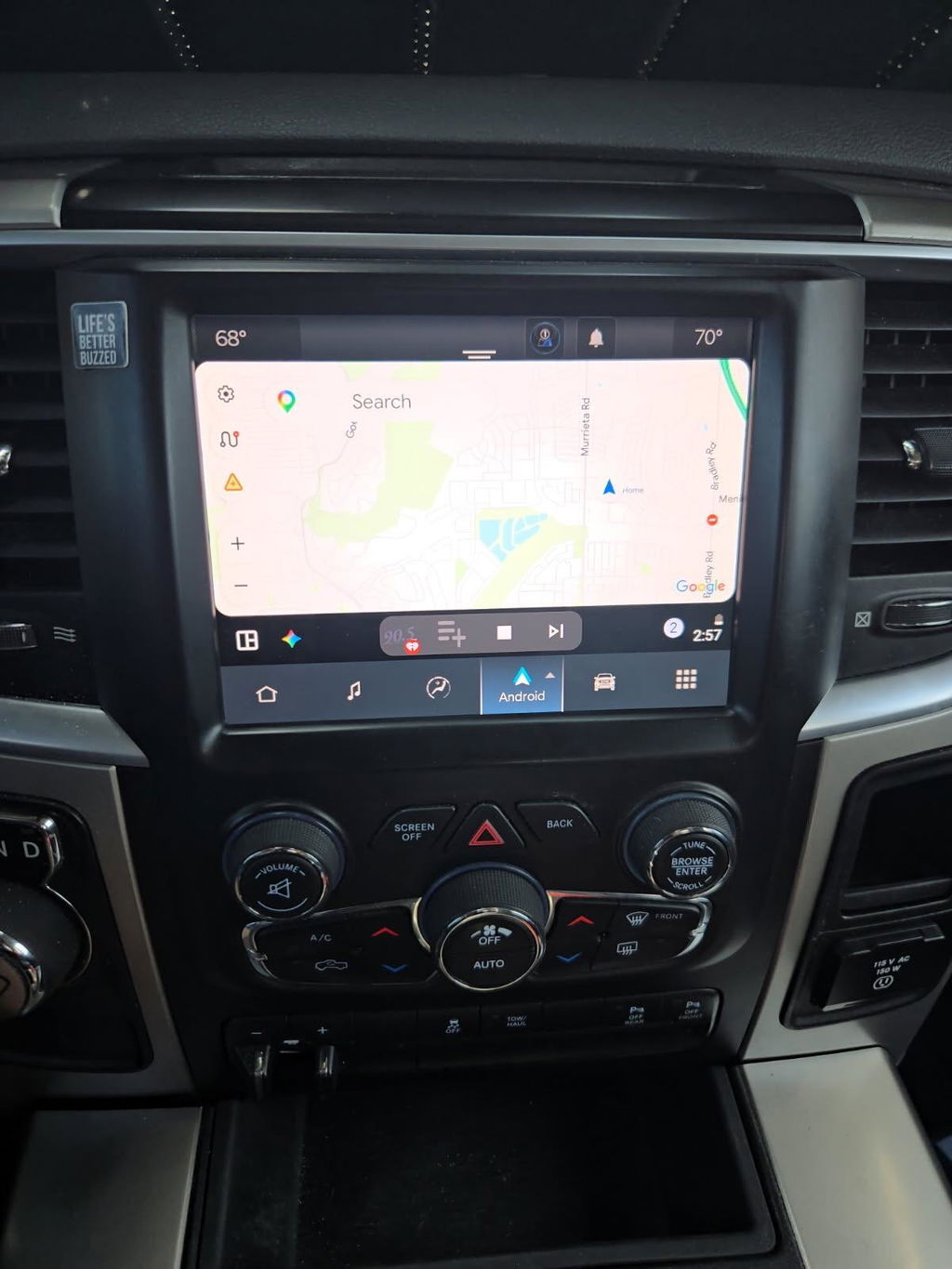
Can I Swap Factory Screen in My Truck?
Share
If you are asking, can I swap factory screen in my truck, the short answer is yes - but only if the replacement screen matches your vehicle’s electronics, trim level, and software requirements. That is where a lot of truck owners get burned. The screen itself is only one part of the system, and swapping it the wrong way can leave you with missing features, error messages, or a radio that looks right but does not work like factory.
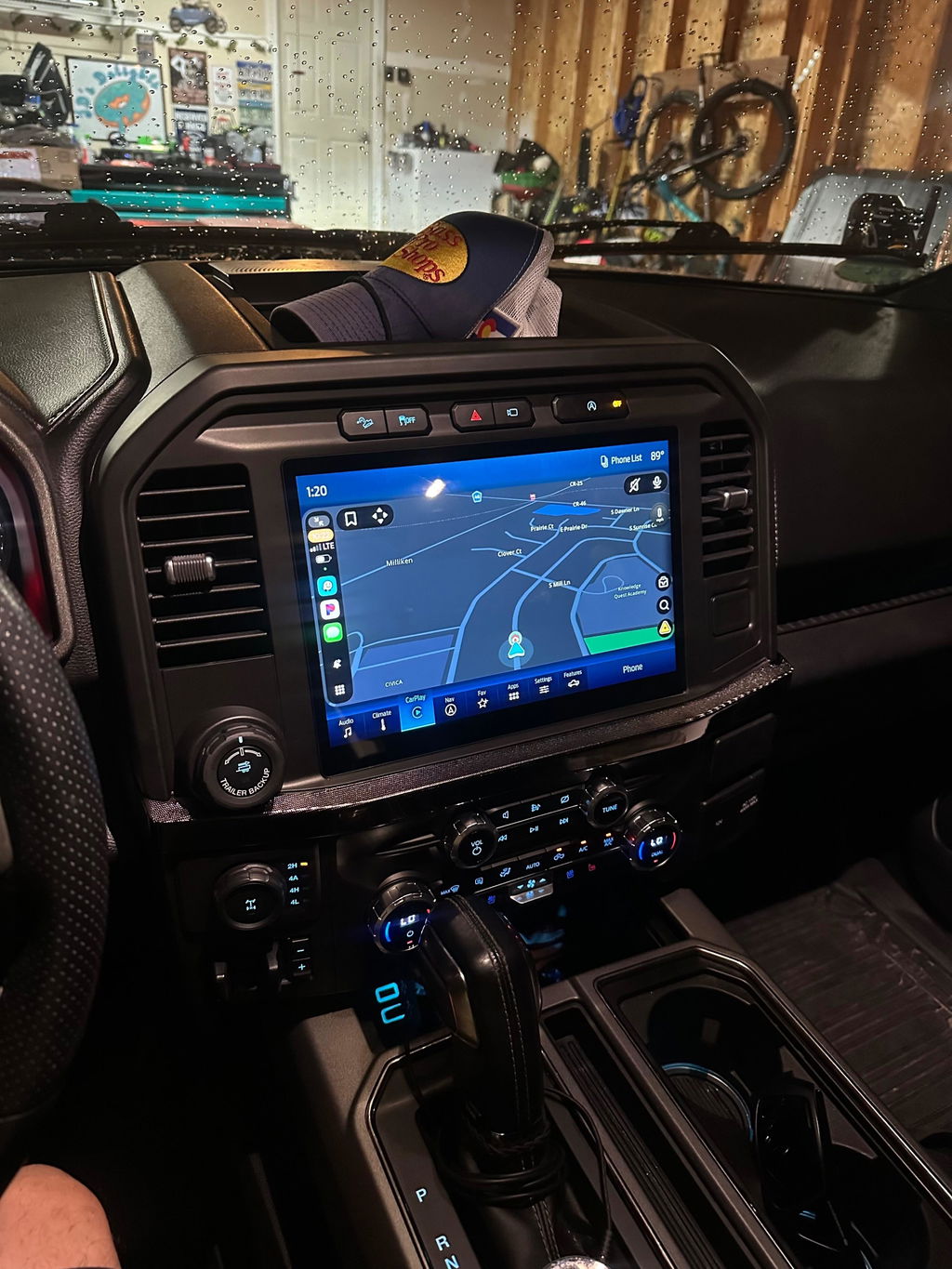
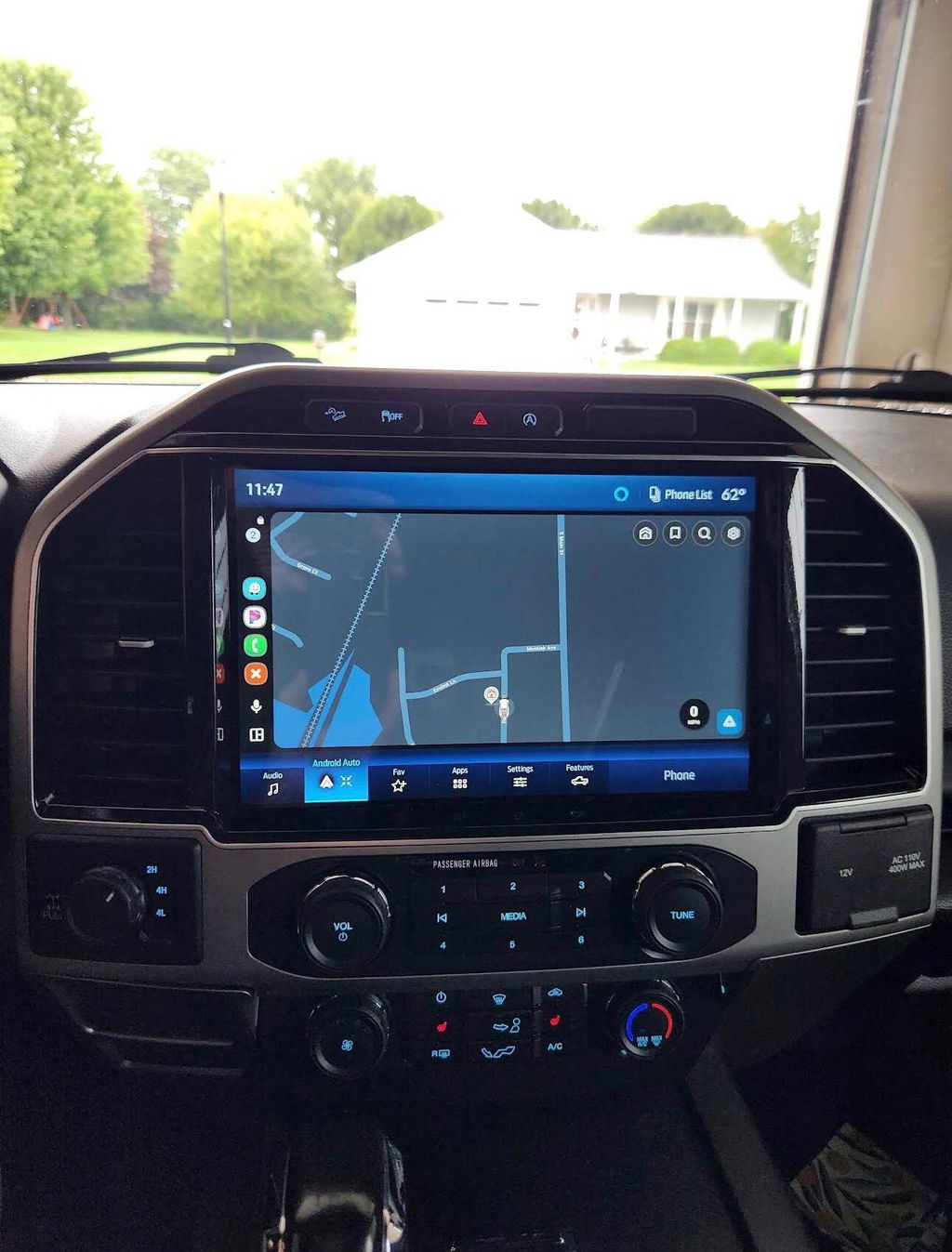
For Ram, Ford, and other late-model trucks, the infotainment setup is tied into more than music and navigation. It can affect climate controls, backup camera operation, vehicle settings, phone integration, and even how certain modules communicate. So the real question is not just can you swap the factory screen. It is whether you can do it without losing the factory integration that made the truck easy to live with in the first place.
Can I swap factory screen without problems?
You can, but fitment is everything. On older vehicles, a screen swap was sometimes as simple as changing a head unit and trimming a dash bezel. Modern trucks are different. The display, radio module, USB hub, harnessing, and software often work as a package. If one piece is wrong, the whole upgrade gets messy fast.
That is why OEM-based upgrades make more sense than universal aftermarket units for a lot of truck owners. A factory-style screen conversion is built around the way the vehicle already communicates. Instead of forcing in a generic tablet-style radio and hoping the adapters play nice, an OEM upgrade keeps the truck’s systems talking the way they were designed to.
This matters most on trucks with integrated controls. If your climate settings, heated seat functions, camera views, or performance pages run through the screen, you cannot treat the display like a standalone part. You need the right hardware and, in many cases, the right programming.
What has to match before you swap a factory screen
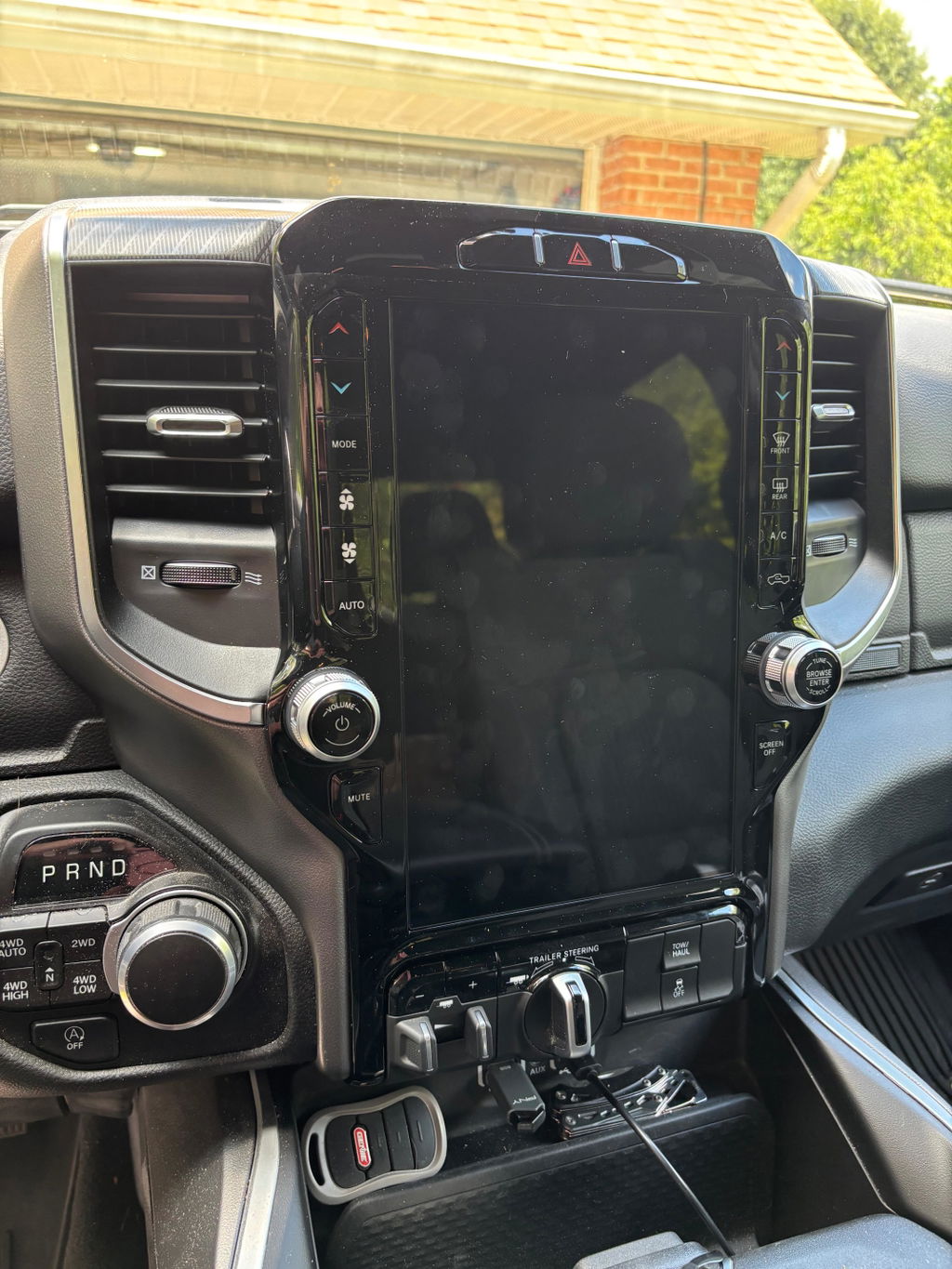
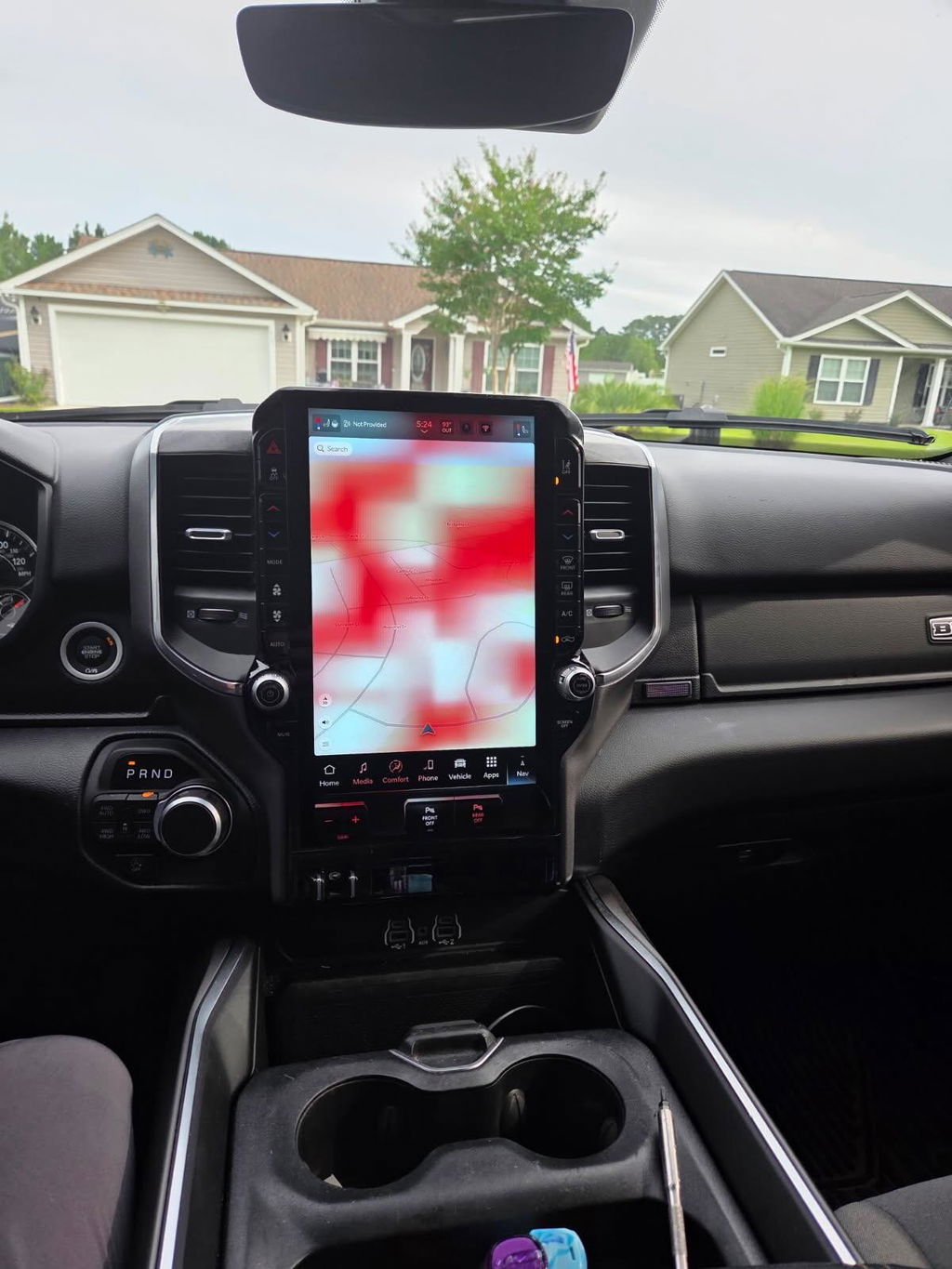
The first thing to verify is vehicle generation and model year. A 2019 Ram 1500 DT does not share the same infotainment path as a 2018 Ram 1500 DS. Ford is the same story. F-150, Super Duty, Maverick, and Expedition platforms each have their own variations, and those variations can change again within the same generation depending on trim and factory options.
Screen size is only part of it. You also need to know which radio system the truck started with, whether the truck already has factory navigation, what style of USB media hub it uses, and whether the swap requires a different bezel or control stack. Some upgrades are truly plug and play when packaged correctly. Others need additional modules, VIN-specific programming, or feature activation to work like OEM.
Factory camera support is another big one. A truck with a backup camera, 360 system, cargo cam, or trailer camera setup may need a very specific configuration. If you install the wrong screen or wrong module, the camera image may not show up correctly, or you may lose functions you use every day.
Audio system compatibility also matters. Base audio, premium audio, and amplified systems do not always share the same path. That is one reason random junkyard swaps or marketplace deals can become expensive. The part may power on, but that does not mean it is correct for your truck.
OEM upgrade vs generic aftermarket screen
This is where the decision usually gets easier. If your goal is a bigger screen and modern features with the cleanest installation possible, an OEM-based kit usually wins. It looks factory, it keeps the cabin layout consistent, and it is far less likely to create weird issues with steering wheel controls, factory microphones, vehicle settings, or warning chimes.
A generic aftermarket screen can still work for some builds, especially if the truck is older and you do not care about factory appearance or deep integration. But for newer trucks, especially Ram and Ford platforms, the trade-off is often not worth it. You may save money up front, then spend it back on interfaces, adapters, dash kits, labor, and troubleshooting.
An OEM conversion costs more because it solves more. You are paying for the right screen, the right supporting parts, and the compatibility path that keeps the truck functioning like it should. For a lot of owners, that is the difference between an upgrade and a project.
Can I swap factory screen myself?
If the kit is vehicle-specific and truly plug and play, many owners can handle the installation themselves with basic trim tools and patience. Most of the physical work is straightforward - remove trim, unbolt the existing unit, connect the correct harnesses, install the upgraded components, and reassemble.
The part that changes the difficulty is programming. Some screen upgrades are ready to install with no additional setup. Others require programming to your VIN or configuration changes so features like navigation, climate pages, Apple CarPlay, Android Auto, or factory cameras work correctly. If the seller cannot clearly explain what is required, that is a red flag.
This is also why complete kits are safer than piecing together parts one by one. When the bezel, module, screen, and harnesses are selected as a package for your exact truck, the install path is much cleaner. You are not guessing which connector changed mid-year or whether the donor parts came from a truck with different options.
Common reasons a factory screen swap goes wrong
Most failed swaps come down to one of three issues: bad fitment research, incomplete parts, or skipped programming. A lot of buyers focus on the screen because that is the visible part. The real compatibility problems usually sit behind the dash.
A used factory screen pulled from another vehicle may be locked, damaged, missing paired modules, or simply not configured for your trim. Some trucks also need a revised media hub to support features like Apple CarPlay. That catches people off guard. They install the new screen, the menu appears, but phone projection does not work because the supporting hardware was never updated.
There is also a difference between powering up and working correctly. A screen can light up and still have problems with audio output, camera display, climate functions, or menu access. That is why vehicle-specific product support matters. A serious upgrade path is built around function, not just fit.
When a factory screen swap is worth it
If your current setup feels outdated, a screen swap is usually one of the best interior upgrades you can make. The value is not just a bigger display. It is the jump in daily usability. Wireless Apple CarPlay, Android Auto, better camera integration, improved menus, and a more current factory look all make the truck feel newer every time you drive it.
It is especially worth it if you plan to keep the truck. A clean OEM-style upgrade tends to age better than universal aftermarket electronics, and it usually supports resale better because it does not look hacked together. Buyers understand factory-style equipment. They get nervous around cut wiring and oversized floating screens.
For work trucks and utility-focused builds, there is another advantage. Factory-based systems generally hold up better in rough use. If the truck sees towing, jobsite duty, or off-road miles, reliability matters more than flashy features. That is one reason many owners lean toward OEM Genuine Components and plug-and-play kits instead of experimenting with low-cost alternatives.
How to know if your truck is a good candidate
The best candidates are trucks with a clear OEM upgrade path and a kit built around exact year, trim, and platform compatibility. That includes many Ram and Ford applications where the upgrade is already well understood and supported. If your truck has a smaller factory screen and you want a larger OEM touchscreen conversion, the odds are usually better when the upgrade uses genuine factory components and the correct supporting parts.
The weaker candidates are vehicles with unknown history, previous stereo modifications, or missing factory hardware. If someone already cut into the dash harness or mixed in aftermarket modules, even a good OEM kit can take more time to sort out. It can still be done, but the install is no longer a clean baseline swap.
That is why buyers who want the least risk usually choose a supplier focused on exact-fit OEM upgrade solutions instead of a general electronics seller. A specialist like DD Offroad is building around platform knowledge, not just screen size.
If you are still asking can I swap factory screen, think about the upgrade the same way you would think about wheels, suspension, or gearing. The right part is the one that matches the truck, supports the systems already in it, and delivers the result without creating new problems. Get the fitment right, get the programming right, and the upgrade feels like it should have come that way from the factory.