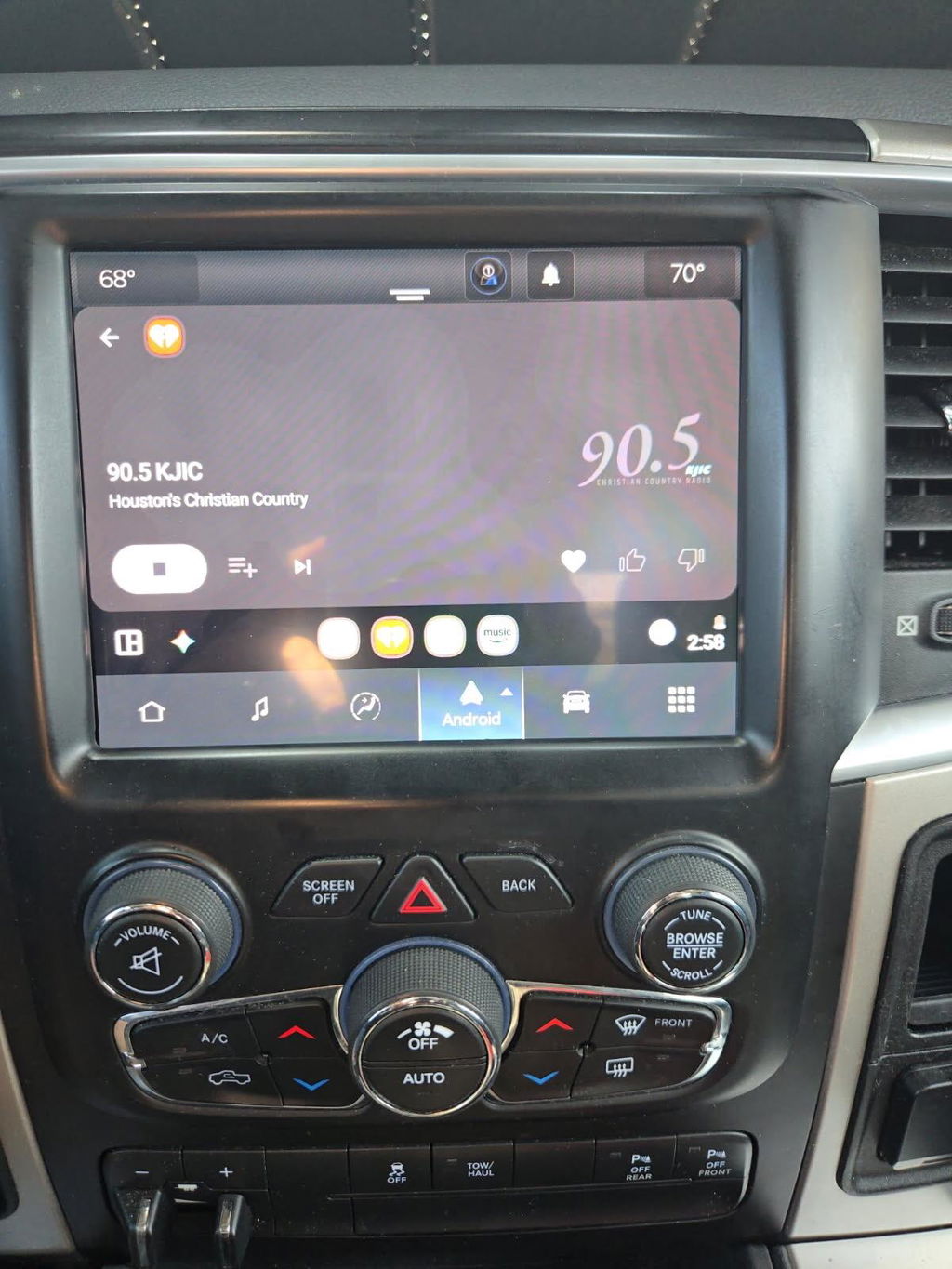
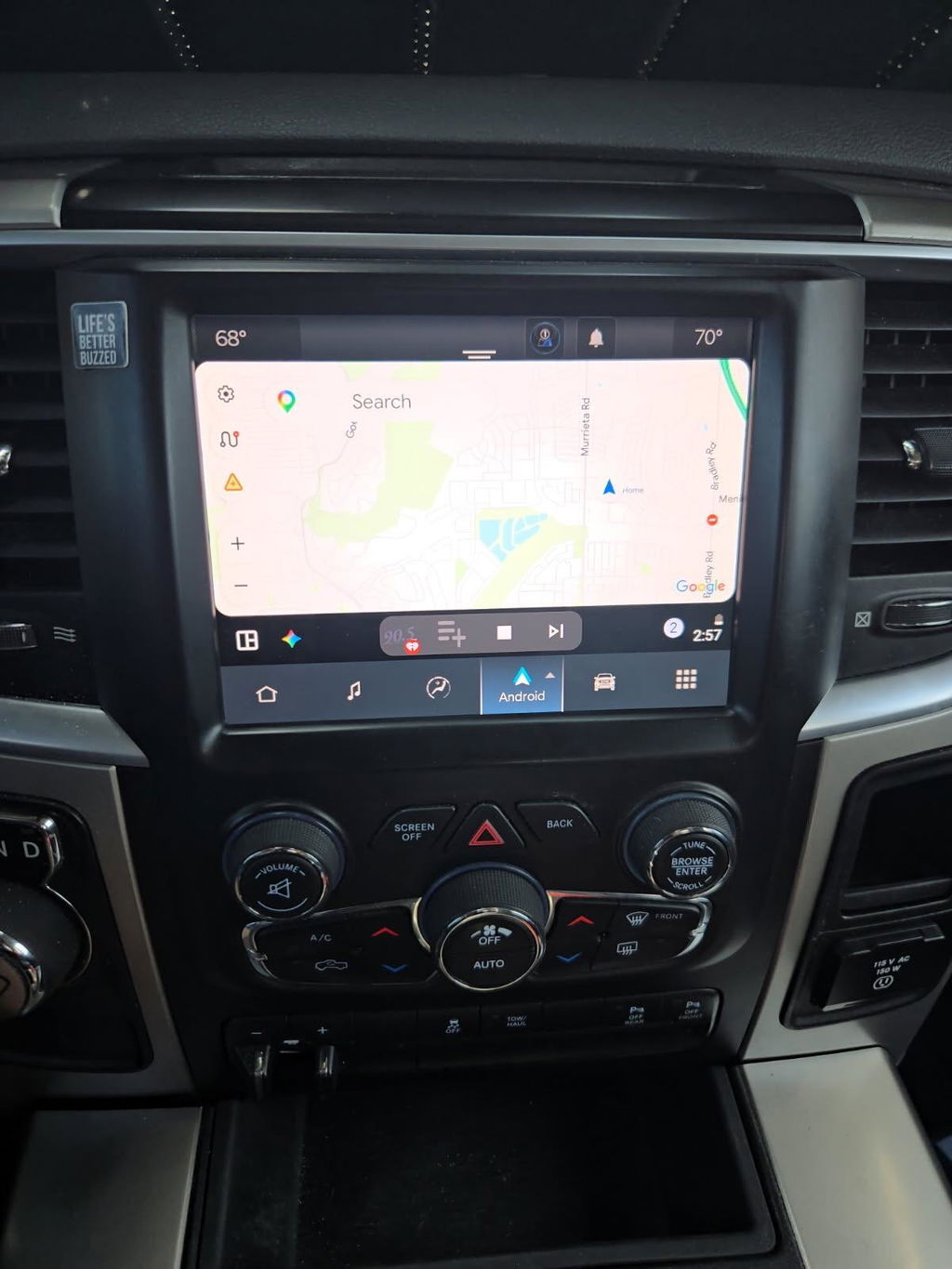
Top Factory Radio Retrofits for Ram and Ford
Share
A small factory screen, slow menus, and no modern phone integration can make an otherwise capable truck feel dated every time you get behind the wheel. The best top factory radio retrofits replace that weak point without turning the dash into a wiring project. For Ram and Ford owners, an OEM-based conversion can add the screen size, smartphone connectivity, and factory-style operation your truck should have had from the start.
The key is choosing a retrofit built around your exact vehicle, not simply buying the newest-looking radio you can find. Model year, trim level, existing screen size, amplifier equipment, camera configuration, and vehicle settings all affect what will work. A properly matched kit keeps the upgrade clean, functional, and worth the investment.
What Makes a Factory Radio Retrofit Worth Buying?
A factory radio retrofit is not the same thing as a universal aftermarket head unit. Universal systems can offer plenty of features, but they often require dash adapters, wiring harnesses, separate interface modules, added microphones, and programming to retain factory controls. The result can work well, but it can also introduce fitment questions and extra installation steps.
An OEM-style retrofit is designed to preserve the architecture your truck already uses. That matters when the infotainment screen handles more than music. On many Ram and Ford platforms, the radio also manages backup camera views, climate settings, steering-wheel controls, vehicle menus, trailer-related functions, active safety alerts, and factory microphones.
The strongest retrofit options use OEM Genuine Components or vehicle-specific hardware intended to communicate with the truck correctly. The screen belongs in the dash without trimming. The connectors match where they should. Factory controls continue to operate as expected. That is the practical advantage of a plug-and-play path over piecing together a generic stereo installation.
Top Factory Radio Retrofits by Truck Platform
The right conversion depends heavily on the truck in your driveway. Start with the platform, then confirm the exact year and existing equipment before ordering.
Ram Uconnect 5 Touchscreen Conversions
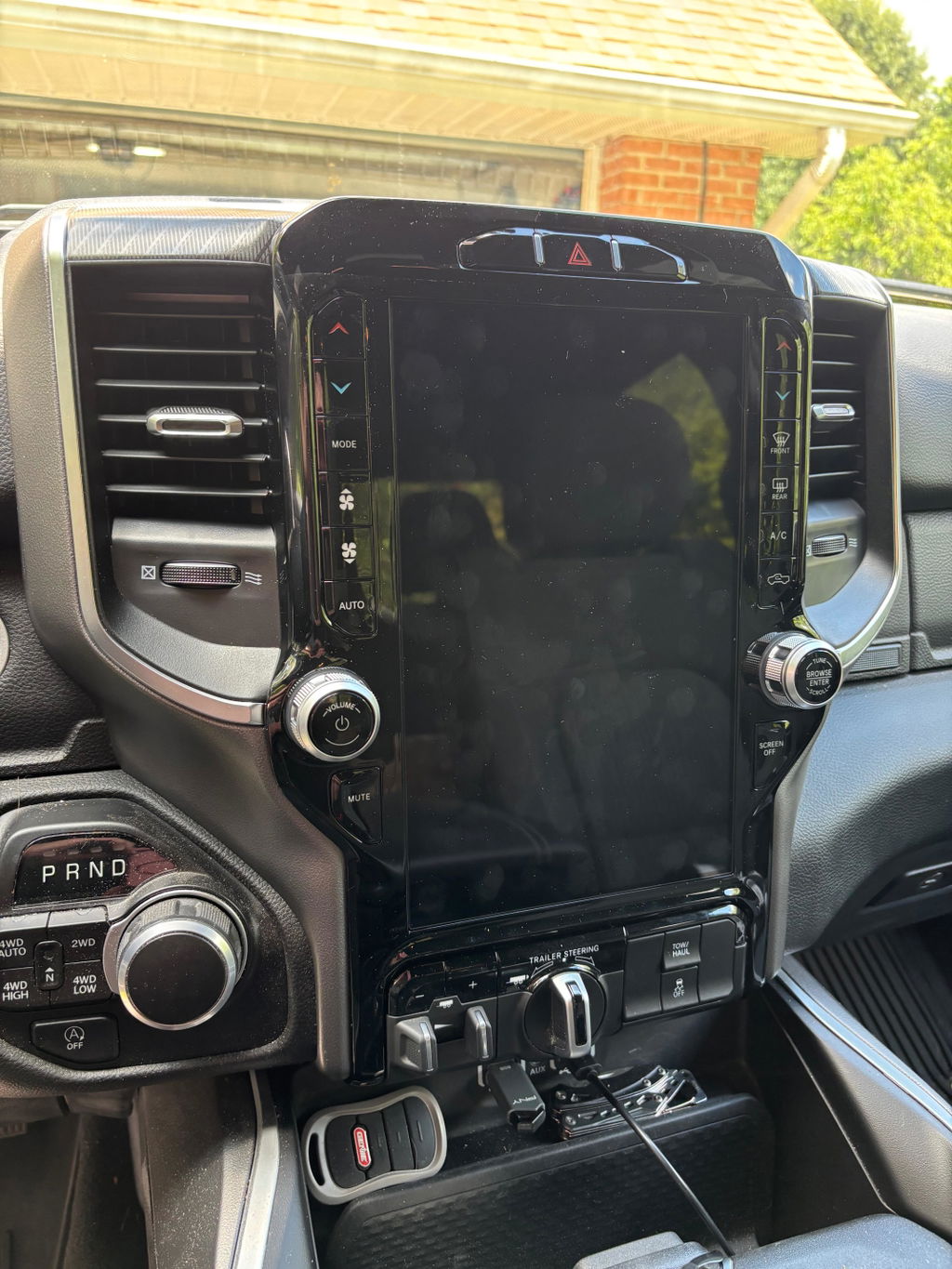
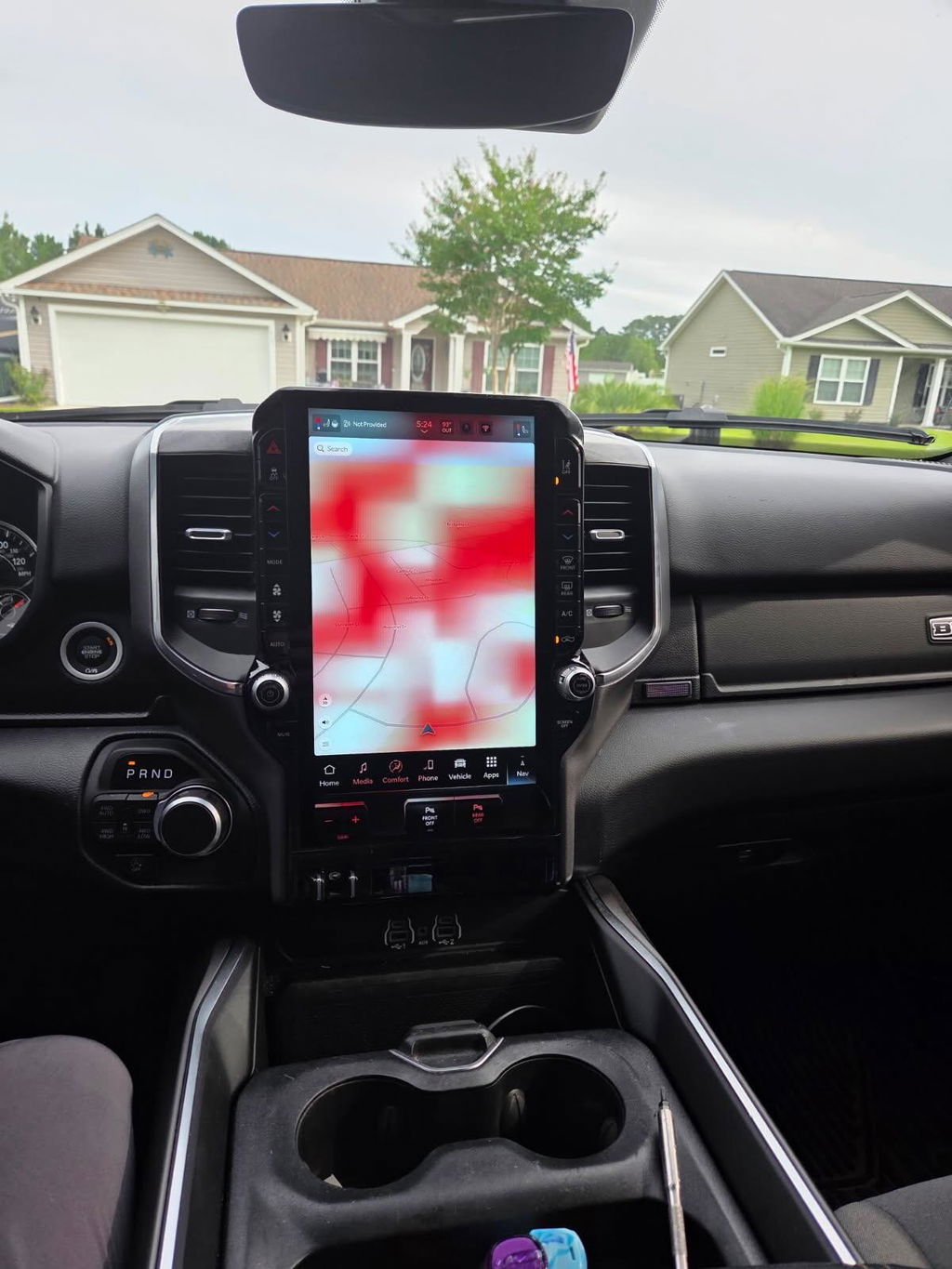
For many Ram owners, moving to a Uconnect 5 touchscreen system is one of the most noticeable interior upgrades available. It brings a newer interface and, depending on the specific conversion, features such as wireless Apple CarPlay and Android Auto. That means fewer cables in the console and easier access to navigation, calls, messages, and music on the road.
A larger OEM touchscreen also changes how the cabin feels. On Ram 1500 and Heavy Duty models equipped with a smaller factory display, an 8.4-inch or 12-inch style conversion can provide a major usability improvement while retaining an appearance that belongs in the truck. The dash does not look modified because the system follows the factory layout.
There are trade-offs. The largest screen is not automatically the right choice for every truck. Some conversions require different bezel pieces, modules, or programming steps. Trucks with factory navigation, premium audio, surround-view cameras, or certain HVAC arrangements need closer attention than a base audio package. Fitment is not a detail to guess at.
Ford SYNC Screen and Infotainment Upgrades
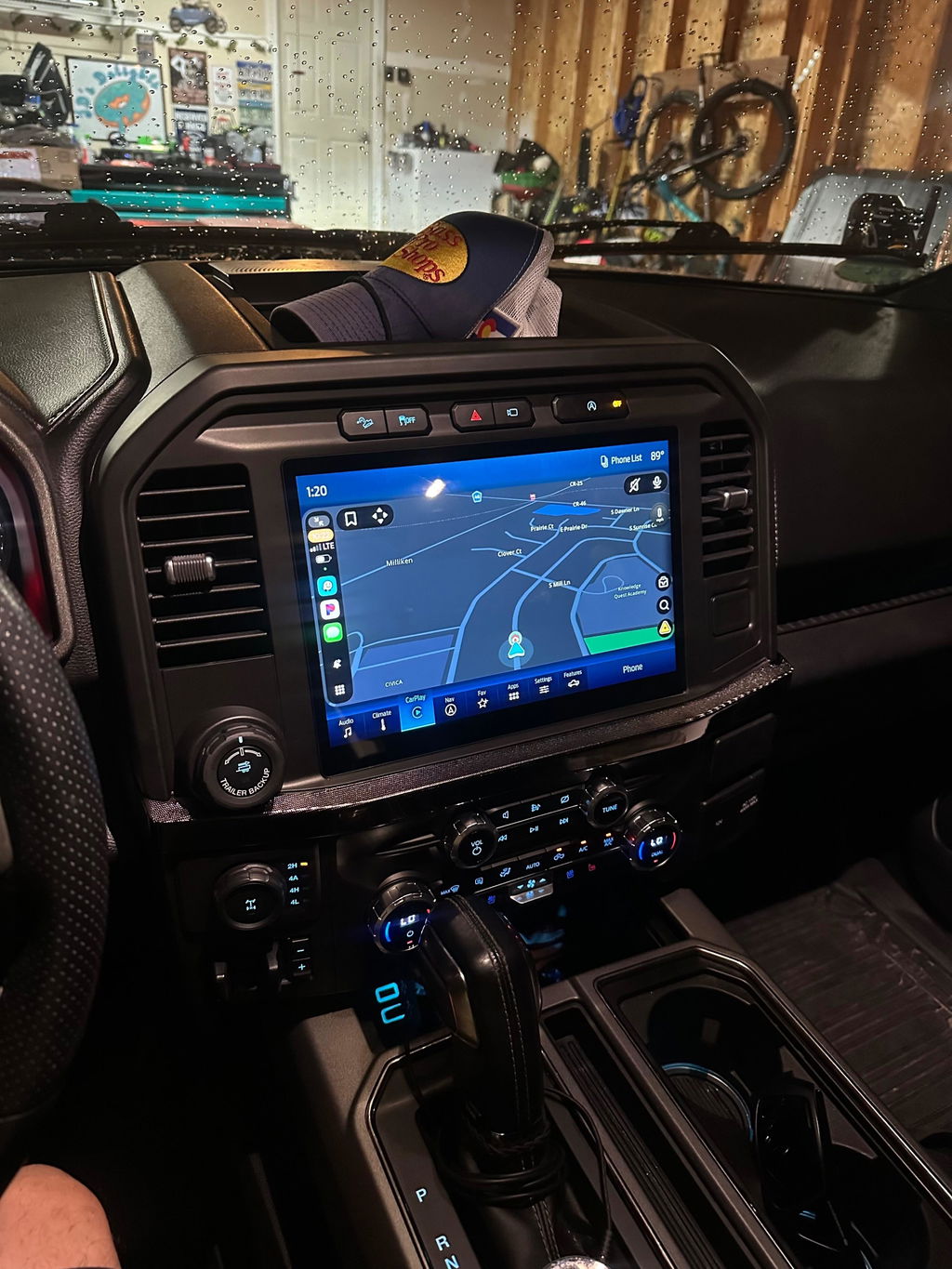
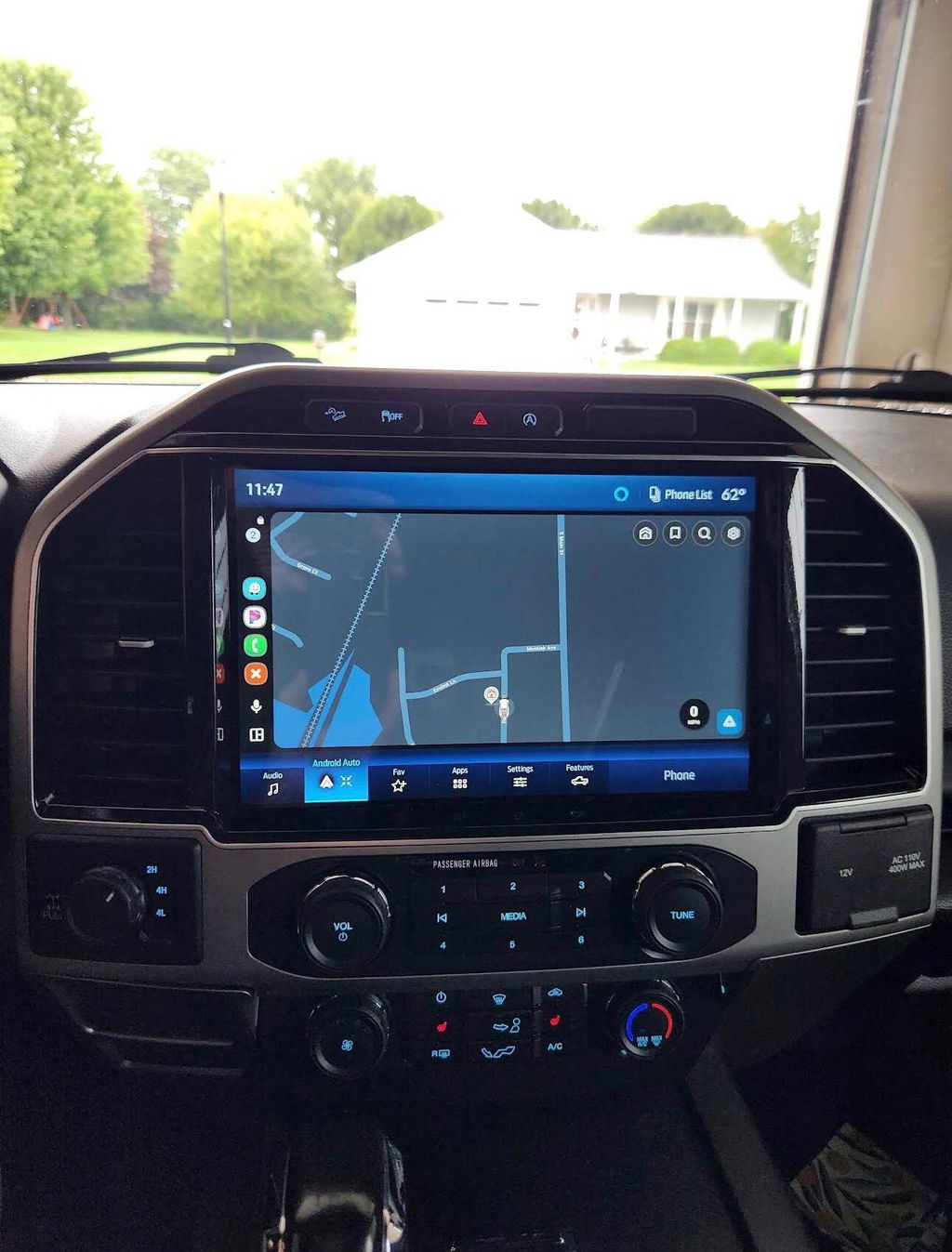
Ford F-150, Super Duty, Maverick, and Expedition owners often shop for a larger screen or newer SYNC-based functionality when the original setup is limited by a small display or older software generation. A factory-style upgrade can bring a more useful interface while preserving the controls and trim fit that Ford designed into the cabin.
For work trucks, this is more than a convenience item. A clear screen and reliable phone integration make it easier to handle calls, navigation, and jobsite coordination without adding loose accessories to the dash. For towing and off-road use, retaining access to camera views and vehicle information is equally important.
Ford fitment can vary by year even when two trucks look similar from the driver seat. Screen size, audio package, camera setup, and the original SYNC system all need to be verified. If a truck has a factory amplifier or specialized option package, the retrofit must account for it rather than bypassing it with an improvised harness.
OEM Retrofits for Dodge, Jeep, and Chrysler Vehicles
The same approach applies outside the truck segment. Many Dodge, Jeep, and Chrysler vehicles use Uconnect systems that can be upgraded with compatible OEM-based components. Owners may be looking for a newer touchscreen, modern phone integration, or a replacement for an outdated factory unit.
These vehicles still require vehicle-specific verification. A radio that physically fits a dash opening may not be compatible with the vehicle's modules, security configuration, or feature set. Matching the system to the platform protects the functions that make an OEM retrofit appealing in the first place.
Features That Actually Matter in a Radio Upgrade
The screen gets the attention, but the feature list should be evaluated based on how you use your vehicle. Wireless Apple CarPlay and Android Auto are high-value upgrades for most drivers because they remove the daily cable routine. If your truck sees long road trips, regular towing, or work mileage, easy access to maps and communications is a real improvement.
Backup camera retention should be non-negotiable. If your vehicle has front, side, cargo, or 360-degree camera systems, confirm those views remain supported by the exact kit. The same goes for steering-wheel controls, USB ports, satellite radio capability, factory microphones, and premium audio.
Vehicle settings are another common point of confusion. On newer trucks, the infotainment display may control safety settings, lighting preferences, door lock behavior, climate functions, or driver-assistance options. A lower-cost radio solution can create a problem if it removes convenient access to those menus. A well-matched factory retrofit should protect those functions or provide the correct integration path.
Why Plug-and-Play Still Requires Preparation
Plug and play does not mean every vehicle receives the same box of parts or that fitment checks are optional. It means the kit is built to minimize cutting, splicing, fabrication, and trial-and-error wiring. That is a major advantage, but the buyer still needs accurate vehicle information.
Before selecting a system, confirm the model year, trim, cab configuration if applicable, current screen size, and whether the truck has premium audio or advanced camera equipment. Photos of the existing dash and radio connectors can also help identify the correct setup. If the conversion requires programming, understand whether it is included, preconfigured, or completed after installation.
Avoid buying a loose radio module from a salvage source simply because the part number appears close. A used unit may be locked to another vehicle, missing required modules, incompatible with your truck's options, or unable to support all factory functions. By the time you source harnesses, trim pieces, antennas, programming, and repair work, the cheap purchase can become the expensive route.
Installation: DIY or Professional?
Many vehicle-specific retrofits are manageable for a capable DIY owner with trim tools, patience, and a clean work area. The dash panels must still be removed carefully, connectors need to be fully seated, and every function should be tested before reassembling the interior. Rushing the final checks is how a simple upgrade becomes a second teardown.
Professional installation makes sense when the vehicle has premium audio, advanced cameras, complex trim changes, or required programming. It is also a smart move if the truck is a daily work vehicle and downtime matters. The goal is not just getting the screen to turn on. The goal is confirming that cameras, audio, climate controls, steering-wheel buttons, phone calls, and vehicle menus operate correctly.
Buy for Fitment, Not Just Screen Size
The best radio retrofit is the one that matches your truck's equipment and gives you the features you will actually use. A 12-inch screen is impressive, but a correctly configured 8.4-inch or factory-style Ford upgrade can be the better choice if it retains every function and fits your budget.
DD Offroad focuses on model-year-specific OEM upgrade paths because compatibility is what separates a clean conversion from an expensive experiment. Verify the vehicle details first, choose the right component package, and you can bring modern infotainment into your truck without giving up the factory integration that made it dependable to begin with.