Factory Modules vs Universal Kits for Truck Upgrades
Share
A larger screen, wireless Apple CarPlay, remote start, or a digital cluster can make an older truck feel like a much newer vehicle. But the part you choose determines whether the upgrade feels factory-installed or becomes another project to troubleshoot. When comparing factory modules vs universal kits, the real question is not which option has the longest feature list. It is which option works correctly with your truck’s existing electronics, controls, and trim level.
For Ram, Ford, Dodge, Jeep, and Chrysler owners, that distinction matters. Modern vehicles rely on connected modules, vehicle-specific connectors, CAN bus communication, steering-wheel controls, cameras, HVAC settings, and security programming. A screen that physically fits the dash is not automatically a system that belongs in the vehicle.
Factory Modules vs Universal Kits: The Core Difference
Factory modules are OEM components designed for a specific vehicle platform, often with a defined model-year range and equipment configuration. An OEM infotainment radio, digital cluster, remote-start module, or matching bezel was engineered to communicate with the electronics already installed in that vehicle. When supplied as a complete vehicle-specific kit, the required components are selected to work together rather than leaving the buyer to source adapters, harnesses, and programming separately.
Universal kits are built to cover as many vehicles as possible. A universal touchscreen, remote-start system, camera interface, or control module may offer broad compatibility, but it typically depends on extra harnesses, interfaces, resistors, custom mounting, and setup work to function in a particular truck. The hardware may be capable, yet the installation quality and final operation can vary dramatically by vehicle and installer.
Neither category is automatically wrong. A universal kit can make sense for a custom build, an older vehicle with limited OEM upgrade options, or an owner who wants features unavailable from the factory. For most late-model truck owners looking for a clean infotainment or convenience upgrade, factory-based components provide a more predictable path.
Fitment Is More Than Dash Size
The most common mistake in vehicle electronics is treating fitment as a measurement problem. A screen can match the opening in the dash and still create problems with trim, mounting points, factory camera display, microphone quality, HVAC controls, warning chimes, or steering-wheel buttons.
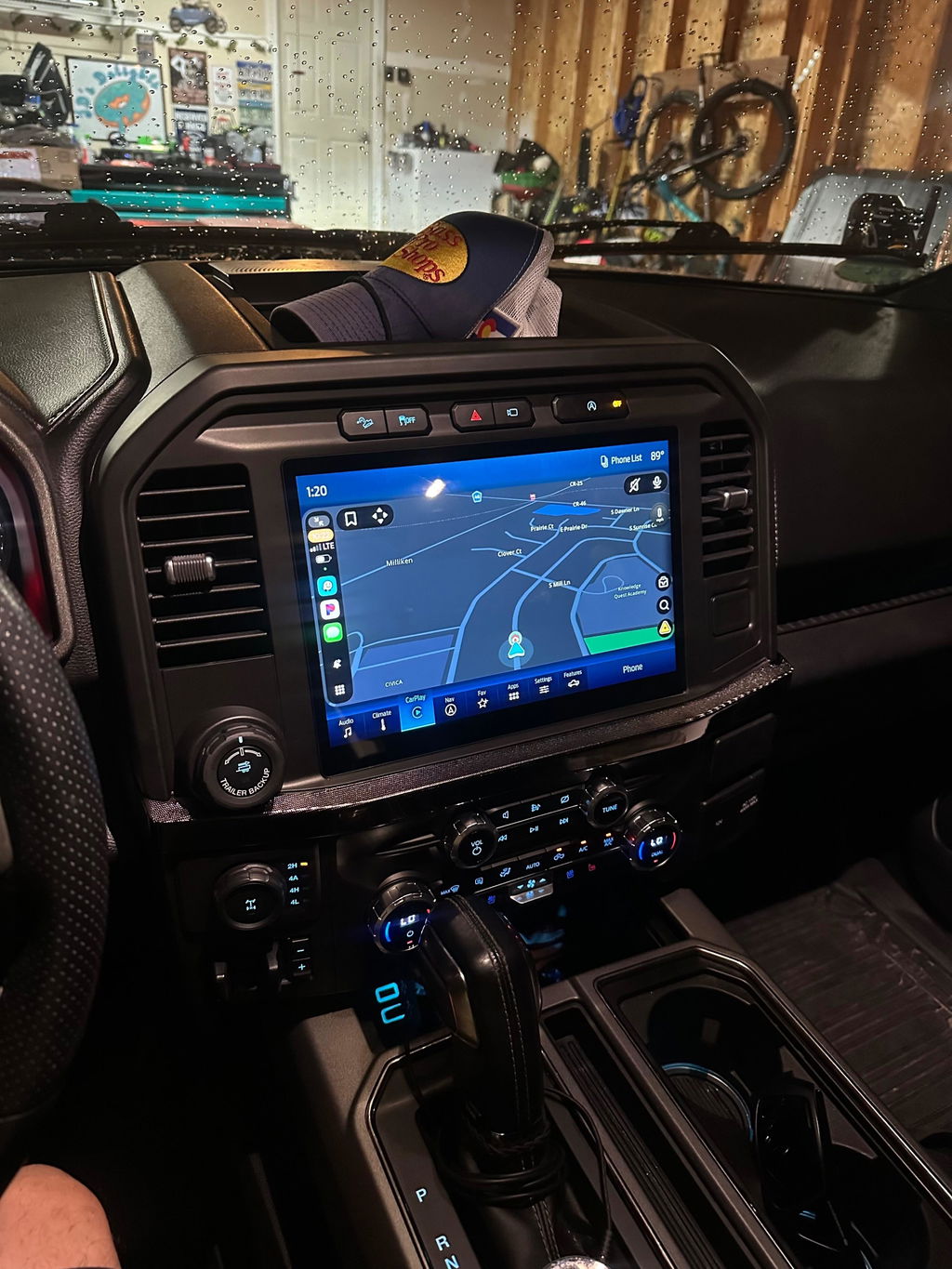
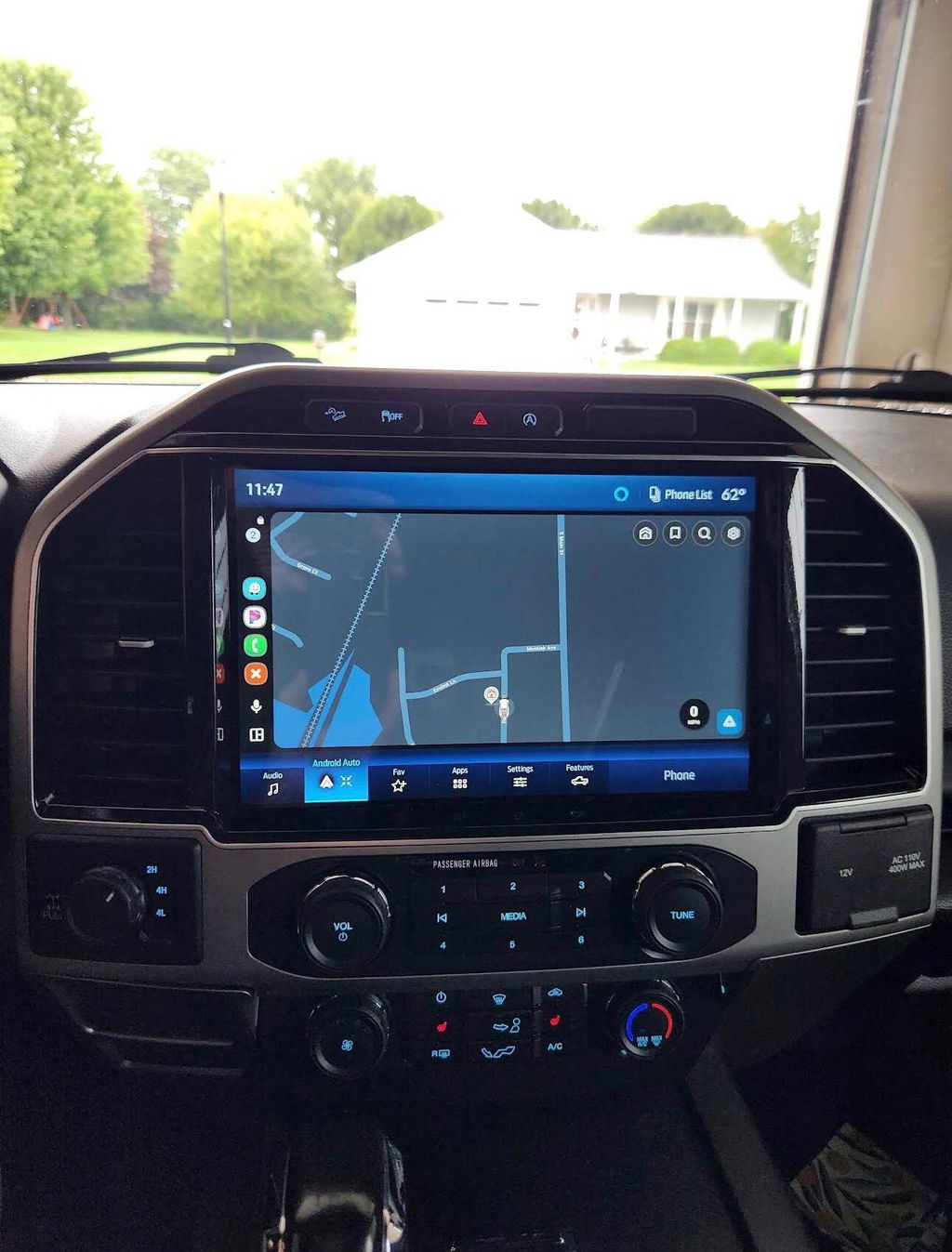
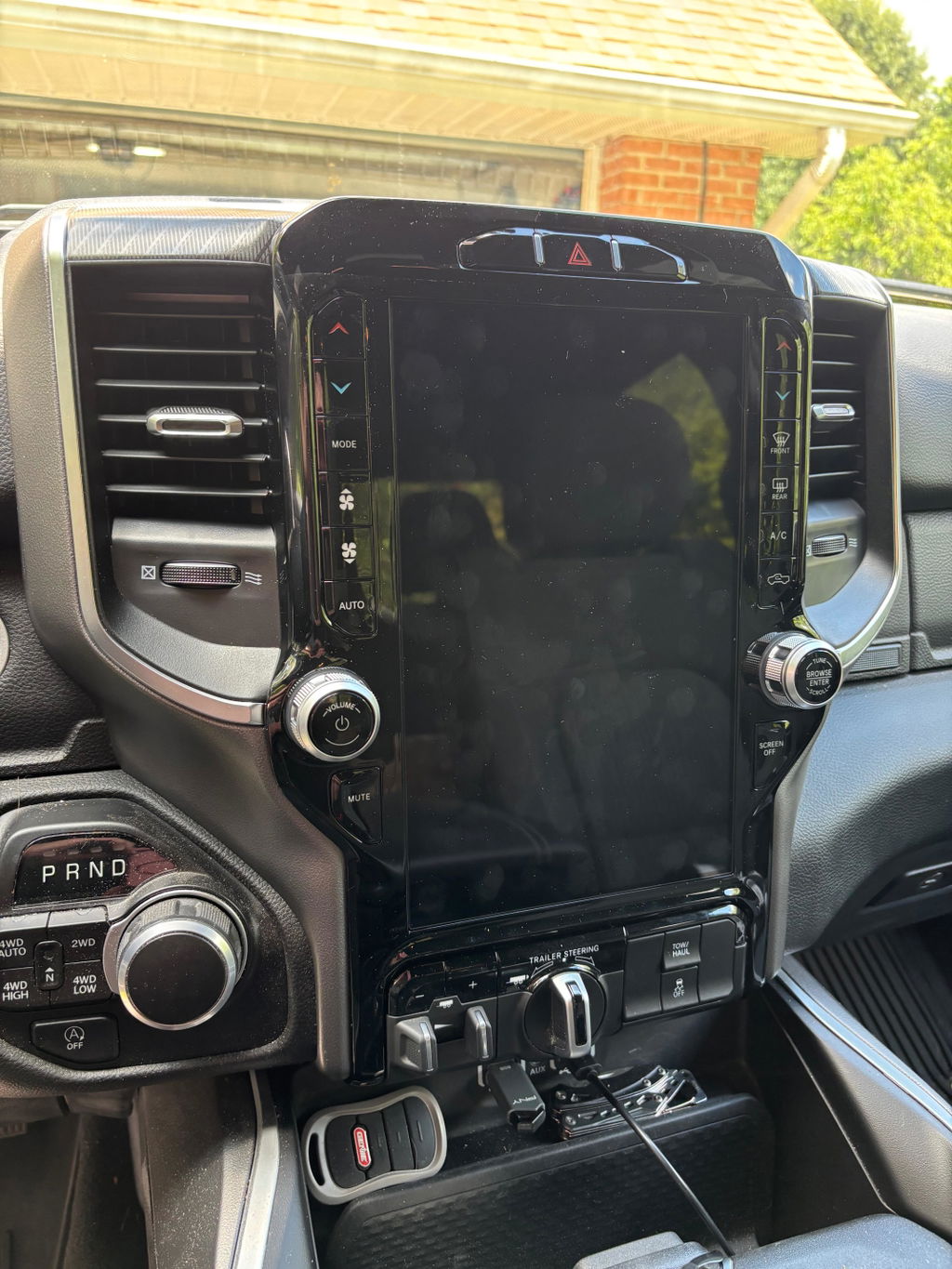
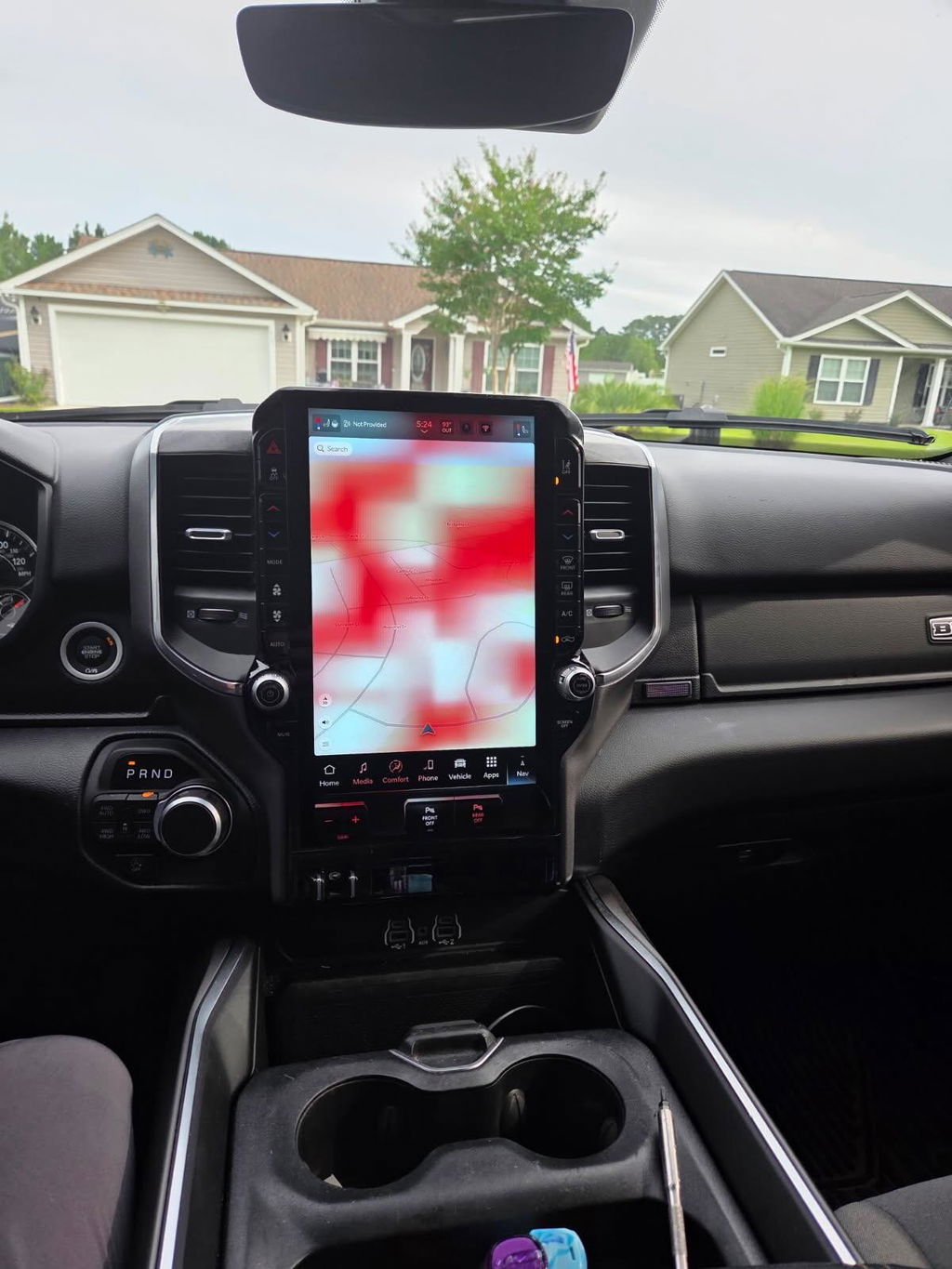
OEM-based kits are built around the vehicle’s original architecture. On a Ram truck, for example, an upgrade may need to account for the radio chassis, screen size, bezel layout, USB hub, climate-control arrangement, satellite radio equipment, amplifier configuration, and factory camera. Ford applications bring their own variables, including SYNC generation, screen configuration, audio system, and model-year-specific connectors.
A vehicle-specific kit reduces the number of unknowns. Instead of asking whether a universal radio supports your truck, you can verify whether a kit fits your exact year, platform, and factory equipment. That is a better starting point than hoping an adapter resolves every difference after the dash is apart.
Why model year and trim level matter
Two trucks with the same body style can have different electronics. A 2019 Ram 1500 Classic is not the same platform as a 2019 all-new Ram 1500. A base radio setup may use different components than a premium audio package. A truck with factory navigation, an amplifier, a backup camera, or heated-seat controls can require a different upgrade approach than a similarly equipped-looking truck without those options.
This is where factory-style kits earn their value. Correct fitment is not just about avoiding an extra return. It is about retaining the features you already paid for while adding the features you want.
Installation: Plug and Play Has Real Value
Universal electronics often advertise easy installation, but universal does not always mean plug and play. In practice, many universal systems require wiring changes, interface-module programming, antenna adapters, steering-wheel-control setup, microphone routing, dash trimming, or custom brackets. A professional installer can handle those steps, but labor adds cost and future diagnostics can become more difficult.
An OEM-based kit is not always a five-minute install. Some upgrades require programming or configuration to enable the new equipment correctly. The difference is that the components, connectors, and instructions are intended for the vehicle rather than adapted to it. That reduces fabrication and avoids cutting into factory wiring whenever the kit is properly matched.
For owners who work on their own trucks, this matters. A project with factory connectors and a defined parts package is easier to inspect, install, and reverse if necessary. For installers, it means less time chasing an unexpected communication issue caused by a generic interface or an incomplete parts list.
Factory Integration Is the Difference You Use Every Day
The best upgrade is not the one that looks impressive during installation. It is the one that works normally six months later. Factory integration affects everyday details: how quickly the screen starts, whether the backup camera appears when shifted into reverse, whether the steering-wheel buttons respond correctly, whether vehicle settings remain accessible, and whether the system behaves properly after a battery disconnect.
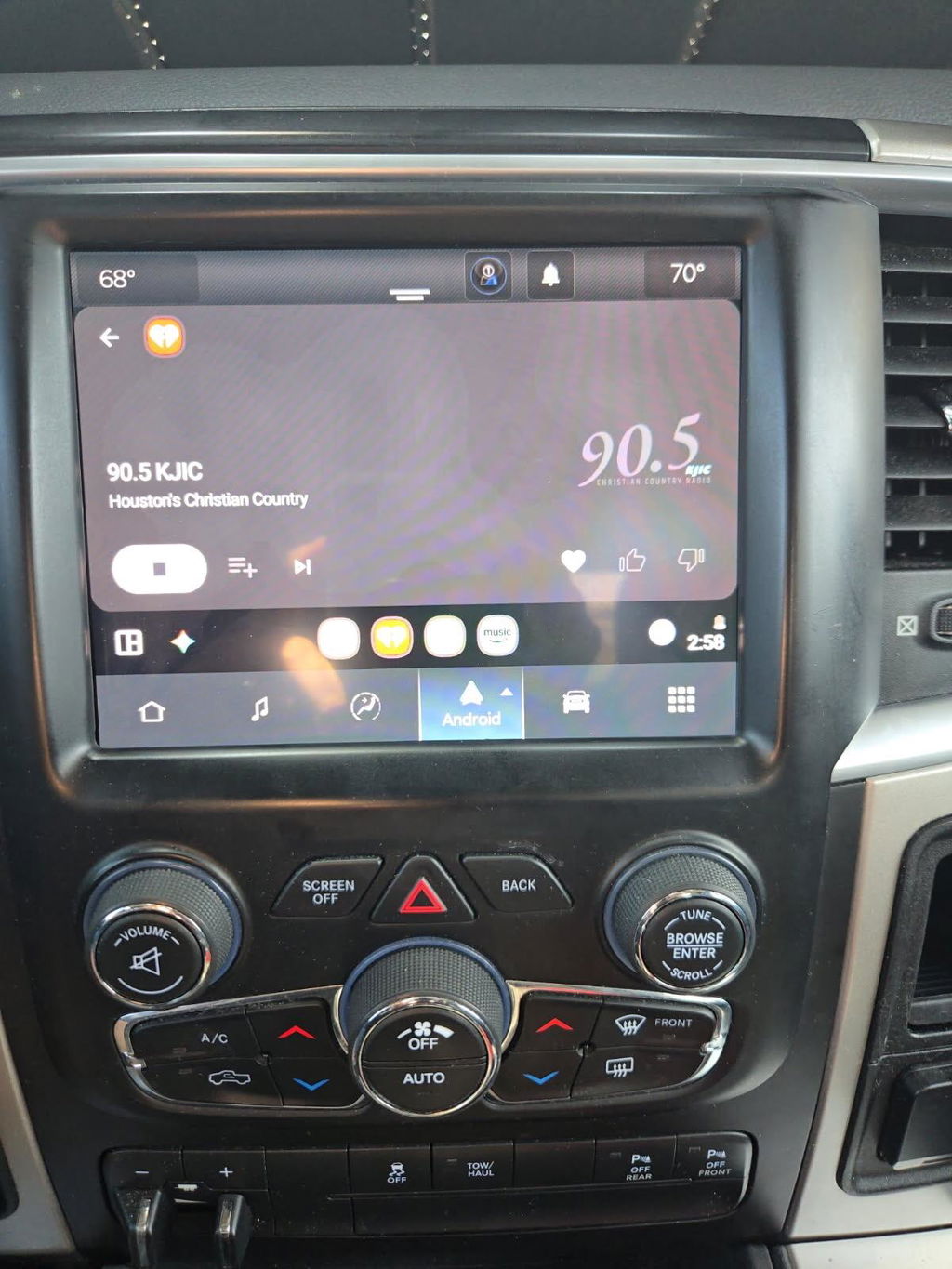
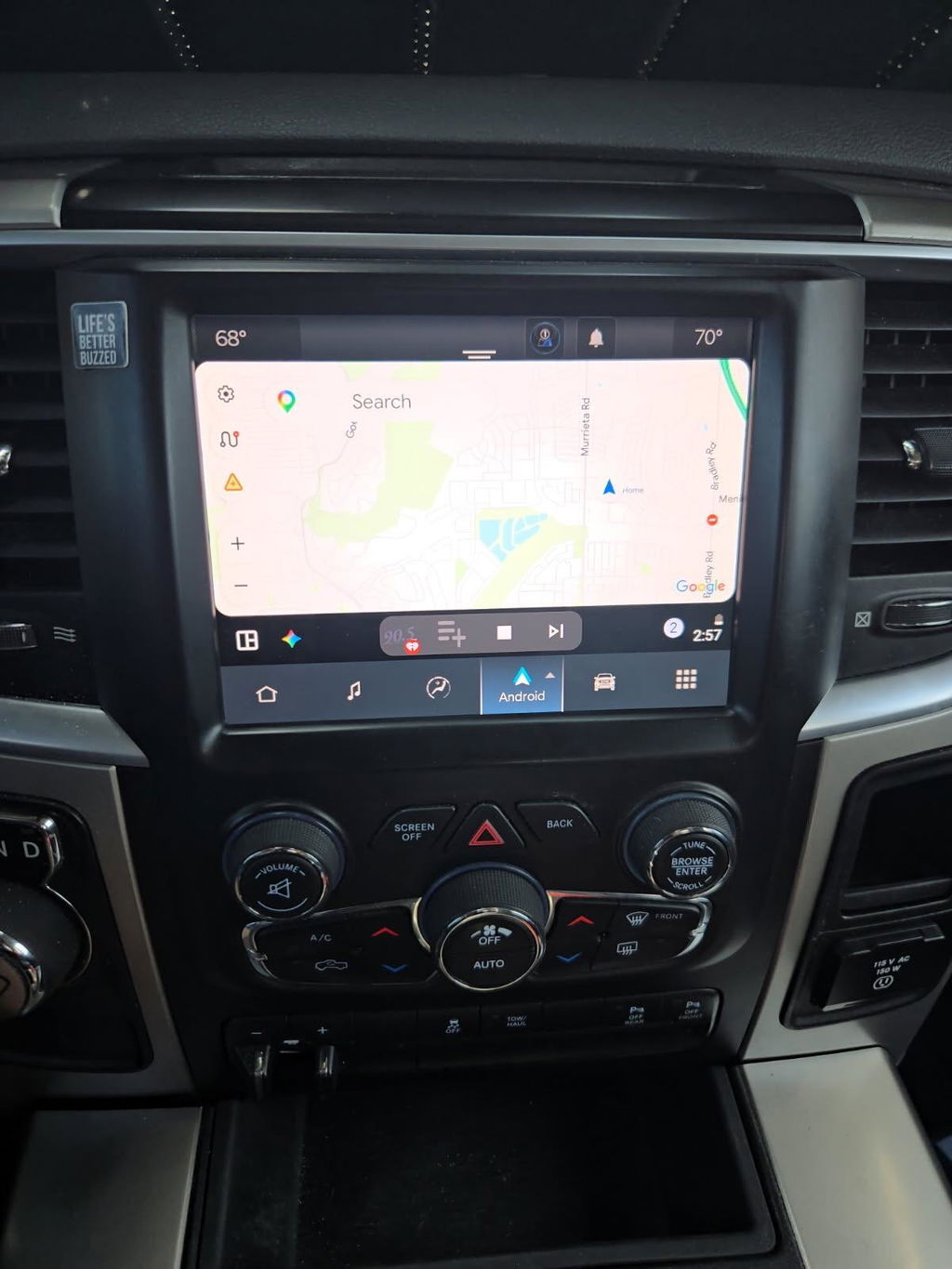
OEM modules are designed around factory communication standards. That can preserve the original user experience while adding newer capability, such as a larger Uconnect display, wireless Apple CarPlay, wireless Android Auto, or an upgraded digital cluster. The controls remain where truck owners expect them to be, and the finished install looks appropriate for the interior.
Universal kits may offer features that OEM systems do not, including expanded audio tuning, additional video inputs, or app-based functionality. Those benefits are valid for the right buyer. The trade-off is that factory menus, camera behavior, vehicle settings, and control response may depend on third-party interfaces. If one interface fails or loses programming, the system can become harder to diagnose than an OEM-based setup.
Reliability and Support After the Install
A universal kit has more potential points of failure because it often combines products from multiple manufacturers. The radio, dash kit, harness, camera adapter, steering-wheel-control interface, and antenna adapter may all be separate. If something does not work, determining whether the issue is the module, wiring, firmware, configuration, or vehicle can take time.
Factory components are not immune to failure, but they are built to operate in the vehicle environment. They are designed for factory power, communication, mounting, and temperature conditions. A complete OEM-based conversion also gives the buyer a clearer baseline: the parts were selected for the application, not assembled from a general compatibility chart.
Support is another consideration. Before buying any kit, confirm the exact vehicle year, trim, original radio setup, and desired features. Ask whether factory cameras, amplified audio, USB ports, satellite radio, navigation, parking sensors, and climate controls are retained. These details determine whether the upgrade will deliver the experience you expect.
Cost: Compare the Complete Job, Not the Box Price
Universal kits can look less expensive upfront. That price advantage can disappear once you add the vehicle-specific harness, dash bezel, control interface, antenna adapter, camera retention module, installation labor, and potential troubleshooting time. If custom wiring or fabrication is involved, the total can rise quickly.
Factory modules and complete OEM upgrade kits may cost more initially because they include genuine components and application-specific pieces. However, the value is easier to see when the kit reduces add-on parts, preserves factory functions, and avoids a second installation attempt. Competitive pricing and free shipping help, but the bigger advantage is buying the right system once.
Price should also be weighed against resale and ownership. A clean, factory-style screen or cluster upgrade is generally easier for the next owner to understand than a custom installation with hidden modules and modified wiring. That does not mean every universal install hurts value, especially when completed professionally. It does mean a factory-looking result carries less uncertainty.
When a Universal Kit Is the Better Choice
Universal equipment still has a place. It can be the right move when your truck is heavily customized, when you need specialized audio or off-road accessories, or when no OEM-compatible upgrade exists for your vehicle. It can also suit owners who want to build a system around non-factory amplifiers, speakers, cameras, or auxiliary displays.
Choose that route with realistic expectations. Plan for professional installation if wiring, programming, or vehicle-data interfaces are involved. Buy quality interfaces, keep wiring documented, and make sure the installer understands the platform. A low-cost universal unit paired with low-cost adapters is rarely the bargain it first appears to be.
The Better Choice for a Factory-Grade Upgrade
If your goal is to modernize a Ram, Ford, Dodge, Jeep, or Chrysler vehicle without changing how it feels to own, OEM-based modules are usually the stronger option. They are built around exact fitment, factory communication, clean installation, and retained functionality. That is particularly valuable for infotainment conversions, digital clusters, remote-start upgrades, and other systems that must work with the vehicle rather than simply fit inside it.
DD Offroad focuses on that practical difference: genuine OEM components packaged for specific applications, so owners can move forward with confidence instead of assembling a stack of universal parts. Before ordering, verify your vehicle details and decide which factory features must stay operational. The right kit should make your truck feel upgraded, not modified for the sake of modification.