Ram Touchscreen Upgrade Review: Is OEM Worth It?
Share
A Ram touchscreen upgrade review should answer one question before anything else: does the upgrade work like it belonged in the truck from the factory? For owners moving up from a small Uconnect display or an older radio system, a genuine OEM touchscreen conversion can deliver the larger screen, modern interface, and smartphone connectivity they want without adding a universal aftermarket radio that looks out of place in the dash.
The right answer depends on your Ram's model year, current equipment, and expectations. An OEM-based upgrade is usually the stronger choice for owners who want factory appearance, vehicle integration, and a vehicle-specific installation path. It is not automatically the cheapest path, and it is not a shortcut around checking fitment. But when the kit matches the truck, the result is hard to beat.
What a Ram Touchscreen Upgrade Changes
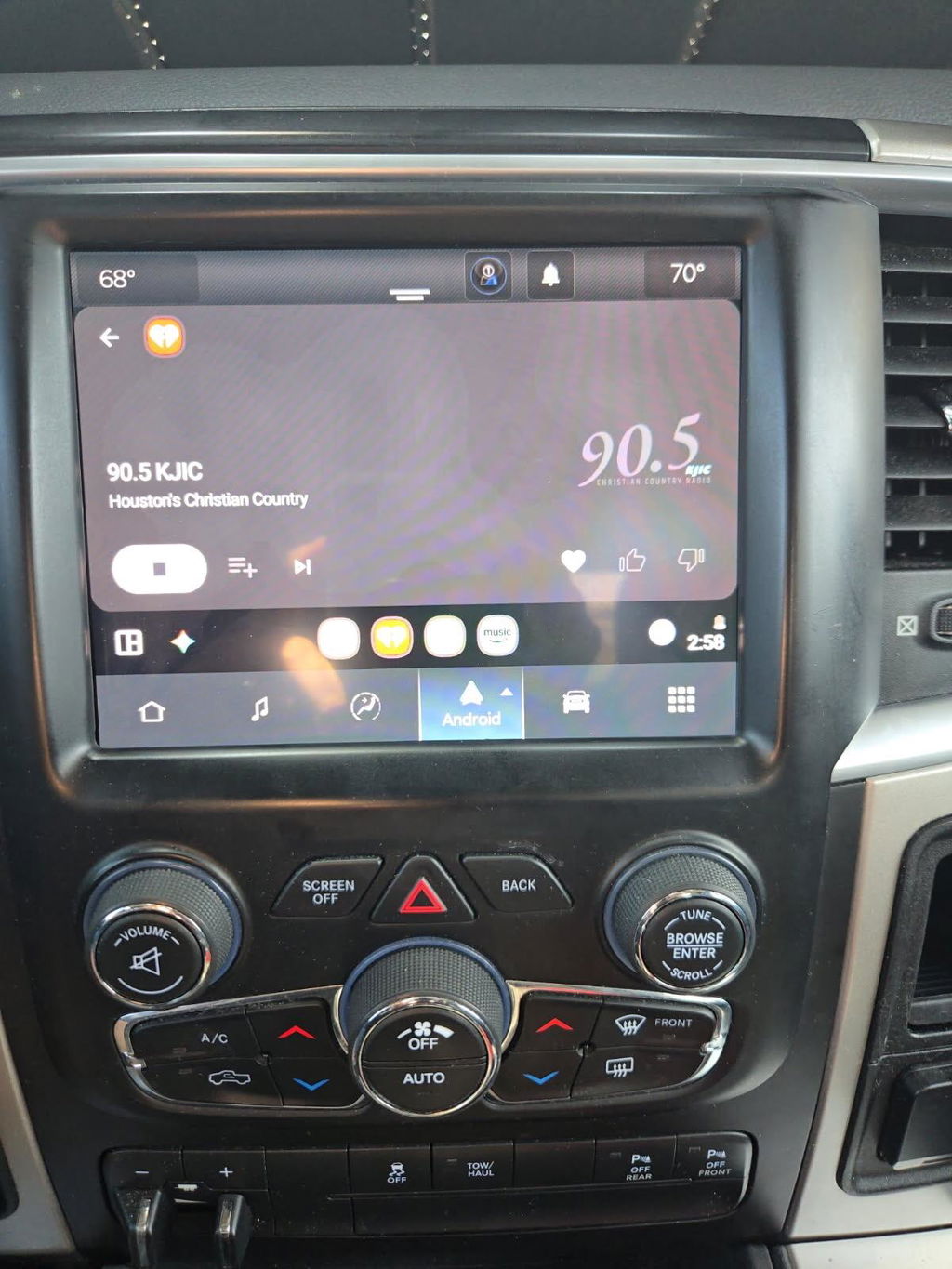
A modern touchscreen upgrade does more than make the center stack look better. On compatible Ram trucks, moving to a larger factory-style screen can update how you handle navigation, calls, music, camera views, and vehicle settings every time you drive.
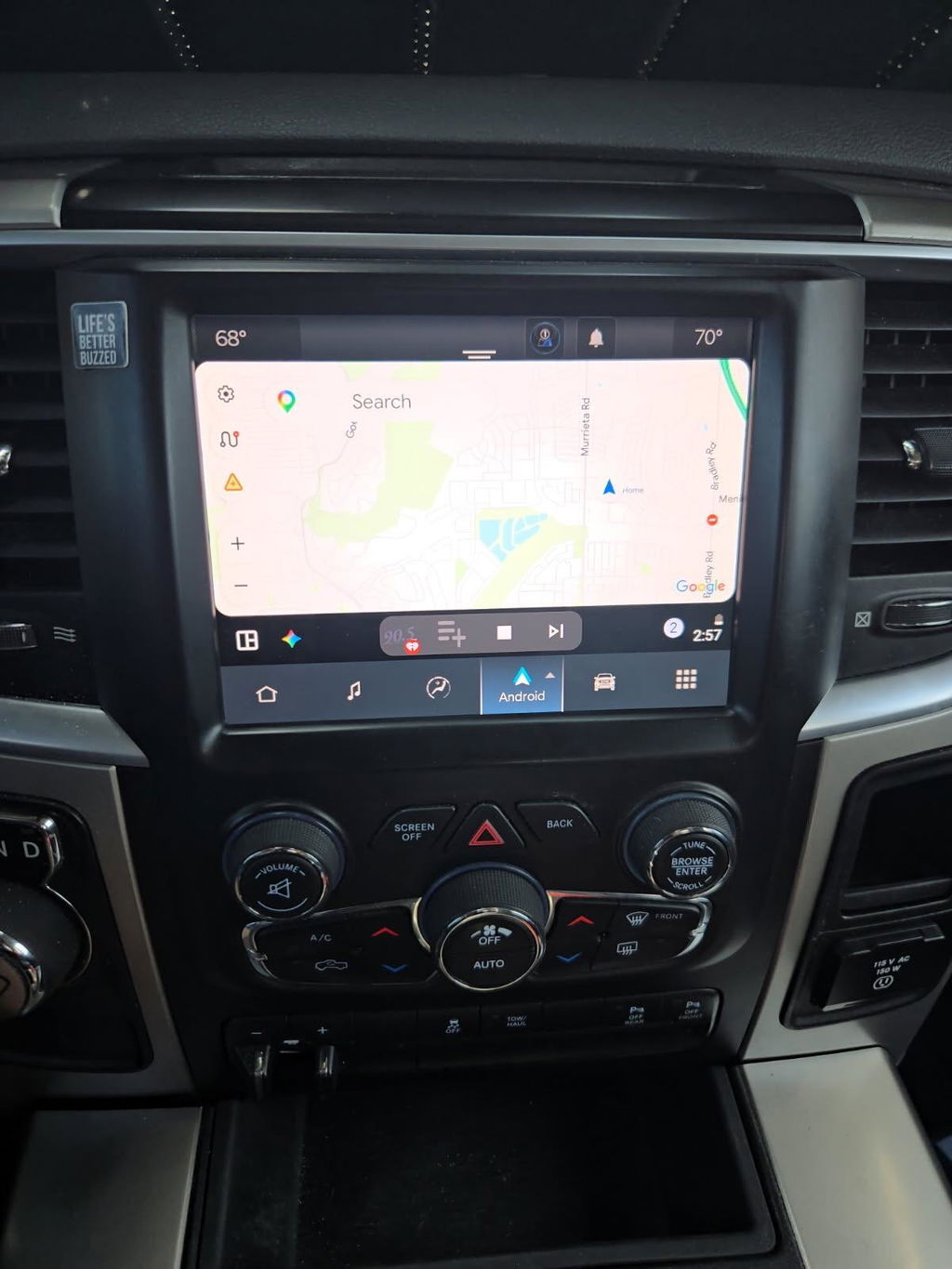
The biggest draw for many owners is Uconnect 5. Compared with older Uconnect generations, the newer system offers a cleaner interface, quicker response, and support for wireless Apple CarPlay and Android Auto on applicable configurations. That means less time connecting a cable and less compromise when using your preferred maps, music, or messaging apps.
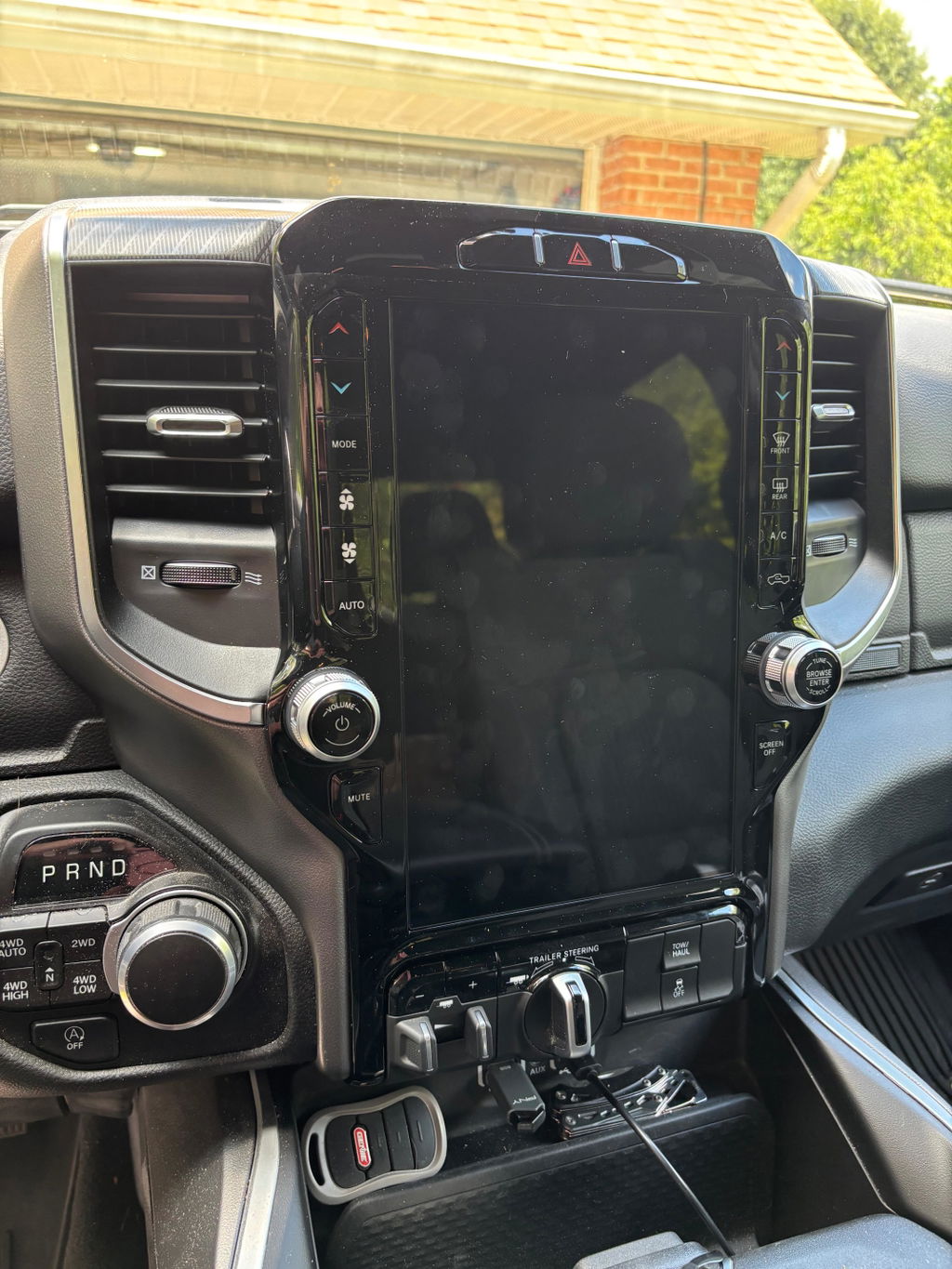
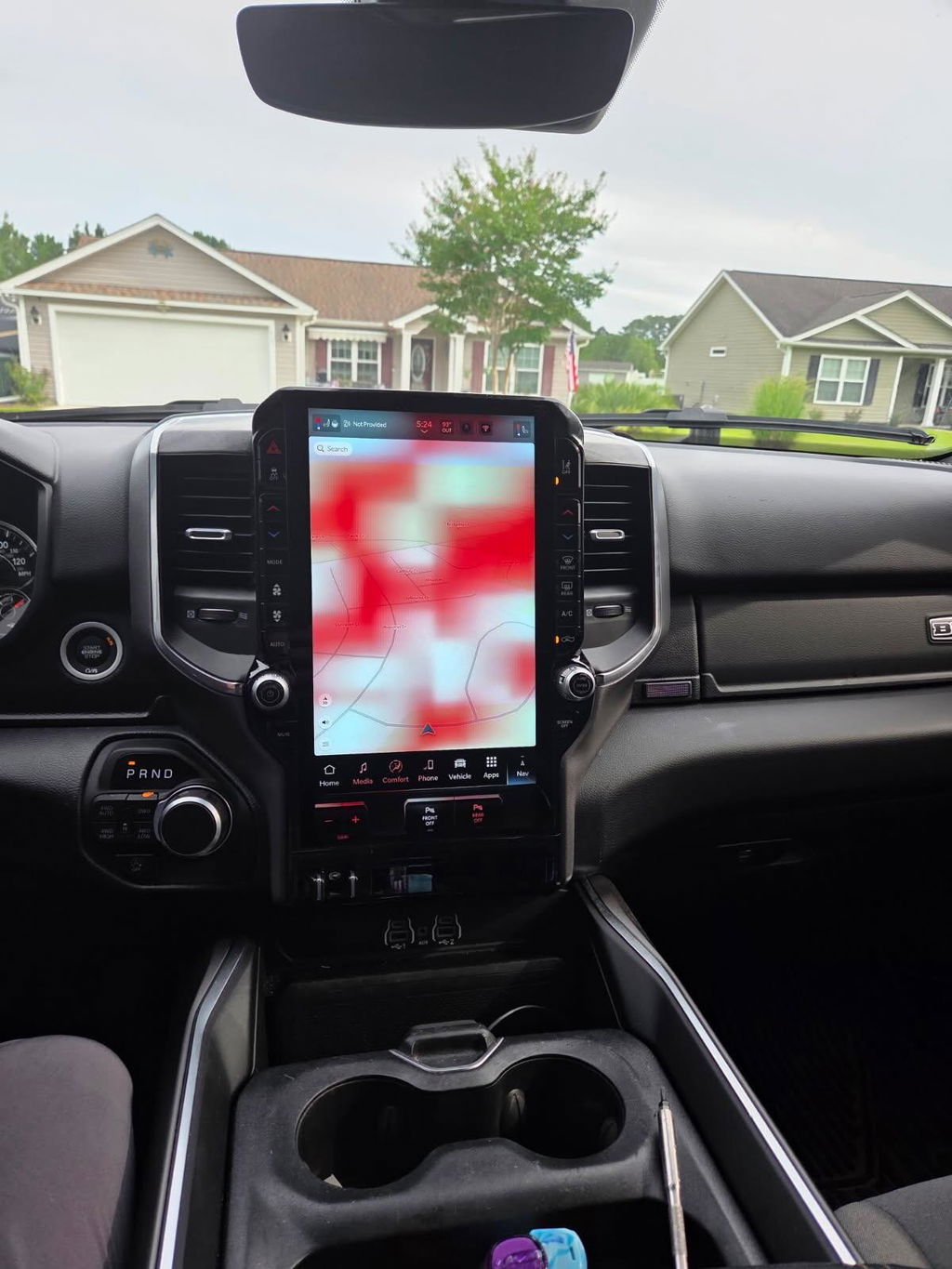
Screen size matters as well. A larger display makes camera views easier to use, especially when backing a full-size truck into a trailer spot, a garage, or a tight parking space. It also gives factory menus and climate controls more room, so the system feels less crowded than a smaller base screen.
There is a practical value beyond the feature list. A clean OEM-style conversion keeps the dash looking like a Ram dash. No odd trim gaps, no generic screen shape, and no separate interface that feels disconnected from the rest of the vehicle.
OEM Components vs. Universal Aftermarket Screens
Universal head units can have strong feature lists. Some offer large displays, added audio adjustments, and low entry pricing. The trade-off is integration. A universal screen may require adapters, a custom dash kit, wiring changes, retained-accessory modules, or additional work to preserve steering-wheel controls, factory cameras, and vehicle settings.
That does not make aftermarket equipment wrong for every truck. It can be a good option for a heavily customized audio build or a vehicle where an OEM conversion is unavailable. For a Ram owner who wants factory-grade function with minimal changes to the truck, it is usually not the first choice.
An OEM-based Ram touchscreen upgrade is designed around the platform's original architecture. That matters because the touchscreen is often tied to more than entertainment. Depending on the truck, it may control climate settings, heated or ventilated seat menus, backup camera functions, trailer-related displays, and configuration settings.
Using OEM Genuine Components also helps preserve the visual and operational consistency buyers expect. Buttons, icons, startup behavior, screen brightness, and dash trim are all closer to the original factory experience. For owners who care about resale, that clean integration can be more appealing than a modified center stack.
The Real Value of Uconnect 5
For many Ram owners, Uconnect 5 is the reason to upgrade rather than simply replace a failed screen. Wireless Apple CarPlay and Android Auto are meaningful daily-use features, not just specs for a product page. Get in the truck, start it, and your phone interface can be ready without digging for a cable.
The system also gives newer Ram interiors a more current feel. Older trucks can still be mechanically excellent, but an outdated infotainment system is something you notice on every commute and every road trip. A factory-style touchscreen conversion updates the part of the truck you interact with most.
Still, buyers should avoid assuming every Uconnect 5 setup has identical features. Screen size, navigation capability, audio equipment, camera options, and vehicle menus can vary by year, trim, and original equipment. A larger screen does not automatically add every premium feature that was unavailable on the truck from the factory.
That is why a vehicle-specific kit matters. The correct package is built around what your Ram has now and what the upgraded system requires to function correctly. It is a better approach than ordering separate screens, modules, harnesses, and programming tools with the hope that they all communicate.
Fitment Is the Part That Cannot Be Guessed
The biggest mistake in any Ram touchscreen upgrade review is treating all Ram trucks as interchangeable. They are not. A 2019 Ram 1500 Classic is not the same platform as a 2019 all-new Ram 1500, even though the model year badge creates confusion. Heavy Duty trucks have their own fitment considerations, and differences in trim, radio code, screen size, and factory options can affect the required components.
Before buying, confirm the exact model year, truck generation, cab configuration if requested, existing screen size, and current radio system. VIN-based verification is even better when available. If the product requires programming or a specific module, make sure that requirement is clear before the installation begins.
Factory cameras, amplified audio systems, satellite radio, heated seats, steering-wheel controls, and trailer features deserve special attention. A quality upgrade kit is meant to retain supported factory functions, but retention depends on matching the proper kit to the truck. Compatibility is not a detail to handle after checkout.
DD Offroad focuses on vehicle-specific OEM upgrade solutions for this reason. The goal is not to sell a screen that can be made to fit. It is to provide a configuration intended for the Ram platform and the equipment already in the vehicle.
Installation: Plug and Play Has a Definition
Plug and Play does not mean every installation takes ten minutes or requires zero preparation. It means the kit is designed to avoid cutting factory wiring, fabricating mounts, or building a system from unrelated parts. That is a major advantage, especially for owners who want a clean install or plan to return the truck to stock later.
Most installs still require careful trim removal, transferring or installing the correct components, routing any needed harnesses, and completing programming when required. Take your time around dash panels and connectors. Rushing can damage clips, scratch trim, or create a poor connection that looks like a radio problem later.
A capable DIY owner can often handle a vehicle-specific conversion with the right instructions and basic trim tools. Owners who are not comfortable working around interior electronics should use a qualified installer. Paying for a proper installation is often less expensive than replacing damaged trim or diagnosing an avoidable wiring issue.
After installation, test every retained function before reinstalling all trim panels. Check the touchscreen response, audio output, Bluetooth or phone pairing, camera operation, steering-wheel controls, climate menus, USB ports, and any features specific to your truck. This is the time to catch a connector that was not fully seated.
Where an OEM Touchscreen Upgrade Has Limits
A factory-style conversion is not a magic feature generator. It cannot always add hardware-based options that the truck does not have, such as a surround-view camera system, premium speakers, or factory navigation antennas. Some functions may require additional OEM components, programming, or a different kit.
Price is another consideration. Genuine OEM components generally cost more than entry-level universal electronics. The comparison should include the full job, though. A lower-priced screen can become expensive once you add dash kits, interface modules, adapters, wiring labor, and troubleshooting time.
There is also a good reason to leave a working factory system alone if you only need basic phone audio and do not care about a larger display. An upgrade makes the most sense when you will use the improved screen, wireless phone integration, camera visibility, and newer interface regularly.
Is the Upgrade Worth It for Your Ram?
For a Ram owner with an older or undersized factory screen, the upgrade is usually worth it when fitment is confirmed and the kit retains the functions that matter to you. The strongest case is a truck you plan to keep, tow with, travel in, or use every day. Better visibility, easier phone integration, and factory-style controls improve the ownership experience without changing the character of the truck.
Choose the kit by platform and current equipment, not by screen size alone. A correctly matched OEM conversion may cost more up front, but it avoids the common problem of turning a simple touchscreen upgrade into a collection of adapters and compromises. Get the fitment right first, and the rest of the decision becomes much easier.