Ram HD Infotainment Retrofit Guide
Share
A lot of Ram Heavy Duty owners get to the same point for the same reason - the truck is still solid, but the factory radio feels old every time you start it. If you are searching for a ram hd infotainment retrofit guide, the real question is not whether a bigger screen looks better. It is whether the upgrade keeps factory integration, fits your exact truck, and works without creating new problems.
That is where most retrofit projects go right or go sideways. On a Ram HD, infotainment is tied into more than music and navigation. Depending on trim and model year, it can affect climate controls, backup camera functions, steering wheel controls, settings menus, and vehicle feature access. A good upgrade adds modern functionality. A bad one turns a clean OEM interior into a patchwork of adapters, warning lights, and half-working features.
What a Ram HD infotainment retrofit should actually fix
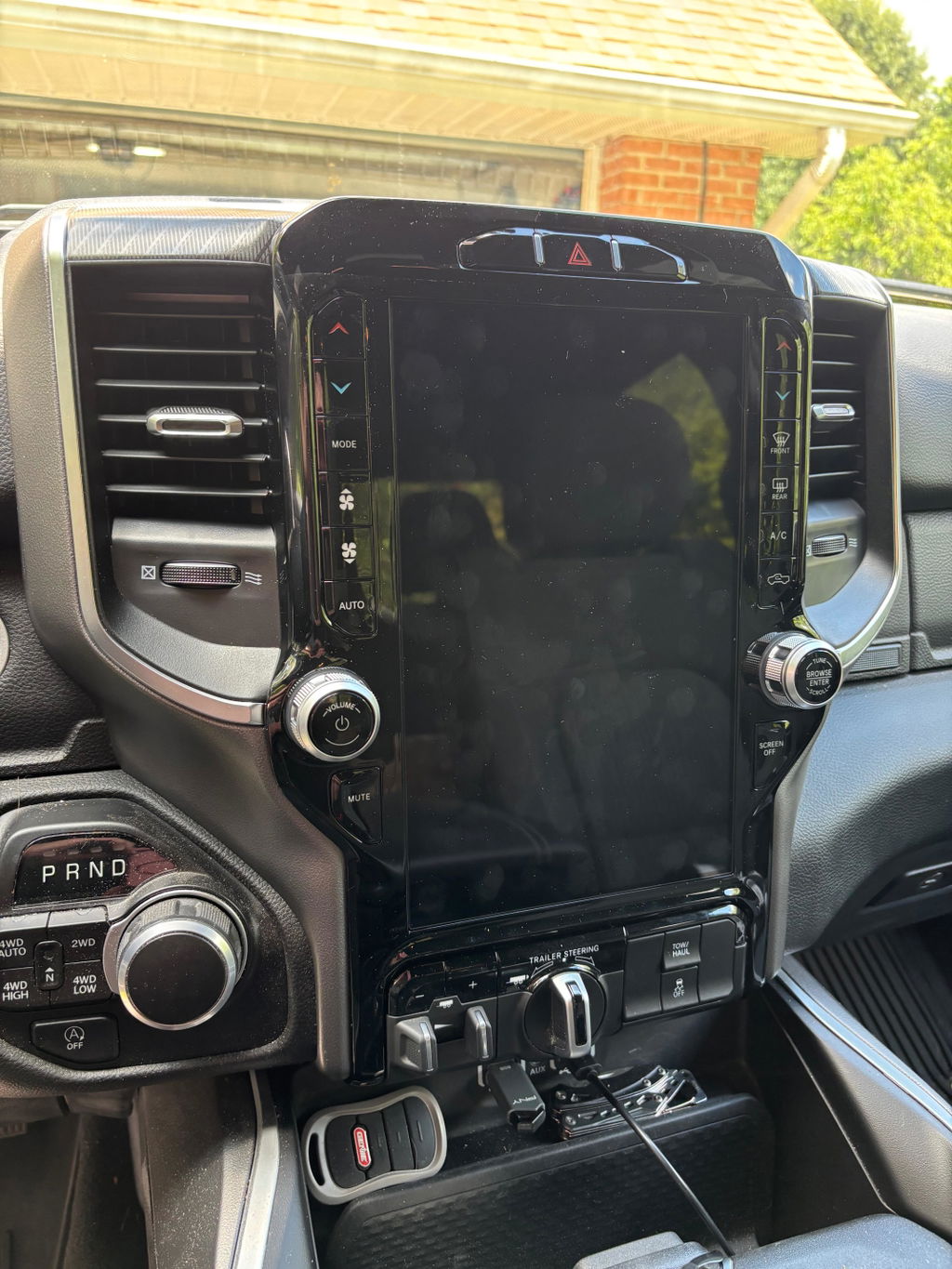
For most owners, the goal is simple. The stock system may have a small screen, slower response, limited phone integration, outdated graphics, or missing features like wireless Apple CarPlay and Android Auto. Some trucks also came with base radios that make the dash feel dated compared to the rest of the vehicle.
A proper retrofit should improve daily use without forcing you to give up factory behavior. That means the screen should fit correctly, the controls should respond as expected, and the truck should still feel like a Ram, not like a custom electronics experiment. OEM-based kits matter here because they are built around the way the truck was designed to communicate across its modules.
There is also a value angle. A Ram 2500 or 3500 is not a throwaway platform. Owners keep these trucks for work, towing, and long-term use. Spending money on the cabin makes more sense when the result looks factory and supports the truck for years instead of adding a generic head unit that may age out quickly.
Ram HD infotainment retrofit guide - start with fitment
Before looking at screens, features, or price, verify the basics. Fitment is everything on these trucks. The exact model year, trim level, factory radio configuration, and whether the truck already has certain modules will determine what can be installed cleanly.
The first thing to check is generation and year range. Ram HD trucks changed dash layouts, radio architecture, and software across production cycles. A kit that works on one year may not be correct for another, even if the truck looks similar at a glance. Screen size alone does not tell the story.
Next, confirm what your truck has now. If you currently have a base radio, the conversion path can be different than upgrading from a mid-level or premium Uconnect system. Some trucks need additional components for full functionality, such as HVAC integration, media hubs, antenna adapters, or programming support. This is why model-year-specific kits matter. They remove guesswork and reduce the chance of building an expensive pile of almost-compatible parts.
Trim level also matters more than many buyers expect. A Tradesman, Big Horn, Laramie, Power Wagon, or Limited may share platform basics, but not every feature stack is the same. Camera provisions, audio packages, and interior electronics can change what is plug and play and what needs added configuration.
OEM-based retrofit vs generic aftermarket
This is where the decision gets pretty clear. Generic aftermarket radios usually promise broad compatibility, but that usually means more compromise. You may get a large screen and app support, but often at the cost of factory appearance, menu access, or reliability in truck-specific functions.
An OEM-based retrofit is typically the better move for Ram HD owners who care about integration. The dash looks right. The connectors, modules, and controls are designed around the vehicle. The result is closer to a factory upgrade path than a custom stereo install.
That does not mean every OEM-style retrofit is identical. Some kits use genuine components and include the right harnessing and programming path for your exact truck. Others may look similar online but leave out key pieces, forcing you to source parts separately or troubleshoot feature loss after installation. The difference is rarely obvious in photos. It shows up during install and the first time you try to use every function in the truck.
Screen size and feature expectations
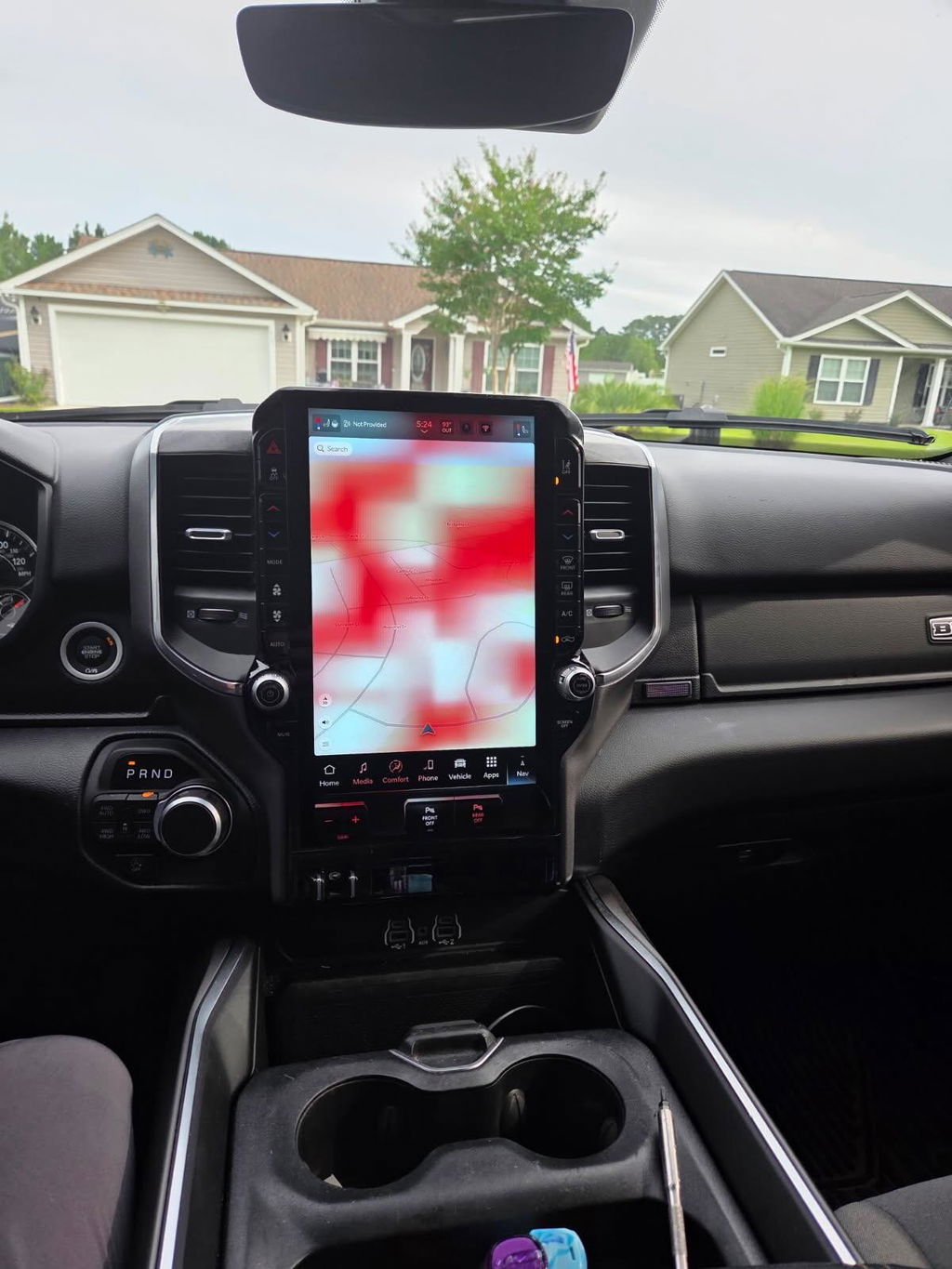
Most buyers start with the screen, and that makes sense. A larger factory-style display changes the cabin immediately. It improves visibility, modernizes the dash, and makes navigation, audio, and phone functions easier to use. But size should not be the only reason to upgrade.
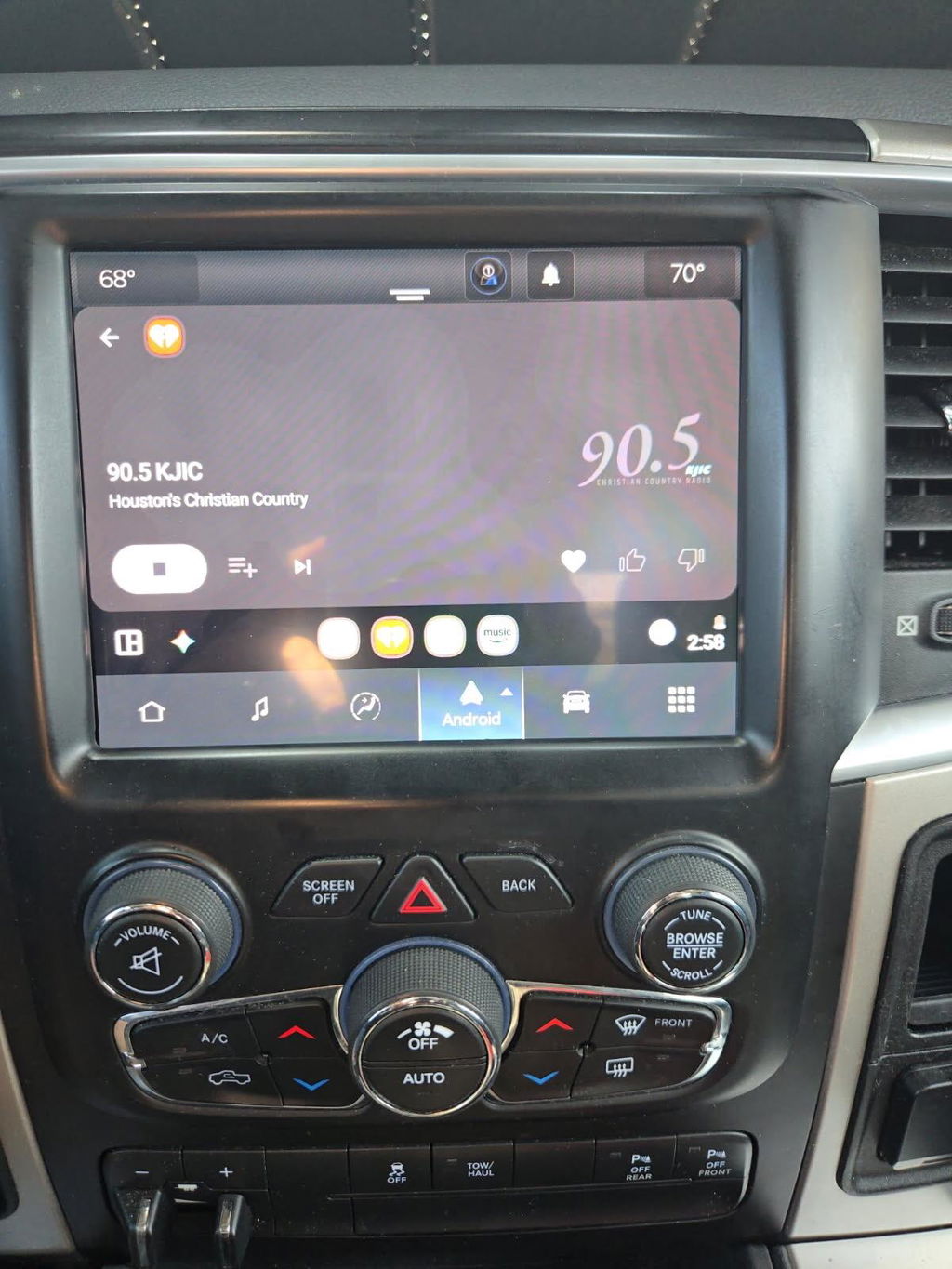
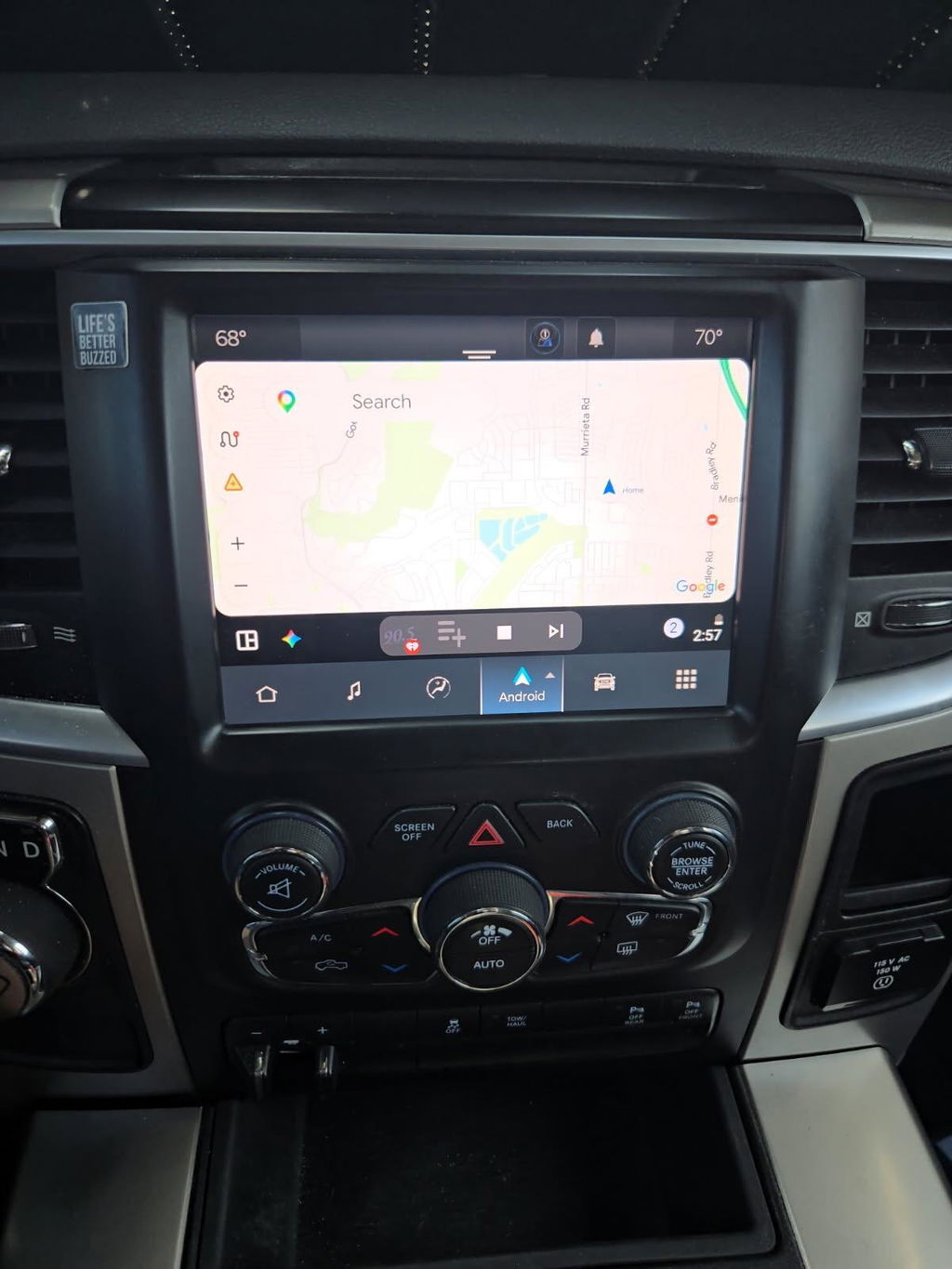
The real benefit is feature access. On newer OEM-style systems, owners usually want faster response, improved interface design, smartphone integration, and a cleaner menu structure. Wireless Apple CarPlay and Android Auto are often the features that justify the retrofit by themselves because they change daily driving more than almost anything else.
Still, there are trade-offs. If your truck is mainly a work vehicle and you just want Bluetooth and a backup camera, a full top-tier conversion may be more than you need. If you drive long distances, tow often, or spend a lot of time in the cab, the larger screen and updated system can make a bigger difference. The right setup depends on how the truck gets used.
Wiring, modules, and programming
This is the part people either underestimate or overcomplicate. A Ram HD infotainment retrofit is rarely just a screen swap. Depending on the truck, you may be dealing with a screen, radio module, bezel, USB hub, harness adapters, antenna connections, and programming requirements.
The best kits reduce that complexity by packaging the correct components together. Plug-and-play should mean the harnessing is built for the vehicle and the install path is clearly defined. It does not mean every truck takes ten minutes or that no programming is ever required. On many OEM-based upgrades, configuration is part of getting the truck and the new hardware to communicate correctly.
That is normal. What matters is whether the programming is accounted for in the package and whether the process is straightforward. Buyers run into trouble when they piece together used components from different sellers, then discover the radio is locked, the camera does not display correctly, or vehicle settings disappear. Saving money on scattered parts often gets expensive fast.
Common mistakes that cost time and money
The biggest mistake is buying by screen size instead of by vehicle compatibility. A listing can advertise a premium factory-style display, but if it is not correct for your Ram HD configuration, the install can turn into adapter chasing and feature loss.
The second mistake is assuming all factory-looking parts are genuine or complete. A bezel, screen, and module may physically fit the opening, but that does not mean the system is ready to function in your truck. Missing hubs, wrong harnesses, or incomplete programming support are where many retrofits stall.
The third mistake is ignoring feature retention. Owners get excited about CarPlay or Android Auto and forget to verify climate control access, steering wheel controls, camera support, or vehicle settings. If the truck loses convenience features it already had, the upgrade stops feeling like an upgrade.
A fourth issue is buying used electronics without a clear history. Salvage parts can work, but they can also bring hidden problems like locked modules, cosmetic wear, outdated firmware, or unknown damage. For a truck you rely on, that is a gamble.
Installation expectations for Ram HD owners
If you are comfortable working on interior trim and following a vehicle-specific process, many plug-and-play retrofit kits are manageable. The dash needs to come apart carefully, the correct modules need to be swapped, and every connector needs to be checked before reassembly. Rushing the job is how trim gets damaged or a simple missed connection turns into unnecessary troubleshooting.
For some owners, professional installation still makes sense. That is especially true if the truck has a more complex audio setup, additional cameras, or if you simply do not want downtime. The goal is not just getting the new screen powered on. The goal is verifying every factory function works before the truck goes back into daily use.
This is one reason buyers lean toward companies that focus on exact-fit OEM upgrade paths instead of universal electronics. A vehicle-specific kit shortens decision time and lowers install risk. That matters when the truck is used for work and cannot sit apart in the garage for a week.
How to decide if the retrofit is worth it
If your current system already does everything you need, the answer may be no. But if your Ram HD feels behind the rest of the truck, the right retrofit can be one of the most noticeable upgrades you make. You interact with the infotainment system every day. Better usability, factory styling, and modern phone integration are not cosmetic extras when you spend serious time behind the wheel.
The smartest move is to buy based on complete compatibility, not hype. Look for OEM Genuine Components, a plug-and-play path, and a kit built around your exact truck. That is the difference between a clean upgrade and a project that keeps asking for more parts. DD Offroad built its reputation around that exact approach because Ram owners want clear fitment, competitive pricing, and an upgrade that works the first time.
A good retrofit should feel like the truck came that way from the factory - just with the features Ram should have given you in the first place.