Wireless Apple CarPlay Ram Upgrade Guide
Share
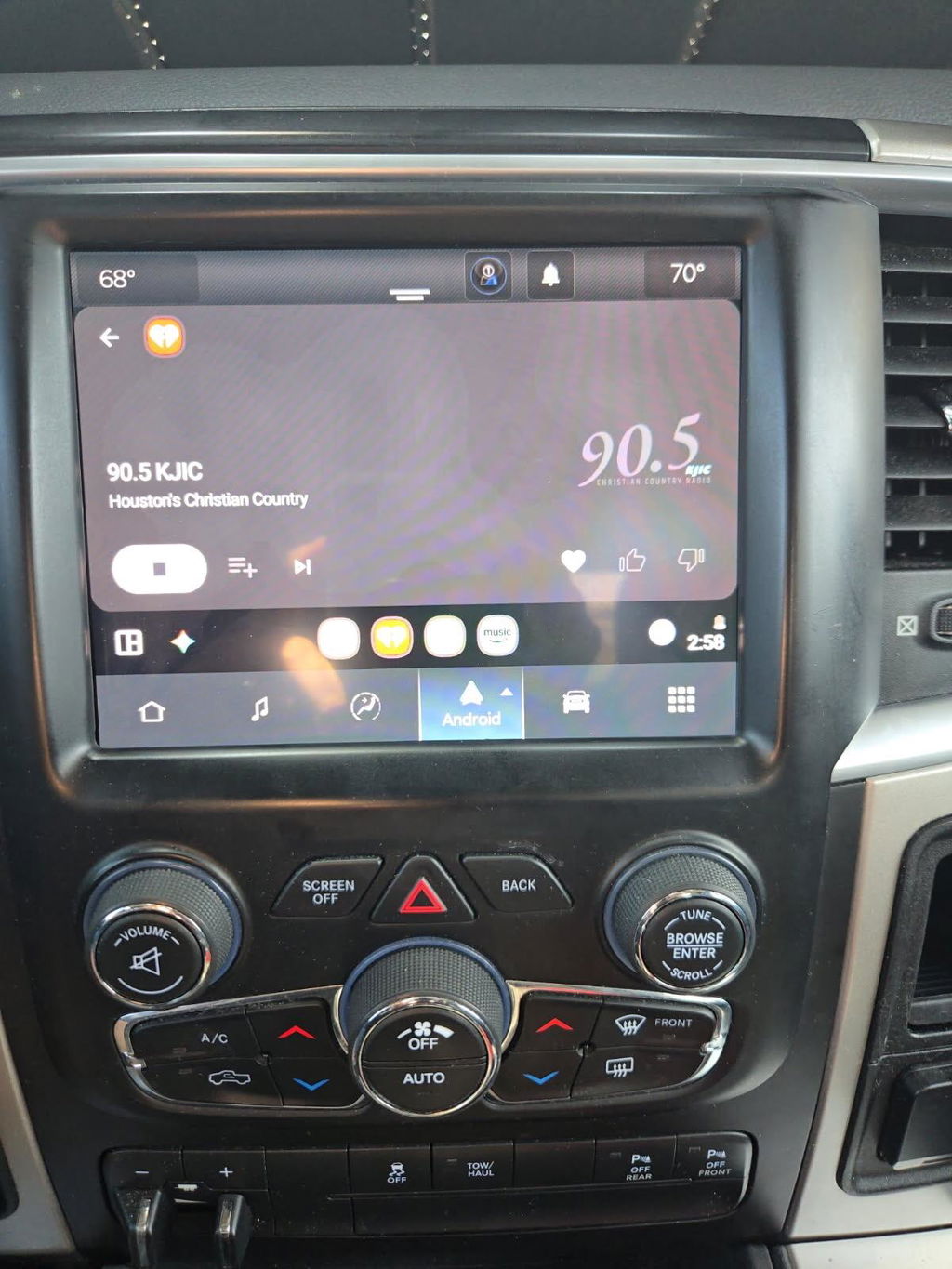
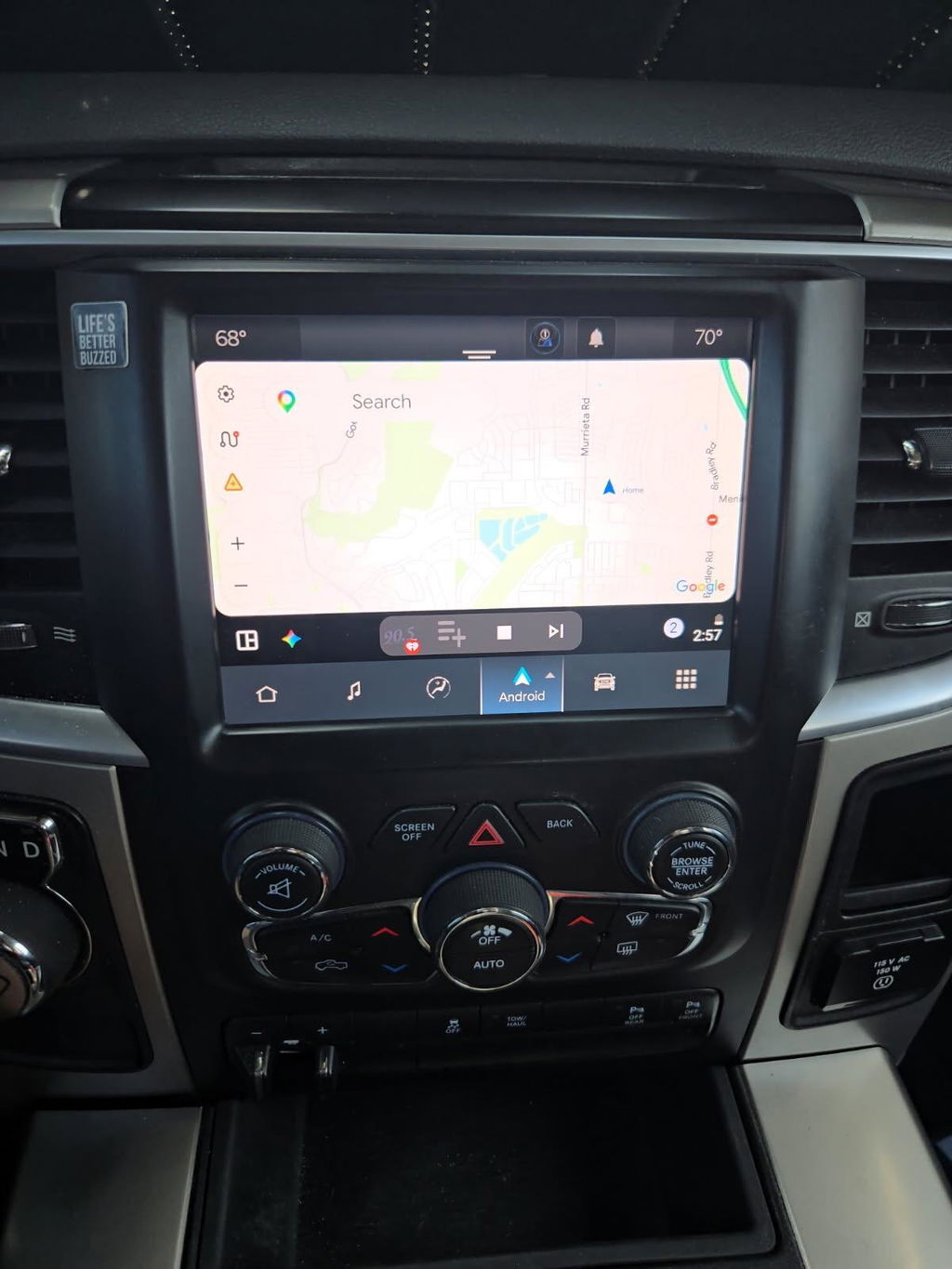
If your truck still makes you plug in a cable every time you want maps, calls, or music, a wireless apple carplay ram upgrade is one of the cleanest ways to modernize the cabin without changing what makes the truck work. For most Ram owners, the real goal is not just adding CarPlay. It is getting factory-style function, a larger screen when available, and keeping the features that already matter, from backup camera operation to steering wheel controls.
Why Ram owners upgrade to wireless Apple CarPlay
The problem usually starts the same way. The truck is solid, the drivetrain is right, the interior still holds up, but the infotainment feels a generation behind. Small screens, slow response, limited phone integration, and wired-only connections make an otherwise capable truck feel older than it is.
Wireless CarPlay fixes the daily-use part of that problem. You get automatic connection when you start the truck, easier access to navigation and messaging, and less clutter around the center console. If you use your Ram for work, towing, commuting, or long road trips, that convenience adds up fast.
What matters more is how you get there. There is a big difference between a vehicle-specific OEM-based upgrade and a generic universal radio. One keeps the truck closer to factory integration. The other often adds features on paper but creates extra variables during install and long-term use.
Wireless Apple CarPlay Ram upgrade: OEM-style vs generic aftermarket
There are two basic paths. You can add a universal aftermarket head unit, or you can install a model-specific OEM-style conversion kit built around genuine components and plug-and-play integration.
A generic aftermarket setup can be cheaper at first. It may also offer plenty of features, but it often requires adapters, interface modules, trim changes, wiring work, and some compromise in how factory functions behave. In some trucks, that is acceptable. In a Ram, where owners usually want the dash to look right and the features to work like they should, it is often not the preferred route.
An OEM-based upgrade costs more upfront, but the value is in fitment, compatibility, and finish. The screen looks like it belongs in the dash because it does. Functions such as steering wheel controls, backup camera display, and factory menus are more likely to operate the way Ram owners expect. That matters if you use the truck every day and do not want to troubleshoot a radio swap six months later.
This is where a plug-and-play kit earns its keep. Instead of mixing parts from multiple brands and hoping they communicate correctly, you start with a package designed around specific Ram model years and factory systems.
Fitment is the first question, not the screen size
Before you compare features, check the exact truck details. Year, trim, screen size, radio type, and current factory equipment all affect what upgrade path makes sense. A 2013 Ram 1500, a 2018 Ram 2500, and a newer HD truck can have very different hardware and software requirements even if the dashboard looks similar at first glance.
Factory options matter too. If your truck has climate controls integrated into the screen, a backup camera, factory navigation, Alpine audio, or other higher-level features, the replacement path needs to account for that. The right kit should be built around those variables, not force you into workarounds.
This is why vehicle-specific product listings matter. Ram owners are usually not looking for a universal answer. They want to know whether the kit matches their exact setup and what functions are retained after installation.
What a good upgrade should include
A proper wireless Apple CarPlay upgrade for a Ram is not just a screen. It is a system package. The best setups are built to preserve factory integration while adding newer capability.
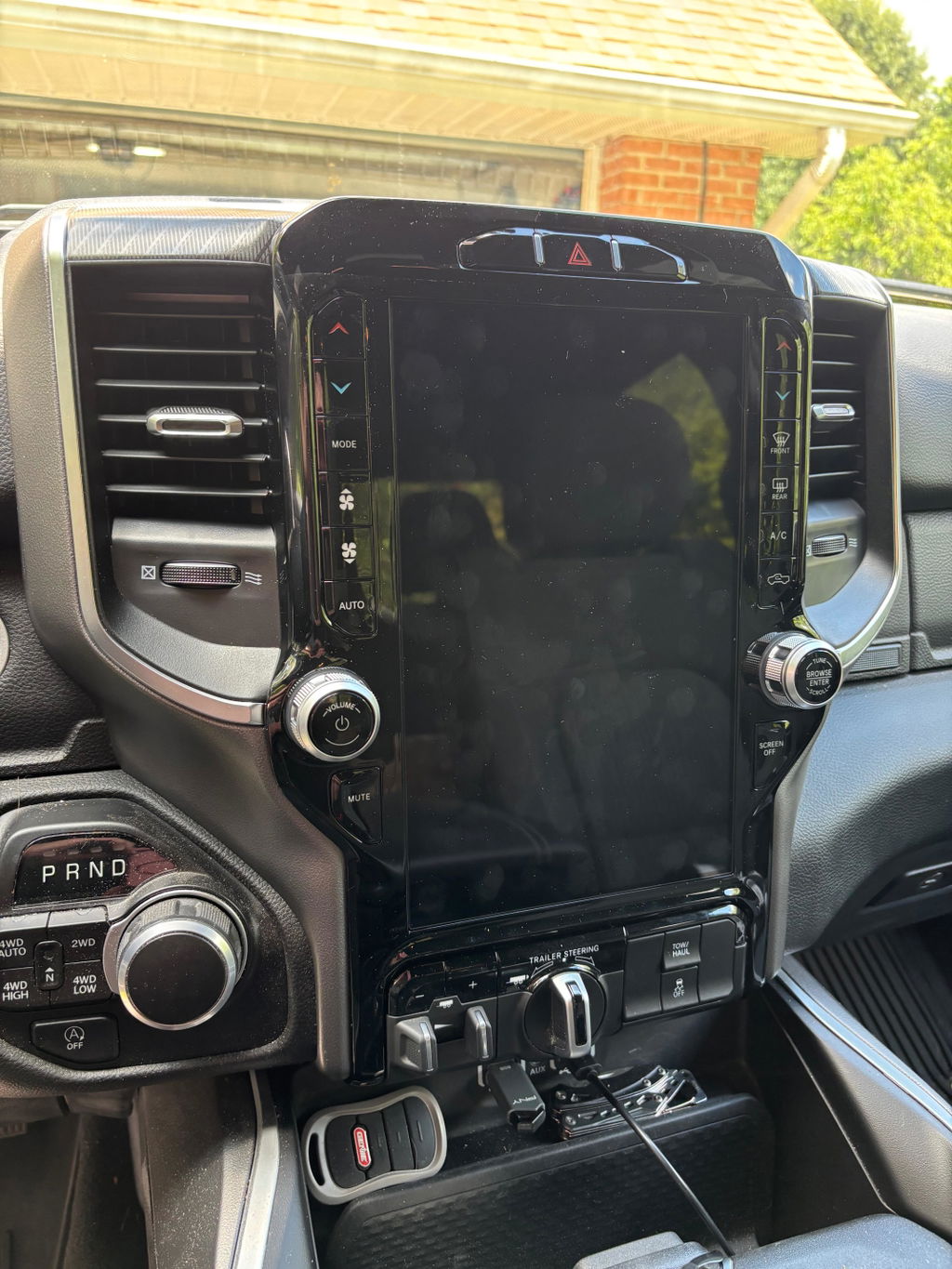
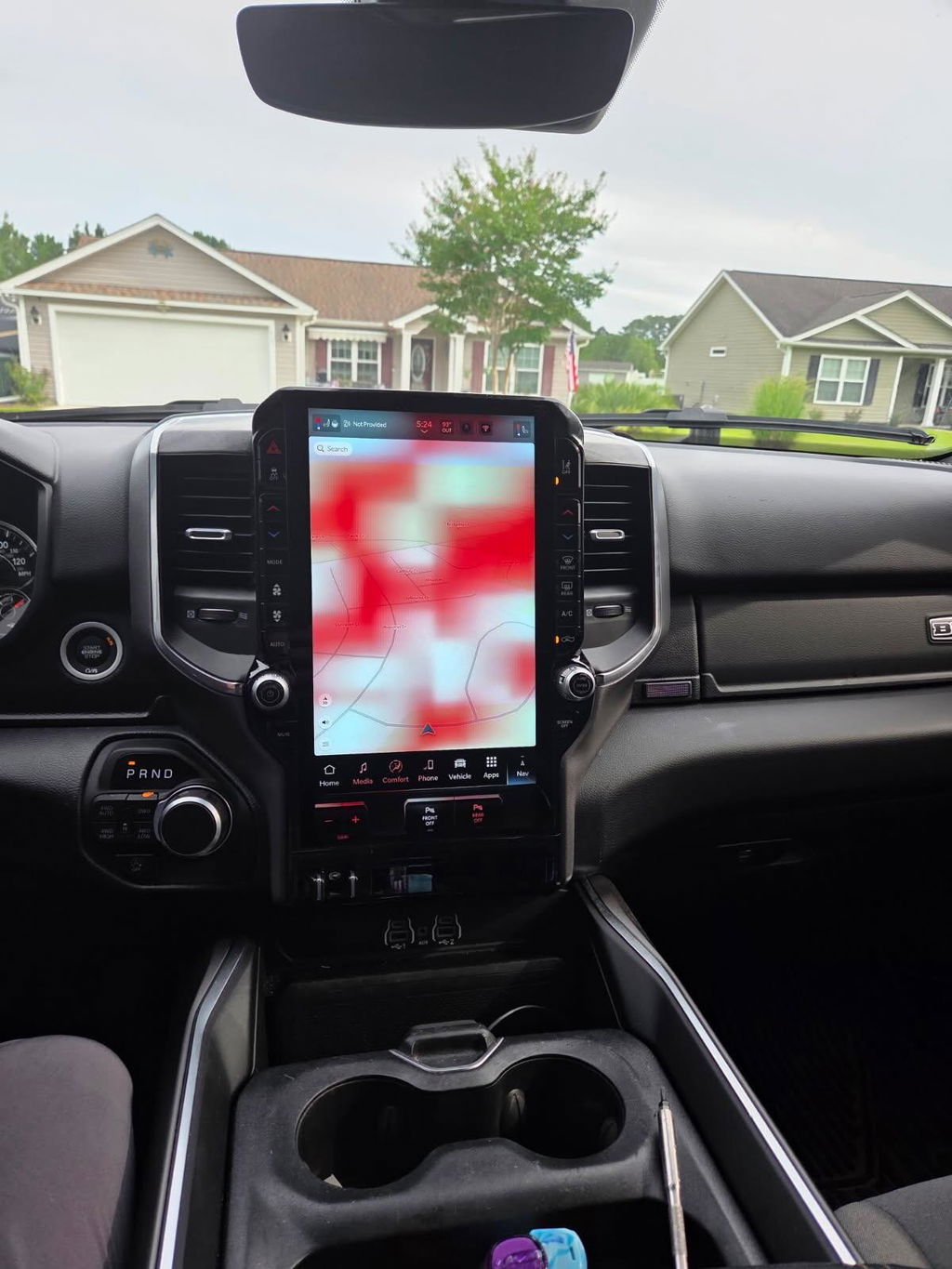
At minimum, you want compatible OEM hardware, a plug-and-play harness strategy, and support for your truck’s existing features. If the kit includes a Uconnect 5 style conversion or a larger factory touchscreen, that can be an even stronger move because you are improving both the user experience and the appearance of the dashboard.
The details matter here. Screen resolution, response time, menu layout, and factory feature retention all change how the truck feels to use. A setup that technically adds CarPlay but loses menu access or creates lag is not really an upgrade.
For many buyers, the sweet spot is a factory-style kit that gives them wireless Apple CarPlay, modern interface speed, and clean installation without asking them to reinvent the dash.
Installation trade-offs most buyers should understand
Plug and play does not always mean five-minute install. It means the kit is designed to work with your vehicle without custom fabrication or guesswork. That is a major advantage, but you still need to be realistic about what the job involves.
Some Ram upgrades require dash disassembly, screen replacement, module pairing, or programming steps depending on the vehicle and kit. If you are comfortable working on your truck, that may be straightforward. If not, a professional installer can still benefit from a vehicle-specific package because it reduces labor risk and fitment surprises.
The other trade-off is cost. OEM genuine components and model-specific integration are usually not the cheapest option. They are often the better long-term option. You are paying for factory-level hardware, cleaner compatibility, and less chance of ending up with a dash full of adapters and partial feature loss.
That is a practical decision, especially on a truck you plan to keep.
When a larger screen makes more sense than an adapter
Some Ram owners start by looking for a simple wireless adapter to convert wired CarPlay into wireless CarPlay. That can work if the truck already has factory CarPlay and the rest of the infotainment system does what you want. It is the lower-cost path and often the fastest.
But if your current screen is small, outdated, or missing key features, an adapter only fixes one part of the problem. You still have the same old interface, the same factory limitations, and possibly slower performance than you want.
A full wireless apple carplay ram upgrade makes more sense when your current system feels behind across the board. In that case, replacing the screen and related hardware can deliver a much bigger change in day-to-day use than adding a small accessory ever will.
Who should choose OEM-based Ram infotainment upgrades
If you care about factory appearance, retained features, and compatibility, OEM-based upgrades are usually the right answer. They are especially well suited for truck owners who use their vehicles hard but still want the interior to function like a premium setup.
That includes owners who tow regularly and depend on camera visibility, commuters who use navigation every day, and enthusiasts who want a cleaner solution than a generic radio with a custom bezel. It also fits buyers who would rather spend once on the correct package than spend less up front and then chase missing parts or install issues later.
This is why retailers focused on Ram-specific kits tend to stand apart from general electronics sellers. A specialist approach removes a lot of the uncertainty from the buying process. DD Offroad is built around that exact idea - OEM Genuine Components, Plug and Play fitment, and vehicle-specific upgrade paths that make sense for Ram platforms.
How to shop for the right kit
Start with your truck information, not the feature list. Confirm the model year, trim level, current screen size, and any factory options tied into the radio system. Then compare kits based on what they retain, not just what they add.
A good listing should clearly state vehicle compatibility, included components, and whether programming or setup is required. It should also make it obvious if the upgrade adds wireless CarPlay through a full screen conversion, a Uconnect 5-based system, or another OEM-style configuration.
Be cautious with vague descriptions. If a seller does not explain fitment or retained functions clearly, that usually means you are taking on more risk than you should.
Price is part of the equation, but so is finish. A cheaper kit that creates warning lights, disables menus, or looks out of place in the dash is rarely a good value.
The real value of a wireless Apple CarPlay Ram upgrade
This upgrade is not about adding one phone feature and calling it done. It is about bringing the truck’s interior up to the standard the rest of the vehicle already meets. The right setup gives you better daily usability, a cleaner cabin, and factory-style operation that does not feel patched together.
For Ram owners, that usually means choosing compatibility first, OEM hardware when possible, and a kit designed for the exact truck. If you get those pieces right, wireless CarPlay is more than a convenience feature. It becomes part of a system that finally feels current every time you turn the key.
If your Ram already does everything you need except the infotainment, this is one upgrade that can make the whole truck feel newer without changing what made you buy it in the first place.