Uconnect 5 vs Aftermarket Radio
Share
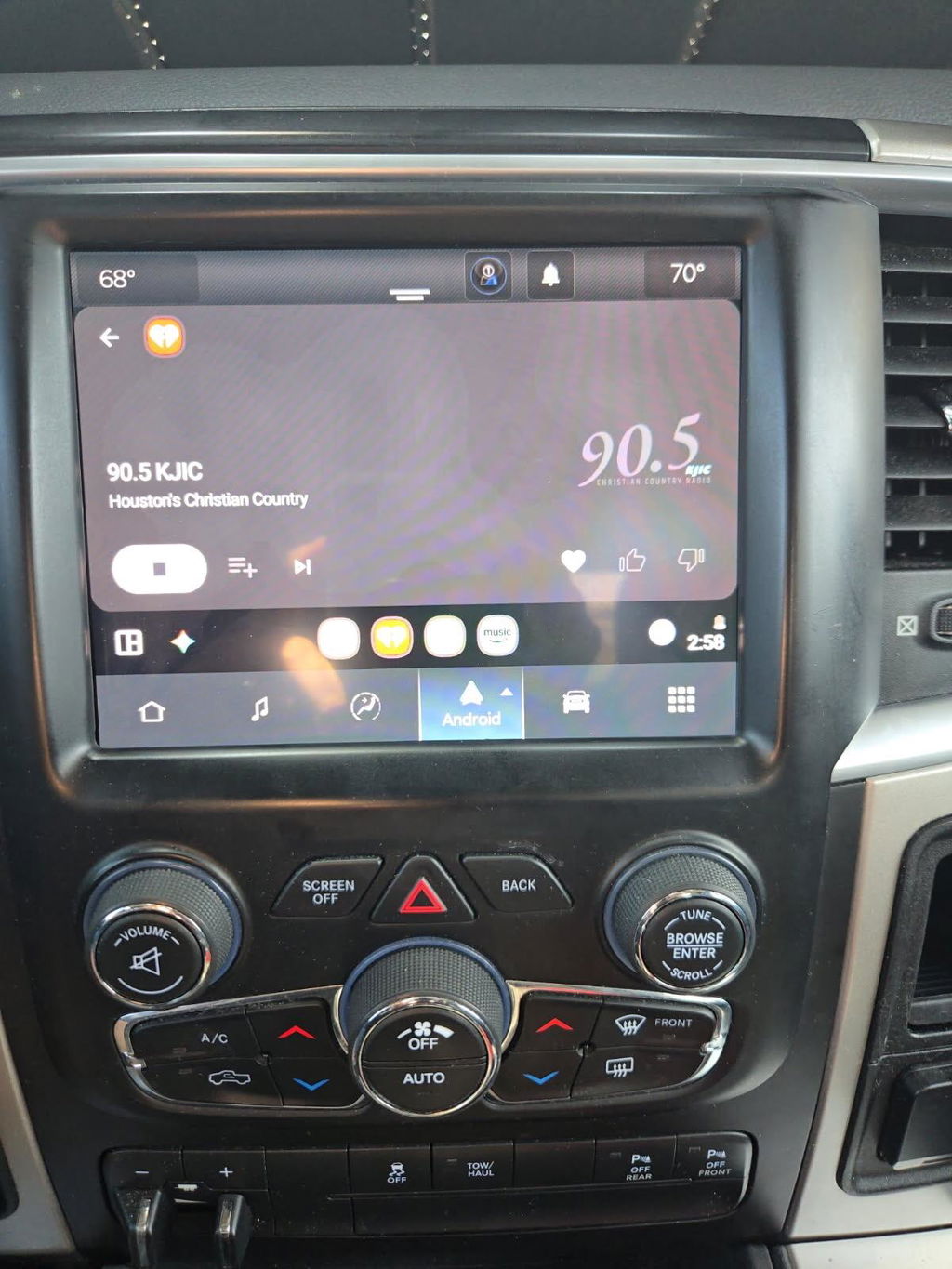
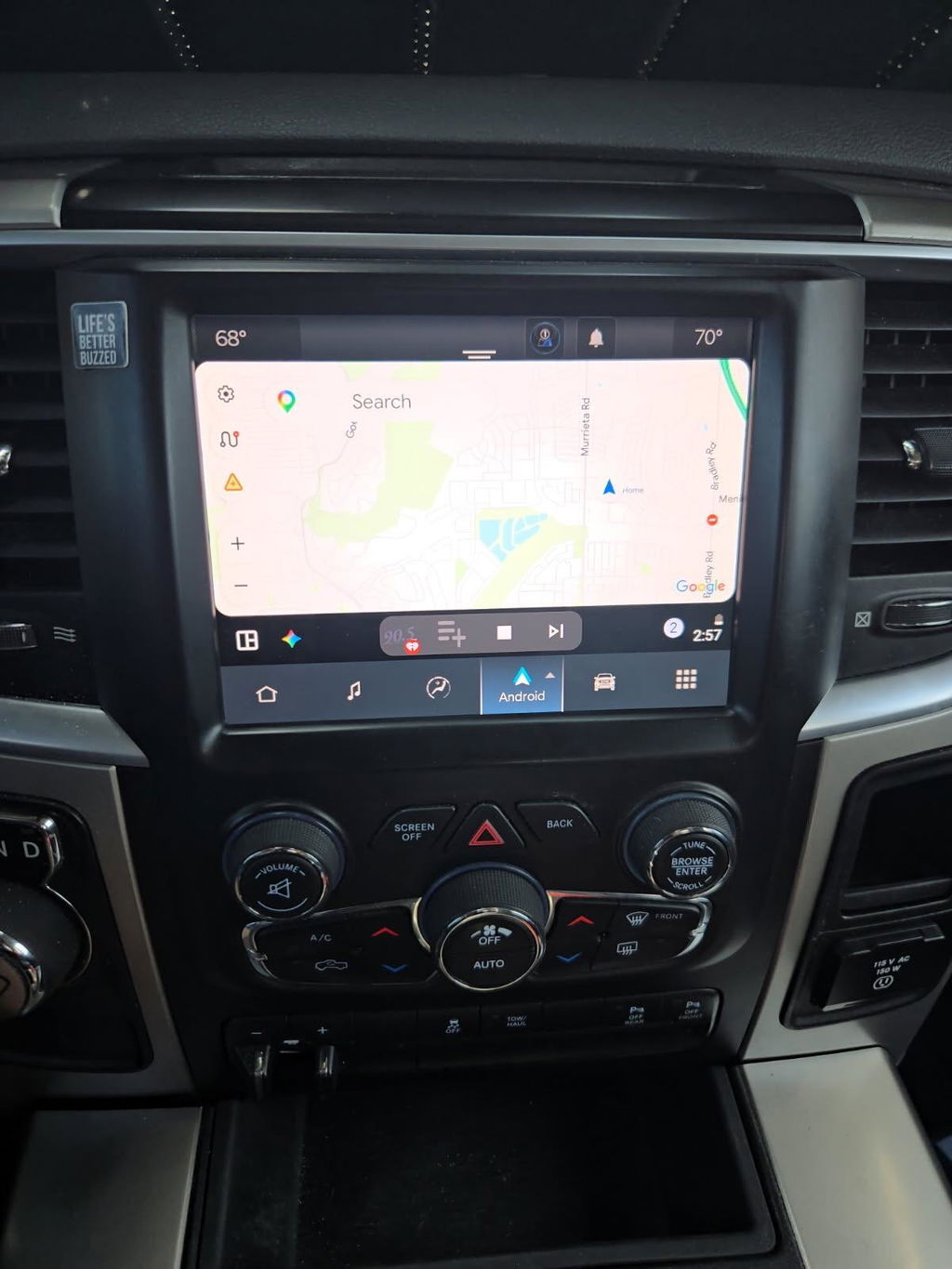
A lot of truck owners start with the same question: uconnect 5 vs aftermarket radio - which one actually makes sense once you factor in fitment, features, installation, and long-term reliability? On paper, both can add modern tech. In the real world, the better choice usually comes down to how much factory integration you want to keep and how much hassle you are willing to accept.
If you drive a Ram, Jeep, Dodge, or Chrysler platform, this decision is not just about screen size or sound quality. It is about whether your upgrade works like the truck was built that way, or whether you are signing up for adapters, workarounds, and small annoyances that never fully go away.
Uconnect 5 vs aftermarket radio: the real difference
The simplest way to frame it is this. Uconnect 5 is an OEM-based path. An aftermarket radio is a universal or semi-universal path. That difference affects everything from steering wheel controls to backup camera behavior to how clean the dash looks when the job is done.
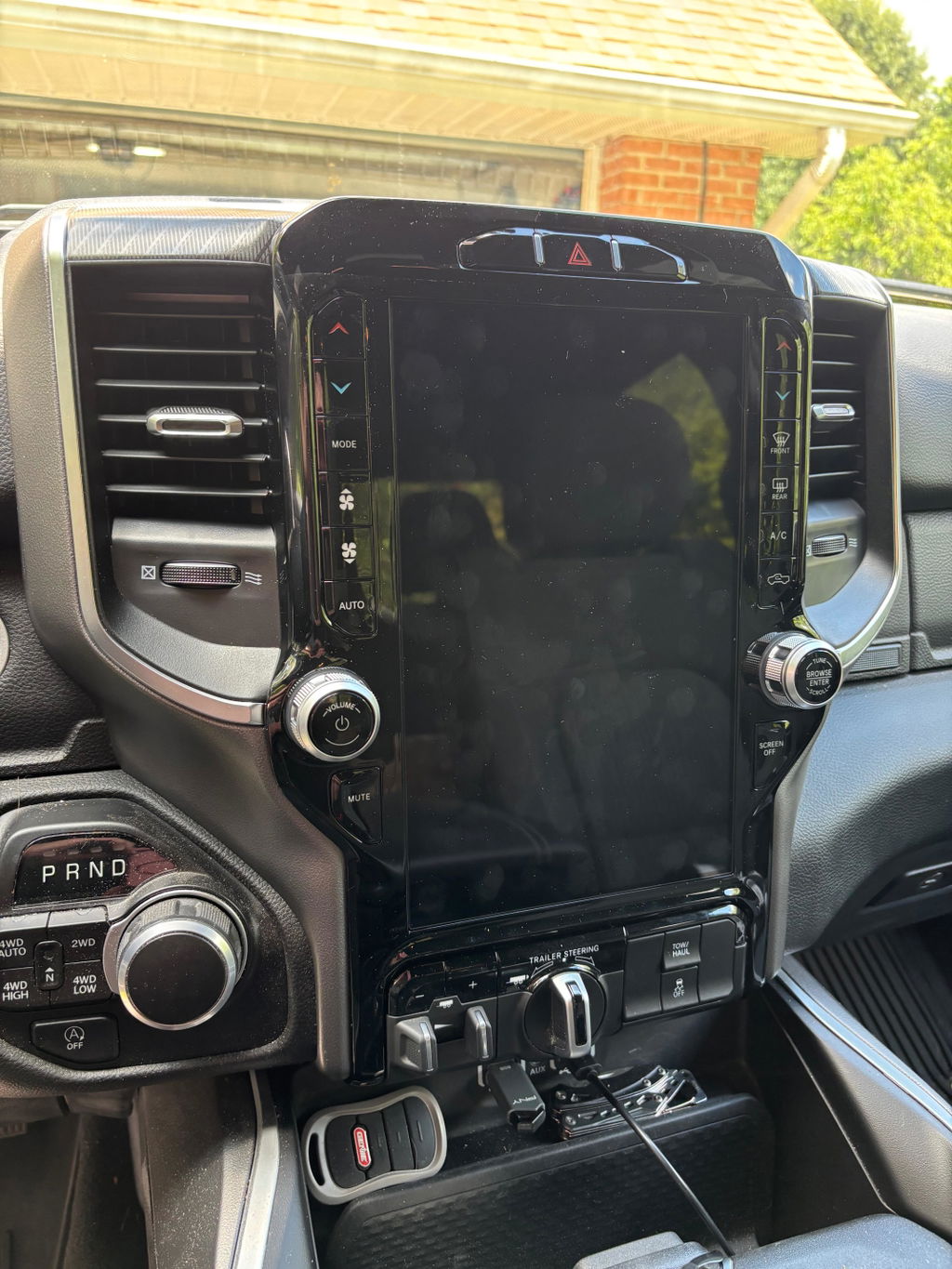
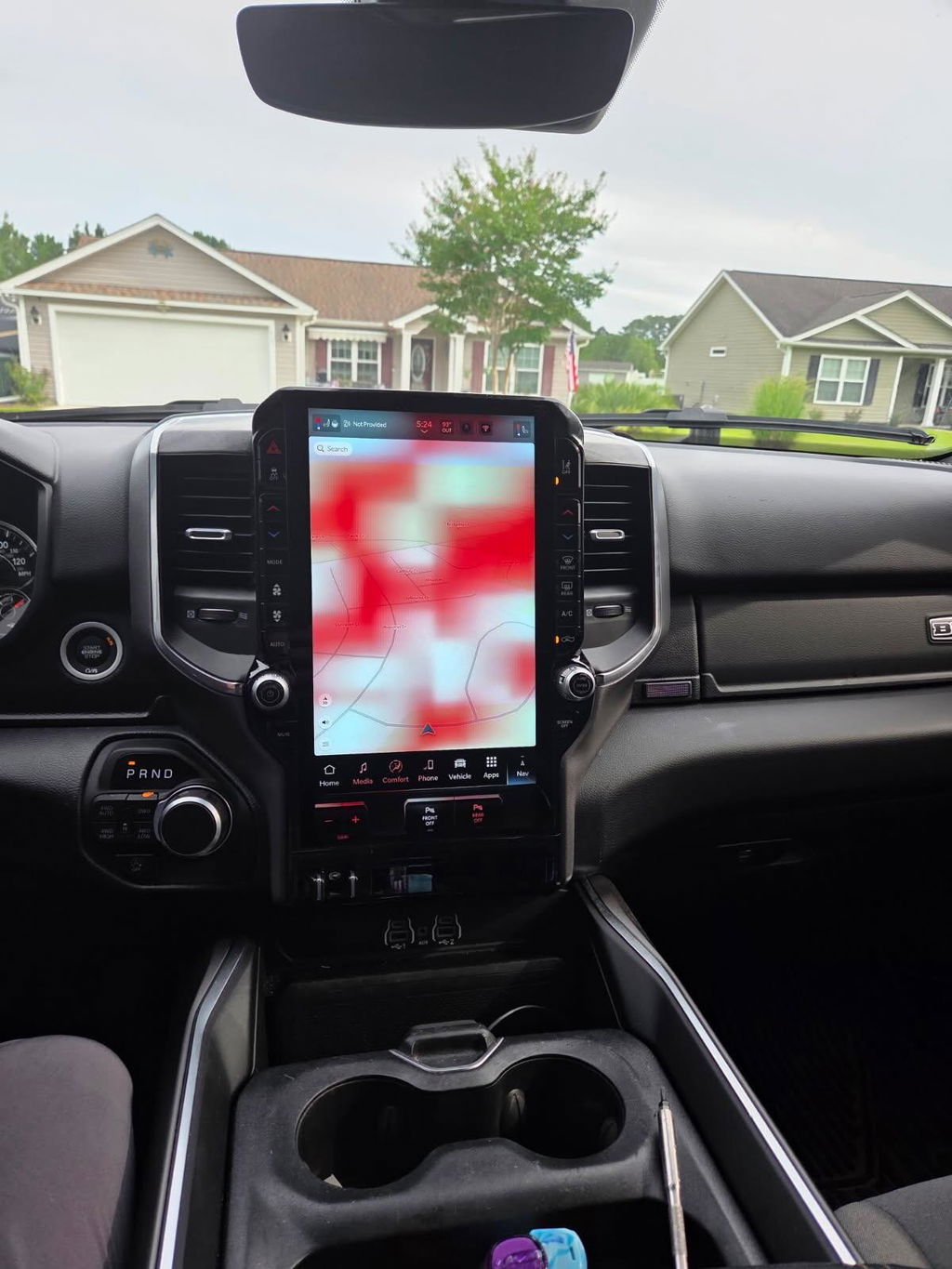
A Uconnect 5 upgrade is designed around factory hardware, factory communication, and factory-style operation. When matched correctly to the vehicle, it gives you a more original look and a more integrated user experience. You are not adding a screen that merely fits the dash opening. You are updating the infotainment system in a way that stays closer to how the truck was engineered.
An aftermarket radio can still be a solid option, especially for buyers who care most about custom audio tuning, brand-specific features, or a lower initial buy-in. But universal solutions often require extra modules, trim pieces, harnesses, and programming steps to make everything work together. That is where the comparison gets real.
Fitment and factory integration matter more than most buyers expect
This is where OEM-based upgrades usually separate themselves.
Modern trucks are not simple head unit swaps anymore. The radio often talks to climate controls, camera systems, vehicle settings, park sensors, factory microphones, steering wheel controls, and sometimes performance or off-road pages. If your replacement setup does not play nicely with those systems, the install may technically work while still feeling incomplete.
With Uconnect 5, the main advantage is preserving factory integration. The screen, menus, and controls are built around the vehicle ecosystem. That means fewer compromises with dash appearance, fewer odd behaviors, and less chance of losing factory functions that matter every day.
Aftermarket radios can retain many of these features, but retention is not the same as native operation. In a lot of installs, factory features are kept alive through interface modules and adapters. Sometimes that works well. Sometimes you get lag, occasional glitches, limited settings access, or functions that behave differently than stock. If you are the kind of owner who notices every little mismatch, that gets old fast.
Features: aftermarket is broad, Uconnect 5 is focused
If you compare feature sheets alone, aftermarket brands often look attractive. Many offer large touchscreens, wireless Apple CarPlay, wireless Android Auto, HD radio, EQ controls, camera inputs, and support for upgraded amplifiers or subwoofers. Some units push big numbers on preamp voltage, audio tuning, or screen customization.
Uconnect 5 is less about novelty and more about usable factory-grade features. The draw is modern connectivity in an OEM package - faster response, cleaner menus, wireless smartphone integration on supported configurations, and a layout that feels correct in the truck. For many Ram owners, that matters more than having extra settings they will rarely touch.
There is also a difference in how features are delivered. Aftermarket radios tend to prioritize universal appeal. Uconnect 5 prioritizes platform-specific functionality. If your main goal is a better daily driver experience with factory-style behavior, that is a strong argument for OEM-based hardware. If your main goal is building a custom audio setup with specialized tuning tools, the aftermarket side has a wider lane.
Installation is where the cheap option can stop being cheap
A lot of buyers compare only the price of the screen or head unit. That is a mistake.
An aftermarket install may require a dash kit, wiring harness, steering wheel control interface, antenna adapter, camera retention module, USB retention parts, amplifier integration parts, and possibly dealer or third-party programming depending on the vehicle. Once you stack the real parts list, plus labor if you are not doing the work yourself, the savings can shrink quickly.
That does not mean every aftermarket install is a nightmare. On older trucks with fewer integrated systems, they can be straightforward. But on newer platforms, especially where the factory infotainment system is tied into multiple vehicle functions, complexity goes up fast.
A vehicle-specific Uconnect 5 conversion generally appeals to a different buyer for a reason. Plug-and-play matters. Exact-fit matters. Known compatibility matters. When the kit is built around your model year and trim, installation becomes a cleaner path with fewer unknowns. That is a big part of the value, and it is why OEM upgrade specialists stand apart from generic radio sellers.
Sound quality is not a one-line answer
Many buyers assume aftermarket automatically means better sound. Sometimes yes, sometimes no.
If your goal is serious audio system expansion, aftermarket still has advantages. Better tuning control, amplifier integration flexibility, and a huge range of audio-focused brands make sense for builds centered on speakers, DSPs, and subwoofers. If you are planning a full custom system, an aftermarket head unit may fit that plan better.
But if you are keeping most of the factory audio architecture and you mainly want a better infotainment experience, Uconnect 5 can be the smarter move. Factory systems are tuned around factory components. Keeping that ecosystem intact often results in more predictable performance and fewer integration issues with factory amps, warning chimes, phone microphones, and vehicle prompts.
So the answer depends on what you mean by better. Better tuning potential favors aftermarket. Better factory behavior often favors Uconnect 5.
Reliability over time is where OEM-based upgrades earn their keep
The first week after install is not the real test. Six months later is the real test.
This is where factory-based systems usually have an edge. OEM components are designed to live in that vehicle environment - heat cycles, startup behavior, communication with other modules, and normal daily use. That does not make them perfect, but it does make them more predictable when properly matched.
Aftermarket radios vary a lot by brand, installer quality, and the stack of adapters used. Some setups hold up well. Others develop the small stuff that frustrates owners more than a major failure would. Random resets, camera delays, Bluetooth quirks, steering wheel control issues, and dash fitment rattles are common examples. None of those sound dramatic, but they make the truck feel less sorted.
For owners who use their trucks hard, whether on the jobsite, towing, or off-road, predictable operation matters more than flashy spec sheets. A clean OEM-style upgrade is often the better long-term bet.
Resale, appearance, and the "factory look" factor
This part gets overlooked until it is time to sell or trade the truck.
A factory-style Uconnect 5 upgrade usually looks right in the dash. It tends to appeal to the next buyer because it feels like an upgraded trim level rather than a modified interior. That can help preserve value, or at minimum avoid the negative reaction some buyers have to heavily customized electronics.
Aftermarket radios are more hit or miss here. Some look clean. Some clearly look added-on. If the screen style, trim kit, or interface is not well integrated, it can cheapen the cabin even if the unit itself is expensive. For a lot of truck owners, especially those who want modern tech without making the interior look altered, this is a deciding factor.
When an aftermarket radio makes sense
There are still good reasons to go aftermarket. If you want maximum audio tuning control, multiple camera expansion, a specific brand ecosystem, or a budget-conscious solution for an older vehicle, aftermarket can absolutely be the right call. It also makes sense for custom builds where factory integration is less important than flexibility.
The key is going in with realistic expectations. You are usually trading some level of factory-like behavior for customization and broader product choice. If that trade works for your build, there is nothing wrong with it.
When Uconnect 5 is the better upgrade
For most late-model Ram and related platform owners, Uconnect 5 wins when the priority is factory integration, clean installation, OEM appearance, and dependable daily use. If you want wireless CarPlay or Android Auto, a larger modern touchscreen, and better usability without turning the truck into a wiring project, OEM-based is the stronger path.
That is why model-specific, plug-and-play kits have become so popular. Buyers are not just paying for a screen. They are paying for compatibility, simpler installation, and a finished result that feels right. That is a practical value, not a marketing line.
If you are comparing options for your truck, the best question is not which system has the longest feature list. It is which upgrade gives you the least compromise once everything is installed and used every day. For a lot of owners, that is exactly why DD Offroad focuses on OEM Genuine Components and vehicle-specific solutions.
The right radio upgrade should make your truck feel newer, not more complicated.