Is an OEM Radio Upgrade Worth It for Your Truck?
Share
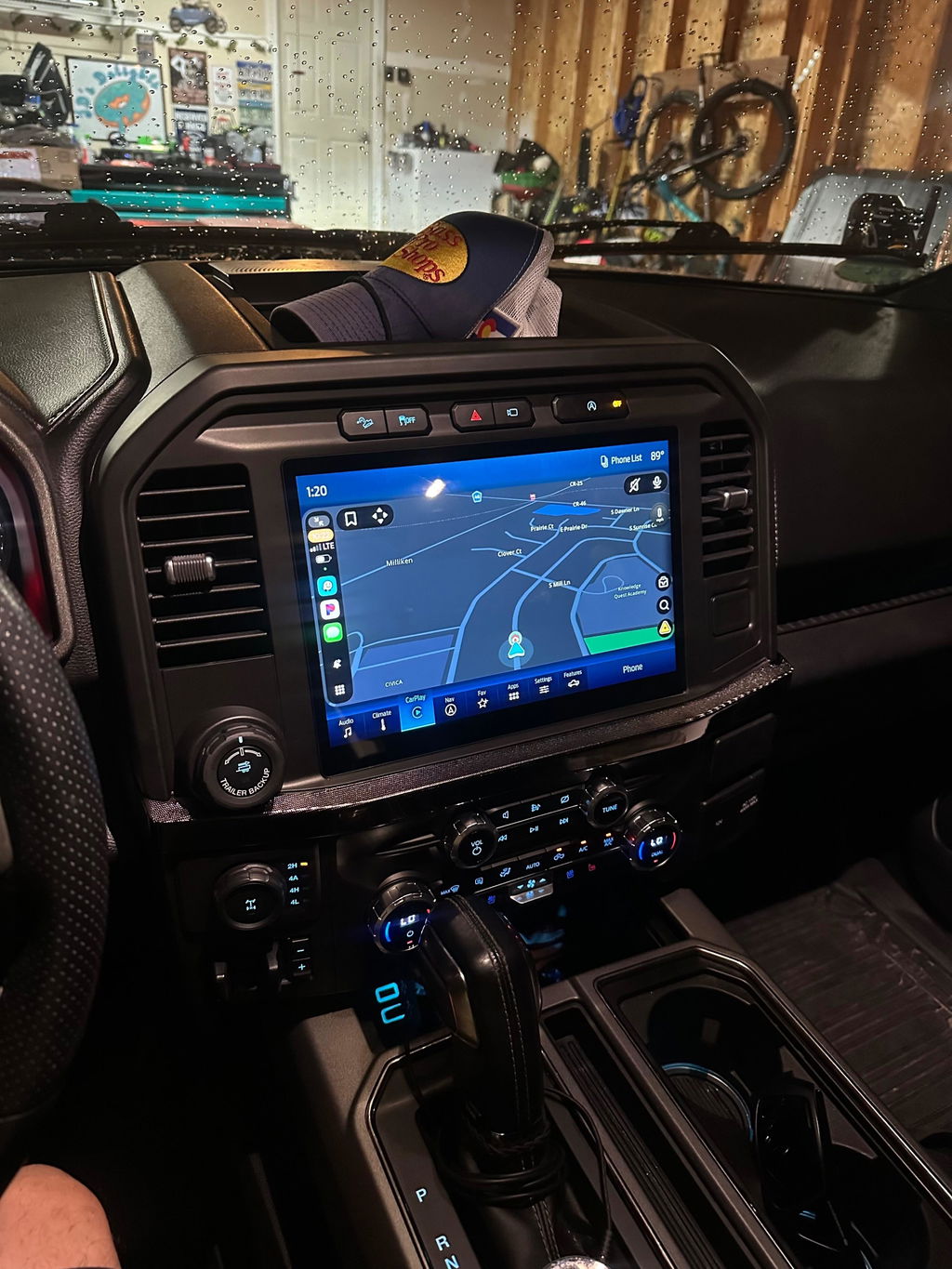
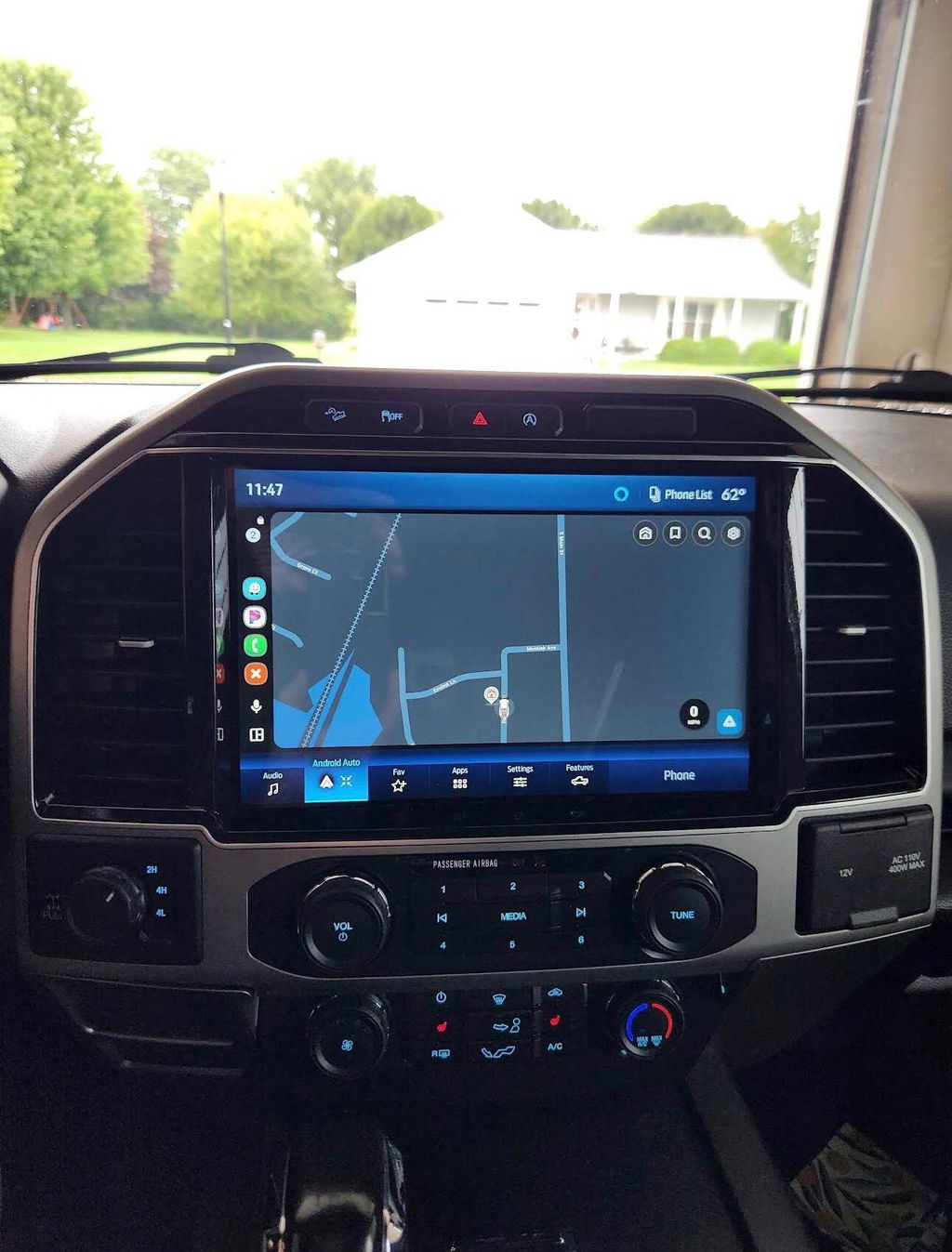
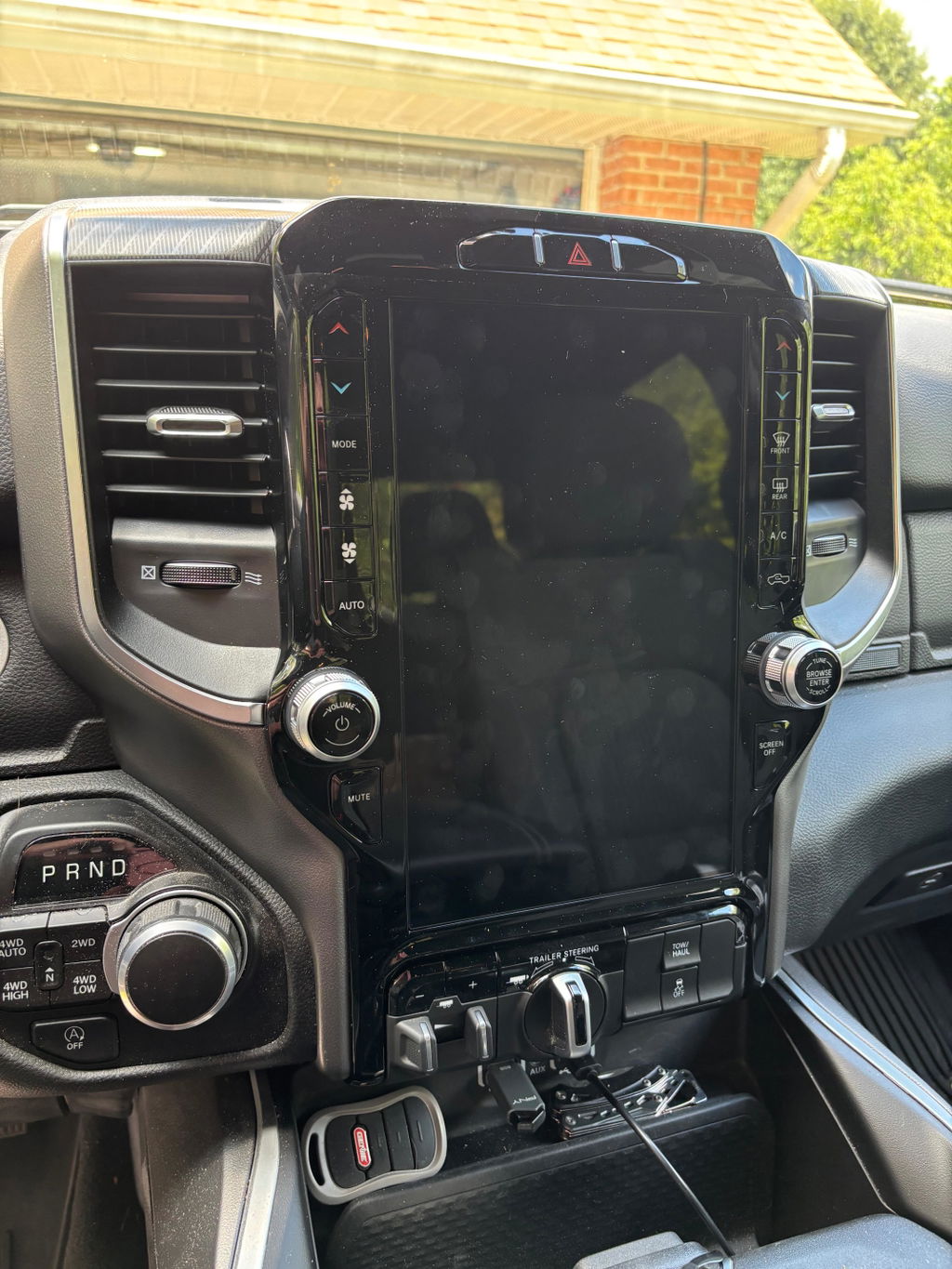
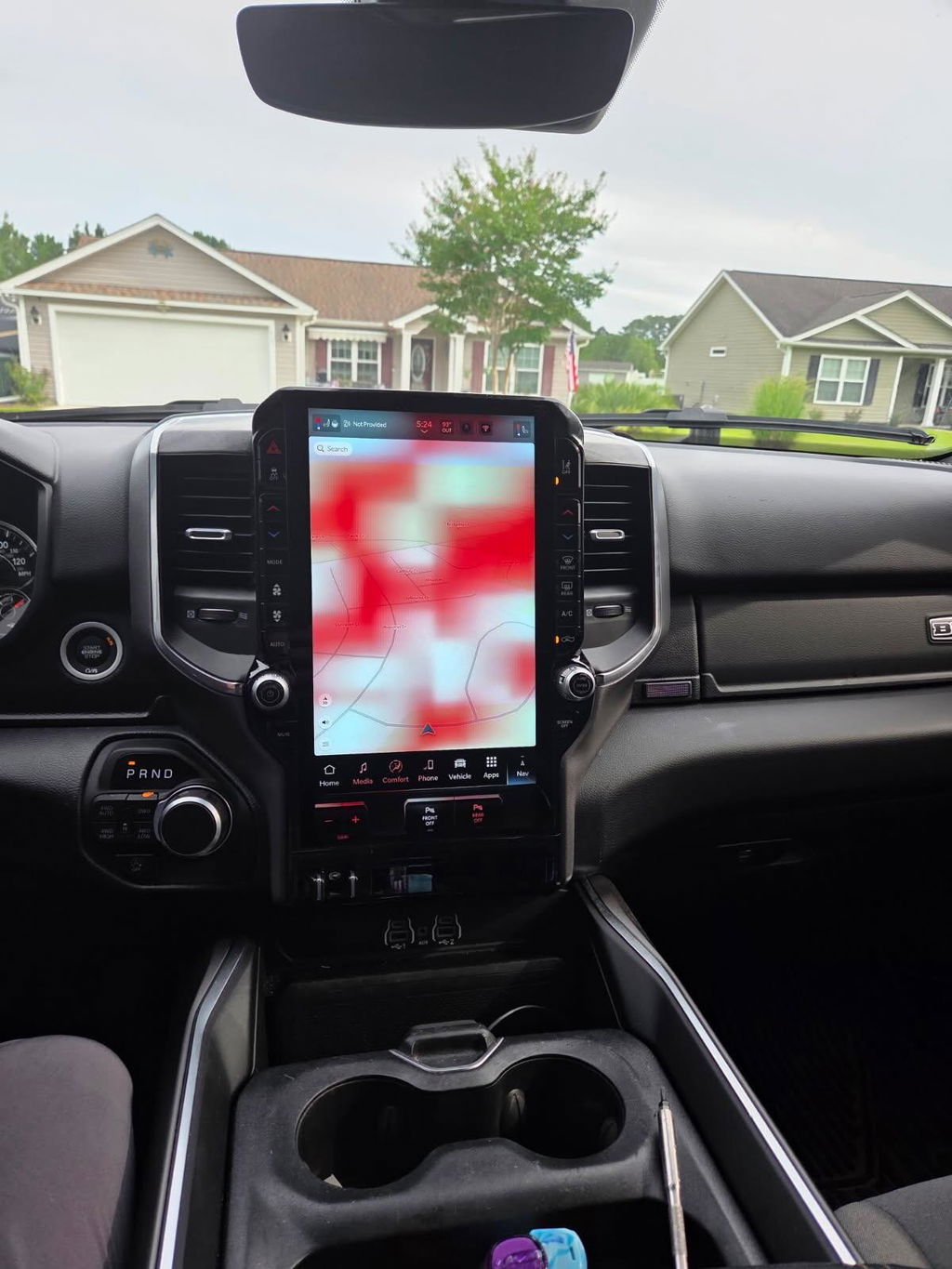
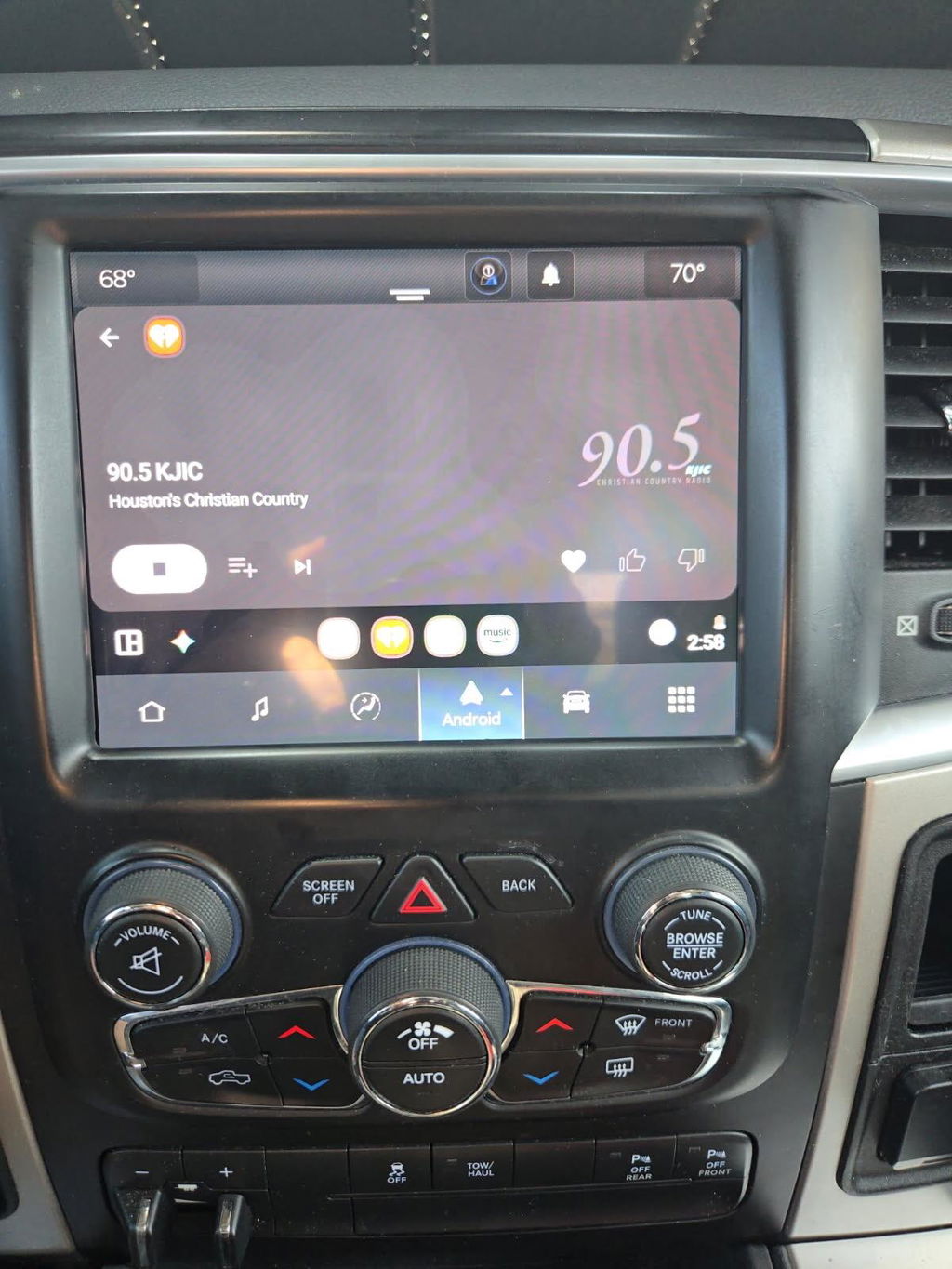
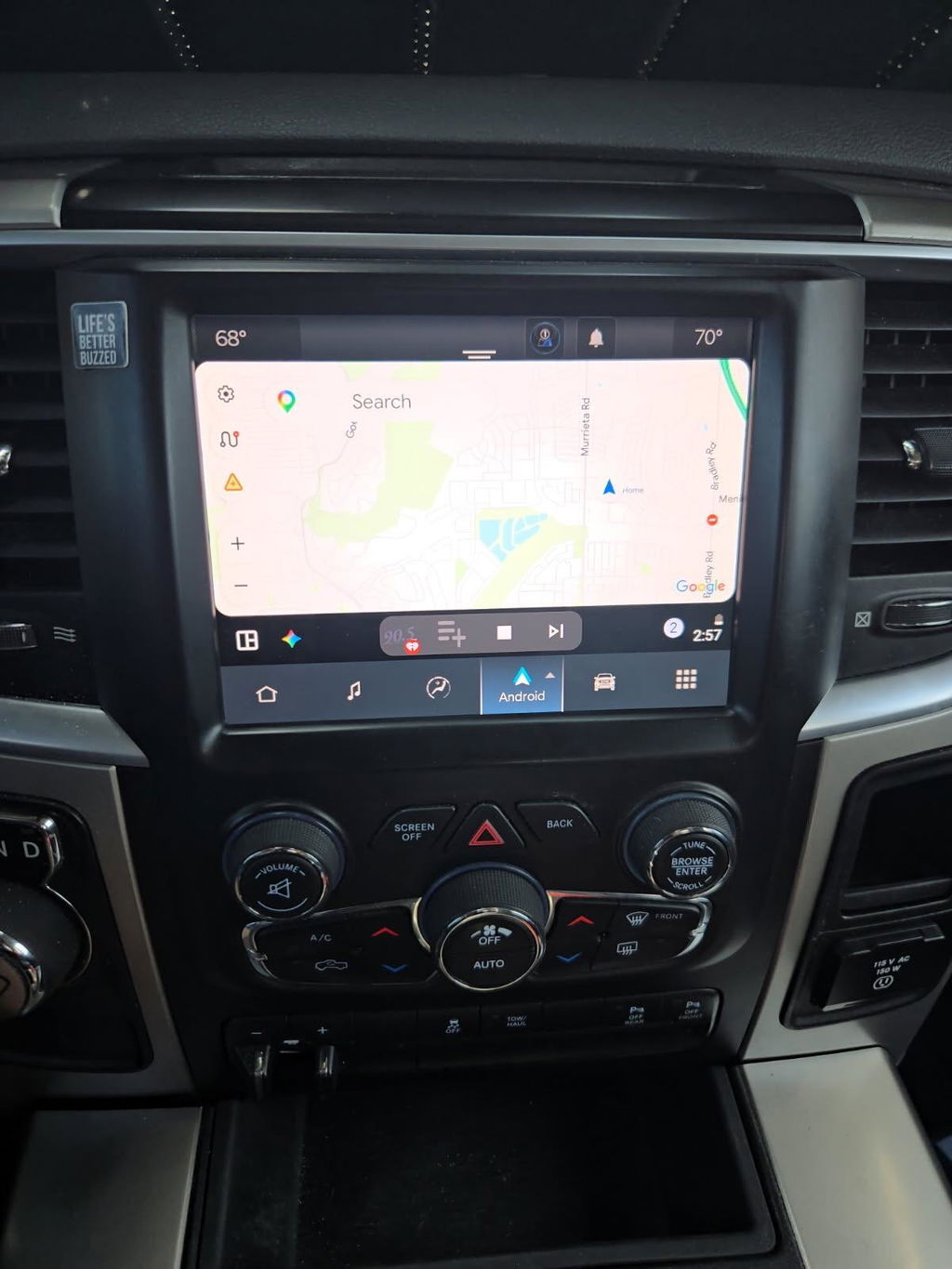
A small factory screen can make an otherwise capable truck feel a generation behind. You may have a solid Ram 1500, Super Duty, or F-150 with plenty of life left, but no wireless CarPlay, no modern navigation interface, and no clean way to add the features you use every day. So, is an OEM radio upgrade worth it? For many truck owners, yes - provided the kit is built for the exact vehicle and includes the parts and programming required for proper operation.
The main advantage is not just a bigger touchscreen. A true OEM-based upgrade keeps the truck feeling like it left the factory that way. Controls remain where they belong, the dash retains its factory look, and critical vehicle settings are less likely to be lost behind a generic aftermarket interface. That matters when your truck is a daily driver, tow rig, work vehicle, or trail vehicle you intend to keep.
When an OEM Radio Upgrade Is Worth It
An OEM radio upgrade makes the most sense when your current system is the weak point of an otherwise well-equipped truck. Maybe you bought a lower-trim model with a small display. Maybe your older Uconnect system works but lacks the smartphone features you expect. Or maybe you want the clean appearance and usability of a newer factory screen without trading into a newer truck.
Factory-style infotainment upgrades are especially valuable for owners who care about integration. On many Ram, Dodge, Jeep, Chrysler, and Ford platforms, the radio is tied into more than music and maps. It may control backup camera views, HVAC settings, trailer-related menus, camera options, vehicle settings, steering-wheel controls, and warning displays. Replacing it with a universal radio can require adapters, harnesses, trim modifications, and compromises. A vehicle-specific OEM kit is designed to avoid that patchwork approach.
The upgrade is also worth considering if wireless Apple CarPlay or Android Auto is your real goal. A modern OEM touchscreen can give you current phone integration while maintaining the factory controls and display layout you already know. Instead of mounting your phone for navigation or dealing with outdated Bluetooth behavior, you get a cleaner in-cab setup that is easier to use on long drives and jobsite days.
For truck owners, that practical difference adds up. Navigation is clearer. Calls and messages are easier to manage. Music, podcasts, weather, and trail or towing routes are available through the apps you already use. A larger factory-style screen can also make camera functions more useful when backing a trailer or maneuvering a full-size truck in a tight space.
Why OEM-Based Systems Cost More
The short answer is that OEM upgrades are not simply a screen swap. A properly planned conversion may involve the radio module, display, bezel, USB media hub, antenna components, wiring, brackets, and programming. The exact contents depend on your model year, trim level, existing equipment, and the system being installed.
That is why comparing an OEM upgrade only to the price of a universal touchscreen can be misleading. A low-cost aftermarket unit may look attractive at checkout, but the total installed cost can climb once you add a dash kit, harnesses, steering-wheel-control interface, camera retention module, USB adapters, and labor to resolve fitment issues. There is also the question of how well the finished system will work with factory menus and vehicle functions.
OEM Genuine Components typically carry a higher upfront price because they are built for a specific vehicle family and communicate through the factory electrical architecture. The benefit is a factory-grade result rather than an add-on that looks or operates separate from the truck.
That said, an OEM upgrade is not automatically the right answer for every budget. If you only need basic Bluetooth audio and do not care about factory integration, a simple aftermarket solution may be enough. The value of OEM is strongest when you want modern features without giving up the original fit, finish, and vehicle-specific functions.
The real value is compatibility
Compatibility is where a vehicle-specific kit earns its price. A 2013 Ram 1500, for example, can have different needs than a 2018 Ram 1500 even when the dashboards appear similar. Trim level, amplifier configuration, factory camera equipment, screen size, satellite radio hardware, and climate controls can all affect what is needed.
The same is true across Ford trucks. An F-150, Super Duty, Expedition, or Maverick may use different connectors, modules, screen designs, and software requirements depending on the generation. Buying a radio because it physically fits the dash is not enough. It must also be compatible with the truck's equipment and programmed correctly.
This is why complete, application-specific kits are safer than collecting used parts one at a time. A pieced-together setup can leave you searching for missing components after the dash is apart. Worse, a mismatched module may power on but fail to support the features you expected.
Is an OEM Radio Upgrade Worth It for Older Trucks?
For an older truck in good mechanical condition, the answer can be a clear yes. Replacing a truck that is paid off and reliable just to gain a better infotainment system rarely makes financial sense. An OEM radio conversion can bring the cabin much closer to a newer model for a fraction of the cost of changing vehicles.
It also improves daily ownership without changing what you like about the truck. You keep the engine, suspension, bed setup, wheels, lighting, and accessories you already chose. You simply remove one of the most noticeable signs of age from the interior.
There are limits. If the truck has major mechanical needs, electrical issues, or a failing HVAC system, infotainment should not be the first expense. Likewise, if you plan to sell the truck immediately, you may not recover the entire purchase price. An OEM upgrade can improve buyer appeal, but it should be purchased primarily for your own use and convenience.
For owners keeping their truck for several years, the value is easier to justify. Modern phone connectivity and a larger, more capable display are features you will use every time you drive.
What to Confirm Before You Buy
Do not order based on screen size alone. Start with the truck's model year, make, model, trim, existing radio type, and current screen size. If available, verify the VIN and identify whether the truck has factory navigation, an amplified audio system, a backup camera, satellite radio, or special towing and camera options.
Also confirm what the kit includes and what requires programming. Some upgrades are plug and play from an installation standpoint, but the vehicle may still need a programmer or preconfigured module to enable the correct features. That is normal for modern OEM electronics. The goal is not just to make the radio turn on. The goal is to have the correct menus, audio, camera operation, and vehicle settings after installation.
Ask practical questions before committing. Will your existing backup camera be retained? Are steering-wheel controls supported? Does the system include the correct bezel and USB hub? Will wireless Apple CarPlay and Android Auto work on your specific application? Is your factory amplifier supported? Clear answers to those questions prevent the most common upgrade mistakes.
If you install the kit yourself, take your time with trim removal and connector handling. Disconnect the battery when appropriate, protect interior panels, and do not force plugs that do not match. Factory connectors are designed to fit correctly; forcing the wrong connection creates expensive problems fast. Owners who are comfortable with basic interior work can often handle a plug-and-play conversion, while anyone uncertain about programming or electrical diagnosis should use a qualified installer.
OEM Upgrade vs. Aftermarket Radio
Aftermarket radios still have a place. They can offer features OEM systems may not, such as advanced audio tuning, larger floating displays, or specialized off-road camera support. They may also be the better option for a heavily customized build where factory appearance is not a priority.
But for the owner who wants a clean, reliable upgrade in a Ram or Ford truck, OEM-based equipment usually has the better fit-and-finish advantage. It is designed around the dash, the vehicle network, and the controls already in the truck. There is less visual compromise and fewer extra interfaces to manage.
DD Offroad focuses on that exact use case: vehicle-specific upgrades that make modern factory features attainable without turning a straightforward install into a custom electronics project. The right kit should feel like an upgrade to the truck, not an experiment inside it.
Make the Upgrade Match the Truck
An OEM radio upgrade is worth it when it solves a real problem: an outdated screen, missing smartphone integration, poor factory usability, or a lower-trim interior that does not match the rest of the truck. It is less worthwhile when fitment is uncertain, key parts are missing, or the only goal is the cheapest possible touchscreen.
Buy for exact fitment, complete functionality, and the features you will use every day. When the kit matches the vehicle and the installation is planned correctly, the result is one of the few upgrades that improves every mile you drive.