Plug and Play Truck Radio Upgrade Guide
Share
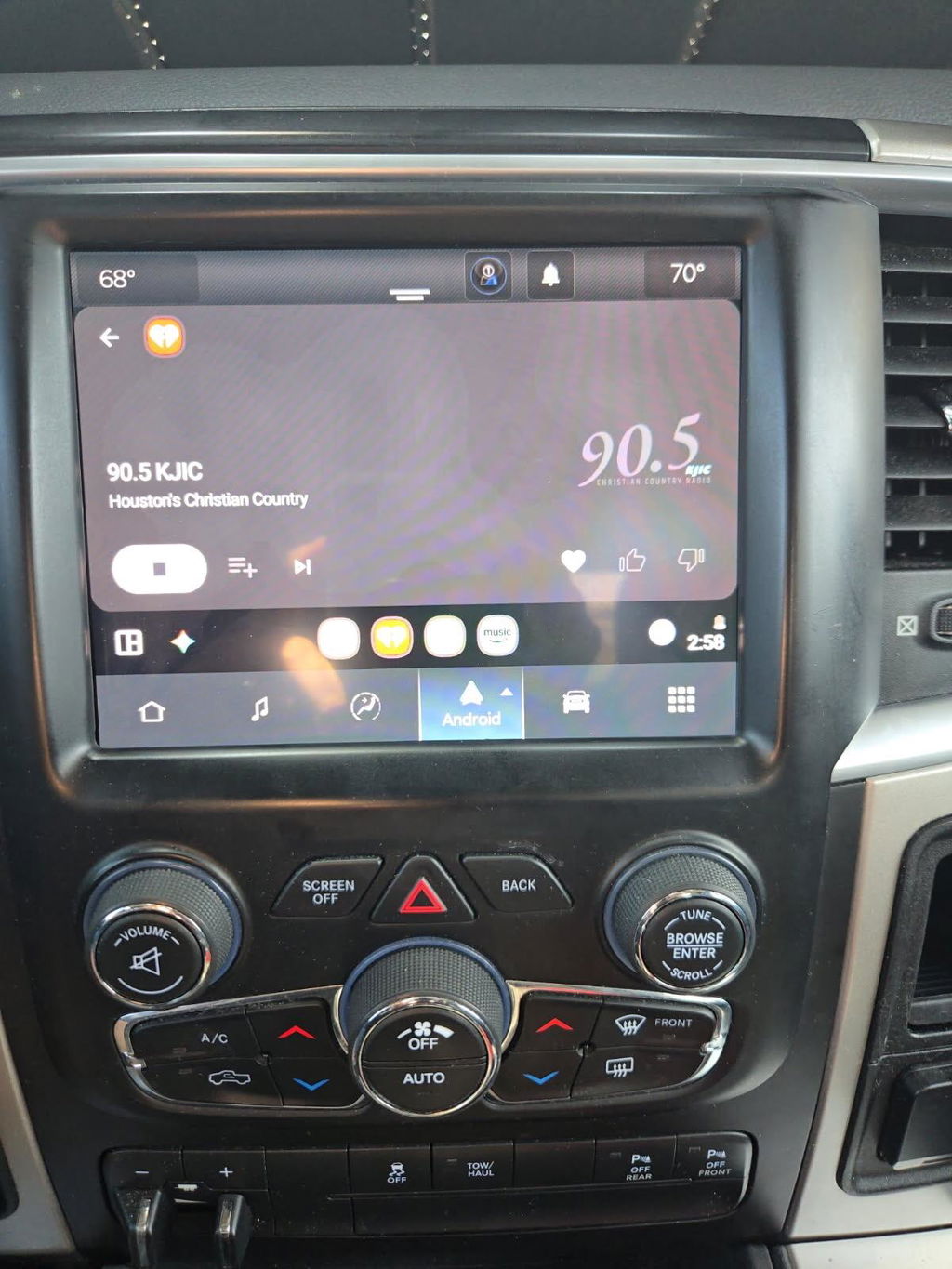
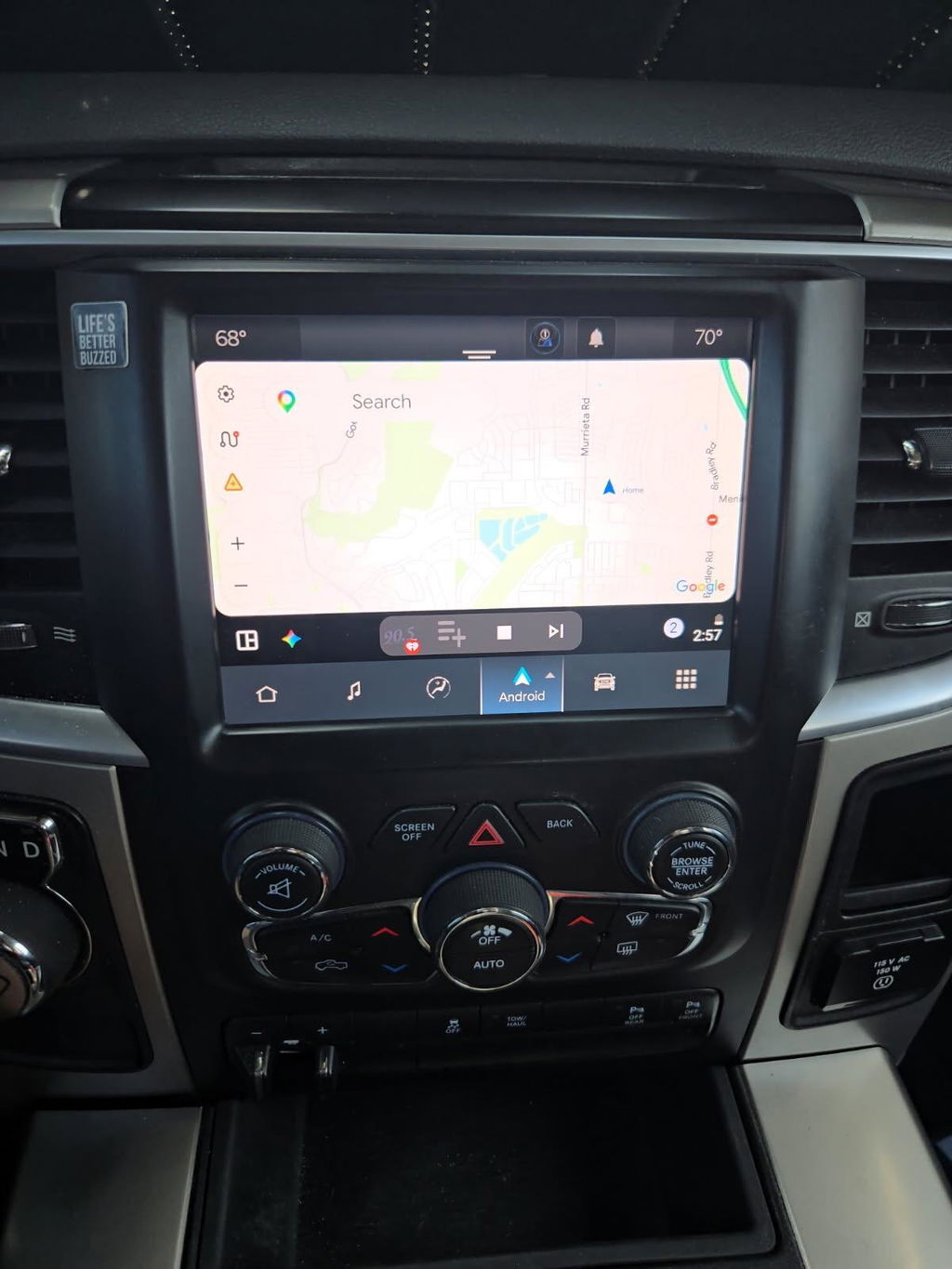
A bad factory radio usually shows itself in the first five minutes of a drive. Slow menus, a small screen, weak phone integration, or no smartphone integration at all can make a newer truck feel dated fast. That is exactly why a plug and play truck radio upgrade has become one of the most practical interior upgrades for Ram and Ford owners who want modern features without cutting into the factory wiring.
For most truck owners, the goal is not to build a custom show system from scratch. The goal is to get a larger screen, cleaner factory-style operation, and features like Apple CarPlay, Android Auto, Bluetooth, navigation support, or better camera integration while keeping the truck reliable. That is where vehicle-specific OEM-based upgrade kits make more sense than generic universal radios.
What a plug and play truck radio upgrade really means
The term gets used loosely, so it helps to define it. A true plug and play truck radio upgrade is built around your truck's factory architecture. It uses model-specific components, matching connectors, and the programming or integration needed to work with existing systems instead of forcing a universal unit into place.
That matters because modern trucks do far more through the screen than just music and calls. Climate settings, backup camera display, vehicle settings, trailer functions, factory microphones, steering wheel controls, and USB hubs may all run through the infotainment system. If the new setup does not properly communicate with the truck, you can end up with missing features, warning messages, poor fitment, or a system that technically turns on but never feels right.
A proper OEM-style kit keeps the truck closer to how it was engineered from the factory. The screen fits the dash correctly. The harnesses match the platform. The software and modules are chosen for that truck, not adapted as an afterthought.
Why truck owners are moving away from universal aftermarket radios
Universal aftermarket head units still have a place, especially for older trucks or fully custom audio builds. But on late-model Ram and Ford platforms, they often create more compromise than value.
The first issue is integration. Many newer trucks rely on the factory radio for more than entertainment, so replacing it with a generic unit can mean extra modules, spliced wiring, and mixed results. Sometimes you keep most functions. Sometimes you lose small but annoying things like factory camera behavior, menu controls, or warning chimes. Sometimes the fit and finish simply looks aftermarket because it is.
The second issue is reliability over time. A truck used for commuting, towing, work, or off-road travel needs electronics that behave consistently. Owners who use their trucks every day usually do not want to troubleshoot a random no-audio issue, laggy startup, or intermittent steering wheel control problem six months after install.
That is why OEM-based upgrades have gained traction. They are not about flashy specs on a box. They are about retaining factory behavior while adding the features the truck should have had from day one.
The biggest benefits of a plug and play truck radio upgrade
For most buyers, the main win is better functionality without the normal install headache. You are not paying only for a screen. You are paying for compatibility.
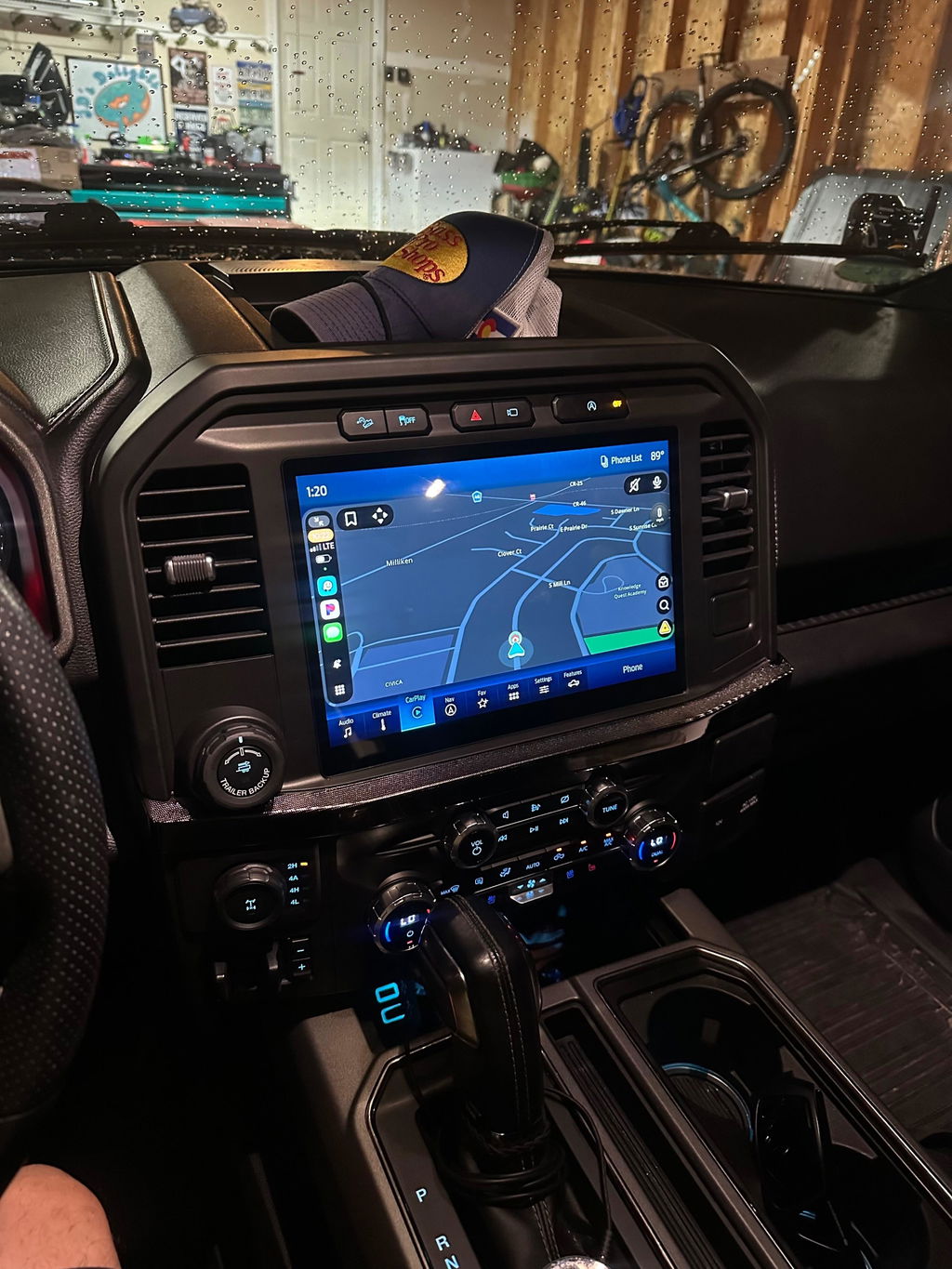
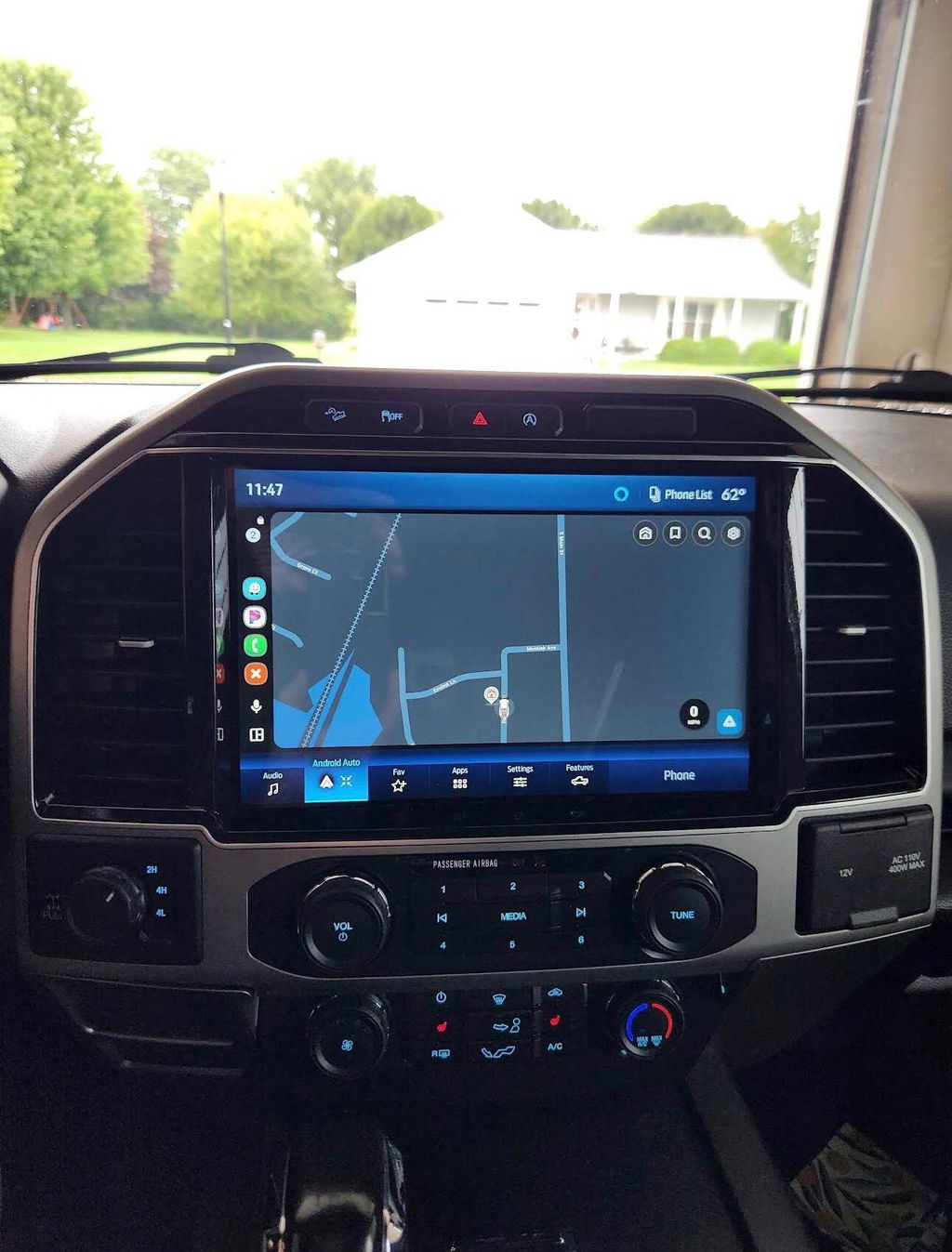
A good kit can add a larger factory-style display, updated system software, wireless Apple CarPlay and Android Auto on supported platforms, cleaner Bluetooth performance, and improved touchscreen responsiveness. On some applications, it also helps preserve critical features like steering wheel controls, factory backup camera support, USB integration, and vehicle settings access.
There is also a resale and ownership advantage. A factory-style upgrade usually looks correct in the dash, which matters more than many buyers expect. Trucks hold value better when modifications look intentional and integrated. A sloppy universal install with odd trim gaps or hacked wiring can raise questions for the next owner. An OEM-based system tends to do the opposite.
Plug and play truck radio upgrade options by truck type
Not every truck owner wants the same result, so the right setup depends on platform, model year, and current equipment.
Ram trucks
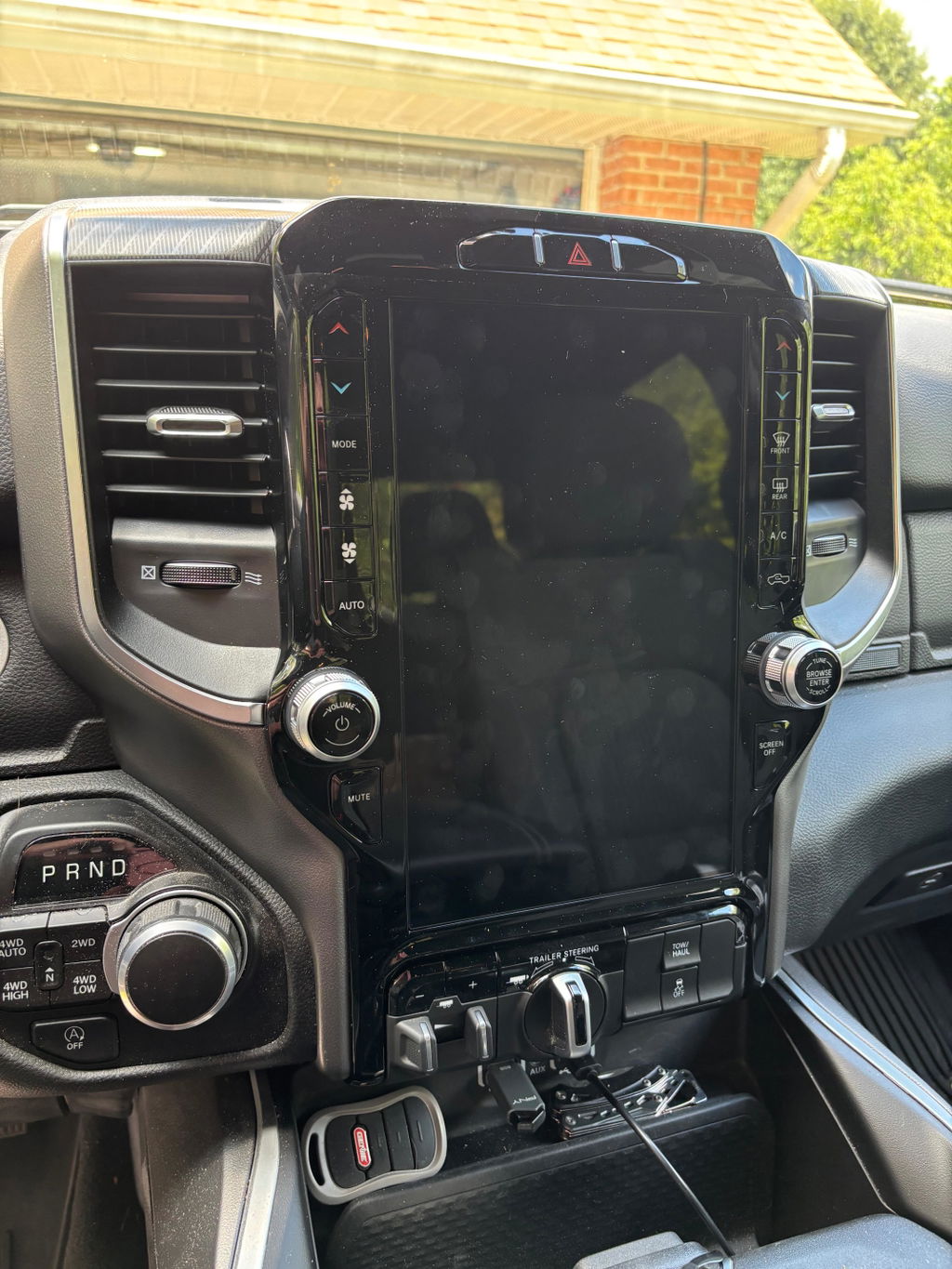
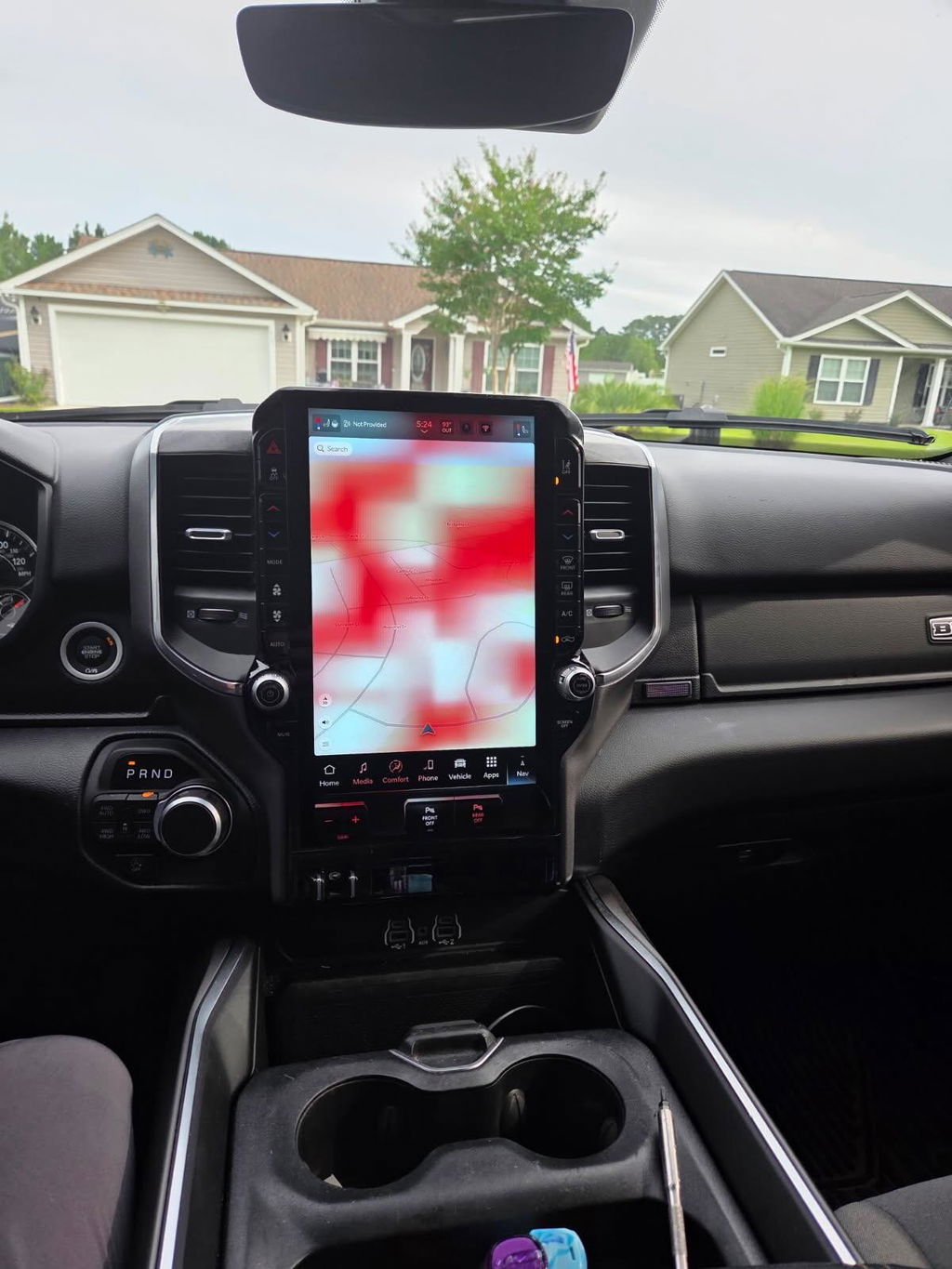
Ram owners are often moving from smaller Uconnect screens to larger OEM touchscreen conversions with updated software and smartphone integration. This is especially common on 1500 and Heavy Duty trucks where the dash is already designed around factory screen options. The upgrade path can be very clean when the kit is built around the exact year range and existing trim configuration.
For these trucks, preserving factory controls is a major priority. Buyers typically want the larger display and better feature set without losing HVAC control access, camera functionality, or the original look of the interior.
Ford trucks
Ford F-150, Super Duty, Maverick, and Expedition owners usually want the same thing in different packaging - a more current infotainment experience that feels factory. Depending on the generation, that may mean upgrading screen size, improving phone connectivity, or replacing a lower-level setup with a more premium OEM-based system.
Fitment and software matching matter even more here because Ford applications can vary heavily by trim, screen size, and factory options. Buying by vehicle generation and original radio configuration is usually the safest route.
How to choose the right plug and play truck radio upgrade
The most common buying mistake is shopping by screen size alone. Bigger is not automatically better if the kit is not built for your truck.
Start with your exact year, make, model, trim, and current infotainment setup. That includes whether the truck already has a factory touchscreen, what size it is, whether it has navigation, and what features run through the radio. Backup cameras, 360 cameras, heated seat controls, trailer settings, and USB media hubs can all affect compatibility.
Next, decide what you actually want the upgrade to solve. If your main problem is no Apple CarPlay or Android Auto, the best solution may be different from someone who wants a full large-screen conversion. If the stock system works fine but feels outdated, a factory-style upgrade focused on modern connectivity may be the smartest value. If the whole interface is lacking and you want a more premium cabin experience, a larger OEM conversion makes more sense.
Then look at the parts package, not just the finished photo. A real vehicle-specific kit should call out fitment clearly and explain what is included. Genuine OEM components, matching harnesses, and any required programming support are what separate a clean install from a project that stalls in the garage.
Installation: easy does not mean universal
Plug and play does not always mean five minutes with a pocket screwdriver. It means the upgrade path is simplified because the components are intended to work together on a specific vehicle.
Some kits are straightforward for a capable DIY owner with basic trim tools and patience. Others still require careful disassembly, module setup, or post-install programming. That is normal. The difference is that you are working with a structured solution instead of trying to make unrelated parts cooperate.
This is where truck owners should be realistic. If you are comfortable removing dash panels and following application-specific instructions, many OEM-based upgrades are manageable. If you are not, professional installation is still worth considering. A clean install protects expensive parts and avoids damage to trim, connectors, or interior panels.
Cost vs value
A plug and play truck radio upgrade usually costs more up front than an entry-level universal head unit. That is the trade-off. But the cheaper route can get expensive fast once you add dash kits, harness adapters, interface modules, labor, and the time spent solving fitment or feature retention problems.
With a vehicle-specific OEM-based kit, more of the value is built into the package from the start. You are paying for correct fitment, retained functionality, and a factory-style result. For owners who keep their trucks long term, that usually matters more than saving a little money on day one.
This is also why buyers often choose specialists over broad electronics sellers. A catalog built around Ram, Ford, and other truck platforms removes a lot of guesswork. At DD Offroad, that platform-specific approach is the point - OEM genuine components, exact-fit solutions, and a more predictable upgrade path.
When this upgrade makes the most sense
If your truck still runs well but the cabin tech feels behind, this is one of the best upgrades you can make. It changes how the truck feels every day, not just once in a while. Navigation is easier. Calls and streaming work better. Camera use feels more natural. The interior feels newer without losing the factory character of the vehicle.
It makes even more sense if you dislike the idea of custom fabrication, wire cutting, or gambling on a universal-fit radio that may only partly support your truck. For most late-model owners, factory integration is not a bonus feature. It is the whole reason to upgrade the right way.
A truck radio upgrade should solve a problem, not create one. If you focus on exact fitment, OEM-based parts, and the features you actually use, you end up with a system that feels like it came with the truck. That is usually the smartest kind of upgrade - the one you notice every time you drive, and never have to think twice about after install.