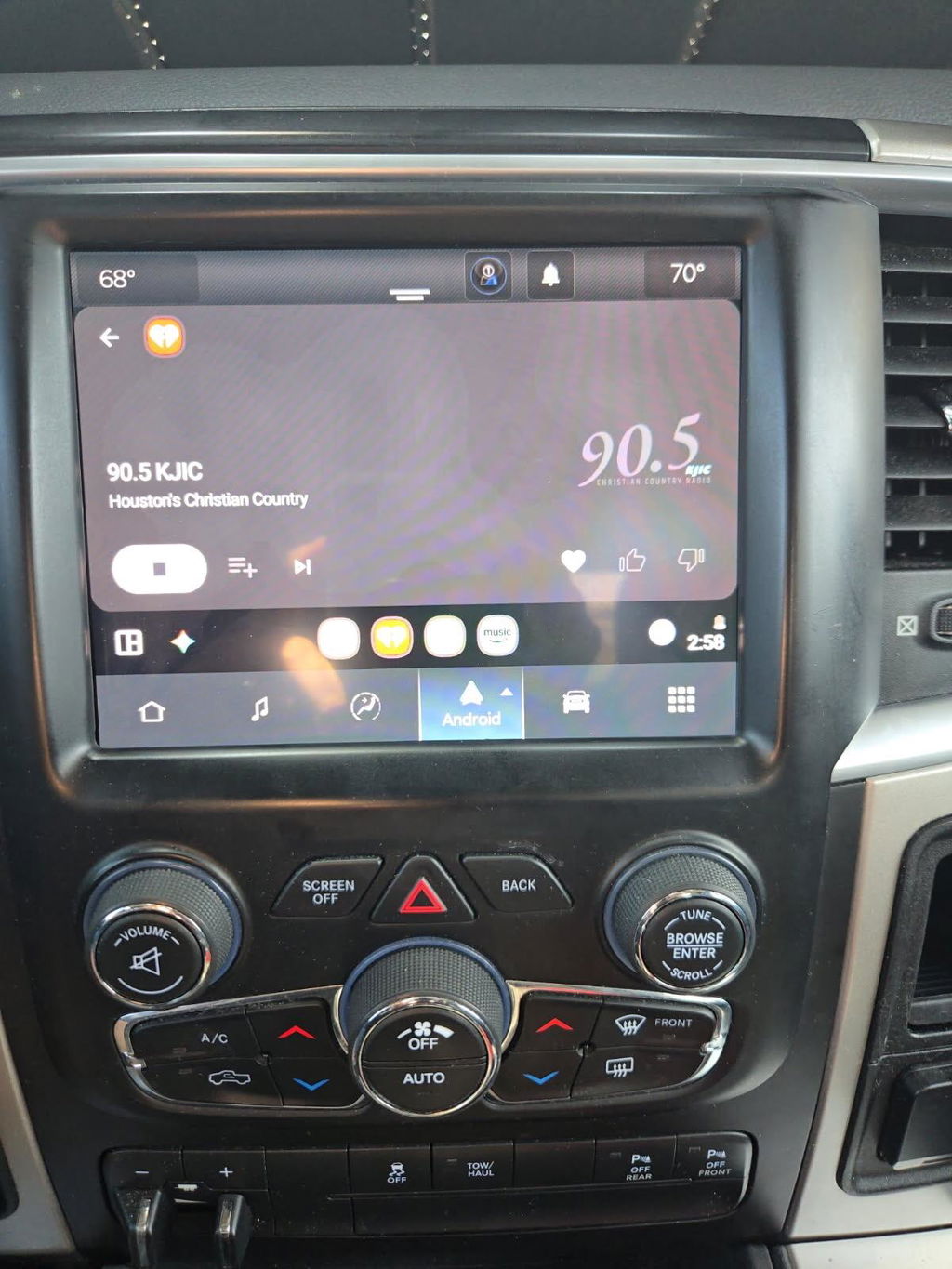
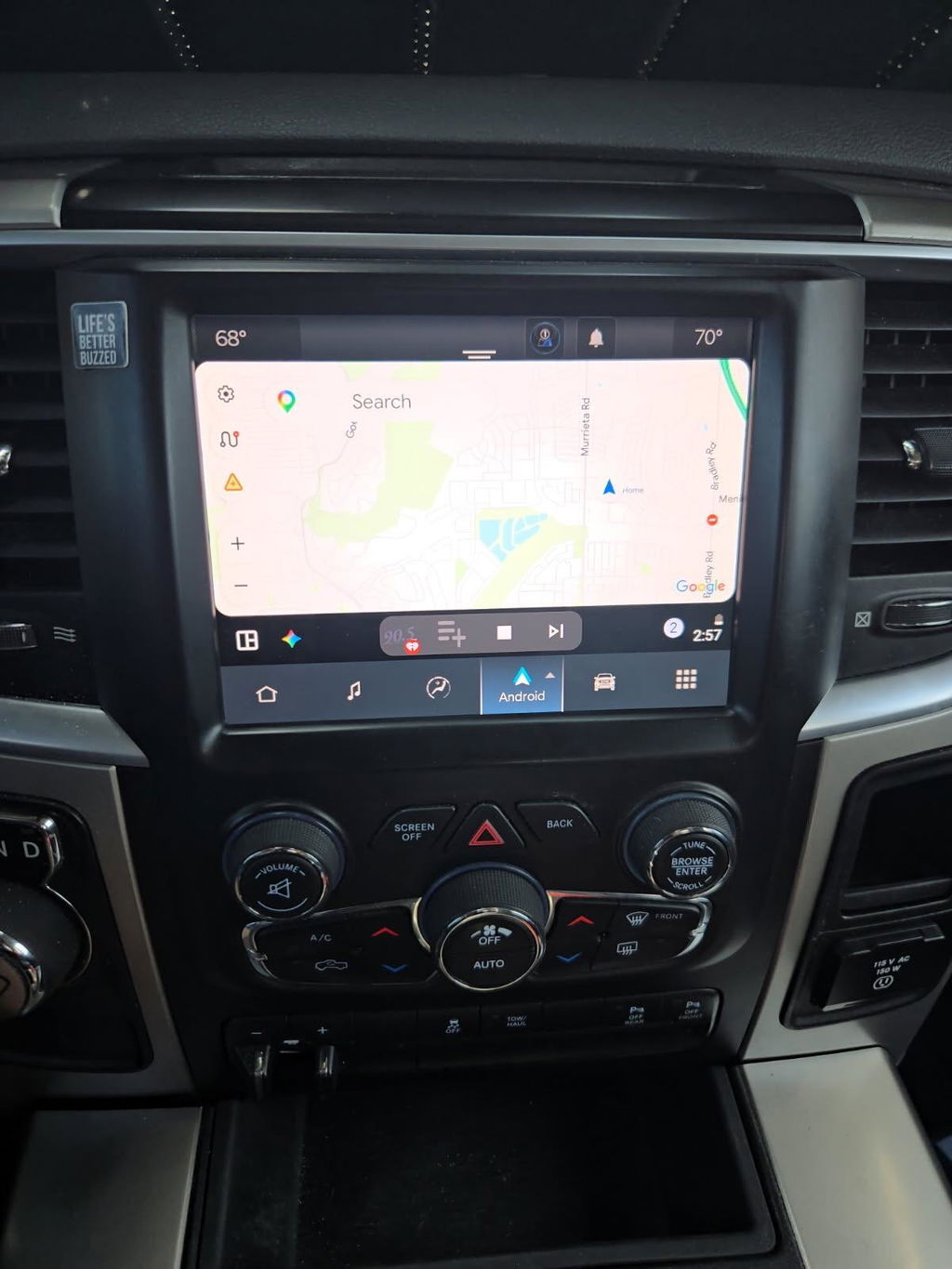
How to Upgrade Ram Touchscreen the Right Way
Share
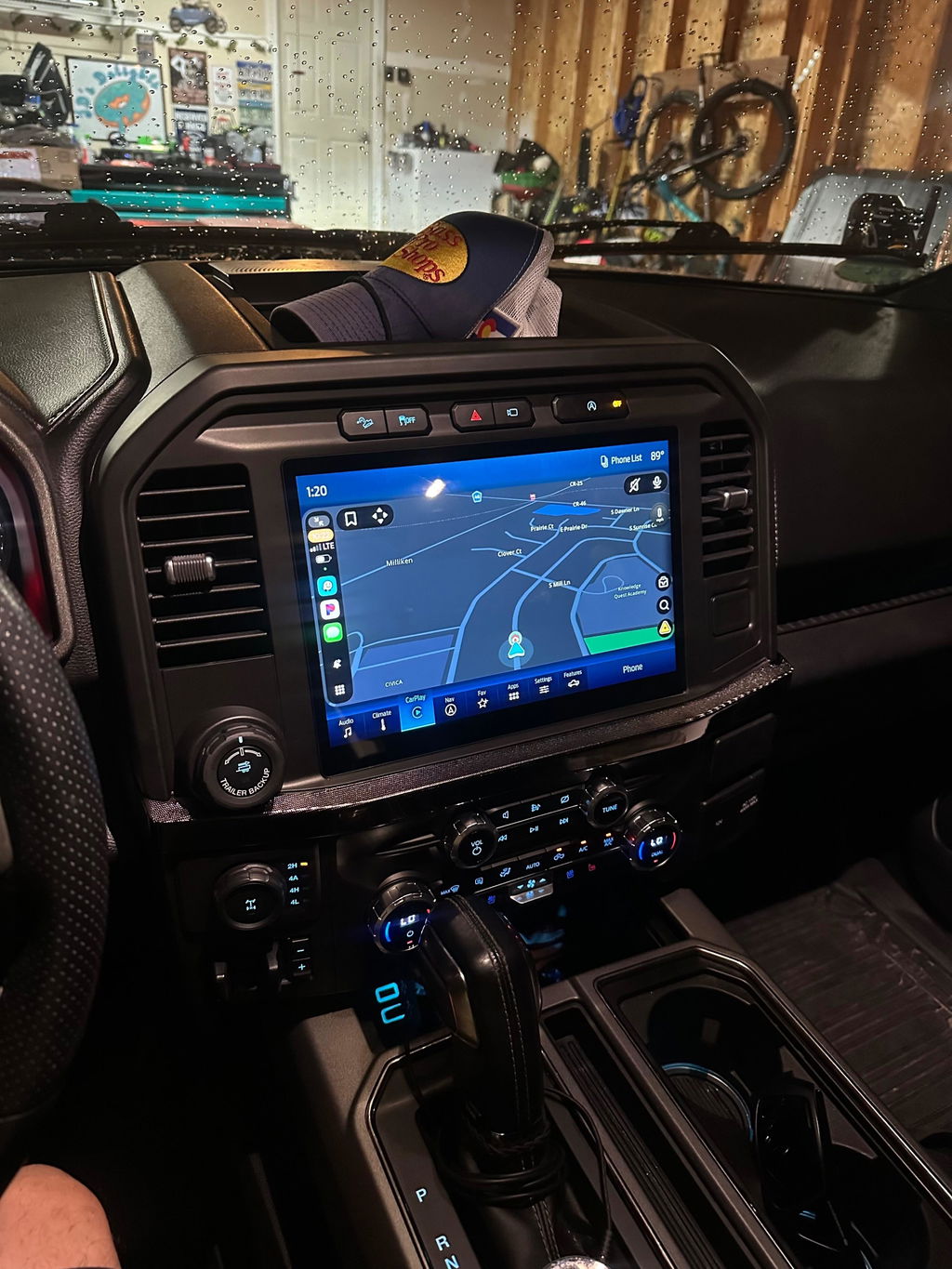
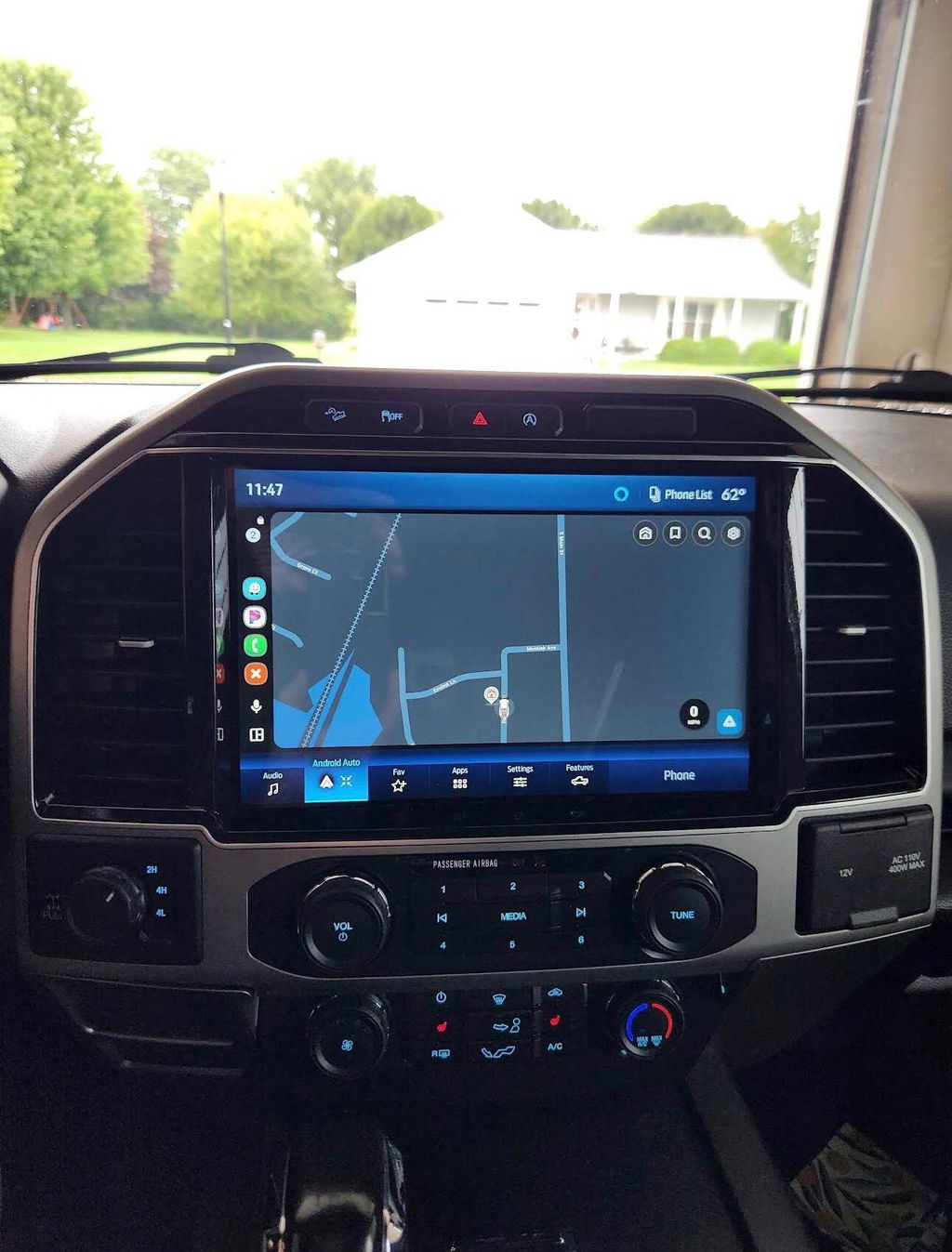
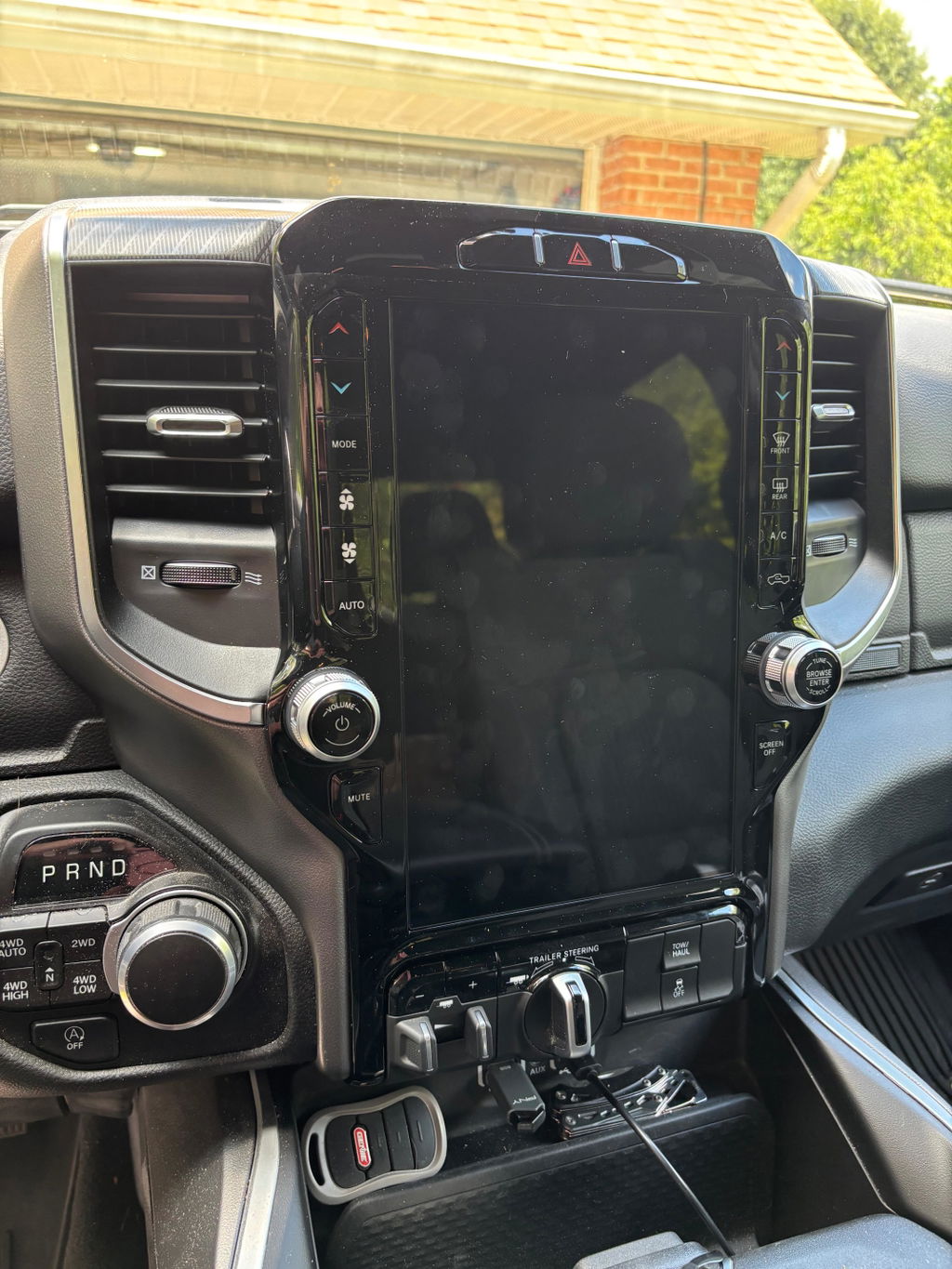
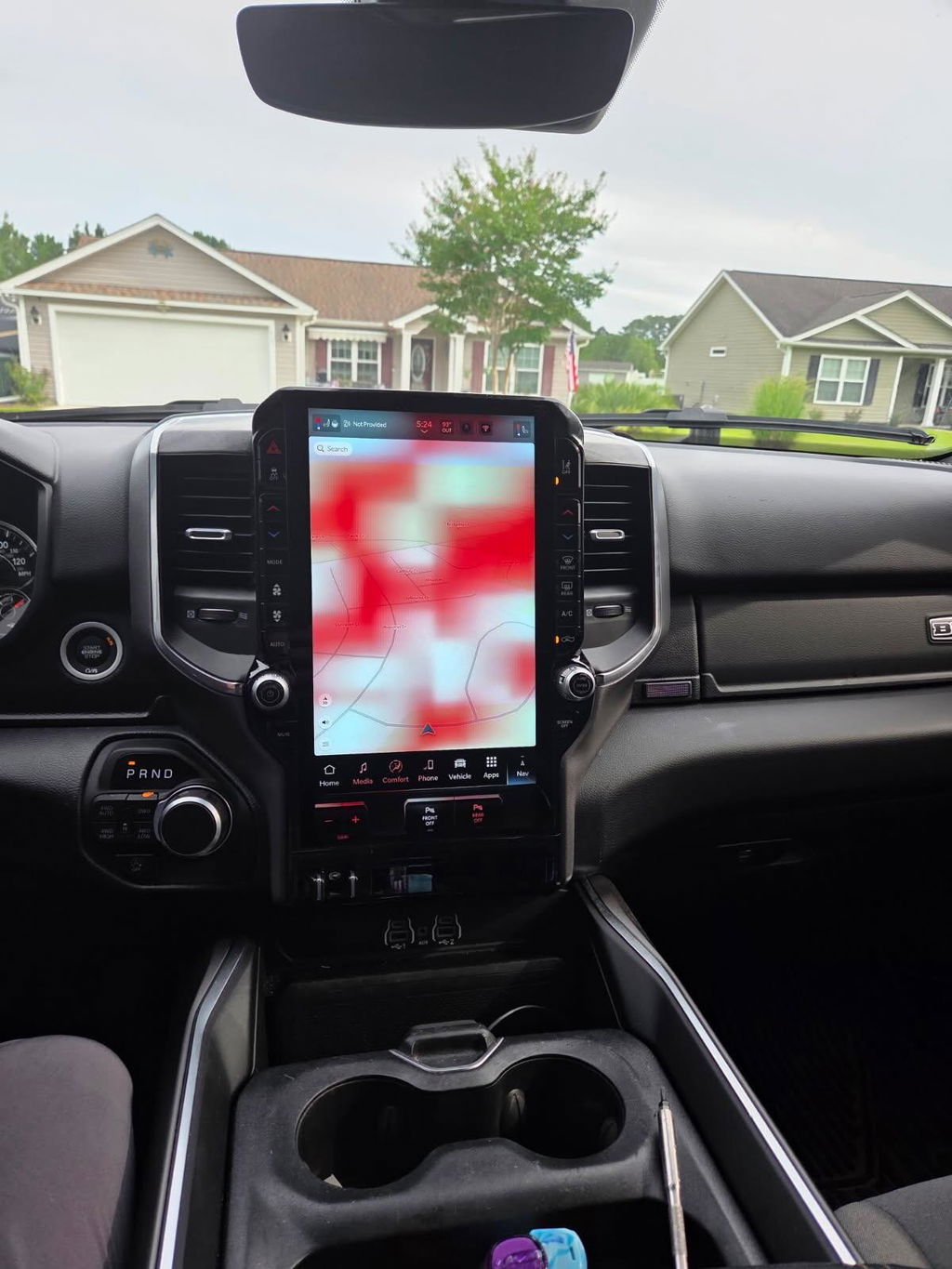
If your Ram still has the small factory screen, laggy menus, or limited phone integration, figuring out how to upgrade ram touchscreen equipment usually comes down to one question - do you want a factory-style result or a universal aftermarket workaround? For most truck owners, that answer matters more than the screen size alone. A bigger display looks good, but clean fitment, retained factory controls, and reliable day-to-day use are what make the upgrade worth doing.
Why most Ram touchscreen upgrades go wrong
The problem is not a lack of parts. It is too many mixed solutions that promise compatibility without actually delivering factory-level integration. A universal head unit may advertise more features on paper, but it often brings extra trim pieces, wiring adapters, questionable software, and missing vehicle functions.
That is where many owners get frustrated. They are not just replacing a radio. They are changing a system tied into climate controls, backup camera functions, steering wheel controls, USB hubs, and vehicle settings. On many Ram trucks, the touchscreen is part of a much bigger network. If one piece is wrong, the whole install starts to feel like a compromise.
An OEM-based upgrade solves that problem differently. Instead of forcing the truck to accept a generic screen, you move to components designed around Ram architecture. That usually means better fit, cleaner operation, and fewer surprises after installation.
How to upgrade Ram touchscreen without creating new problems
The cleanest path is to start with your exact truck information. Year, trim, cab configuration, existing screen size, and factory radio system all matter. A 2018 Ram 1500 does not follow the same rules as a newer body style truck, and a Uconnect 3 setup is different from a Uconnect 4 or Uconnect 5 conversion path.
Before you buy anything, confirm three things. First, what screen and radio package your truck has now. Second, what features you want to add. Third, whether the upgrade is a true plug-and-play kit or a collection of separate parts you will have to sort out on your own.
That sounds basic, but it is where a lot of money gets wasted. Plenty of truck owners shop by screen size only. They see an 8.4-inch or 12-inch display and assume it will bolt in like a trim piece. In reality, some upgrades require the right bezel, media hub, module programming, or conversion harnesses to work correctly.
If your goal is modern functionality with factory behavior, the best option is usually a vehicle-specific OEM kit. That gives you a matched set of components instead of a guess-and-check install.
What you gain when you upgrade
For most Ram owners, the touchscreen upgrade is less about looks and more about making the truck feel current again. Older systems can feel dated fast, especially if you rely on navigation apps, hands-free calling, or daily smartphone use.
A properly matched upgrade can add a larger display, sharper graphics, faster response, wireless Apple CarPlay, Android Auto, and improved menu layout. Depending on the kit and platform, you may also retain or improve factory backup camera display, steering wheel controls, climate operation through the screen, and access to OEM settings.
That factory retention is the key difference. A bigger screen is easy to sell. A bigger screen that still works like it belongs in the truck is what buyers should actually care about.
OEM versus aftermarket - the real trade-off
If you are deciding between an OEM-style Ram touchscreen upgrade and a generic aftermarket radio, the trade-off is usually simple. Aftermarket can look cheaper up front. OEM-based usually costs more, but it is built around fitment and functionality.
The lower-cost route may be fine if you only want basic audio and do not care about preserving a factory appearance. But that is not what most Ram owners are after when they upgrade late-model trucks. They want the cabin to look right, they want controls to work, and they do not want to spend a weekend chasing electrical issues.
OEM-based kits also make resale easier. Buyers tend to trust upgrades that look factory and function as intended. A hacked-in universal screen with random menus and non-matching trim does not add the same value.
That does not mean every OEM path is identical. Some kits are truly plug and play, while others still require programming or a specific media hub update. That is why exact fitment matters more than broad claims.
How to choose the right Ram touchscreen upgrade
Start with the generation of your truck. Then look at your current screen size and radio family. From there, think about how you actually use the truck. If you want wireless phone integration and a larger factory-style display, an OEM touchscreen conversion is usually the strongest option. If you only care about replacing a failed unit, a direct replacement may make more sense than a full feature upgrade.
There is also a difference between wanting the latest interface and wanting the easiest install. Some conversions offer major feature gains but may involve more components. Others are simpler but provide a smaller jump in functionality. Neither is automatically better. It depends on your budget, your truck, and how close you want to get to a premium factory setup.
A good rule is this: choose the kit that is built for your exact model year and configuration, not the one with the broadest marketing claims. Broad claims usually mean more work on your end.
Installation expectations
If you are comfortable removing trim, swapping modules, and following model-specific instructions, many plug-and-play Ram touchscreen upgrades are realistic for a DIY install. The better kits are designed to avoid cutting, splicing, or fabricating custom mounts. That is a major advantage over older aftermarket radio installs.
Still, plug and play does not mean no effort. You may need to remove dash components carefully, transfer trim, confirm connectors, and complete setup steps after the hardware is installed. On some trucks, programming or VIN-specific setup may also be part of the process.
If you are not comfortable with interior disassembly or electrical components, using a qualified installer is the safer move. A clean install matters because this is a highly visible part of the cabin. One damaged trim panel or loose bezel can ruin the factory look you paid for.
Common mistakes to avoid
The biggest mistake is buying a screen before confirming the rest of the required components. The second is assuming all Ram radios within a generation are interchangeable. They are not. Connectors, software, and module requirements can vary more than buyers expect.
Another common issue is overlooking retained features. Some shoppers focus so much on the screen itself that they forget to verify backup camera support, heated seat controls, climate access, USB compatibility, or steering wheel functions. Those details are not optional if you want the truck to feel finished.
It is also worth being careful with used takeoff parts. They can work in the right situation, but unknown VIN locks, missing modules, cosmetic wear, or incomplete sets can turn a good deal into a headache fast. A complete, tested, vehicle-specific kit is usually the more predictable route.
Is a touchscreen upgrade worth it?
For many Ram owners, yes - especially if the truck is mechanically solid and you plan to keep it. The touchscreen is one of the few upgrades you interact with every time you drive. Unlike some cosmetic mods, it changes the daily experience in a practical way.
It can also modernize the cabin without changing the truck’s character. That is the appeal of an OEM-based setup. You are not turning the interior into a rolling electronics experiment. You are bringing the factory system up to a better standard.
That is why retailers like DD Offroad focus on exact-fit, OEM Genuine Components and plug-and-play upgrade paths instead of generic universal electronics. For buyers who care about compatibility, that approach makes more sense.
Final answer on how to upgrade Ram touchscreen systems
If you want to know how to upgrade Ram touchscreen systems the right way, start with fitment, not marketing. Confirm your truck’s exact configuration, decide which factory-style features matter most, and choose a complete OEM-based kit built for your model year. A larger screen is only part of the upgrade. The real value is getting modern functionality, factory integration, and an install that does not create more work than it solves.
When the parts match the truck, the result feels simple for a reason - it was designed that way.