The Future of OEM Retrofit Upgrades for Trucks
Share
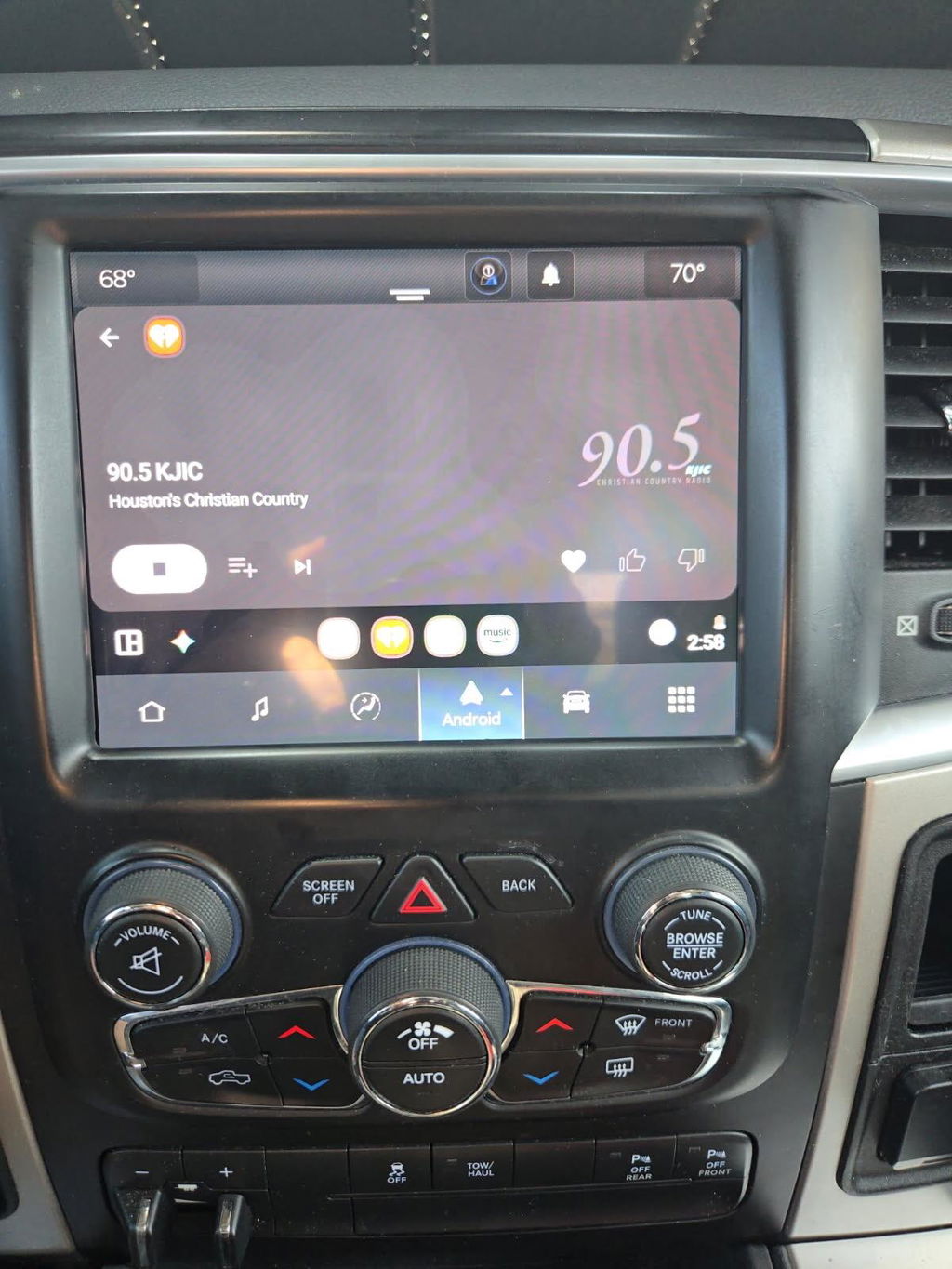
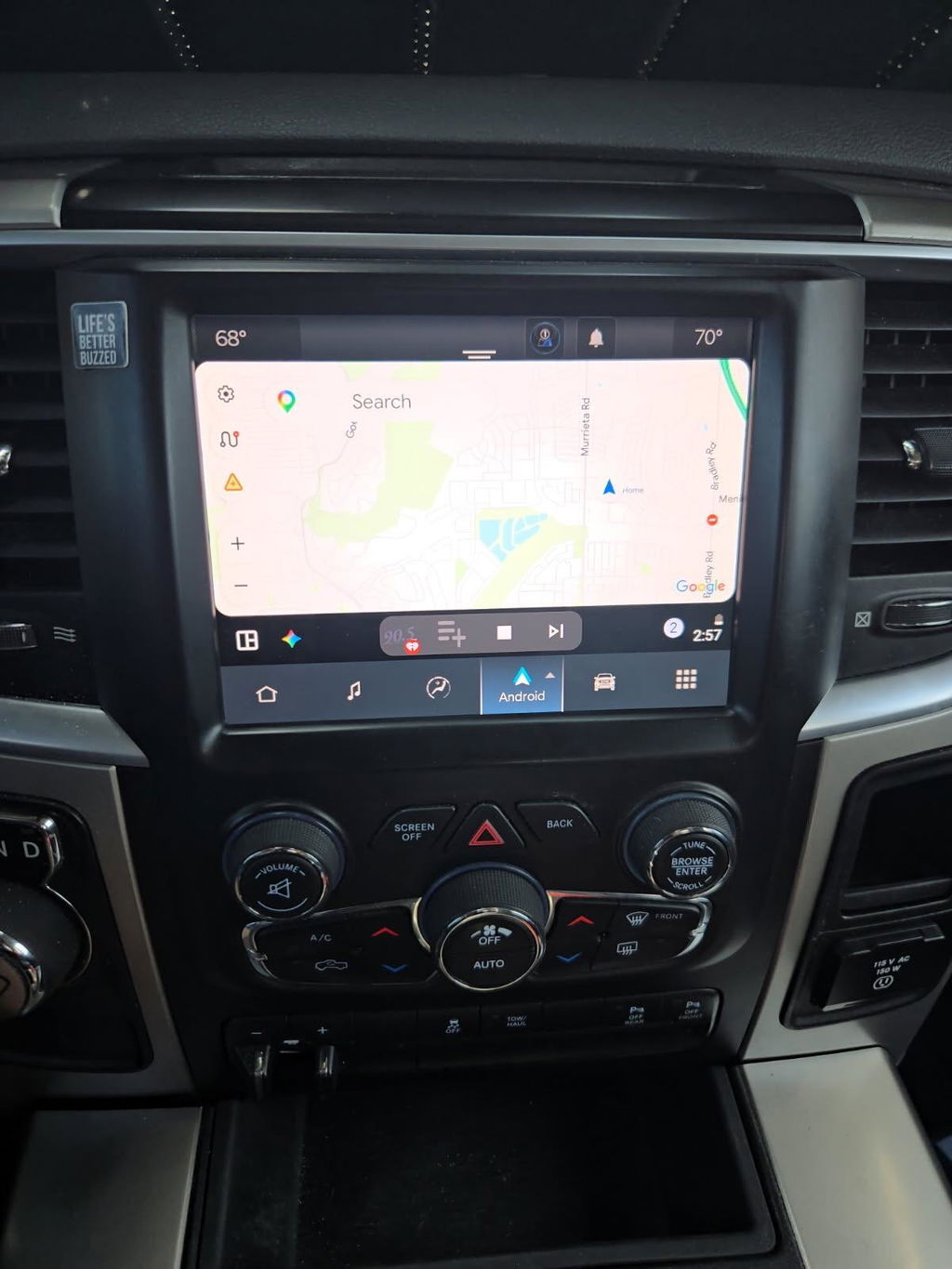
A 2014 Ram 1500 can still be a capable truck, but a small factory radio screen and missing smartphone connectivity make the cabin feel dated every time you start it. That gap is exactly where the future of OEM retrofit upgrades is headed: not toward flashy universal electronics, but toward vehicle-specific factory technology that gives proven trucks the features owners actually use.
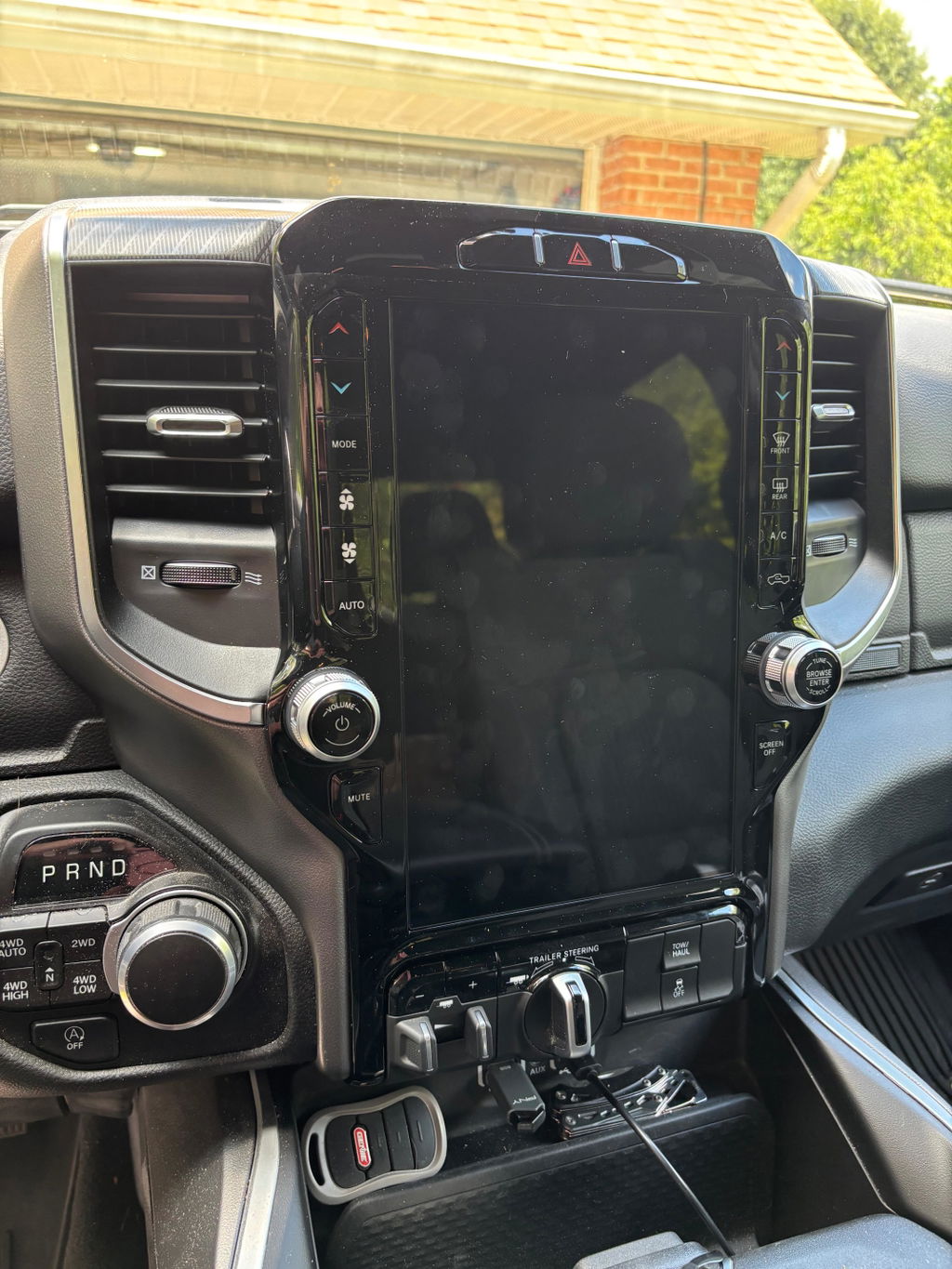
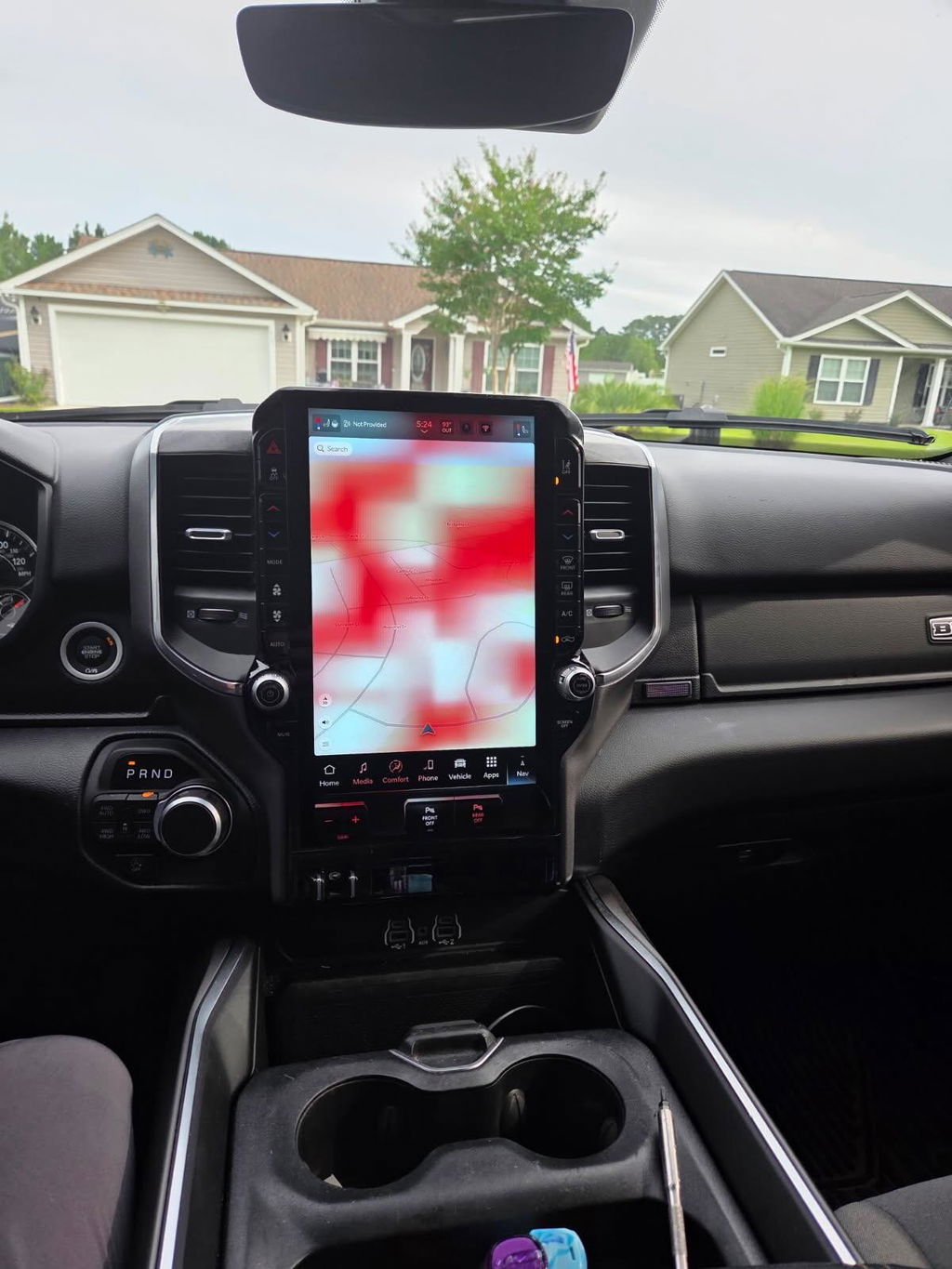
For Ram, Ford, Jeep, Dodge, and Chrysler owners, the best upgrades will continue to be the ones that look right, communicate correctly with the vehicle, and do not turn a simple feature upgrade into a wiring project. Larger OEM touchscreens, Uconnect 5 conversions, digital clusters, remote start kits, and vehicle programmers are becoming a practical way to keep a truck current without replacing a truck that still does its job.
Why OEM Retrofit Demand Is Growing
Truck prices have changed the ownership cycle. Many owners are keeping their Ram 1500, Super Duty, or F-150 longer because the vehicle is paid for, maintained, and already configured for work, towing, or off-road use. Replacing a capable truck just to gain wireless Apple CarPlay, Android Auto, navigation, or a larger display does not make financial sense for every owner.
At the same time, factory infotainment has advanced quickly. A late-model OEM screen can offer a cleaner interface, better camera support, wireless phone integration, and more useful controls than systems that were standard only a few years ago. The result is a growing retrofit market built around a simple question: can an older or lower-trim vehicle receive newer factory-style functionality without losing the integration it already has?
That question matters because generic aftermarket radios often create compromises. Fitment can require trim cutting, special harnesses, separate camera adapters, or changes to factory controls. The unit may technically work, but the finished installation can look out of place or leave owners troubleshooting features that should have worked from day one.
OEM-based retrofit kits approach the job differently. They are designed around a specific vehicle generation, factory connectors, module requirements, and feature set. When the kit is correctly matched and programmed, it is a cleaner path to modern in-cabin technology.
The Future of OEM Retrofit Upgrades Is Vehicle-Specific
The next stage of retrofits will not be one-size-fits-all. It will be more specific to model year, trim level, original radio configuration, steering-wheel controls, camera equipment, amplifier setup, and factory option codes.
That may sound limiting, but it is what makes an upgrade reliable. A 2019 Ram 1500 Classic and a 2019 all-new body-style Ram 1500 are not the same platform, even though the model year on the registration reads the same. A Ford F-150 with a basic screen may require a different solution than one with an upgraded factory audio package. Correct fitment is not a minor detail. It determines whether the screen, climate controls, backup camera, USB ports, microphones, and vehicle settings work as intended.
Expect more retrofit kits to be sold as complete systems rather than individual parts. A factory touchscreen alone is rarely the whole answer. Depending on the vehicle, a complete conversion may need the correct bezel, media hub, antenna components, wiring, programming, and supporting modules. Packaging those pieces into one vehicle-specific kit reduces guesswork and limits the common problem of buying parts that are individually correct but incompatible as a system.
This is also why VIN-level verification and clear fitment questions will become more valuable. Buyers want a direct answer before ordering, not a box of components followed by a weekend of trial and error.
Programming Will Remain Part of the Upgrade
Modern vehicles are networks, not just collections of switches and wires. A radio, cluster, remote-start module, camera, and body control module may all exchange information. In many cases, the hardware installation is only half of the job.
Programming tells the vehicle what equipment is installed and which features should be active. It can enable options, clear configuration conflicts, pair replacement modules, or support a retrofit that the truck was not originally built with. Automatic programmers and vehicle-specific programming tools will remain central to OEM retrofit upgrades because factory hardware must be recognized by factory systems.
There is a trade-off. Programming adds a technical step, and not every vehicle can accept every factory feature through configuration alone. Hardware compatibility, software version, factory trim level, and regional vehicle specifications can all affect the final result. Buyers should treat claims of "fits all" or "works on every trim" carefully, especially for infotainment and cluster conversions.
What Truck Owners Will Upgrade Next
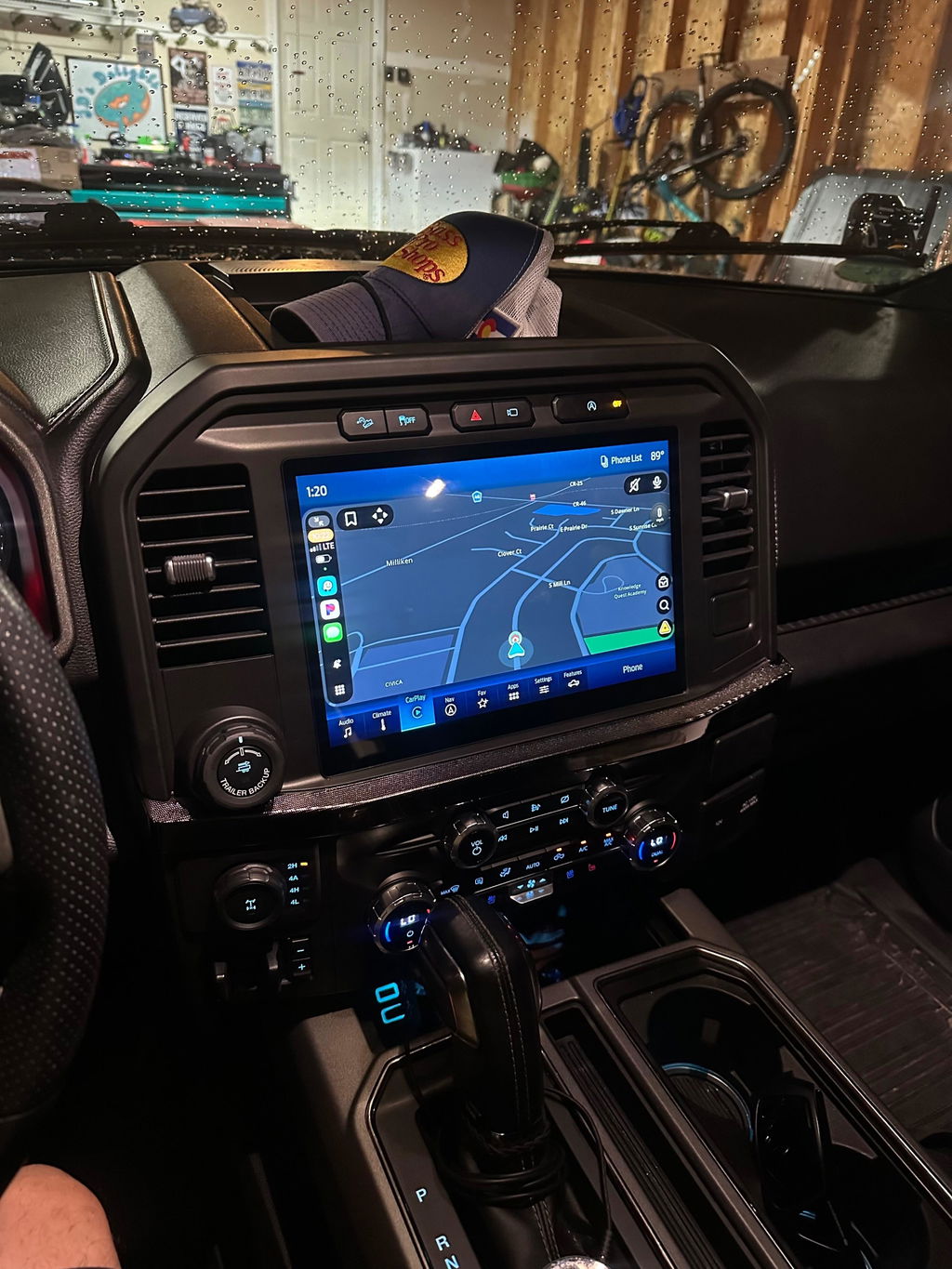
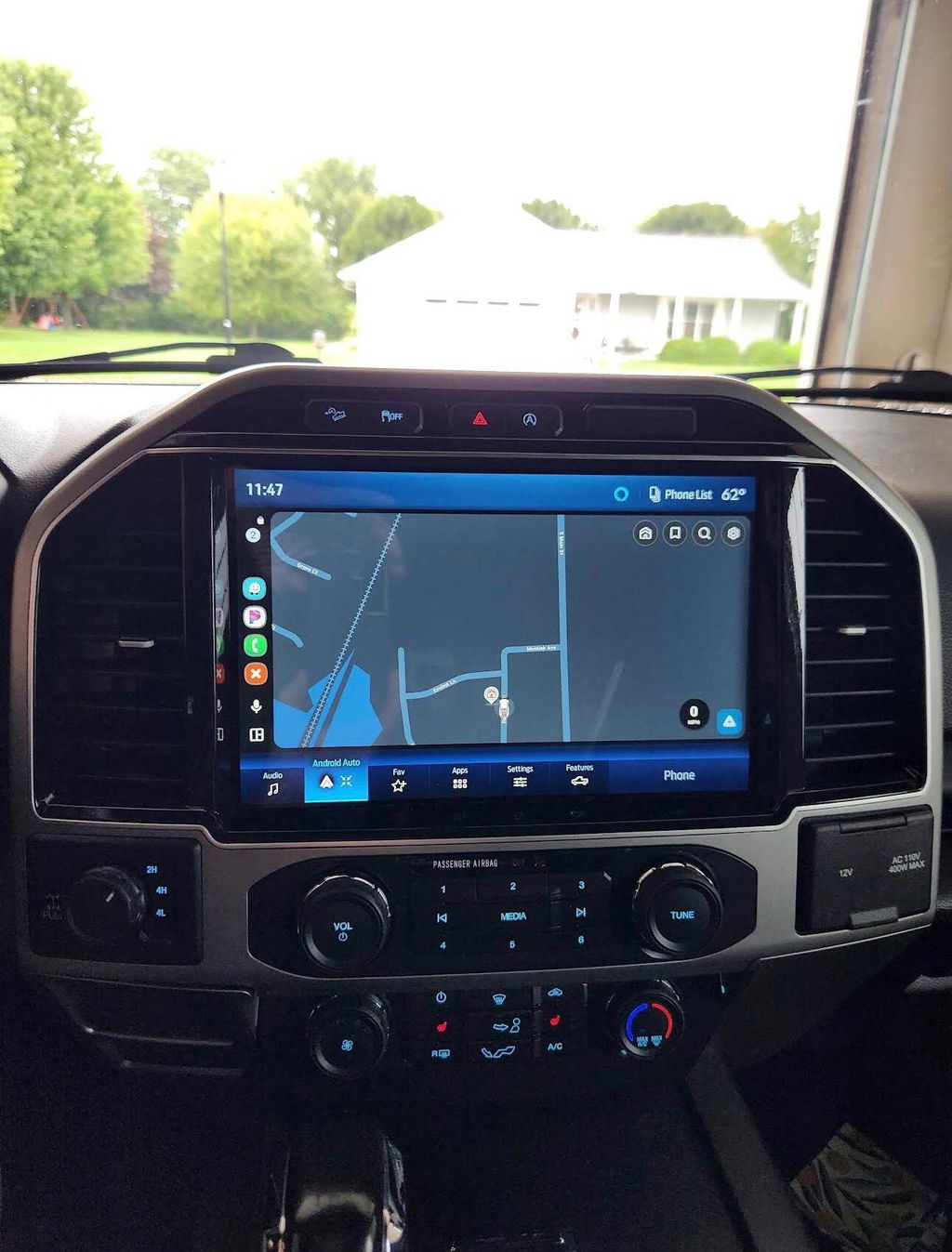
Infotainment will stay at the center of demand because owners interact with it every drive. Uconnect 5 touchscreen conversions are a clear example. They bring the interface closer to current-production vehicles while adding features many drivers now expect, including wireless Apple CarPlay and Android Auto on compatible systems.
Digital instrument clusters are another major category. A factory-style cluster can modernize the driver’s view with configurable information, cleaner graphics, and a premium appearance that matches newer trims. But cluster upgrades are also among the most configuration-sensitive retrofits. Mileage handling, module pairing, warning indicators, and vehicle options need to be addressed correctly. This is a category where OEM Genuine Components and correct programming matter more than a low purchase price.
Remote start will continue to be a high-value upgrade, particularly for work trucks, daily drivers, and vehicles that spend winters outside. An OEM remote-start solution can provide a factory-style operating experience and may retain the convenience of the original key fob, depending on the application. The exact capability still depends on the vehicle and kit, so owners should confirm whether the system supports climate behavior, range expectations, hood-switch requirements, and factory security integration.
Camera and towing-related technology will also move forward. Larger OEM screens make factory backup cameras easier to use, while truck owners increasingly expect better support for trailer cameras, parking assistance, and vehicle information. Not every older platform can be upgraded to the full feature set of a brand-new truck, but the direction is clear: retrofit demand will follow the technologies that make trucks easier to operate, safer to position, and more useful on the job.
Factory Integration Will Matter More Than Screen Size
A big display gets attention, but integration is what determines long-term satisfaction. The best retrofit should preserve the features you already depend on: steering-wheel buttons, HVAC controls, factory microphones, camera operation, vehicle settings, warning chimes, and audio behavior.
That is where OEM-based upgrades have a practical advantage. Factory components are designed for the platform. A properly matched kit is more likely to fit the dash correctly and behave like it belongs in the vehicle because, at its core, it does. The upgrade may still require configuration, but it is built around the truck rather than adapted to it.
This does not mean aftermarket electronics have no place. A universal unit may be the right choice for a highly customized build, an older platform with limited OEM options, or an owner pursuing specialized audio features. But for the truck owner who wants current factory functionality with a clean installation path, OEM retrofit kits are usually the better fit.
The Limits Buyers Need to Understand
The future of retrofits is promising, but not every feature can be added to every vehicle. Newer driver-assistance functions may depend on cameras, radar sensors, braking systems, wiring, and modules that an older truck does not have. A screen upgrade cannot create adaptive cruise control or advanced lane-centering hardware by itself.
Software restrictions will also shape the market. Automakers are placing greater emphasis on module security, authentication, and protected vehicle networks. That can make some late-model conversions more complex than earlier retrofits. It also raises the value of suppliers that understand the platform, provide the correct components, and support the programming path instead of treating a retrofit like a generic electronics sale.
Availability is another real factor. OEM parts supply changes, and some modules are harder to source than others. A good retrofit plan starts with what is compatible and available now, not just what would be ideal on paper.
Choosing the Right Upgrade Path
Start with the problem you want to solve. If your factory screen is too small and you want wireless phone connectivity, a complete infotainment conversion may provide the most value. If winter usability is the issue, remote start may be the smarter first upgrade. If you want the cabin to match the premium feel of a higher trim, a digital cluster can make a bigger difference than another accessory under the hood.
Then verify the exact vehicle. Confirm the model year, body style, existing radio or cluster, factory options, and any features you need to retain. A truck-specific kit from a specialist such as DD Offroad reduces the risk of mismatched parts by focusing the purchase around the platform instead of a broad universal application.
The best retrofit is not necessarily the largest screen or the newest module available. It is the upgrade that fits your truck, retains the functions you use, and adds value every time you drive. As factory technology continues to move forward, that practical standard will keep OEM retrofits relevant for the trucks owners have no intention of giving up.