Best Truck Remote Start Kits for OEM Fitment
Share
A cold-morning remote start should be simple: press the factory fob, let the truck warm up, and climb into a cabin that is ready to work. The problem starts when a universal system adds extra remotes, questionable wiring, warning lights, or features that do not behave like the truck was built with them. The best truck remote start kits are the ones matched to your exact platform, model year, ignition system, and factory electronics.
For Ram and Ford owners, OEM-based remote start is usually the cleanest answer. It preserves the factory look, keeps the original key fob in play when supported, and avoids turning a basic convenience upgrade into an electrical project. The right kit still depends on the truck, though. A 2016 Ram 1500, a 2022 Ram 2500, and a late-model F-150 can have very different requirements even when the feature sounds the same.
What Makes the Best Truck Remote Start Kits?
The best option is not automatically the kit with the longest advertised range or the most smartphone features. Start with integration. A remote start system has to communicate correctly with the vehicle's security system, body control module, immobilizer, climate controls, and transmission safety logic. That is where vehicle-specific OEM components have a clear advantage over one-size-fits-most electronics.
A factory-style kit is designed around the way your truck already operates. On many applications, the truck can recognize the command through an OEM remote or an approved OEM-style transmitter. The system follows factory safety conditions: the hood must be closed, the vehicle must be in Park, and the brake pedal or door-opening sequence ends the remote-start cycle as intended.
That does not mean every truck can add remote start with only a new fob. Some platforms need a dedicated module, antenna, hood switch, wiring jumper, vehicle-specific harness, or programming procedure. Others already contain part of the required hardware but need activation and compatible remotes. Exact year, trim, cab configuration, key type, and current factory options matter.
OEM fitment beats universal convenience
Universal remote starters can make sense for older vehicles or platforms with limited OEM upgrade paths. A quality aftermarket system can also offer extended range, two-way confirmation, LTE control, and security features that a basic factory system does not provide.
The trade-off is installation complexity. Universal kits commonly require wire identification, splicing, immobilizer bypass integration, and setup that varies by truck. Poor installation can lead to no-start conditions, battery drain, intermittent operation, or features that stop working after service work or a software update.
For an owner who wants a factory-grade upgrade, an OEM-based plug-and-play kit is generally the better fit. You are buying compatibility and a cleaner installation path, not just a remote-start button.
Choose a Kit by Truck, Not by a Generic Feature List
Remote start compatibility is platform-specific. Before comparing kits, identify the truck exactly as it sits today. Have the model year, trim, VIN, current key fob style, ignition type, and existing factory equipment available. A truck with push-button start may use a different path than a similar trim with a physical key, and a factory alarm package can change the required components.
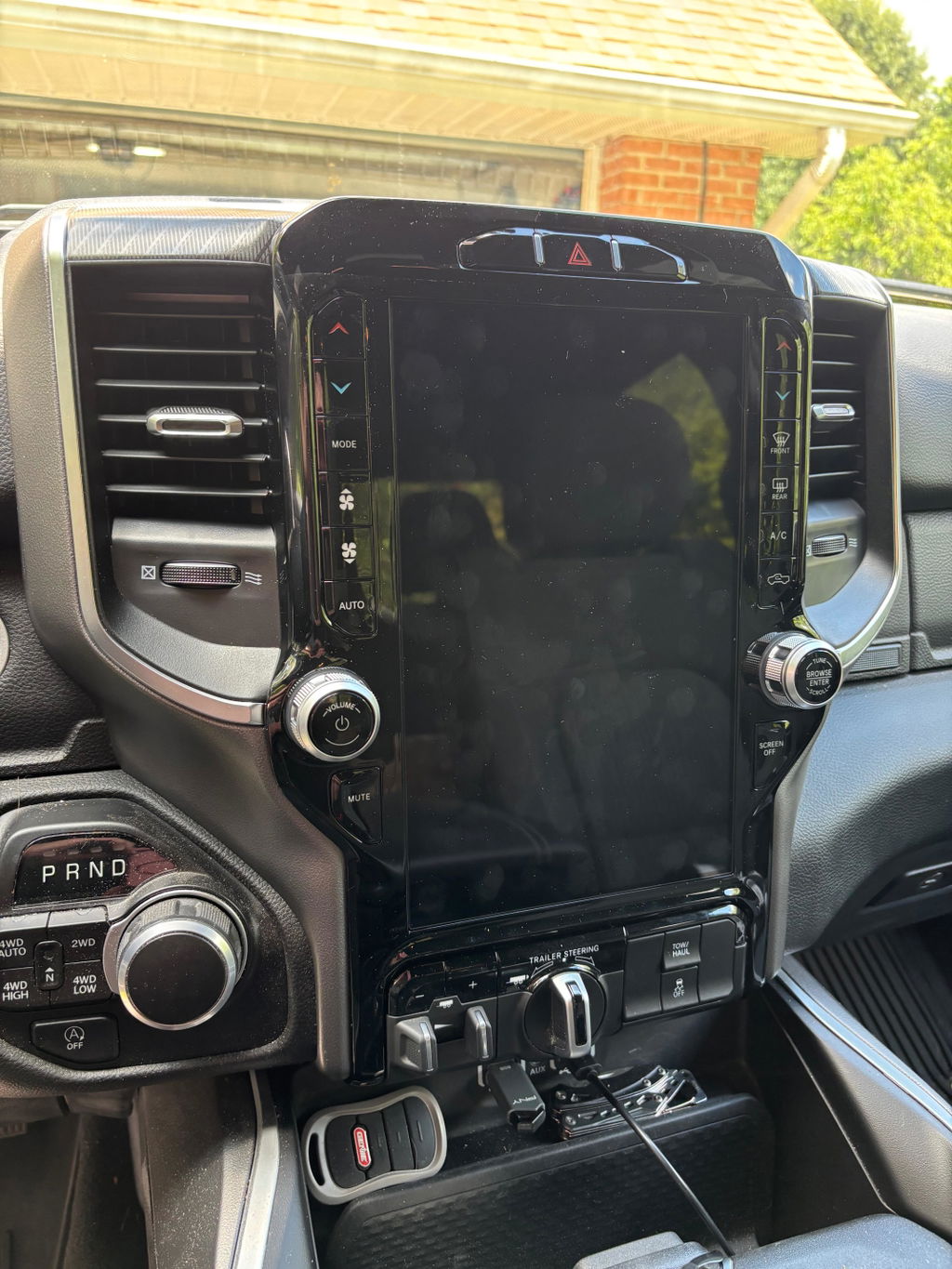
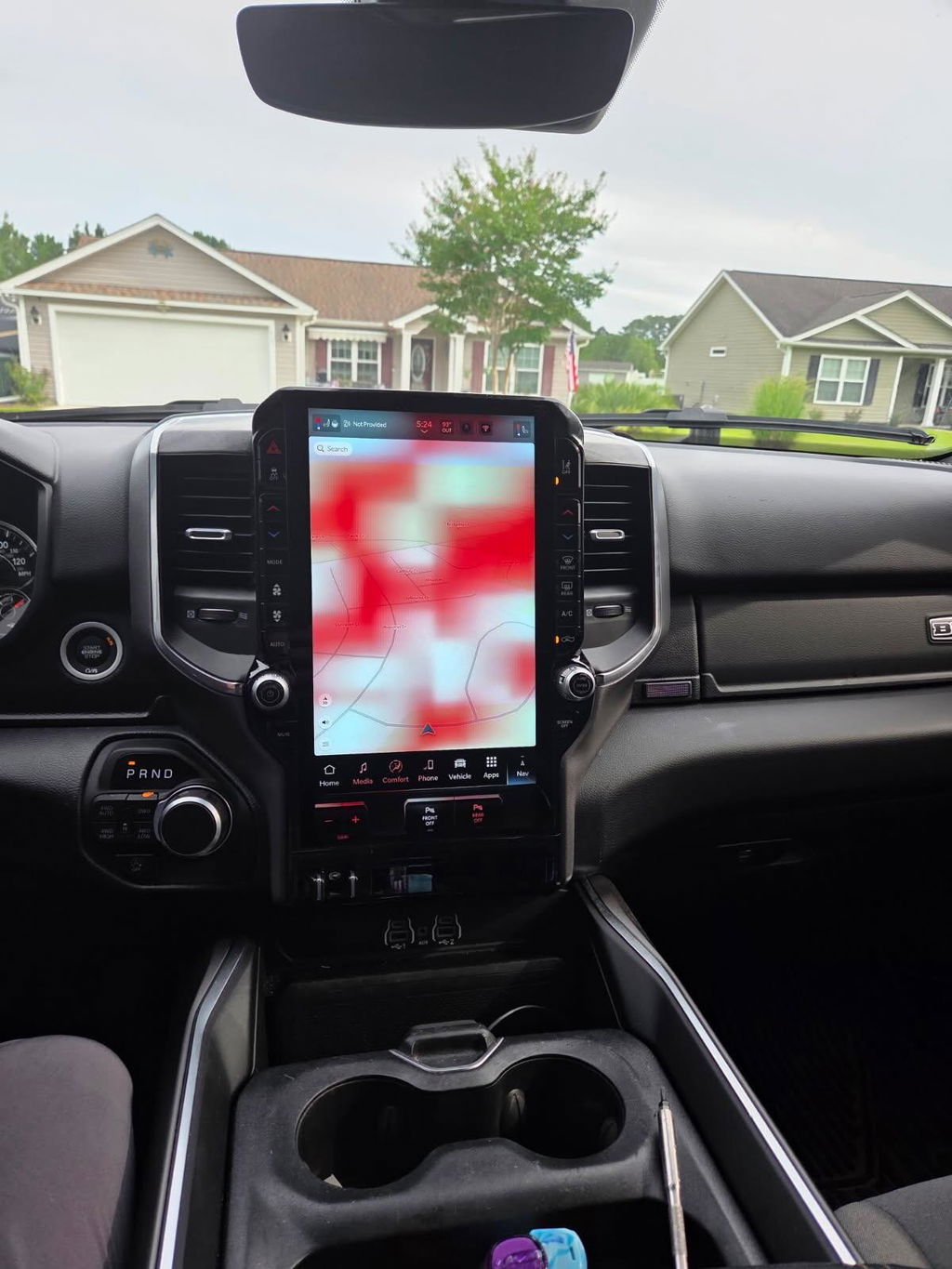
Ram 1500 and Ram Heavy Duty
Ram trucks are common candidates for OEM remote-start upgrades because many owners want to add the feature without changing the interior appearance or carrying a second transmitter. The right solution may involve OEM remote start hardware, compatible key fobs, a hood-ajar switch if the truck was not originally equipped, and programming to enable the function in the vehicle configuration.
Do not assume that a remote start fob alone will activate the feature. If the truck was not built with the supporting module or wiring, the button will not create the missing hardware. Likewise, a kit intended for a DT-generation Ram 1500 should not be treated as interchangeable with a DS-generation truck or a Ram Heavy Duty model. They may share a brand name, but their electronics and fitment can differ.
For owners adding other factory features, timing matters. A remote-start upgrade can be planned alongside an OEM radio conversion, Uconnect 5 touchscreen upgrade, or cluster installation so programming and vehicle configuration are handled in a logical order.
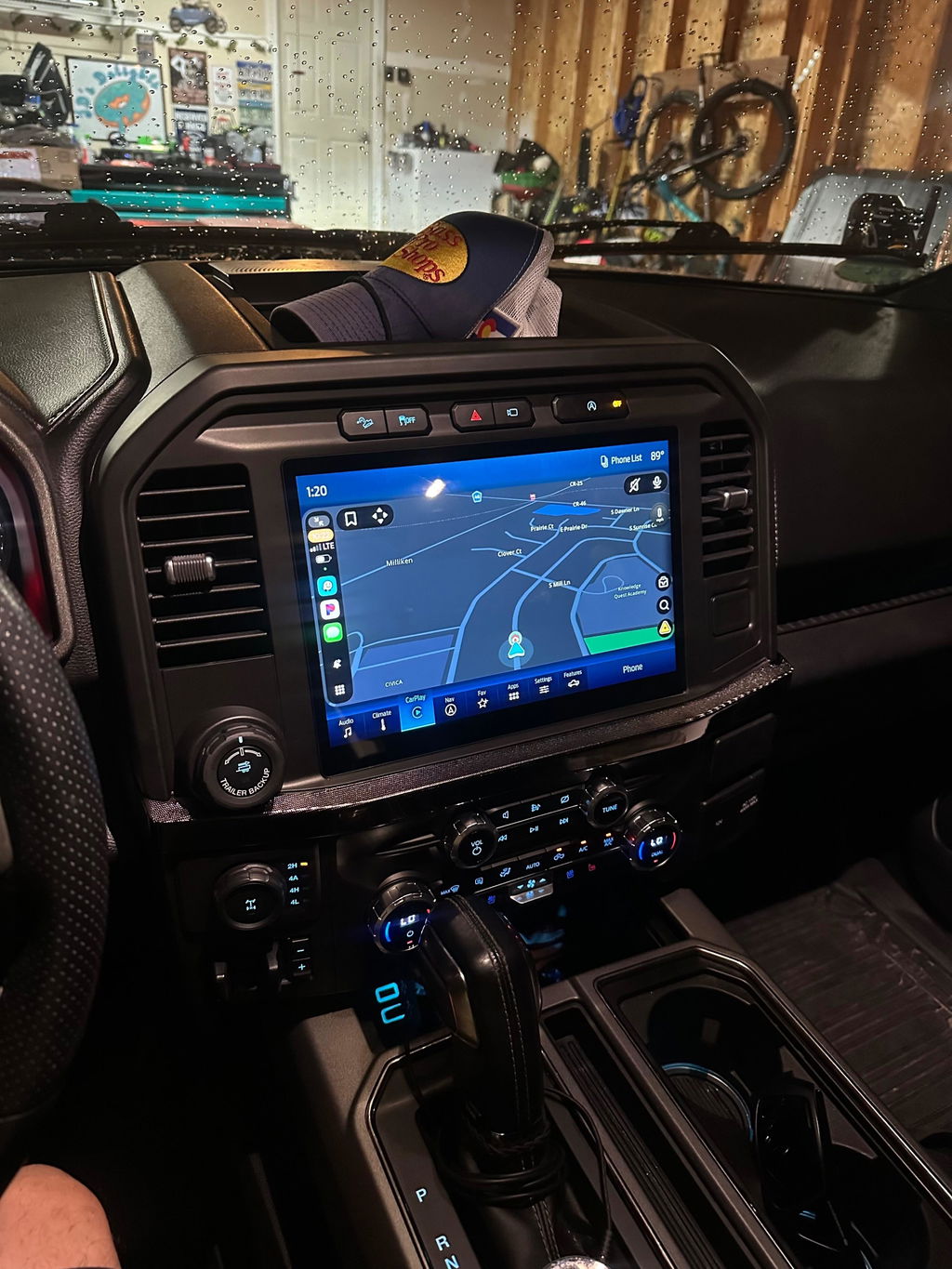
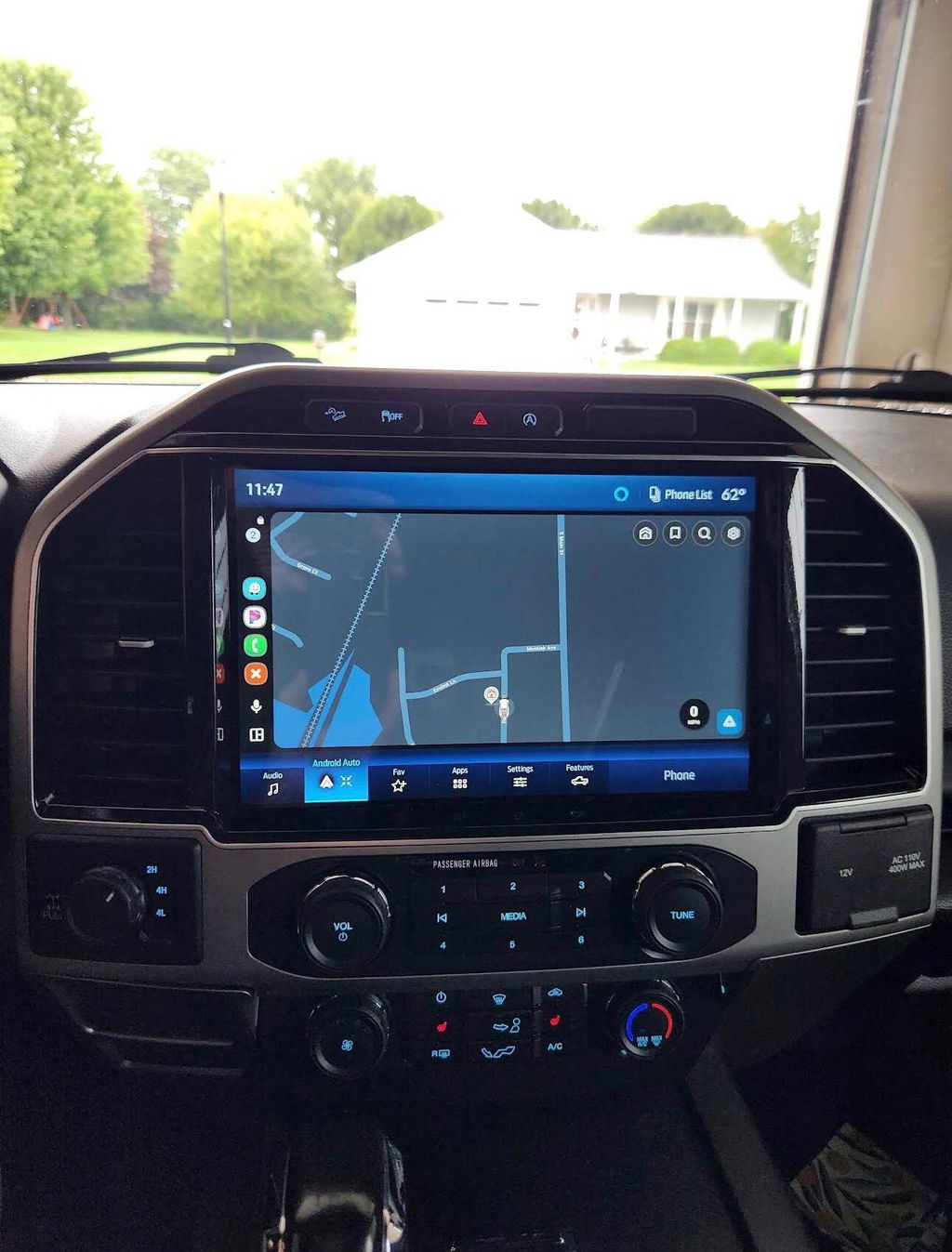
Ford F-150, Super Duty, Maverick, and Expedition
Ford applications require the same discipline. Ford's model-year changes, available key systems, factory remote-start provisions, and module configurations can affect what is needed. A kit that fits one F-150 generation may not fit the next, while Super Duty and Maverick owners should verify components independently rather than choosing based on a similar-looking key fob.
Factory remote start can also work differently depending on climate-control equipment. Many trucks will use the last climate settings selected before shutdown. Others may use automatic logic for temperature, defrost, heated seats, or steering-wheel heat when the vehicle supports those features. Remote start starts the engine, but it cannot add comfort features the truck does not have.
Range, Controls, and Daily Use
Range is worth evaluating honestly. Factory-fob remote start is convenient because it keeps your key ring simple, but its usable range is usually limited by radio conditions. Parking garages, metal buildings, dense neighborhoods, and weather can all reduce real-world distance.
If you normally start your truck from the kitchen, jobsite trailer, or a parking spot outside the office, OEM fob control may be all you need. If the truck is parked several blocks away, inside a large lot, or at an airport, a long-range two-way remote or cellular solution may be more practical. That convenience comes with additional hardware, setup, and, in some cases, ongoing service costs.
Also consider confirmation. A basic OEM setup may provide visual confirmation through parking lamps or the vehicle's normal behavior, while a two-way aftermarket remote can confirm that the engine actually started. Neither is universally better. The right choice depends on how far away you park and whether factory integration or maximum communication range is the priority.
Programming Is Part of the Kit
Programming is often the overlooked part of a remote-start purchase. A truck may need configuration changes so the body control module recognizes remote start, accepts the correct fobs, and applies the proper safety logic. On compatible Chrysler, Dodge, Jeep, and Ram platforms, an automatic programmer can be part of a practical OEM upgrade path.
The key point is to use the correct programming process for the vehicle and kit. Randomly changing vehicle settings can create unnecessary faults or disable functions that were working correctly. A vehicle-specific kit should clearly identify whether programming is required, whether it is included, and what equipment is necessary.
For some owners, installation is a straightforward plug-and-play job. For others, especially when keys, modules, or vehicle configuration are involved, professional installation is a smart decision. Plug and play does not mean fitment no longer matters. It means the components are designed to avoid unnecessary fabrication and reduce wiring complexity when matched correctly.
Questions to Ask Before You Buy
Before ordering, verify these points with the same care you would use for an infotainment or cluster upgrade:
- Is the kit built for your exact model year, platform, trim, and ignition type?
- Does your truck already have the necessary hood switch, module, antenna, or wiring?
- Are OEM key fobs included, and are they correct for your current key system?
- Does the kit require programming, and is the required programmer or service included?
- Will remote start work with your truck's existing climate-control and security features?
- Is the advertised range based on the factory fob, a long-range remote, or cellular control?
The Best Value Is the Kit That Fits the First Time
The cheapest remote start is rarely the best value if it needs extra bypass parts, custom wiring, return shipping, or repeated troubleshooting. A vehicle-specific OEM package can cost more upfront than a generic starter, but it can save time and preserve the factory operation truck owners expect.
DD Offroad focuses on OEM Genuine Components and application-specific upgrade kits because the details matter. Clear fitment, competitive pricing, and a plug-and-play approach give Ram and Ford owners a more reliable path than assembling a remote-start system from generic parts.
Start with your truck's exact configuration, then choose the level of control you actually need. A properly matched remote-start kit should feel like a feature your truck should have had from day one.