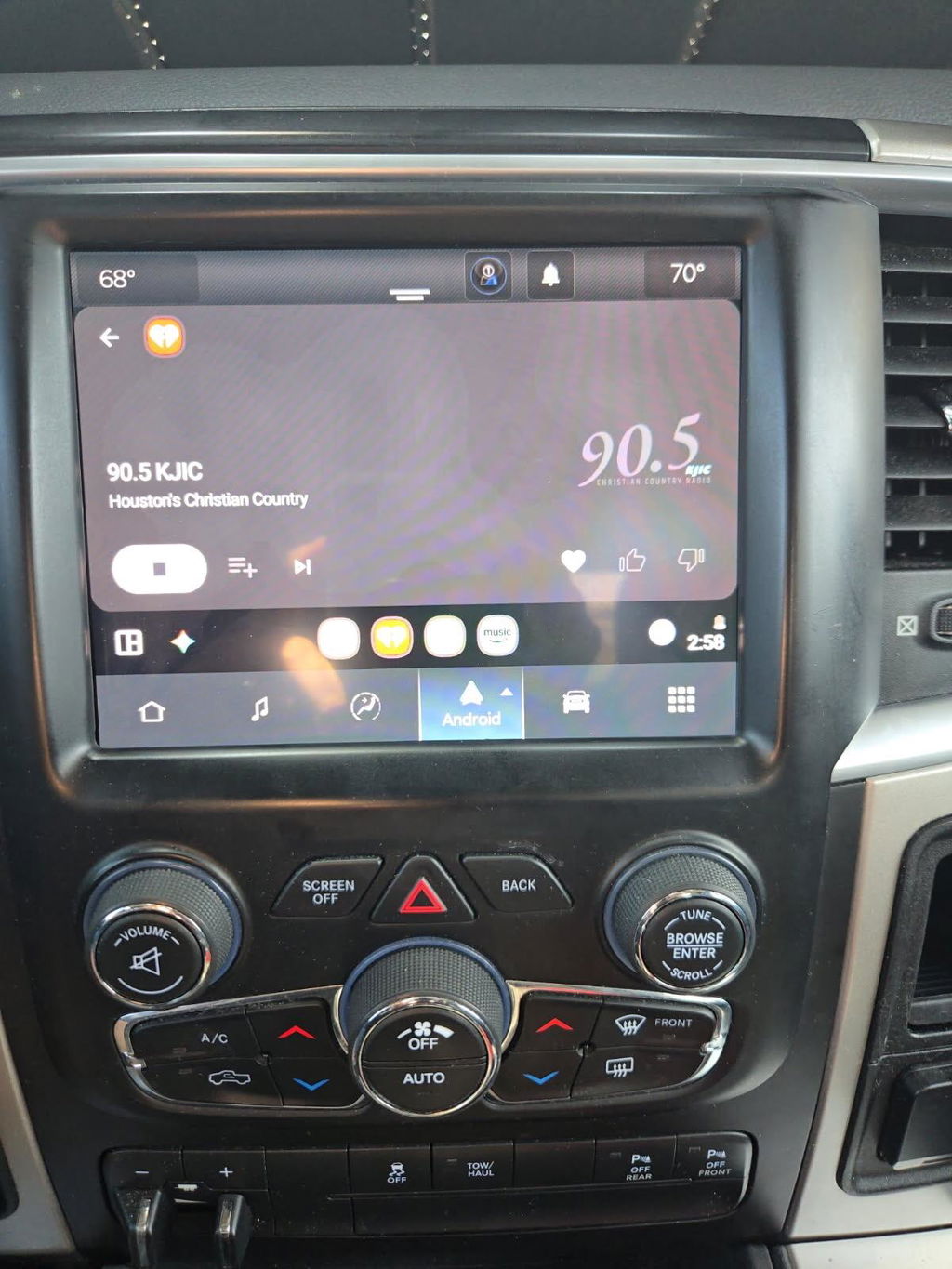
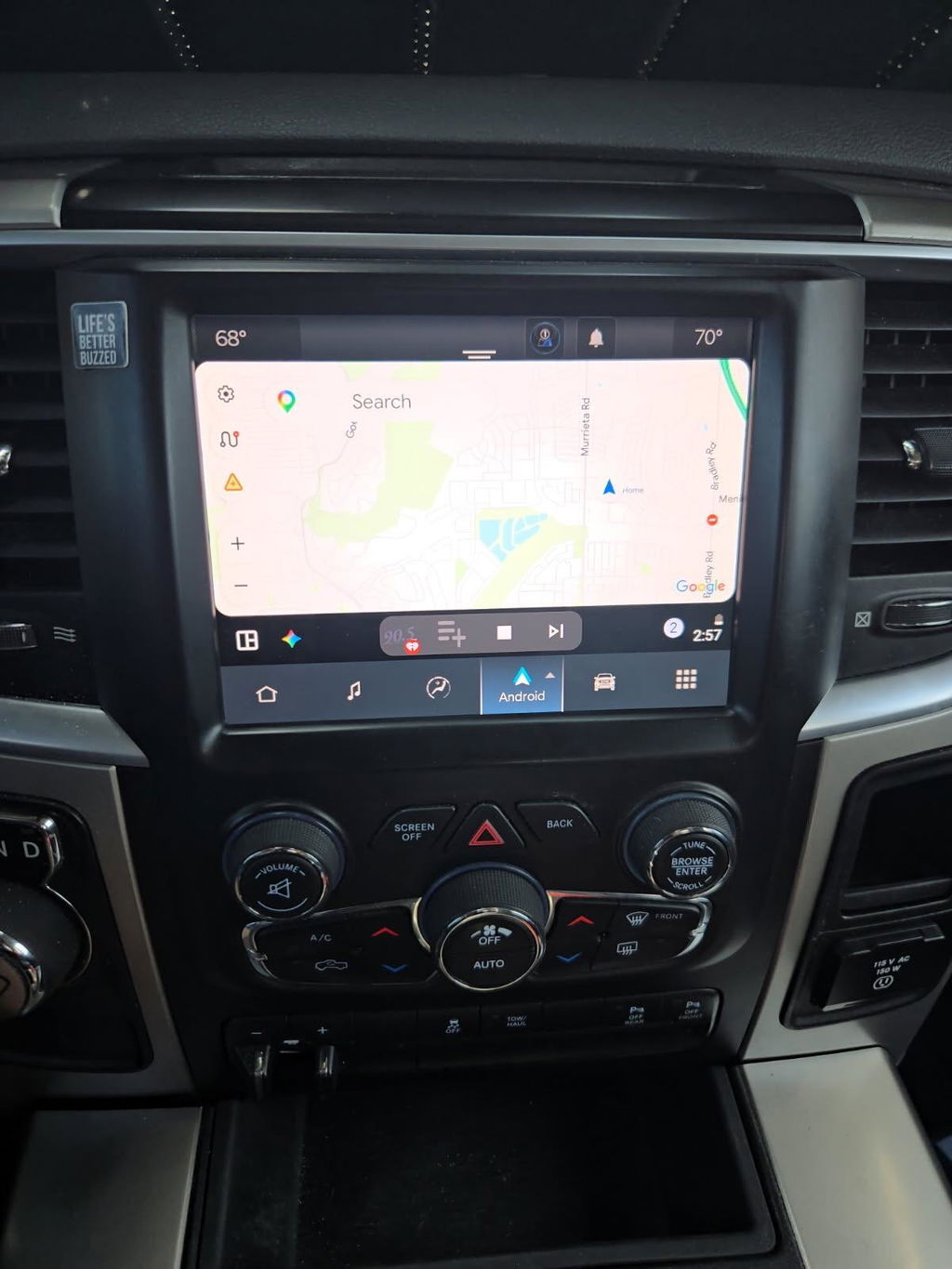
Choosing a Truck Infotainment Upgrade Kit
Share
A bad radio upgrade usually shows itself fast. The screen looks out of place, steering wheel controls act weird, backup camera quality drops, or half the factory features disappear. That is why buying the right truck infotainment upgrade kit matters more than buying the biggest screen or the cheapest head unit.
For most truck owners, the goal is not to build a custom audio project. It is to get modern features into the dash without creating new problems. Wireless Apple CarPlay, Android Auto, faster response, better screen resolution, factory-style menus, and retained vehicle settings are all worth having. But the path you take determines whether the upgrade feels OEM or feels like a workaround.
What a truck infotainment upgrade kit should actually solve
A proper upgrade should fix an outdated factory system without breaking the rest of the truck. That sounds obvious, but it is where many generic aftermarket options fall short. Trucks now route more than music and navigation through the center display. Climate controls, camera views, towing settings, vehicle apps, and system menus are often tied into the infotainment screen.
If your truck uses the display as a hub for vehicle functions, replacing it with a universal radio can create compromises fast. You may gain phone mirroring but lose factory integration, menu access, or clean fitment. A vehicle-specific truck infotainment upgrade kit is built to avoid that tradeoff by matching the truck’s original architecture, connectors, and feature set as closely as possible.
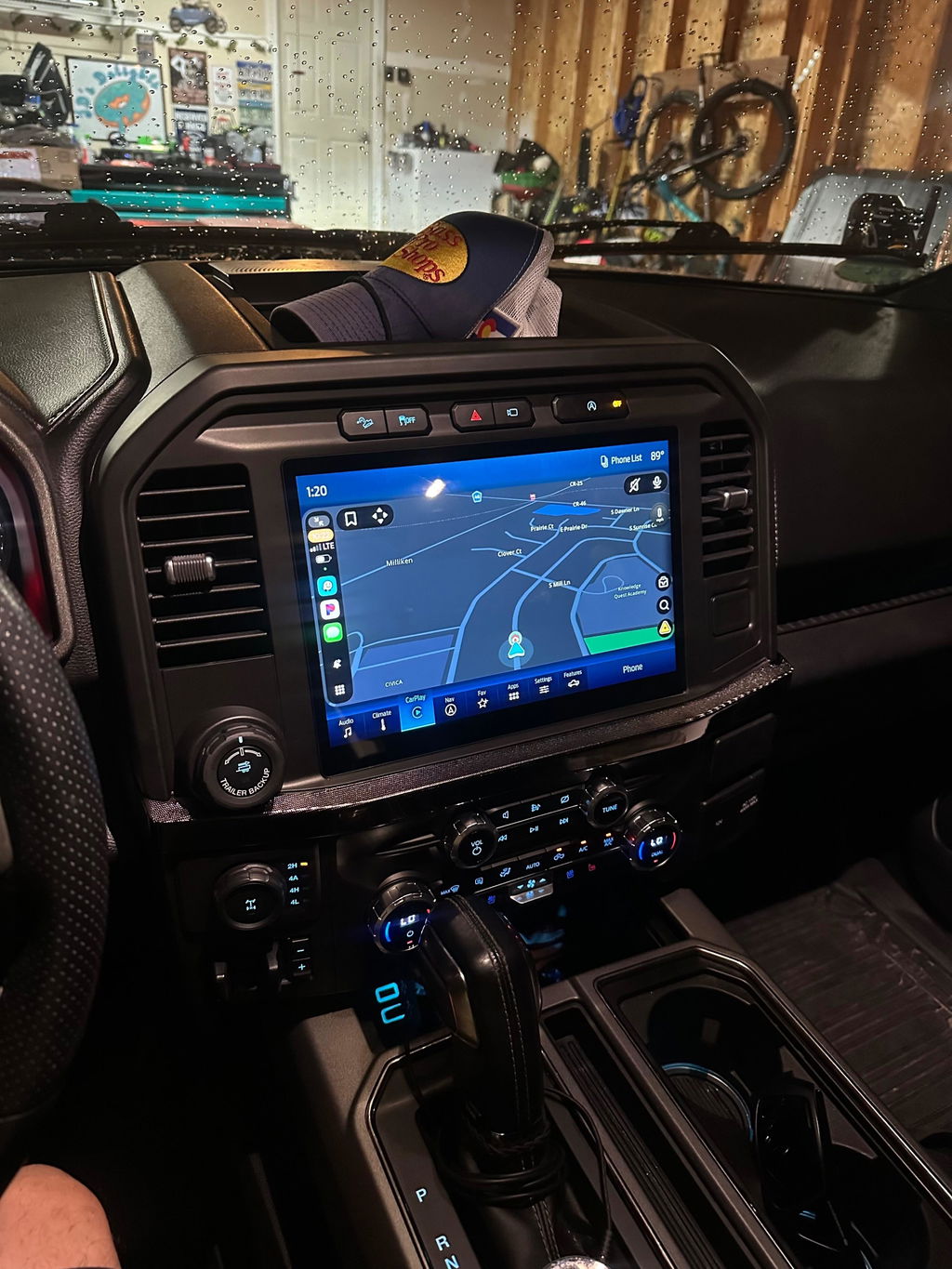
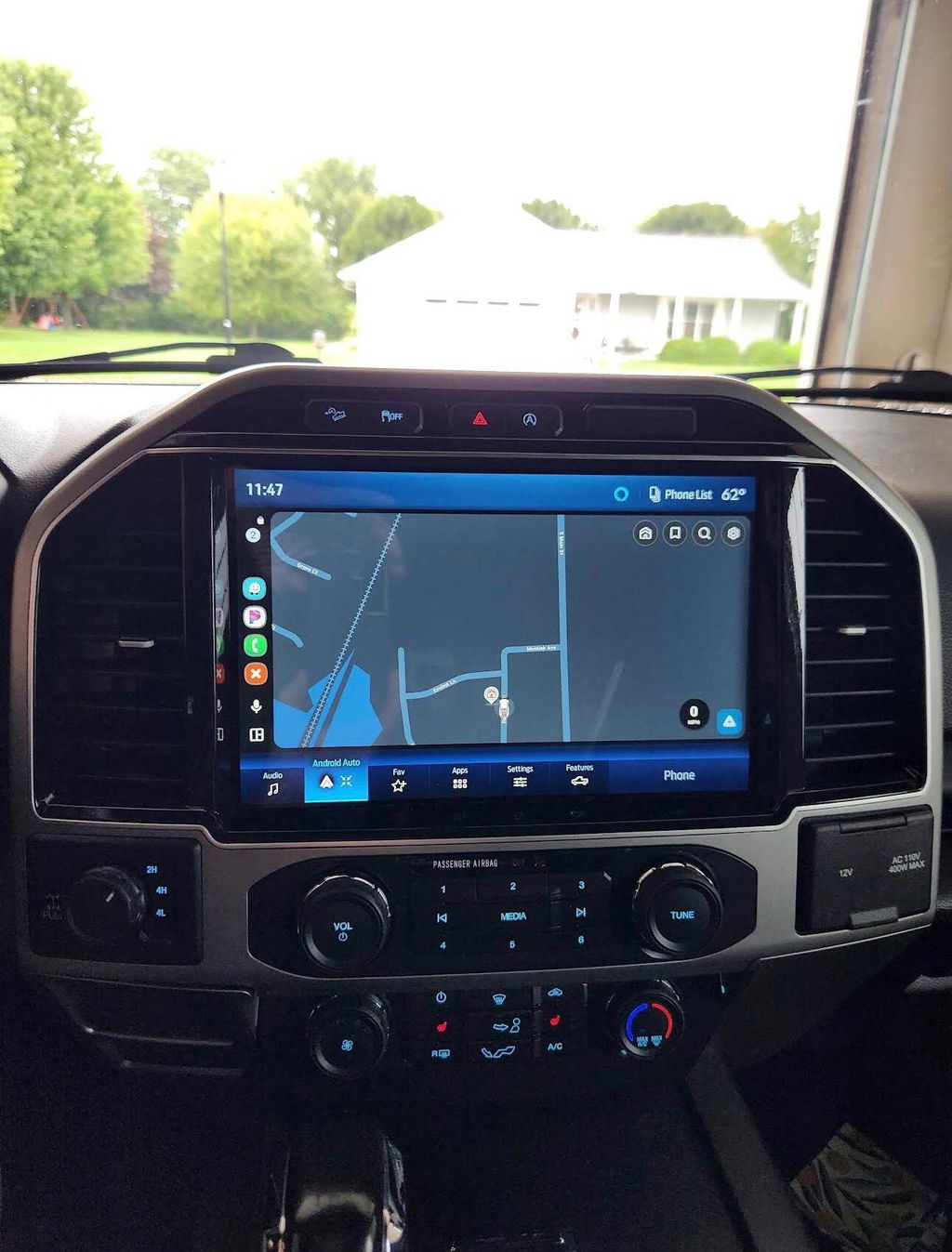
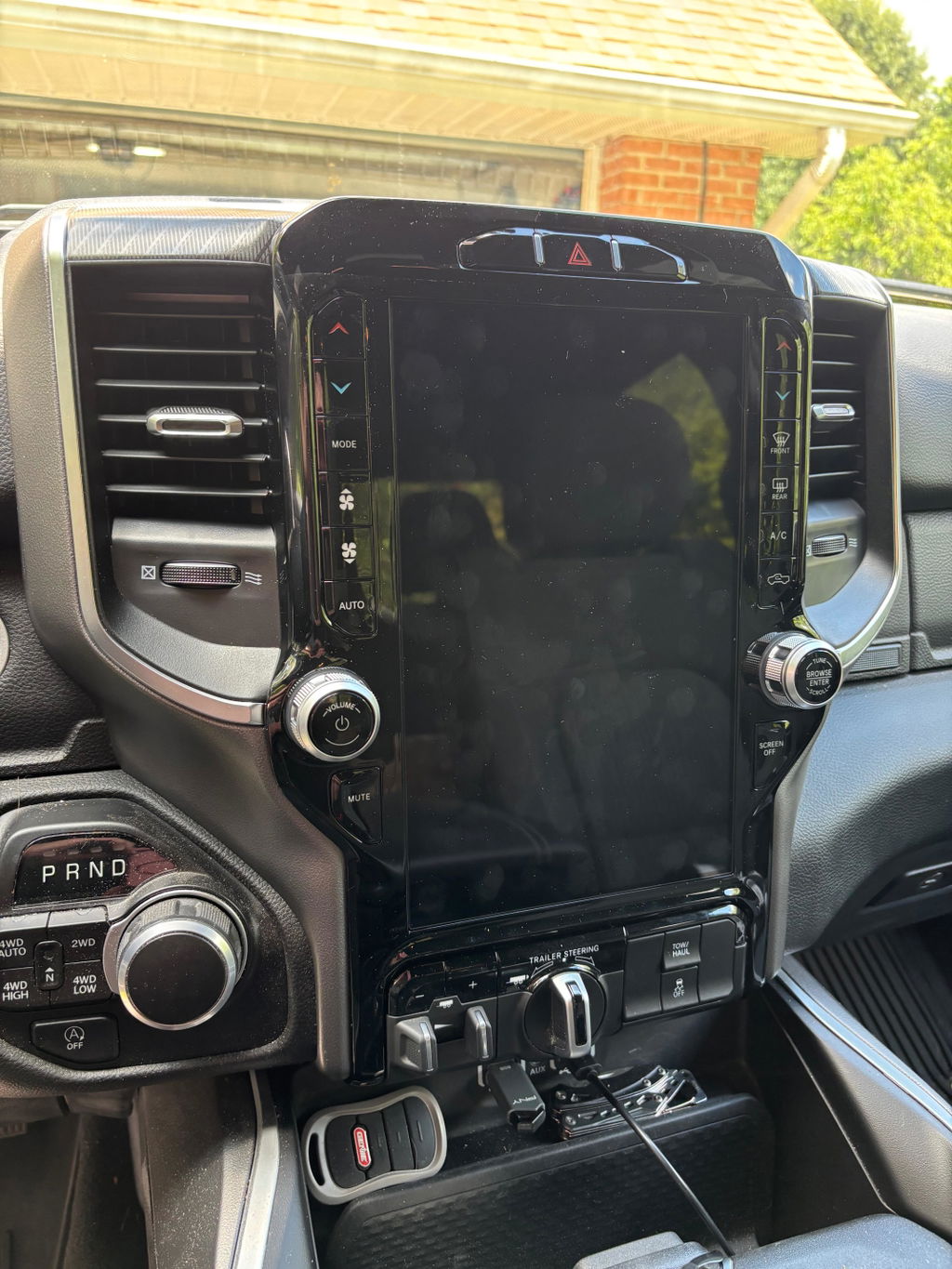
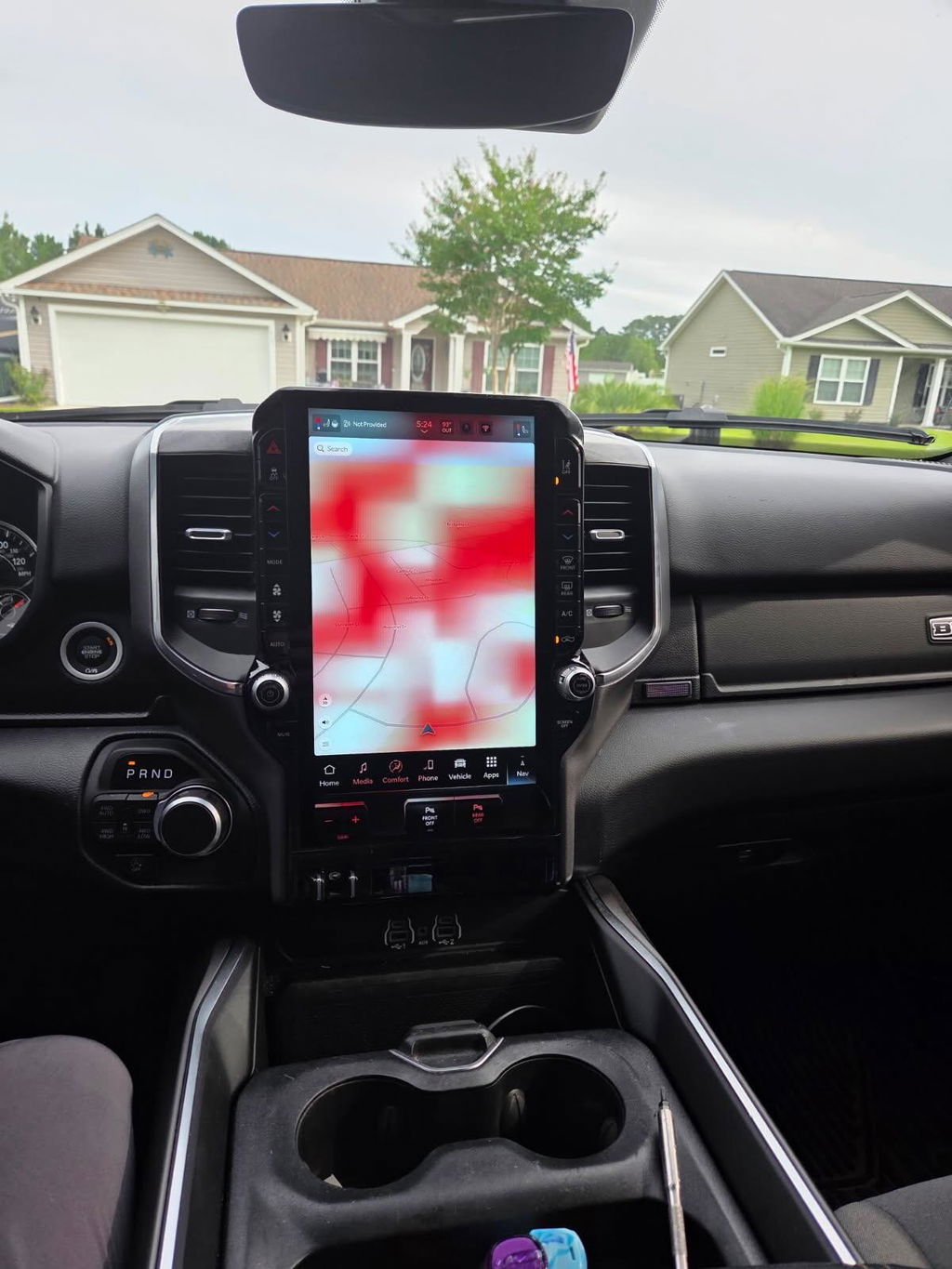
That matters even more on newer Ram and Ford platforms, where screen size, module communication, and trim-level differences can change what works and what does not. A kit that is correct for one model year may not be correct for the next. The details matter.
OEM-style kits vs universal aftermarket setups
There are two common ways to upgrade truck infotainment. The first is a universal aftermarket radio with adapters, interfaces, dash trim, and extra modules added as needed. The second is an OEM-style or OEM-based conversion kit designed around specific years, trims, and factory systems.
Universal setups can make sense for older trucks or basic trims where the radio is mostly standalone. They can also work for buyers chasing a certain audio brand or custom sound system layout. But once factory features are heavily integrated into the screen, the install usually becomes more complex, not less.
An OEM-based truck infotainment upgrade kit is a better fit when the priority is factory appearance, reliable communication with the vehicle, and retention of original functions. Instead of piecing together multiple adapters and hoping they cooperate, you are starting with components designed to work within the truck’s existing electronic environment.
That does not mean every OEM-style kit is identical. Some are true genuine component conversions. Others mimic the factory look but rely on mixed parts or limited-function interfaces. If you want long-term reliability, retained features, and a cleaner install, component quality and fitment accuracy matter just as much as the screen itself.
Fitment is where good upgrades separate themselves
Most infotainment problems start before the first panel is removed. Buyers focus on screen size and skip over build date, trim package, audio system, and original option content. Then they end up with a kit that powers on but does not fully integrate.
A good match starts with the basics - year, make, model, and trim. After that, you need to know whether the truck has a base radio, premium audio, factory navigation, amplified system, or a larger OE screen already in place. On many platforms, those differences affect harnessing, programming, module compatibility, and feature retention.
Ram owners see this often when moving from a smaller factory display to a larger Uconnect-based setup. Ford owners run into the same issue with screen conversions across Sync generations or trim-specific dash configurations. The dash opening may look the same, but the electronics behind it can be very different.
That is why vehicle-specific kits are easier to trust. They remove guesswork and reduce the odds of building your own compatibility problem. At DD Offroad, that fitment-first approach is the whole point - exact applications, OEM Genuine Components, and Plug and Play solutions that keep the upgrade path clean.
Features worth paying for in a truck infotainment upgrade kit
Not every feature carries the same value. Some are nice to have. Others change how the truck feels every day.
Wireless Apple CarPlay and Android Auto are usually at the top of the list because they modernize the cabin immediately. If you drive for work, tow regularly, or spend a lot of time in the truck, getting navigation, calls, messages, and music access without plugging in every time is a real quality-of-life upgrade.
Screen size matters too, but only when it comes with the right resolution and factory integration. A bigger display is useful for maps, camera views, and split-screen functions. It is less useful if it introduces lag, poor brightness, or awkward dash fitment.
Backup camera and surround-view retention are another priority. Many truck owners use their vehicles for trailers, job sites, and off-road access, so camera performance is not a side benefit. It is part of how the truck gets used. A proper kit should preserve that functionality instead of downgrading it.
Factory menu access also deserves more attention than it gets. In many newer trucks, infotainment controls vehicle settings that used to live on separate buttons or smaller displays. If the upgrade limits access to those menus, you can lose convenience fast.
Installation: plug and play is not just a marketing phrase
For this category, install simplicity is a major part of value. A true plug-and-play kit reduces cutting, splicing, and custom fabrication. That means a cleaner install, fewer failure points, and a better chance of keeping the truck serviceable later.
This does not mean every owner should install it at home. Some buyers are comfortable removing interior trim and following a detailed process. Others would rather hand it to a shop. Both approaches are fine. What matters is starting with a kit that does not force the installer to invent solutions on the fly.
If a product requires a mix of custom wiring, extra modules, trial-and-error programming, and modified panels, labor costs can erase any savings quickly. That is one reason a cheaper radio package often stops being cheap once the full install is done.
A truck infotainment upgrade kit built around exact fitment keeps labor more predictable. It also lowers the chance of ending up with warning lights, non-working controls, or a truck that needs to be torn apart twice.
When the cheapest option costs more
There is a reason experienced truck owners get cautious around bargain electronics. Low upfront pricing can hide missing parts, poor interfaces, weak support, or limited compatibility. If the truck loses factory features or the install takes extra hours to sort out, the real cost climbs fast.
This is especially true on higher-trim trucks and newer model years. The more integrated the vehicle is, the more expensive mistakes become. Saving a few hundred dollars on the wrong kit is not a win if the dash fit is off, the audio quality drops, or the system glitches every time the temperature changes.
That does not mean you need the most expensive option on the market. It means you should pay for the parts that affect function, reliability, and fit. Genuine OEM components, correct harnessing, and model-specific packaging are not flashy selling points, but they are what separate a solid upgrade from a frustrating one.
How to know you are buying the right kit
Start with your truck, not the product photo. Confirm exact year range, trim level, existing screen size, and any premium audio or camera equipment. Then look at what the kit retains, what it adds, and whether those benefits match how you actually use the truck.
If your priority is factory appearance and retained features, stick with OEM-based solutions. If your truck is older and you want a budget-oriented media upgrade with fewer factory dependencies, an aftermarket setup may still make sense. The right answer depends on the platform and what you expect after installation.
The best upgrade is the one that feels like it should have been there from the factory. No hacked trim. No mystery modules. No missing controls. Just better functionality, cleaner integration, and a cab that finally matches the rest of the truck.
A good truck upgrade should make you think about the road, the trailer, or the next jobsite - not the screen in the dash.