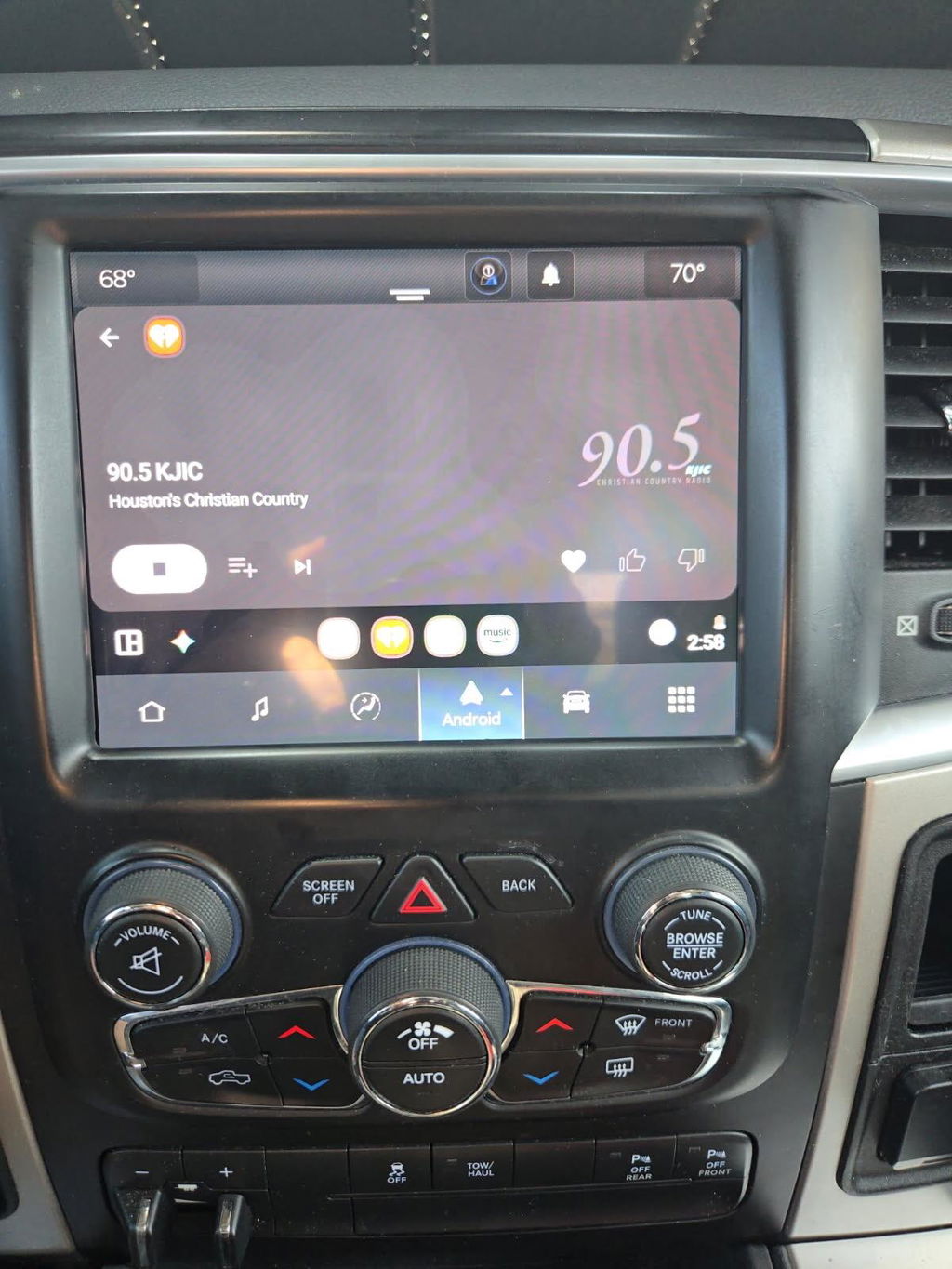
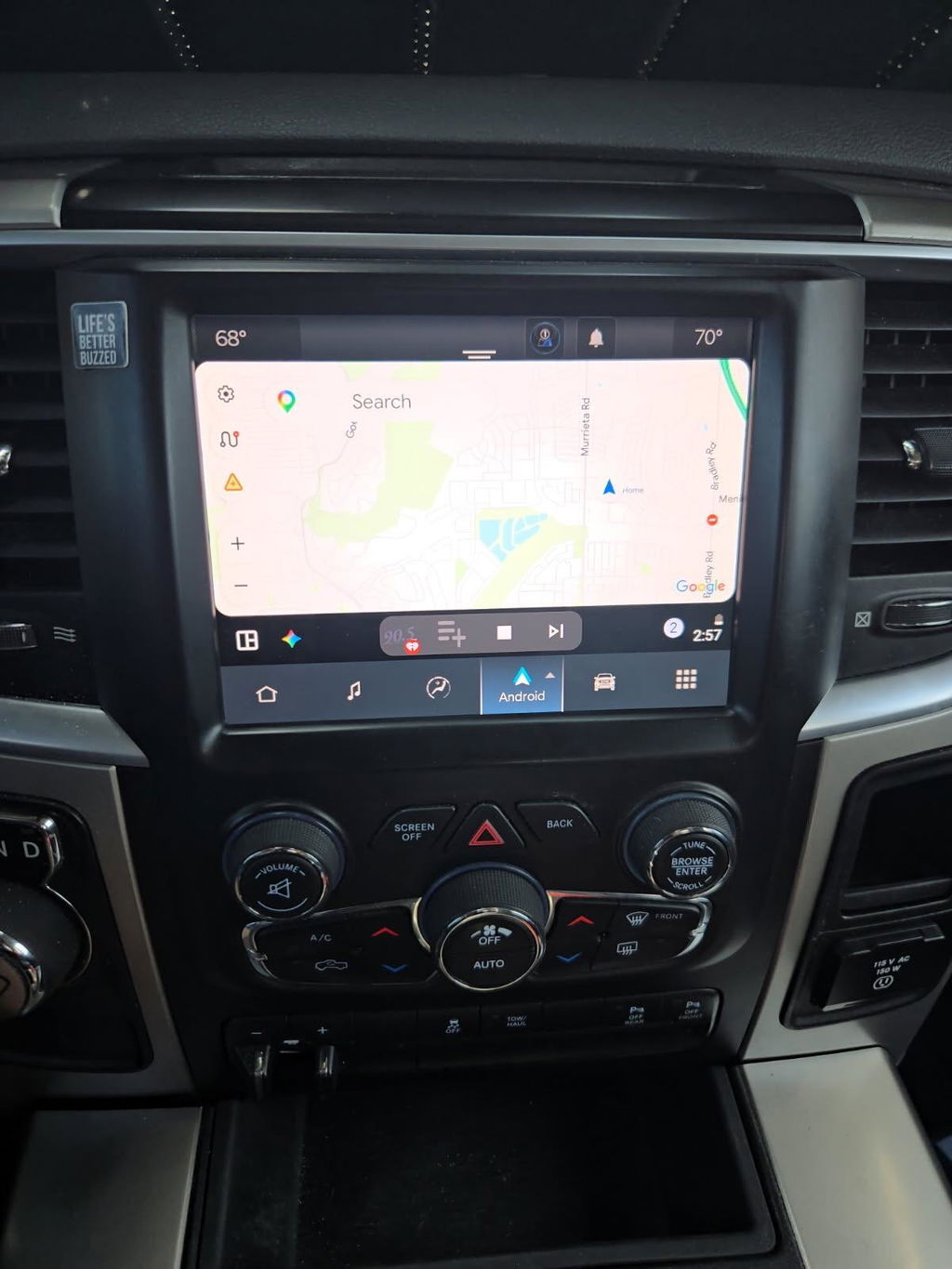
Best OEM Screen Conversions for Trucks
Share
A small factory screen gets old fast when you rely on your truck every day. If you are comparing the best OEM screen conversions, the real question is not just screen size. It is whether the upgrade keeps factory functions, fits your exact truck, and works without the usual aftermarket headaches.
For most Ram and Ford owners, that is where OEM-based conversions separate themselves from generic radios and universal tablets. A bigger display looks good, but clean integration is what makes the upgrade worth the money. Climate controls, backup camera support, steering wheel buttons, vehicle settings, and factory-style operation matter more than a spec sheet if you actually use the truck.
What makes the best OEM screen conversions worth buying
The best OEM screen conversions are built around the way your vehicle was designed to operate. That usually means genuine OEM components or OEM-style conversion kits that match factory connectors, factory software behavior, and model-specific trim fitment. You are not forcing a universal head unit into a dash that was never built for it.
That matters because trucks and utility vehicles are less forgiving than many passenger cars. Owners use them for towing, work, travel, and off-road duty. A screen upgrade that drops camera functions, throws warning lights, or creates electrical issues is not an upgrade. It is a problem.
A good OEM conversion keeps the factory experience intact while adding the features many owners wanted from the beginning, such as a larger touchscreen, faster response, wireless Apple CarPlay, Android Auto, improved navigation behavior, and better access to vehicle menus. On the right platform, it can also improve resale appeal because the install looks correct instead of improvised.
Why OEM-based upgrades usually beat generic aftermarket screens
There is a reason experienced truck owners get cautious about universal infotainment kits. The price may look attractive at first, but compatibility is where things start to break down.
A generic aftermarket unit often needs extra modules, custom wiring, dash trimming, or a stack of adapters to keep basic functions working. Even then, some features may be lost or only partially supported. You might get the large screen, but lose factory camera quality, vehicle settings access, or reliable steering wheel control response.
With OEM-based conversions, the goal is different. The goal is factory integration first, feature gains second. That order matters. If your truck still behaves like a factory-equipped truck after the install, the upgrade feels right every time you drive it.
That does not mean every owner should ignore aftermarket options. If you have a niche build, limited budget, or a platform with weak OEM upgrade support, aftermarket can still make sense. But for mainstream Ram and Ford applications, OEM-based kits are usually the cleaner long-term move.
Best OEM screen conversions by vehicle type
Ram trucks are among the strongest OEM screen conversion platforms
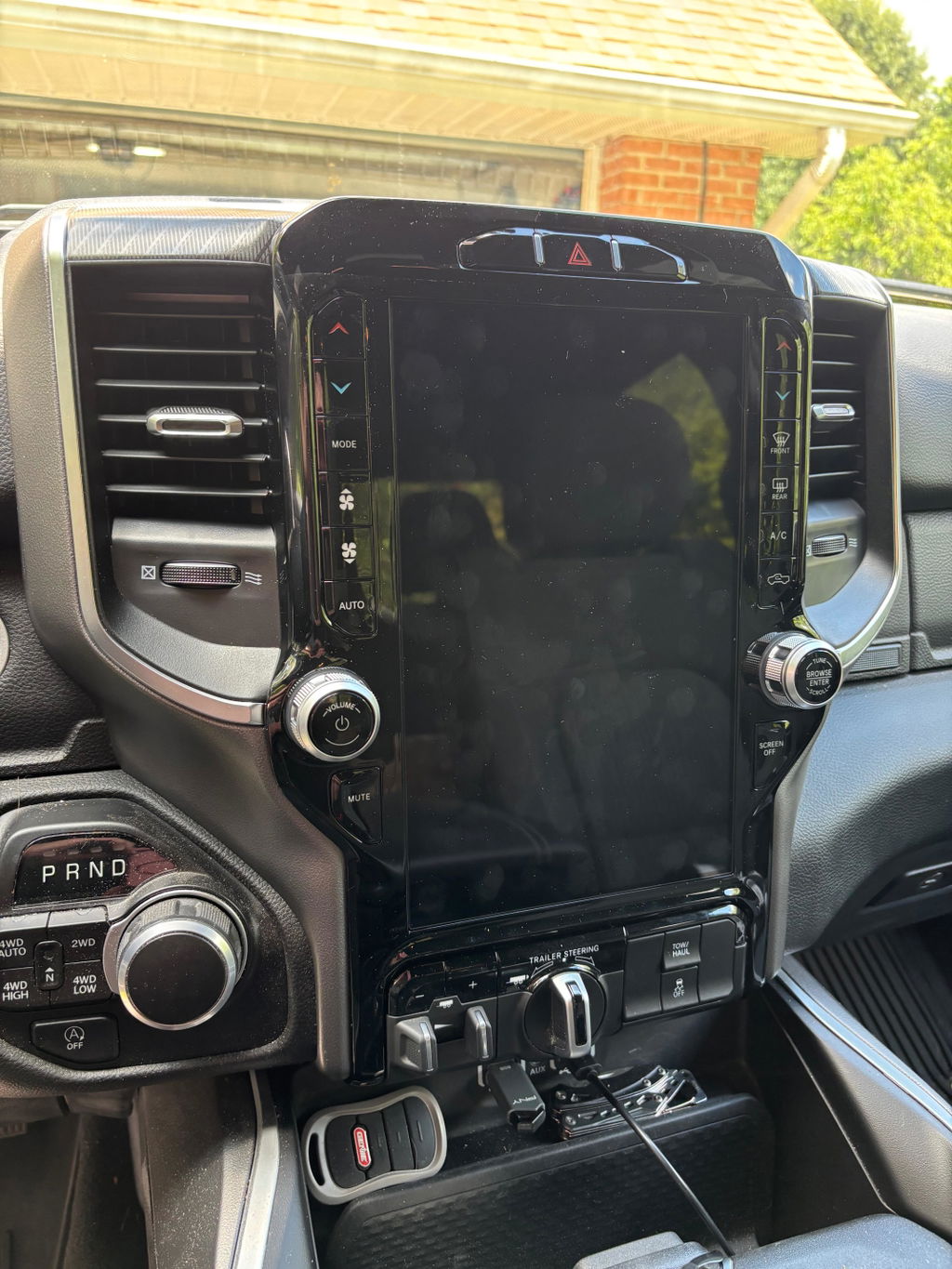
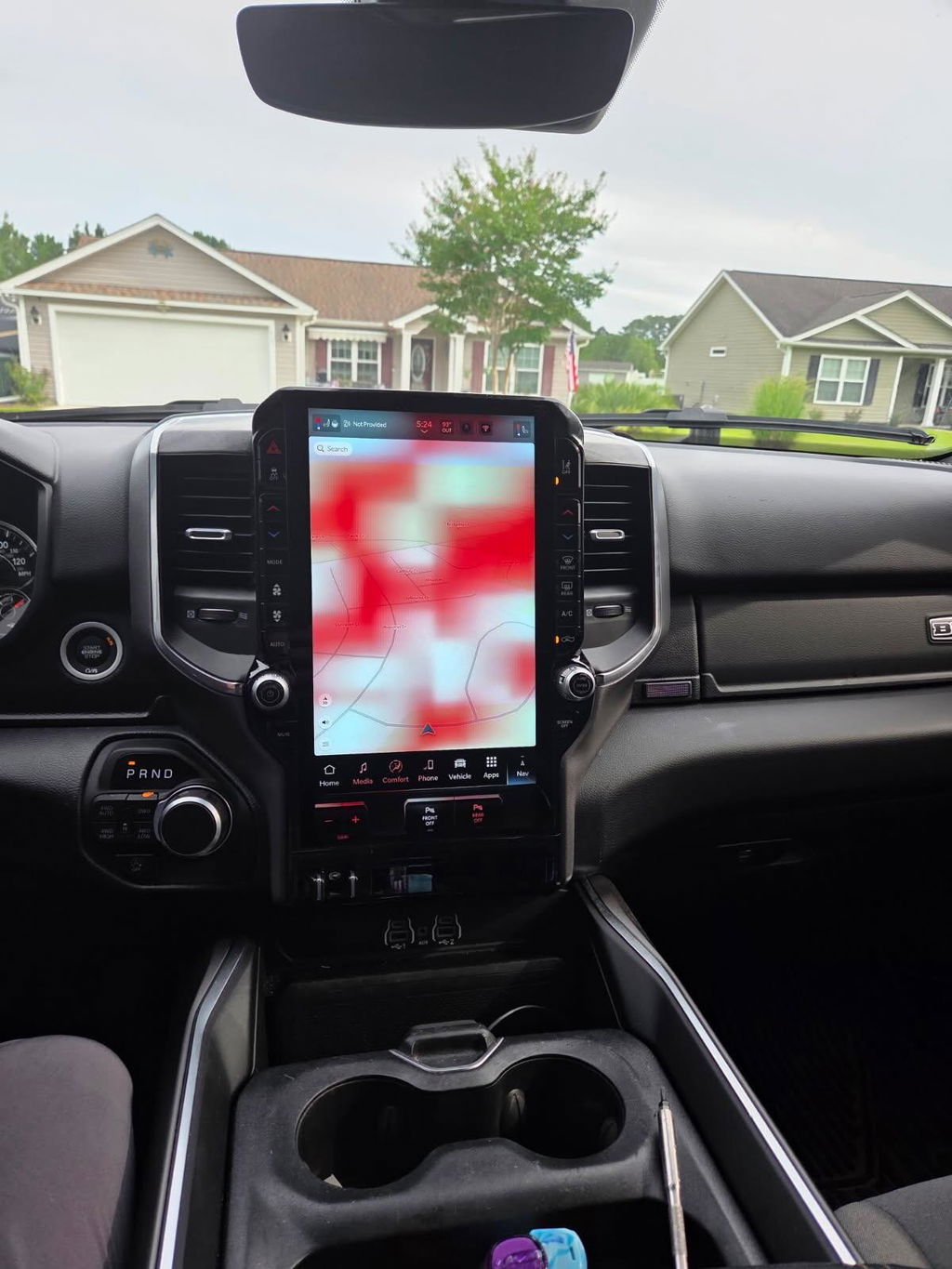
Ram owners often see the biggest payoff from OEM screen upgrades because the factory infotainment ecosystem is already well developed. Moving from a smaller factory display to a larger Uconnect-style screen can transform the cabin without making it feel modified in a cheap way.
On many Ram 1500 and Heavy Duty applications, screen conversions are popular because they preserve the truck's factory layout and bring newer features into older model years. If the kit is truly vehicle-specific, installation is more straightforward, fitment is cleaner, and the end result looks like it should have been there from day one.
The key variable is generation and trim. A conversion that works perfectly on one Ram platform may not apply to another without different hardware, programming, or bezel components. That is why exact year, body style, and current radio setup matter more than broad claims like "fits all Ram trucks."
Ford trucks and SUVs can benefit just as much
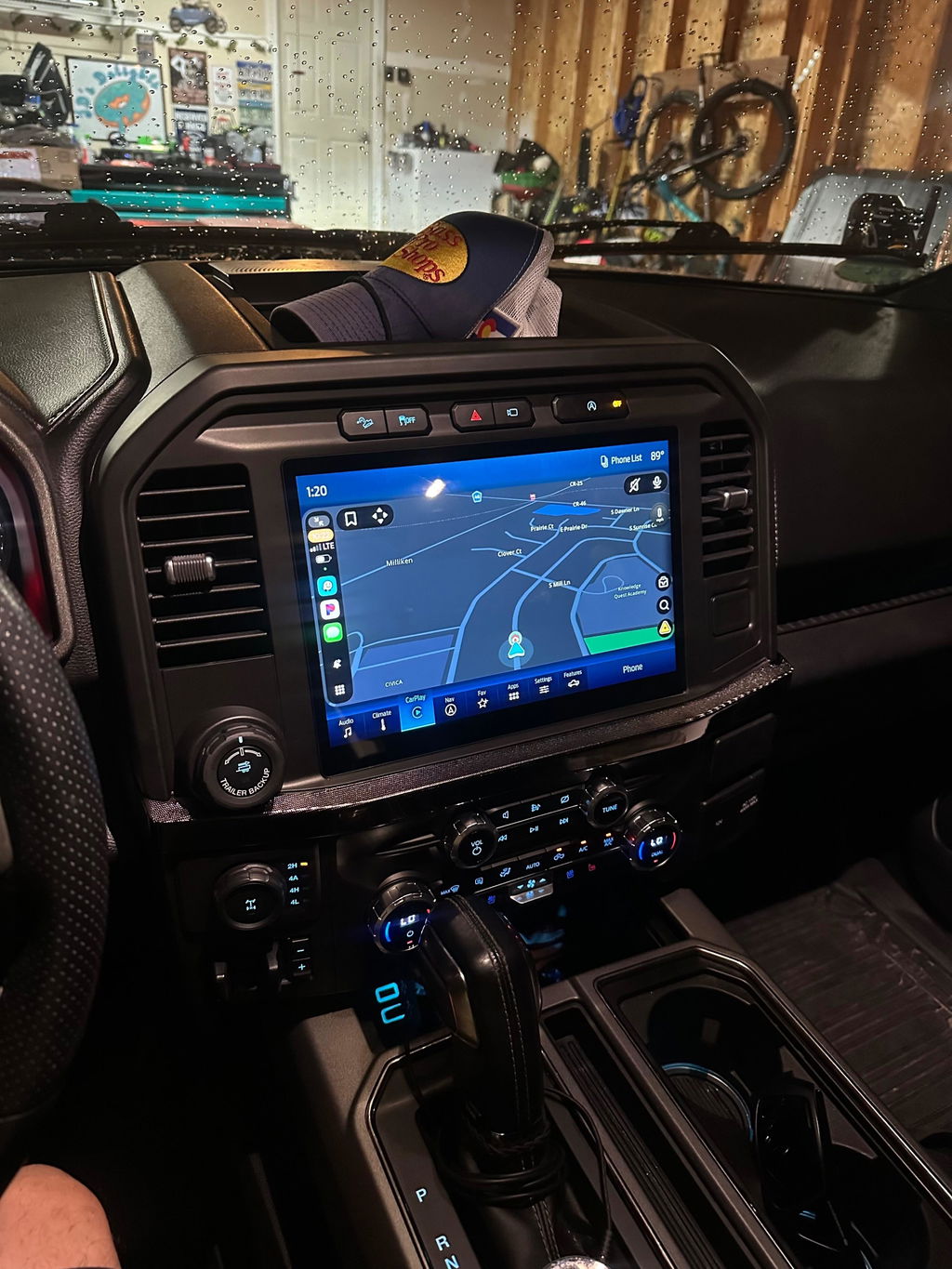
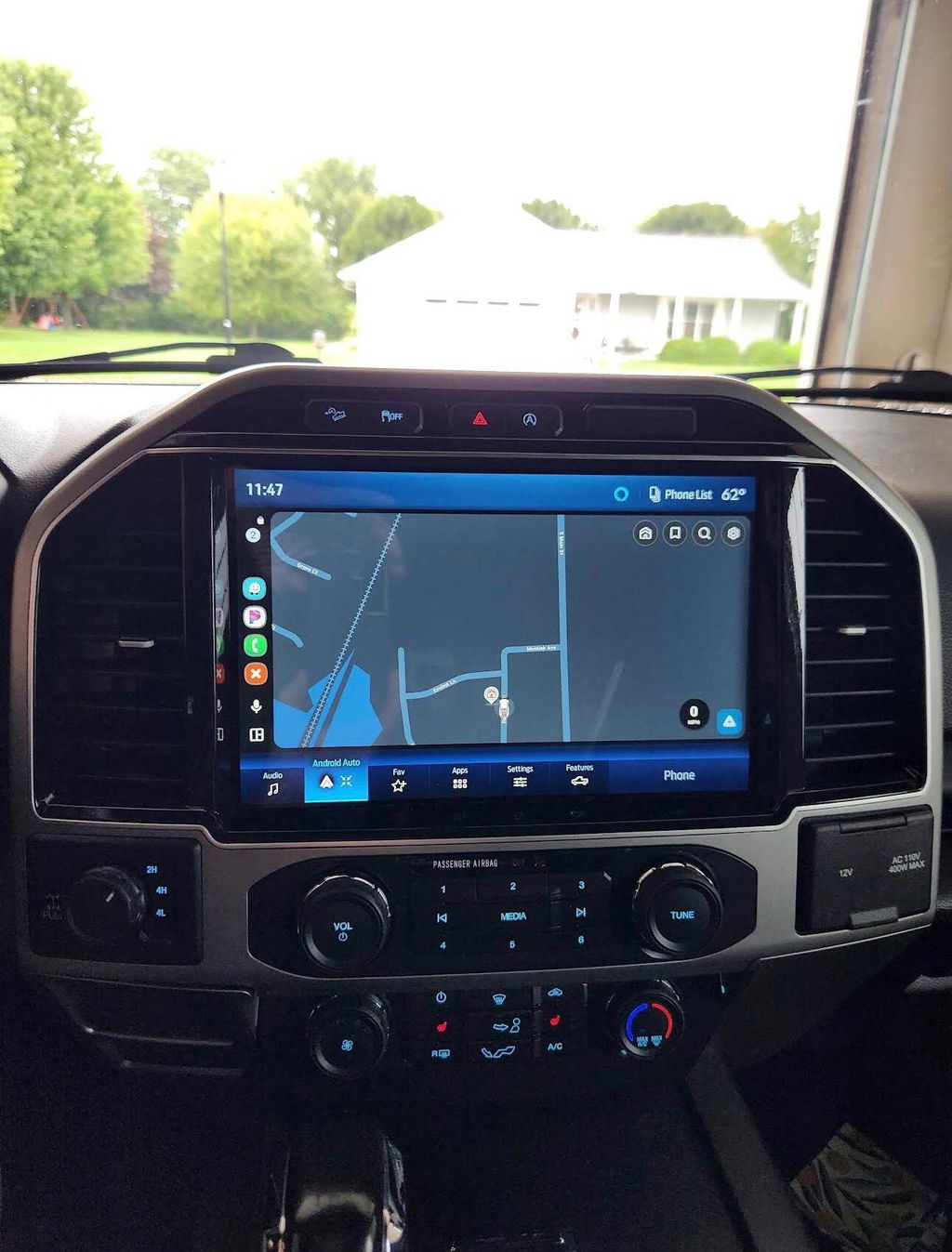
Ford owners are often chasing the same outcome: a larger screen, modern phone integration, and factory-style operation. On F-150, Super Duty, Maverick, and Expedition platforms, a well-matched OEM conversion can update the interior in a way that feels current without turning the dash into a custom electronics project.
Ford fitment can be more dependent on trim level, factory option content, and screen starting point. Some trucks already have enough infrastructure in place to make the upgrade relatively simple. Others may require additional pieces or programming support. That is not a deal breaker, but it is where buyers need to separate a true plug-and-play solution from a kit that still needs a lot of sorting out.
Jeep, Dodge, and Chrysler owners still need exact-fit solutions
While trucks are the main focus for most buyers in this category, Jeep, Dodge, and Chrysler owners care about the same things: maintaining factory functions and getting modern usability. The best OEM screen conversions on these platforms still come down to proper fitment, retained features, and hardware that matches the vehicle instead of fighting it.
How to tell if a screen conversion is actually plug and play
"Plug and play" gets used loosely in this market, so it is worth slowing down here. A real plug-and-play kit should be designed around your exact vehicle application, include the needed conversion components, and avoid cutting or modifying the factory harness.
That does not always mean zero setup. Some platforms still require programming, VIN-specific configuration, or initialization steps to make every feature work correctly. That is normal. The important part is that the process is defined and supported, not left to trial and error.
If a seller cannot clearly explain what is included, what factory features are retained, and whether programming is required, that is a red flag. The best kits are specific about model years, trim compatibility, screen sizes, and factory system requirements.
Features that matter more than screen size
A larger display gets attention, but it should not be your only filter. The best OEM screen conversions are the ones that improve daily use.
Wireless Apple CarPlay and Android Auto are near the top of the list because they change how the truck feels every day. Navigation, calls, music, and messaging become easier without adding mounts or cables all over the cab. Fast response time matters too. A big laggy screen is still a bad screen.
Retained factory camera support is another major factor, especially for full-size trucks and towing applications. Climate control integration, steering wheel controls, OEM microphone support, and vehicle settings access are just as important. If the upgrade adds size but removes convenience, the trade is usually not worth it.
The biggest mistakes buyers make
The most common mistake is shopping by appearance alone. Two kits can look similar in photos and have very different results once installed. One may use genuine OEM components and proper fitment parts. The other may rely on mixed-quality hardware and broad fitment claims.
The second mistake is assuming all trims within a model line are interchangeable. They are not. Audio package, factory screen size, amplifier setup, camera options, and model year changes can all affect compatibility.
The third mistake is underestimating the value of OEM authenticity. Genuine components usually cost more than low-end aftermarket alternatives, but they tend to deliver better fit, better software behavior, and fewer installation surprises. For a truck you plan to keep, that difference shows up over time.
How to choose from the best OEM screen conversions
Start with your truck, not the screen. Confirm the exact year, trim, factory radio setup, and any premium audio or camera options. That narrows the field fast and prevents you from comparing products that were never meant for your vehicle.
Next, look at retained features. Ask what keeps working after installation and whether any functions change. A quality conversion should be clear about backup camera support, steering wheel controls, HVAC integration, phone connectivity, and programming requirements.
Then compare the total package. A lower upfront price is not always the better value if you still need extra modules, wiring fixes, or custom install work. A vehicle-specific OEM-based kit can cost more on paper and still be the cheaper decision once you account for time, labor, and reliability.
For buyers who want a cleaner path, DD Offroad focuses on the part that matters most: OEM Genuine Components, vehicle-specific compatibility, and plug-and-play upgrade paths built around real truck platforms rather than generic fitment promises.
Are the best OEM screen conversions worth it?
If you are driving a truck with an outdated factory screen and plan to keep it, usually yes. The value is not just in making the dash look newer. It is in getting factory-grade usability with modern features and fewer compromises.
The right conversion makes the cabin easier to use every day, keeps the truck looking correct, and avoids the usual universal-radio issues that waste time and money. The wrong conversion does the opposite.
That is why the best move is usually the boring one: buy for fitment, retained functionality, and OEM integration first. The bigger screen is the part you notice on day one. The factory-style performance is the part you will still appreciate a year later.