Factory Integration Versus Universal Headunits
Share
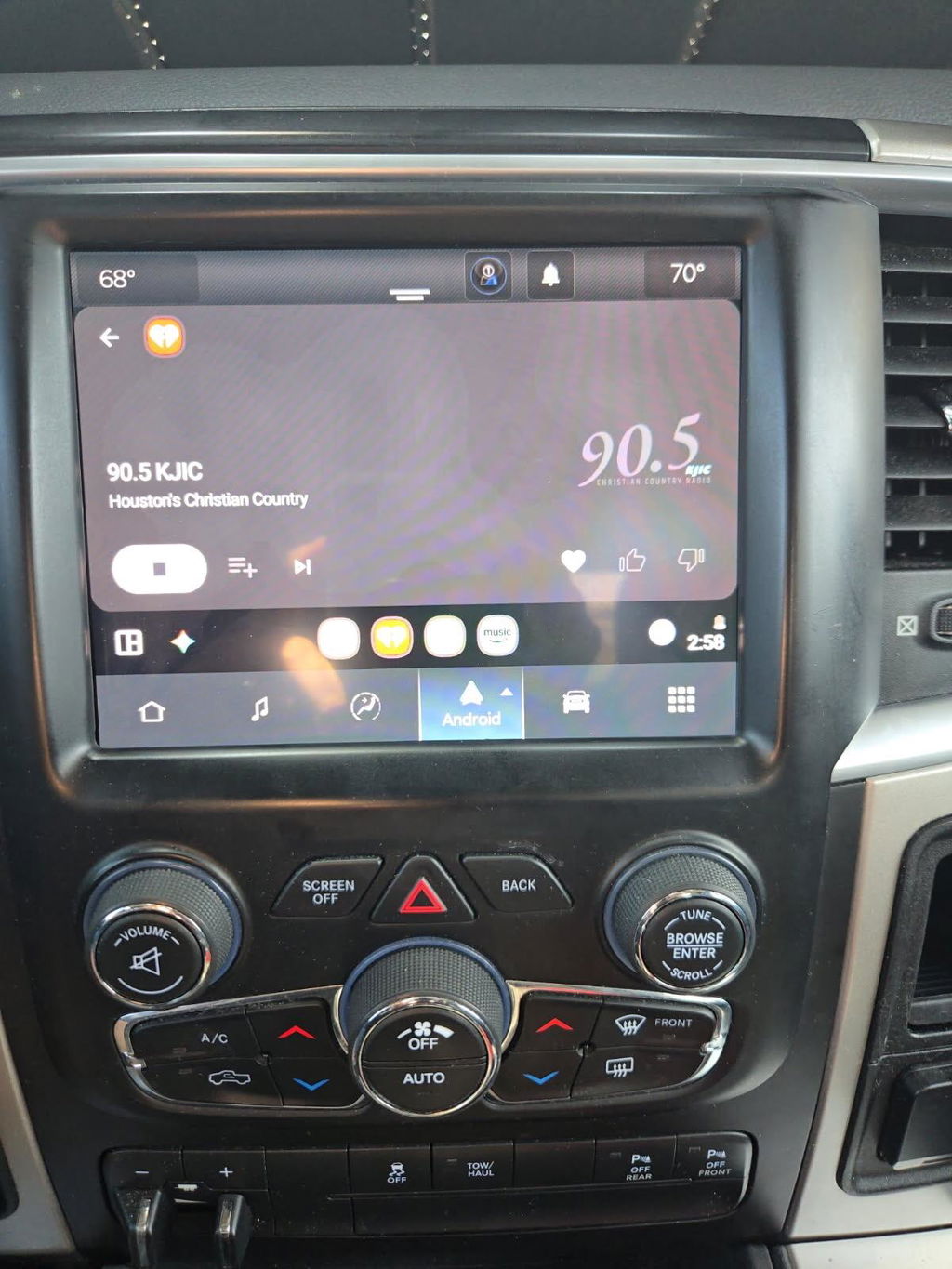
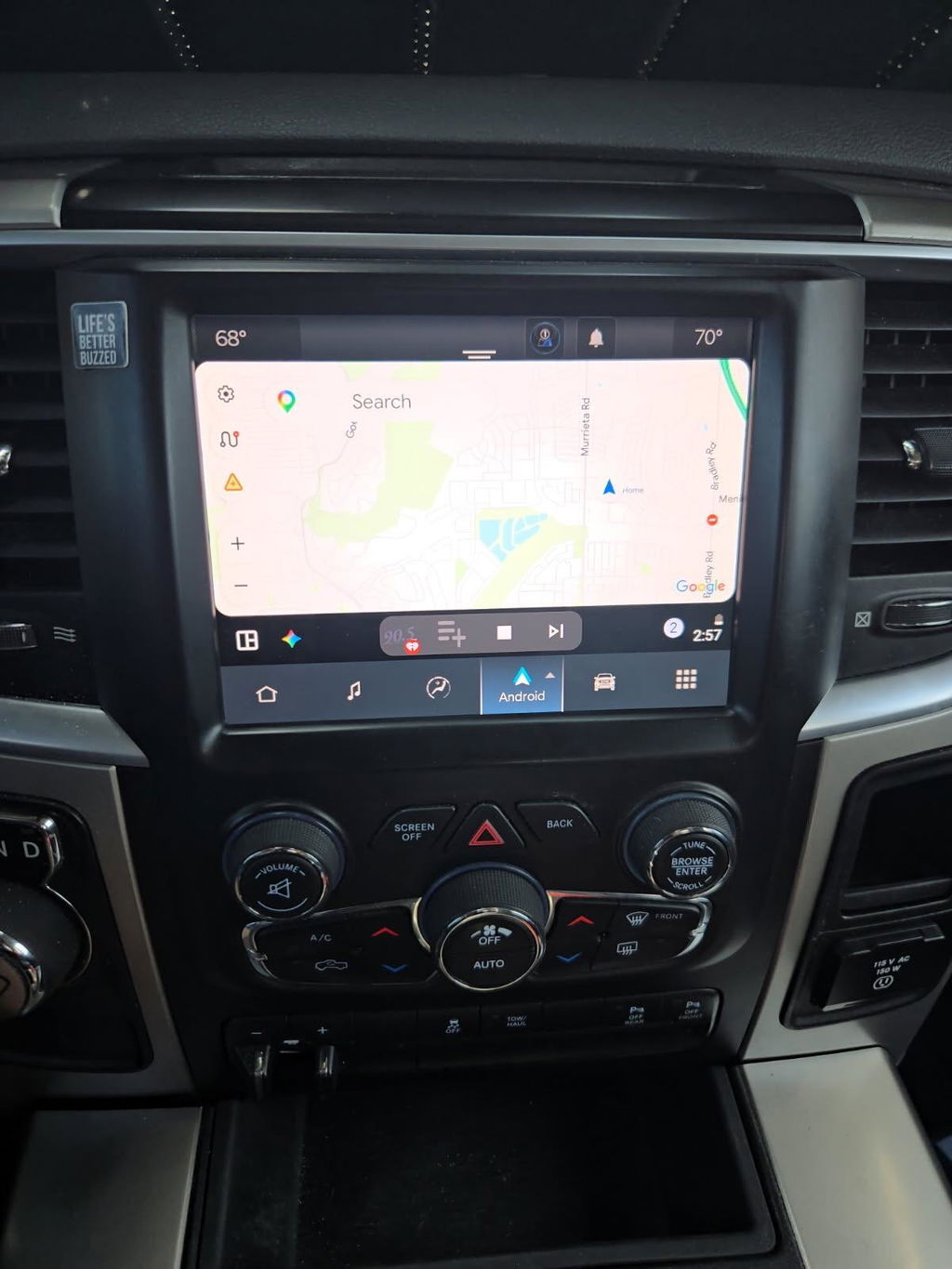
A 2014 Ram with a small factory screen can feel a generation behind the rest of the truck. The question is not simply which screen looks better. Factory integration versus universal headunits comes down to how much of your truck’s original functionality you want to retain, how clean you want the install to be, and whether the upgrade is built for your exact model year.
For many Ram and Ford owners, an OEM-based infotainment upgrade delivers the features they actually want - a larger display, wireless Apple CarPlay, Android Auto, navigation support, and updated menus - without turning the dash into a custom electronics project. A universal radio can still be the right move in specific builds, especially when maximum audio tuning is the priority. But it is not a like-for-like replacement.
Factory Integration Versus Universal Headunits: The Real Difference
Factory integration means the replacement system is designed to communicate with the vehicle’s existing modules, controls, cameras, microphones, and dash architecture. In an OEM retrofit, the screen, radio module, trim components, and required harnessing are selected around a specific platform. The goal is for the finished truck to look and operate like it left the factory with the upgraded system.
A universal headunit is an aftermarket stereo designed to fit a range of vehicles with the correct dash kit, wiring harness, antenna adapter, and control interface. These radios can offer strong feature sets, including wireless phone connectivity, built-in navigation, multimedia playback, and advanced audio controls. Their flexibility is also their limitation: the installer must make separate parts from different manufacturers work together correctly.
That distinction matters most in modern trucks. The radio is often tied into much more than music. It may control climate functions, heated and ventilated seats, steering wheel buttons, backup camera views, trailer camera options, vehicle settings, warning chimes, and factory amplifier communication.
Why OEM-Based Systems Make Sense for Trucks
Truck owners tend to keep their vehicles longer, add equipment, tow trailers, and rely on daily-use features more than the average commuter. That makes a factory-style upgrade especially valuable when the infotainment system is part of the truck’s control center.
Fitment That Looks Right in the Dash
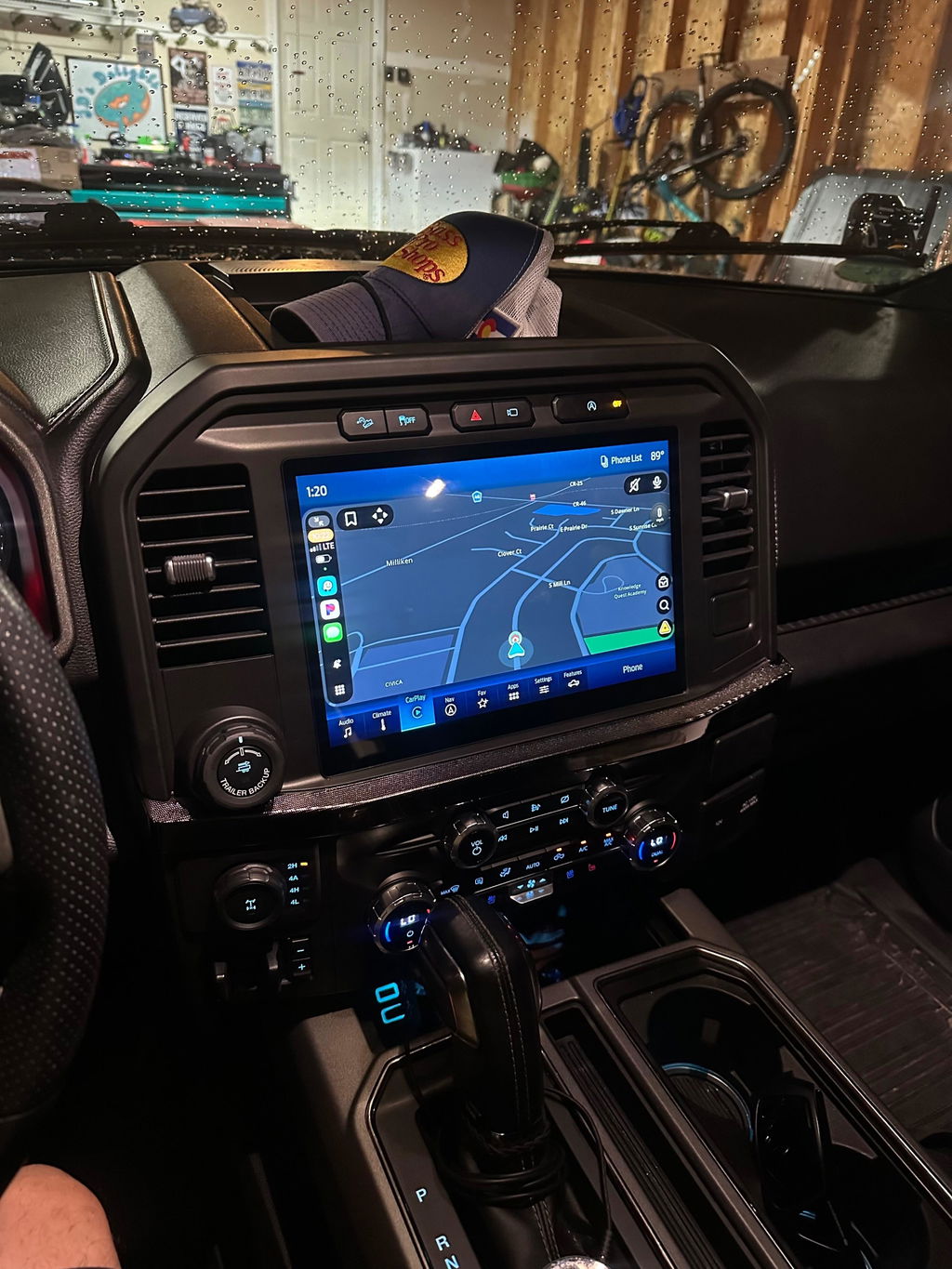
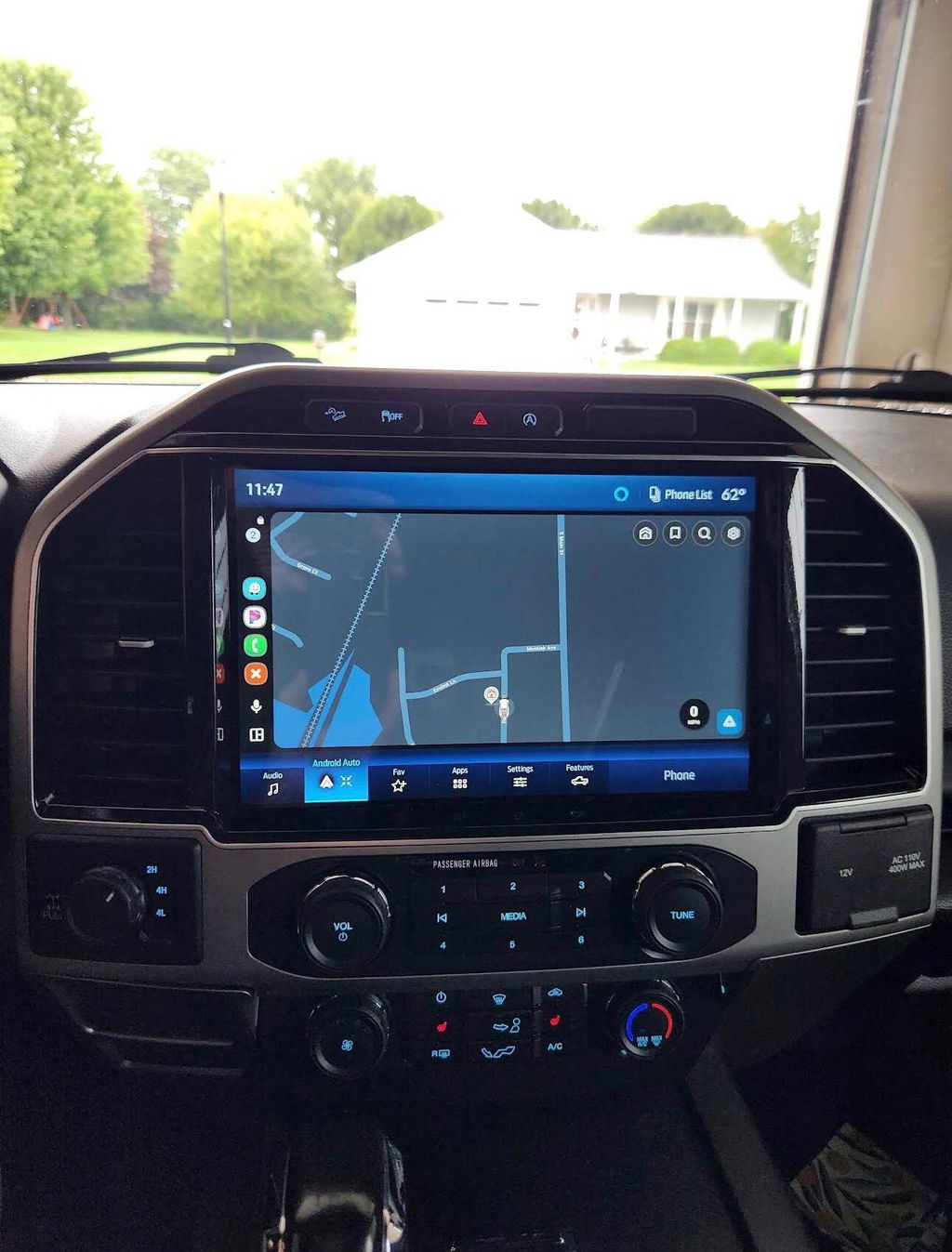
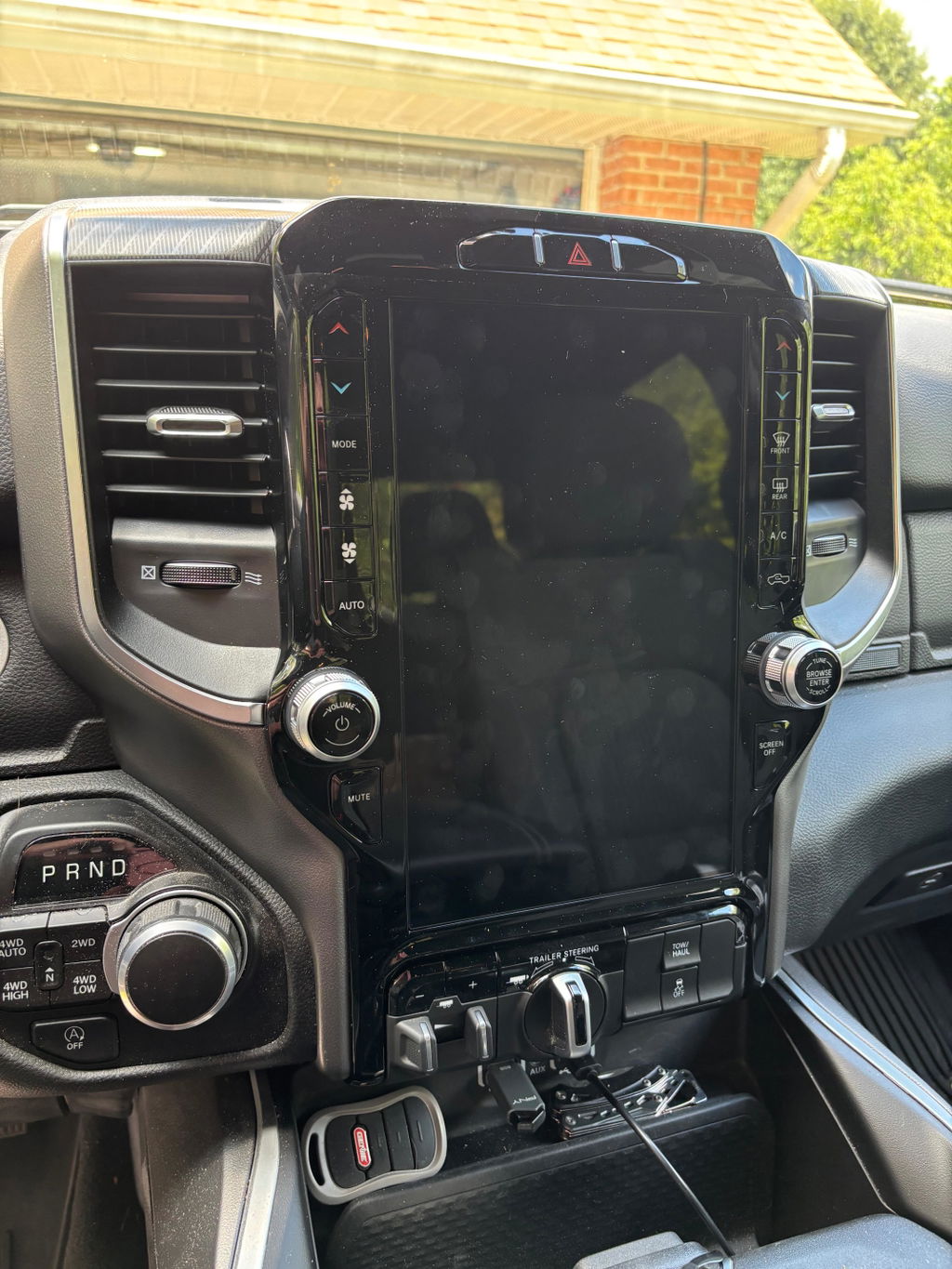
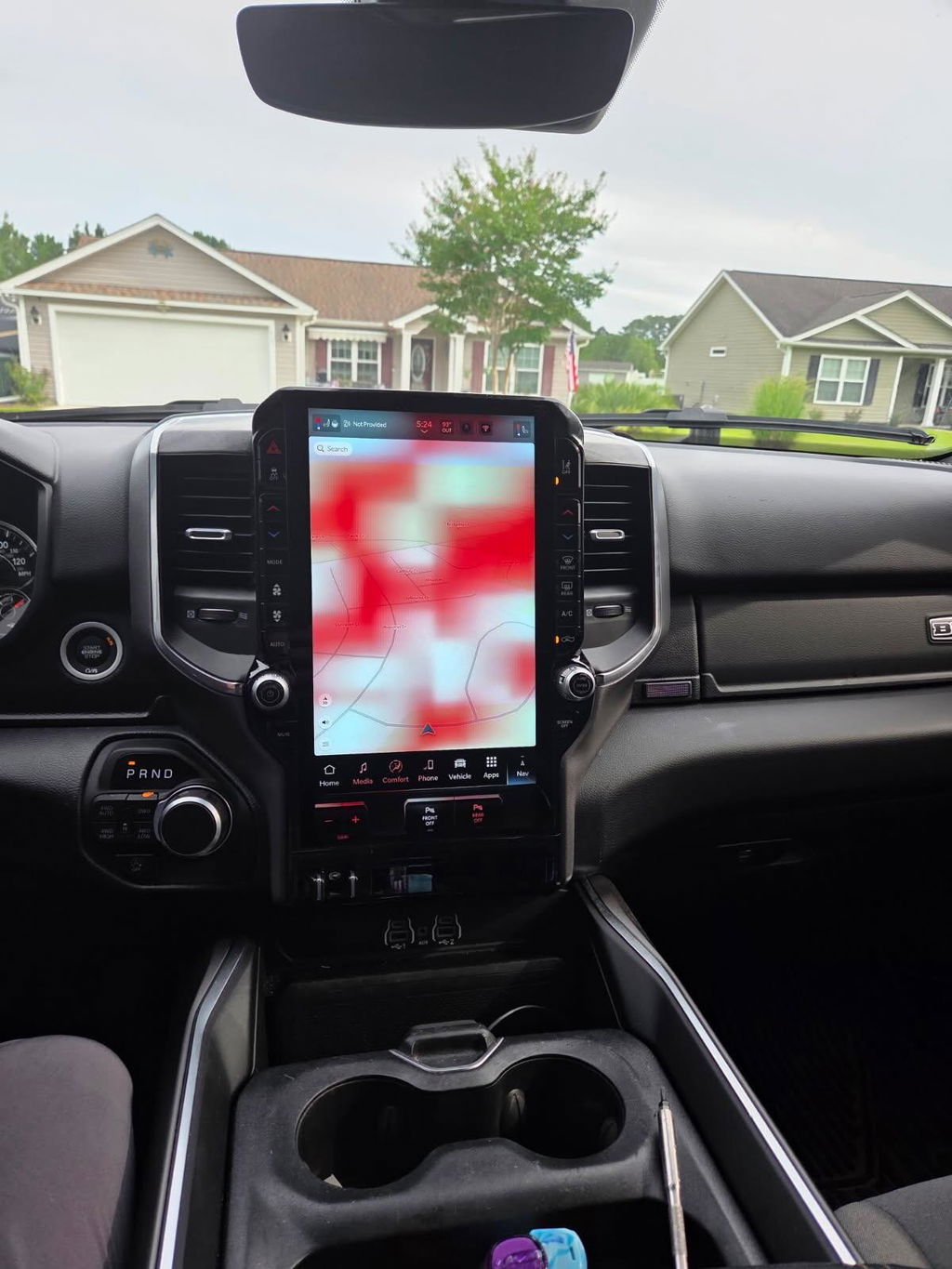
An OEM system uses vehicle-specific bezels, screen sizes, and mounting points. On a Ram, that can mean replacing an older 5-inch or 8.4-inch setup with a larger Uconnect-style display that matches the dash layout. On Ford platforms, a factory-style conversion is built around the correct screen, module, and trim requirements for that generation.
There is no generic mounting cage, oversized plastic trim panel, or need to modify dash structure to force a radio into place. The result matters every time you get in the truck. A clean installation supports the premium feel of a well-equipped Ram 1500, Super Duty, F-150, or Expedition.
Factory Controls Stay Where They Belong
With a properly matched OEM upgrade kit, the original controls remain part of the experience. Steering wheel buttons continue to handle volume, track selection, voice commands, and calls. Factory microphones, USB ports, backup cameras, and parking sensor displays can be retained when supported by the exact setup.
Climate control is a major consideration. On many newer vehicles, HVAC settings are accessed through the factory screen. A universal headunit may retain those controls through an interface module, but the presentation and reliability depend on the radio, interface, firmware, and installer configuration. An OEM system is already designed around those vehicle functions.
Fewer Compatibility Variables
Universal installations often require a headunit, vehicle-specific dash kit, wiring harness, data interface, antenna adapter, camera retention harness, USB adapter, and sometimes an amplifier integration module. None of those components are automatically bad. The issue is that every additional interface adds another fitment and configuration variable.
OEM-based kits reduce that complexity by packaging components around a known vehicle configuration. That is particularly useful for buyers who want plug-and-play installation instead of researching several brands of adapters and hoping they communicate correctly after startup.
Where Universal Headunits Have an Advantage
Universal headunits remain popular for good reasons. The best aftermarket radios can offer audio controls that exceed most factory systems. If you are building a competition-level sound system with aftermarket amplifiers, subwoofers, active crossovers, multiple camera inputs, and custom tuning, a premium universal headunit may provide more control.
Aftermarket systems can also be a lower-cost answer for older vehicles with basic radio functions. A truck with manual climate controls, no factory camera, and no integrated vehicle menus is simpler to convert. In that situation, a universal double-DIN unit with the right installation parts can provide phone connectivity at a lower initial price.
The trade-off is that the final result depends heavily on the parts selected and the quality of installation. A low-priced headunit can become less of a bargain once you add the necessary interfaces, dash components, labor, and troubleshooting time.
Features Are Not the Same as Integration
It is easy to compare screens by feature lists alone. Both options may advertise Apple CarPlay, Android Auto, Bluetooth, backup camera capability, and touch controls. Those features matter, but they do not tell the whole story.
Ask how the system handles the features your truck already has. Will the factory camera display with the same guidelines? Will the vehicle settings menu still be available? Does the factory USB hub work for phone projection? Are heated seats, trailer functions, satellite radio, factory navigation, and premium audio retained? Is the screen readable in direct sunlight and positioned correctly in the dash?
For a truck used for towing, work, hunting, off-road travel, or family duty, these details are not minor. You want the backup camera to come on when it should, steering wheel controls to respond immediately, and settings to remain easy to access. Factory integration is built around that daily reliability.
Installation, Programming, and Model-Year Fitment
No two trucks should be treated as identical just because they share a badge. Ram radios can vary by model year, screen size, trim level, amplifier option, camera equipment, and original Uconnect generation. Ford systems have their own differences in screen configuration, module pairing, camera support, and feature activation.
That is why model-year-specific fitment is more valuable than a broad claim that a radio fits a particular make. Before purchasing, confirm the vehicle year, trim, factory screen size, current radio system, camera equipment, premium audio package, and any features that must remain operational.
Some OEM upgrades require programming or module configuration to operate correctly. That is normal for a vehicle networked around factory electronics. The right kit should account for those requirements instead of leaving the buyer to source a random programmer after installation. DD Offroad focuses on OEM Genuine Components and vehicle-specific upgrade paths because correct compatibility is the foundation of a clean result.
Cost: Compare the Finished System, Not the Radio Price
A universal headunit often wins the first price comparison because the radio itself may cost less than an OEM touchscreen conversion. But the real comparison includes all required installation components. Add a dash kit, wiring interface, steering wheel control retention, camera retention, antenna adapter, USB adapter, amplifier solution, professional installation, and possible firmware updates. The total can move quickly.
An OEM-based upgrade can have a higher entry price, especially for a larger factory touchscreen and associated modules. In return, you are paying for exact-fit components, integrated operation, and a more factory-correct appearance. For many late-model trucks, that value is easier to justify than saving money upfront and compromising the controls used every day.
Resale is another practical factor. A factory-style screen upgrade generally looks appropriate to the next owner and does not require an explanation about custom wiring or removed vehicle functions. A high-quality universal installation can also add value, but poorly fitted trim, missing controls, or intermittent electronics can work against it.
Which Option Fits Your Build?
Choose factory integration when you want a larger or newer OEM-style display, original controls retained, a clean dash appearance, and a vehicle-specific solution for a Ram, Ford, Jeep, Dodge, or Chrysler platform. It is the practical choice when the truck’s screen controls more than entertainment.
Choose a universal headunit when your main objective is custom audio capability, your vehicle has simpler factory electronics, or you are working with an experienced installer on a system designed around aftermarket amplifiers and speakers. There is nothing wrong with that route when the build calls for it.
Before ordering, start with the truck you own, not the screen you want. Confirm the factory equipment, identify the features you refuse to lose, and choose the upgrade path that keeps the vehicle working the way you expect every time you turn the key.