Digital Cluster Retrofit Case Study
Share
A gauge cluster can make a truck feel ten years older than it is. That is usually the moment a customer starts looking seriously at a digital cluster retrofit case study - not because they want flashy graphics, but because they want the cab to match the rest of the truck. If the platform already supports an OEM-style digital display, the real question is not whether the upgrade looks better. It is whether the swap keeps factory behavior, reads correctly, and avoids the usual aftermarket headaches.
This is where a proper case study matters. On paper, a digital cluster retrofit sounds simple: remove the old unit, install the new one, program it, and drive away. In practice, fitment, trim level differences, VIN-specific configuration, mileage handling, warning messages, and steering wheel controls all need to line up. For truck owners who want a clean OEM result, that is the difference between a worthwhile upgrade and an expensive experiment.
What this digital cluster retrofit case study actually measures
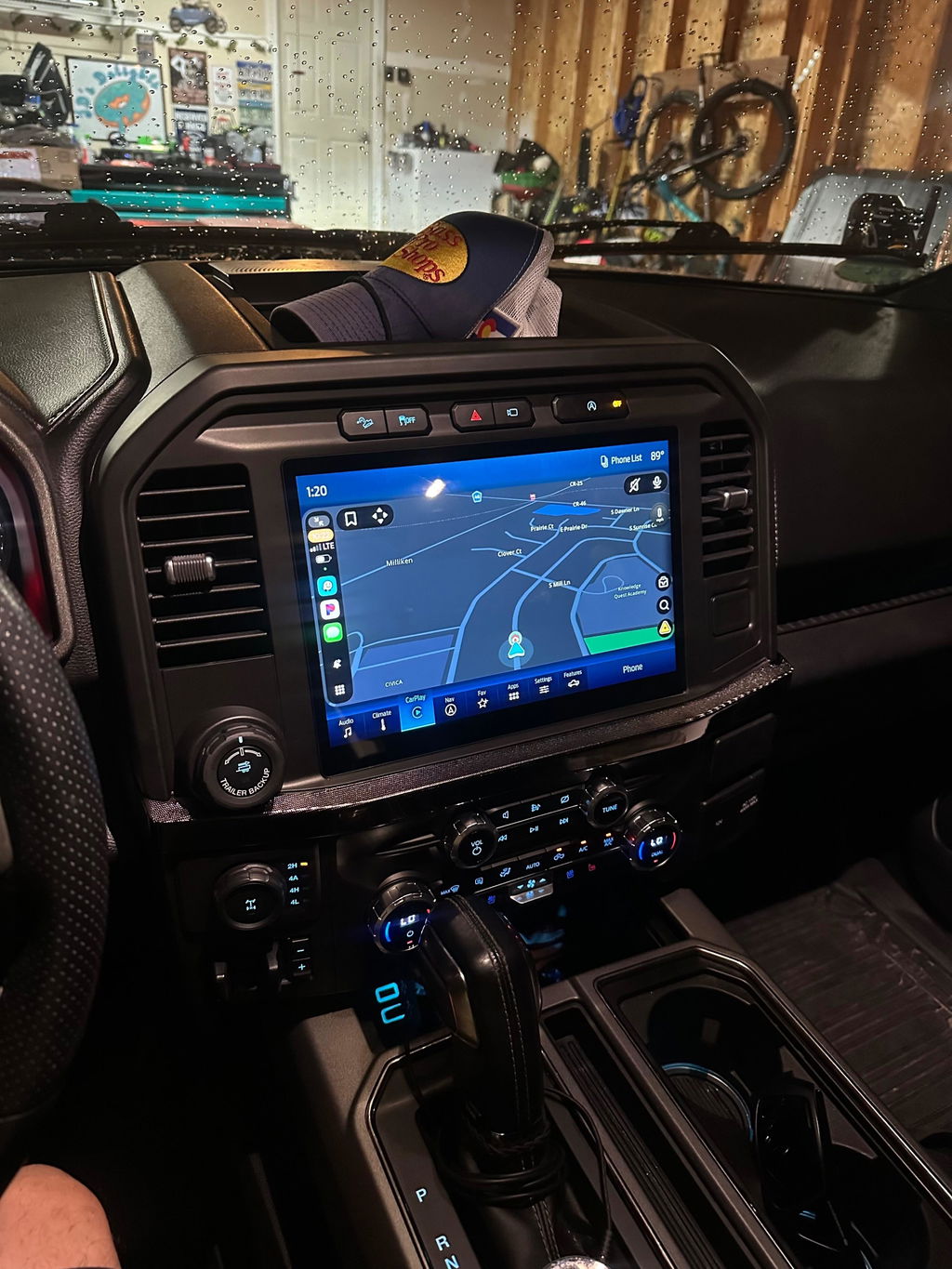
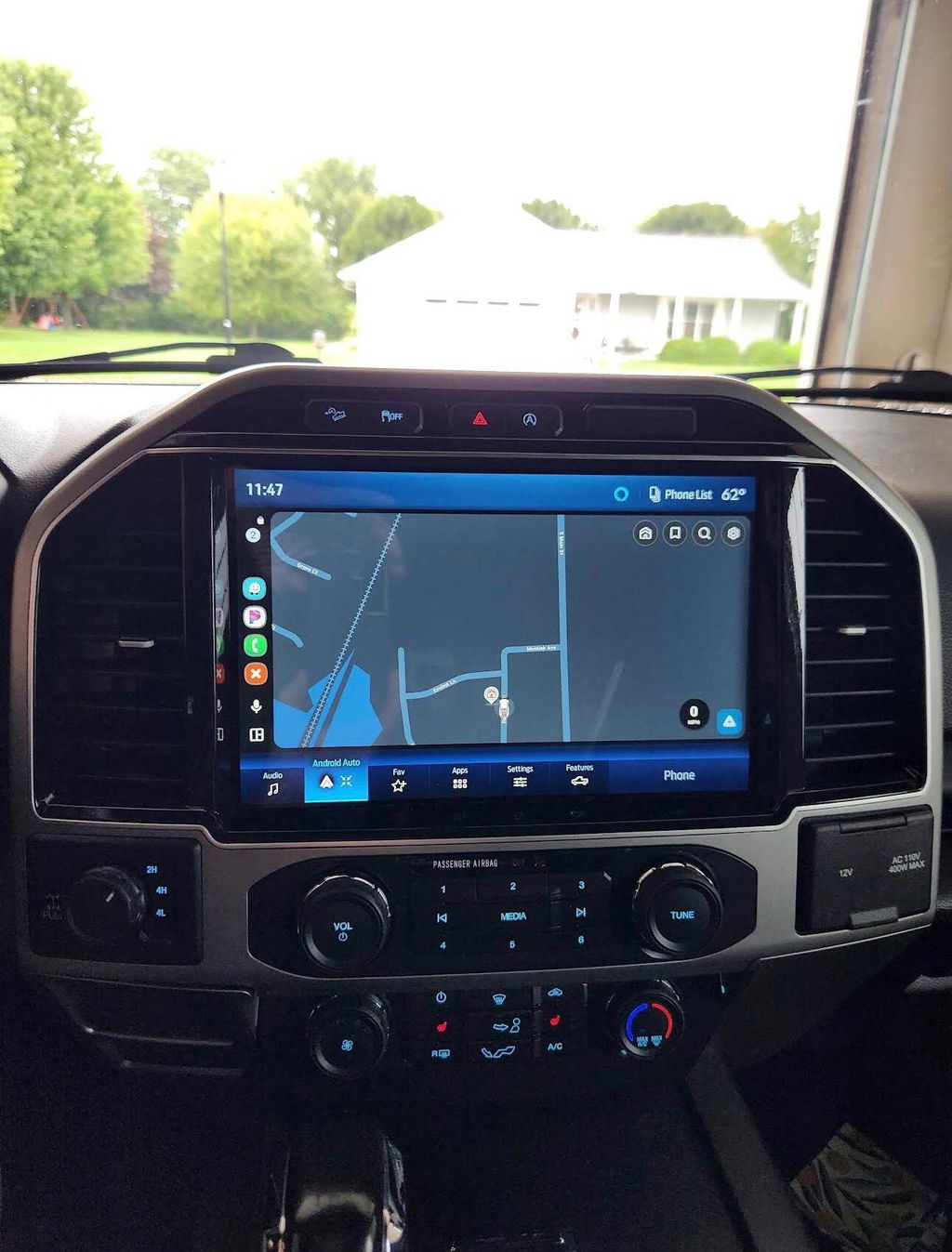
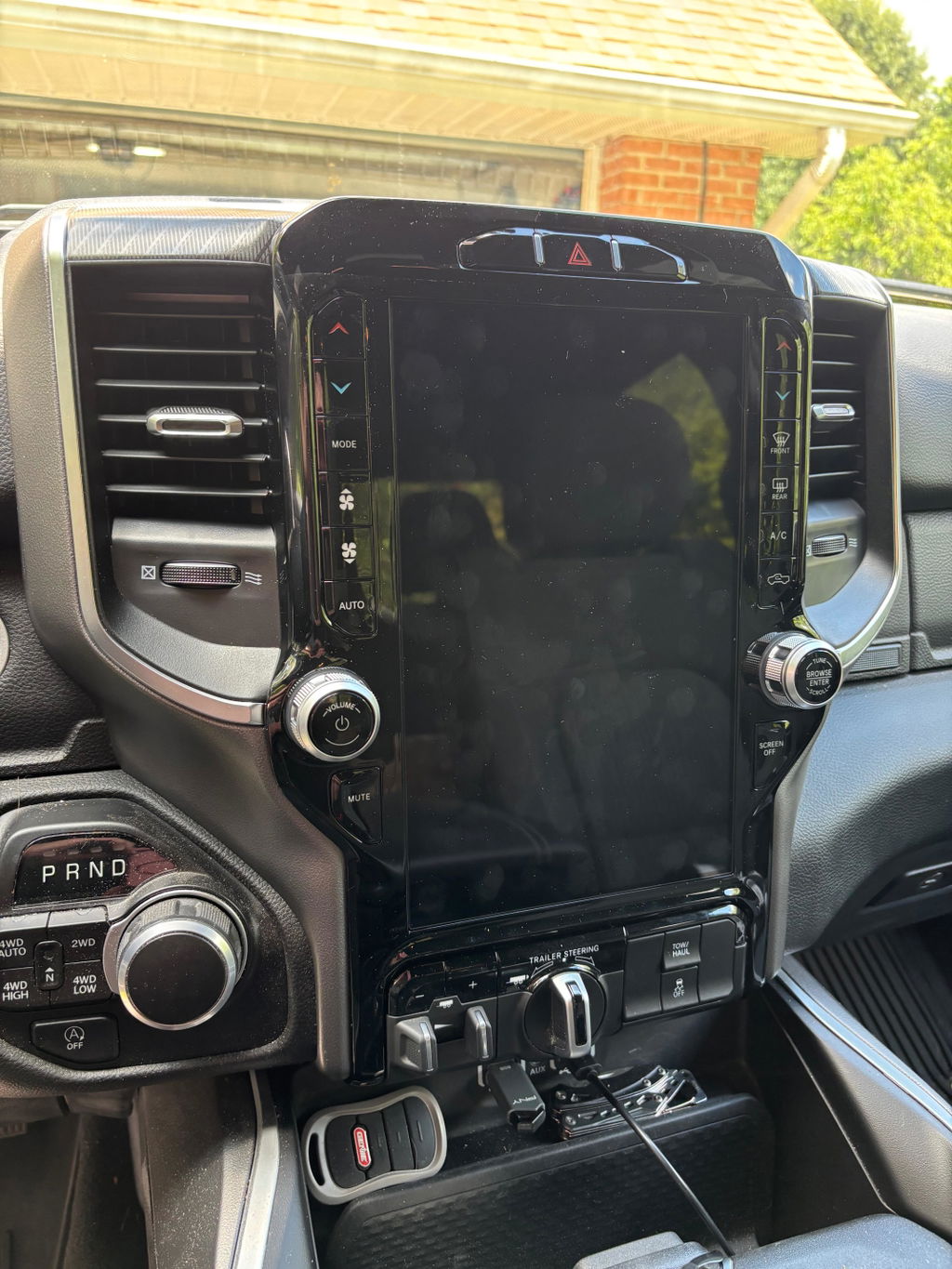
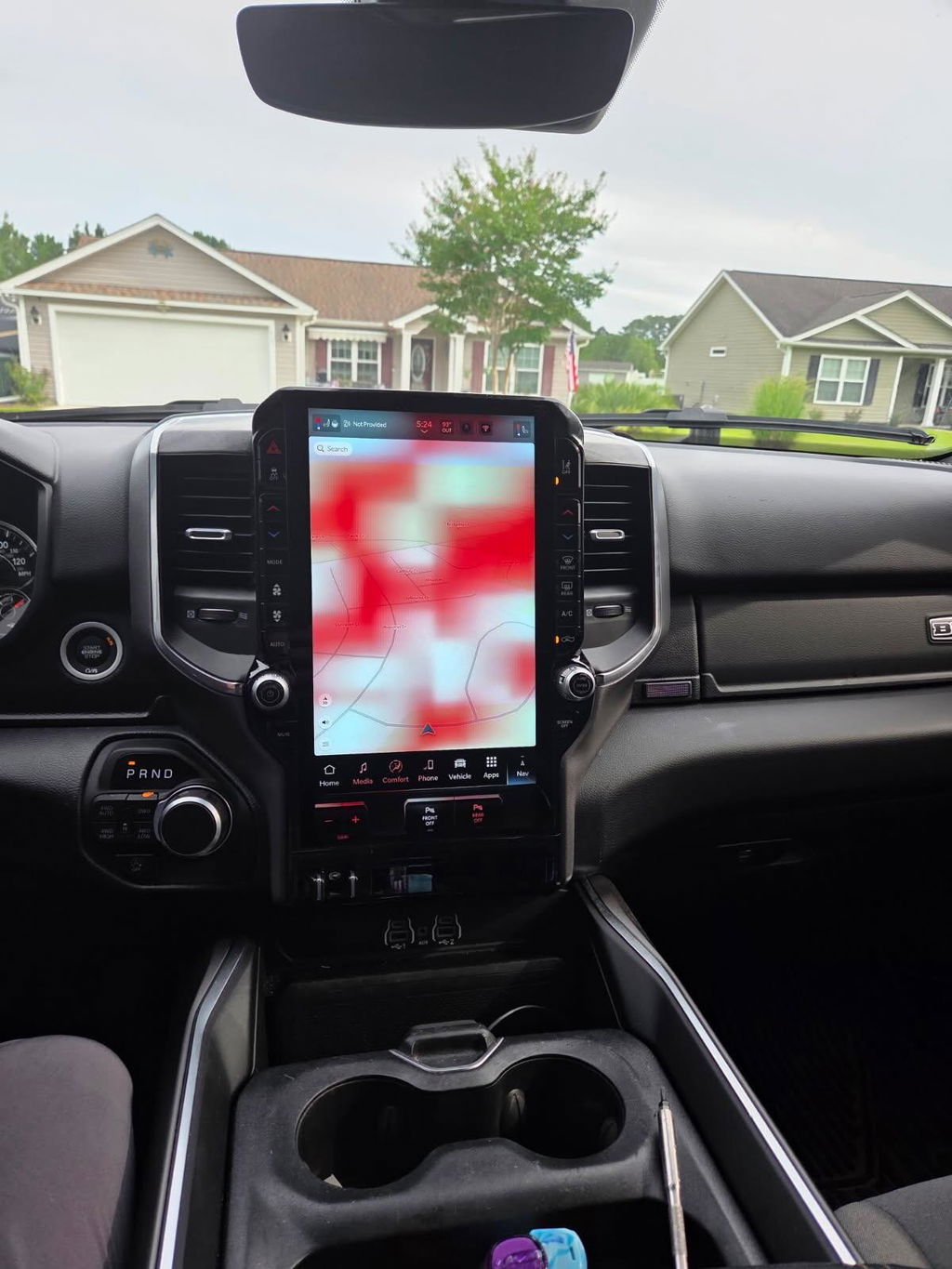
For a realistic example, think in terms of a late-model Ram or Ford truck owner moving from a basic analog or smaller-screen instrument cluster to a factory-style digital cluster. The goal is not custom fabrication or a universal display. The goal is an OEM-based conversion that looks factory, communicates correctly with the truck, and preserves normal functions such as menu navigation, warning indicators, gear display, vehicle info pages, and driver-assist messaging where equipped.
That matters because many buyers are not chasing novelty. They want a higher trim experience without trading the truck in. A digital cluster changes the cabin every time the key is turned, and unlike some cosmetic mods, it gets used on every single drive. If the upgrade is done right, it feels like the truck should have come this way from the factory.
Starting point: the typical truck owner problem
The most common starting point is a truck with a strong drivetrain and good overall condition, but an interior that shows its age through the instrument panel. Analog gauges with a small center screen still do the job, but they can make the rest of the cab feel dated, especially when the truck already has other OEM-style upgrades such as a larger touchscreen, Uconnect update, or factory feature additions.
In this case study scenario, the owner wants three things. First, a more modern display with clearer information. Second, an installation path that does not require cutting, splicing, or gambling on universal electronics. Third, confidence that the cluster will behave like a factory component, not like an add-on that throws warning lights or loses functions after install.
That last point is where many retrofit projects go sideways. The hardware may physically fit, but that does not guarantee proper communication with the rest of the vehicle. Clusters are not isolated screens. They sit at the center of a lot of vehicle data, and if the programming side is wrong, the truck lets you know fast.
The hardware side of a digital cluster retrofit case study
The physical install is usually the easiest part to understand and the easiest part to underestimate. On most supported platforms, an OEM-based digital cluster retrofit is designed around factory mounting points and factory-style connections. That is what makes plug-and-play kits attractive in the first place. The customer is not trying to invent a new solution. They are upgrading within the architecture the truck already uses.
Still, hardware compatibility is more specific than many buyers assume. Model year, trim level, engine configuration, and original cluster type can all affect what works. A truck owner shopping by appearance alone can easily end up with a cluster that came from a different configuration and does not match the vehicle's expected data set.
That is why vehicle-specific fitment matters more than screen size or graphics. A good retrofit starts with the correct part strategy, not the most appealing display on a product photo.
Programming is where the case study is won or lost
Here is the part that separates a clean OEM-style upgrade from a mess. The cluster has to be configured for the truck so that the vehicle recognizes it properly and the display reports the right information. Depending on platform, that can include VIN-related setup, mileage considerations, feature configuration, and adapting the cluster to installed equipment.
If the programming is incomplete or mismatched, the owner may see warning messages, inoperative menus, incorrect options, missing pages, or functions that are present on the screen but not actually supported by the truck. None of that feels OEM.
In a successful digital cluster retrofit case study, the programming process is treated as part of the product, not as an afterthought. That is one of the biggest advantages of a vehicle-specific kit approach. Instead of asking the customer to source parts from multiple places and then find somebody willing to make them communicate, the upgrade path is built around known compatibility.
For the average truck owner, that lowers risk in a big way. It also protects the value of the upgrade. A digital cluster is not cheap enough to justify guesswork.
Real-world results after installation
When the retrofit is done correctly, the improvement is immediate. Start-up feels newer. Information is easier to read. The cabin looks more in line with a premium trim package. On trucks that already have factory-style infotainment upgrades, the digital cluster helps the interior feel consistent rather than split between old and new tech.
There is also a practical side. Drivers who tow, travel off-road, or spend long hours in the truck benefit from cleaner information layout and improved access to vehicle data. That does not mean every digital cluster adds brand-new capability. Sometimes the main value is better presentation of features the truck already supports. But that still matters. If information is easier to access and easier to interpret, the truck is better to live with.
The trade-off is simple: the visual and functional gain is significant, but only when the upgrade is matched correctly to the truck. A cluster that looks premium but introduces errors is a downgrade, not an upgrade.
What buyers usually get wrong
Most problems come from buying around the system instead of buying for the system. A used cluster from a marketplace listing may look like a bargain, but if its original application does not match the truck, the buyer can end up chasing programming issues, compatibility gaps, or missing features that erase any initial savings.
The other mistake is assuming all OEM parts are automatically plug and play. OEM parts are the right foundation, but they still need the correct vehicle context. That is why a packaged, platform-specific solution has so much value. It reduces the number of unknowns.
For Ram and Ford owners especially, that matters because trim and generation differences are not minor details. They define whether the cluster will behave correctly once it is installed.
Who this upgrade makes sense for
A digital cluster retrofit makes the most sense for owners planning to keep the truck and who care about factory-style integration. If the truck is already in good shape mechanically and the owner is improving the interior with OEM-based upgrades, the cluster is one of the most noticeable changes available.
It also makes sense for buyers who have outgrown pieced-together aftermarket electronics. A lot of truck owners start there because universal products look cheaper at first. Then they run into wiring work, fitment compromises, software quirks, and a finished result that never quite feels right. An OEM-based retrofit is usually less dramatic, but that is the point. It looks like it belongs.
If the owner only wants a cosmetic change and does not care about integration, there are cheaper ways to alter the dash. But for buyers who want a factory-grade result, the case study points in the same direction every time: compatibility and programming matter more than chasing the lowest price.
The value of a kit-based approach
A strong retrofit outcome usually comes from using a kit built around exact vehicle fitment, OEM genuine components, and a clear install path. That removes a lot of friction from the process. The buyer knows what years and trims the upgrade supports, what functions to expect, and what is required to complete the conversion.
That is the reason companies like DD Offroad focus so heavily on plug-and-play, platform-specific upgrades. Truck owners are not looking for more complexity. They want the shortest path to a clean result.
The best part of a digital cluster retrofit is not the first five minutes after installation. It is the fact that six months later, the truck still feels right every time you drive it. If you are considering the upgrade, the smart move is to treat fitment and programming as the product - not just the screen in the box.