Ram Digital Cluster Upgrade: What to Know
Share
If you drive a Ram every day, the instrument cluster is one of the few parts of the truck you look at constantly. That is exactly why a ram digital cluster upgrade gets attention fast. It changes the cabin more than most owners expect, not because it adds flashy gimmicks, but because it brings the truck closer to the factory-equipped trims that came with a cleaner, more modern display.
For many Ram owners, the real question is not whether a digital cluster looks better. It does. The question is whether the upgrade makes sense for your specific truck, your factory options, and the way you use it. That is where the difference between a clean OEM-style conversion and a random aftermarket screen matters.
Why a ram digital cluster upgrade is worth considering
A digital cluster changes the driving experience in a practical way. You get a sharper display, improved menu layout, and a more current factory appearance. On the right truck, it can also make the interior feel years newer without changing the character of the vehicle.
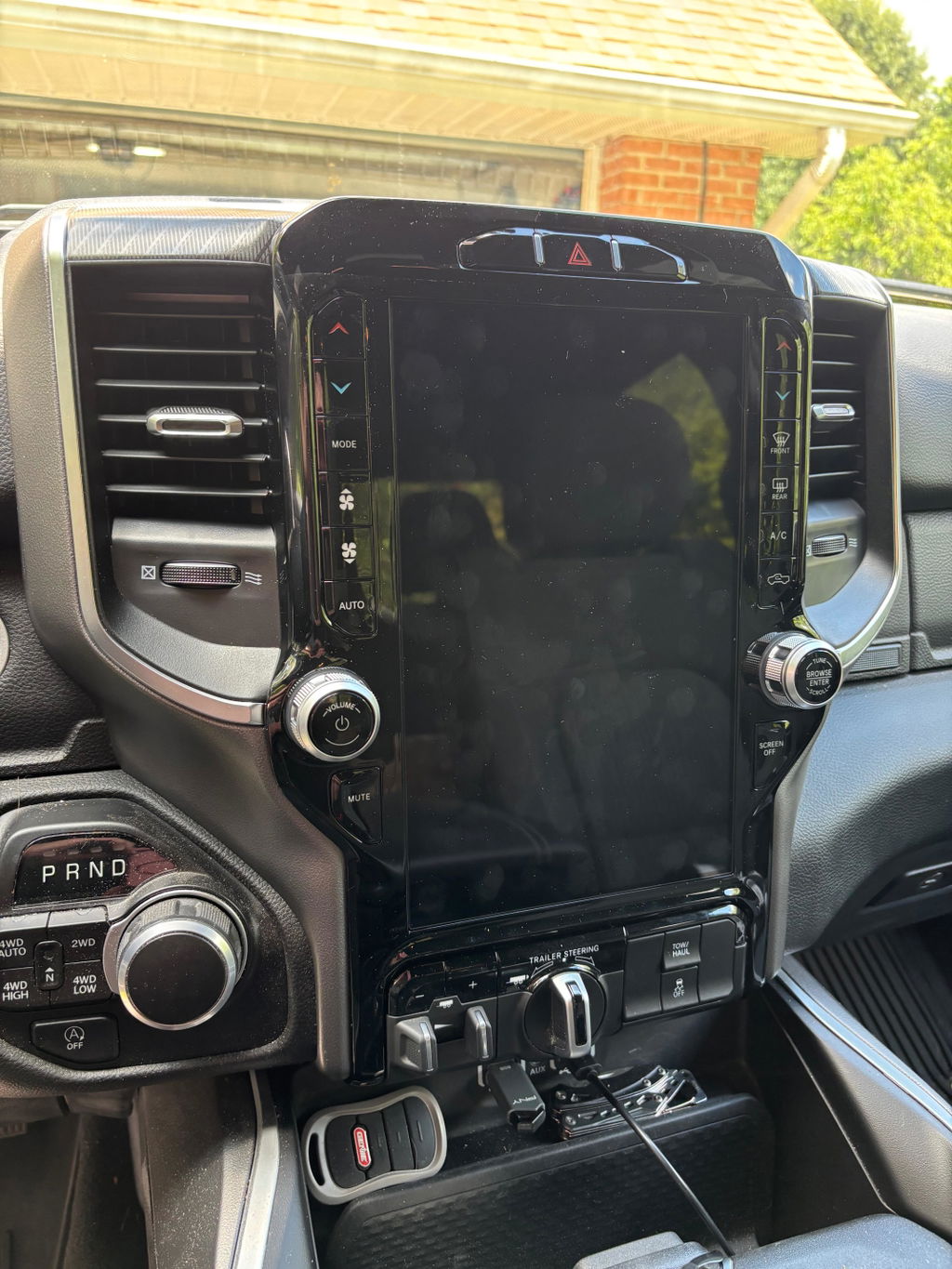
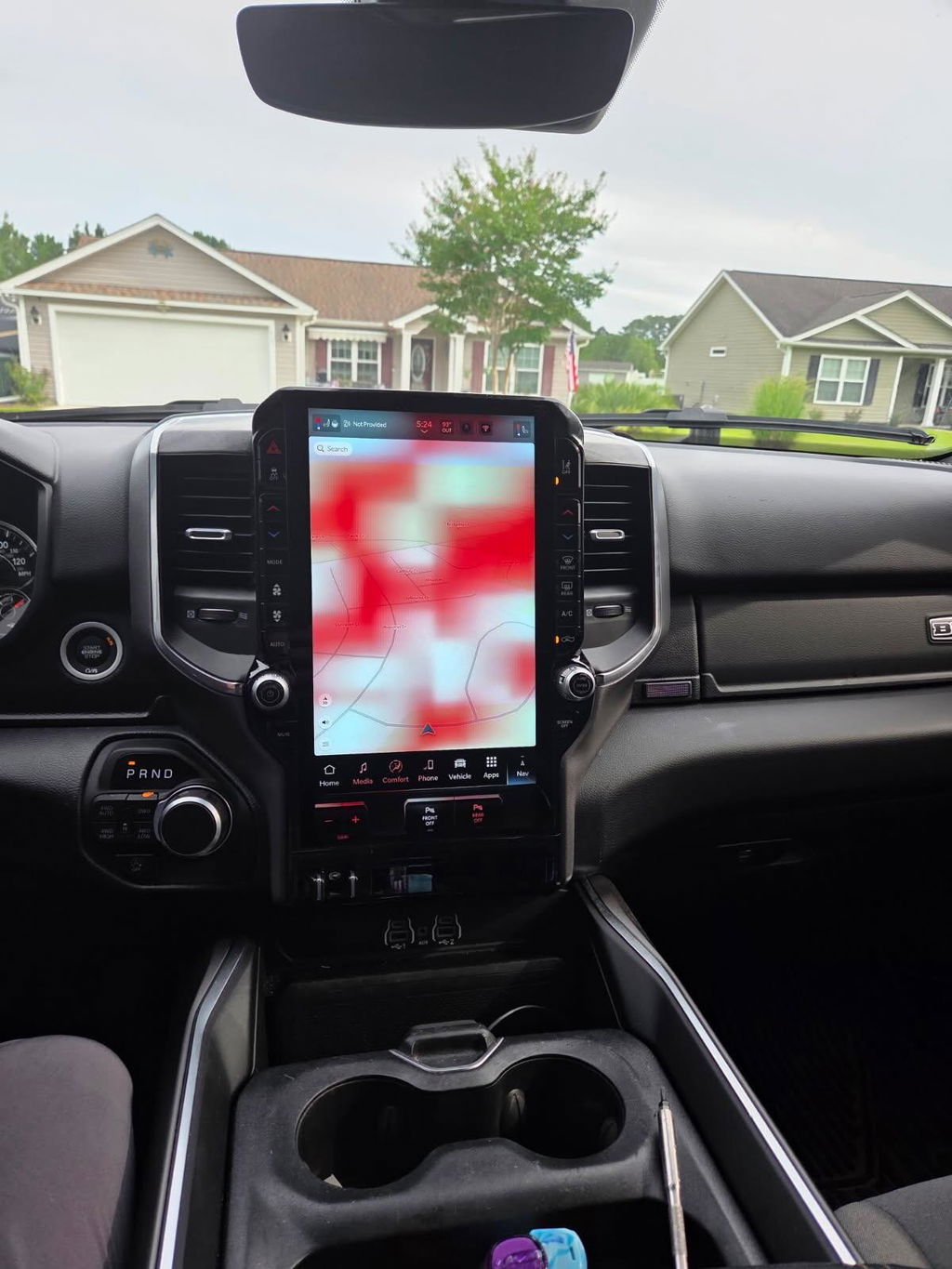
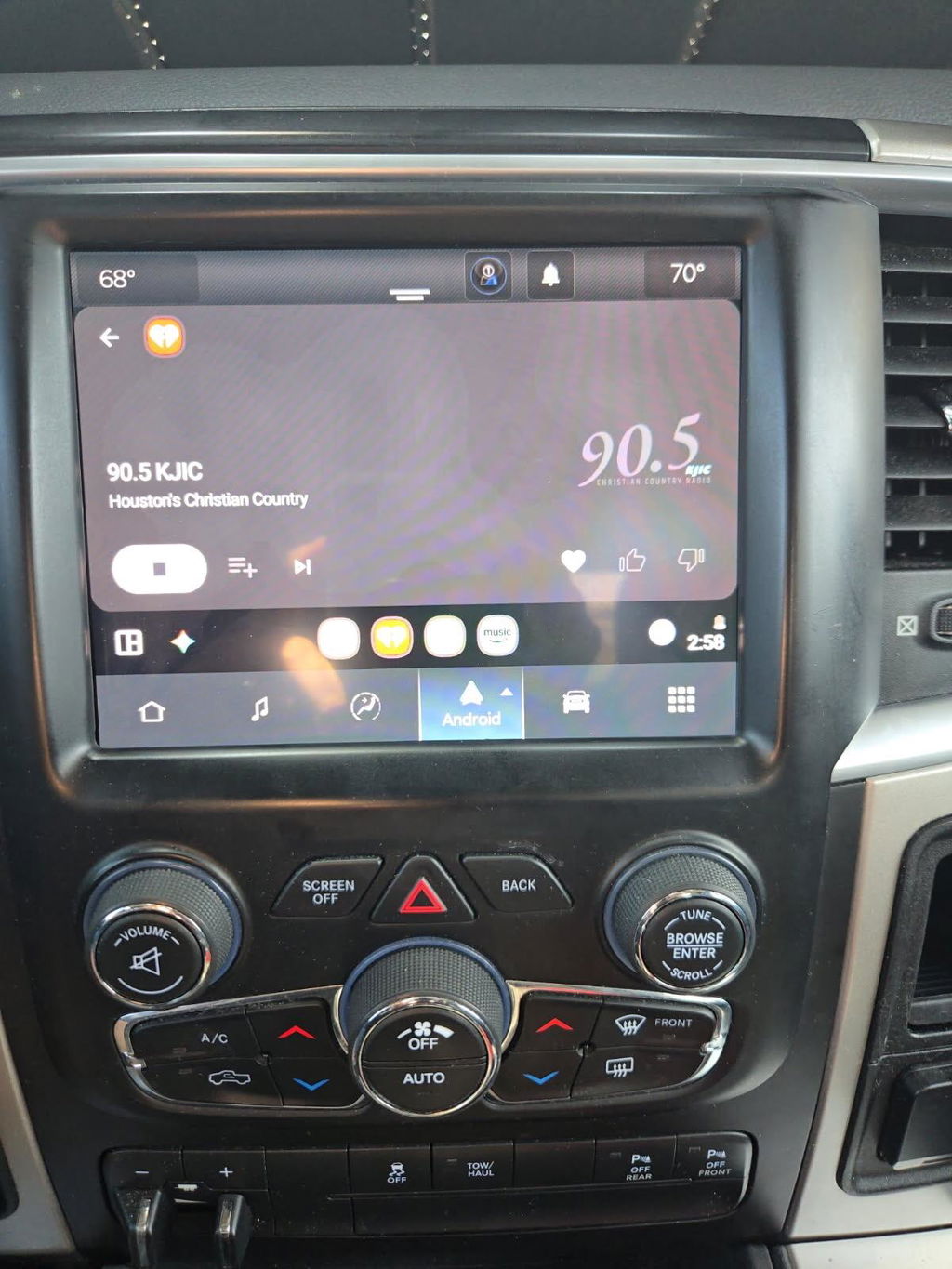
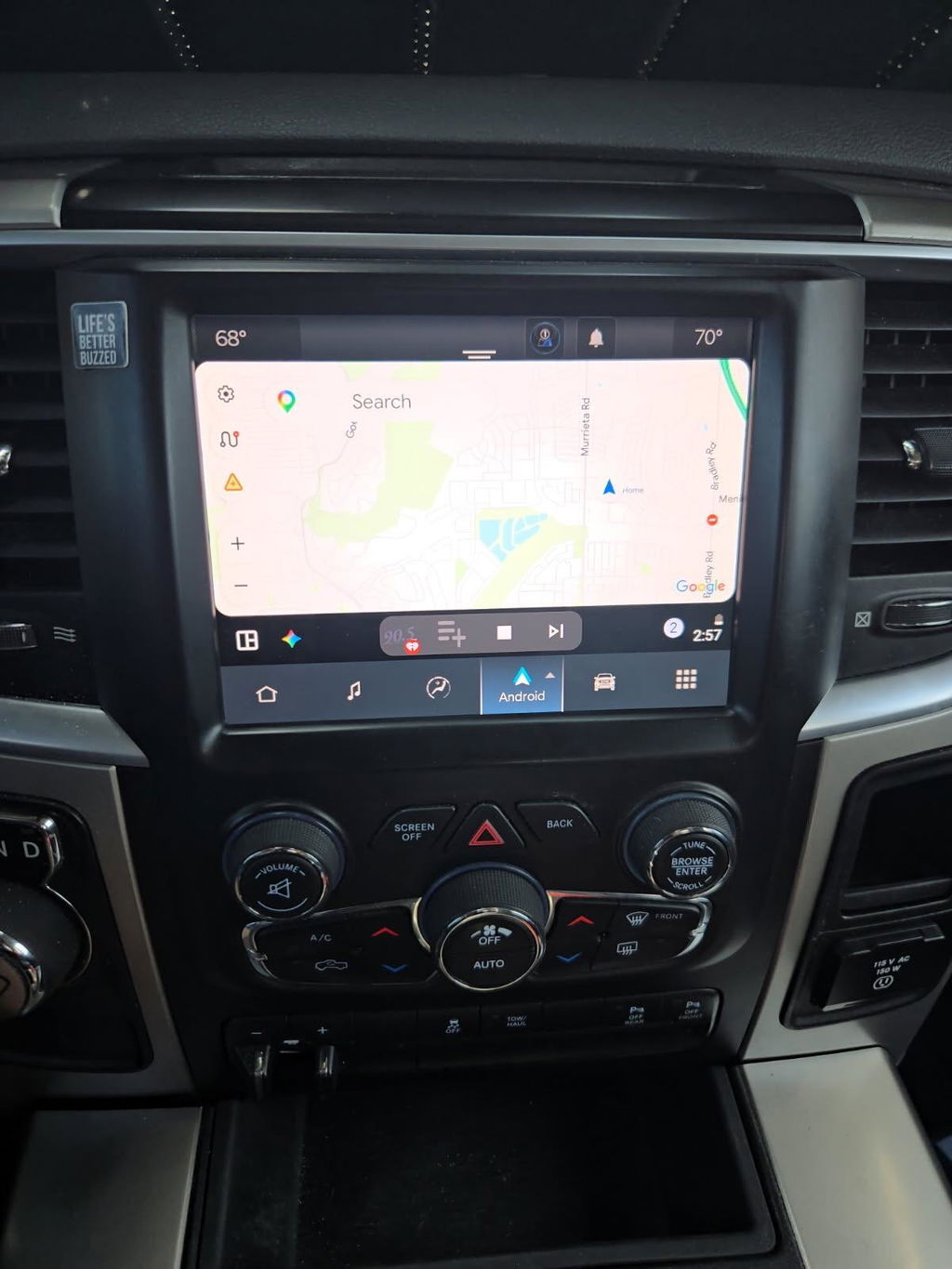
This is especially appealing for owners who already have a higher trim steering wheel, a larger Uconnect screen, or other factory-style upgrades. If the center stack has been modernized but the gauge cluster still looks dated, the cabin can feel unfinished. A digital cluster helps tie everything together.
There is also a value argument. A properly integrated OEM-based upgrade generally holds up better than universal electronics. It looks right, functions like it belongs there, and avoids the hacked-in feel that turns a lot of truck owners away from generic aftermarket solutions.
What actually changes with a digital cluster
The biggest change is visual, but the benefit goes beyond appearance. A digital cluster replaces the more limited stock display with a full-screen interface that can present vehicle information in a clearer format. Depending on the platform and the exact cluster configuration, you may see improved graphics, more customizable information screens, and a layout that better matches newer Ram interiors.
That does not mean every feature magically appears just because the screen is installed. Some functions depend on the truck’s existing equipment. If your truck was not originally equipped with certain sensors, camera views, or driver assistance features, the cluster cannot create that hardware on its own. This is one of the most important things buyers need to understand before ordering.
A good upgrade should preserve factory logic. Warning lights, menus, and standard vehicle data need to behave the way Ram intended. That is why vehicle-specific compatibility matters so much here.
OEM-based upgrade vs generic aftermarket cluster
This is where a lot of owners either save themselves time or create a headache.
A generic aftermarket solution may promise broad compatibility, but broad compatibility usually means compromises. Fitment can be inconsistent, factory menus may not communicate properly, and the finished result often looks added-on instead of factory-correct. That might be acceptable on a dedicated project truck. It is a tougher sell on a daily-driven Ram where reliability and clean integration matter.
An OEM-based cluster upgrade is different. The goal is not to reinvent the truck’s electronics. The goal is to add a factory-style component that works with the platform, fits the dash correctly, and maintains the interior’s original design language. For most Ram owners, that is the smarter route.
This is also why plug-and-play matters. Nobody wants to cut up a harness or chase electrical issues because a low-cost part looked good in photos. A vehicle-specific kit built around genuine components and known compatibility removes a lot of that risk.
Fitment matters more than most buyers think
When shoppers search for a ram digital cluster upgrade, they usually focus on screen style and price first. Fitment should come first.
Ram platforms vary by model year, trim, body style, and factory equipment. A cluster that works on one generation may not work on another. Even within the same generation, differences in electronics architecture can affect what is required for installation and programming.
That means you need to verify more than just "Ram 1500" or "Ram HD." You should know your exact year range, original cluster type, current infotainment setup, and whether the upgrade kit is built specifically around those details. If a seller cannot explain compatibility in a direct way, that is a red flag.
A proper kit should be marketed with exact fitment, not vague promises. That is one of the advantages of shopping with a specialist that focuses on model-year-specific OEM upgrade paths instead of universal electronics.
Installation and programming
Most truck owners are fine with basic interior disassembly. The concern is what happens after the hardware is plugged in.
With a true plug-and-play setup, the physical install is usually the easy part. The more important issue is programming and configuration. Modern Ram electronics are networked systems. The cluster needs to communicate correctly with the truck so the display, mileage handling, menus, and vehicle settings function as expected.
This is where people get burned by pieced-together parts. Buying a used cluster, guessing at compatibility, and hoping it works is rarely the cheapest path once programming issues start. You may still end up needing additional components, model-specific setup, or support to get everything operating correctly.
A complete upgrade kit reduces that uncertainty. It is built around the idea that the buyer wants a predictable outcome, not a wiring experiment. For many customers, that peace of mind is worth more than chasing the lowest initial price.
What features can you expect?
The answer depends on the truck and the exact cluster, but most owners are after three things: a newer factory look, better display clarity, and a more premium in-cabin feel.
On compatible setups, the digital cluster can provide more useful data presentation and a more refined user experience than the older analog-based arrangement. Navigation-style visuals, cleaner menu transitions, and improved information layout are part of the appeal. But expectations need to stay realistic. If your truck lacks supporting hardware for certain premium functions, the cluster will not override that limitation.
That is not a drawback of the upgrade itself. It is just how factory systems work. The upside is that when everything matches correctly, the result feels integrated instead of forced.
Is the upgrade worth the cost?
For the right buyer, yes. But it depends on what you value.
If your goal is the cheapest possible change to the dash, a digital cluster may not be the answer. There are less expensive cosmetic mods. But if you want a meaningful interior upgrade that looks factory, improves daily use, and complements other OEM-style enhancements, the value is easier to justify.
This is particularly true for owners keeping their trucks long term. You interact with the cluster every time you drive. Unlike some exterior mods, this is an upgrade you actually experience every day. A well-executed digital cluster conversion can make an older truck feel more current without sacrificing the OEM character that made you buy a Ram in the first place.
It also tends to make more sense when paired with other interior upgrades. If you are already considering a larger Uconnect conversion or other factory-style electronic improvements, the cluster can be part of a more complete cabin refresh.
Who should skip a ram digital cluster upgrade?
Not every Ram owner needs one.
If your truck is a basic work vehicle and you care only about function, the stock cluster may be enough. If you plan to sell the truck quickly, you may not get enough personal use out of the upgrade to justify the spend. And if you are shopping only by lowest price, this category can be frustrating because the best outcomes usually come from properly matched OEM-based kits, not bargain-bin electronics.
There is also the reality that some owners expect every modern feature to appear after installation. That is not how factory integration works. A cluster upgrade is a significant improvement, but it still depends on the truck it is being installed into.
Buying the right kit the first time
The safest path is simple. Buy a vehicle-specific solution from a seller that understands Ram platform differences, states fitment clearly, and builds the offer around OEM Genuine Components and Plug and Play installation. That is the difference between upgrading your truck and troubleshooting someone else’s bad parts mix.
At DD Offroad, that product-first approach is the whole point. Ram owners want clear compatibility, competitive pricing, and a clean installation path. They do not want to decode vague listings or gamble on universal electronics that may or may not communicate with the truck.
A ram digital cluster upgrade is one of those rare interior mods that can look premium, feel factory, and improve the truck every time you drive it. If you choose the right kit for your exact application, the result is not flashy for the sake of being flashy. It just feels like the truck should have come that way from the start.