Are Factory Radios Upgradeable? Truck Owner Answers
Share
A small factory screen, wired-only phone connection, or missing navigation can make an otherwise capable truck feel years behind. So, are factory radios upgradeable? In many Ram, Ford, Dodge, Jeep, and Chrysler vehicles, yes - but the right answer depends on the vehicle year, original equipment, wiring architecture, and whether the replacement system is configured for your truck.
The best upgrades do not treat the radio as a standalone box. Modern factory infotainment systems often control cameras, climate settings, steering-wheel buttons, vehicle menus, audio amplifiers, and safety-related alerts. That is why an OEM-based, vehicle-specific kit is usually a better path than forcing a universal radio into a factory dash.
Are Factory Radios Upgradeable Without Losing Features?
Factory radios can often be upgraded while retaining the features truck owners use every day. The key is matching the upgrade to the platform instead of choosing based only on screen size or a feature list.
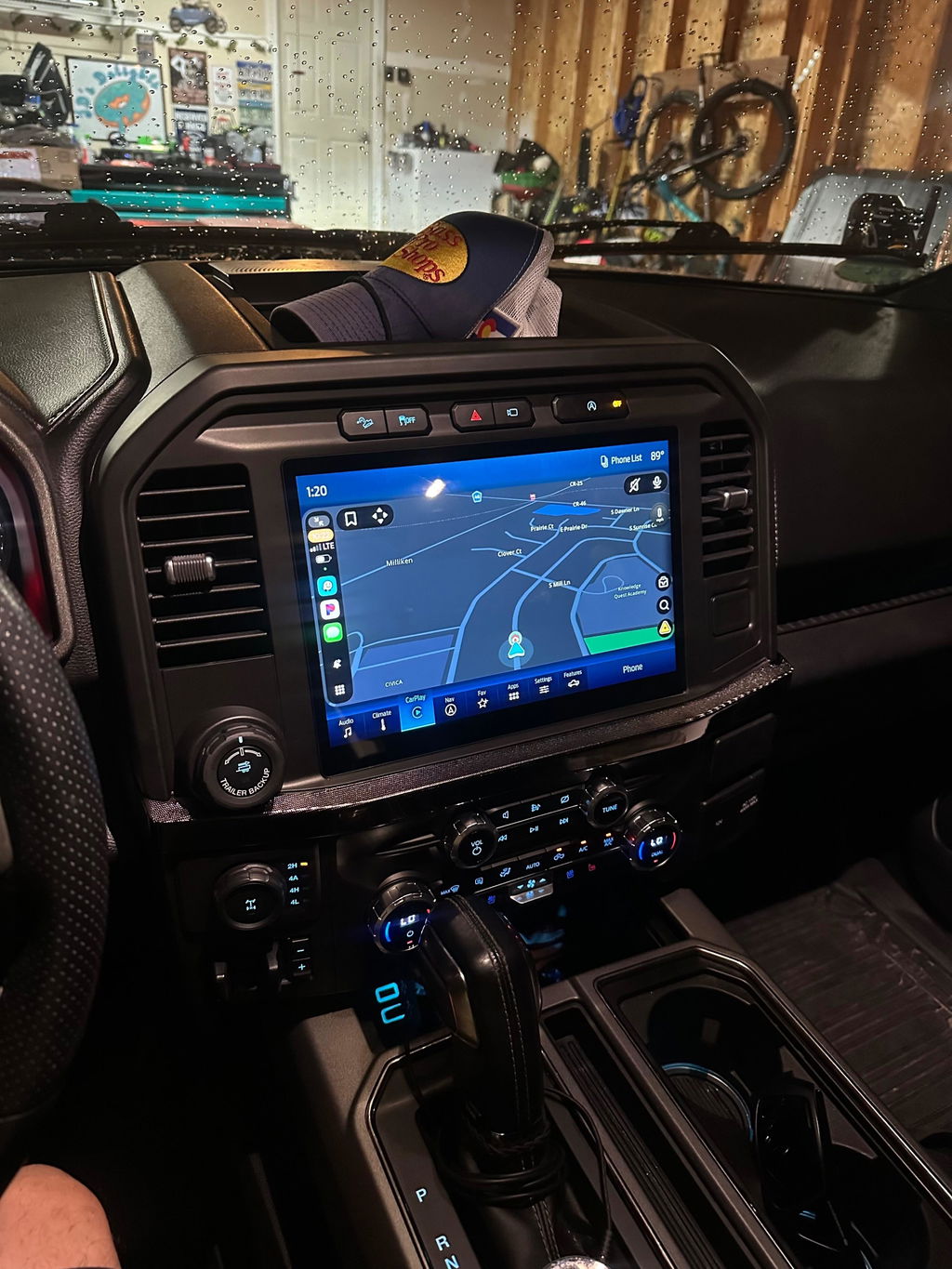
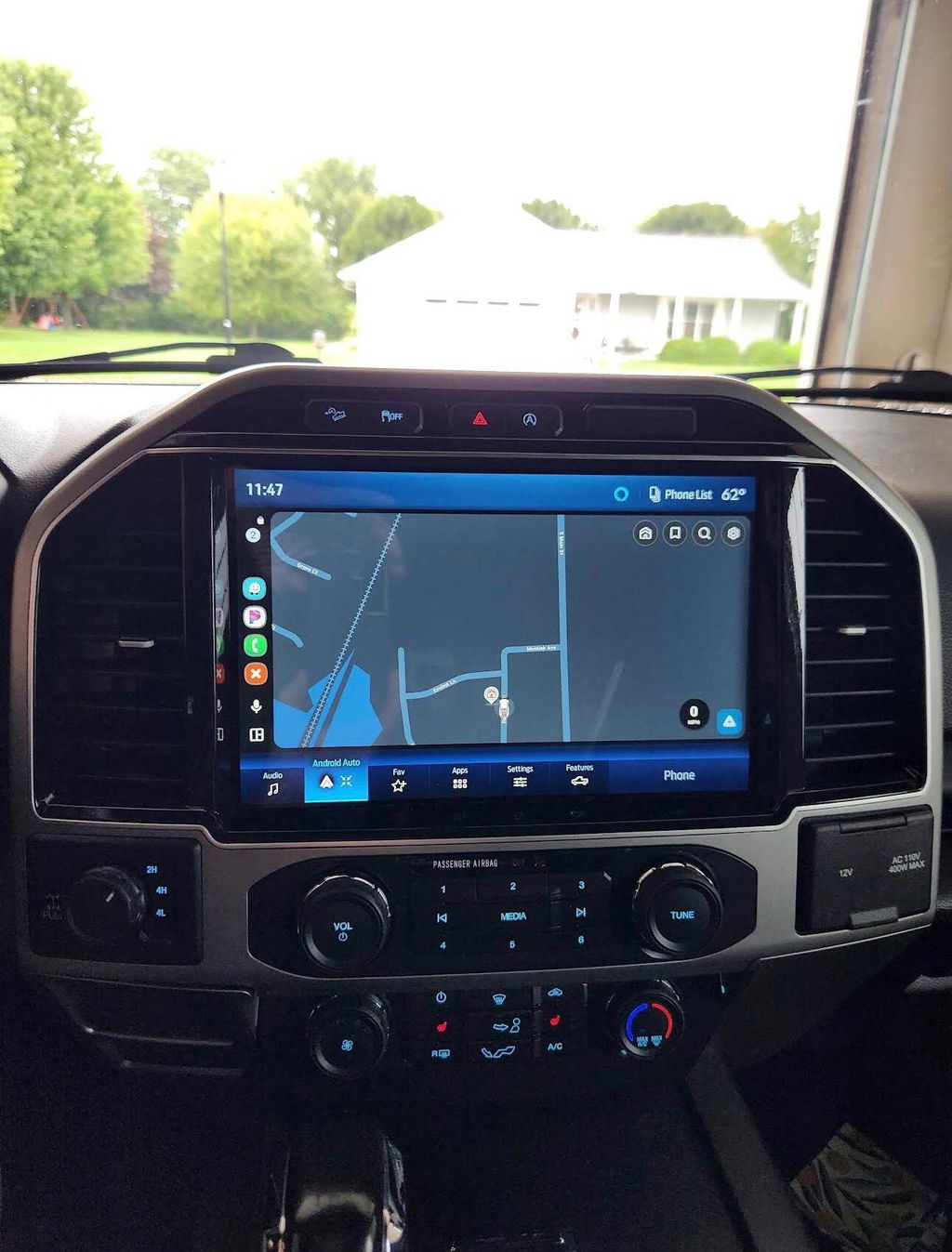
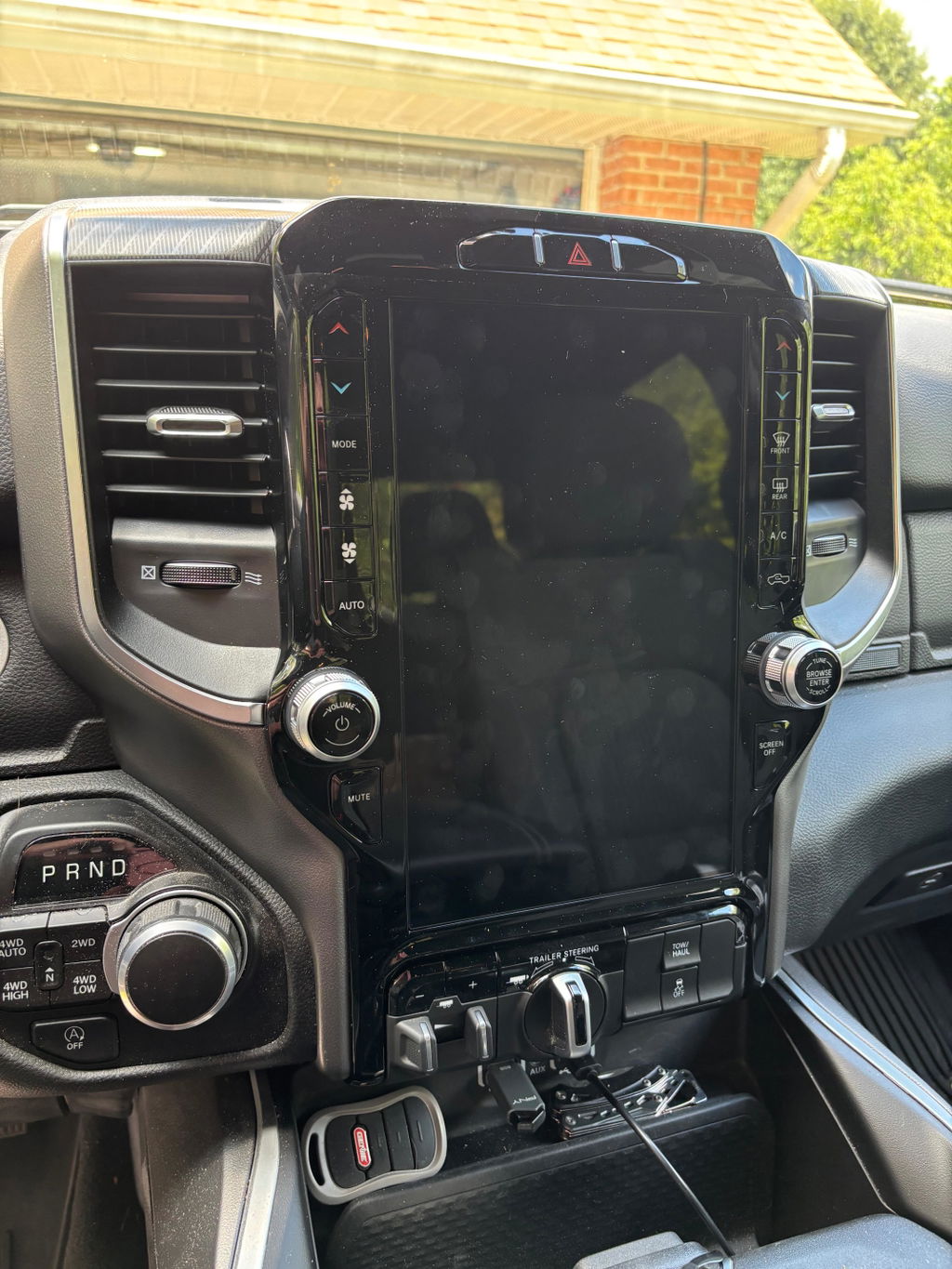
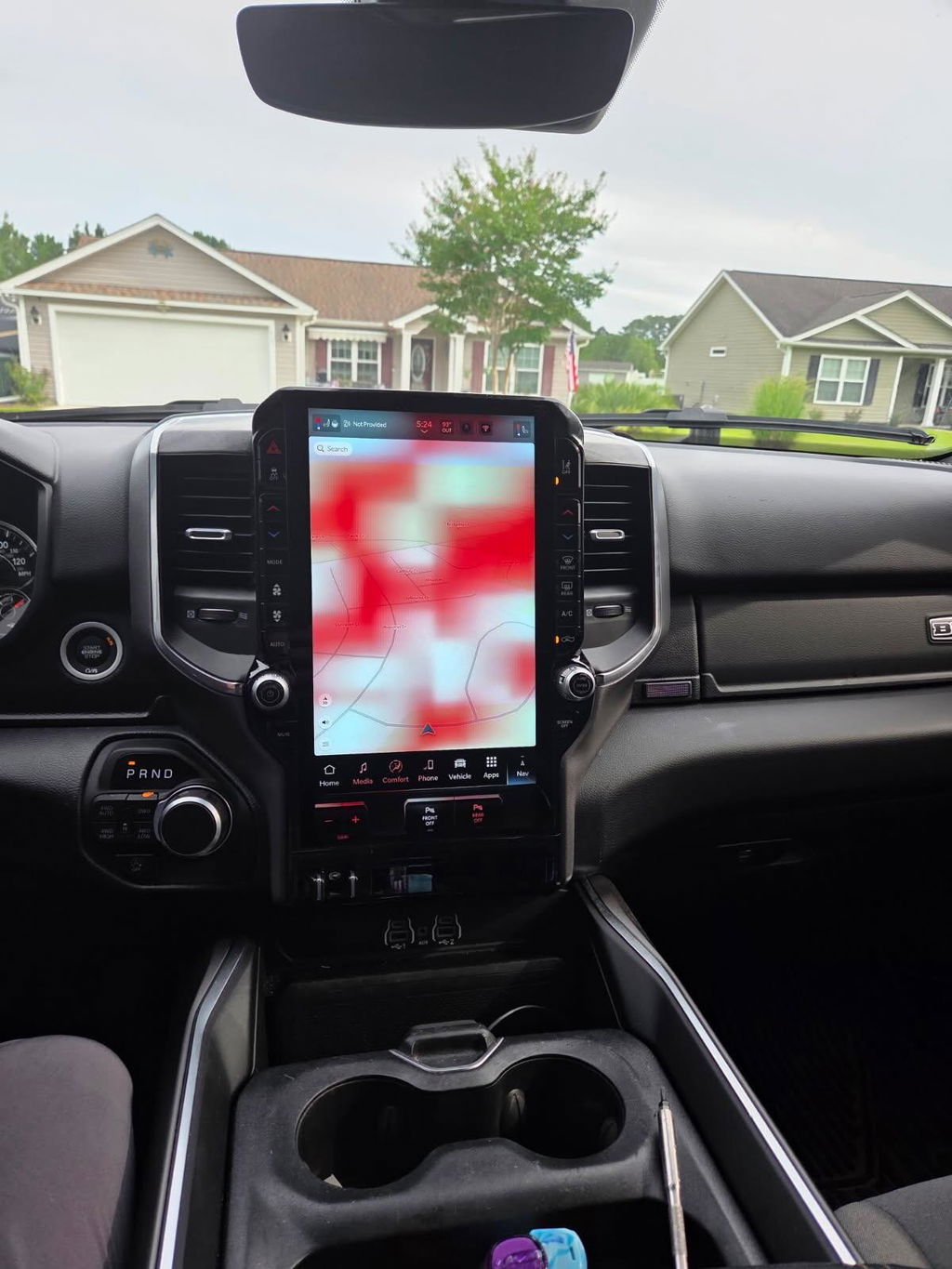
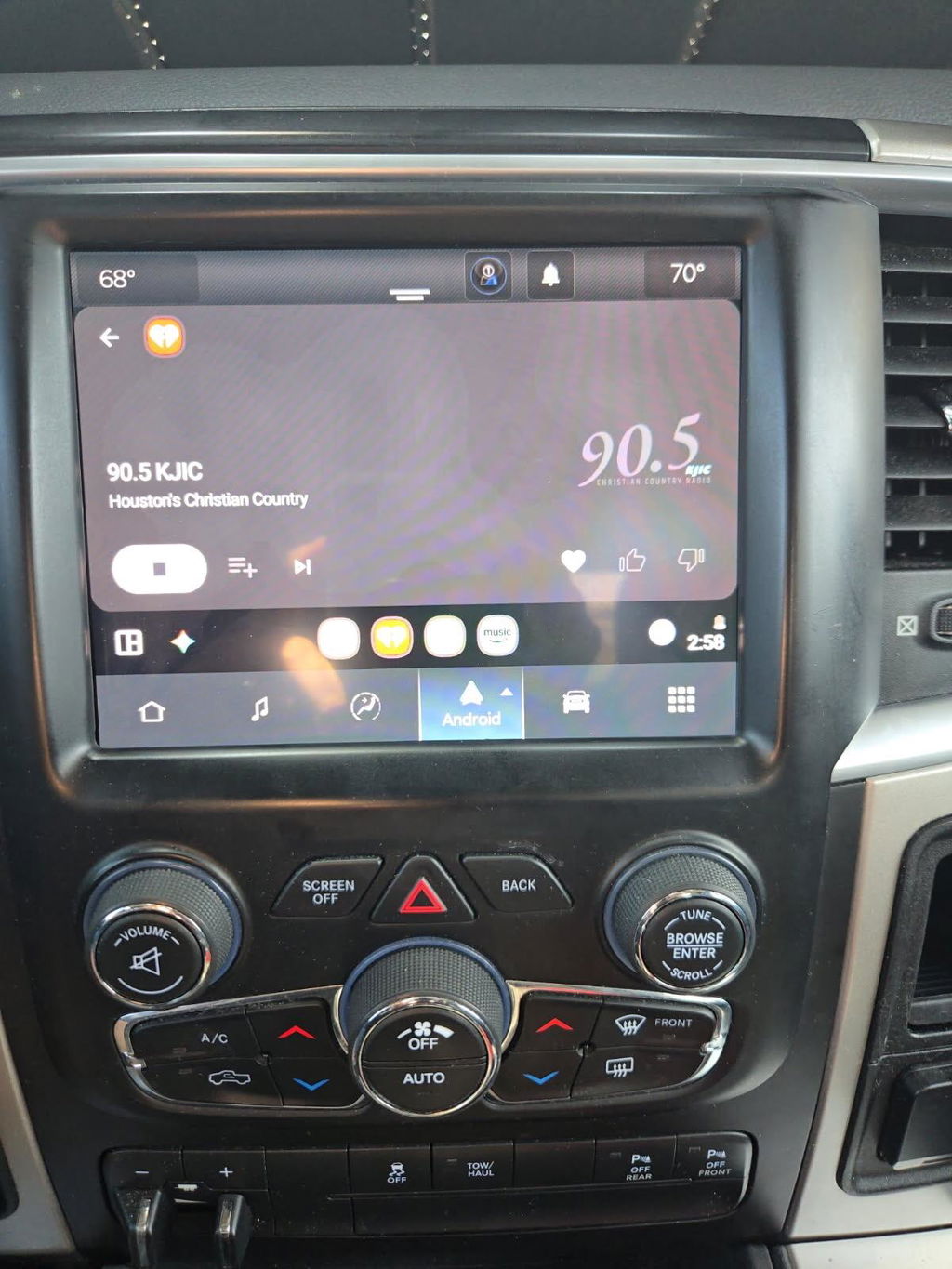
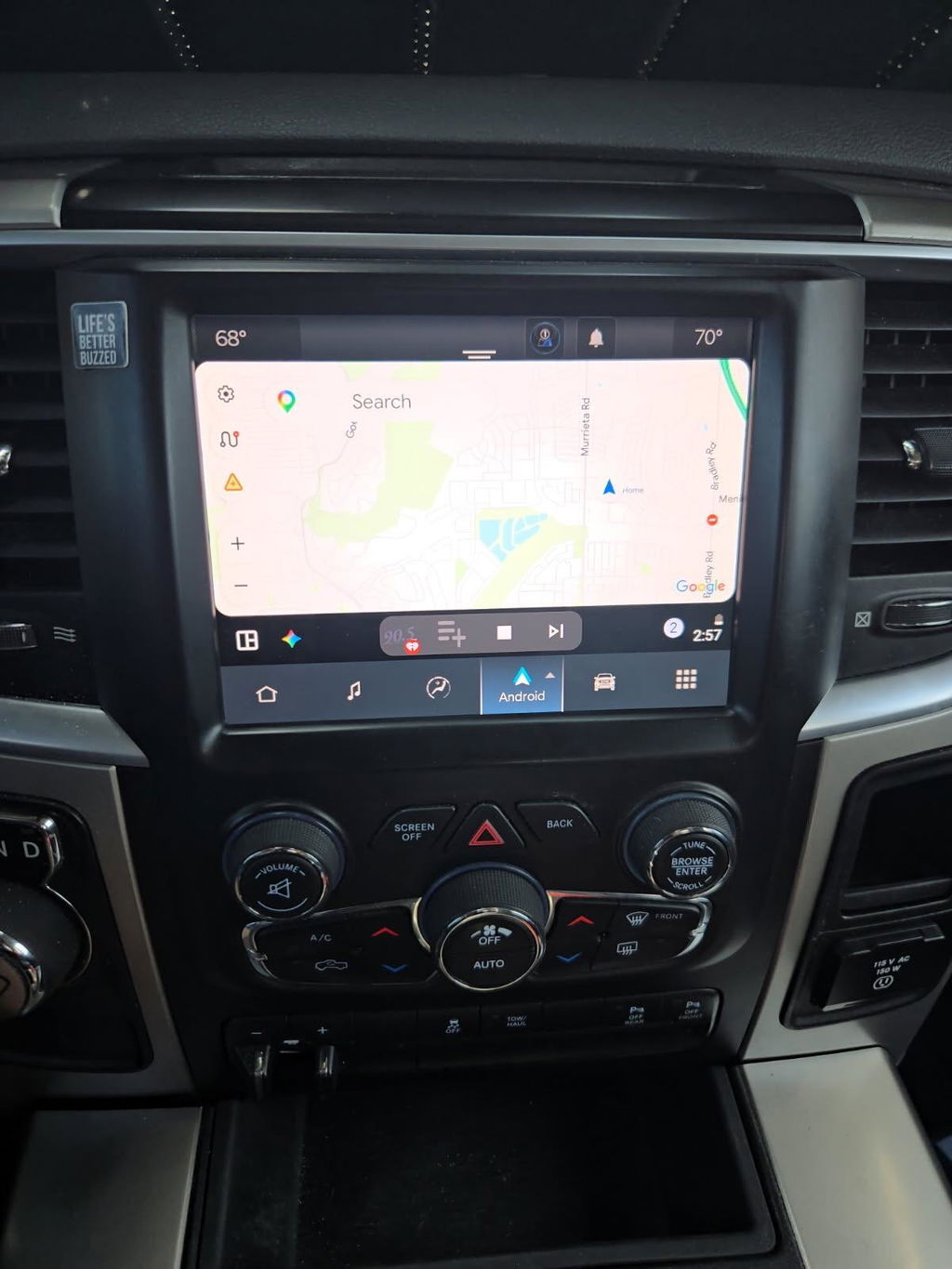
On many Ram trucks, for example, moving from an older Uconnect system to a newer OEM-style touchscreen can add a larger display, improved interface, wireless Apple CarPlay, wireless Android Auto, and updated media functions. On Ford platforms, an infotainment conversion may require the correct screen, module, USB hub, antenna components, and programming to communicate properly with the truck.
A properly matched conversion is designed to preserve factory integration. That can include the backup camera, steering-wheel controls, factory microphone, parking sensors, satellite radio hardware, factory amplifier, and vehicle settings. Exact retained features still vary by trim and original radio configuration, so fitment is not a detail to skip.
The term "plug and play" also needs a realistic definition. A quality kit can eliminate cutting, splicing, and custom dash fabrication, but it may still require transferring a few factory components, connecting supplied harnesses, updating vehicle configuration, or entering a security code. Plug and play should mean clean, vehicle-specific installation - not a promise that every truck requires zero setup.
What Makes an OEM Radio Upgrade Different?
A generic aftermarket head unit can be less expensive upfront, and some have useful features. The trade-off is integration. Installing one may require a dash kit, wiring adapters, a steering-wheel-control interface, camera retention hardware, separate climate-control provisions, and other add-on modules. The result can work well when professionally designed and installed, but it is rarely as factory-clean as an OEM-based conversion.
OEM Genuine Components are built around the electrical and physical layout of the vehicle. The screen fits the dash correctly. The connectors are intended for the platform. The software and vehicle modules are designed to communicate with one another when the system is configured correctly.
That matters most in newer trucks. A radio upgrade is no longer just about music and navigation. It may be the interface for heated seats, trailer settings, off-road pages, camera views, driver-assistance settings, and Wi-Fi or connected-service functions. Replacing that interface with a universal unit can create compromises that are not obvious until after installation.
An OEM-based upgrade is not automatically the best choice for every owner. If your truck is older, has a simple audio system, or you want a highly specialized competition-audio setup, an aftermarket head unit may make sense. But for owners who want a larger factory-style screen and current smartphone integration without changing the character of the interior, the OEM route is usually the cleaner investment.
The Parts Behind a Successful Factory Radio Upgrade
The visible touchscreen is only one part of the job. Depending on the vehicle, an upgrade may involve the radio module, display, bezel, USB media hub, GPS antenna, Wi-Fi antenna, wiring harnesses, brackets, and compatible trim pieces. Certain vehicles also need a different HVAC control panel or center-stack assembly when moving to a larger display.
Programming is equally important. The vehicle needs to recognize the new equipment and enable the functions supported by that configuration. Without proper programming, a system can power on but still have issues with camera operation, audio output, steering-wheel controls, USB connectivity, VIN matching, or feature access.
This is where vehicle-specific kits save time and prevent expensive guesswork. Buying individual used parts can look like a bargain, but part numbers, donor vehicle options, radio codes, software levels, and trim differences can turn a low-cost purchase into a stalled project. A complete kit built around the correct model year and factory configuration gives you a defined compatibility path.
Check These Details Before You Buy
Before choosing a factory radio upgrade, verify the truck's exact year, make, model, trim, and current radio system. A 2018 Ram 1500 Classic and a 2018 all-new-body Ram 1500 are not the same infotainment platform. The same is true across Ford generations, where a similar-looking dash may use different modules and connectors.
Also confirm whether your truck has a factory amplifier, premium audio package, navigation, satellite radio, backup camera, 360-degree camera system, rear-seat entertainment, or trailer camera equipment. These options can affect the components and programming required. If the truck has factory active noise cancellation or amplified audio, correct compatibility is especially important for avoiding sound issues.
Take a clear photo of the existing radio screen and center stack, then record the VIN and installed options. Those details make it easier to identify the correct kit before parts are ordered. DD Offroad focuses on this model-year-specific approach because the goal is not simply getting a new screen to light up. The goal is a functional factory-style system that fits the truck and retains the equipment you paid for.
When an Upgrade May Not Be Worth It
Not every factory radio should be replaced. If your current system already supports the features you need, adding a simple factory-compatible smartphone interface or USB solution may be more cost-effective than a full conversion. A full touchscreen upgrade is best justified when you are gaining meaningful functionality: wireless phone projection, a larger display, modern navigation capability, better camera integration, or access to vehicle features through a newer factory interface.
Budget also matters. The lowest advertised price is not always the lowest installed cost. A cheaper universal unit can require multiple adapters and labor hours. A complete OEM-based kit may cost more initially but reduce fabrication, troubleshooting, and future reliability concerns. Compare the full job, including required programming and retained features, not just the price of the screen.
Owners should also set realistic expectations around connected services. Features tied to manufacturer subscriptions, cellular hardware, or a specific model year may not transfer just because a newer radio is installed. Apple CarPlay, Android Auto, camera functionality, and standard media features are separate from subscription-based remote services.
Choose Compatibility Over a Bigger Screen
A larger display is appealing, but a factory radio upgrade should solve more than a cosmetic problem. The right system should fit the dash correctly, communicate with the truck, preserve the features that matter, and add technology you will actually use.
Start with your current radio, your vehicle options, and the features you want to gain. When those details match the kit and programming plan, upgrading a factory radio can be one of the cleanest ways to make an older truck feel current without sacrificing factory function.