Aftermarket Radio Problems in Trucks
Share
You usually find out about aftermarket radio problems trucks have the hard way. The backup camera goes black. Steering wheel controls stop responding. The door chime disappears. Or the new screen looks great for a week, then starts freezing every cold morning. On a modern Ram or Ford truck, the radio is not just a radio. It is tied into vehicle settings, warning tones, factory cameras, HVAC controls, phone functions, and in some cases security and module communication.
That is why truck owners run into more trouble with head unit swaps than they expect. The issue is rarely just the screen itself. The real problem is integration. A truck built around factory electronics does not always respond well to universal-fit hardware, cut wiring, and interface boxes stacked behind the dash.
Why aftermarket radio problems in trucks are so common
Older trucks gave you more room for error. If the radio powered on and the speakers worked, you were mostly done. Newer trucks are different. Factory infotainment systems now communicate across multiple modules, and the radio often acts like a hub instead of a standalone component.
In practical terms, that means an aftermarket setup can create small issues that turn into daily annoyances. You may keep Bluetooth but lose factory microphones. You may gain a bigger screen but lose clean camera integration. You may restore sound quality but introduce battery drain or warning messages.
A lot of truck owners assume the fix is buying a better brand of universal radio. Sometimes it is. More often, the real fix is using a vehicle-specific solution that works with the truck instead of around it.
The most common aftermarket radio problems trucks owners report
The first issue is loss of factory features. This happens constantly on late-model trucks because the original system controls more than entertainment. If your truck uses the screen for climate menus, vehicle settings, camera views, trailer functions, or park assist displays, a basic aftermarket head unit may not retain all of that. Some installers can recover part of it with adapters, but partial retention is still a compromise.
The second issue is wiring and module mismatch. Universal harnesses and interface modules are sold as compatibility solutions, but real-world results vary by trim level, model year, factory amplifier, and screen option. A truck with a base audio package is one thing. A truck with premium audio, factory navigation, and multiple cameras is another. Small differences in factory equipment can change the install outcome.
The third issue is poor fit and finish. Truck owners notice this right away. Gaps around the bezel, mismatched plastics, weak mounting points, and screens that look out of place all hurt the factory feel. If the truck is a daily driver or work truck, that matters more than people think. A clean install should look intentional, not improvised.
The fourth issue is software instability. Freezing, slow boot times, random resets, and connection drops are common complaints with lower-grade aftermarket units. Some problems only show up in heat, cold, or after a battery disconnect. Others start after firmware updates. When the radio becomes unreliable, every drive gets more irritating.
The fifth issue is sound system integration. Trucks with factory amplifiers can be difficult when the new radio is not properly matched. That can mean weak volume, distorted output, speaker pop, loss of fade or balance control, or a subwoofer that stops working correctly. Even when the radio powers up, audio performance may still be wrong.
Fitment matters more than most buyers think
A lot of frustration starts before the box is opened. Buyers shop by screen size or features and assume the rest can be handled during installation. That approach works badly on trucks with platform-specific electronics.
Fitment is not just the dash opening. It includes communication with factory modules, retention of OEM controls, amplifier compatibility, camera support, USB integration, and whether programming is required. On Ram and Ford platforms, even a small fitment mistake can turn a straightforward upgrade into hours of troubleshooting.
This is why model-year-specific kits consistently outperform generic solutions. A properly matched kit is built around the truck’s original architecture. That lowers the risk of losing functions and cuts down on the trial-and-error that often causes repeat installs.
Why cheap universal kits create expensive problems
Universal-fit electronics often look appealing because the feature list is long and the price is low. Large touchscreens, wireless phone mirroring, multiple inputs, and flashy interfaces can make them look like a strong value. But on trucks, the hidden cost shows up in integration issues, extra parts, and labor.
You might need a separate interface for steering wheel controls, another module for retained accessory power, another harness for the factory amp, and custom trim to make the unit fit the dash correctly. If one piece does not communicate correctly, the entire install suffers.
There is also the problem of long-term serviceability. When a universal radio fails, support can be inconsistent. If the unit uses proprietary software or questionable firmware, future updates may not fix much. If the truck is your daily driver, that is a risk most owners do not want.
OEM-based upgrades solve a different problem
For a truck owner who wants modern features without losing factory behavior, an OEM-based upgrade makes more sense than a universal aftermarket radio. That is especially true when the goal is not to build a custom audio showpiece, but to add premium factory-style functionality with fewer headaches.
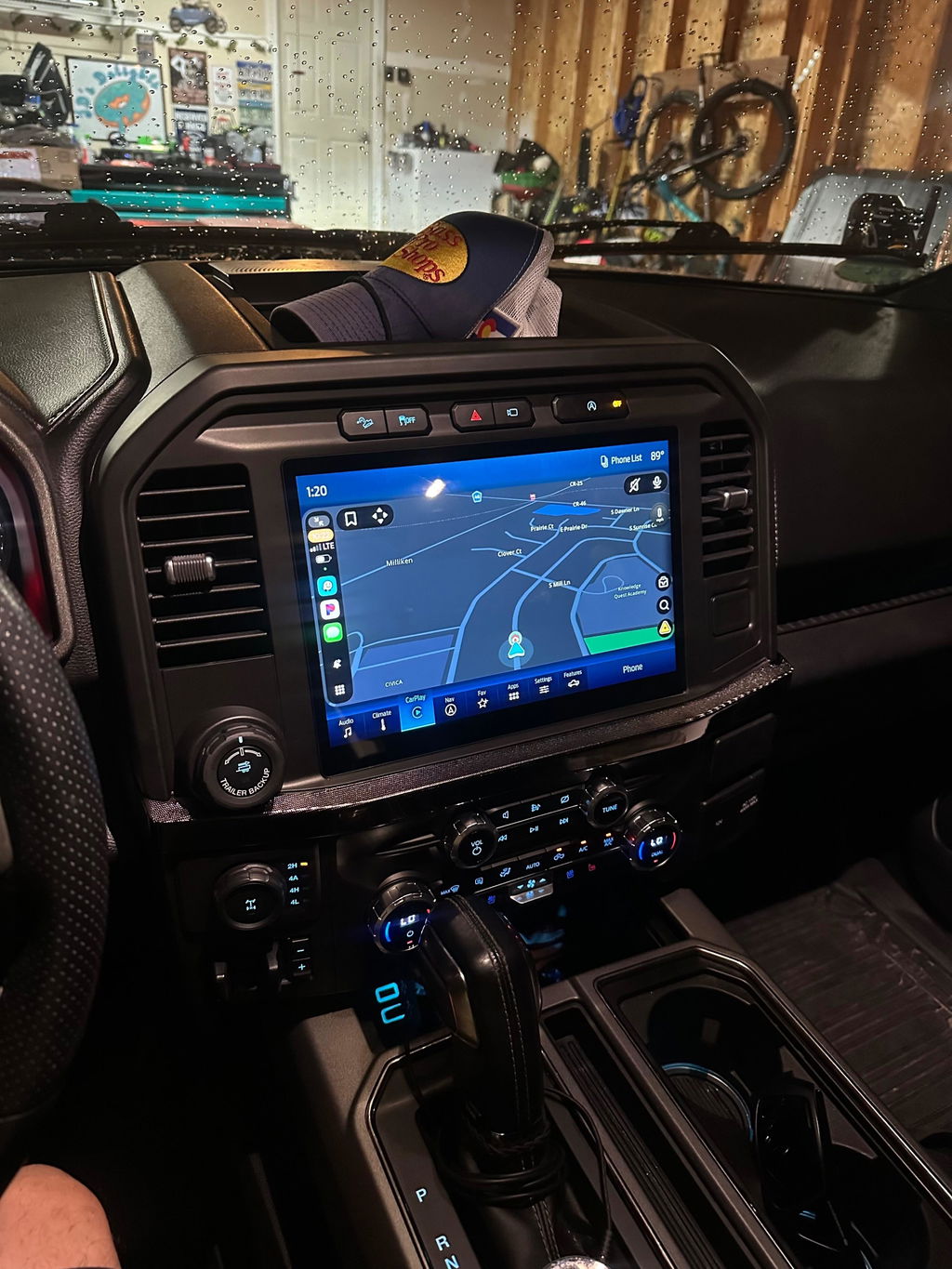
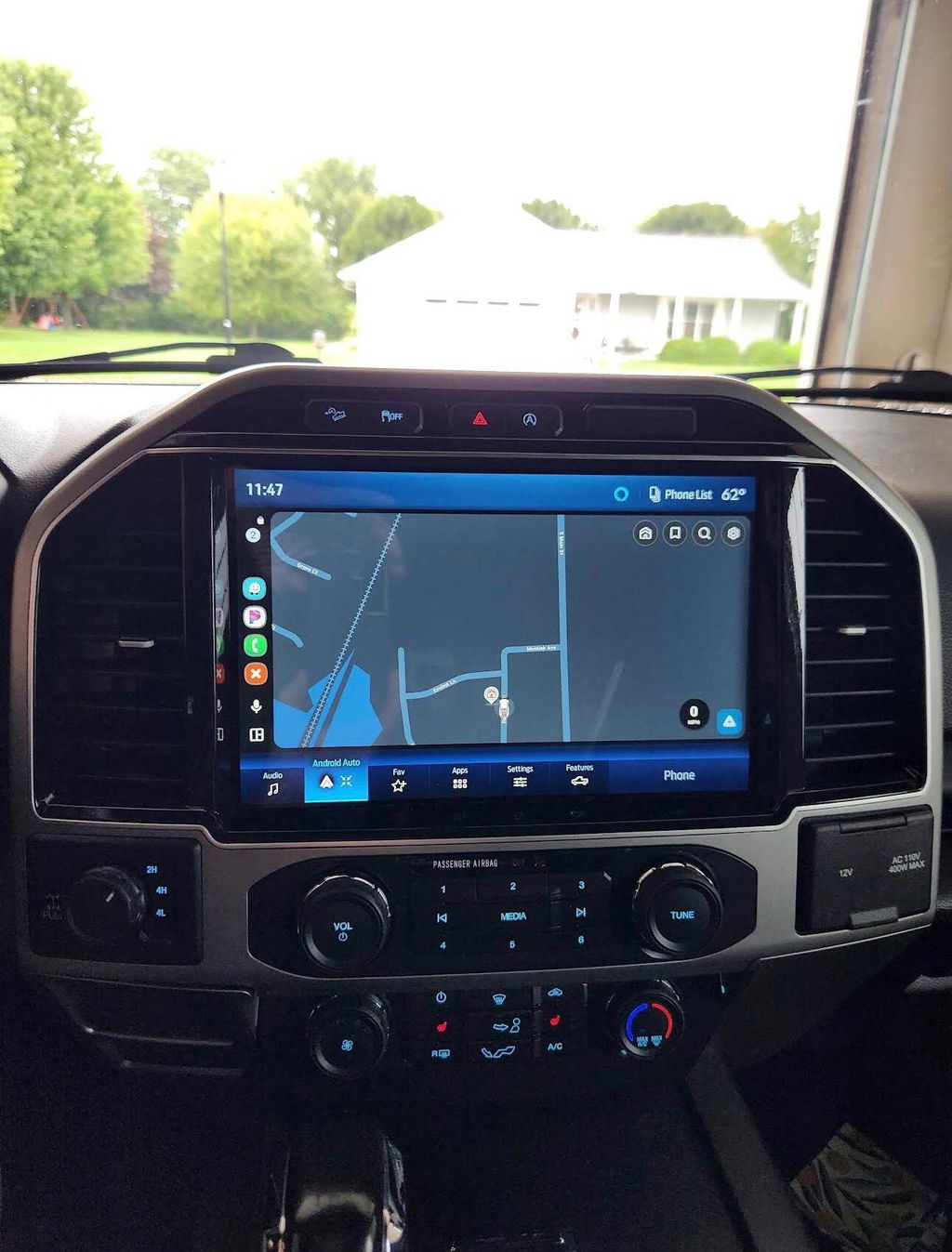
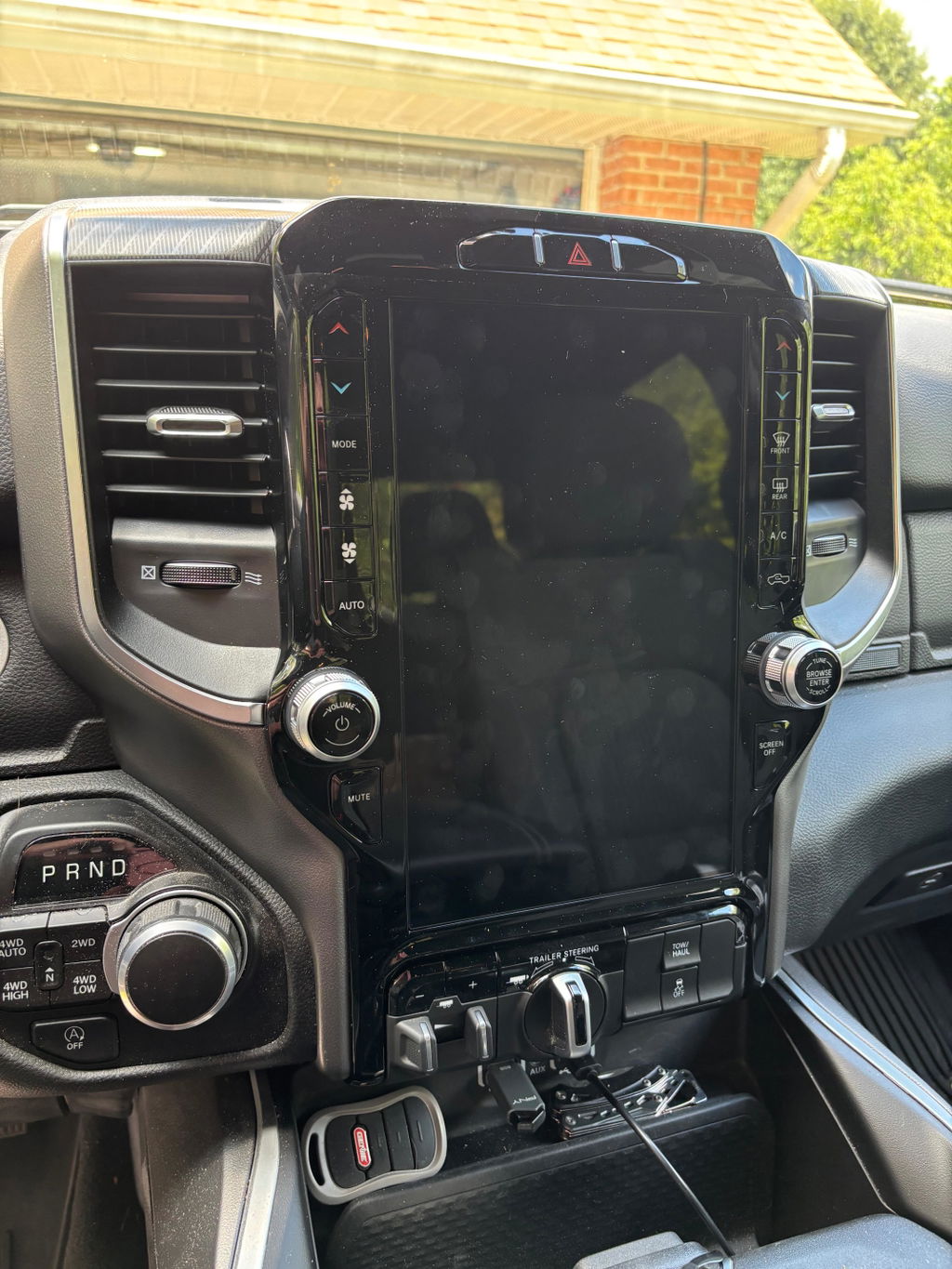
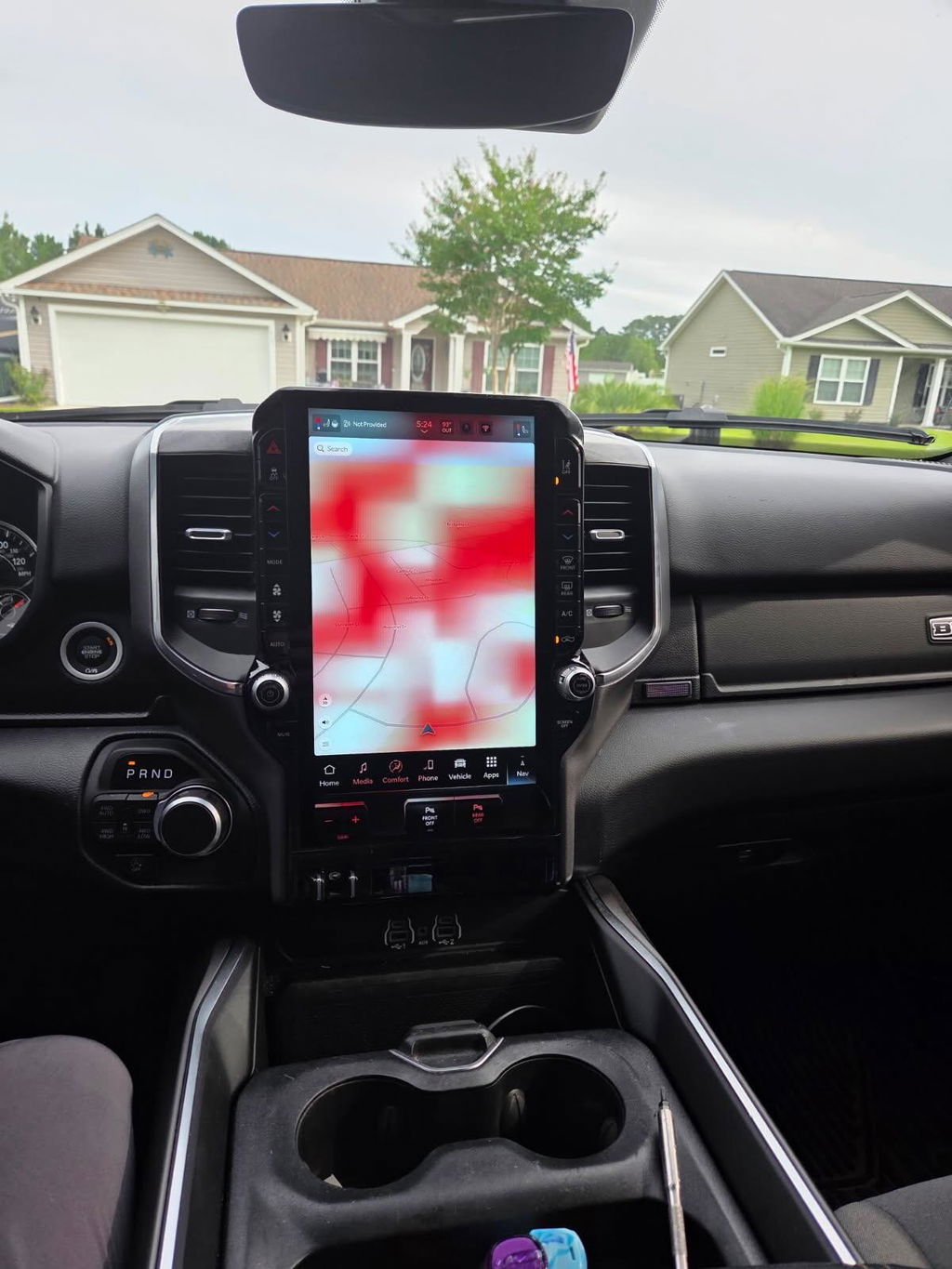
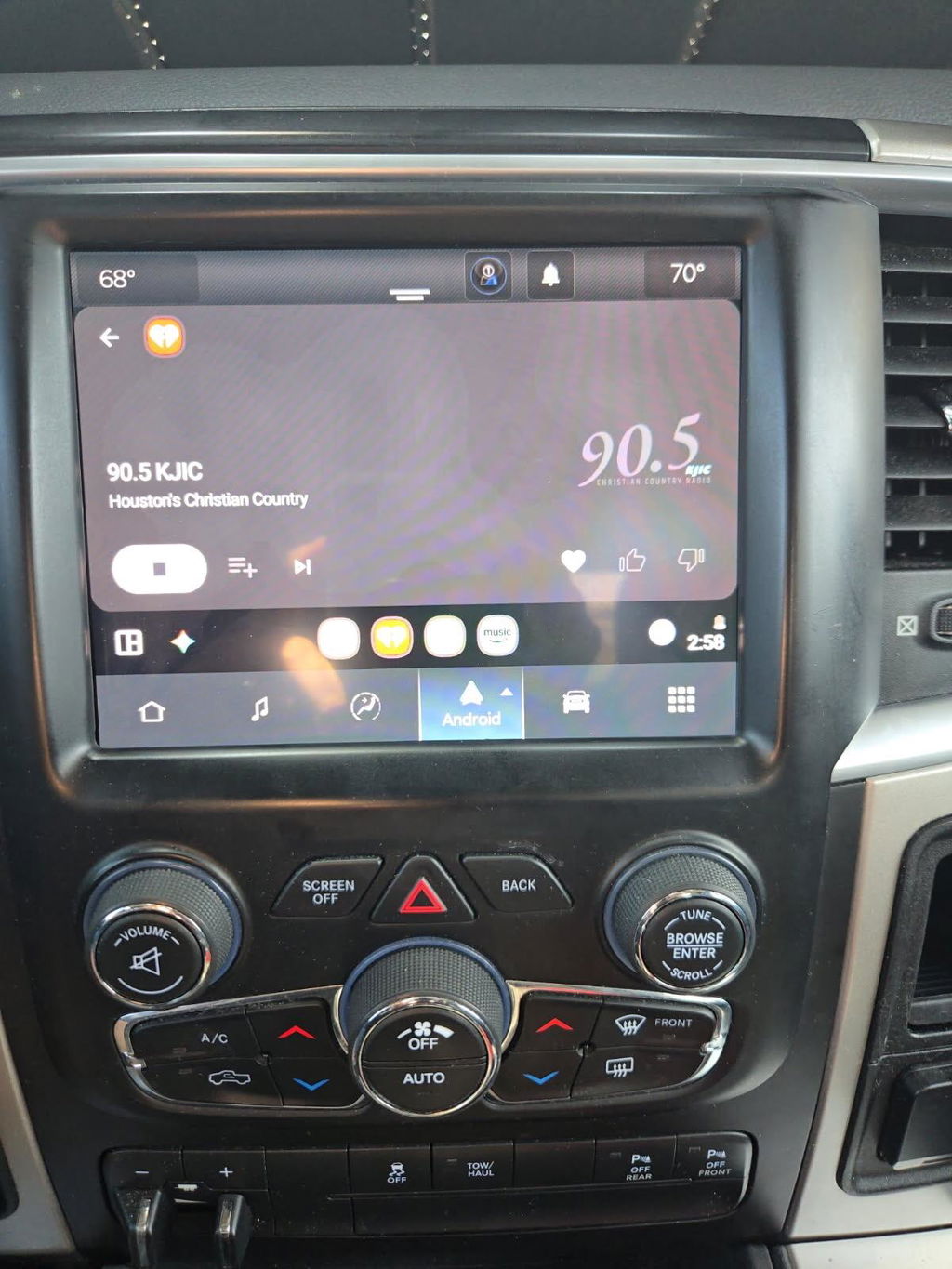
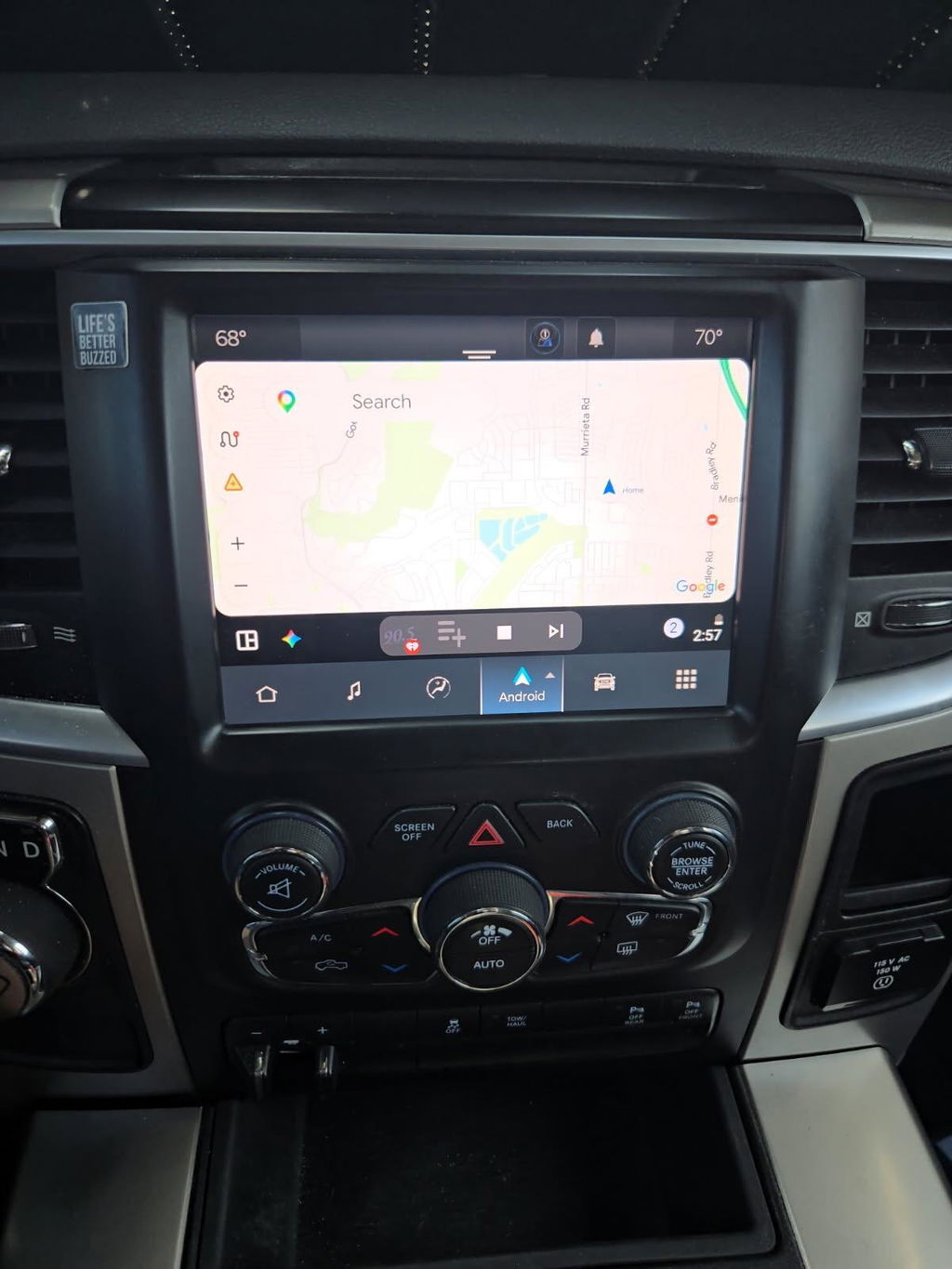
A vehicle-specific OEM-style infotainment upgrade keeps the truck closer to how it was designed to operate. The screen looks right in the dash. The controls behave as expected. Factory integration is preserved instead of patched back together through multiple adapters. That matters if you want wireless Apple CarPlay, Android Auto, upgraded screen size, camera retention, and a clean install without turning the truck into an electronics project.
That is also why many buyers move away from generic head units after one bad experience. They are not just shopping for a radio anymore. They are shopping for compatibility, reliability, and factory-level function.
How to avoid aftermarket radio problems trucks owners keep running into
Start with the truck, not the radio. Confirm the exact year, trim, factory screen size, audio package, amplifier setup, and camera configuration before looking at replacement options. Do not assume that two trucks from the same generation use identical electronics.
Next, decide what you actually need to retain. If you use trailer camera views, steering wheel controls, factory microphones, vehicle settings, or park assist graphics, those are not minor details. They should be part of the buying decision from the start.
Then look at installation complexity honestly. A plug-and-play kit is different from a custom install that involves splicing, programming, and stacking modules behind the dash. Some buyers are comfortable with that. Many are not. If reliability matters more than experimentation, simpler is usually better.
It also helps to be realistic about trade-offs. A universal aftermarket unit may offer more flashy customization. An OEM-based system usually offers better fit, cleaner integration, and more predictable daily use. The right choice depends on whether you care most about novelty or factory-grade function.
When an aftermarket radio still makes sense
There are cases where a conventional aftermarket radio is still the right move. If you have an older truck with minimal factory integration, want a custom audio build, or care more about amplifier tuning than factory menus, the aftermarket route can work well. In those setups, the truck gives you more flexibility and fewer systems are tied into the screen.
But for newer Ram and Ford trucks, the margin for error is much smaller. That is where buyers should slow down and look at what the truck stands to lose, not just what the new radio promises to add.
At DD Offroad, that is exactly why OEM genuine component upgrades appeal to truck owners who want modern features without the usual compatibility gamble. The goal is simple: plug-and-play fitment, factory-style integration, and a cleaner path to upgrading the truck you already trust.
If your current system is outdated, the smartest move is not always the cheapest radio with the biggest screen. It is the upgrade that works with your truck the first time and still feels right six months later.