Top Truck Camera Enhancement Options That Fit
Share
A truck camera upgrade is only useful when it works like it belongs there. The top truck camera enhancement options are not always the ones with the longest feature list. For Ram and Ford owners, the better answer is usually an OEM-based solution that matches the truck’s model year, factory screen, wiring, and intended use - whether that means backing into a tight jobsite, lining up a gooseneck, or spotting obstacles on a narrow trail.
A clean install starts with a clear goal. Replacing a failed factory camera is different from adding a trailer-view camera, and both are different from upgrading an older radio that cannot display a modern camera input. Buy the camera system around the truck, not around a generic feature claim.
Start With the Display Already in Your Truck
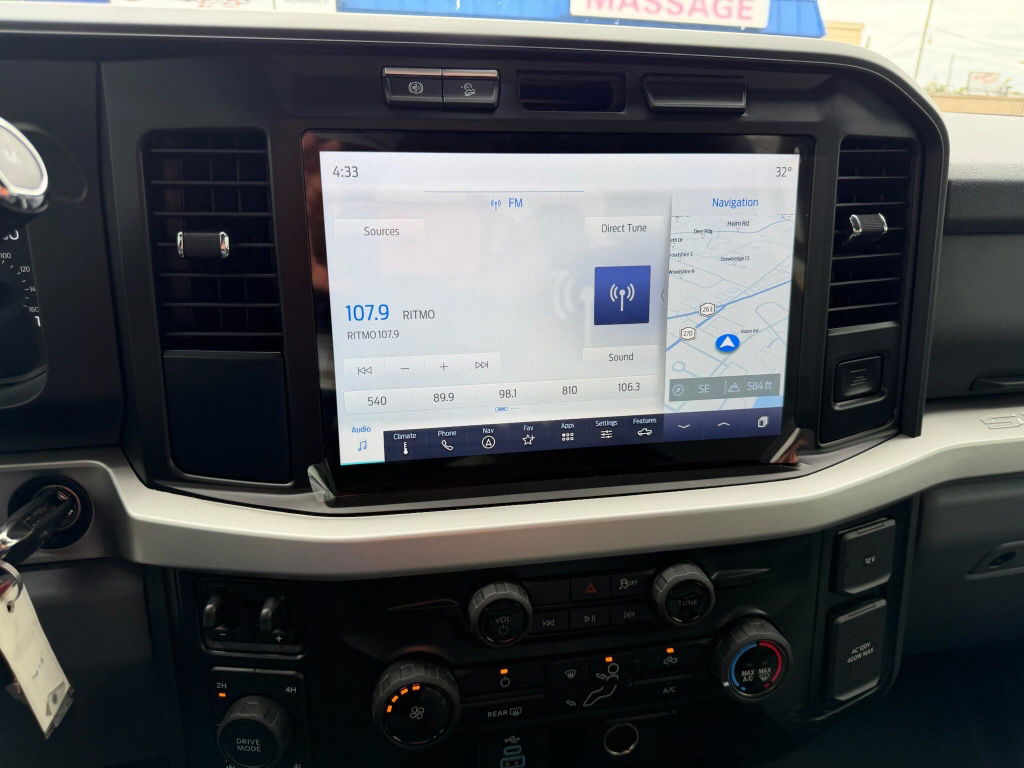
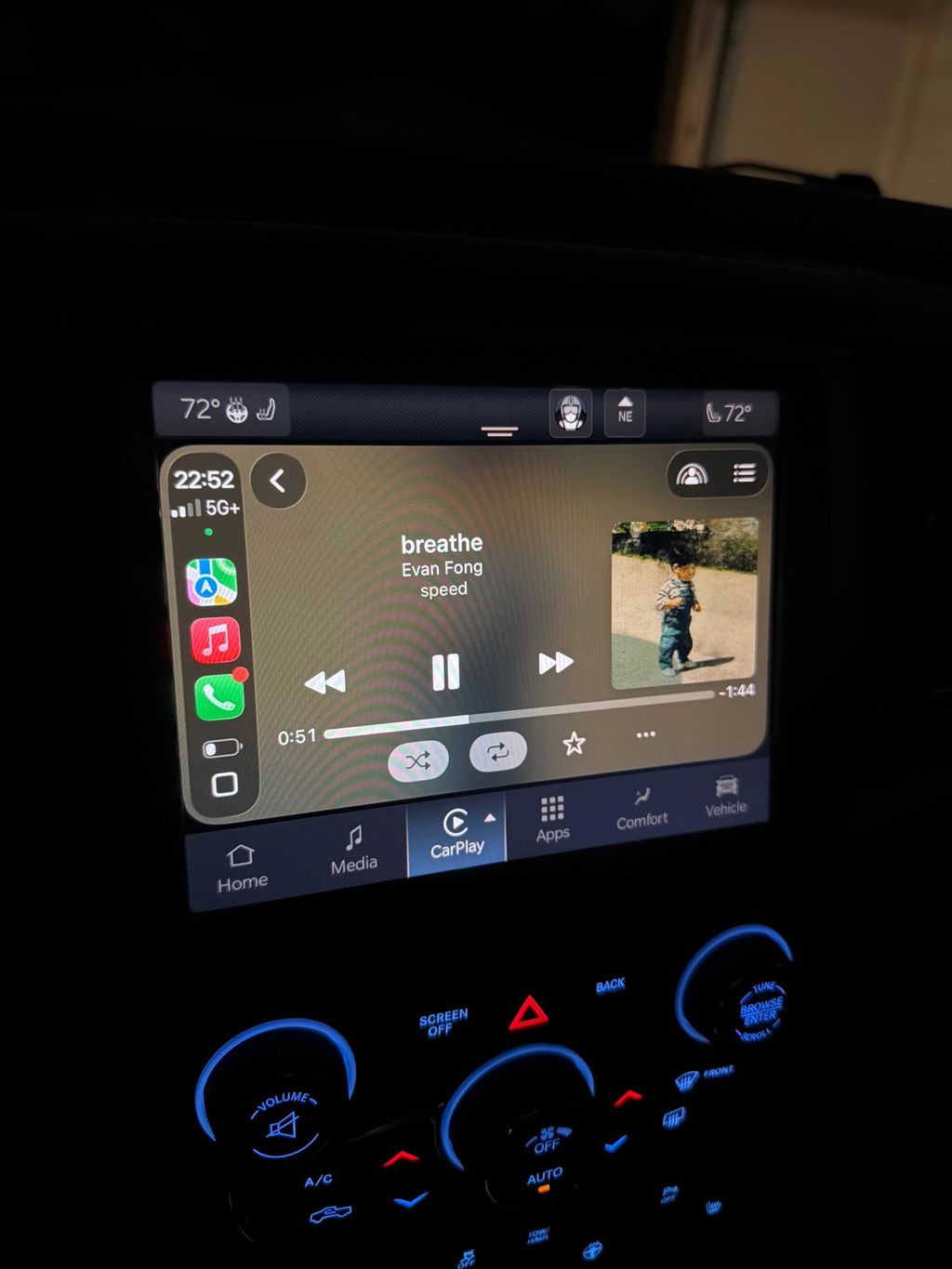
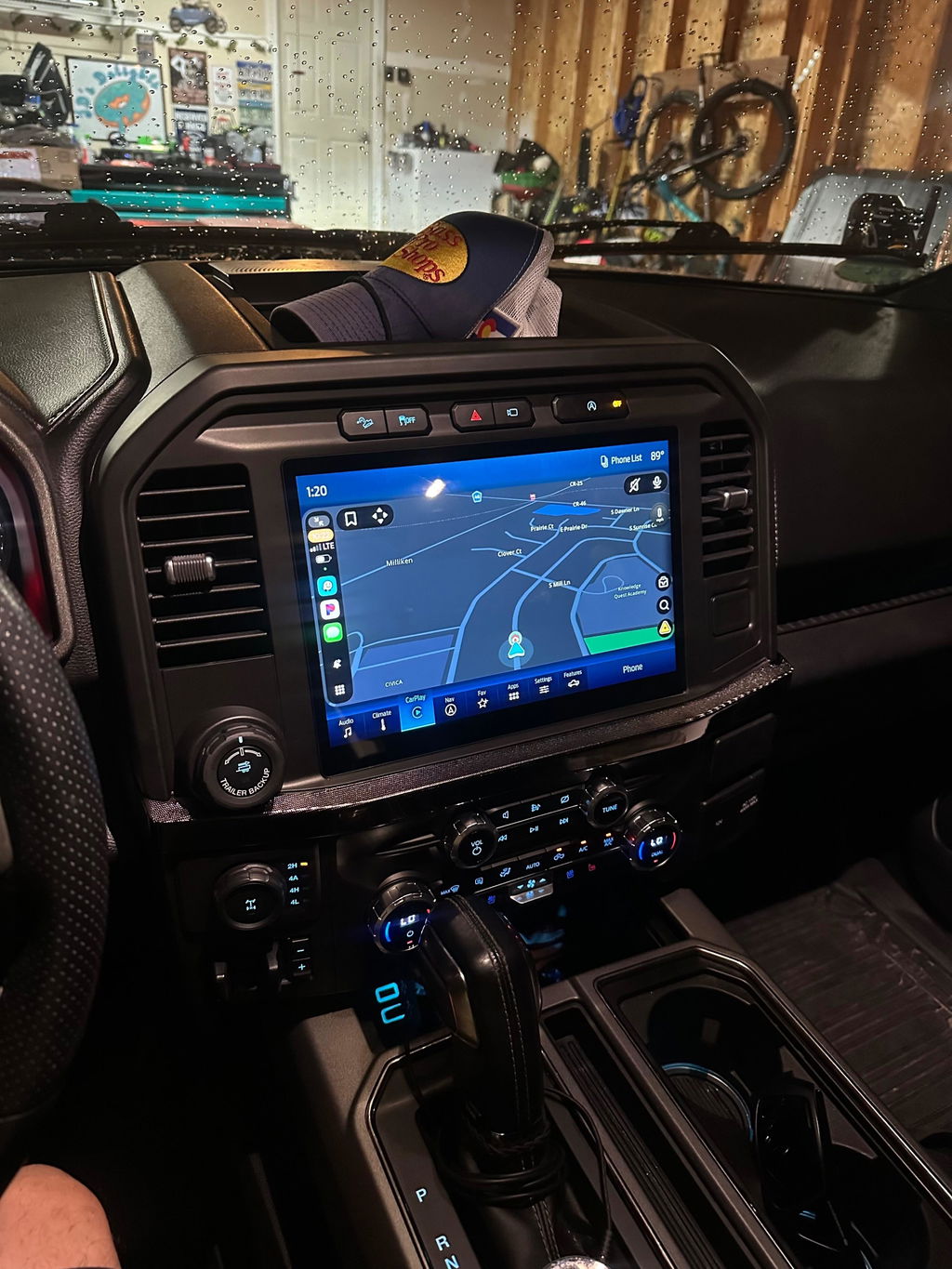
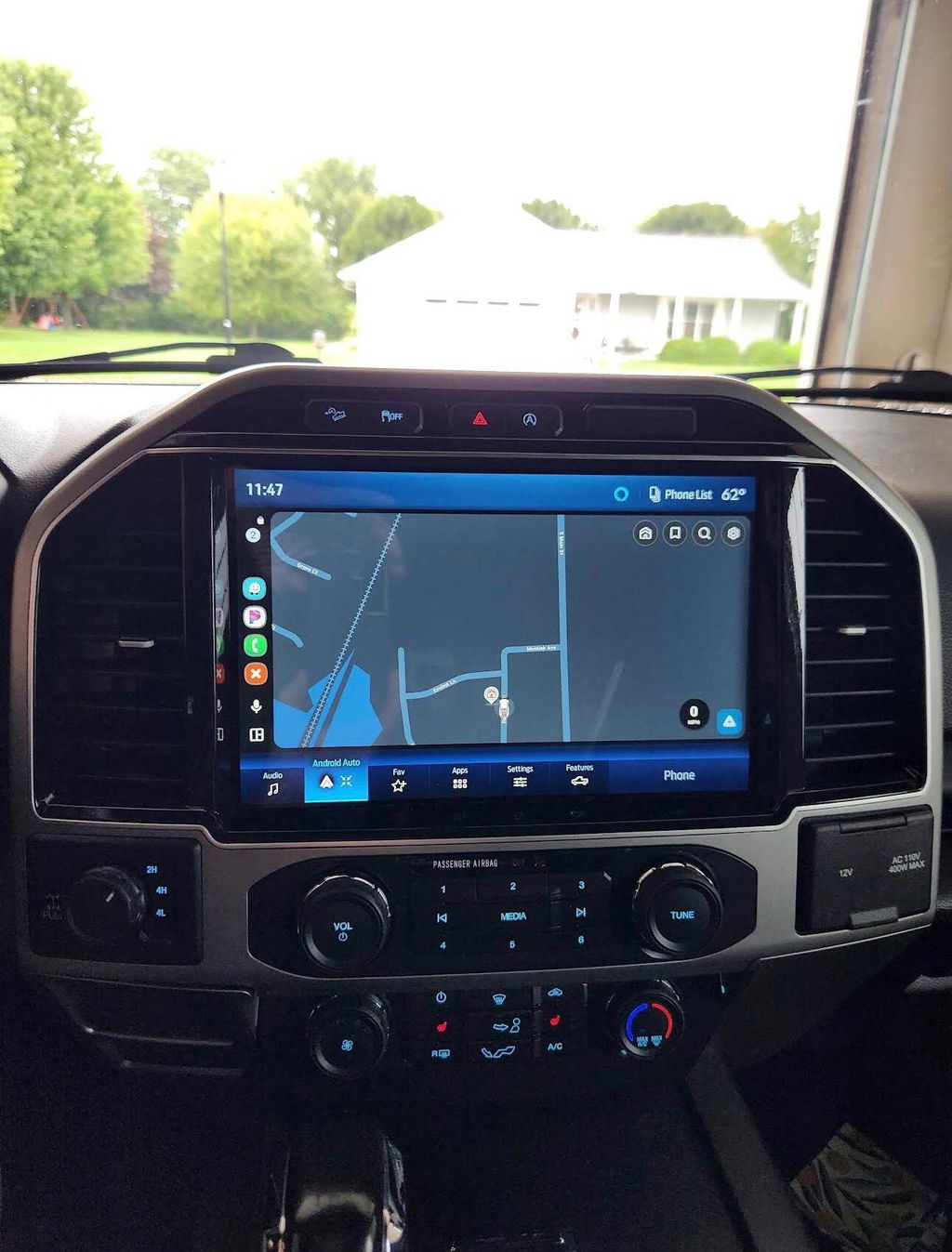
The factory display determines what is realistic without adding unnecessary adapters or cutting into the harness. A late-model truck with a compatible OEM infotainment screen may only need the correct camera, harness, and vehicle programming. An older truck with a small screen or outdated radio may benefit more from a factory-style infotainment conversion that creates the proper camera interface while adding a larger display, wireless Apple CarPlay, and Android Auto.
This is where plug-and-play matters. A vehicle-specific kit is designed around the connectors, camera signal format, and factory module communication used in that application. That helps retain factory controls and avoids the common problems found with universal camera packages: intermittent video, warning messages, poor image scaling, or a camera that works only when an extra switch is installed.
Before choosing an upgrade, verify the model year, trim level, cab configuration, existing screen size, and whether the truck already has a factory backup camera. On some platforms, features that look identical in the dash can use different hardware behind the screen. A correct fitment check saves far more time than trying to solve an incompatibility after installation.
Backup Camera Replacement for Factory-Style Operation
For many truck owners, the most practical enhancement is a direct replacement backup camera. Cameras live in a hard environment. Road salt, trailer debris, pressure washing, vibration, and tailgate use can all affect image quality or damage the housing over time. A cloudy lens, flickering picture, or blue screen in reverse is not just annoying - it takes away a feature you use in close quarters every day.
An OEM or OEM-style replacement maintains the original camera location and factory viewing angle. That angle matters. A universal camera may physically fit near the tailgate handle but produce a view that is too low, too wide, or poorly aligned with the truck’s parking guidelines. A properly matched replacement keeps the view familiar and preserves the clean appearance of the tailgate.
If the camera image is poor only in certain weather, inspect the lens and tailgate wiring before ordering parts. If the image is consistently distorted, absent, or cuts in and out when the tailgate moves, the camera itself or its harness is the more likely issue. Diagnose the problem first instead of replacing components blindly.
Trailer Camera Options for Better Hitch Alignment
A standard backup camera gives a useful rear view, but it has limits when a trailer is connected. The hitch, tongue, cargo rack, or tailgate position can block the exact area you need to see. Trailer-focused camera enhancements solve a more specific problem: seeing the coupler, the trailer sides, or the load behind the truck.
A hitch-view camera is valuable for owners who regularly connect utility trailers, campers, boat trailers, or equipment trailers. It shortens the back-and-forth routine during hookup and gives the driver a better view of the ball and coupler. For frequent towing, that is a functional upgrade, not a novelty.
Trailer-mounted rear cameras add visibility farther back than the truck’s tailgate camera can reach. They are especially useful with enclosed trailers, long campers, and equipment setups where rearward awareness changes significantly once the trailer is attached. The trade-off is installation complexity. Camera placement, cable routing, trailer connector compatibility, and the display’s ability to accept the video source all need to be planned as one system.
Wireless trailer cameras can reduce installation time, but they are not automatically the best choice. Signal interference, range, and power management can become issues on longer trailers or in demanding towing environments. A wired, vehicle-specific solution takes more effort to install but generally provides more predictable performance.
360-Degree Camera Systems: Useful, but Platform Dependent
A surround-view system combines cameras positioned around the truck to create a bird’s-eye image. It can be a major advantage in a full-size pickup, particularly when parking near curbs, maneuvering around equipment, or navigating confined trails. The benefit is not just the overhead view. It is the ability to see the truck’s corners, which are difficult to judge from the driver’s seat.
This is also one of the most complex camera upgrades. A true 360-degree system requires multiple cameras, correct mounting locations, image calibration, and a display capable of processing the stitched camera views. It is not a simple swap for a backup camera.
For trucks that were available with factory surround view, an OEM-based retrofit can make sense when the correct components and programming are available for that exact platform. For trucks without factory support, a universal multi-camera system may be possible, but it gives up some of the factory integration that many owners want. Expect more wiring, more visible components, and more variables during setup.
If your primary need is better trailer alignment or rear visibility, a 360-degree conversion may be more system than you need. Put the budget toward the camera view you will use most often.
Front Cameras and Off-Road Visibility
Front camera upgrades help where the hood blocks your view: approaching a curb, loading onto ramps, cresting an obstacle, or positioning the truck around a trailer. They make particular sense on lifted trucks, where the increased ride height expands the area directly in front of the bumper that the driver cannot see.
Off-road use adds another factor. A camera mounted too low can collect mud, rocks, and water quickly. A camera mounted too high may not show the immediate terrain ahead of the tires. The best position depends on whether the truck is used mostly for trail placement, worksite maneuvering, or pavement driving.
Factory-style front cameras are preferable when the vehicle platform supports them because they can be integrated into the existing screen and activated through appropriate factory controls. Adding a front camera to an incompatible factory radio often means using an external switch or aftermarket video interface. That can work, but it is less clean than a purpose-built system.
Top Truck Camera Enhancement Options by Use Case
The right option comes down to what your truck does most. A replacement tailgate camera is the logical choice when the original view has failed and you want factory operation back. A hitch-view or trailer camera is the stronger upgrade for regular towing. A front camera is a practical addition for lifted trucks, off-road use, and tight work areas. A factory-supported surround-view setup is the premium choice for owners who need complete low-speed visibility around the vehicle.
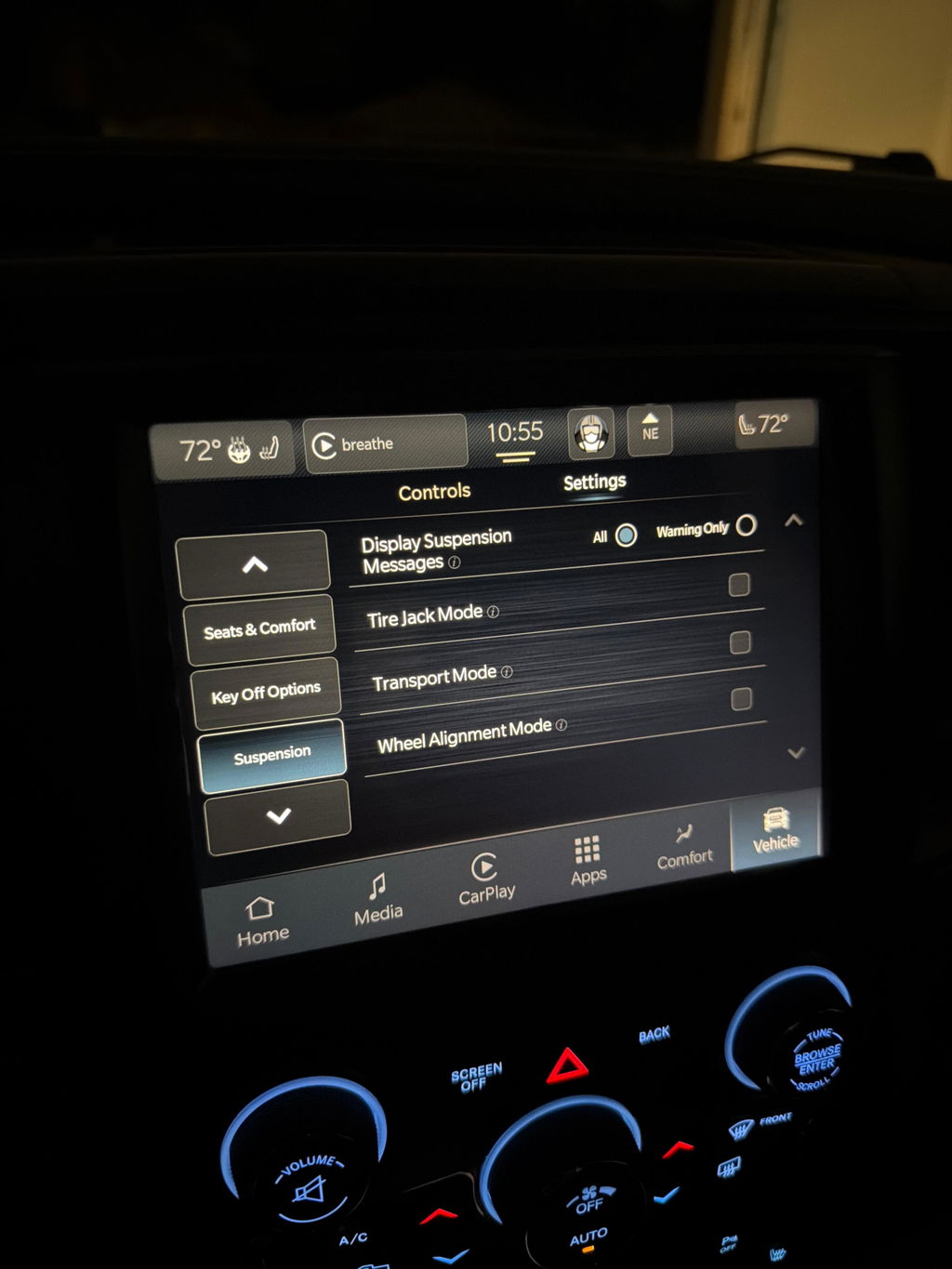
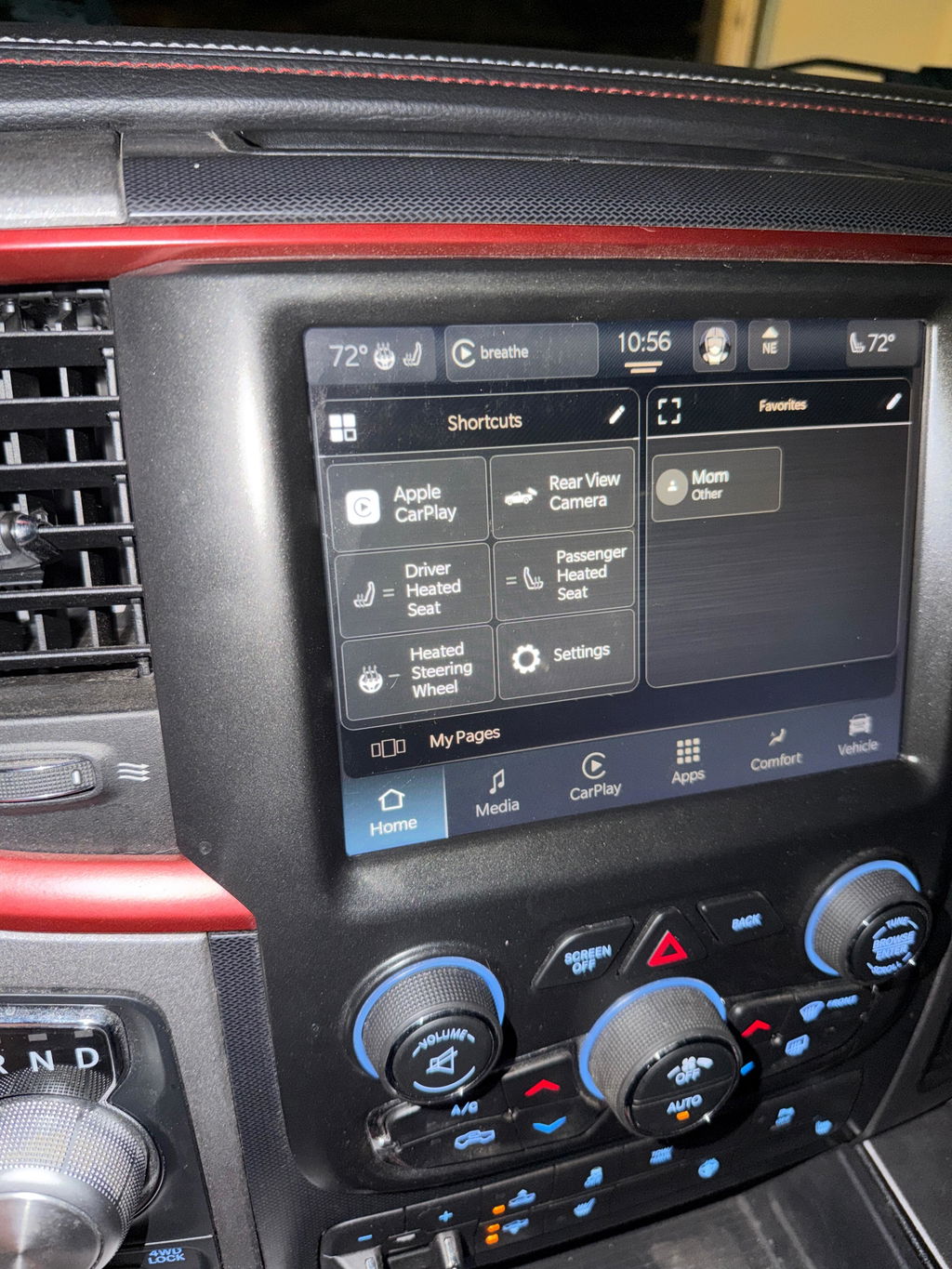
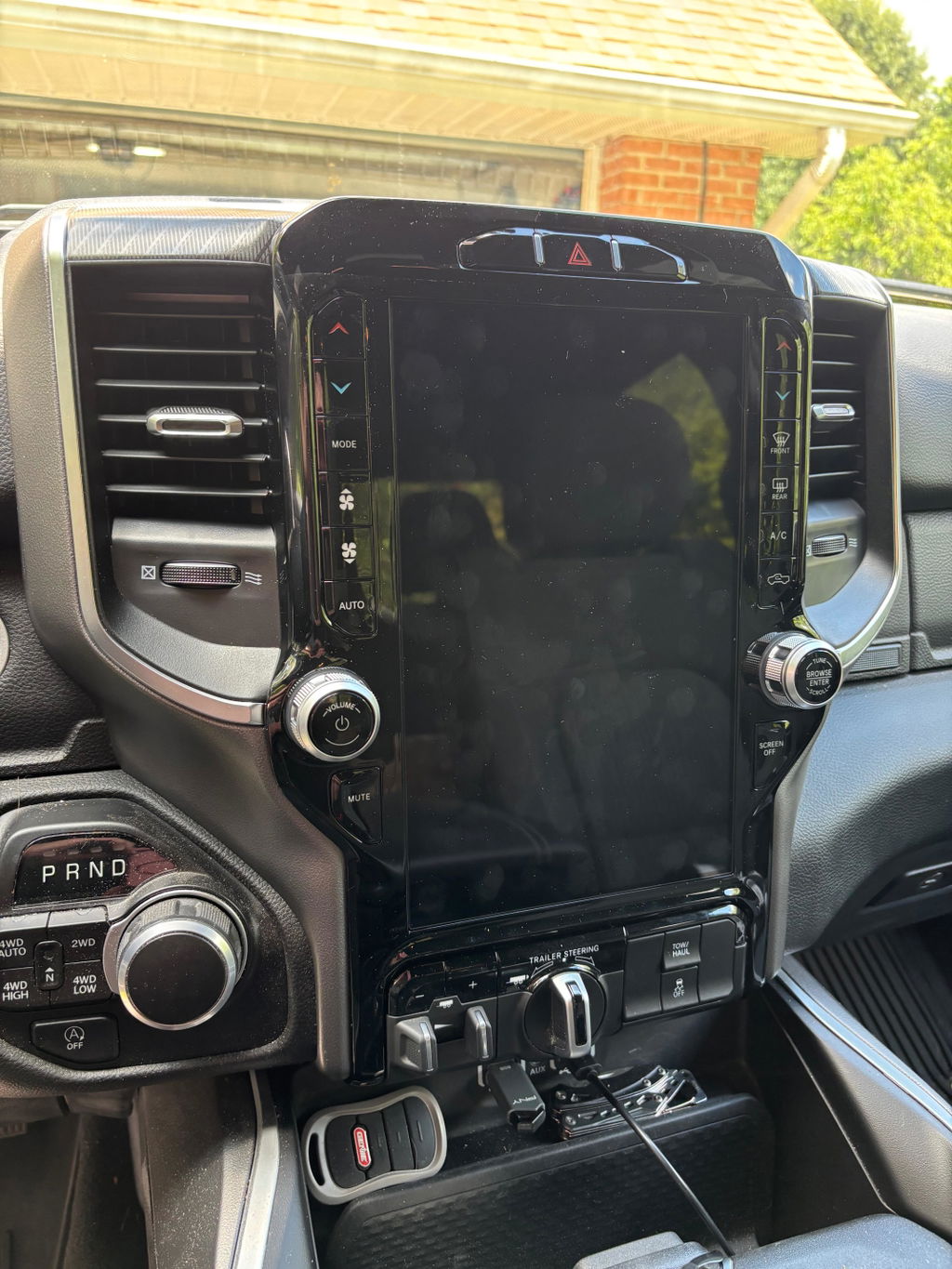
For an outdated infotainment system, consider the screen and camera together. A larger OEM-style Uconnect 5 or factory-style touchscreen conversion can improve camera visibility while modernizing the cabin with smartphone integration. Installing a quality camera on a small, low-resolution display may fix one problem while leaving another in place.
Compatibility Is the Feature That Matters Most
Camera resolution and viewing angle are easy specifications to compare. Compatibility is what determines whether the upgrade feels factory-installed six months later. The camera must communicate correctly with the truck, the display must support the input, and any required programming must match the vehicle configuration.
Avoid assuming that a camera from another trim, model year, or brand will work because the connector looks familiar. Pinouts, video protocols, module software, and mounting dimensions can differ. The same caution applies to trucks with digital clusters, upgraded radios, aftermarket tailgate modifications, or trailer equipment already installed.
DD Offroad focuses on vehicle-specific OEM upgrade paths because they reduce those unknowns. Genuine components and application-based kits give owners a cleaner route to modern camera capability without building a system from unrelated universal parts.
Choose the camera upgrade that solves the visibility problem you actually have, then confirm it is built for your truck’s exact configuration. That is how you get a clearer view, a cleaner install, and a truck that remains easy to live with every time you put it in gear.