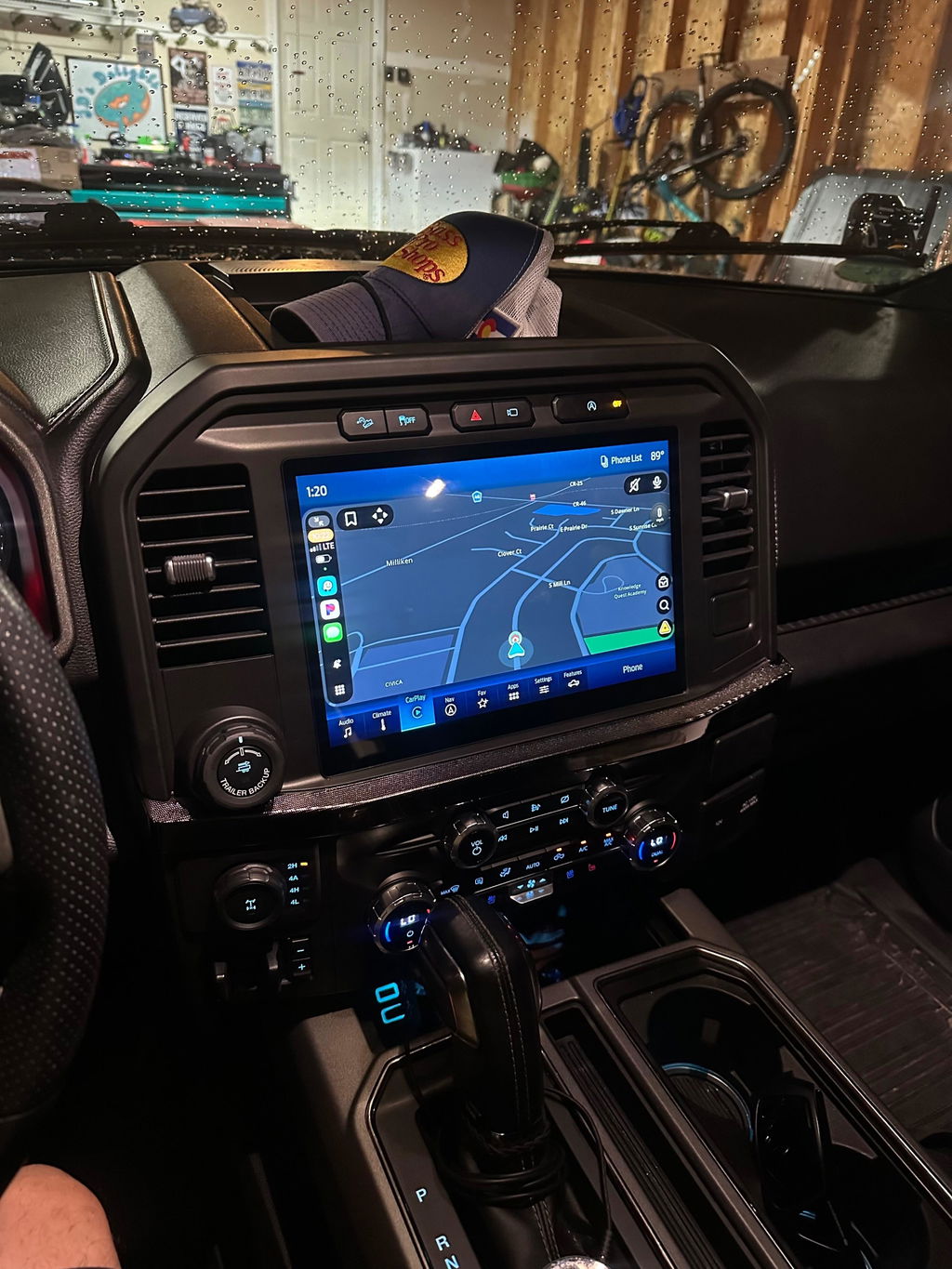
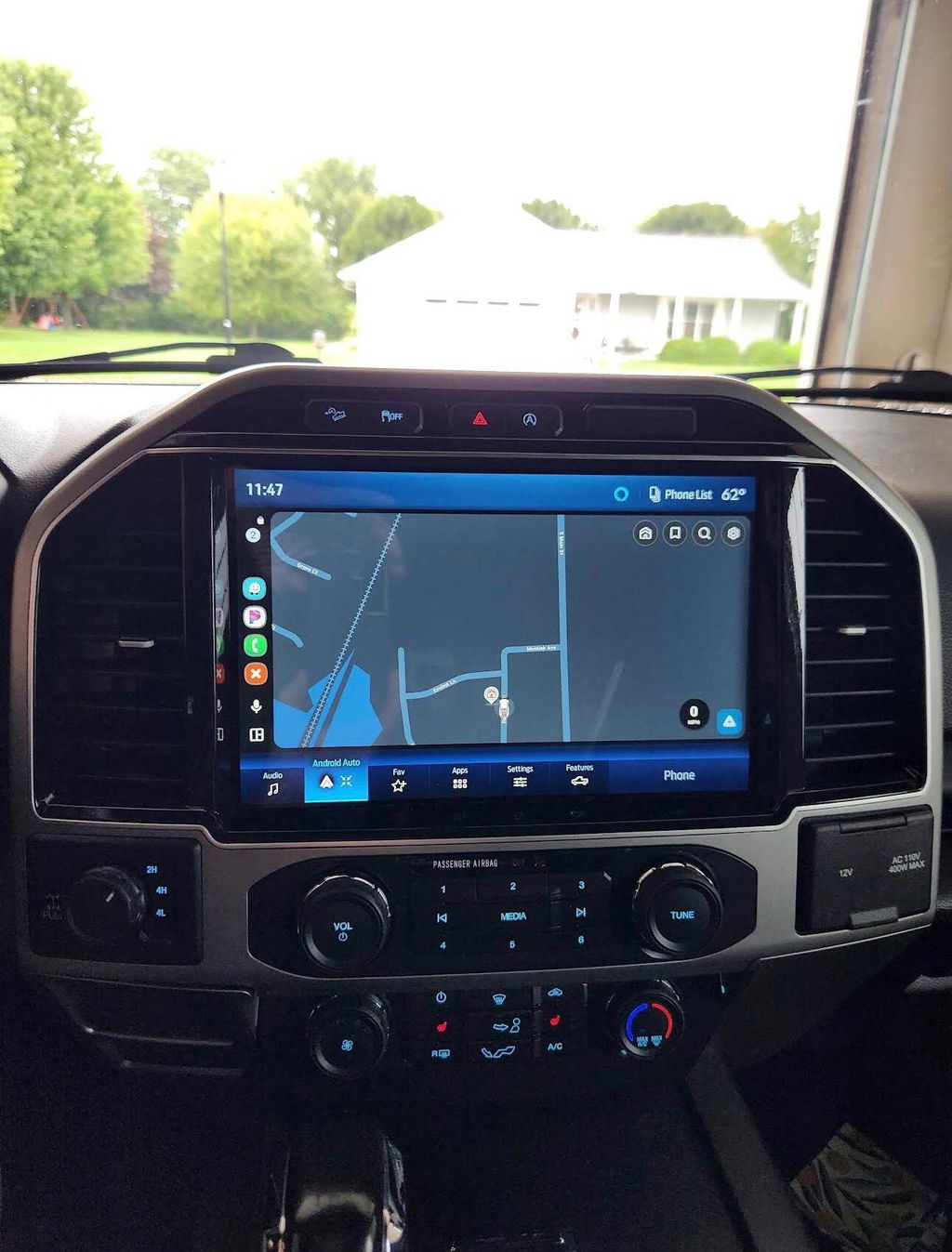
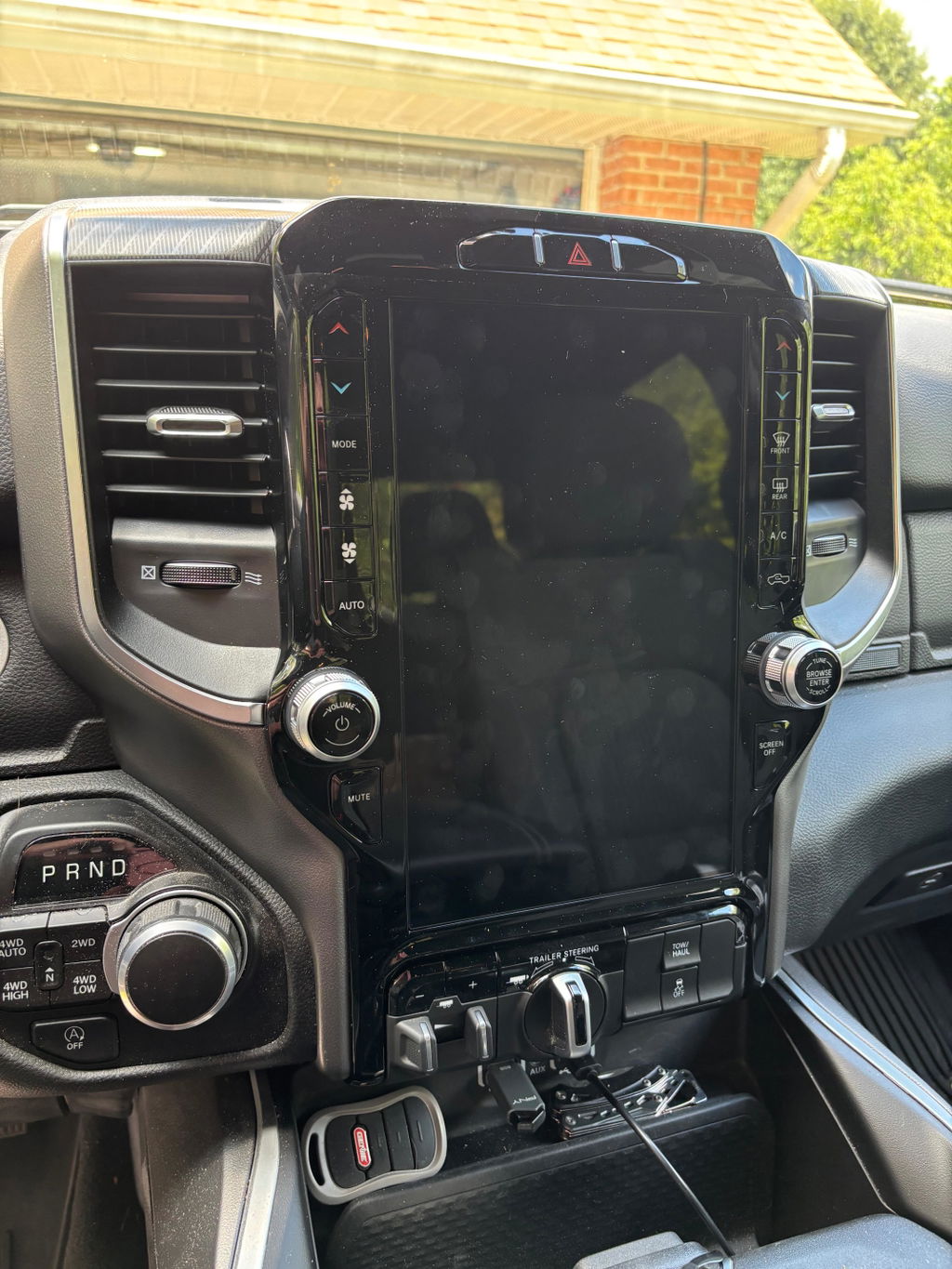
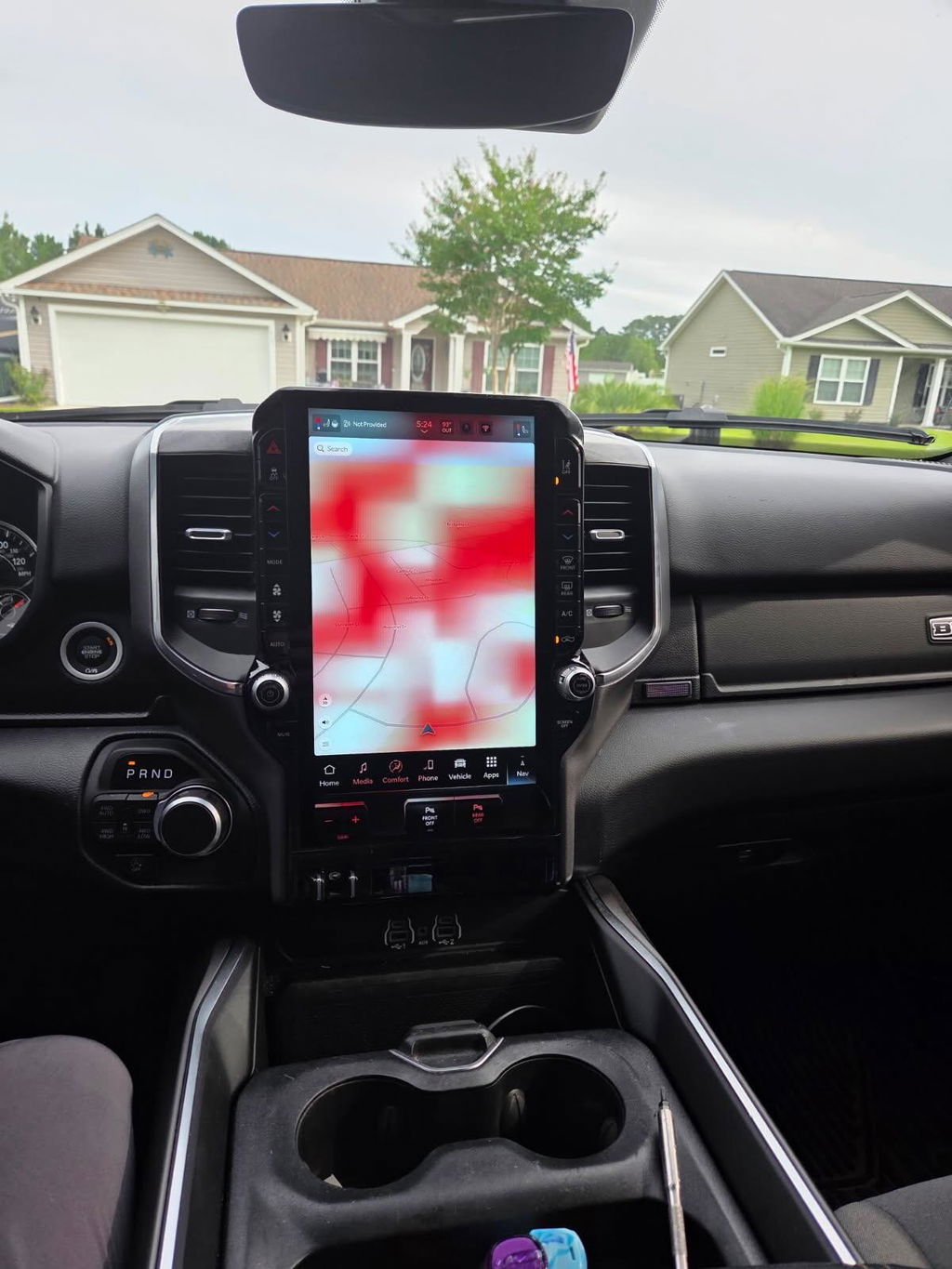
Remote Starter Review for Ram and Ford Trucks
Share
A remote starter should do more than crank the engine from the driveway. It should work with the truck’s existing security system, recognize the correct key fob commands, and avoid creating warning lights or electrical problems later. This remote starter review focuses on what Ram and Ford owners should look for when choosing between an OEM-style remote start kit and a generic aftermarket system.
For most truck owners, the deciding factor is not whether remote start exists. It is whether the system operates like it belonged on the truck from the factory. That comes down to vehicle-specific fitment, the right hardware, correct programming, and realistic expectations about range and features.
Remote Starter Review: OEM-Style vs. Universal Systems
Universal remote starters are often marketed with big feature lists: long-distance remotes, app control, two-way confirmation, and low entry prices. Some can be good products when professionally installed. The trade-off is that they typically require wiring into the vehicle, adding a bypass module, mounting an antenna, and integrating with factory security components.
That approach can be effective, but it is not always the cleanest choice for a newer Ram or Ford truck. Every added splice, module, and connection is another point that needs to be installed correctly. If a future electrical issue occurs, troubleshooting may be more involved than it would be with factory-based equipment.
An OEM-style remote start kit is designed around the electronics already in the vehicle. Depending on the year, make, trim, and existing equipment, the kit may use factory-compatible modules, a genuine key fob, an updated hood latch or hood-ajar input, and a vehicle-specific programmer. The result is a system that is intended to communicate through the truck’s original architecture rather than work around it.
This does not mean OEM is automatically the best answer for every owner. A driver who needs a half-mile range, phone control, or confirmation that the vehicle has started may prefer a premium aftermarket system. But for owners who prioritize factory integration, plug-and-play installation, and a clean finished setup, OEM-based kits are usually the stronger fit.
What a Good Remote Start Kit Should Include
The phrase “remote start kit” can mean very different things from one seller to another. Some listings include only a replacement fob or a programmer. Others include every part required to add the feature. Before comparing price, confirm what is actually in the box.
A complete vehicle-specific kit may include the required remote or key fob, programming device or service, hood latch components when applicable, and instructions tailored to the platform. Certain trucks already have part of the necessary hardware installed, while others need additional components before remote start can be activated. That difference is why model year and trim level matter.
For example, a Ram 1500, Ram Heavy Duty, Ford F-150, or Super Duty can have different requirements based on factory keyless entry, push-button start, security configuration, and original option package. Two trucks from the same model year may not use the exact same solution. Buying by vehicle make alone is not enough.
Before ordering, verify these five details:
- Exact model year, including the correct vehicle generation
- Trim level and engine configuration when requested
- Push-button start or traditional keyed ignition
- Existing key fob button layout and remote lock functionality
- Whether the truck already has factory remote start hardware or requires added components
Range Is More Complicated Than the Number on the Box
Remote start range is one of the most misunderstood parts of any review. A factory key fob may work reliably across a parking lot or from inside a home, but it is not built to compete with an aftermarket long-range transmitter in every environment. Buildings, metal siding, other vehicles, weather, and radio interference all affect real-world performance.
For many truck owners, factory-style range is enough. If the truck is parked in a driveway, outside a jobsite office, or near the house, using the original fob can be simple and convenient. Most OEM systems also use familiar command sequences, often pressing the lock button followed by the remote start button or a repeated lock command, depending on the platform.
If your truck is regularly parked far from where you work, a standard OEM fob may not be the right tool. That is where an aftermarket long-range remote or cellular system can make sense. It is a feature decision, not a quality failure. The best setup depends on where the truck is parked and how you actually use it.
Installation and Programming Are the Real Test
A remote starter can look like a simple upgrade until the programming step begins. Modern trucks use encrypted modules, factory anti-theft systems, body control modules, and security checks that are not forgiving of incorrect procedures. A kit may be physically easy to install but still require the right programming process to function correctly.
Plug-and-play should mean minimal modification, not zero attention to detail. Follow the supplied procedure exactly, especially when a kit requires an activation sequence, a scan tool, or a dedicated programmer. Do not assume a replacement key fob will add remote start by itself. If the truck does not have the necessary feature enabled or the proper supporting hardware, the fob alone will not create it.
A quality installation should preserve normal lock, unlock, panic, and keyless-entry operation. The truck should start remotely only when safety conditions are met, and it should shut down or cancel the command if a required input is missing. The hood-ajar circuit is particularly important because it prevents remote start while someone is working under the hood.
After installation, test the system in a controlled setting. Confirm that the truck locks, starts, runs for the expected time, and shuts off correctly when the brake pedal is applied or the ignition sequence changes. Also check for warning messages, no-start conditions, or fob functions that no longer respond as expected.
OEM Remote Starter Review: Value Beyond the Feature
The cheapest remote start option is not always the lowest-cost option over time. A universal system may cost less upfront, but professional installation, additional modules, and future diagnostics can change the total number. Conversely, an OEM kit may have a higher initial price because it includes genuine components and vehicle-specific programming support.
The value of an OEM-style setup is strongest when you want the truck to retain a factory appearance and predictable operation. There is no extra windshield antenna, no separate remote to carry, and no need to explain an unfamiliar system to the next owner. For trucks that are used for towing, work, off-road trips, or daily family duty, that simplicity matters.
There are limits. OEM remote start may not include two-way confirmation, extended range, phone app access, or custom runtime settings. If those features are priorities, compare the aftermarket options honestly rather than forcing an OEM kit to meet a different use case.
For Ram and Ford owners, the right remote start purchase begins with fitment, not price. Confirm the exact truck configuration, choose components designed for that platform, and make sure programming is part of the plan. DD Offroad focuses on OEM genuine components and vehicle-specific upgrade paths because the right kit should feel like an added factory feature, not an electrical compromise.
A remote starter earns its place on a truck when it starts every time you need it, stays out of the way when you do not, and leaves the rest of the vehicle operating exactly as it should.