Do OEM Upgrades Keep Factory Features?
Share
You are not just buying a bigger screen or a better cluster. You are buying into one question that matters more than the feature list: do OEM upgrades keep factory features? If you drive a Ram, Ford, Jeep, Dodge, or Chrysler vehicle, that question decides whether the upgrade feels factory-correct or turns into a long list of missing buttons, warning lights, and half-working menus.
The short answer is usually yes - if the upgrade is truly OEM-based, matched to your exact platform, and installed with the right programming or vehicle-specific harnessing. The longer answer is where most buyers get burned, because not every product sold as “OEM style” actually keeps the factory integration your truck already has.
Why factory feature retention matters
Modern trucks are not simple head-unit swaps anymore. Your screen, cluster, HVAC controls, steering wheel buttons, backup camera, vehicle settings, off-road pages, audio options, and safety alerts are often tied into one network. Change one major component, and you are not just replacing hardware. You are changing how modules talk to each other.
That is why a cheap universal radio can create expensive problems. It may give you CarPlay, but you can lose climate display information, factory camera support, steering wheel controls, microphone quality, or menu access for vehicle settings. The truck still runs, but the ownership experience gets worse.
OEM upgrades work differently. They are designed around factory architecture, which gives them a much better chance of keeping existing features intact while adding newer ones.
Do OEM upgrades keep factory features on every vehicle?
Not automatically. The phrase “OEM upgrade” covers a wide range of products. A genuine OEM screen pulled from a newer trim level is different from an aftermarket unit with a factory-look bezel. A full kit with correct modules, harnesses, and programming is different from a loose part someone is trying to make fit.
If you want factory features to stay functional, three things have to line up. The hardware has to match the vehicle generation. The wiring or adapter solution has to be built for that platform. The software side has to be handled correctly, especially on late-model Ram and Ford trucks where configuration matters just as much as the physical install.
That is why plug-and-play, vehicle-specific kits are a safer path than piecing parts together yourself. The goal is not just to power the new component on. The goal is to preserve the truck’s original behavior.
What factory features usually stay with OEM-based upgrades
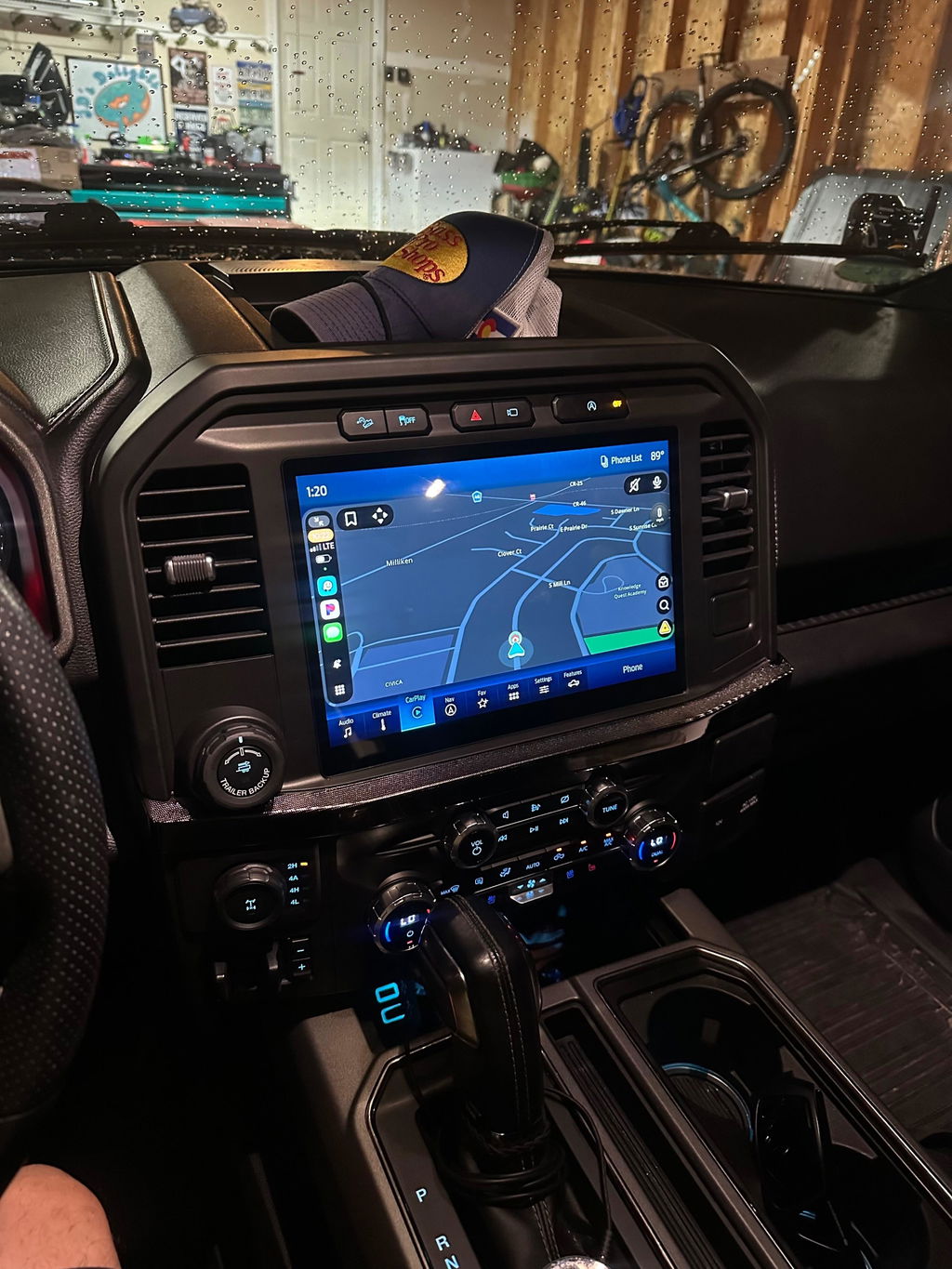
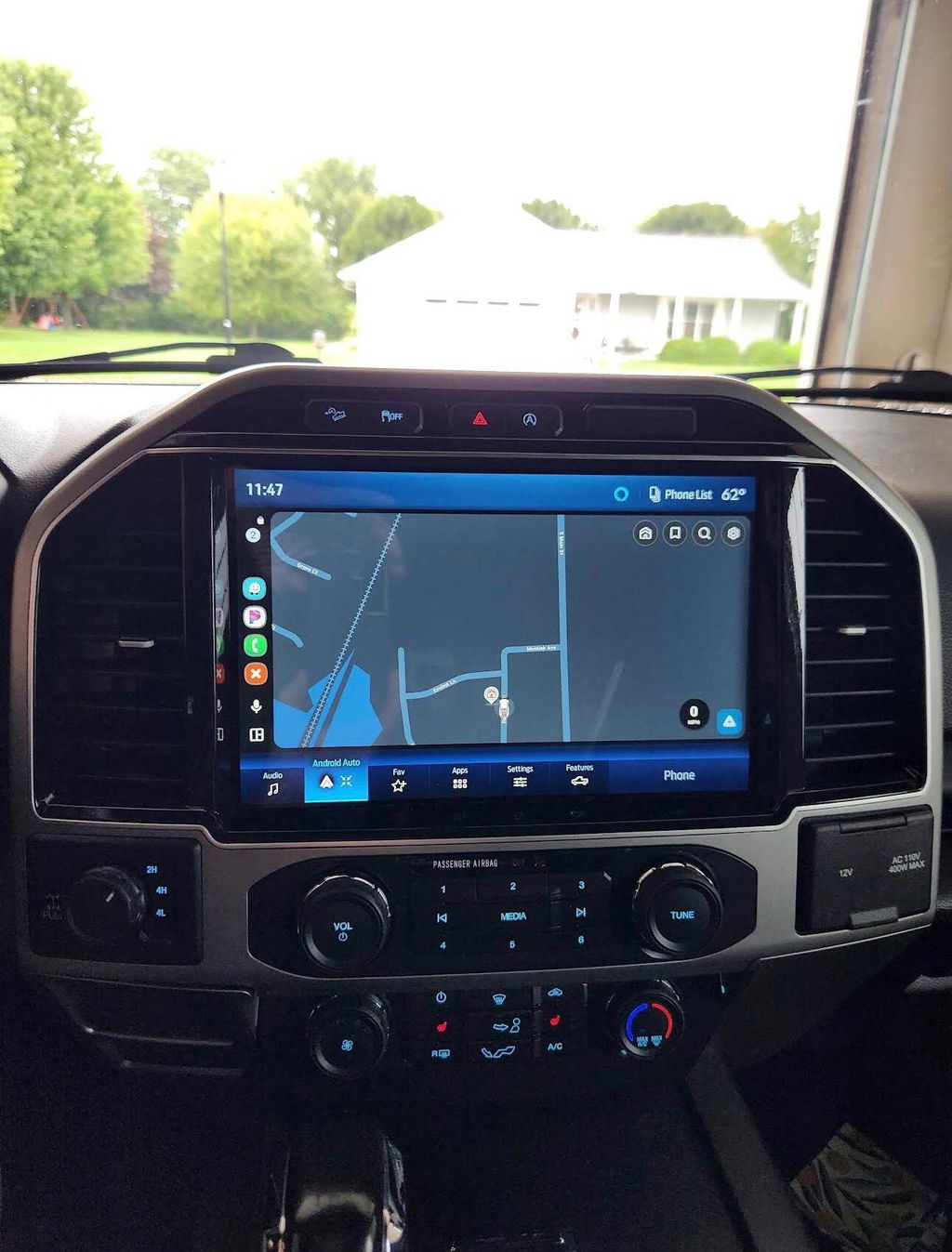
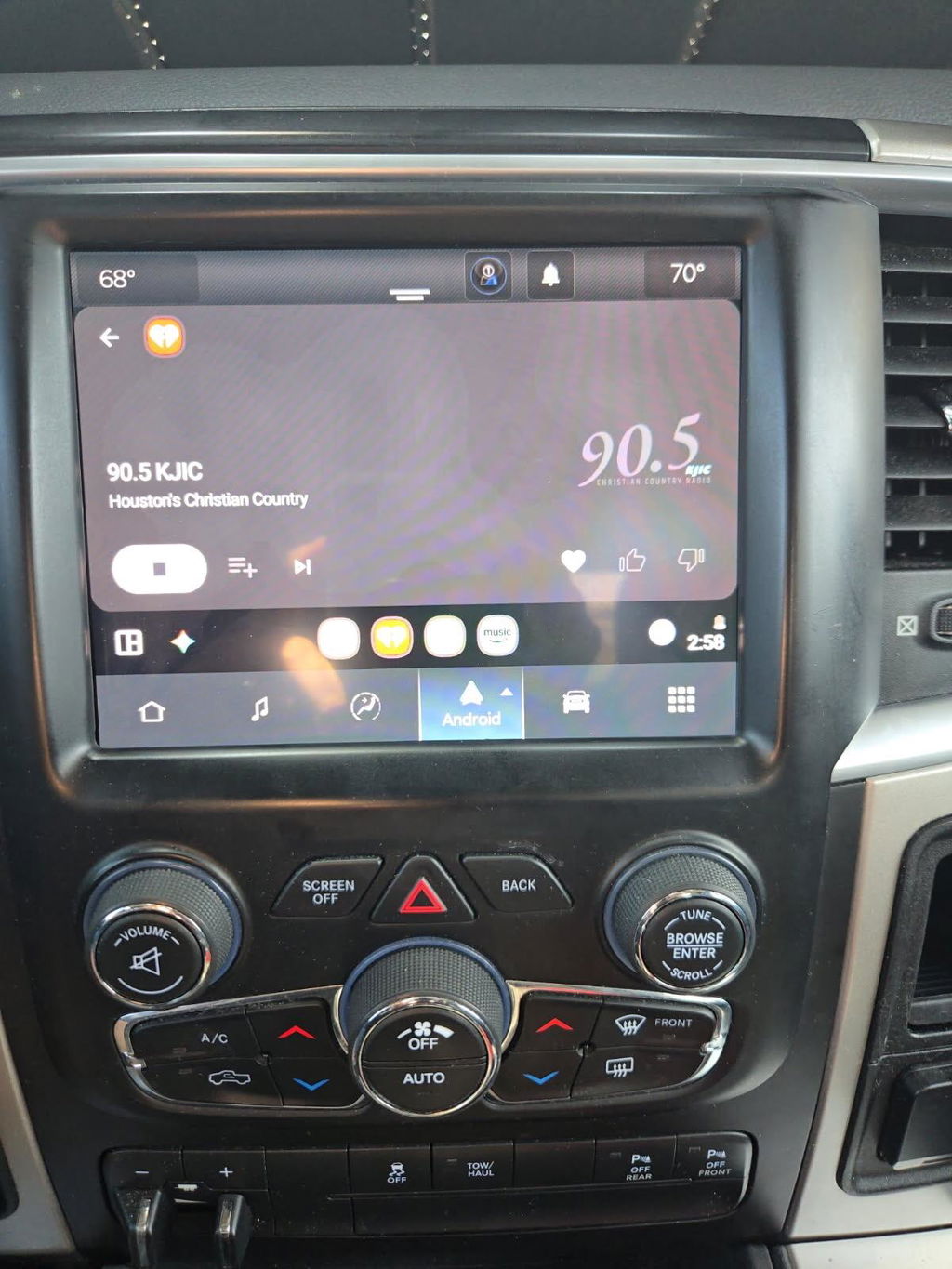
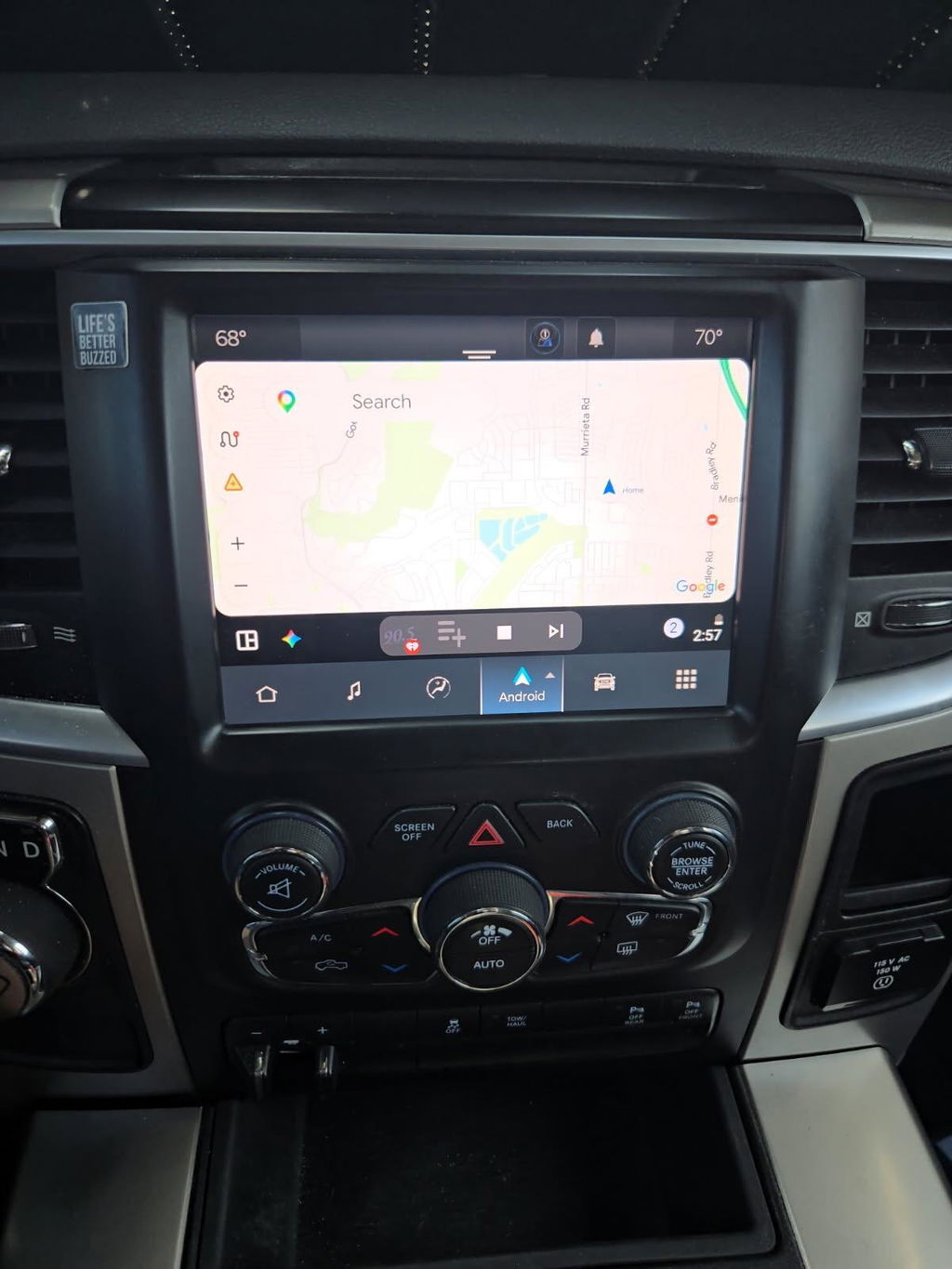
When the kit is properly matched, most of the features buyers care about can remain operational. On infotainment upgrades, that often includes steering wheel audio controls, factory backup camera display, USB integration, Bluetooth functionality, vehicle settings menus, and HVAC information shown on the screen. On some platforms, you can also retain performance pages, trailer settings, off-road screens, and native camera functions.
With digital cluster upgrades, common retained features include warning messages, factory gauges, menu controls on the steering wheel, and vehicle data displays. Remote start kits built around OEM components can also preserve normal key operation and factory-style behavior instead of adding an extra fob or awkward workarounds.
The reason this works is simple. OEM components are made to operate inside that manufacturer ecosystem. They are not trying to imitate factory communication. They are part of it.
Where buyers run into problems
Most factory feature loss comes from one of four mistakes. The first is buying parts from the wrong trim level or model year range. A screen from a similar truck may look right but still communicate differently. The second is skipping programming. Many late-model vehicles need more than physical installation to recognize a new module correctly.
The third mistake is assuming all “plug and play” claims mean full retention. Some products will physically connect without cutting wires, but still leave certain menus or features inactive. The fourth is mixing OEM and non-OEM components without confirming how they interact. One incompatible module can create glitches that look random but are actually communication issues.
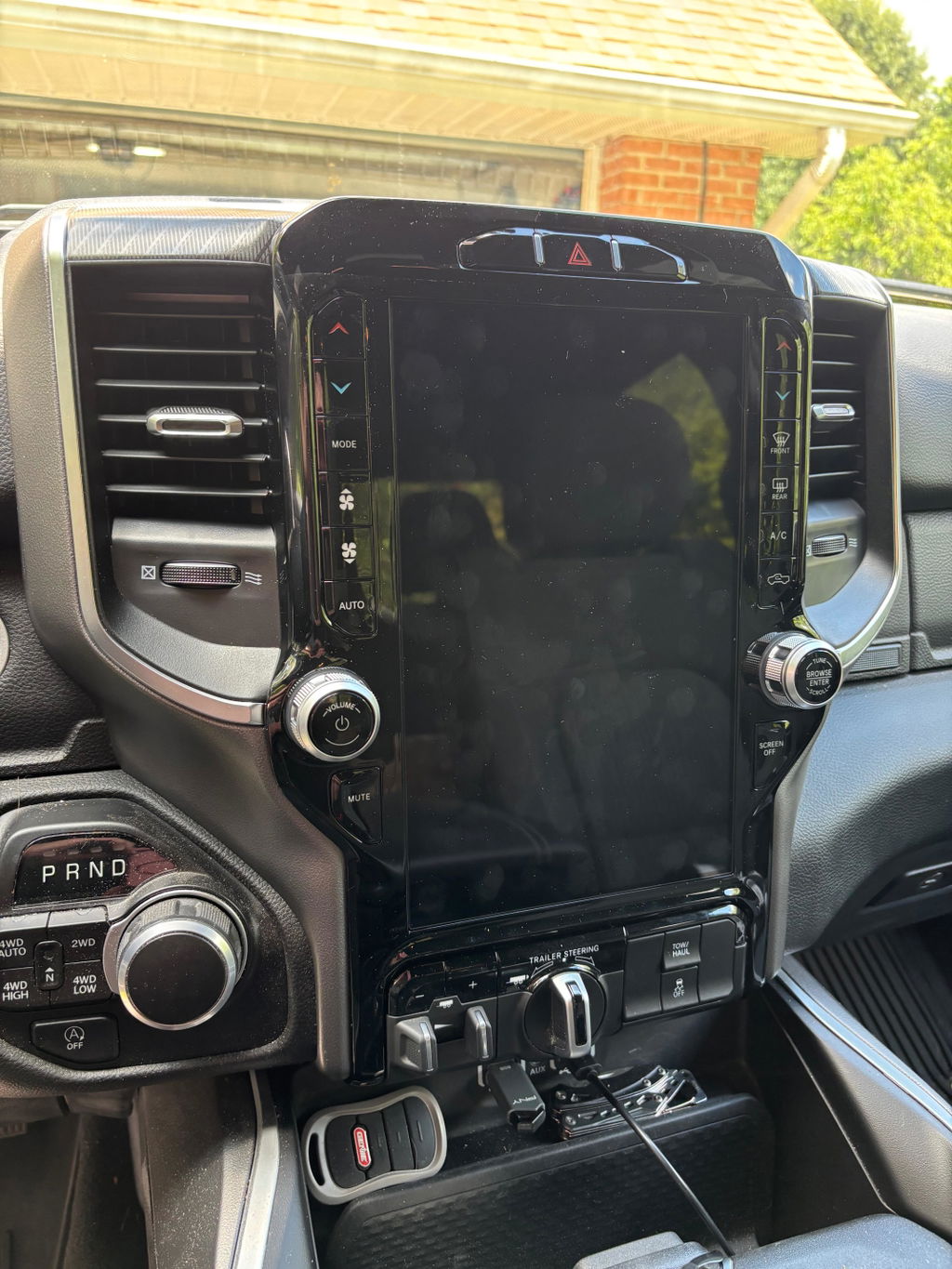
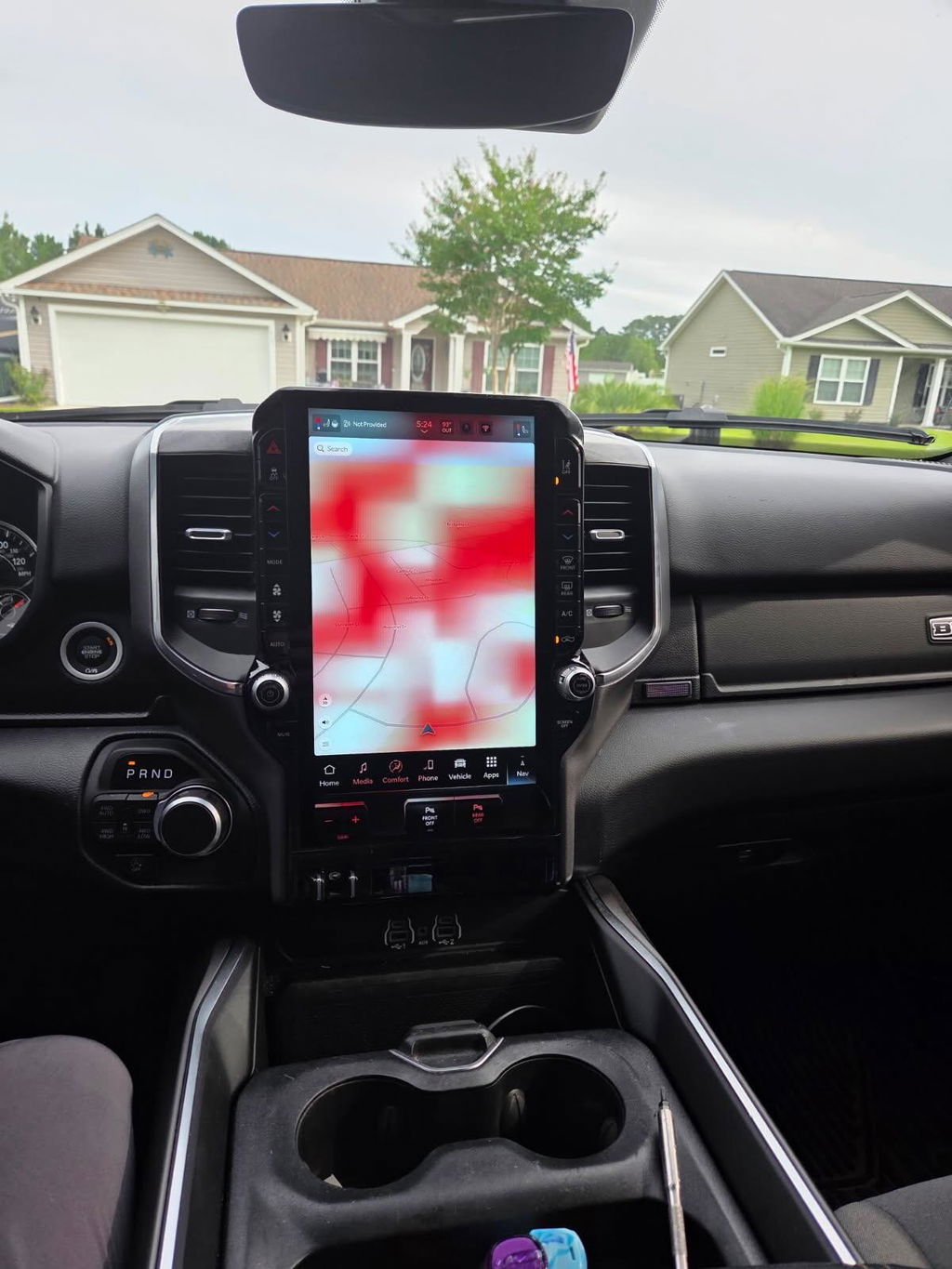
This is especially common with infotainment conversions. A larger screen may fit the dash, but if the climate controls, amplifier settings, camera input, or VIN programming are not handled correctly, the result is a system that turns on but does not behave like stock.
Do OEM upgrades keep factory features better than aftermarket systems?
In most cases, yes. That is the main reason serious truck owners prefer OEM-based upgrades when they want modern features without giving up factory integration.
A universal aftermarket setup can be a good option for certain builds, especially if you are focused on custom audio or you do not care about factory menus. But if your priority is keeping the truck easy to live with every day, OEM-based upgrades usually have the advantage. They look right, fit right, and work with more of the original functions already built into the vehicle.
That does not mean every OEM upgrade is perfect. Some features may depend on your current trim level, existing modules, or whether the truck already has the right supporting hardware. For example, adding a newer infotainment screen may unlock wireless Apple CarPlay and Android Auto, but some premium audio or camera features can still depend on what the truck originally came with.
So the better question is not just “will it fit?” It is “what exactly will my truck keep, gain, or require?”
What to verify before you buy
If you want a clear answer to whether OEM upgrades keep factory features on your specific truck, you need to look at fitment the same way a specialist does. Start with the exact year, make, model, trim, and current equipment. A 2018 Ram 2500 and a 2019 Ram 1500 may both say Ram on the grille, but they can require very different solutions.
Then verify what your truck already has. Screen size matters. Existing radio family matters. Amplified versus non-amplified audio matters. Factory camera setup matters. Steering wheel controls, climate layout, and trim package can all affect which kit is correct.
You also want to know whether programming is included, optional, or required. On many OEM conversions, that is not a minor detail. It is part of what allows the upgrade to act like it belongs in the truck.
A good product listing should be specific, not vague. It should call out model years, system types, key retained functions, and any known limitations. If the listing is generic, the risk goes up.
Why vehicle-specific kits make the difference
This is where a lot of buyers save time and avoid headaches. A vehicle-specific kit is built around known compatibility, not guesswork. Instead of hunting down separate screens, modules, harnesses, and programming solutions, you are getting a package designed to work together.
That matters because retaining factory features is rarely about one part. It is about the complete combination. Genuine OEM components are a strong foundation, but the supporting pieces are what make the install practical and the end result predictable.
For truck owners who want a clean upgrade path, this is usually the best value. Not just because installation is easier, but because the odds of losing factory functionality are lower when the package has already been built around your platform.
When the answer is “mostly” instead of “yes”
There are cases where an OEM upgrade keeps most factory features, but not every single one. That is normal, and a trustworthy seller should say so upfront.
Maybe a certain camera view is not supported without additional factory hardware. Maybe a trim-specific menu does not apply to your truck. Maybe a particular app page or connected service depends on subscription status or another module in the vehicle. Those are not necessarily deal-breakers, but they are the difference between an informed purchase and a bad surprise.
The right expectation is not magic. It is compatibility. If the product is truly designed for your truck, the goal is to preserve core factory operation while adding useful newer functionality. That is what makes an OEM-based upgrade worth the money.
The practical answer for truck owners
So, do OEM upgrades keep factory features? In the right application, yes - and usually far better than generic aftermarket alternatives. But feature retention depends on genuine OEM hardware, vehicle-specific fitment, correct integration parts, and proper programming. Remove any one of those pieces, and the answer gets less certain.
If your priority is a modernized truck that still feels factory-built, buy the upgrade the same way you would buy a drivetrain part: by exact platform match, not by appearance. That approach is why many buyers choose specialist retailers like DD Offroad for plug-and-play OEM upgrade kits instead of gambling on loose parts and universal electronics.
The best upgrade is the one that adds capability without making your truck feel modified in all the wrong ways.