7 Top Ram Interior Tech Mods Worth Doing
Share
A Ram with a strong powertrain and suspension setup can still feel dated every time you get behind the wheel if the cabin tech is stuck a generation behind. The top Ram interior tech mods are the ones that fix daily pain points - slow infotainment, small screens, missing remote start, limited cluster data, and weak phone integration - without turning your truck into a wiring project.
For most owners, the best upgrades are not the flashiest ones. They are the mods that look factory, work every day, and match the truck correctly by year, trim, and existing equipment. That is where OEM-based, plug-and-play upgrades usually beat generic universal electronics.
What makes the top Ram interior tech mods worth it
Interior tech upgrades only pay off if they improve the truck without creating new problems. A larger screen sounds great until you lose vehicle settings, steering wheel control support, camera integration, or factory menus. The same goes for digital clusters, remote start kits, and accessory add-ons. If the install turns into cutting, splicing, or hunting down extra modules, the value starts dropping fast.
That is why Ram owners usually get the best result from factory-style upgrades that preserve integration. You want the truck to behave like it came that way from the factory, not like it has a stack of add-on electronics fighting each other. Clean fitment matters, but system communication matters more.
Top Ram interior tech mods that actually improve daily use
1. Uconnect touchscreen upgrades
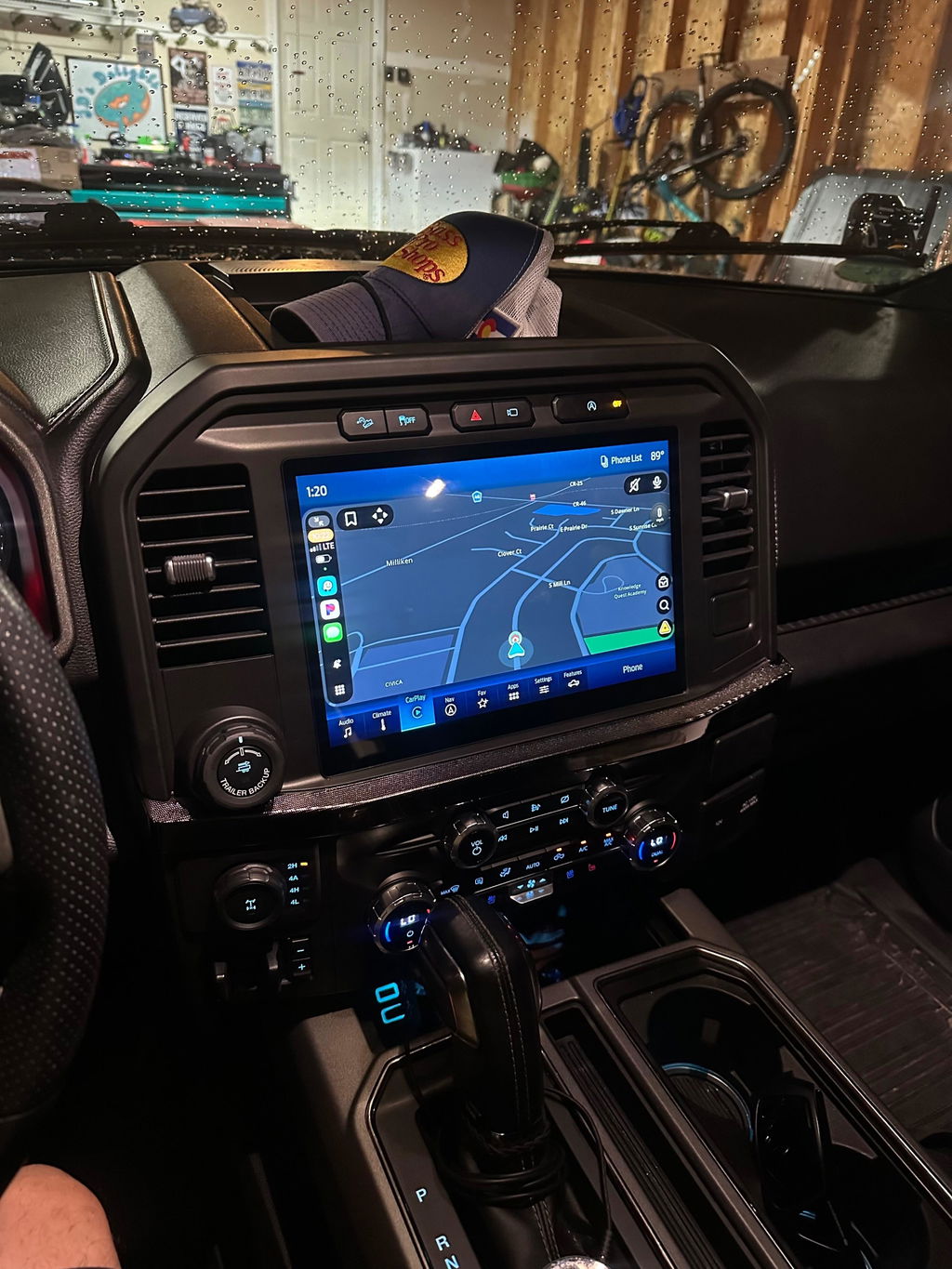
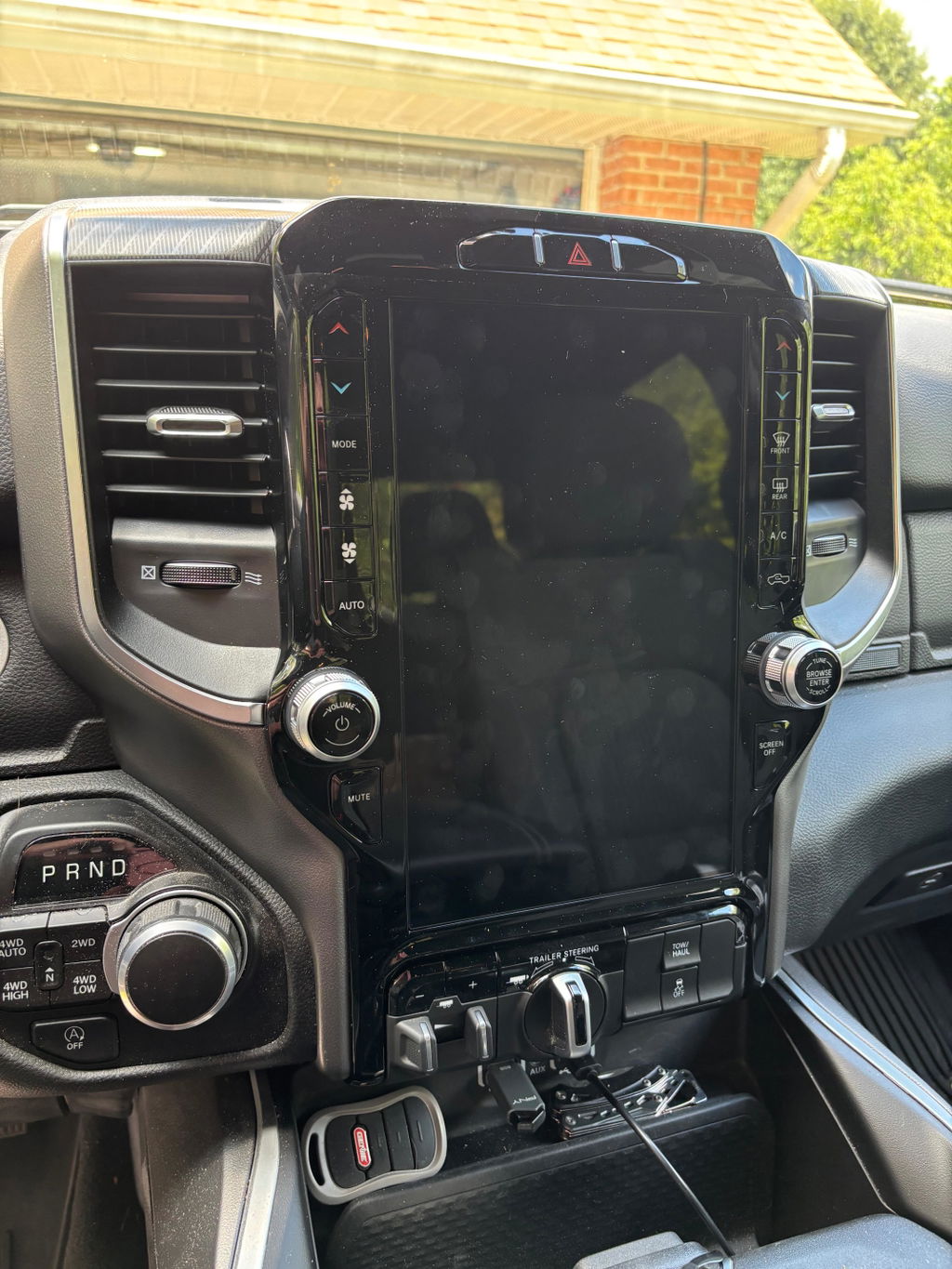
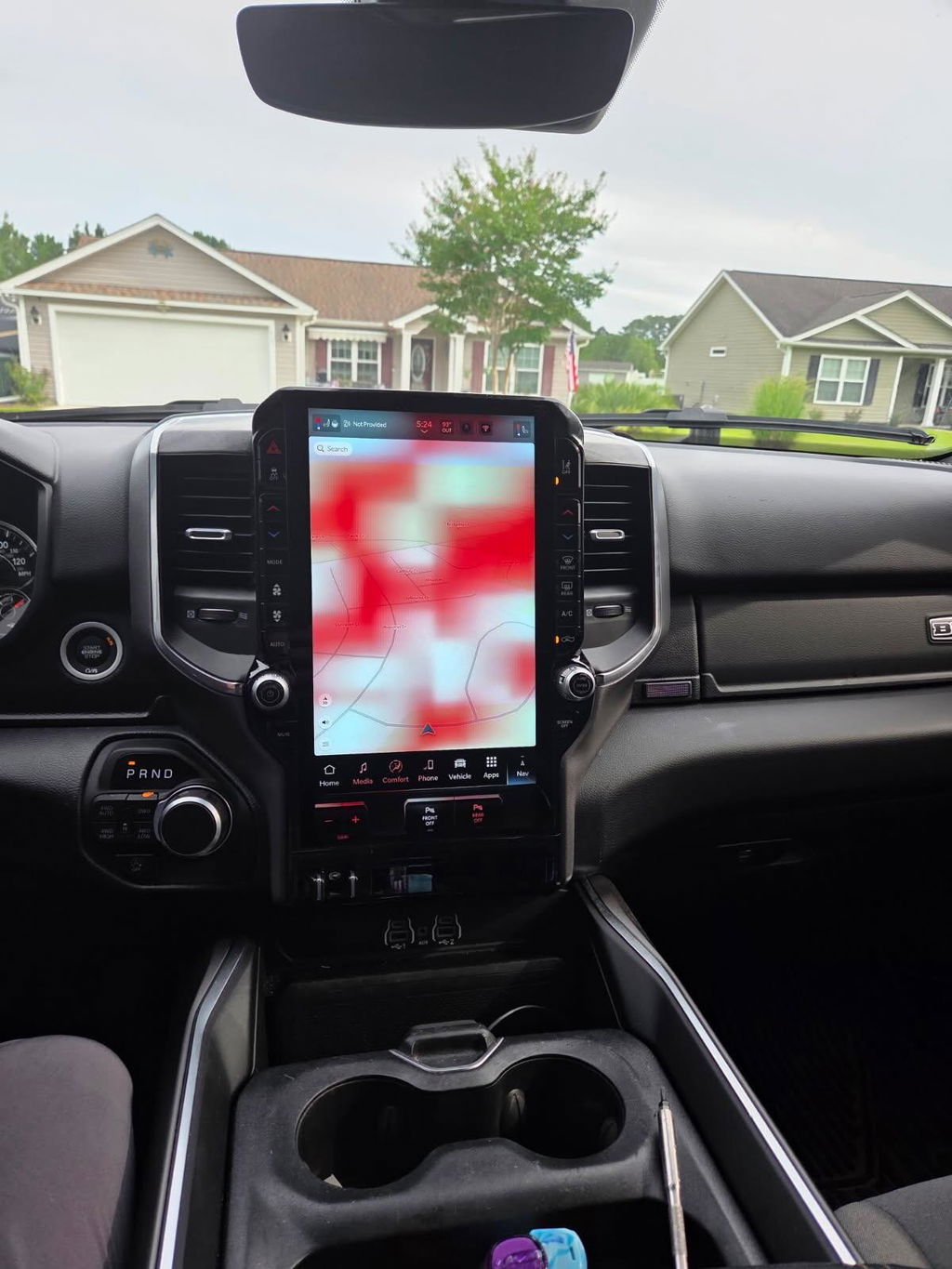
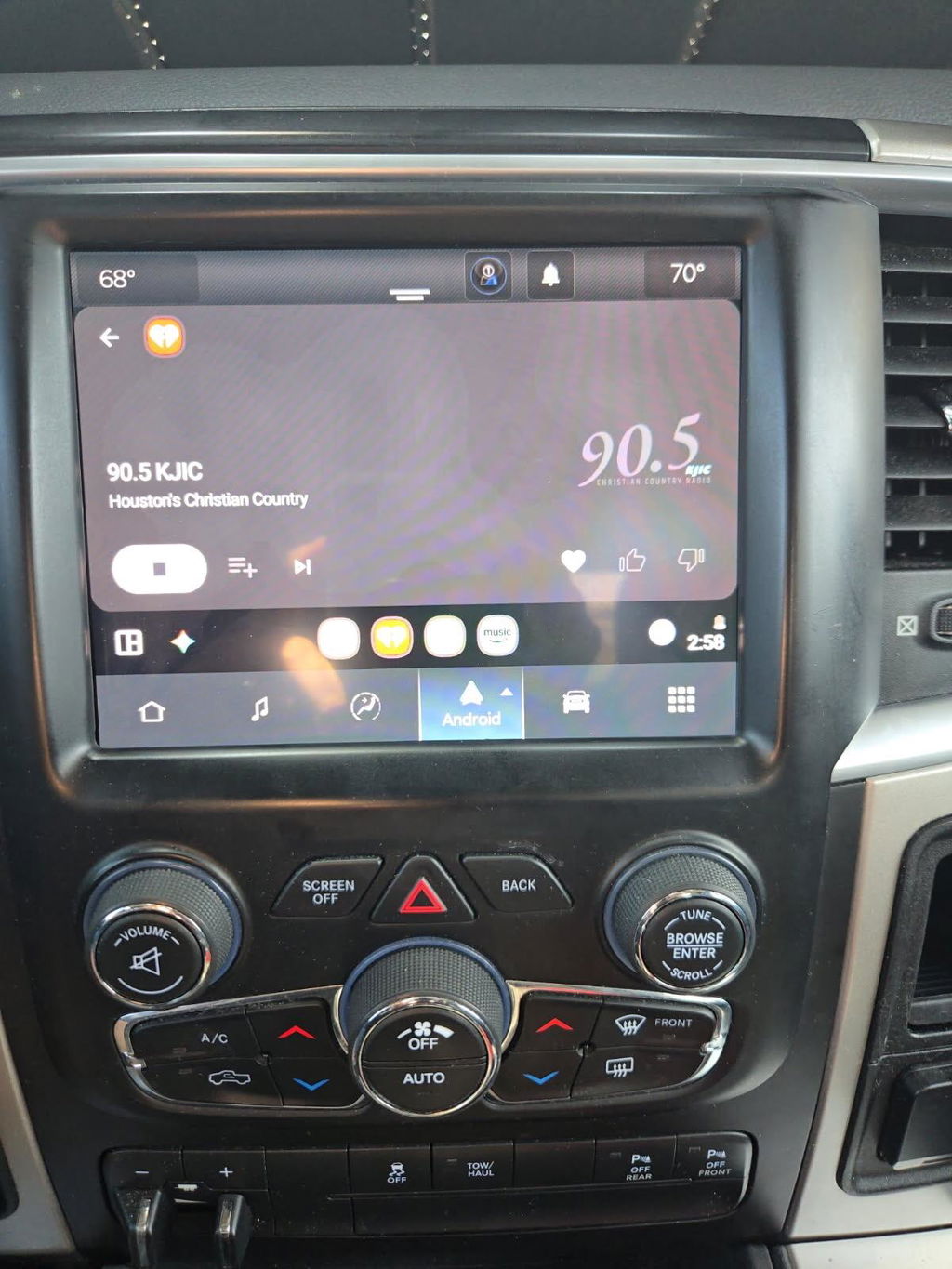
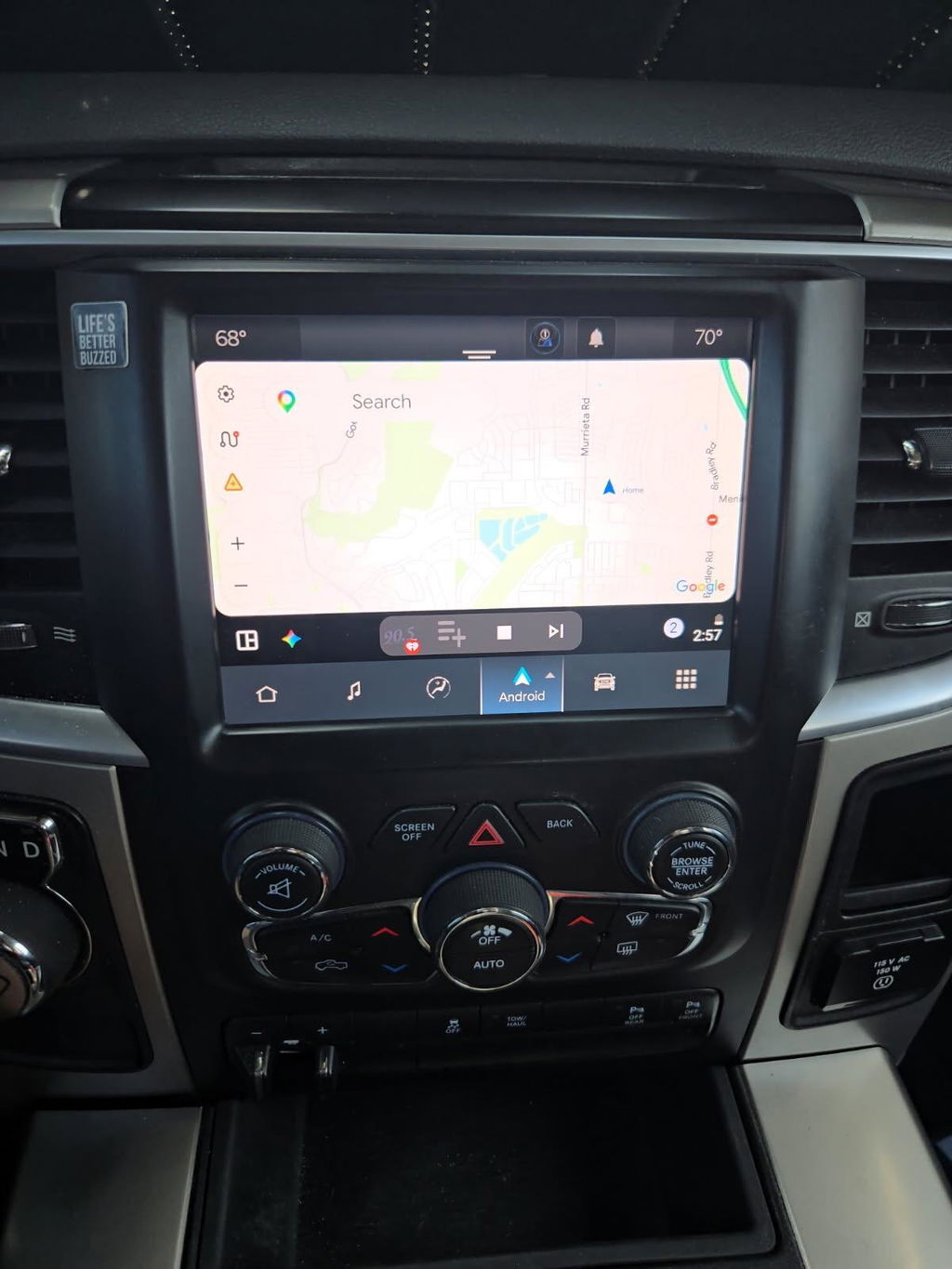
If your truck still has a smaller, older display, this is usually the first place to spend money. A larger Uconnect conversion changes the cabin more than almost any other interior mod because it affects navigation, media, phone use, camera display, and vehicle settings every single day.
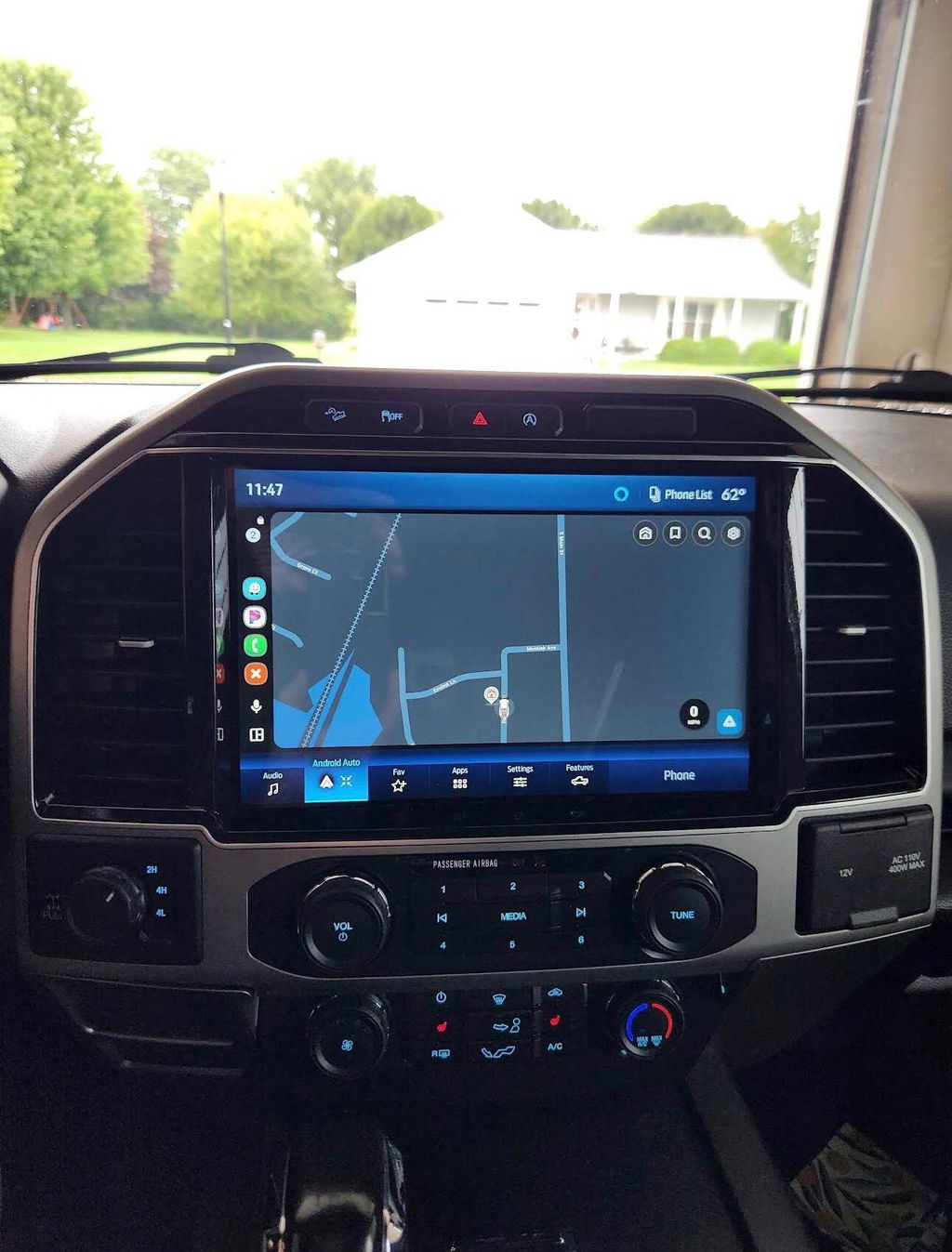
On many Ram platforms, upgrading to a newer OEM-style touchscreen can add faster response, better graphics, and access to features owners already expect in a modern truck. Wireless Apple CarPlay and Android Auto are a big part of that. For a lot of drivers, the goal is simple: get in, connect the phone, and go without cables draped across the console.
The trade-off is compatibility. Screen size, radio module requirements, HVAC control layouts, camera support, and software programming can vary by model year and trim. That is why exact-fit kits matter. A conversion that is built around your specific truck is a much safer move than trying to piece together used parts and hoping they communicate.
2. Digital cluster upgrades
A digital cluster is one of the most overlooked Ram interior tech upgrades, but it changes the driver experience right away. The truck feels newer the second you turn the key or hit the start button. Better graphics, improved menu layouts, and more useful vehicle information make a big difference if you spend real time in the driver seat.
This mod is especially attractive for owners who tow, travel, or monitor multiple vehicle functions regularly. Depending on the setup, a digital cluster can provide a cleaner way to view speed, fuel economy, off-road data, safety info, and driver assistance features. It also brings the interior in line with later-model trucks that have a much more premium dashboard presentation.
Here again, OEM integration is the deciding factor. A cluster is not just a display. It is tied into the truck's network, VIN-related configuration, and feature set. The right kit should be programmed correctly for the vehicle, or you risk warning lights, missing functions, or inaccurate information.
3. OEM remote start
Remote start is not the most exciting mod on paper, but it is one of the most useful. In hot states, cold climates, and work-truck duty, being able to start the truck before you get in is a real quality-of-life upgrade. It is even better when it works like a factory system instead of a universal aftermarket setup with extra fobs and visible add-on hardware.
An OEM remote start kit is usually the better long-term choice because it keeps operation simple and factory-like. You are not learning a new sequence or carrying another remote unless your truck specifically requires it. The system feels built in because it is built around the truck's original architecture.
This is one of those mods where buyers can get burned by cheap alternatives. Universal systems may advertise broad compatibility, but that does not mean clean integration. If you want reliable daily use, model-specific hardware and correct programming matter.
4. Wireless smartphone integration
A lot of Ram owners focus on screen size first, but the bigger issue is often how the phone connects. If your truck still relies on older USB-only smartphone integration or lacks Apple CarPlay and Android Auto entirely, the cabin feels older than it should. Wireless connectivity fixes that fast.
This upgrade matters because it removes friction from every drive. Maps, music, podcasts, calls, and messages all become easier to access. For drivers using their truck for work, towing routes, or long highway miles, that convenience adds up quickly.
In some cases, wireless smartphone integration comes as part of a full Uconnect 5 conversion. In others, owners look for standalone workarounds. The problem with shortcut solutions is that they do not always behave like native equipment. Lag, audio glitches, inconsistent startup, and poor interface quality are common complaints. If you are already upgrading the interior tech, native-style functionality is usually worth paying for.
Choosing top Ram interior tech mods by truck generation
Not every Ram owner should buy the same upgrade first. The right path depends on what the truck already has.
For older trucks with basic radios, the touchscreen upgrade usually delivers the biggest improvement because it modernizes the whole center stack. For trucks that already have decent infotainment but still feel behind the times, a digital cluster can make the interior feel substantially newer without changing the truck's overall layout. If your main frustration is convenience, remote start may give you more day-to-day value than a display upgrade.
Trim level also matters. A base or mid-level truck often has the most room for improvement because it is missing premium factory features that higher trims already include. On a better-equipped truck, the smarter move may be targeted upgrades that fill one specific gap instead of replacing everything.
5. Factory-style camera and menu integration improvements
One of the easiest ways to ruin an interior tech upgrade is to lose features you already use. Backup camera display, cargo camera support, surround-view access, trailer settings, and HVAC menus all need to remain functional after a screen or module swap. That is why integration is not a side detail. It is the whole game.
For many owners, one of the best interior tech moves is not adding a flashy feature but upgrading to hardware that keeps every original menu and camera feed working correctly while expanding capability. It is less about adding gimmicks and more about preserving the truck's built-in intelligence.
If you use your Ram for towing or hauling, this becomes even more important. A big screen only helps if it still supports the truck's working features. Utility has to stay intact.
6. OEM audio interface improvements
Not every owner wants a full custom sound build with amps, sub boxes, and major disassembly. Sometimes the better interior tech mod is improving the head unit and interface first. A newer OEM-style infotainment setup often makes the existing audio system easier to use and better tuned simply because the controls, source options, and system communication are improved.
This is a practical choice for owners who care more about clean operation than show-truck audio specs. If your goal is better streaming, more stable phone audio, and a more modern control layout, interface upgrades can deliver enough value without moving into a full audio project.
7. Programmer-supported feature activation and calibration
Some Ram interior upgrades work best when paired with proper programming support. Whether you are adding OEM hardware, activating feature sets, or correcting settings after an install, the truck may need calibration to recognize what changed. This is where many do-it-yourself installs stall out.
A programmer or properly configured module can be the difference between a clean result and a half-working upgrade. You do not want to spend on a premium screen or cluster only to find out the truck still needs coding support for full functionality. The best upgrade path accounts for that from the start instead of treating programming as an afterthought.
How to buy Ram interior tech mods without making a mess of the truck
The safest way to shop is to start with exact vehicle details: model year, trim, cab configuration, current radio size, and major factory options. Those details decide fitment, retained features, and whether the install will truly be plug and play.
This is also why OEM Genuine Components and vehicle-specific kits carry more value than they may seem to on the product page. You are not just paying for parts. You are paying to avoid compatibility issues, missing harnesses, incorrect programming, and wasted install time.
If you are comparing options, ask one basic question: will this upgrade behave like it belongs in the truck? If the answer is unclear, keep looking. A Ram interior should not end up full of patched-in electronics and workarounds when factory-style solutions exist.
DD Offroad has built a strong lane around that exact need - giving Ram owners plug-and-play upgrade paths that preserve factory integration instead of forcing generic aftermarket compromises.
The best interior tech mod is the one that makes your truck feel current every time you use it, not just the one that looks impressive on install day.