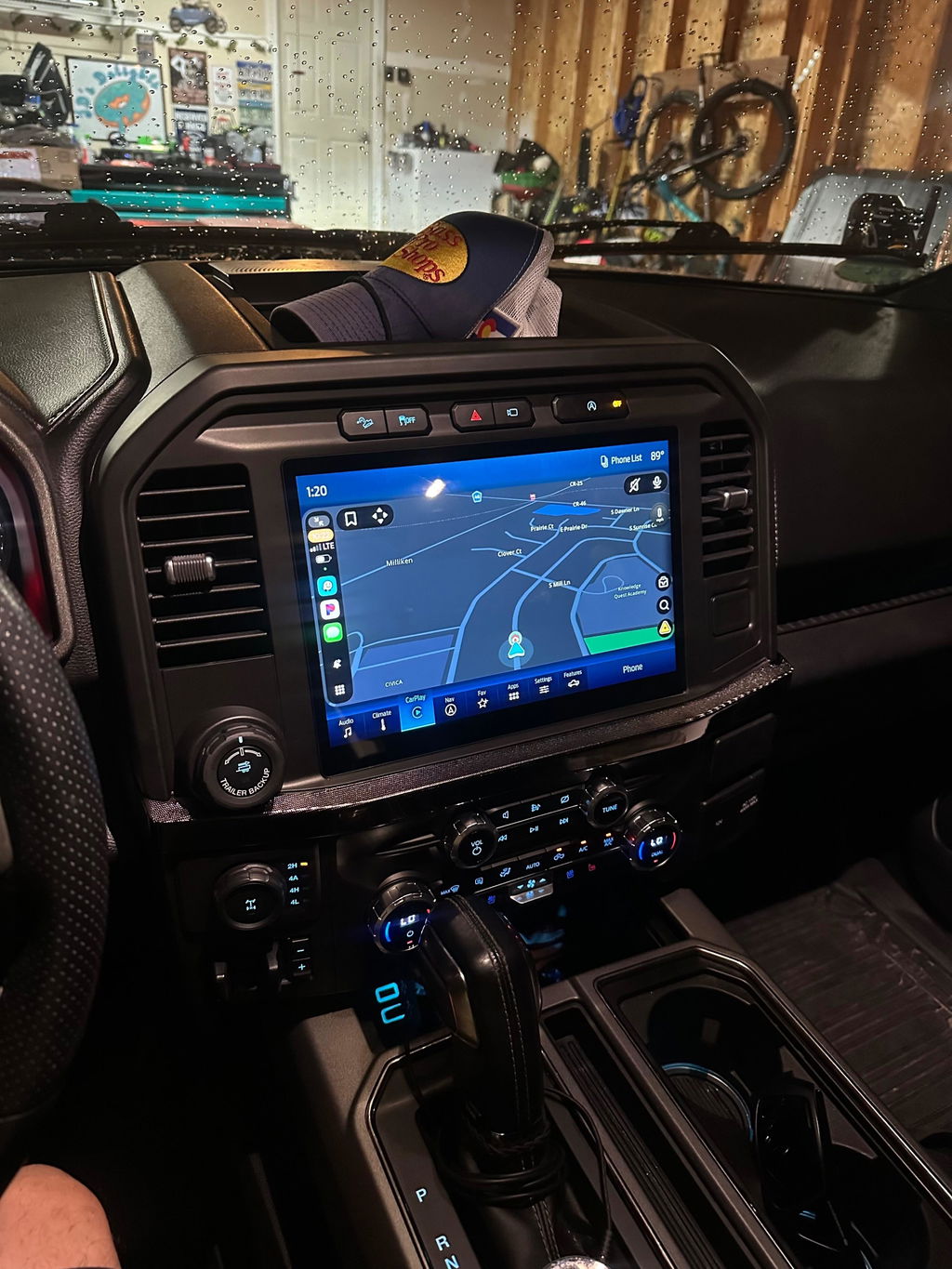
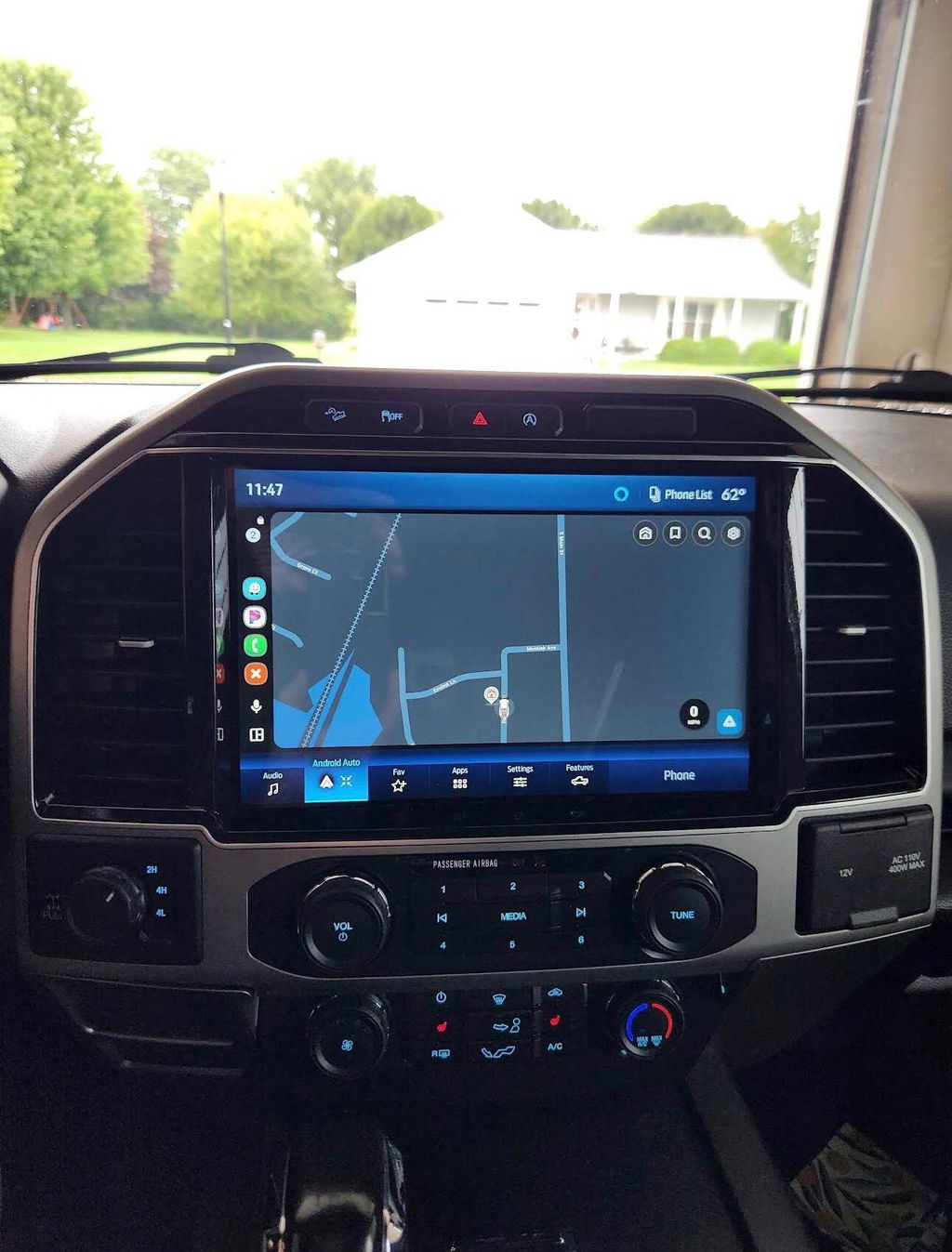
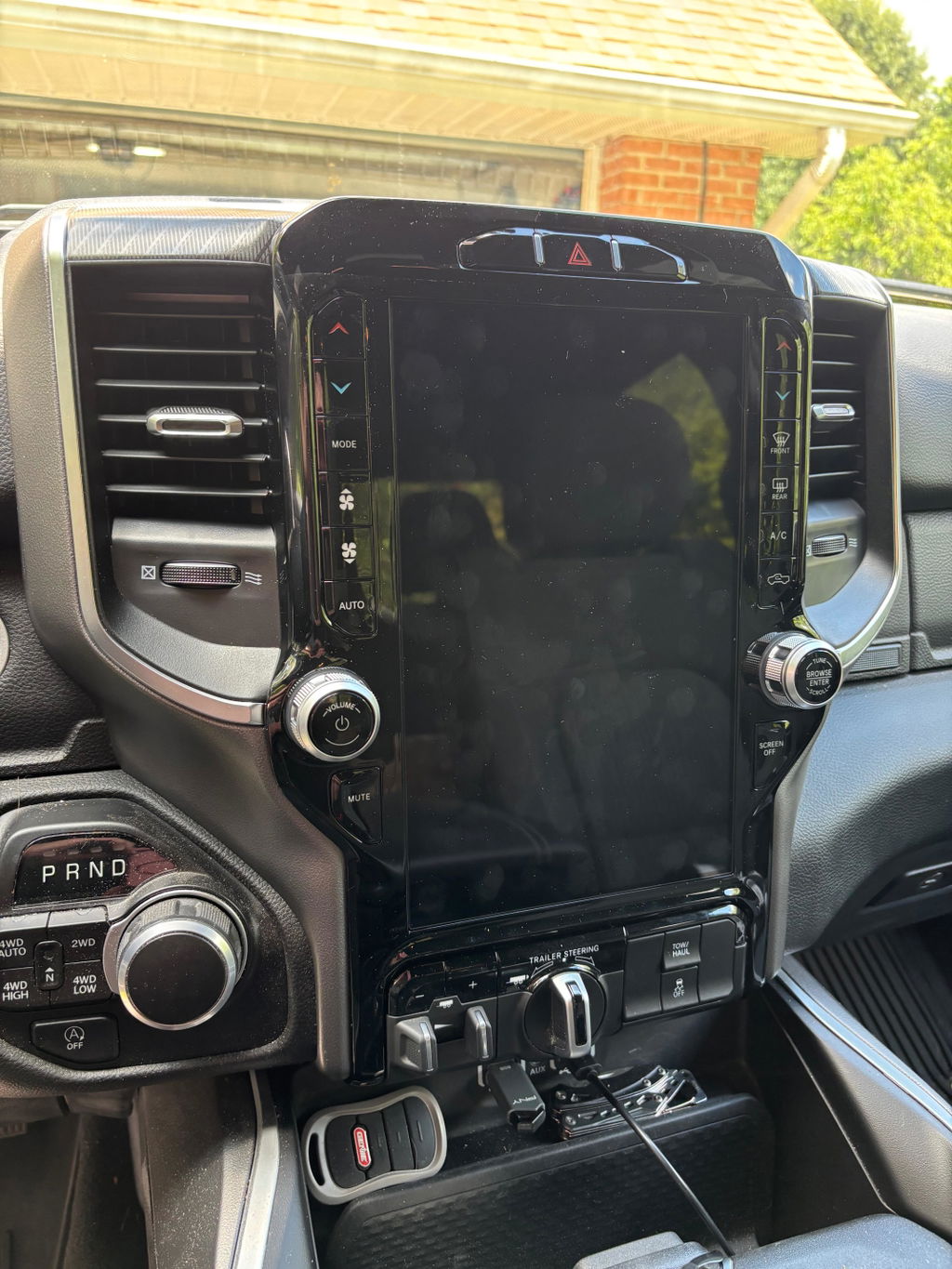
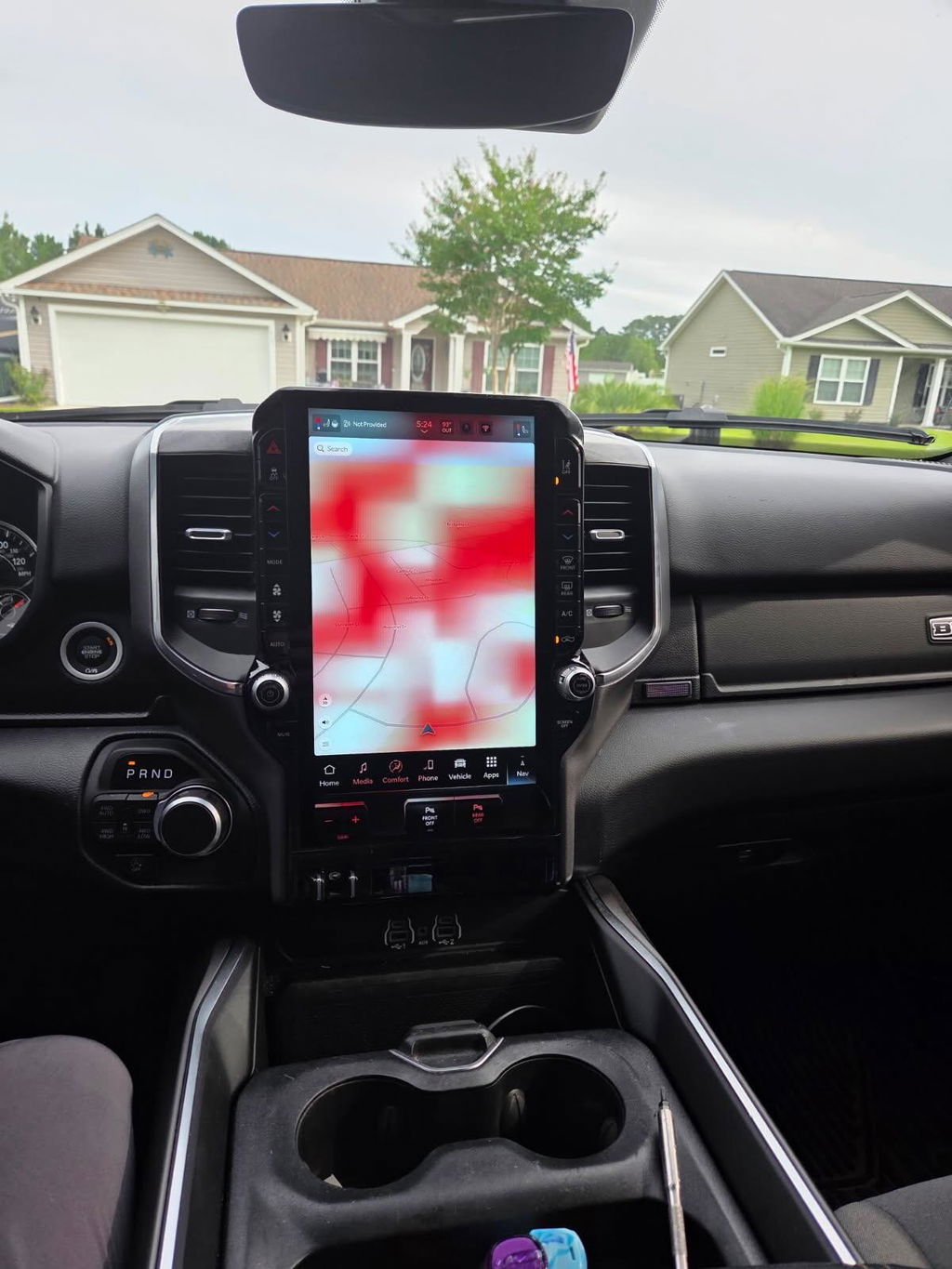
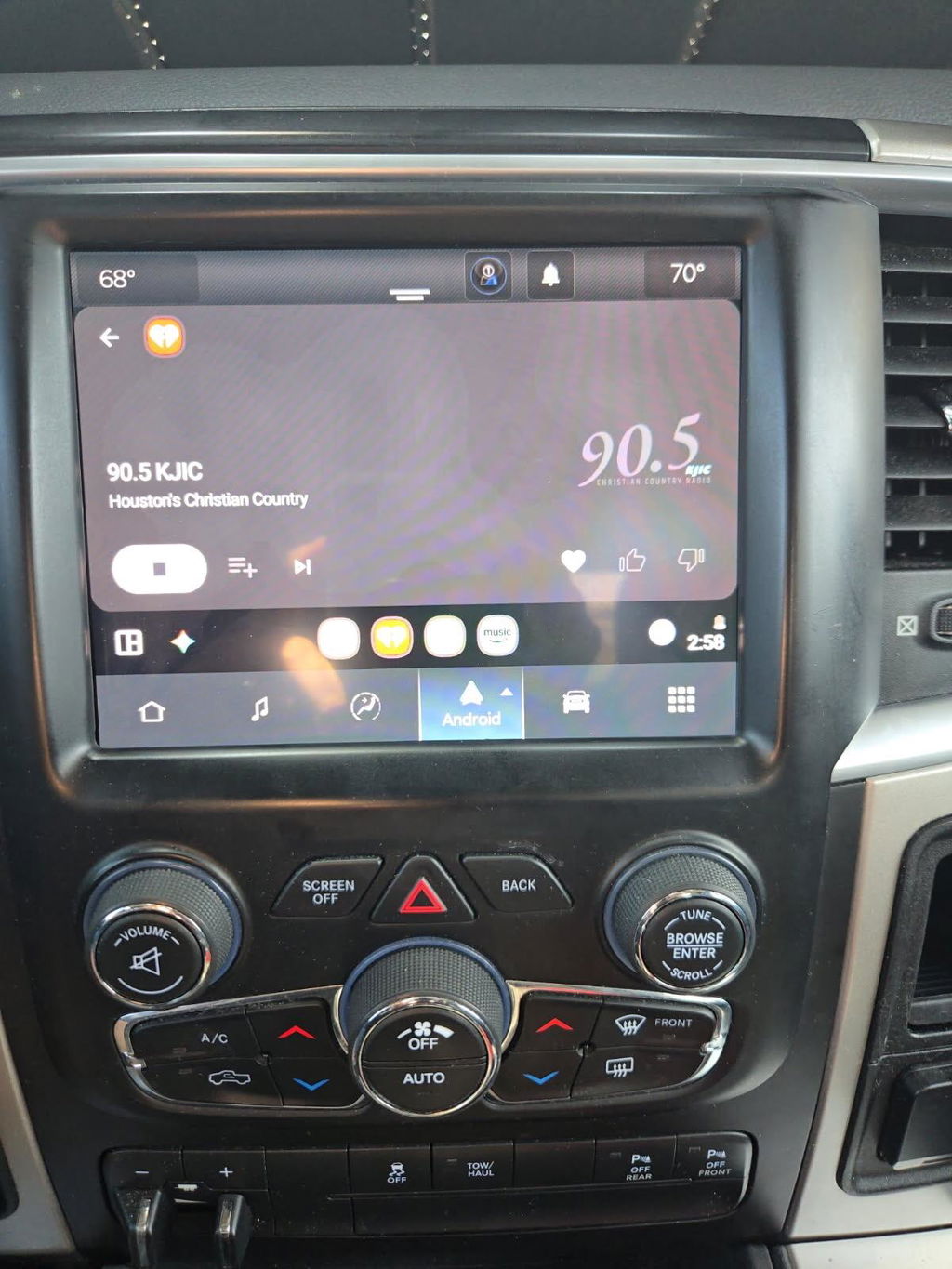
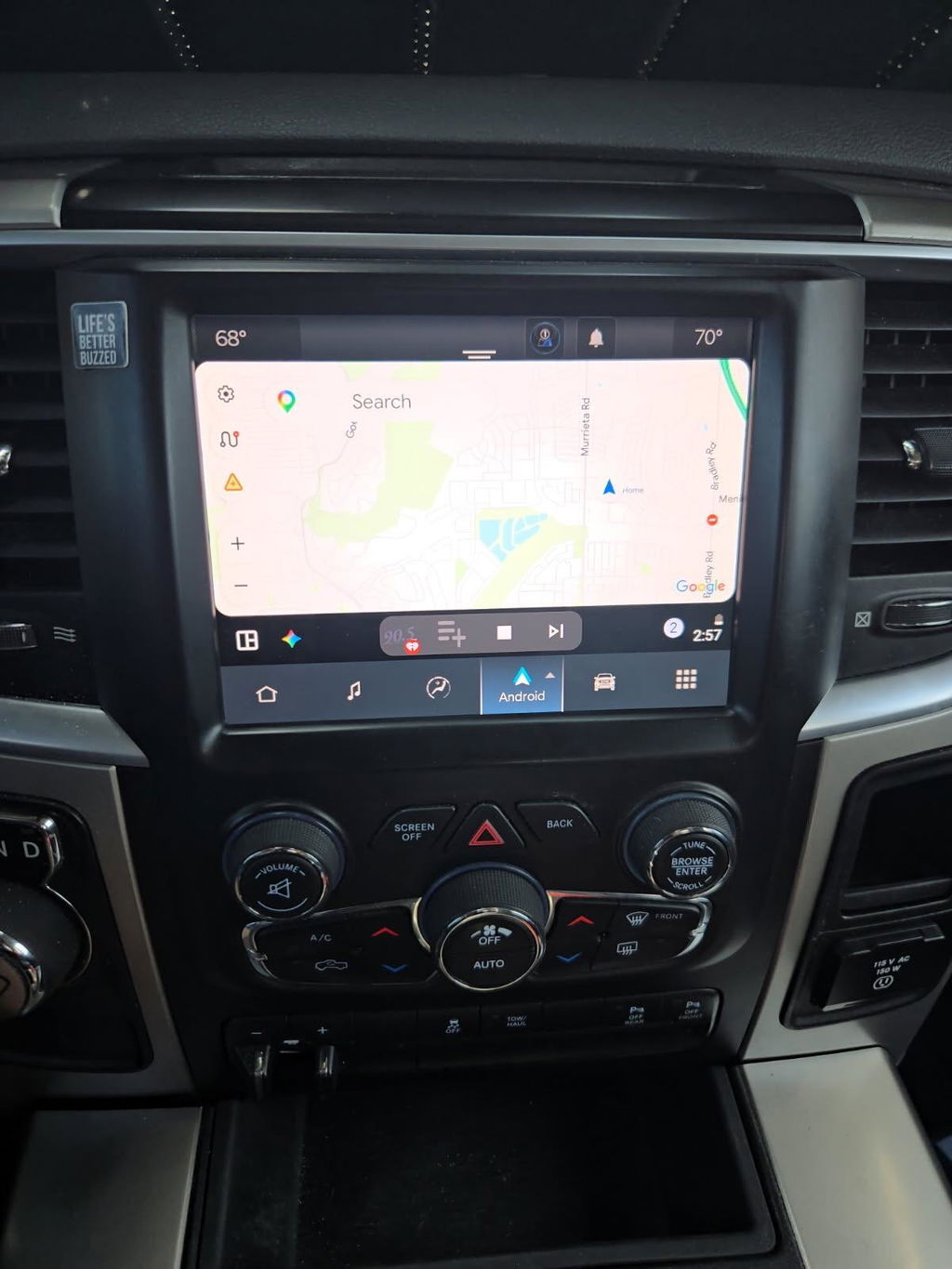
Ram 2500 Screen Swap Example and Fitment
Share
A good ram 2500 screen swap example usually starts with the same complaint: the truck is solid, the cabin still works, but the factory screen feels dated every time you back up, pair a phone, or try to use navigation. On a Ram HD, the screen is not just a display. It sits in the middle of audio, climate functions, vehicle settings, camera integration, and overall day-to-day usability. That is why screen upgrades need to be treated as a fitment job first and a feature upgrade second.
What a Ram 2500 screen swap example really shows
The most useful example is not just before and after photos. It shows how the truck changes when the right OEM-based parts are matched to the correct model year, radio system, and trim. On a Ram 2500, that matters because not every truck left the factory with the same screen size, bezel layout, software generation, or feature set.
A basic work truck with a smaller screen may need more than just the display itself. A higher-trim truck may already have supporting hardware and only need a more targeted conversion. That difference is where many generic aftermarket setups go sideways. The screen might power on, but you end up with missing climate controls, poor camera function, or menus that do not communicate correctly with the truck.
An OEM-style swap keeps the upgrade focused on factory integration. That means proper fit in the dash, retained vehicle controls, and features that behave like they belong there instead of acting like an add-on.
The typical upgrade path on a Ram 2500
Most Ram 2500 owners looking at a screen swap are moving from a smaller factory unit to a larger touchscreen with newer software and better phone connectivity. In practical terms, that usually means a sharper display, faster response, improved menu layout, and access to wireless Apple CarPlay and Android Auto when supported by the conversion.
The appeal is simple. You keep the truck, but the cabin starts to feel years newer. That matters in a heavy-duty platform because these trucks stay in service for a long time. Owners are not shopping for novelty. They want a cleaner, more capable factory-style setup that matches the rest of the vehicle.
A proper swap example also shows what does not change. Steering wheel controls should still work. Factory cameras should still display correctly. Climate settings should remain accessible. The truck should not feel like it was hacked together with universal electronics.
Why model year matters more than most buyers expect
Ram infotainment fitment is heavily tied to generation and model year. Two trucks that look similar from the outside can have meaningful differences behind the dash. Radio modules, screen communication, harness requirements, and software compatibility can all shift depending on build year.
That is why the right question is not, “Will this fit a Ram 2500?” The right question is, “Will this fit my exact Ram 2500 configuration?” Year, trim, existing screen size, and original radio setup all matter. If the goal is plug-and-play installation with factory function retained, those details are not optional.
For example, some trucks may support a straightforward upgrade path using OEM genuine components and vehicle-specific programming. Others may require additional pieces to make the conversion complete. Neither is a problem if it is identified up front. It only becomes a problem when the truck owner is sold a universal answer.
Ram 2500 screen swap example: what parts are usually involved
In a real-world Ram 2500 screen swap example, the screen is only one part of the package. A complete OEM-based upgrade may include the display, the correct bezel, supporting modules, conversion harnesses, and programming that matches the truck.
That package approach is what separates a clean result from a frustrating install. If a buyer only sources the screen and ignores the rest, the dash may physically accept the part while the system itself remains incomplete. This is where people lose factory features or run into warning messages, non-working controls, or poor communication between components.
With a vehicle-specific kit, the goal is to remove guesswork. You want the truck to recognize the upgrade properly, not just tolerate it. That is the difference between an infotainment conversion and a cosmetic swap.
The value of OEM-based hardware
There is a reason many Ram owners prefer OEM-style components instead of generic tablet-style stereos. Factory-based hardware is designed around the truck’s systems. The fit is cleaner, the controls are more predictable, and the user experience feels native to the platform.
That approach also helps preserve resale appeal. A heavy-duty buyer usually responds better to an upgraded factory-style interior than to an oversized aftermarket screen with a custom interface that may or may not control vehicle functions correctly.
For owners who use their truck for towing, work, or frequent travel, reliability matters as much as screen size. The system needs to start every time, respond normally, and keep core vehicle functions where you expect them.
What improves after the swap
The biggest upgrade is usually usability. A larger OEM-style screen gives you better visibility for menus, camera views, and navigation prompts. That sounds basic, but it changes how the truck feels every day. Less squinting, fewer menu delays, and a more current interface go a long way in a vehicle that spends real time on the road.
Phone integration is another major reason owners move forward. If your current setup makes calls and music feel like a chore, a newer infotainment system can fix that quickly. Wireless smartphone integration is one of those features that seems optional until you have it, then you do not want to go back.
There is also a practical side for drivers who tow or spend time off-road. Better camera presentation and faster screen response can make a noticeable difference when you are maneuvering a trailer or checking surroundings in tight spaces.
Where buyers make mistakes
The most common mistake is shopping by screen size alone. Bigger is not the whole story. If the hardware is wrong for the truck, the install becomes more expensive and less predictable. Another mistake is assuming all Ram radios within a generation are interchangeable. They are not.
Buyers also get into trouble when they mix used parts from multiple sources and hope the system will sort itself out. Sometimes it does. Often it does not. Missing components, mismatched software, and unverified programming turn what should be a straightforward upgrade into a troubleshooting project.
This is exactly why a model-year-specific kit has value. It reduces compatibility risk, shortens install time, and gives the buyer a much clearer expectation of what the truck will gain after the upgrade.
Is a screen swap worth it on a Ram 2500?
For the right truck, yes. If the truck is mechanically solid and you plan to keep it, an infotainment upgrade is one of the few interior changes you will notice every single day. It modernizes the cabin without changing the character of the vehicle.
That said, it depends on what you expect. If you only want a different look, there are cheaper ways to change the dash. If you want factory-style functionality, cleaner integration, and modern features without compromising how the truck operates, then an OEM-based swap makes more sense.
The value is strongest when the kit is matched correctly from the start. That means verifying model year, current equipment, and intended feature outcome before anything gets ordered. At DD Offroad, that is the logic behind vehicle-specific upgrade packages. The goal is not to sell more parts than you need. It is to get the right parts in one shot.
How to evaluate your own truck before buying
Start with the basics. Confirm your exact model year, trim level, and the factory screen currently in the truck. Then identify what you actually want to gain. For some owners, that is a larger screen and newer interface. For others, it is mainly wireless phone integration or a more premium OEM appearance.
Next, look at whether you want a fully factory-style result or are willing to compromise on integration. Most Ram 2500 owners shopping in this category already know the answer. They want the dash to look right, work right, and keep factory features intact.
Finally, be realistic about installation. Plug and play does not mean every truck is identical. It means the upgrade path has been organized around known fitment, supporting components, and correct programming. That is exactly what makes the process easier.
A Ram 2500 is built to stay useful for years. If the truck still does its job but the infotainment no longer keeps up, a properly matched screen swap is one of the smartest ways to bring the interior forward without sacrificing the factory feel.