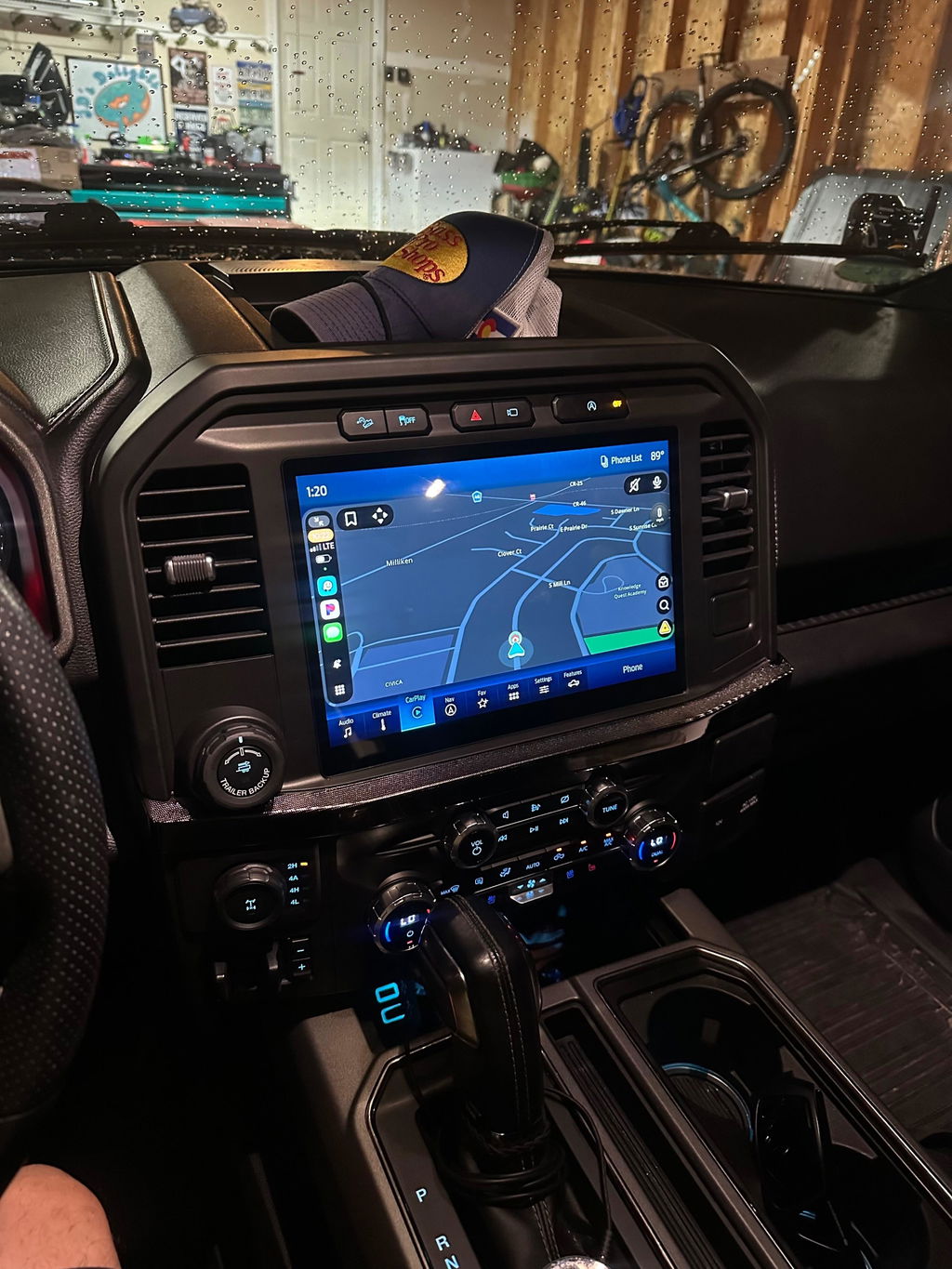
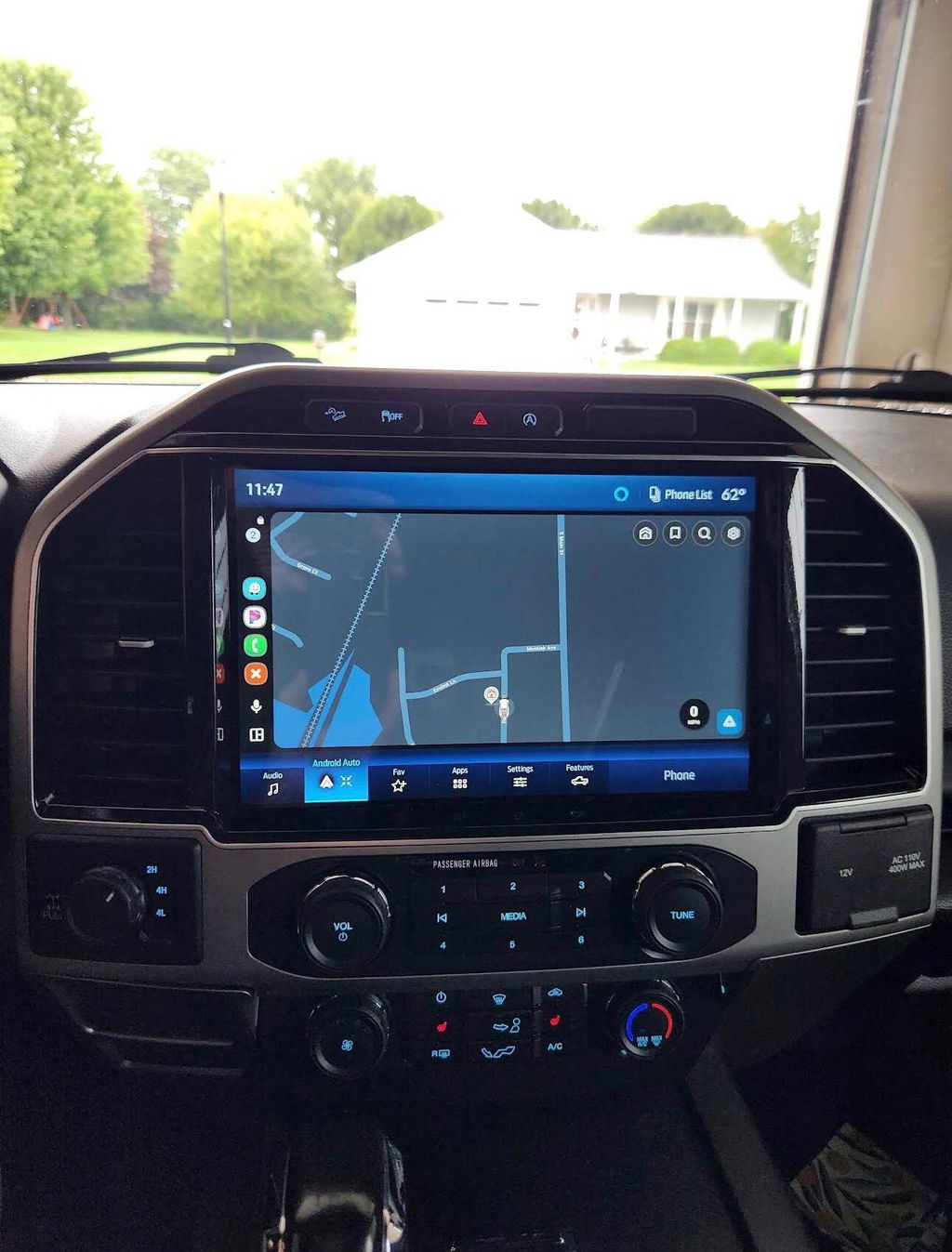
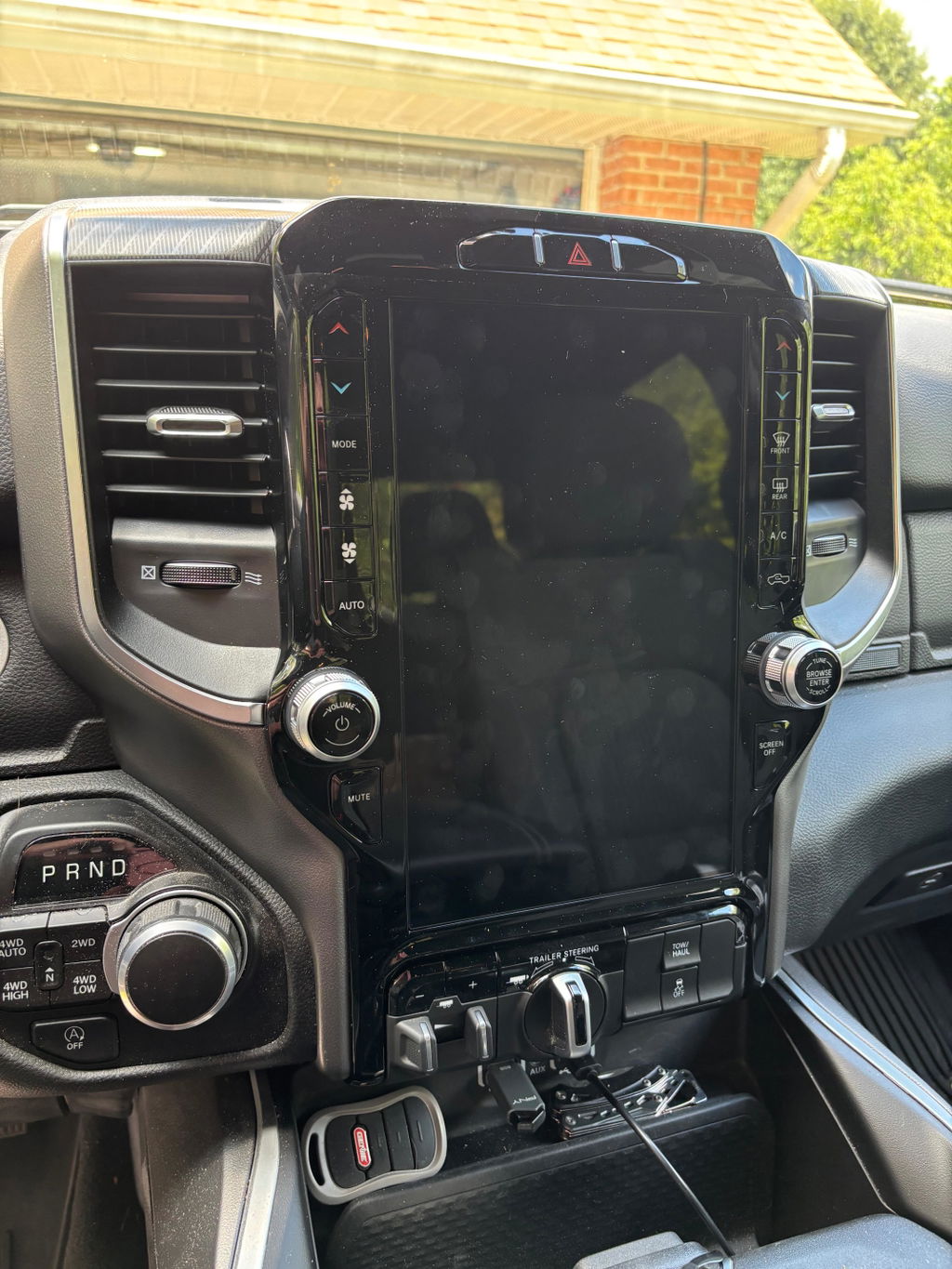
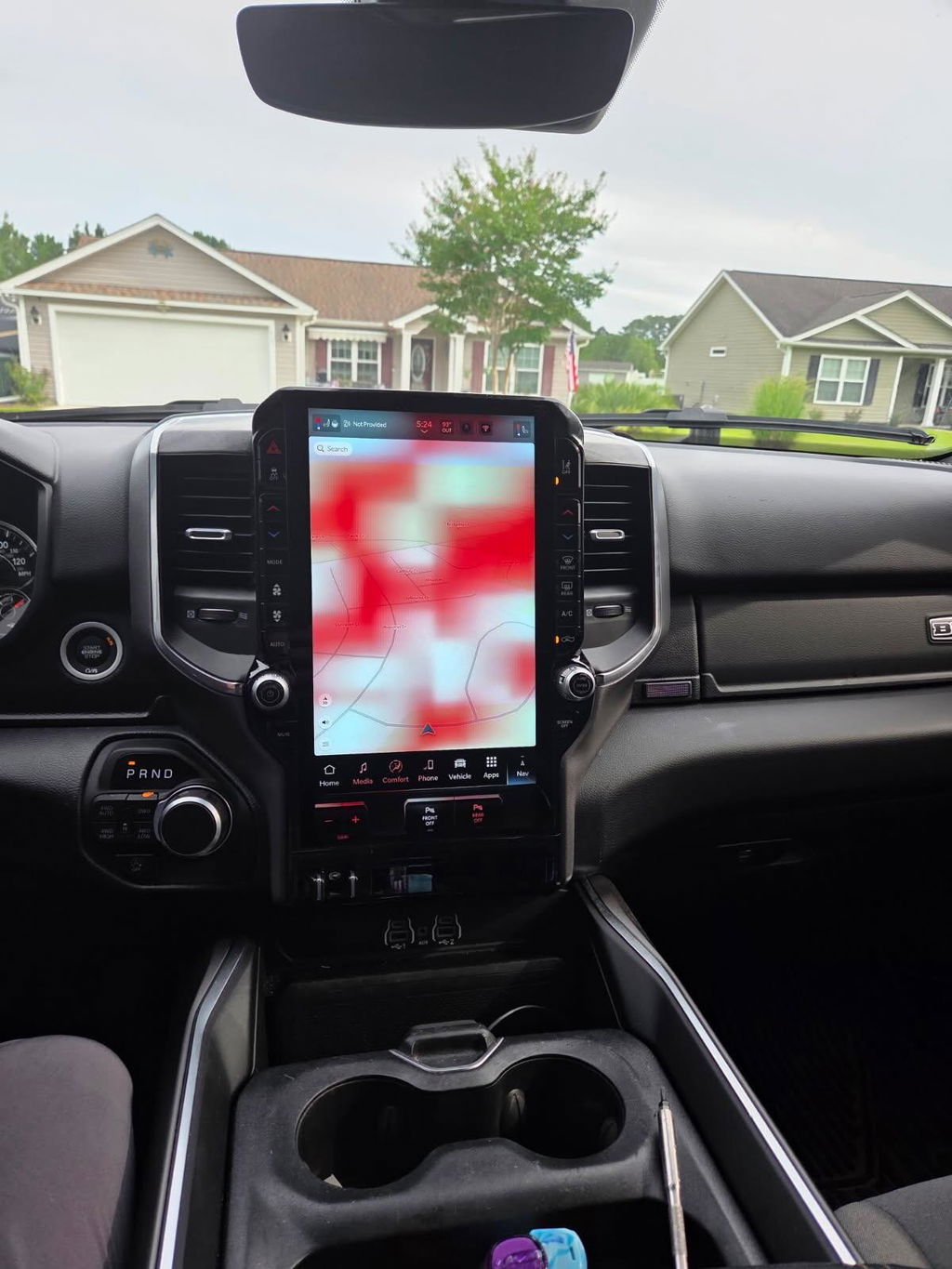
Ram 1500 Factory Touchscreen Replacement Guide
Share
A cracked screen is obvious. A laggy factory display that freezes, drops Bluetooth, or feels two generations behind is harder to ignore once you use the truck every day. That is usually when a ram 1500 factory touchscreen replacement moves from a nice upgrade to a practical fix.
The key question is not just which screen fits the dash. It is whether the replacement keeps the truck working like a factory system should. On a Ram 1500, that means radio functions, climate controls, backup camera support, steering wheel controls, vehicle settings, and proper integration with the modules already in the truck. If any of that gets shaky, the bigger screen stops feeling like an upgrade.
When a Ram 1500 factory touchscreen replacement makes sense
Some owners are replacing a failed screen. Others are upgrading from a smaller factory display to a larger OEM-style setup with newer features. Those are two different jobs, and the right path depends on what the truck already has.
If your original screen is physically damaged but the rest of the system still works, a direct factory-style replacement is usually the cleanest solution. You keep the truck looking stock, avoid cutting into the dash, and preserve the interface you already know.
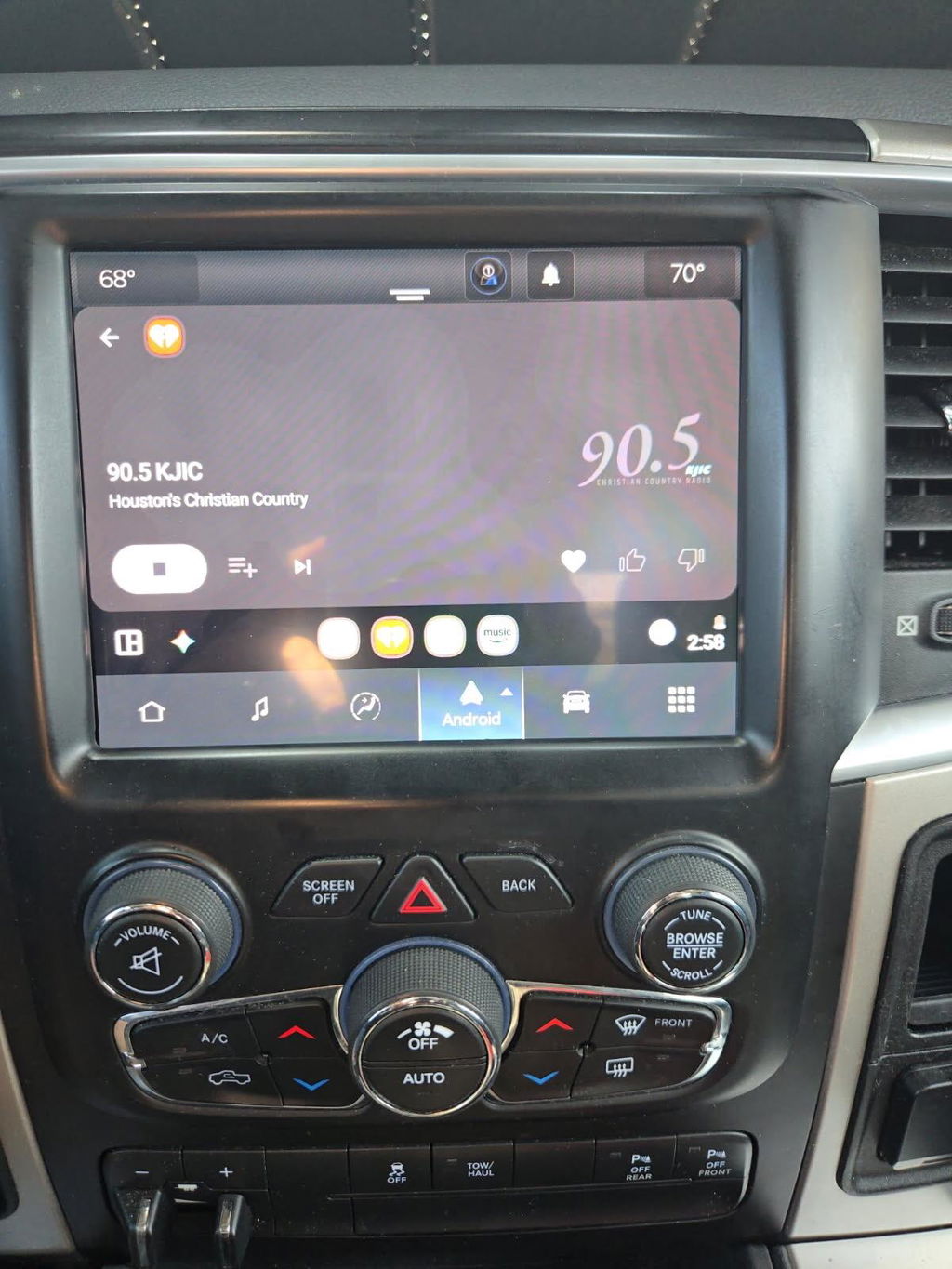
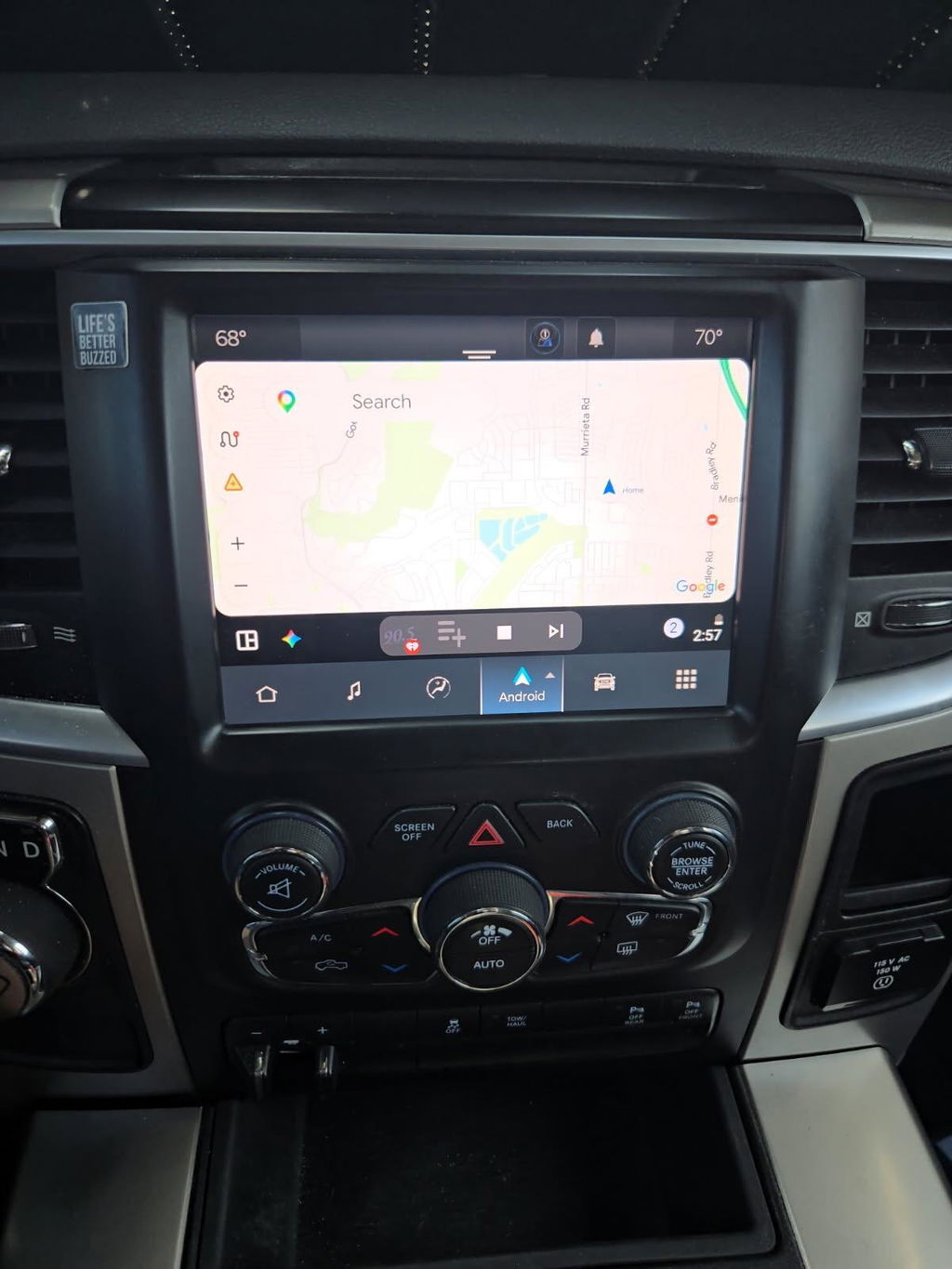
If the truck has an older 5-inch or 8.4-inch setup and you want more than just a repair, a full conversion makes more sense. That can add a larger display, updated software, and newer features like wireless Apple CarPlay and Android Auto, depending on the system and model year. In that case, you are not just swapping a panel. You are changing how the infotainment system operates.
OEM-based replacement vs universal aftermarket screens
This is where a lot of Ram owners waste money the first time. A cheap universal screen can look good in photos, but fitment and integration are where problems show up.
A true OEM-based solution is built around factory hardware and vehicle-specific compatibility. That matters because the Ram touchscreen is not a standalone tablet stuck in the dash. It is tied into vehicle settings, audio controls, camera inputs, and on many trims, heated seat and wheel functions. When the replacement is designed around the truck, those functions are much more likely to stay intact.
Universal aftermarket units can work for some buyers, especially if price is the only priority. The trade-off is usually more wiring complexity, adapter stacking, mixed user interfaces, and a higher chance of losing factory behavior. Some owners are fine with that. Most truck owners looking for a factory touchscreen replacement are not.
Fitment is everything
Before you buy anything, you need the exact truck details. Year, trim, existing screen size, audio package, and whether the truck uses specific Uconnect hardware all matter. A 2013 Ram 1500 is not the same conversation as a 2018 Classic or a newer body style truck.
This is also where people get tripped up by the phrase plug and play. A proper plug-and-play kit is vehicle-specific. It does not mean every Ram screen fits every Ram dash. It means the parts in that kit were selected to match a certain generation, certain factory options, and the wiring architecture already in the truck.
If you skip that step, small mistakes become expensive ones. Wrong bezel. Wrong module pairing. Missing harnesses. Features that power on but do not communicate correctly. The screen may physically fit, but the truck will tell you pretty quickly that the system is not right.
What features should you expect?
A good ram 1500 factory touchscreen replacement should either restore factory functionality or expand it without making the truck feel hacked together. That usually means a few non-negotiables.
First is factory integration. Climate controls, audio menus, backup camera display, and steering wheel controls should behave like they belong there. If the replacement creates workarounds for basic truck functions, it is not really solving the problem.
Second is display quality and response time. The upgrade should feel better than what came out, not just bigger. Faster response, clearer graphics, and a cleaner interface matter more than screen size alone.
Third is smartphone connectivity. For many owners, this is the reason to upgrade in the first place. Wireless Apple CarPlay and Android Auto bring a newer-truck experience without changing vehicles. Navigation, calls, music, and messaging all become easier to use than older factory software.
Finally, there is long-term usability. OEM genuine components generally win here because they were designed to work within the truck’s existing system logic. That does not mean every factory-based upgrade is identical, but it does mean fewer surprises than a generic head unit with a pile of adapters.
Direct replacement or full upgrade?
If your stock unit failed and you liked the original setup, direct replacement is usually the smart move. It keeps cost lower, installation simpler, and the truck closer to factory spec.
If your current screen feels outdated, a full upgrade may offer better value. Spending money on an old, limited display can make less sense if a larger OEM conversion gets you improved features and a more current interface. This is especially true for owners who plan to keep the truck for years.
The trade-off is cost. A direct replacement typically solves the immediate problem faster. A full upgrade costs more upfront but can deliver a much bigger improvement in daily use. There is no universal right answer. It depends on whether you are fixing a failure or upgrading the truck.
Installation expectations
Most Ram owners shopping this category want a clean install without custom fabrication. That is the whole point of a vehicle-specific kit. You should not be trimming panels, guessing at wire functions, or trying to force unrelated components to work together.
That said, plug and play does not always mean five-minute install. Some replacements are straightforward. Others involve swapping trim pieces, connecting a matched harness set, and in certain cases completing programming or initialization steps. The cleaner the kit and the better the compatibility match, the easier that process usually is.
If you are comfortable pulling interior trim and following install steps carefully, many OEM-style upgrades are very manageable. If not, an installer can still benefit from a complete, model-specific package because it reduces labor time and cuts down on troubleshooting.
Cost: what are you actually paying for?
Screen price alone does not tell the full story. With a Ram 1500 factory touchscreen replacement, the real value is in compatibility, retained features, and installation outcome.
A lower-priced option may look attractive until you add dash kits, camera adapters, harness modules, and labor to chase down missing functions. That is where a more complete OEM-based package often ends up making more sense. You are paying for the right components, matched fitment, and fewer headaches.
There is also resale value to think about. A factory-style infotainment upgrade generally looks more appropriate in a Ram interior than a flashy universal unit. Buyers notice when the truck still feels OEM rather than modified for the sake of a screen swap.
How to shop the right replacement
Start with your truck details and your goal. Do you want to restore factory operation, move to a larger display, or add newer smartphone features? Once that is clear, narrow your options by exact model-year fitment and current equipment.
From there, look for OEM genuine components, vehicle-specific harnessing, and clear statements about retained functionality. Vague compatibility language is a red flag. A proper kit should tell you what years it fits, what systems it supports, and whether programming is needed.
This is where a specialist retailer has an advantage. A company like DD Offroad is built around exact-fit Ram upgrade paths, which is what most owners need when they are trying to avoid guesswork.
The best upgrade is the one that still feels factory
The right touchscreen replacement should make your Ram 1500 feel newer, not more complicated. Whether you are replacing a failed display or stepping up to a larger OEM-style system, the best result comes from matching the screen to the truck, not forcing the truck to adapt to the screen.
If the fitment is right, the features are clear, and the integration stays intact, you end up with what most owners want in the first place - a better factory experience every time you start the truck.