OEM Modules Versus Aftermarket Kits
Share
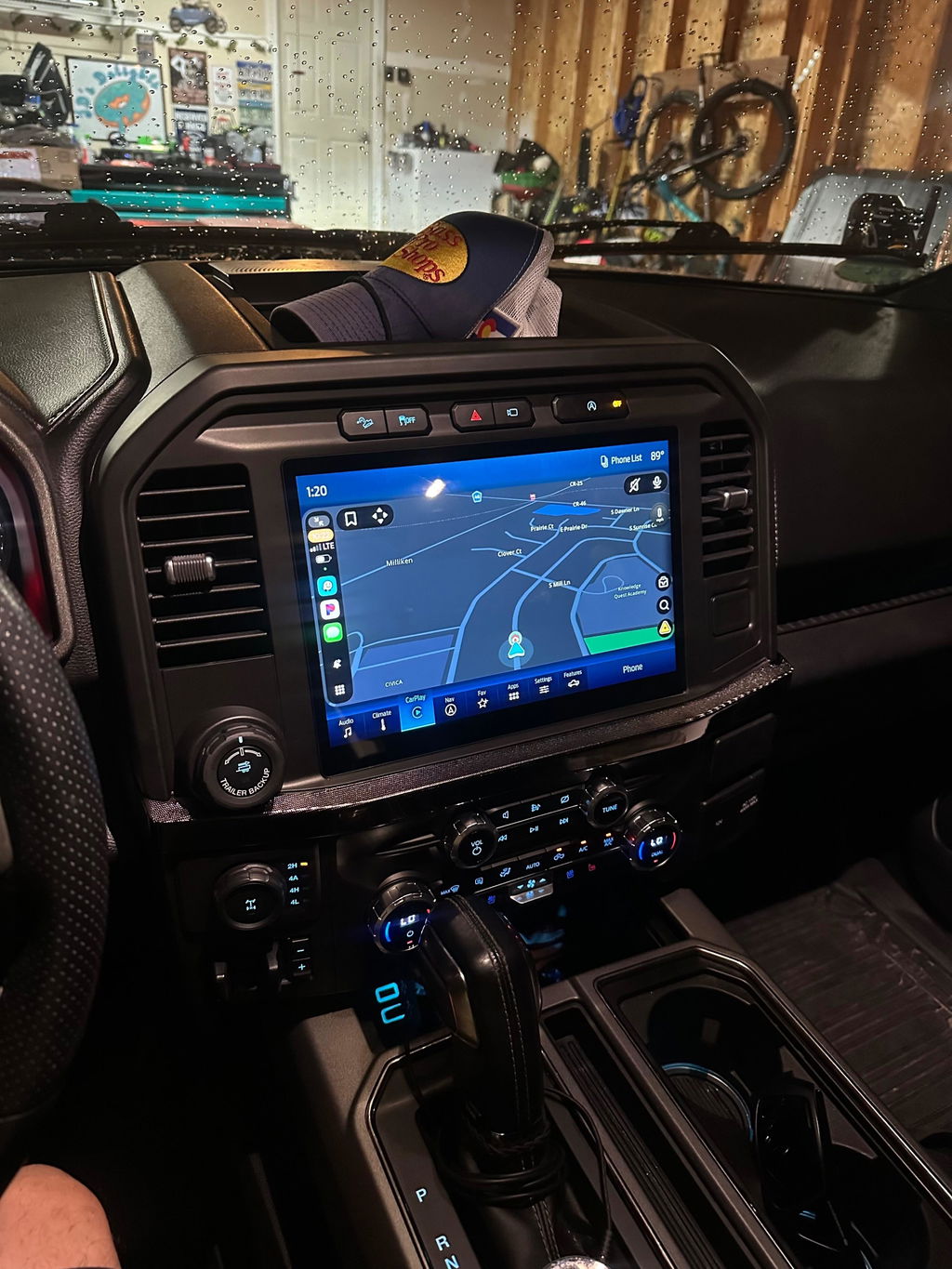
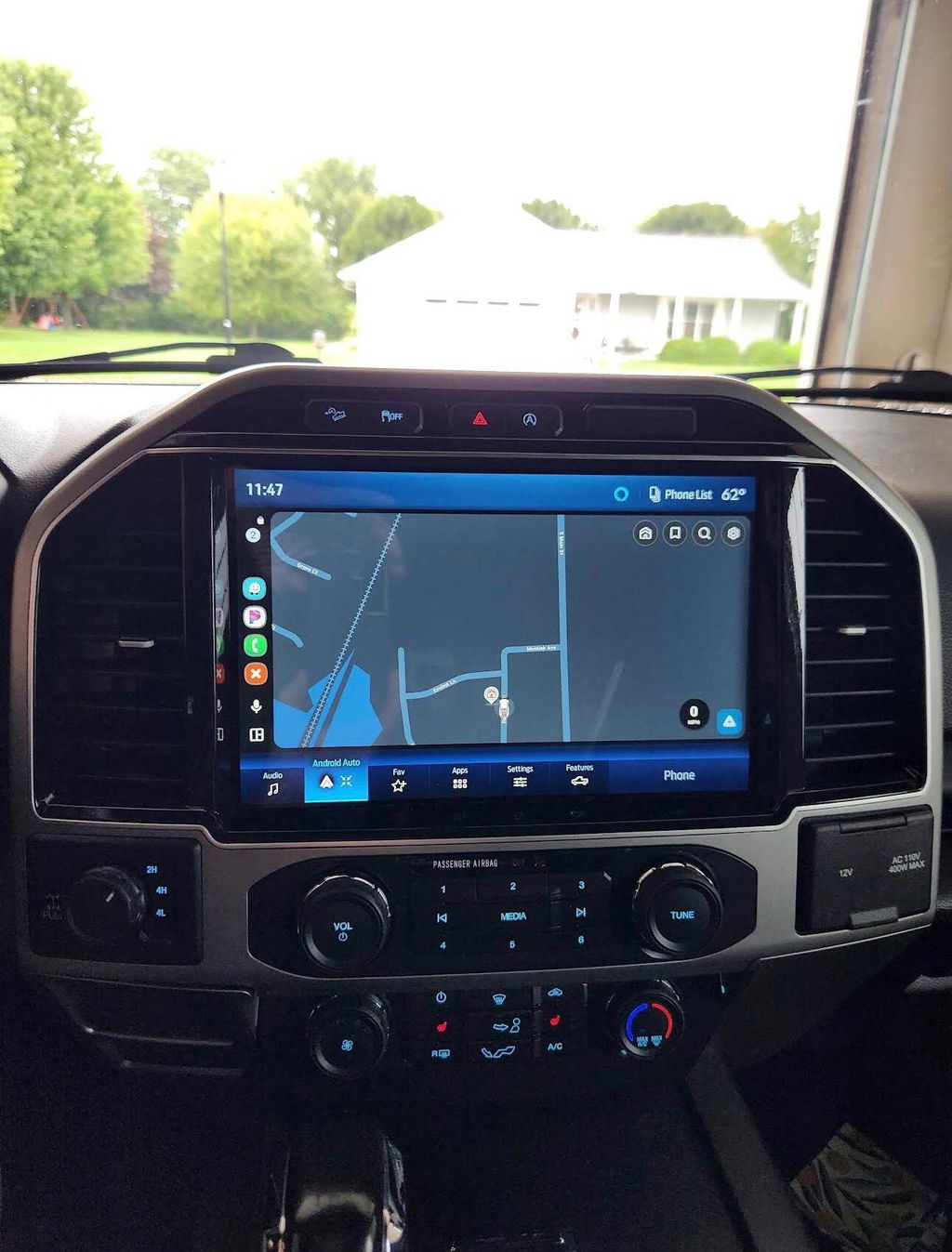
If you have ever priced a screen upgrade, remote start, or digital cluster for a Ram or Ford truck, you have already run into the real question behind the sale: oem modules versus aftermarket kits. On paper, both promise more features. In the truck, the difference shows up in startup behavior, steering wheel control response, retained factory settings, warning lights, audio quality, and whether the install feels finished or patched together.
That matters more on modern vehicles than it did ten years ago. Today’s trucks are packed with modules that talk to each other constantly. The radio is tied into climate settings. The cluster shares data with body control systems. Driver alerts, backup cameras, factory microphones, USB hubs, and amplifier logic all depend on proper communication. Once you understand that, the buying decision gets a lot clearer.
OEM modules versus aftermarket kits: the real difference
The biggest difference is not just brand name. It is integration.
OEM modules are factory components designed to work within the vehicle’s original electrical architecture. When they are matched correctly to the platform, they behave like the truck was built with them. Menus look factory. Controls work where they should. Functions like camera views, HVAC pages, steering wheel buttons, and vehicle settings are more likely to stay intact because the hardware speaks the same language as the rest of the truck.
Aftermarket kits usually take a different path. Some are well made and can add features the factory never offered, but they often rely on adapter harnesses, interface boxes, or software workarounds to mimic factory behavior. That can be fine for a basic audio upgrade. It becomes more complicated when you are replacing a central screen, adding OEM-style remote start, or converting to a digital cluster where multiple systems need to cooperate.
This is why the phrase aftermarket kit can mean very different things. A vehicle-specific, OEM-based plug-and-play kit is not the same as a generic universal setup. Buyers who lump them together usually end up comparing the wrong products.
Where OEM wins on trucks and utility vehicles
For Ram, Ford, Jeep, Dodge, and Chrysler platforms, OEM-based upgrades usually make the most sense when the feature you want already exists in a higher trim or newer model year. That is the sweet spot.
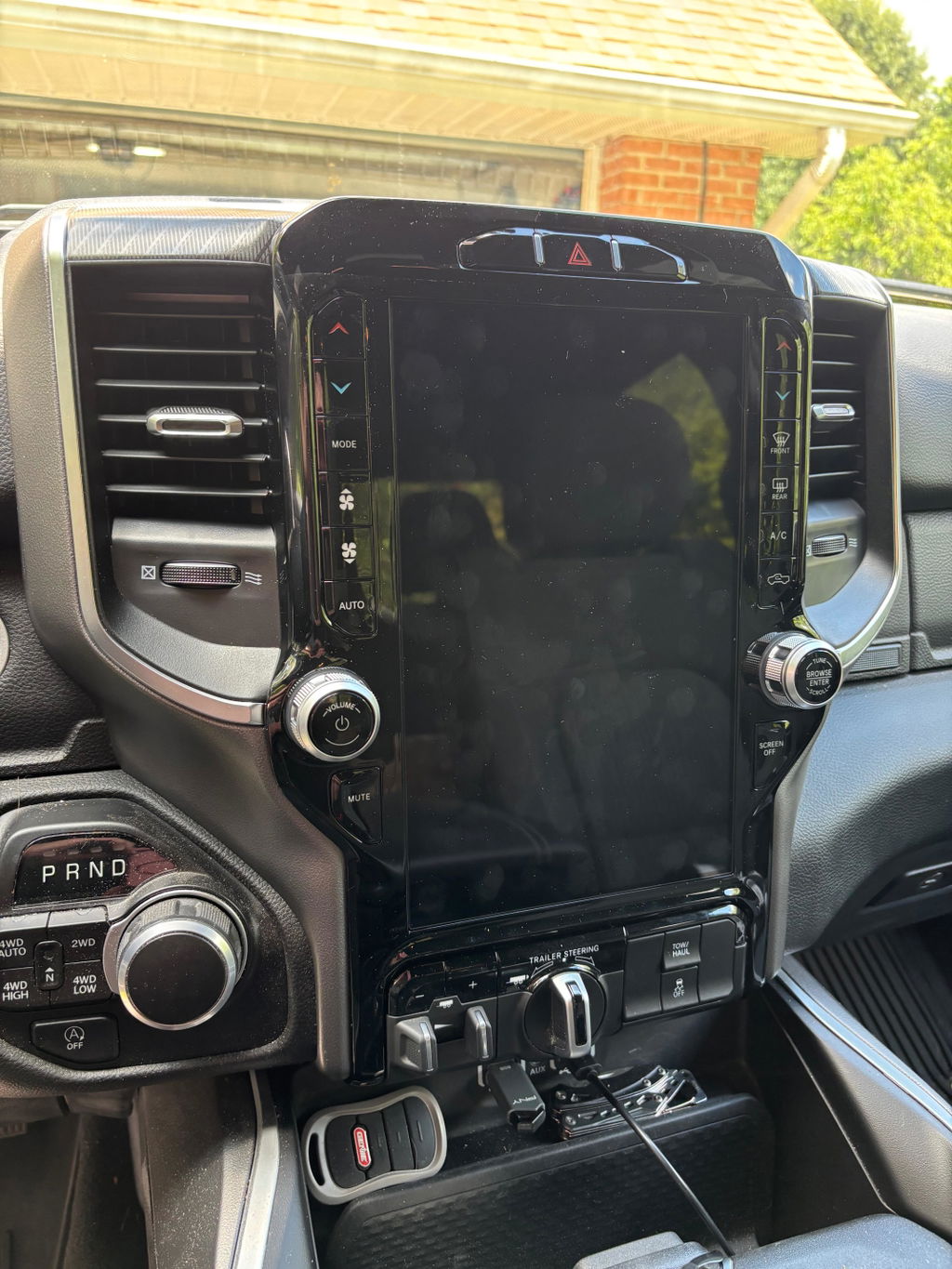
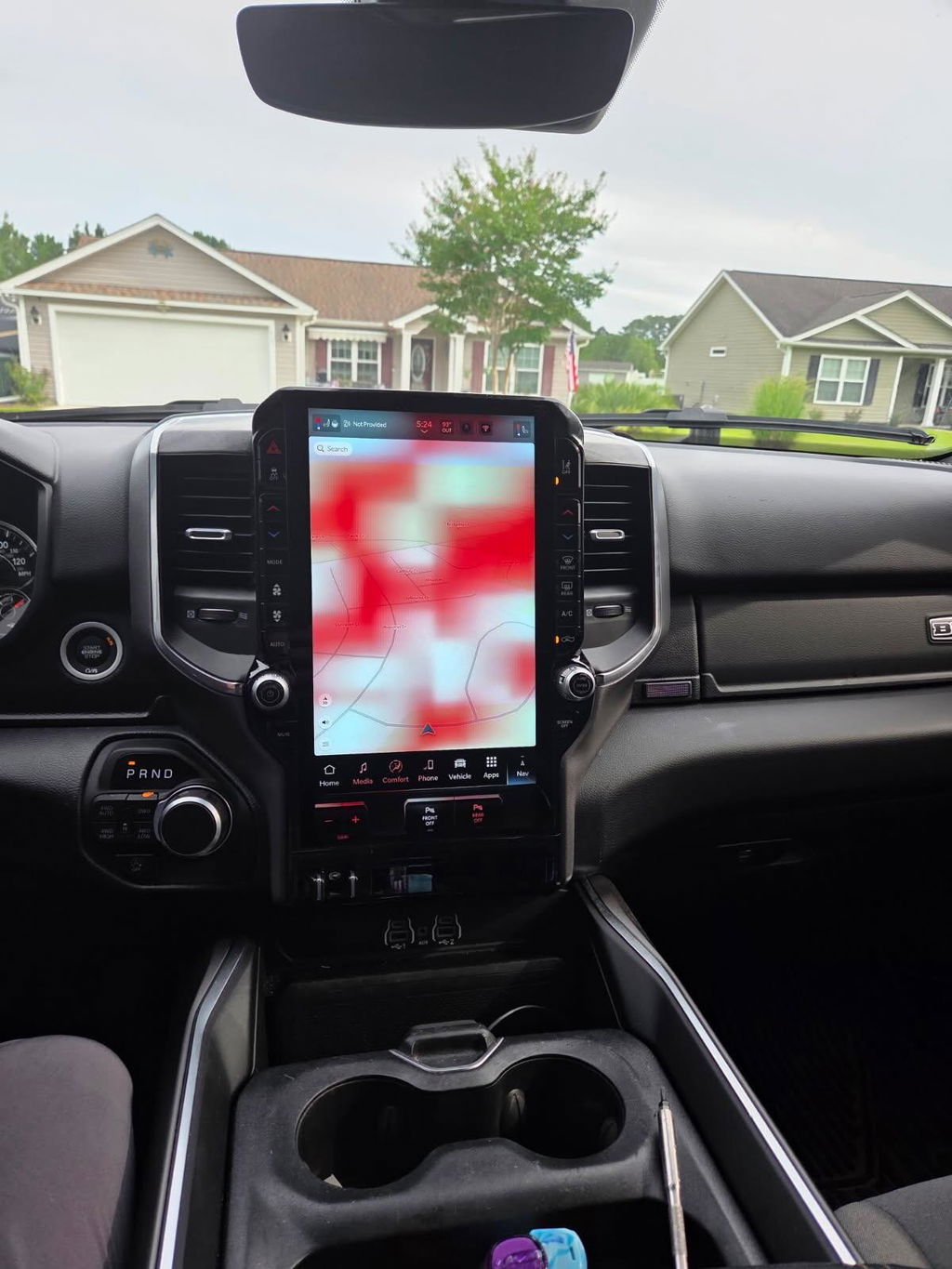
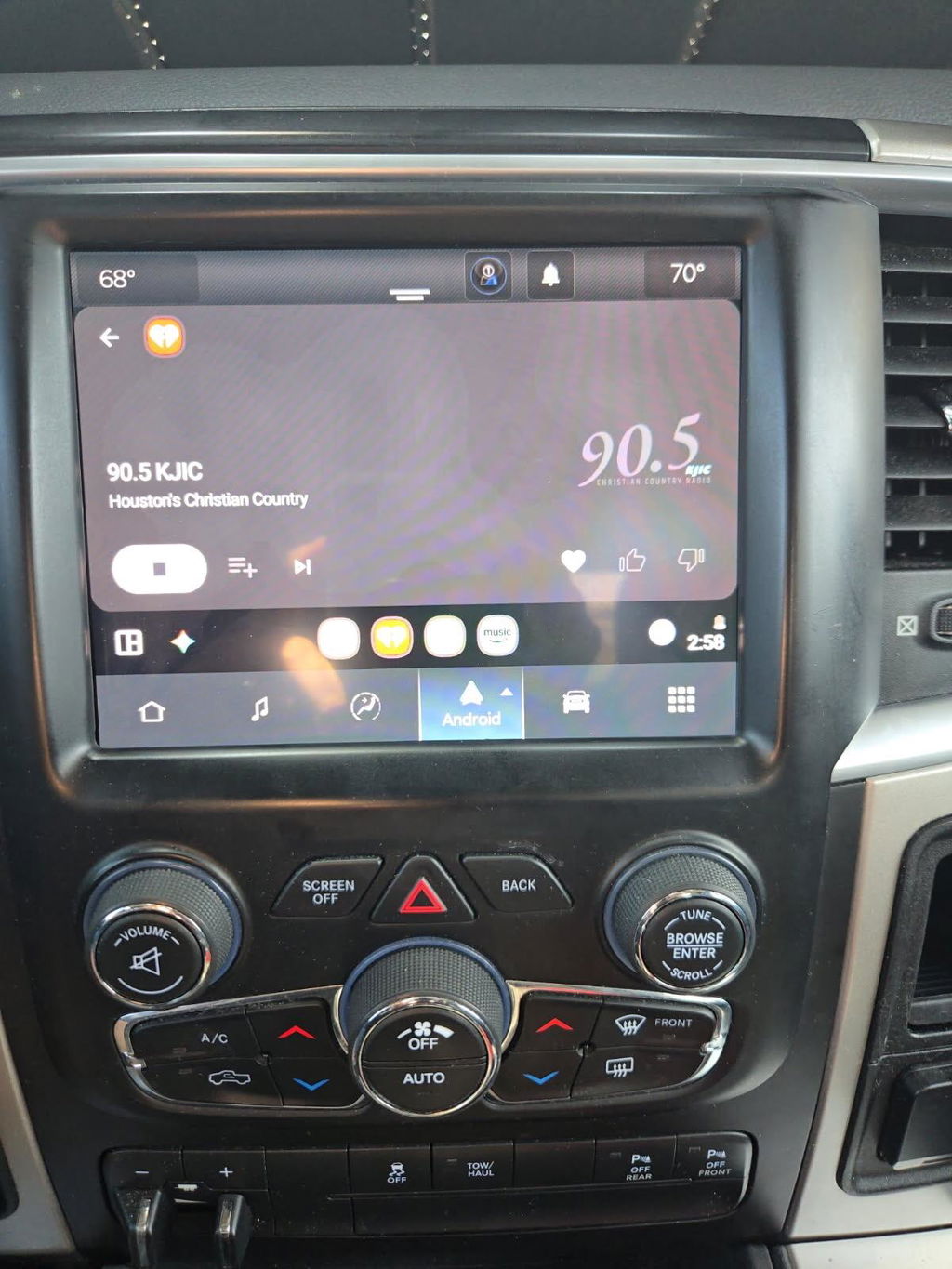
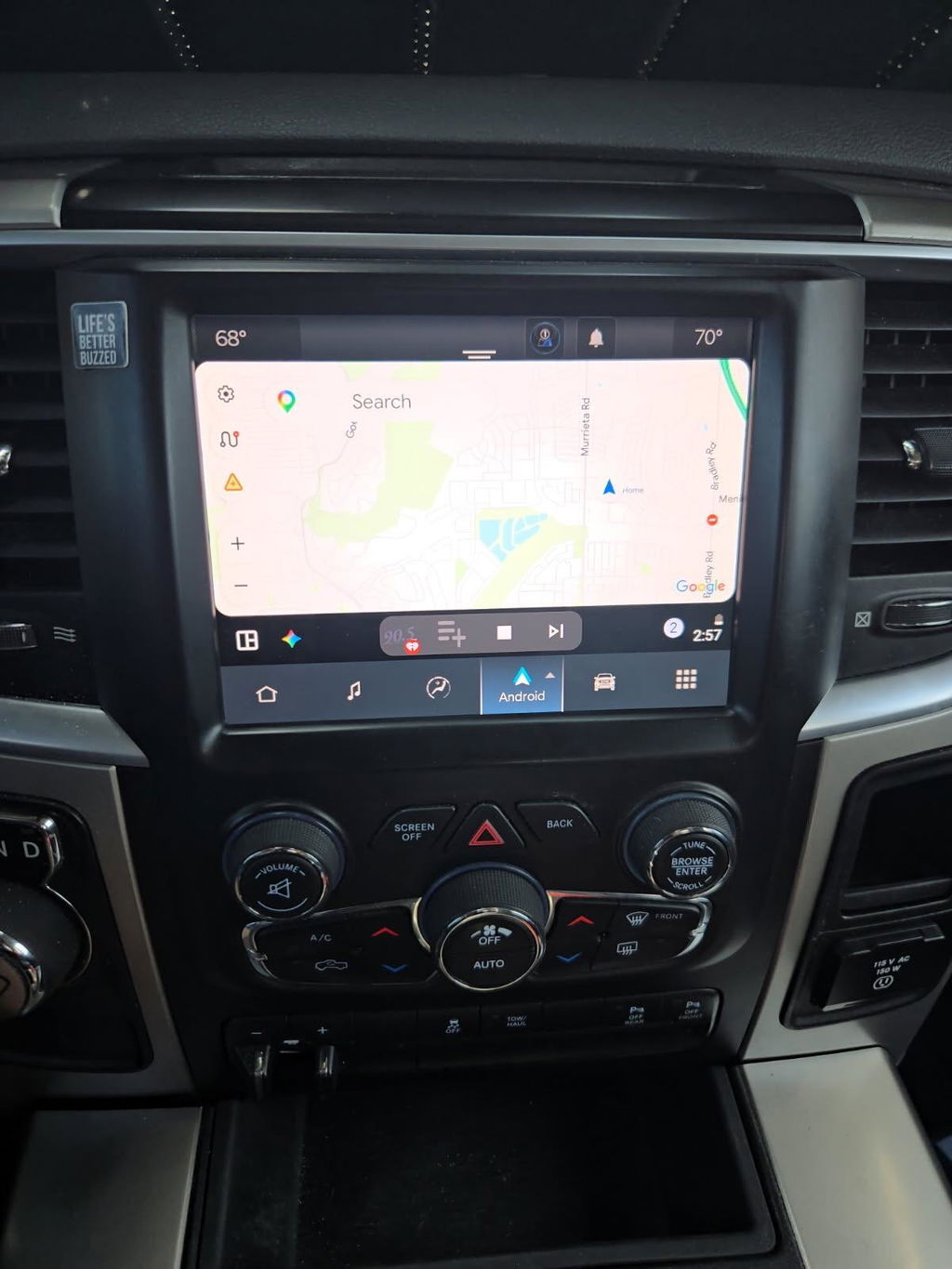
A factory-style Uconnect 5 conversion is a good example. If the hardware and programming are matched to your truck, you are not just getting a bigger screen. You are getting a system built around factory menus, factory connectors, and factory behavior. The result is usually cleaner than trying to force a universal multimedia unit into a dash designed around OEM communication.
The same logic applies to digital cluster upgrades. A cluster is not just a display. It is a vehicle information hub. Speed data, warnings, fuel range, transmission status, off-road pages, and driver information all need to populate correctly. OEM modules are better suited for that because they are built for those signals from the start.
Remote start is another area where factory hardware matters. A true OEM-style setup can retain normal key fob logic, factory security behavior, and cleaner integration with the vehicle’s body control systems. Generic systems can still work, but they often add extra remotes, extra wiring, or added points of failure that many truck owners do not want.
Where aftermarket kits still make sense
There are cases where aftermarket is the right move. If your goal is pure audio performance, custom tuning, extra camera inputs, or a feature the factory never offered, the aftermarket can open doors OEM cannot.
A well-designed aftermarket head unit may give you more extensive EQ controls, expanded app support, or compatibility with accessories outside the factory ecosystem. For some builds, that is the priority. If you are building a dedicated off-road rig, work truck, or show setup and you do not care about preserving a factory look, aftermarket may give you more freedom.
Price can also matter, at least at checkout. Some aftermarket kits come in cheaper upfront than OEM-based solutions. That attracts buyers who are comparing feature lists and screen size only. But lower entry cost does not always mean better value once you factor in install time, added interfaces, troubleshooting, and what happens if one box in the chain causes problems later.
Fitment is where most bad purchases start
Most upgrade issues do not begin with the screen or module itself. They start with fitment assumptions.
Modern truck owners often buy based on a single phrase like fits Ram 1500 or works with Ford F-150. That is not enough. Year range, trim level, cab configuration, amplifier package, climate controls, camera type, and factory option content all matter. Two trucks that look identical in the driveway may have different modules, different harness needs, or different software requirements.
That is why vehicle-specific kits have real value. A properly built kit should account for platform details upfront instead of pushing the risk onto the installer. When the kit is based on genuine OEM components and matched to exact applications, you cut down the chance of lost features, warning messages, or extra parts runs halfway through the install.
This is one reason many buyers prefer OEM-based, plug-and-play upgrade packages from specialists like DD Offroad over piecing together random components from multiple sellers. The product itself matters, but the compatibility work behind the product matters just as much.
Wiring, programming, and why plug-and-play matters
A lot of buyers focus on hardware and forget that software is part of the install.
On many Ram and Ford upgrades, the physical swap is only half the job. The vehicle may need programming, initialization, or configuration changes so the new module is recognized correctly. If that step is skipped or done poorly, even quality parts can behave badly. You may get missing menus, nonfunctional features, battery draw issues, or modules that throw faults.
This is where plug-and-play should mean more than easy connectors. It should mean the package is built around the vehicle, the harnessing is correct, and the programming path is clear. A true plug-and-play solution reduces custom splicing, protects factory wiring, and shortens install time. For the average truck owner, that is not just convenience. It is risk reduction.
Aftermarket kits vary widely here. Some are genuinely well sorted. Others depend on stacked adapters and broad fitment claims. The more layers you add between the new hardware and the truck, the more chances you create for glitches.
Long-term ownership changes the value equation
The best upgrade is not always the one that looks best on day one. It is the one that still works like it should six months later.
OEM modules tend to score better on long-term ownership because they preserve a factory-style experience. That matters for resale, serviceability, and daily use. If a future owner, dealership, or shop looks at the truck, OEM-based upgrades are generally easier to understand than a custom electronics mix with unknown interfaces hidden behind the dash.
That does not mean every OEM-based setup is automatically superior. Poor sourcing, mismatched parts, or bad programming can still create problems. But when genuine components are packaged correctly for the exact vehicle, the odds favor a cleaner result.
Aftermarket kits can absolutely last, but longevity depends heavily on product quality and install quality. A good aftermarket system installed carefully can serve well for years. A cheap system with questionable interfaces usually costs more in frustration than it saves in purchase price.
How to choose between OEM modules and aftermarket kits
Start with the feature you actually want, not the marketing language. If you want factory-style infotainment, integrated remote start, a digital cluster conversion, or an upgrade that looks and behaves like it belongs in the truck, OEM-based solutions are usually the better path.
If you want custom audio tuning, unique accessories, or features outside the factory ecosystem, aftermarket may be the better fit. Just be honest about the trade-offs. More customization often means more installation complexity and less factory-style integration.
Then look hard at three things: exact vehicle compatibility, retained factory functions, and what the install really requires. If the seller cannot clearly explain those points, keep shopping. On modern trucks, vague fitment is usually expensive.
The right upgrade should solve a problem without creating two new ones. If the goal is a clean install, factory integration, and dependable everyday use, OEM-based plug-and-play kits are hard to beat. Buy for the truck you actually own, not the feature list you wish every product could deliver.