Factory Cluster Versus Digital Dash: Which Fits?
Share
A factory cluster versus digital dash upgrade is not just a screen-size decision. On a Ram or Ford truck, the instrument panel is tied into the vehicle’s network, warning systems, mileage data, steering-wheel controls, and configuration settings. The right choice comes down to what your truck supports, what features you want, and whether you want factory-level integration instead of a universal display that only looks modern.
For owners replacing a dated interior, a digital cluster can be one of the most noticeable upgrades available. It can add a larger information display, cleaner graphics, configurable gauges, and a premium-trim appearance. But the best result is not always the most dramatic-looking screen. Correct fitment, programming, and OEM compatibility matter more than a flashy display.
Factory Cluster Versus Digital Dash: Know the Difference
A factory cluster is the original instrument cluster installed in your truck. Depending on trim level and model year, it may use traditional analog gauges with a small center display, partial digital gauges, or a full digital gauge layout. It is designed specifically for that vehicle platform and communicates directly with the body control module, powertrain modules, ABS system, airbags, and other factory electronics.
A digital dash is a broader term. It can refer to an OEM digital cluster retrofit, an aftermarket gauge display, or a universal screen designed to replace or supplement factory instruments. Those options are not equal.
An OEM-based digital cluster is built to function like a higher-trim factory setup. When correctly matched and programmed, it can retain the vehicle information that matters: speed, fuel level, engine temperature, tire-pressure monitoring, warning messages, drive information, and menu functions. It is the preferred route for owners who want a premium factory appearance without adding a separate gauge pod or cutting into the dash.
A generic aftermarket digital dash often takes a different approach. Some units pull limited data from the OBD-II port or CAN bus and display it on a standalone screen. Others require added sensors, custom wiring, fabrication, or manual configuration. They may work well in a dedicated off-road build, race truck, or classic vehicle, but they are rarely the cleanest option for a late-model Ram or Ford used every day.
Why OEM Integration Matters in a Modern Truck
Your instrument cluster is more than a speedometer. It is part of the truck’s communication system. Factory warning lights, service messages, gear-position displays, safety alerts, and menu settings are routed through systems that expect the correct cluster and software configuration.
That is why an OEM-style upgrade is typically a better fit for late-model trucks. The housing, connectors, mounting points, illumination behavior, and graphics are designed around the vehicle. You are not trying to make a universal display behave like factory equipment after the fact.
This does not mean every OEM cluster is automatically plug and play. A cluster from the same brand can still be wrong for your truck if the model year, platform, engine, trim configuration, or options do not match. A Ram 1500 and Ram Heavy Duty truck may look similar inside while using different electronic architecture. Ford F-150, Super Duty, Expedition, and Maverick applications also have their own fitment requirements.
Programming is often the dividing line between a clean OEM conversion and a frustrating install. Depending on the vehicle, the replacement cluster may need configuration for mileage, tire size, drive modes, transmission information, feature menus, and VIN-related communication. Buying a vehicle-specific kit with the correct components and programming support removes much of the guesswork.
Do Not Confuse the Cluster With the Radio Screen
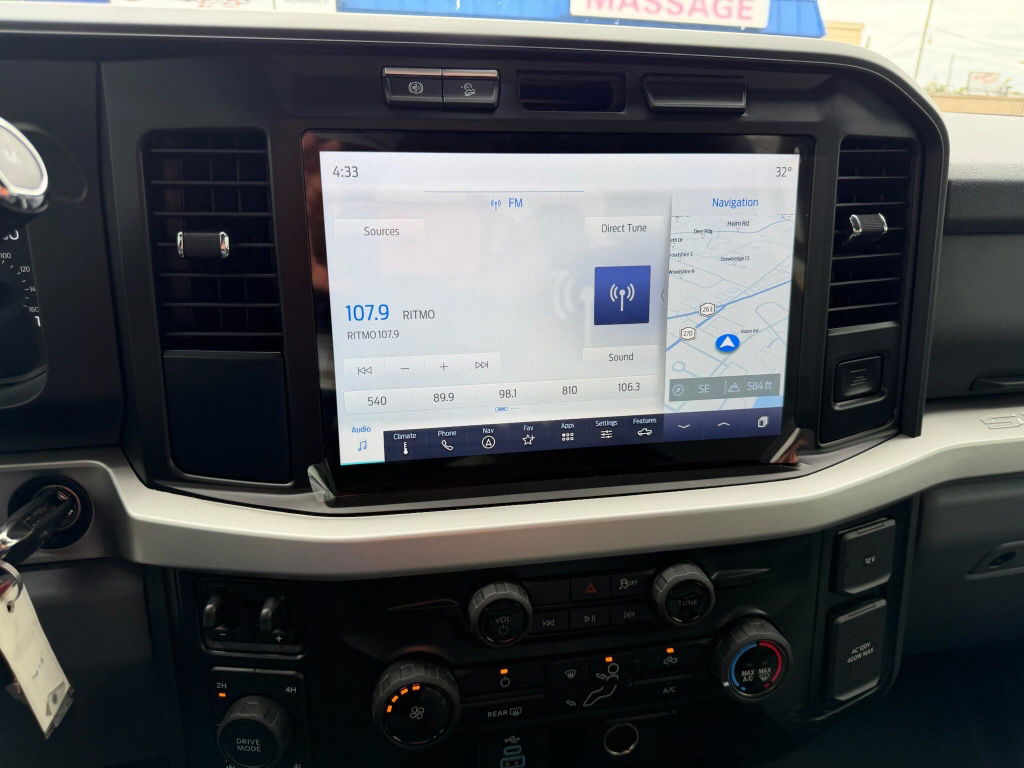
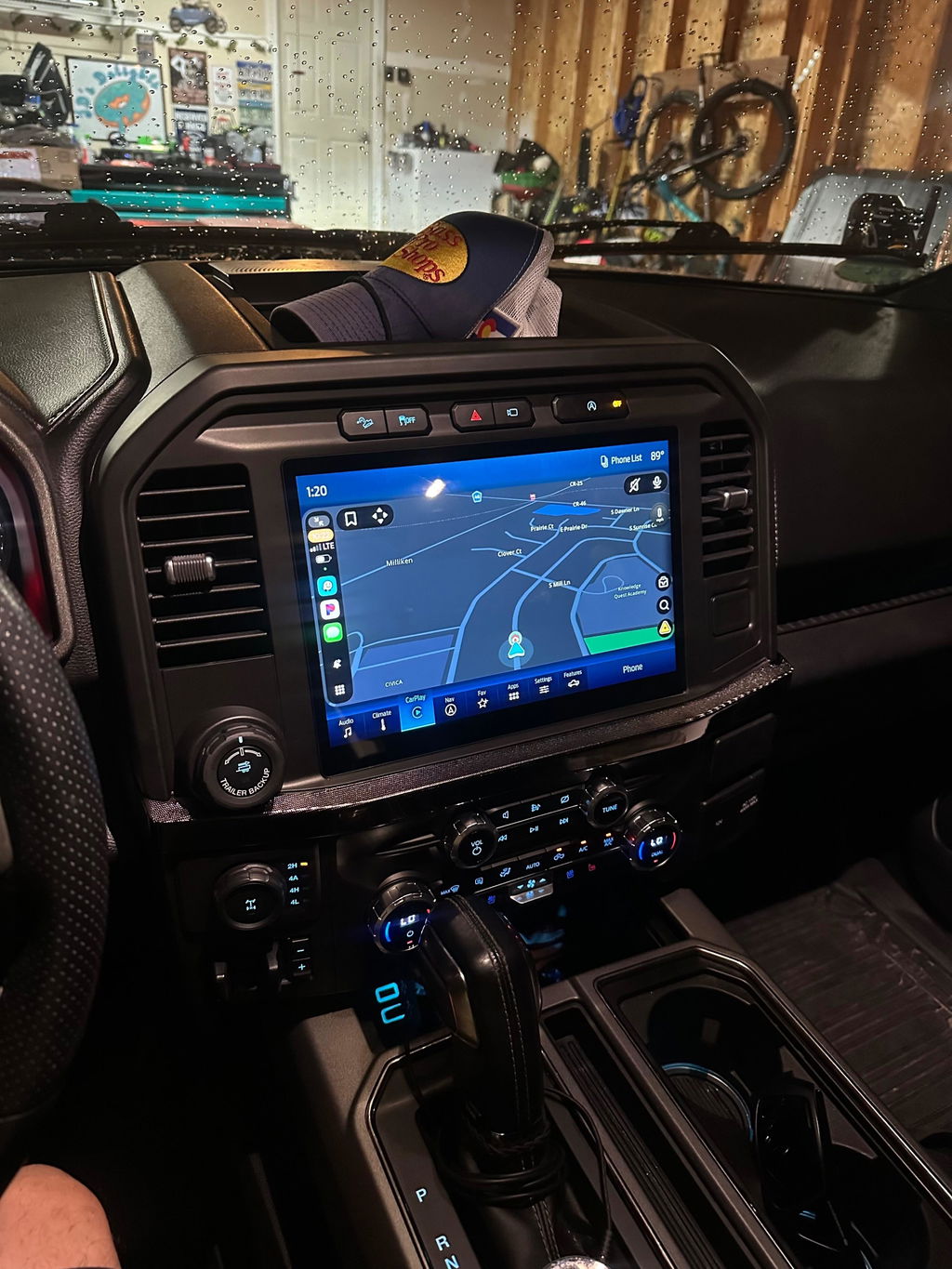
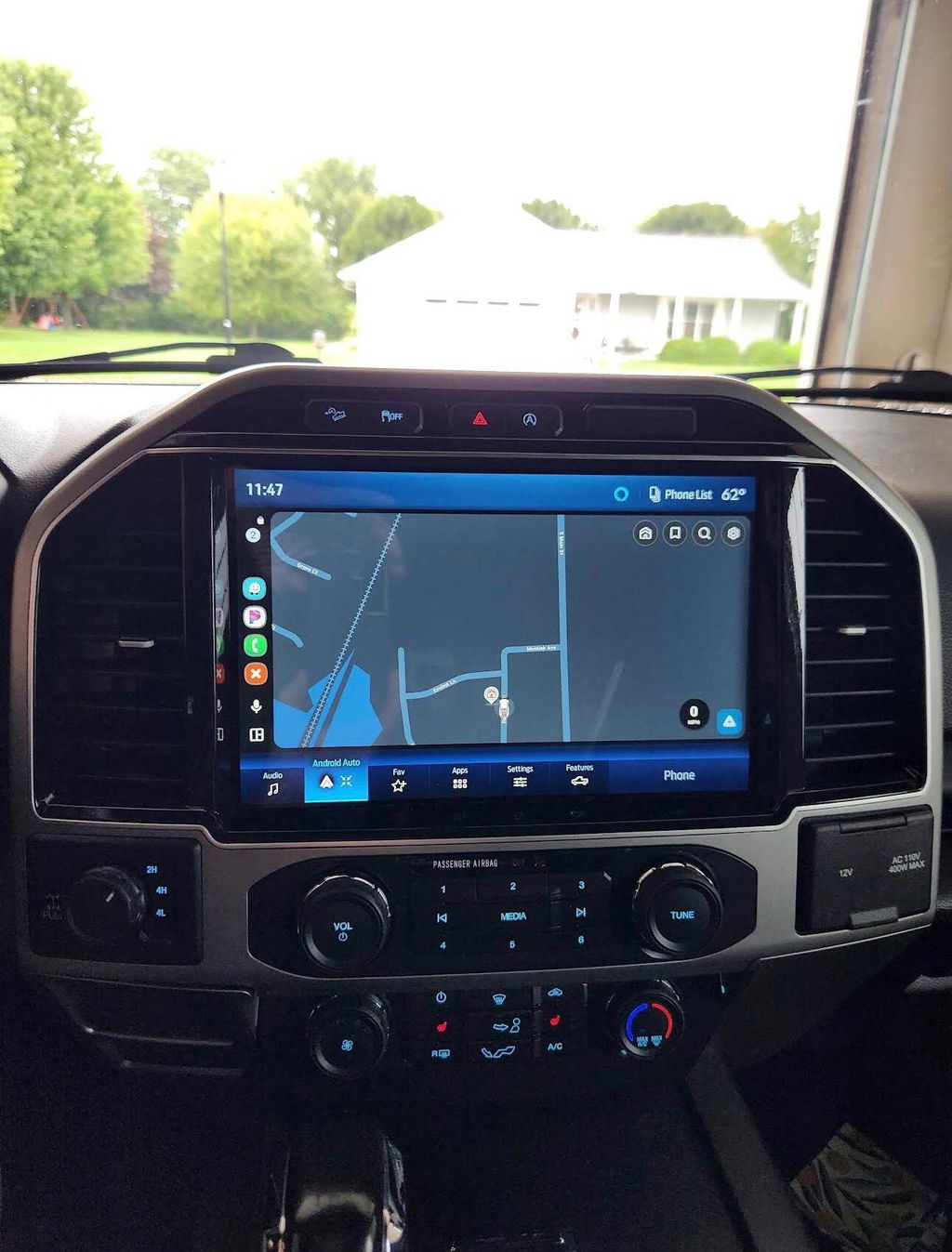
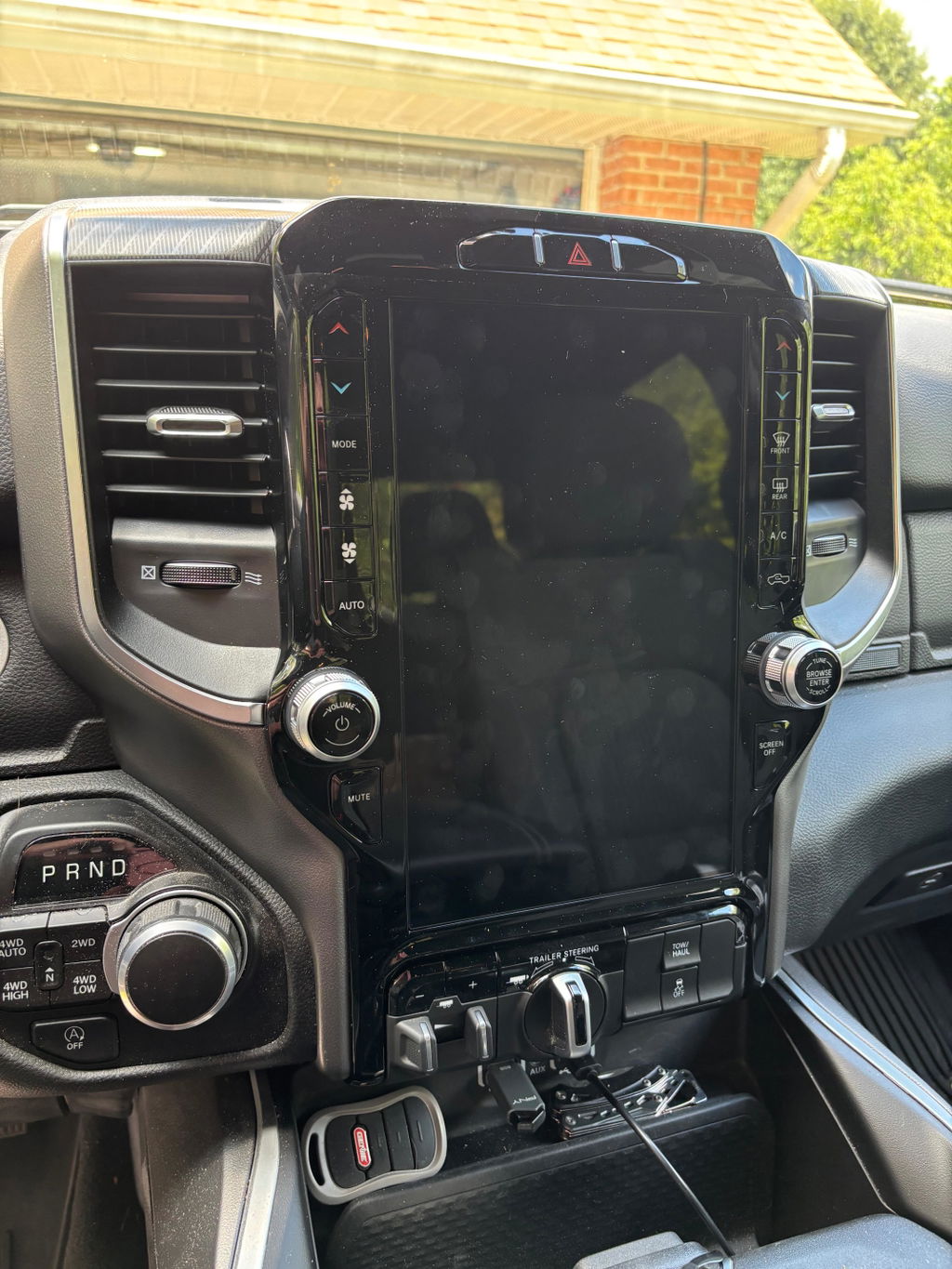
A larger infotainment screen and a digital instrument cluster are separate upgrades. The center touchscreen controls audio, navigation, phone functions, camera views, and apps. The cluster behind the steering wheel provides driving information and vehicle alerts.
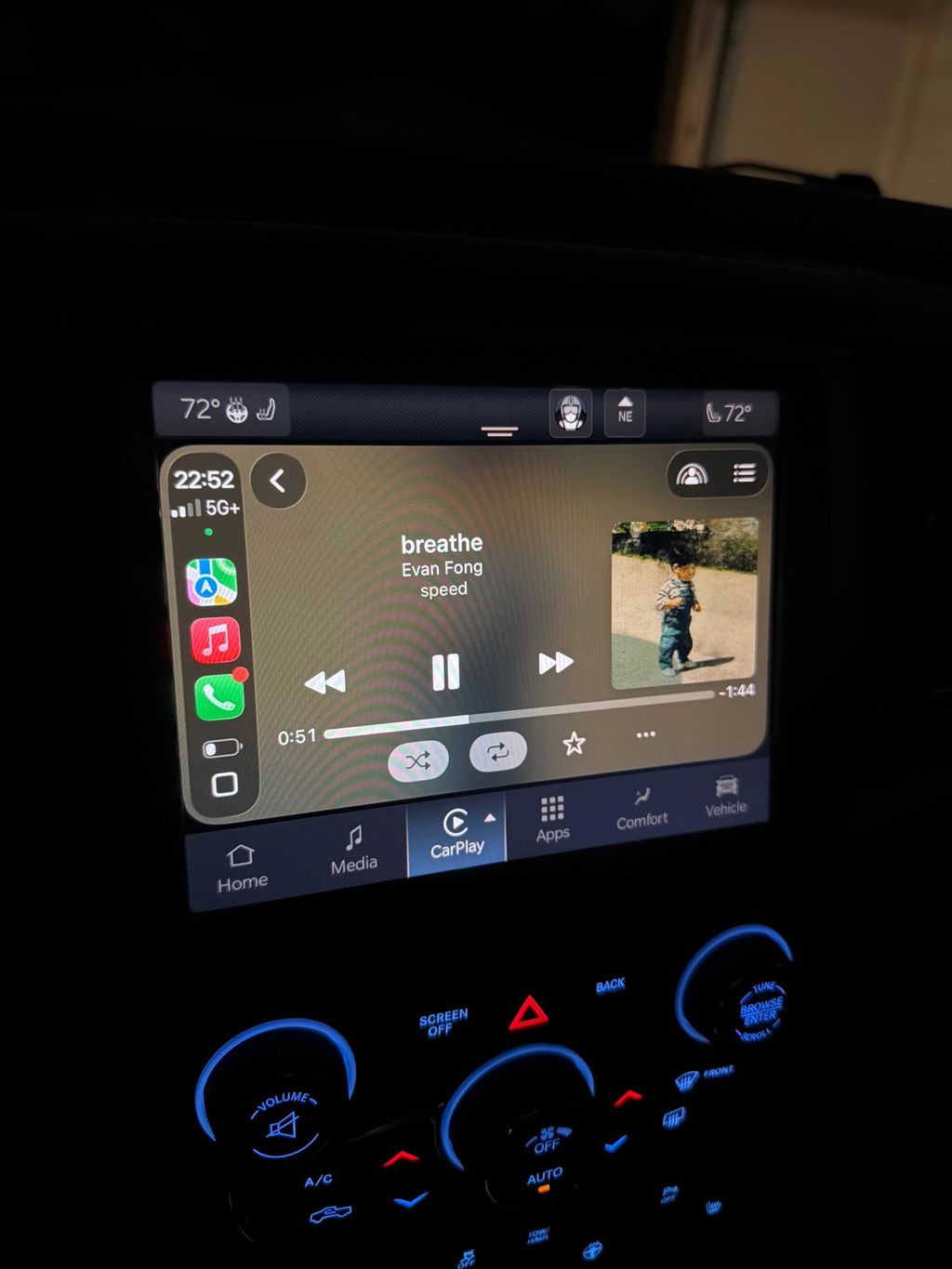
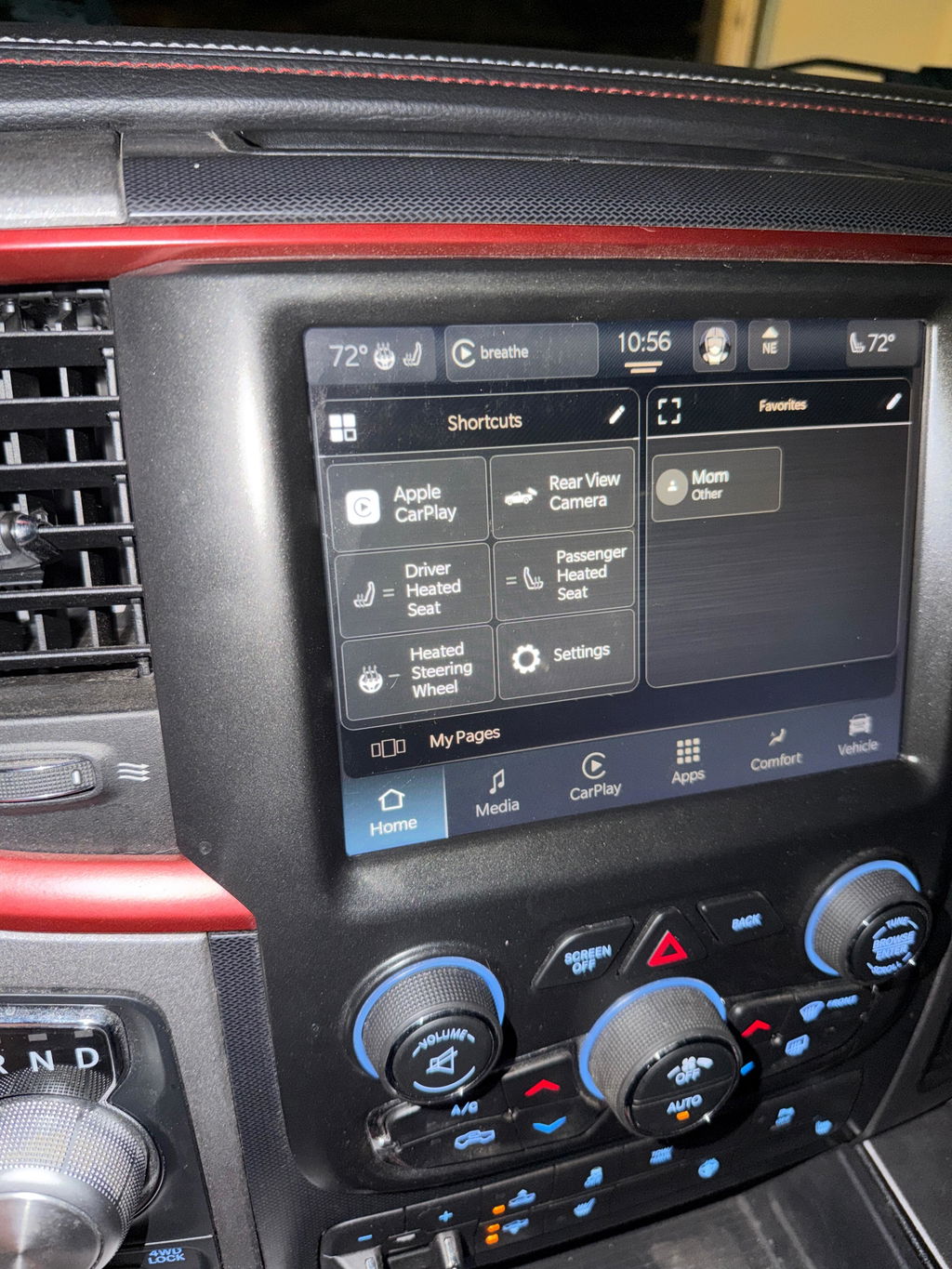
Many truck owners upgrade both because the finished interior feels more current when the displays match. For example, a Uconnect 5 touchscreen conversion can add wireless Apple CarPlay and Android Auto, while a compatible digital cluster improves the information in front of the driver. But installing a larger radio screen does not convert analog gauges into a digital dash.
When Keeping the Factory Cluster Makes Sense
There is nothing wrong with retaining the original cluster if it already does what you need. A working factory unit is often the most reliable option for owners focused on towing, work use, or basic daily driving. If your truck has clear gauges, accurate warning lights, and the information you need at a glance, money may be better spent on an infotainment, remote-start, lighting, or suspension upgrade.
Keeping the factory cluster is also smart when a digital conversion is not supported for your exact year and trim. Forcing an incompatible cluster into a truck can create warning lights, missing features, inaccurate messages, or communication faults. The goal is an upgrade that looks factory because it functions factory, not one that only fits the opening in the dash.
A factory cluster may also be the better choice for owners who prefer physical needles. Analog gauges are simple to read in changing light, familiar when towing, and less dependent on display layouts. Digital does not automatically mean better. It means more configurable and often more feature-rich.
When a Digital Cluster Upgrade Is Worth It
A digital cluster makes sense when your truck has a supported OEM upgrade path and you want the cabin to feel like a higher trim level. It is especially appealing for owners with lower-trim analog gauges, smaller information screens, or an interior that is already receiving a factory-style touchscreen upgrade.
The practical benefits go beyond appearance. Depending on the platform, a digital setup can provide clearer trip data, configurable gauge views, more detailed vehicle information, driver-assist notifications, media information, navigation prompts, and customizable display themes. Those features are useful when they reduce distraction and put relevant information directly in the driver’s line of sight.
For an off-road or towing-focused truck, the value depends on the available screens. Some drivers want easy access to transmission temperature, engine data, pitch and roll information, trailer-related details, or tire-pressure readings. Others simply want a cleaner, premium dash that matches the rest of the cabin. Both are valid reasons, as long as the kit is built for the truck.
Cost is the trade-off. A properly matched OEM digital cluster conversion costs more than a budget universal display because the parts, fitment research, and programming requirements are more specific. That higher initial cost can be worth it when it avoids custom wiring, poor graphics, unreliable data, and a dashboard that looks added on rather than factory installed.
Fitment Questions to Answer Before You Buy
Before choosing between a factory cluster and digital dash, verify the truck details that determine compatibility. Model year is the first requirement, but it is not enough by itself. Confirm the exact model, trim, engine, drivetrain, current cluster style, and factory options. A VIN is the most reliable starting point when matching OEM electronics.
You should also know what you expect the new cluster to retain. If the truck has steering-wheel controls, tire-pressure monitoring, active safety features, trailer functions, selectable drive modes, or premium audio and infotainment features, ask whether those displays remain available after the conversion. A compatible kit should account for the equipment already on the truck rather than treating every trim as identical.
Mileage handling deserves special attention. The odometer is a legal vehicle record, not a cosmetic setting. Any cluster replacement should be handled correctly and in accordance with applicable requirements. Avoid used or unknown-origin modules marketed as easy swaps without clear information about programming, mileage, or vehicle compatibility.
Finally, consider installation realistically. Many OEM-based kits are designed for a straightforward, vehicle-specific installation, but plug and play does not mean no preparation. Battery voltage, correct connectors, programming steps, and post-install checks still matter. If you are not comfortable working around interior trim and vehicle electronics, a qualified installer is a better investment than troubleshooting network faults later.
Choose the Upgrade That Matches the Truck
The factory cluster versus digital dash decision is straightforward once you separate appearance from integration. A factory cluster is the dependable choice when your current setup meets your needs or a supported conversion is unavailable. An OEM-based digital cluster is the right move when you want modern display capability, higher-trim styling, and factory-oriented operation without universal aftermarket compromises.
DD Offroad focuses on vehicle-specific OEM upgrade paths because fitment is the feature that protects the rest of the truck. Start with your VIN, identify your current equipment, and choose the cluster solution built for your exact platform. That approach gives you a better chance of ending up with an upgrade you can use every mile, not just admire in the driveway.