Can Truck Modules Be Swapped? What Fits and Why
Share
A bigger OEM screen, a digital gauge cluster, or factory remote start can make an older truck feel like a much newer vehicle. But can truck modules be swapped without turning on warning lights, losing vehicle functions, or creating a no-start condition? Sometimes, yes. The physical swap is often the easy part. Matching the module, vehicle configuration, software, and security requirements is what determines whether the upgrade works correctly.
For Ram, Ford, Jeep, Dodge, and Chrysler owners, the right answer starts with the exact vehicle - model year, trim level, original equipment, and the specific module being replaced or upgraded. OEM parts are designed to communicate across the vehicle network. A module that looks identical can still be incompatible if it carries the wrong calibration, connector layout, feature configuration, or security data.
Can Truck Modules Be Swapped Between Vehicles?
Truck modules can be swapped when the replacement is compatible with the platform and can be correctly configured for the receiving vehicle. That does not mean every module from the same brand, body style, or model year will plug in and work.
Modern trucks use multiple control modules connected through CAN bus networks. The body control module, radio or infotainment unit, instrument cluster, powertrain control module, radio frequency hub, gateway module, and door modules all exchange information. When one module reports the wrong configuration or cannot authenticate with another system, the truck may set diagnostic trouble codes, disable features, or refuse to start.
A used module may also retain information from its donor truck. Depending on the part, that information can include a VIN, mileage, key or immobilizer data, trim settings, drivetrain configuration, tire-size data, camera configuration, and optional-feature codes. Simply moving the part from one truck to another does not remove those conflicts.
The safest swaps are purpose-built OEM upgrade paths, such as a compatible factory-style infotainment conversion or a matching digital cluster kit. These applications use components selected around a specific vehicle generation and include the programming or setup path needed to retain factory integration.
Physical Fitment Is Not Electronic Compatibility
A module can have the same mounting points and connectors as the original part yet still be the wrong choice. This is common with radios, clusters, body modules, and remote-start hardware.
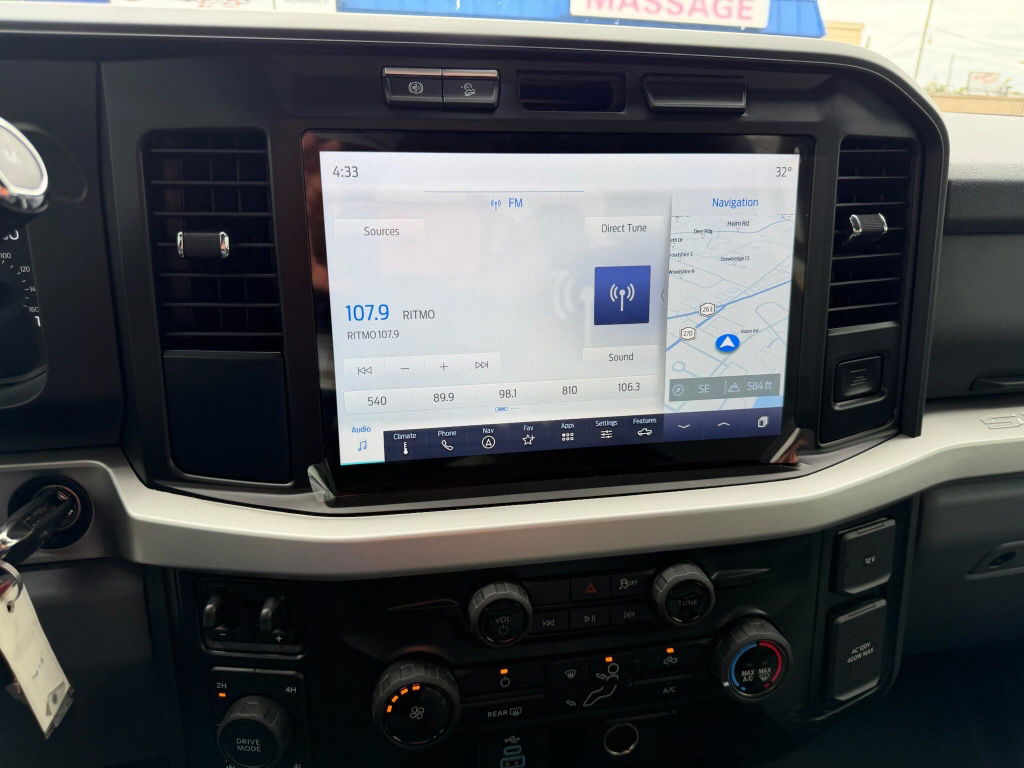
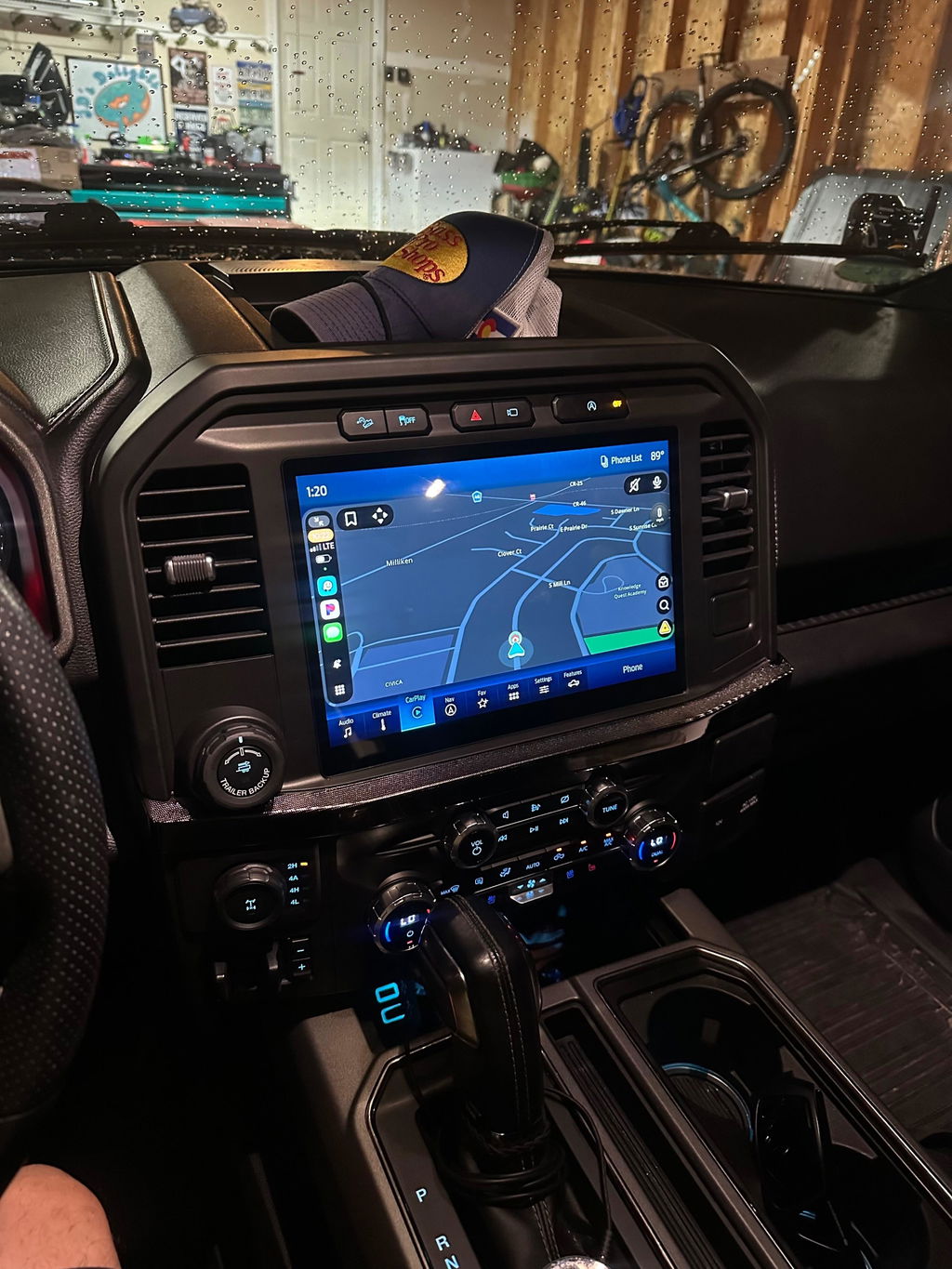
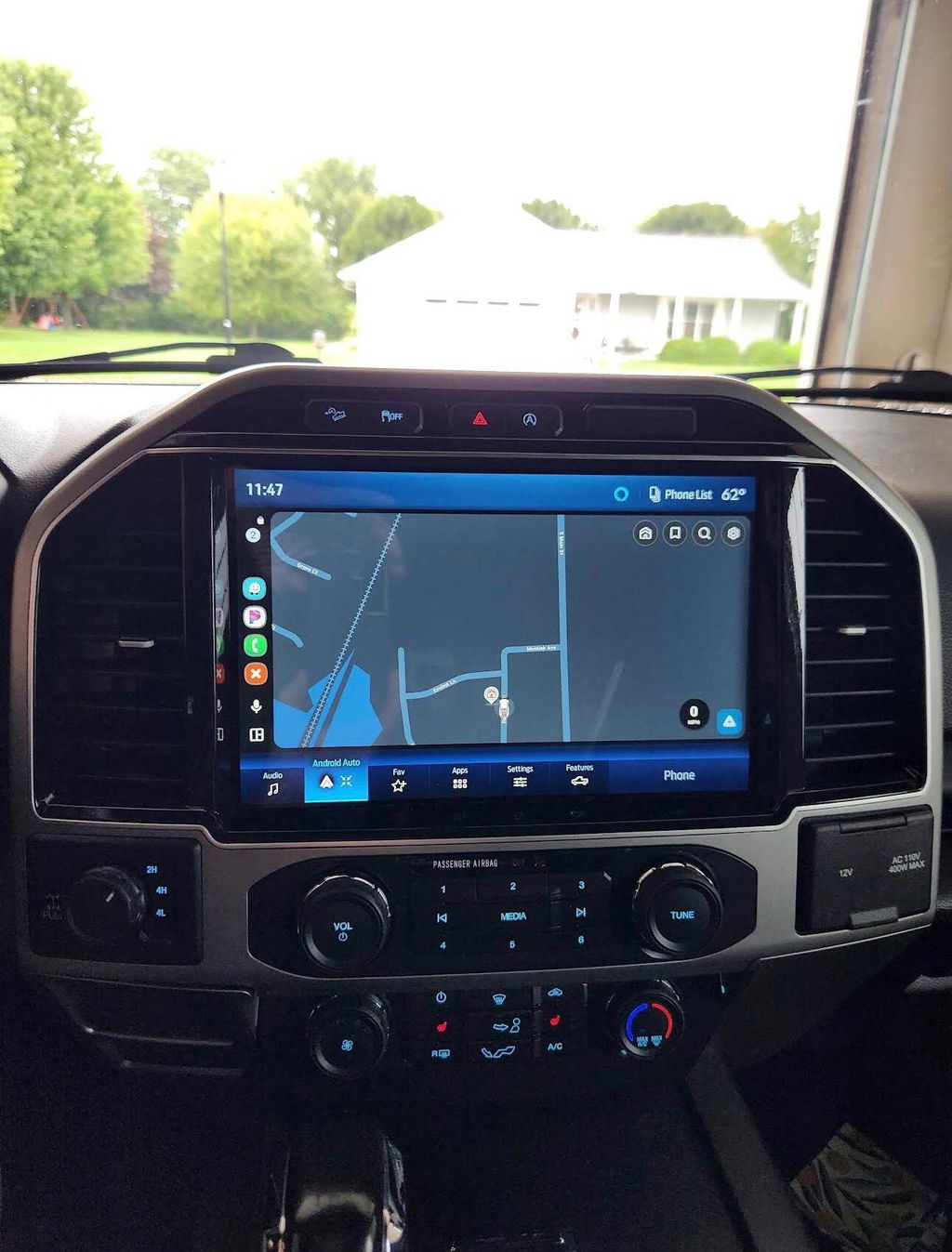
For example, a Ford F-150 radio or APIM from a different year range may appear to fit the dash and connect to the existing harness. But screen size, SYNC generation, USB hub requirements, camera support, antenna connections, software version, and as-built data can all differ. Installing the wrong combination can leave the screen blank, disable the backup camera, prevent steering-wheel controls from working, or create communication faults.
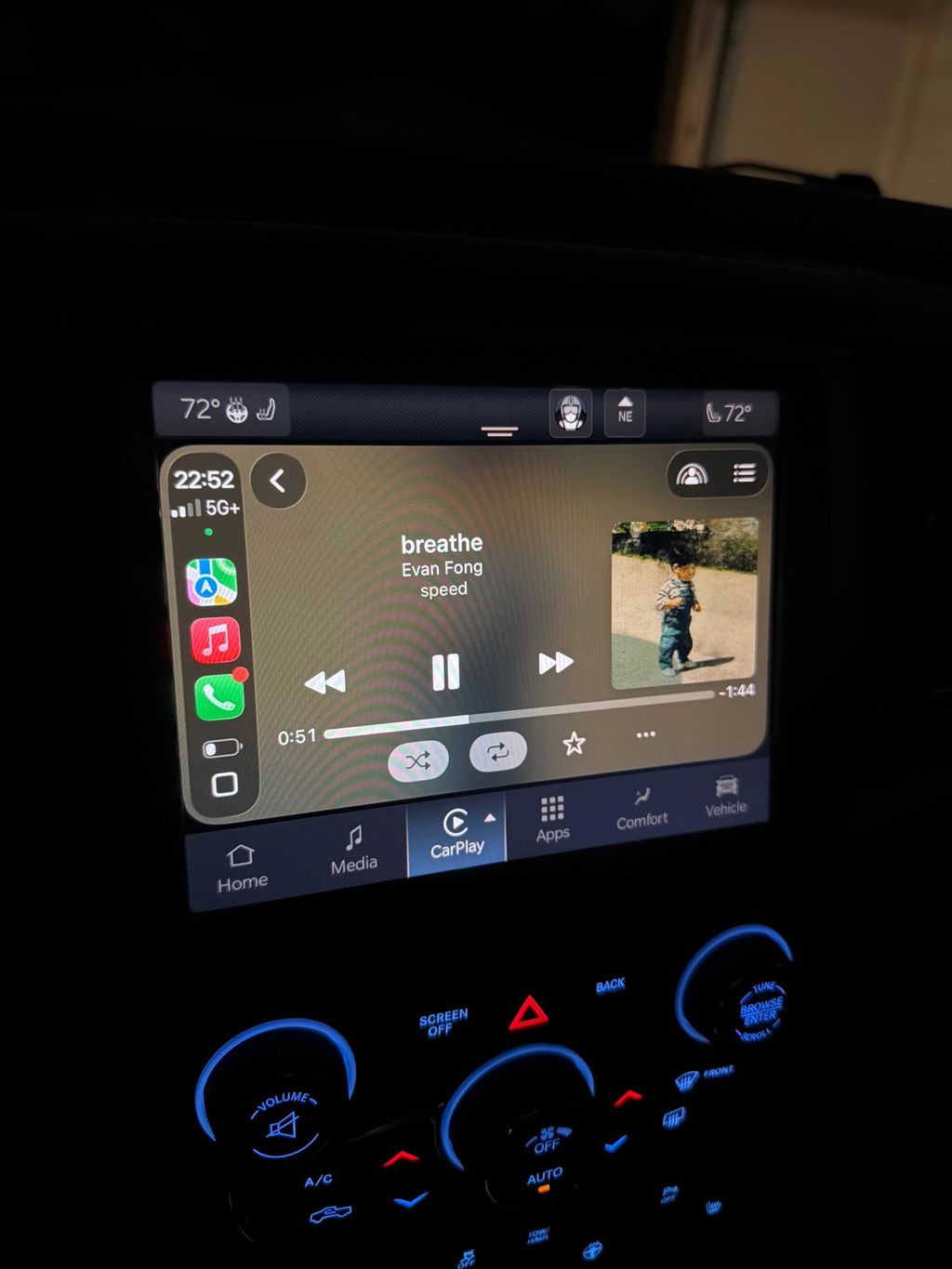
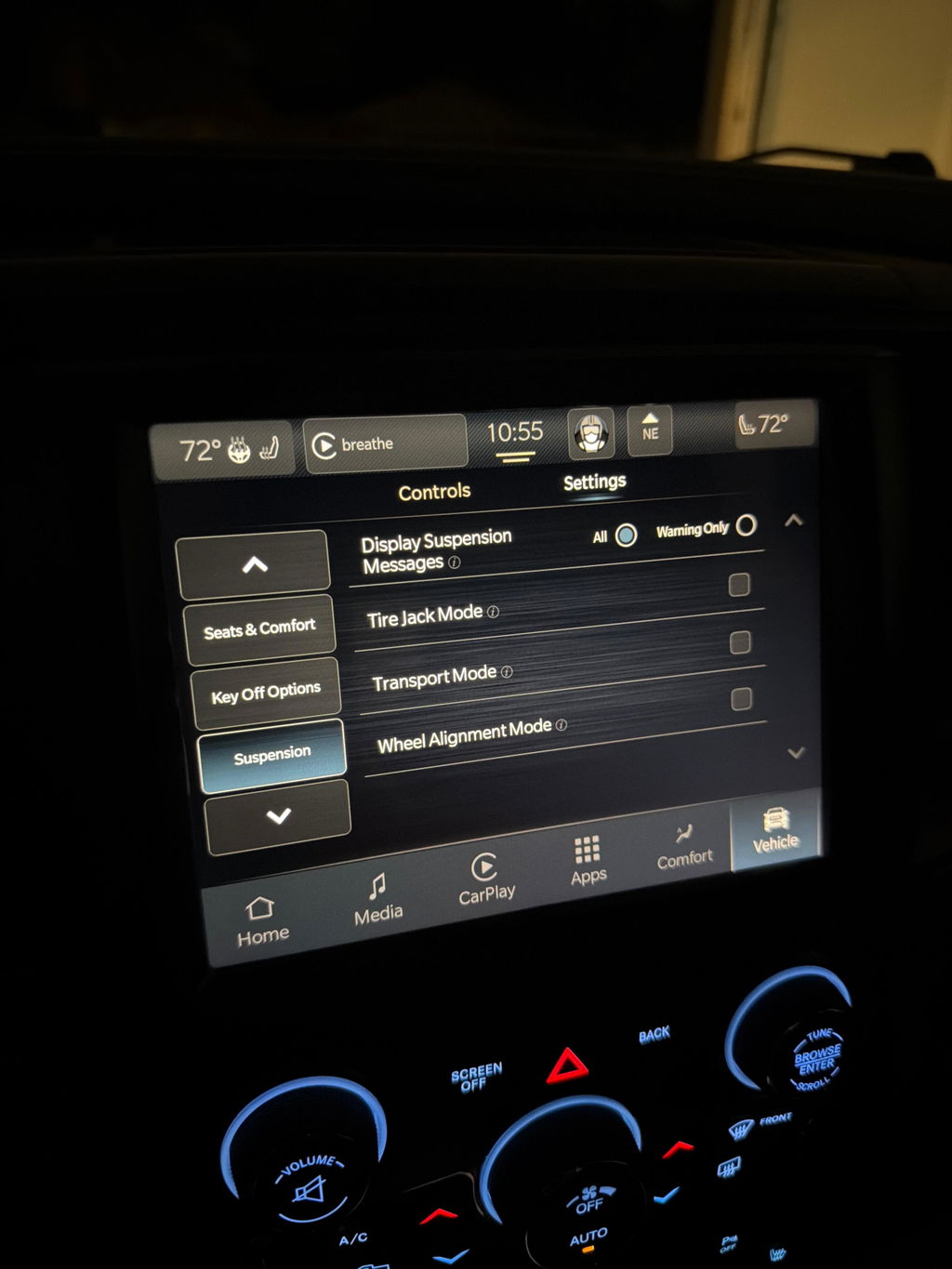
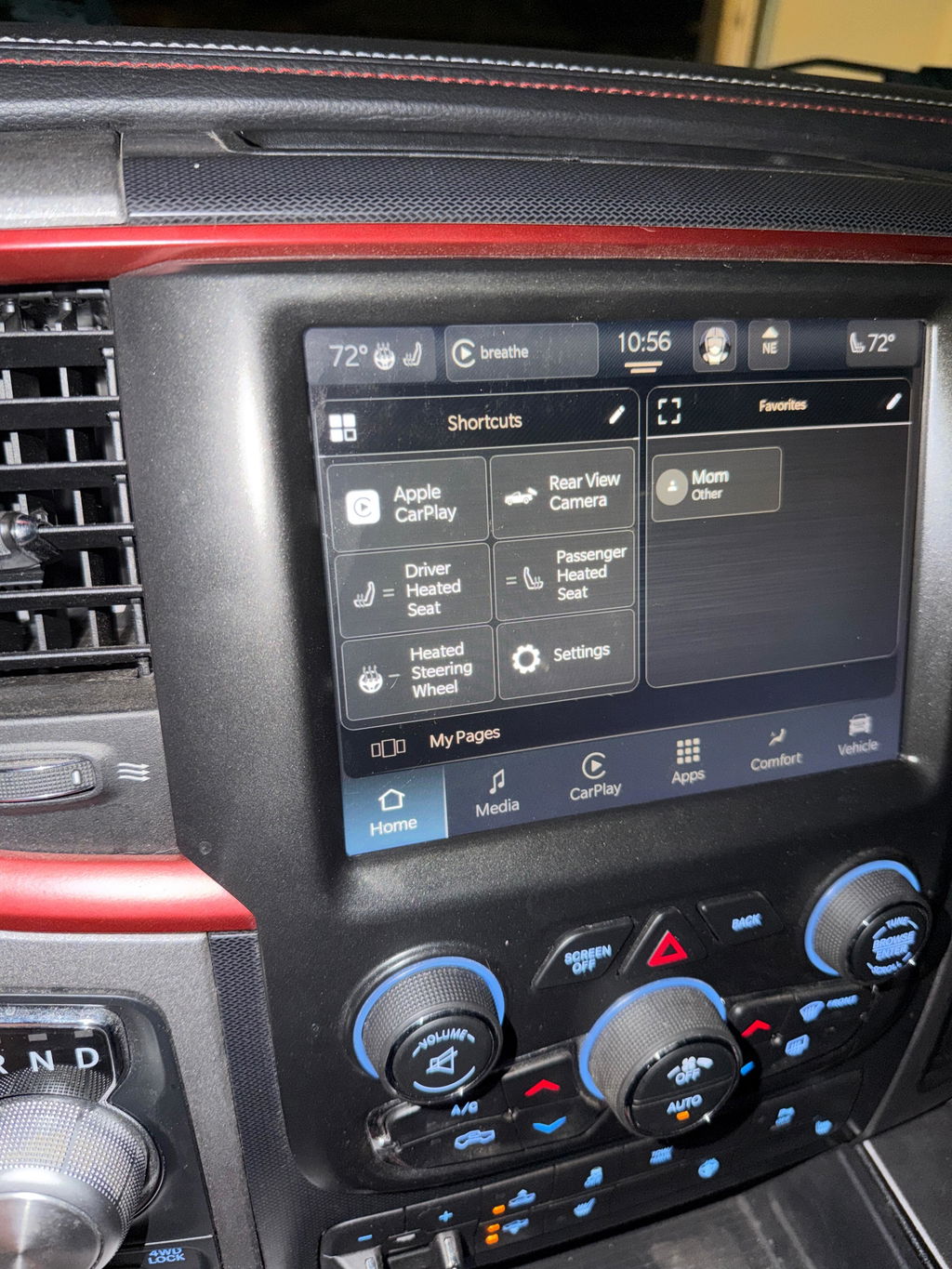
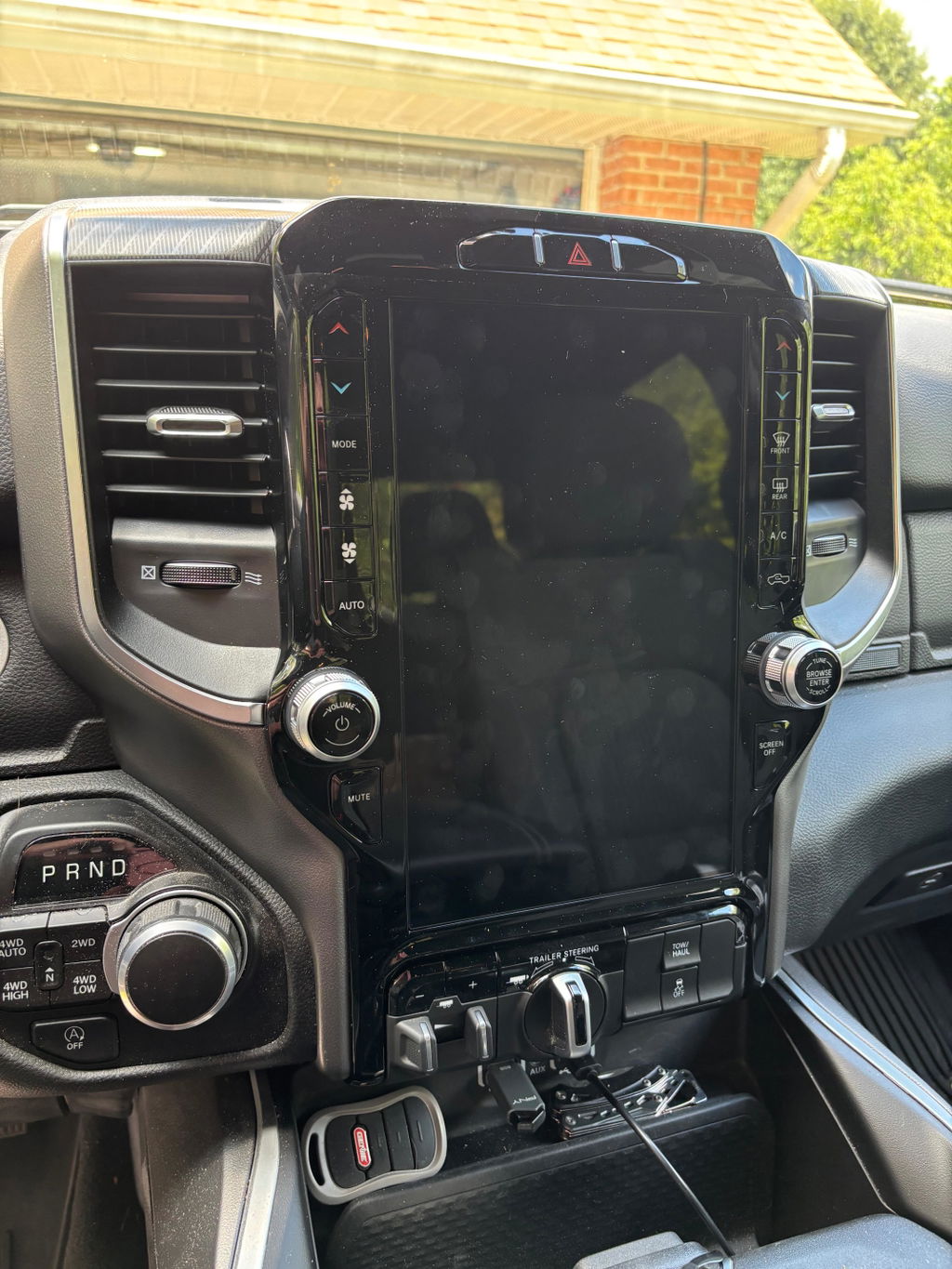
The same principle applies to Ram Uconnect upgrades. A larger factory screen may share the same general dashboard location as a smaller unit, but the correct system depends on the truck's year, original Uconnect generation, bezel, media hub, antenna setup, wiring, and programming requirements. A true plug-and-play upgrade is built around those details rather than asking the owner to source a stack of unverified donor parts.
Instrument clusters are another common example. A cluster can power on and still be wrong for the vehicle. It may display incorrect warnings, fail to show the intended menus, report an odometer conflict, or require configuration before it communicates correctly with the rest of the truck.
Which Truck Modules Are Usually Easier to Swap?
Modules fall into two broad categories: convenience and display modules, which may be upgradeable with the proper matching components, and security- or powertrain-critical modules, which require much more caution.
Infotainment screens, radio modules, digital clusters, USB hubs, camera-related components, and certain remote-start systems can often be upgraded when the kit is designed for the exact platform. These parts still may need programming, but they are common OEM retrofit candidates because manufacturers offer related equipment across multiple trims.
Modules tied to starting authorization, emissions, airbags, braking, steering, and powertrain operation are different. Engine control modules, transmission control modules, ABS modules, airbag modules, and immobilizer-related components should not be treated as casual plug-in swaps. Correct replacement can require VIN writing, security access, key programming, module initialization, calibration procedures, and professional scan-tool support.
The risk is not just a warning light. An incorrectly configured safety or powertrain module can affect how the truck starts, drives, stops, or responds in an emergency. Use the exact specified replacement and follow the required programming process.
What Must Match Before Swapping a Module?
Before ordering a module or kit, verify the vehicle identification number and the factory equipment currently installed. Part numbers matter, but a part number alone is not always enough because supersessions, software revisions, and option content can change compatibility.
Check these four areas before moving forward:
- Vehicle platform details, including model year, cab or body configuration, trim, drivetrain, and engine where applicable.
- Original equipment, such as current screen size, infotainment generation, cluster type, backup camera, factory amplifier, remote-start equipment, and heated or ventilated seat controls.
- Hardware compatibility, including connectors, bezel style, antenna leads, USB hub, camera interface, and required harnesses.
- Programming requirements, including VIN configuration, feature activation, security pairing, proxy alignment, as-built data, or calibration updates.
Programming Is Part of the Swap
Most module swaps require some level of setup. In simple cases, programming enables an added feature or tells the vehicle which options are present. In more complex cases, it pairs the module to the VIN, syncs anti-theft data, loads vehicle-specific configuration, and clears faults created by the replacement.
Ram, Dodge, Jeep, and Chrysler vehicles may require module configuration procedures that ensure new equipment communicates properly through the vehicle network. Ford applications may require correct as-built data and software configuration so modules recognize the truck's feature set. Neither process should be guessed at.
A common mistake is installing a module, seeing it power up, and assuming the job is done. A radio may turn on while its microphones, cameras, satellite radio, steering-wheel controls, or climate functions remain unavailable. A cluster may illuminate while still needing configuration to display accurate vehicle data. A proper installation verifies operation of every feature tied to the upgrade.
For plug-and-play upgrades, the value is not only the OEM hardware. It is the complete compatibility plan: correct components, correct harnessing, and a clear programming path. That reduces the chance of chasing individual issues after the dashboard is already apart.
Used Modules: Lower Price, Higher Uncertainty
Used OEM modules can be a practical option when the part is known to match and can be programmed correctly. They can also introduce unknowns that are difficult to identify before installation.
A salvage-yard module may have hidden water damage, outdated software, locked security information, a different option configuration, or a donor VIN that must be removed or rewritten. Some modules cannot be fully reused without specialized tools or a reset process. Others may be restricted by theft-deterrent systems or require dealer-level access.
That does not make used OEM parts automatically wrong. It means the buyer should know exactly what is included and what remains to be completed. If a low-cost module needs a different bezel, media hub, antennas, harness adapters, programming service, and troubleshooting time, the initial savings can disappear quickly.
When a Vehicle-Specific Kit Makes More Sense
For owners upgrading a factory screen, adding modern smartphone integration, installing a digital cluster, or adding OEM remote start, a vehicle-specific kit removes the guessing game. The right kit is selected for the truck's generation and equipment level, not just the badge on the grille.
That matters most when retaining factory functions is the goal. A properly matched OEM-based upgrade can preserve the clean dash fit, steering-wheel controls, camera integration, vehicle menus, and original look that generic universal electronics often compromise. It also gives the owner a defined answer to the questions that matter before buying: what fits, what is included, and what programming is required.
Before swapping any module, start with the truck's exact configuration rather than the part you found first. The right OEM-compatible solution can turn an outdated cabin into a factory-style upgrade without creating a new list of electrical problems.