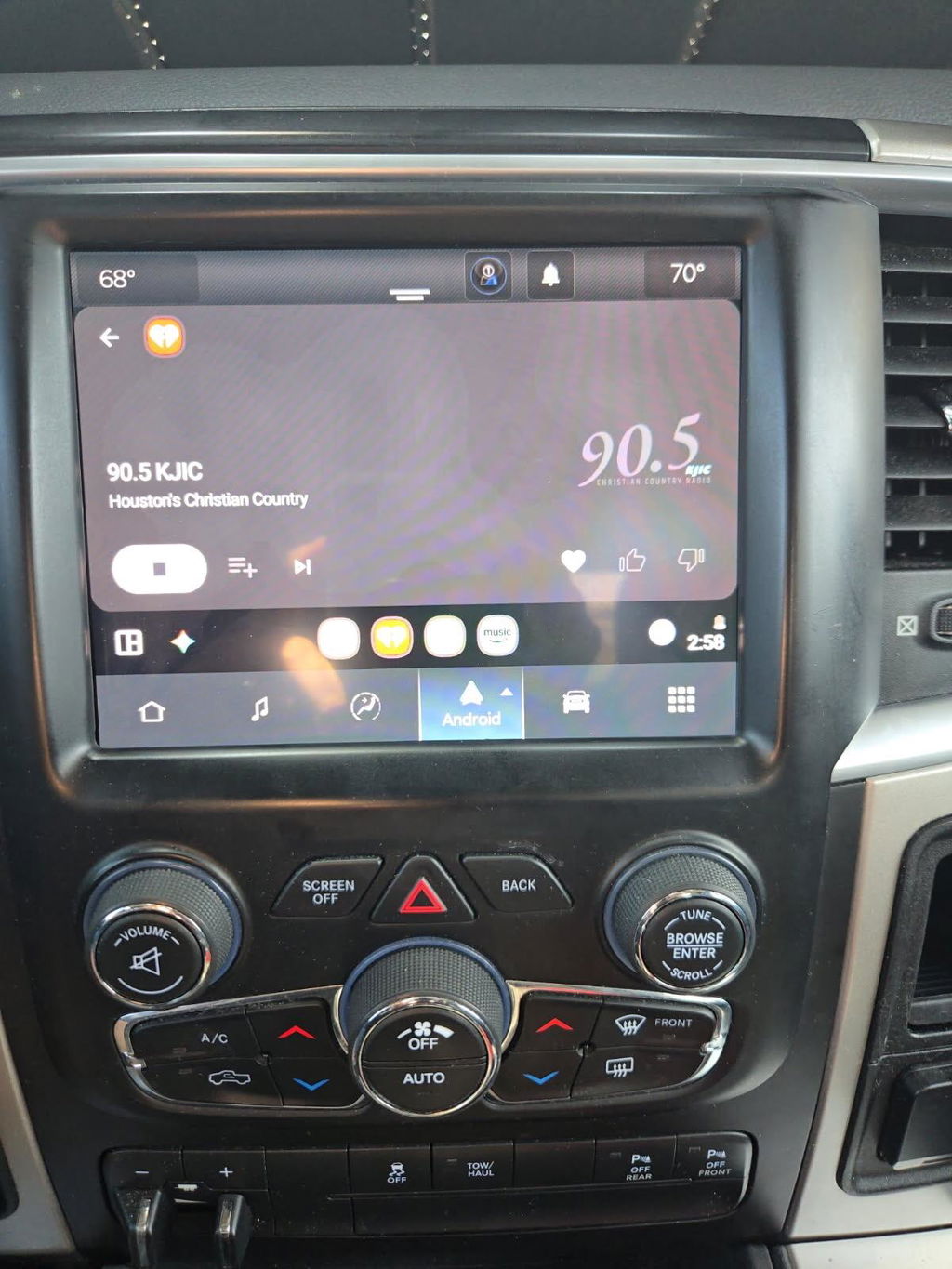
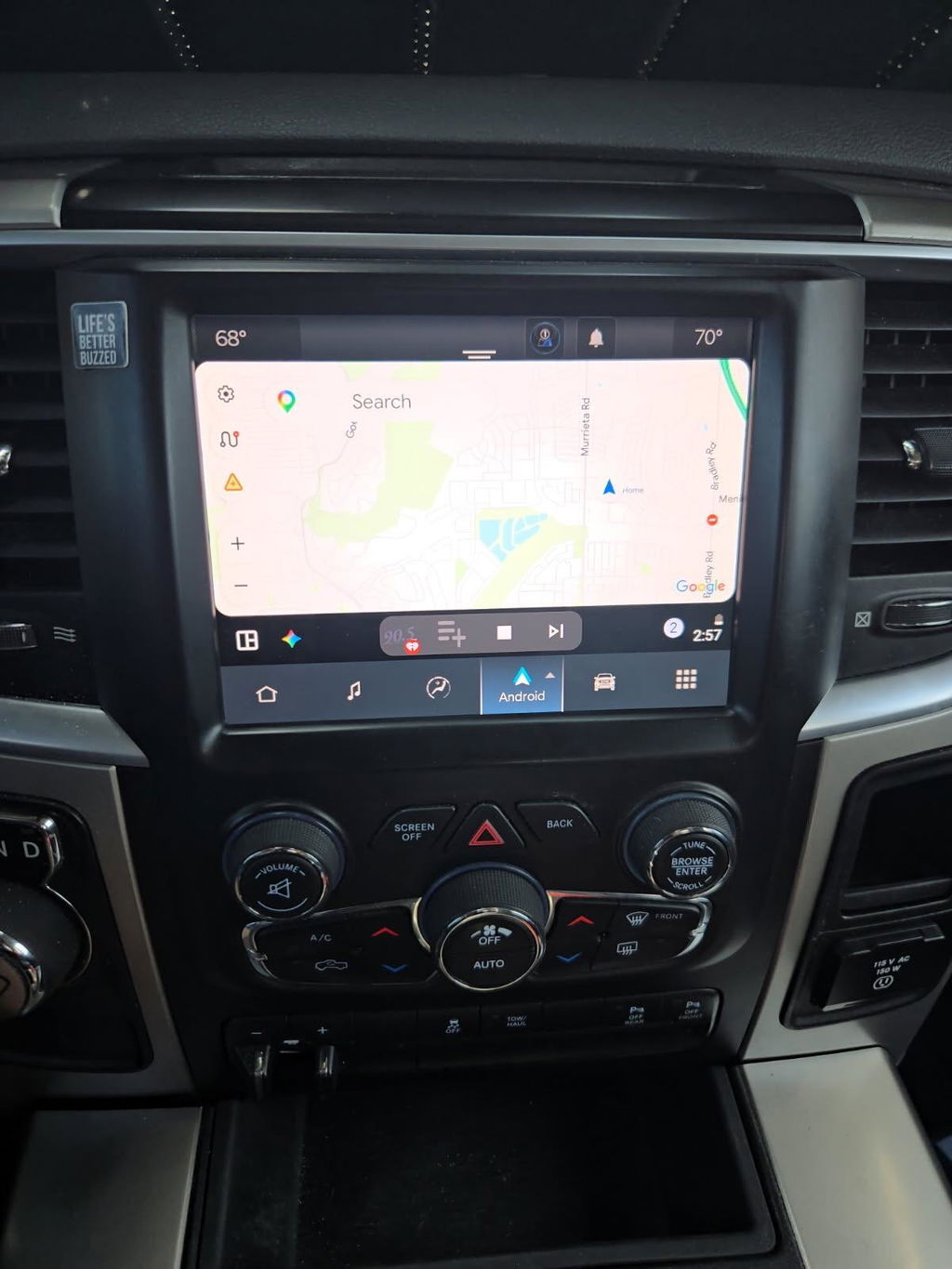
Can Factory Screen Be Upgraded? Yes - Here’s How
Share
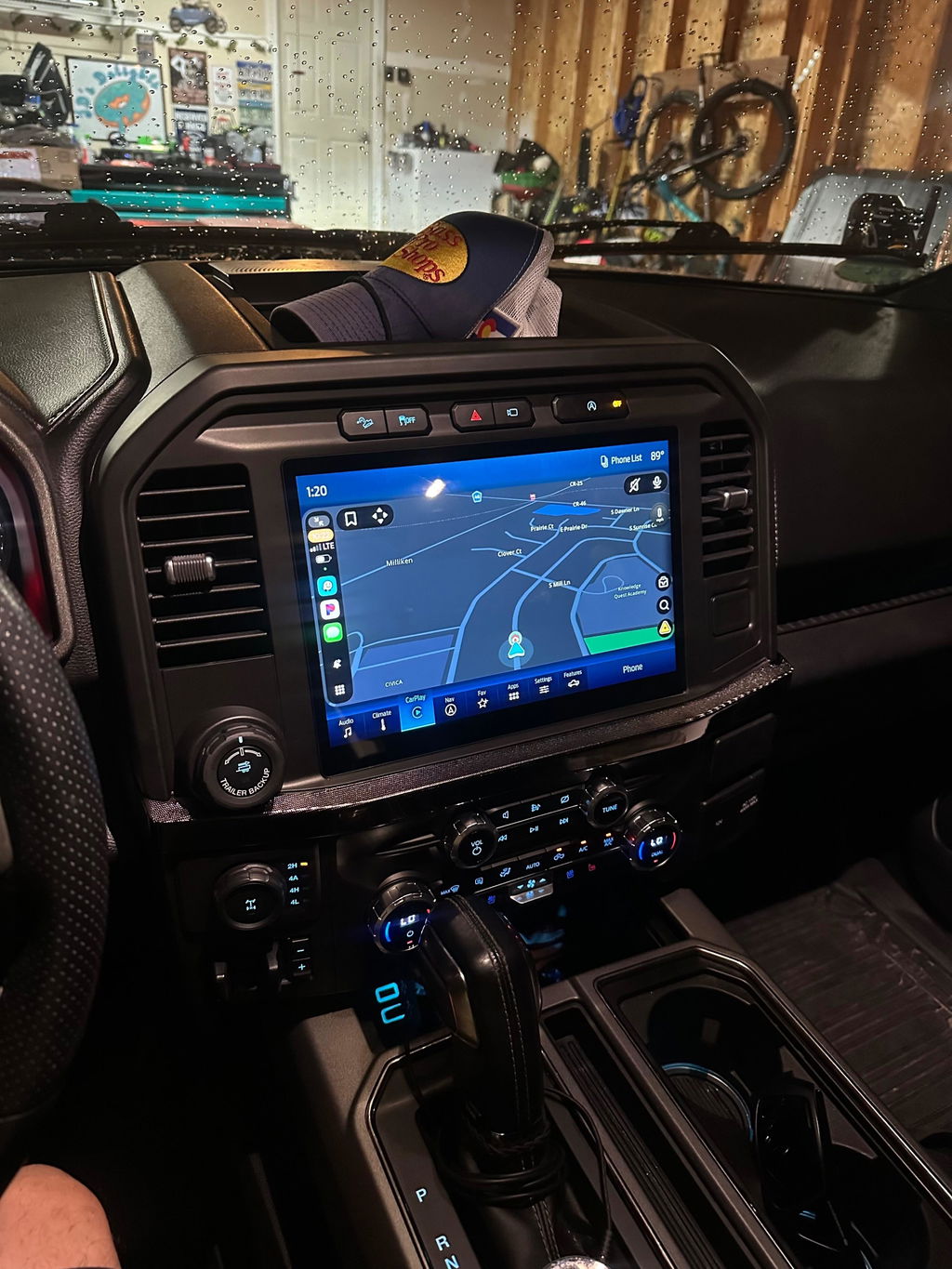
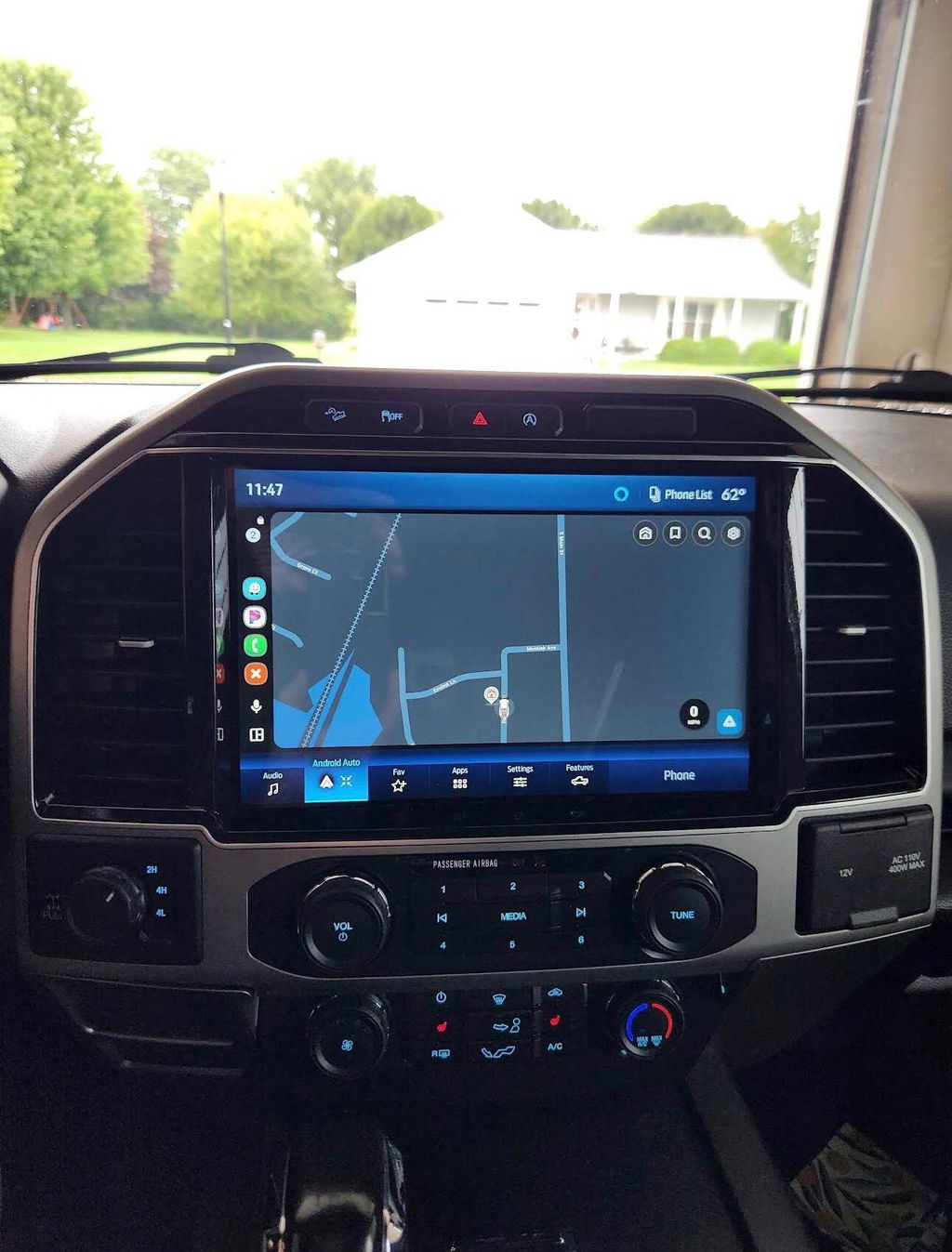
That small factory display starts feeling old fast once you’ve used a newer truck with a larger touchscreen, better graphics, and wireless phone integration. If you’re asking can factory screen be upgraded, the short answer is yes - but the right answer depends on your truck, its current radio system, and whether you want a clean OEM-style result or a universal aftermarket setup.
For most Ram and Ford owners, the upgrade path is real. The catch is that not every screen swap is as simple as plugging in a bigger display. Modern vehicles tie the screen into the radio module, climate controls, backup camera, steering wheel buttons, USB hubs, programming, and sometimes the instrument cluster. That is why some upgrades work like factory equipment and others turn into a wiring project you regret halfway through.
Can factory screen be upgraded on your truck?
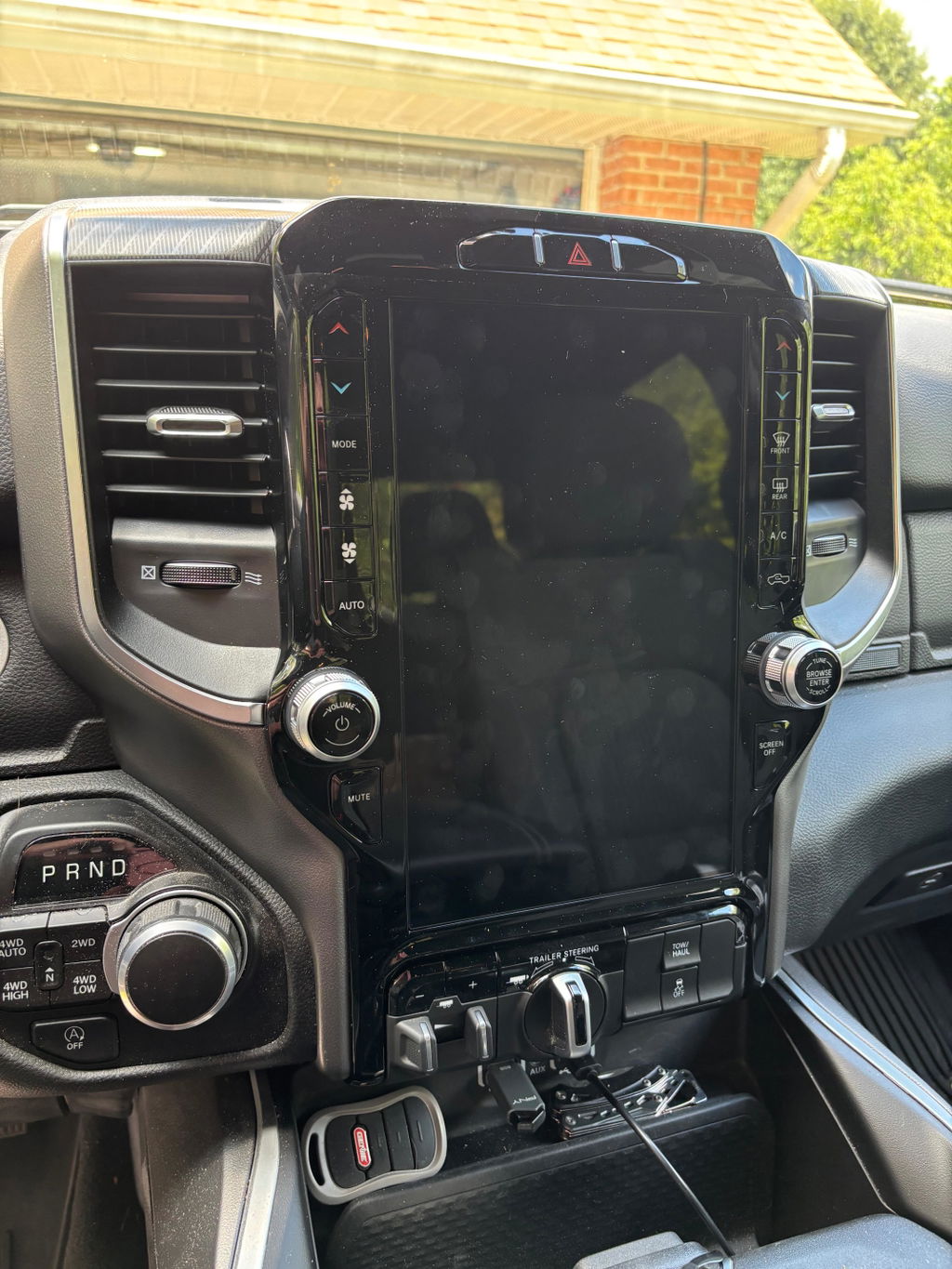
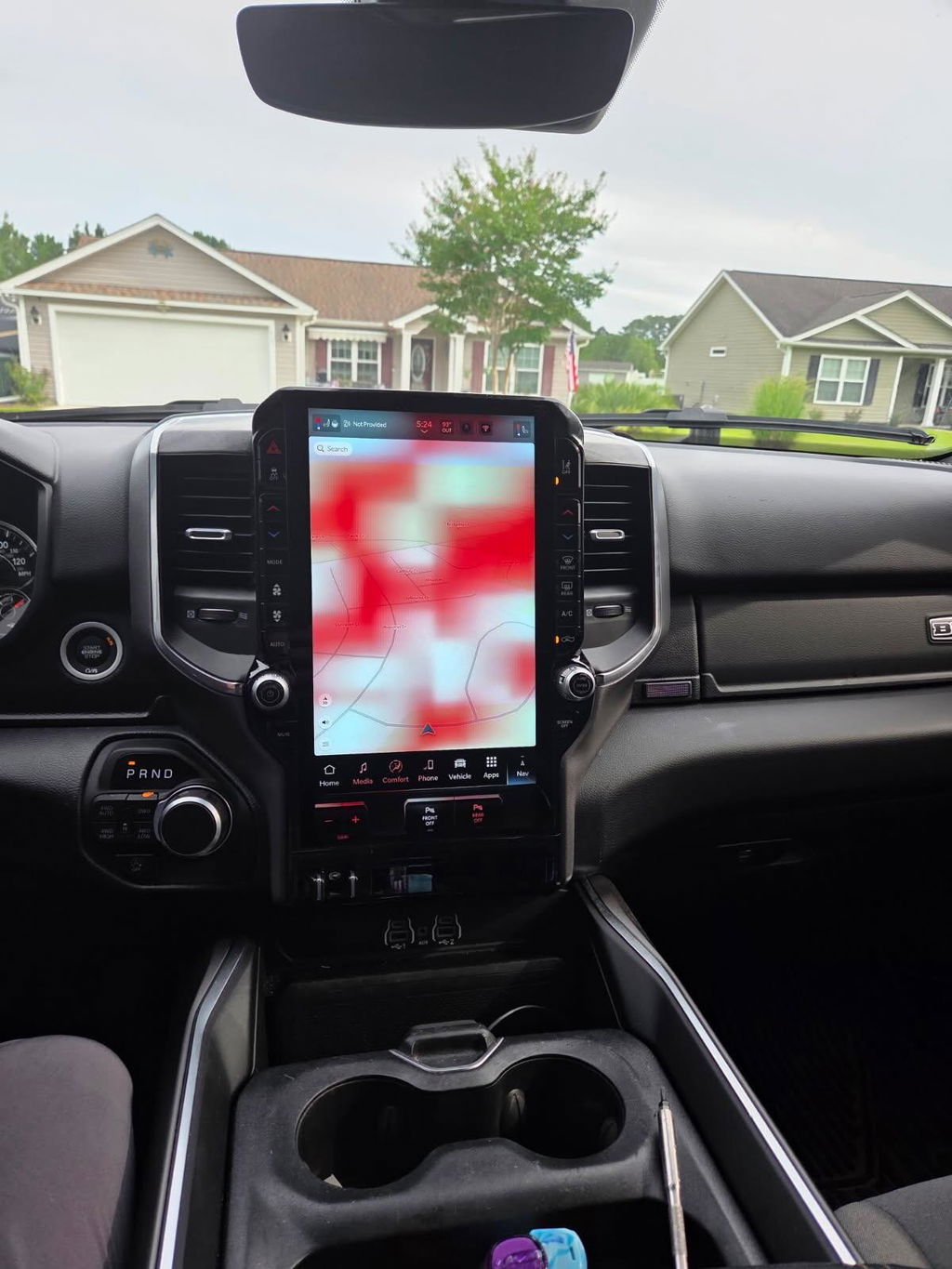
Usually, yes, if there is a vehicle-specific kit built around your exact platform. That means model year, trim level, original screen size, and factory option package all matter. A Ram 1500 with a smaller Uconnect screen may be a strong candidate for a larger OEM-based conversion, while a different year or trim may need extra modules, programming, or a different bezel and hub.
This is where truck owners often lose time and money. They assume the screen is the only part that matters. In reality, the display is only one piece of the system. On many OEM infotainment platforms, the screen, radio hardware, mounting trim, media hub, antennas, and software calibration all have to match.
If the goal is factory-style operation, fitment has to be exact. That is why plug-and-play, vehicle-specific kits are the safer route than trying to piece together random parts from online listings.
What has to change during a factory screen upgrade?
In some trucks, the screen itself is only the visible part of the conversion. Behind the dash, there may be a different radio module, a replacement bezel, updated wiring adapters, USB hardware, and programming steps needed to retain factory functions.
A proper upgrade usually focuses on three things. First, physical fitment has to be correct so the new screen mounts cleanly and looks right in the dash. Second, electrical compatibility has to be handled so factory features still work. Third, software and programming must match the vehicle so you do not lose functions like backup camera display, HVAC controls, or steering wheel control response.
That matters because a larger screen is not much of an upgrade if you end up with warning messages, missing menus, weak audio performance, or non-working camera inputs.
OEM-based upgrade vs aftermarket screen
This is the biggest fork in the road.
An aftermarket head unit can add features at a lower entry price in some cases, but it often requires more adaptation. You may need custom dash kits, extra modules, wiring splices, and separate interfaces to keep factory functions alive. Sometimes it works fine. Sometimes you get a system that looks out of place, responds differently than stock, or loses the factory feel entirely.
An OEM-based upgrade costs more up front, but it usually makes more sense for truck owners who want the dash to look right, keep factory integration, and avoid the trial-and-error that comes with universal electronics. If your truck already has an OEM ecosystem that supports a larger screen or newer infotainment version, staying in that lane is usually the cleaner move.
That is the appeal of factory-style conversion kits. You are not forcing a universal radio into a truck that was never designed for it. You are upgrading within the logic of the platform.
Why truck owners upgrade the factory screen
Most people start with one frustration and then realize the upgrade fixes several problems at once. The obvious one is screen size. A larger display is easier to use for navigation, camera views, trailer setup, and daily controls. But the bigger gain is usually functionality.
Depending on the platform, an upgraded factory screen can add a faster interface, sharper graphics, improved menu layout, wireless Apple CarPlay, wireless Android Auto, better camera support, and a more premium feel inside the cab. For trucks that spend long hours on the road, tow regularly, or serve as both work and family vehicles, that difference is not cosmetic. It changes how the truck feels every day.
There is also a resale factor. A factory-style infotainment upgrade tends to age better than a cheap aftermarket touchscreen because it looks integrated instead of added later.
Can factory screen be upgraded without losing features?
Yes, but only if the upgrade is built around your exact vehicle configuration.
This is where buyers should slow down. Features like heated seats, climate controls, parking sensors, 360 cameras, cargo camera views, trailer brake settings, and performance pages can all be tied into the infotainment system. If the replacement parts and programming do not support those functions, you can lose convenience features that were already working fine.
A good kit is designed to preserve or properly restore those functions. That is the difference between a screen that powers on and a system that actually works like it belongs in the truck.
If you use your vehicle hard - towing, traveling, off-roading, or daily commuting - you want more than a lit-up display. You want all the factory controls to stay where they should, with no odd workarounds.
The biggest mistakes buyers make
The first mistake is shopping by screen size alone. Bigger is not better if the hardware behind it is wrong for the truck.
The second is assuming all parts pulled from donor vehicles are interchangeable. They are not. Similar-looking systems can have different connectors, software requirements, or feature support depending on year and trim.
The third is underestimating programming. Even genuine OEM components may need setup to communicate correctly with your truck. Without that step, you can end up chasing issues that are not caused by bad parts at all.
The fourth is buying a low-price bundle with unclear fitment. If the seller cannot tell you exactly what model years, trims, and original systems the kit supports, that is a warning sign.
What to check before buying
Start with your truck details. Year, make, model, trim, cab configuration, and current radio package all matter. If applicable, note whether you have a base screen, premium audio, navigation, factory camera options, or steering wheel audio controls.
Then look at the goal. Are you upgrading only for a larger touchscreen, or do you also want newer software, smartphone integration, improved camera functions, or added factory features? The more specific you are, the easier it is to choose the right path.
Finally, verify what is included. A complete kit should be clear about screens, bezels, modules, harnesses, hubs, antennas, and programming requirements. If any of that is vague, expect surprises.
For brands like DD Offroad that focus on OEM Genuine Components and Plug and Play vehicle-specific kits, that clarity is a major part of the value. It cuts out guesswork and helps buyers avoid mixing parts that were never meant to work together.
Is the upgrade worth the cost?
For many truck owners, yes. Especially if you plan to keep the vehicle for a few more years.
The cheapest route is rarely the best route here. A low-cost universal radio can turn into extra labor, missing features, and a dash that never looks quite right. A properly matched OEM-style upgrade costs more initially, but it usually delivers better integration, cleaner installation, and a result that feels factory from day one.
That said, it depends on the truck. If you have an older work truck with minimal factory features and you only want basic Bluetooth or navigation, a full OEM conversion may not be the most cost-effective choice. But if you have a newer Ram or Ford platform and want a larger touchscreen with factory behavior, the value is easier to justify.
The best upgrade is the one that solves the problem without creating new ones. If your current screen feels outdated, too small, or missing the features you actually use, a factory screen upgrade can be one of the most noticeable improvements you make to the cab. Just make sure the kit matches the truck, not just the opening in the dash.
A good infotainment upgrade should feel like the truck came that way from the factory. That is the standard worth holding out for.