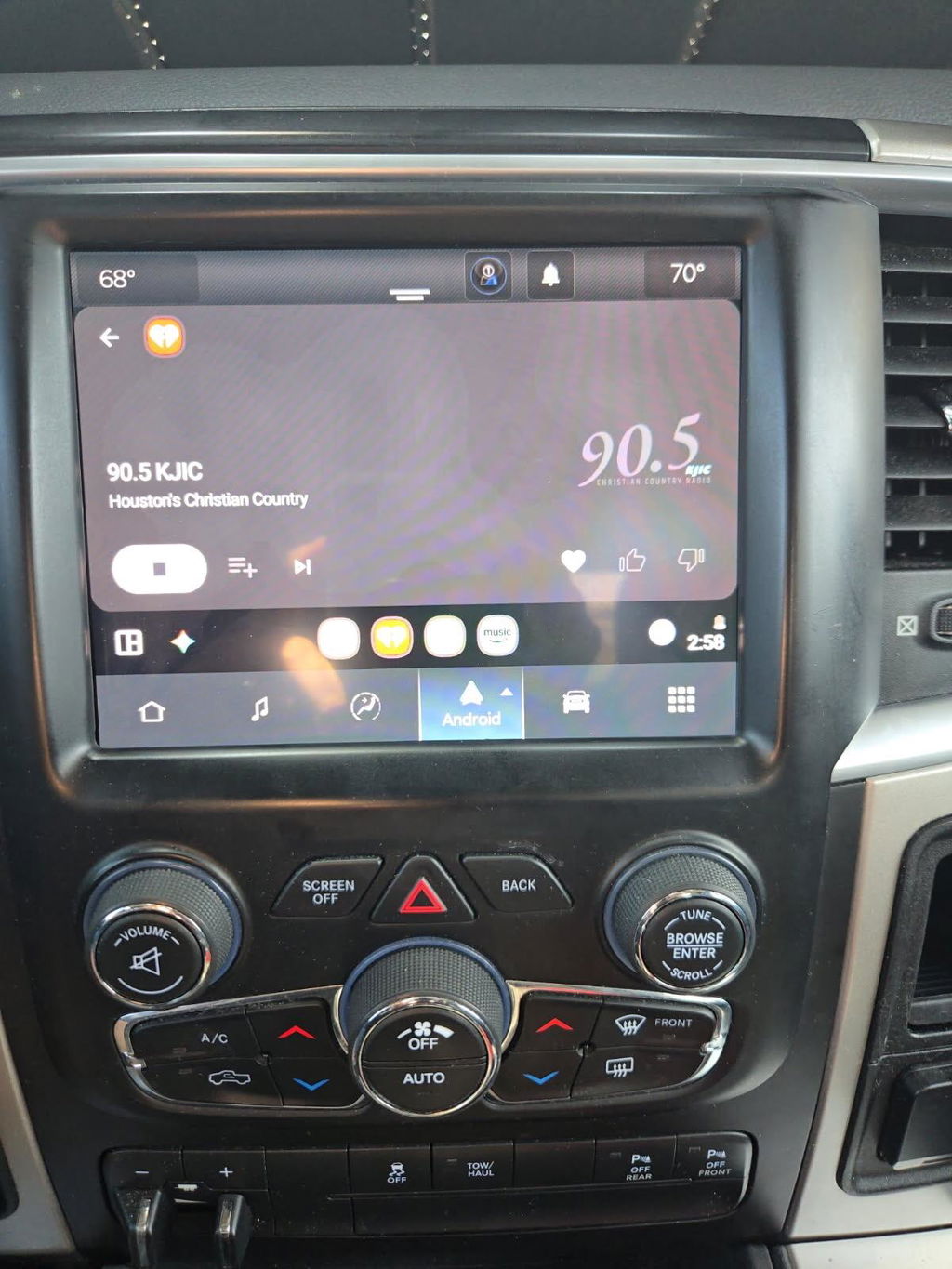
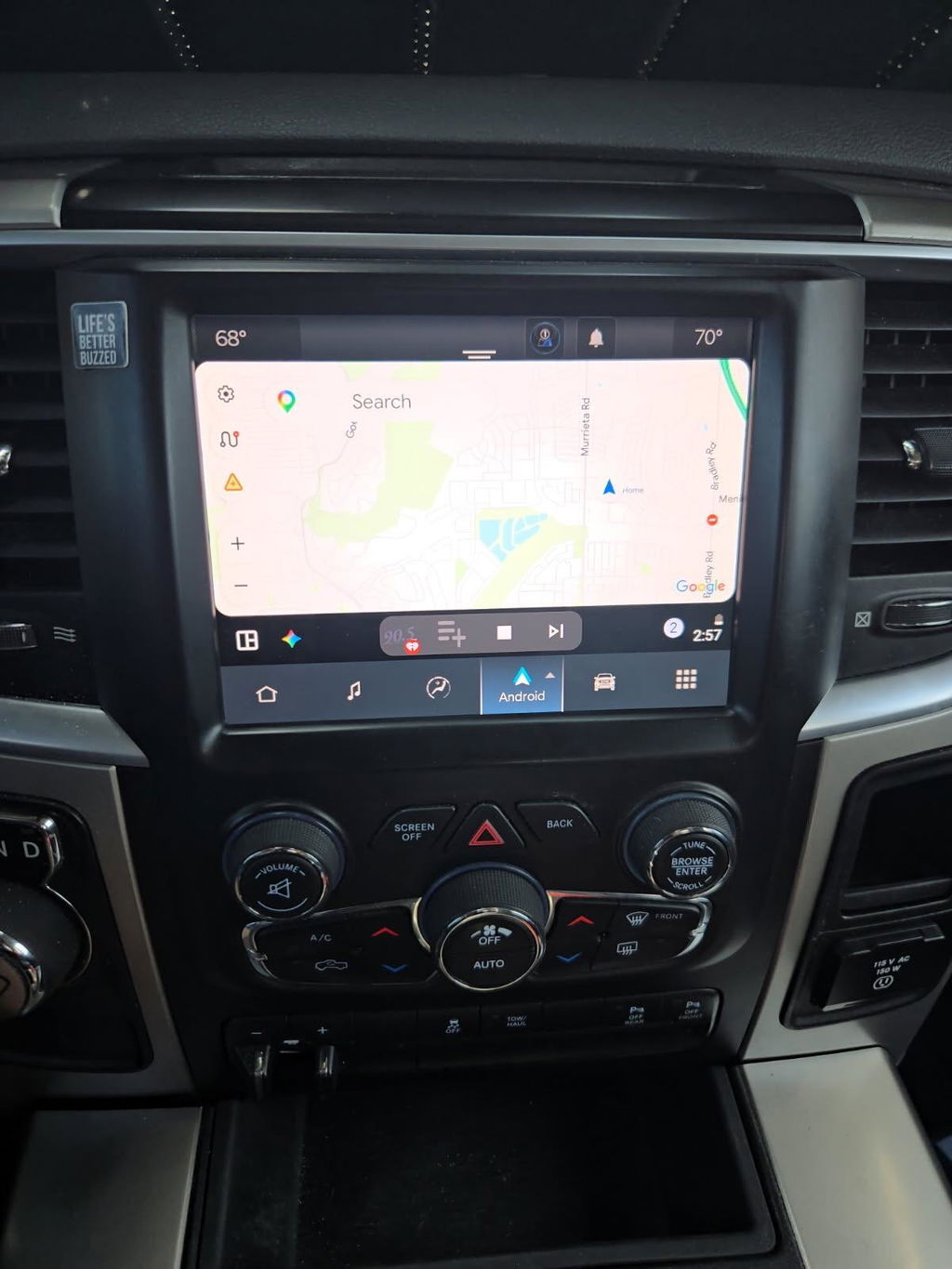
Ram 1500 Factory Screen Conversion Guide
Share
If you're still staring at a small stock display in a Ram, you already know the problem. A proper ram 1500 factory screen conversion is not just about getting a bigger screen on the dash. It's about keeping factory functions, avoiding wiring headaches, and upgrading to a setup that actually looks like it belongs in the truck.
For most owners, the real question is not whether a screen upgrade is worth it. The question is which path gets you modern features without creating new problems. That is where OEM-based conversion kits separate themselves from generic aftermarket radios.
What a ram 1500 factory screen conversion really means
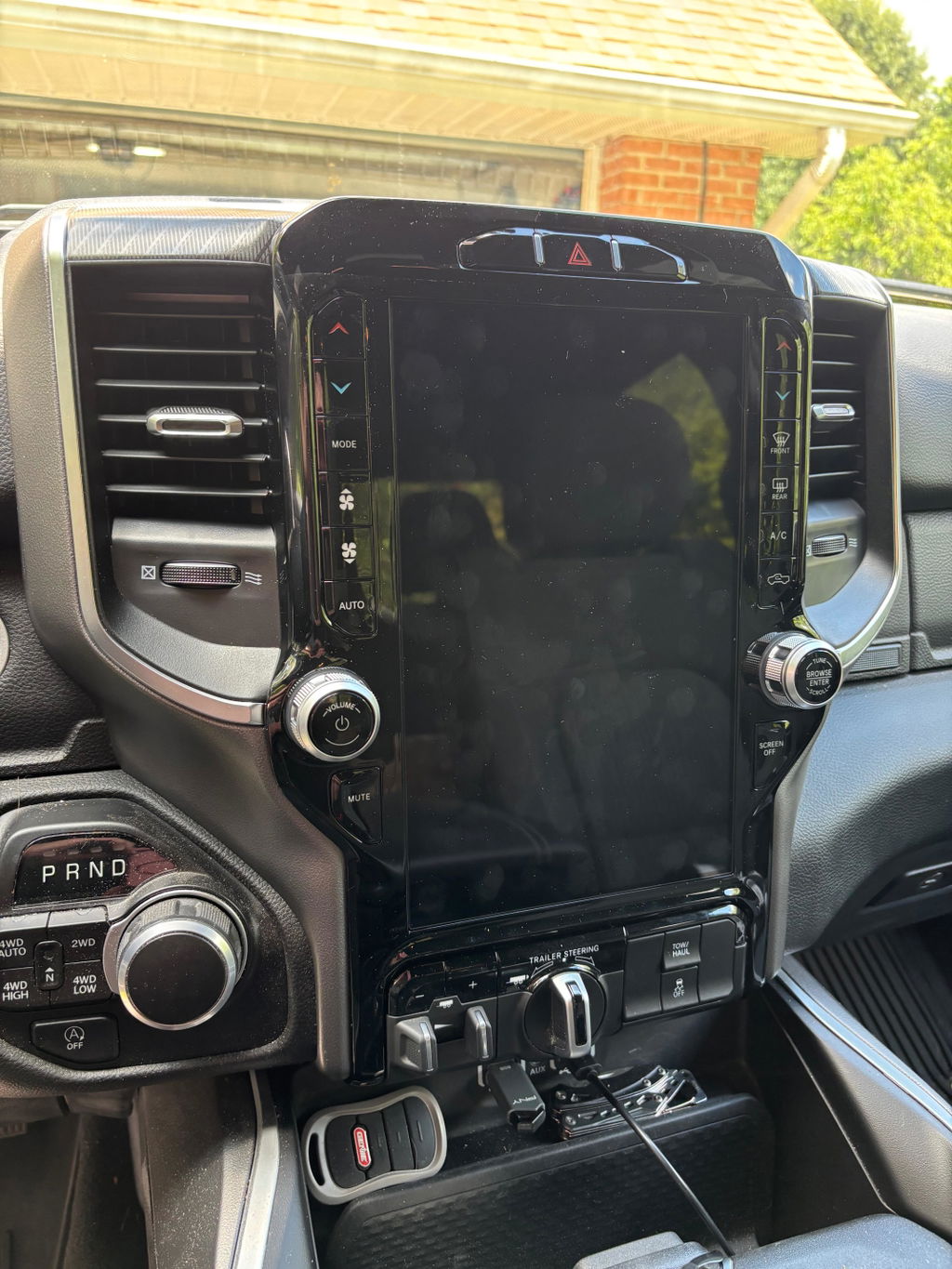
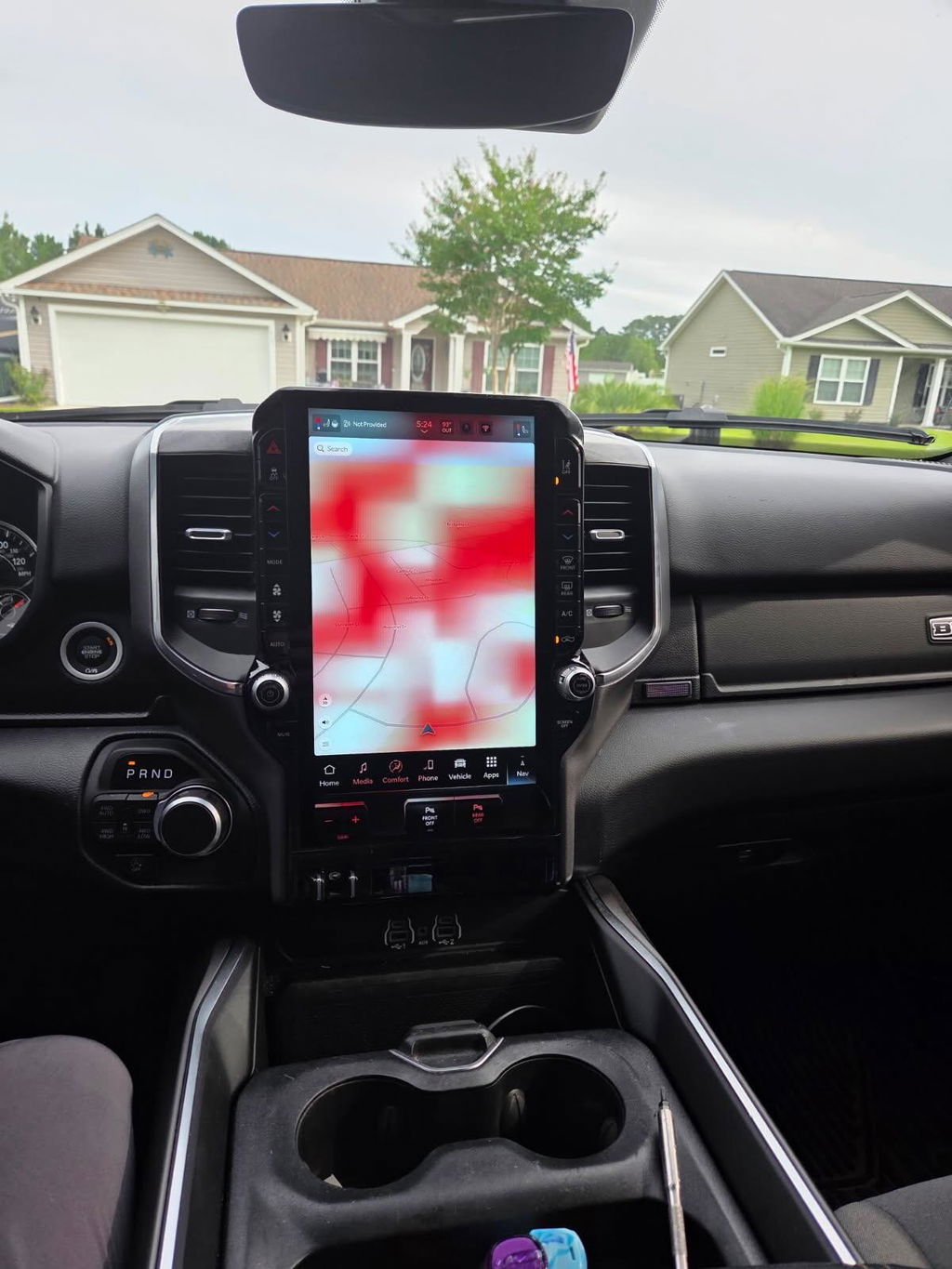
A true ram 1500 factory screen conversion replaces the original factory display with a larger OEM-style or OEM Genuine Components setup designed for your truck's trim, system, and model year. The goal is to add factory-grade functionality while preserving the fit, finish, and communication between vehicle modules.
That matters more than many buyers expect. On a Ram 1500, the infotainment system is tied into more than music and navigation. Depending on the truck, it can also affect climate controls, backup camera display, vehicle settings, media hubs, steering wheel controls, and performance pages. If the upgrade does not communicate correctly with the truck, the result can be a dash that looks updated but works worse than stock.
This is why factory-style conversions are in a different category from universal double-DIN installs. A universal unit may advertise more apps or a lower price, but it often requires extra modules, modified trim, cut wiring, or feature compromises. A vehicle-specific plug-and-play kit is built around preserving factory integration first.
Why Ram owners upgrade the factory screen
The most common reason is simple. The original small screen feels dated, especially if the rest of the truck still looks current. A larger factory screen changes the cabin immediately. It gives the dash a higher-end appearance and makes day-to-day use easier, whether you're managing navigation, audio, phone calls, or towing settings.
The feature jump is just as important. Many Ram owners want access to newer Uconnect layouts, faster response, better graphics, and smartphone integration like Apple CarPlay and Android Auto. Wireless functionality is often the biggest draw because it removes one more cable from the center console and makes the truck more usable on short trips.
There is also a resale and ownership angle. A clean OEM-style upgrade tends to age better than a flashy aftermarket setup. For buyers who care about factory appearance, a properly matched conversion looks intentional, not improvised.
The biggest mistake buyers make
The most common mistake is shopping by screen size alone. A bigger display is appealing, but fitment on a Ram 1500 depends on more than the opening in the dash. Model year, trim level, original radio configuration, HVAC layout, and module compatibility all matter.
For example, two trucks that look similar inside may use different hardware and software depending on year range. A kit built for one generation may not communicate correctly with another, even if the screen physically mounts. That is why vehicle-specific product matching is critical.
The second mistake is assuming every listing that says plug and play actually is. In this category, that term gets used loosely. A real plug-and-play conversion should be built around the truck's factory systems, include the required components, and avoid custom fabrication or trial-and-error wiring.
OEM conversion vs aftermarket radio
For a Ram 1500, the choice usually comes down to priorities. If your top priority is factory fit, retained integration, and a clean install, OEM-based conversion is the better route. If your only goal is adding a touchscreen at the lowest entry cost, aftermarket can look attractive on paper.
The trade-off is usually in the details. Aftermarket units can offer broad feature lists, but installation complexity tends to rise fast. You may need additional interfaces for steering wheel controls, camera retention, amplifier integration, and HVAC functions. You can also end up with mismatched trim, laggy controls, or a screen that never quite looks factory.
OEM-style kits cost more up front, but they are usually the safer choice for owners who want predictable results. That is especially true on newer trucks where infotainment is tied deeply into vehicle settings and convenience features.
What to check before buying a Ram 1500 factory screen conversion
Start with the truck's exact year and current radio setup. This is the baseline for compatibility. If you do not know what system is already in the truck, confirm it before ordering anything. Guessing here is how buyers end up with the wrong kit.
Next, look at the feature set you want. Some owners only want a larger OEM display and better interface. Others want full Uconnect 5 functionality, wireless CarPlay and Android Auto, or support for backup camera and factory controls. The right kit depends on whether your goal is appearance only or a full functional upgrade.
Then consider how complete the package is. A proper conversion should not leave you chasing down separate harnesses, trim pieces, programming steps, or missing modules after the fact. The cleaner the kit structure, the lower the chance of install delays and compatibility issues.
Finally, be realistic about install comfort level. Some Ram owners handle these upgrades in the garage with no issue. Others prefer to hand it off to an installer. Neither approach is wrong. What matters is choosing a package that is engineered to reduce variables.
Installation expectations
A well-designed conversion is straightforward compared with custom audio work, but straightforward does not mean careless. You are still working with dash panels, electrical connectors, and factory electronics that need to be handled correctly.
In most cases, the job involves removing trim, pulling the existing radio or screen components, connecting the replacement hardware, and reinstalling the correct panel pieces. The big advantage of a model-specific plug-and-play kit is that you are not trying to invent the process as you go.
Programming can be part of the equation depending on the system and truck configuration. That is normal. Modern OEM infotainment upgrades often require the truck and components to be aligned correctly so features display and operate as intended. It is not a red flag if the conversion includes a programming element. It is often part of doing the job right.
Features that matter after the upgrade
Screen size gets the attention, but everyday usability is what justifies the purchase. Faster response, cleaner menus, better camera display, and stable smartphone integration are what owners notice every time they drive.
If you use the truck for work, towing, or travel, the quality of the interface matters more than novelty features. A large factory-style screen is easier to read at a glance and simpler to use on the move. That sounds minor until you have lived with a cramped or outdated display for years.
Wireless Apple CarPlay and Android Auto are especially valuable if your truck is part office, part daily driver. They reduce friction. Get in, start the truck, and your phone is already connected. For many owners, that alone makes the conversion feel like a current-model upgrade instead of a cosmetic change.
Is the upgrade worth the cost?
Usually, yes - if you care about factory integration and plan to keep the truck. The value is not just in the screen itself. It is in avoiding the usual compromises that come with lower-grade aftermarket options.
A cheap solution can become expensive once you add adapters, labor, troubleshooting time, and the cost of living with something that never works quite right. By contrast, an OEM-based kit is priced around doing the job once and keeping the truck's interior consistent with the rest of the platform.
That does not mean every owner needs the most advanced setup available. If your current system already covers your needs, a conversion may be more of a want than a must-have. But if your truck still has a basic display and you use it every day, the improvement is immediate and easy to justify.
For Ram owners who want modern infotainment without cutting corners, this is one of the cleaner upgrades you can make. A properly matched kit from a specialist like DD Offroad keeps the truck looking factory, adds the features drivers actually use, and removes the guesswork that usually comes with electronics upgrades. Buy for exact fitment, not just screen size, and the result will feel like it should have come that way from day one.