Ram Infotainment Upgrade: What Fits Best
Share
A bad screen upgrade usually shows itself fast. The backup camera lags, steering wheel buttons stop responding, or the new display looks out of place in a truck that still has a factory dash. That is why a ram infotainment upgrade should start with fitment and integration, not screen size alone.
Ram owners usually want the same thing from this upgrade: a larger touchscreen, newer software, wireless Apple CarPlay and Android Auto, and factory-style operation without cutting into the truck’s wiring. That sounds simple, but the right path depends on your model year, current radio package, and whether you want an OEM-based conversion or a generic aftermarket head unit. If you get that part wrong, the install gets expensive fast.
What a ram infotainment upgrade should actually improve
For most trucks, the goal is not just adding a nicer display. The real value is getting modern functionality while keeping the features the truck already has. That includes backup camera support, climate controls on the screen when applicable, factory microphones, USB integration, steering wheel controls, and the clean look of an OEM interior.
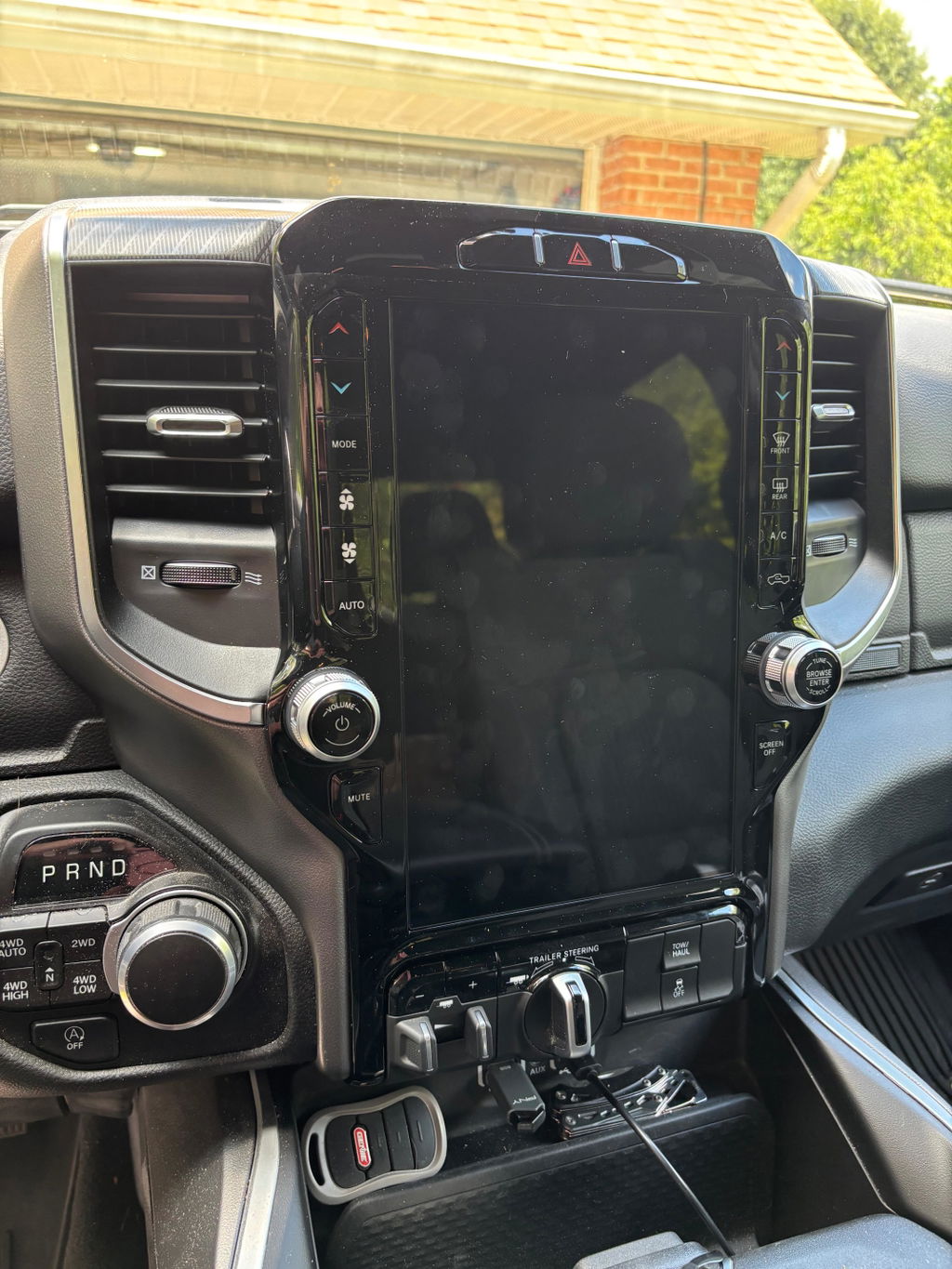
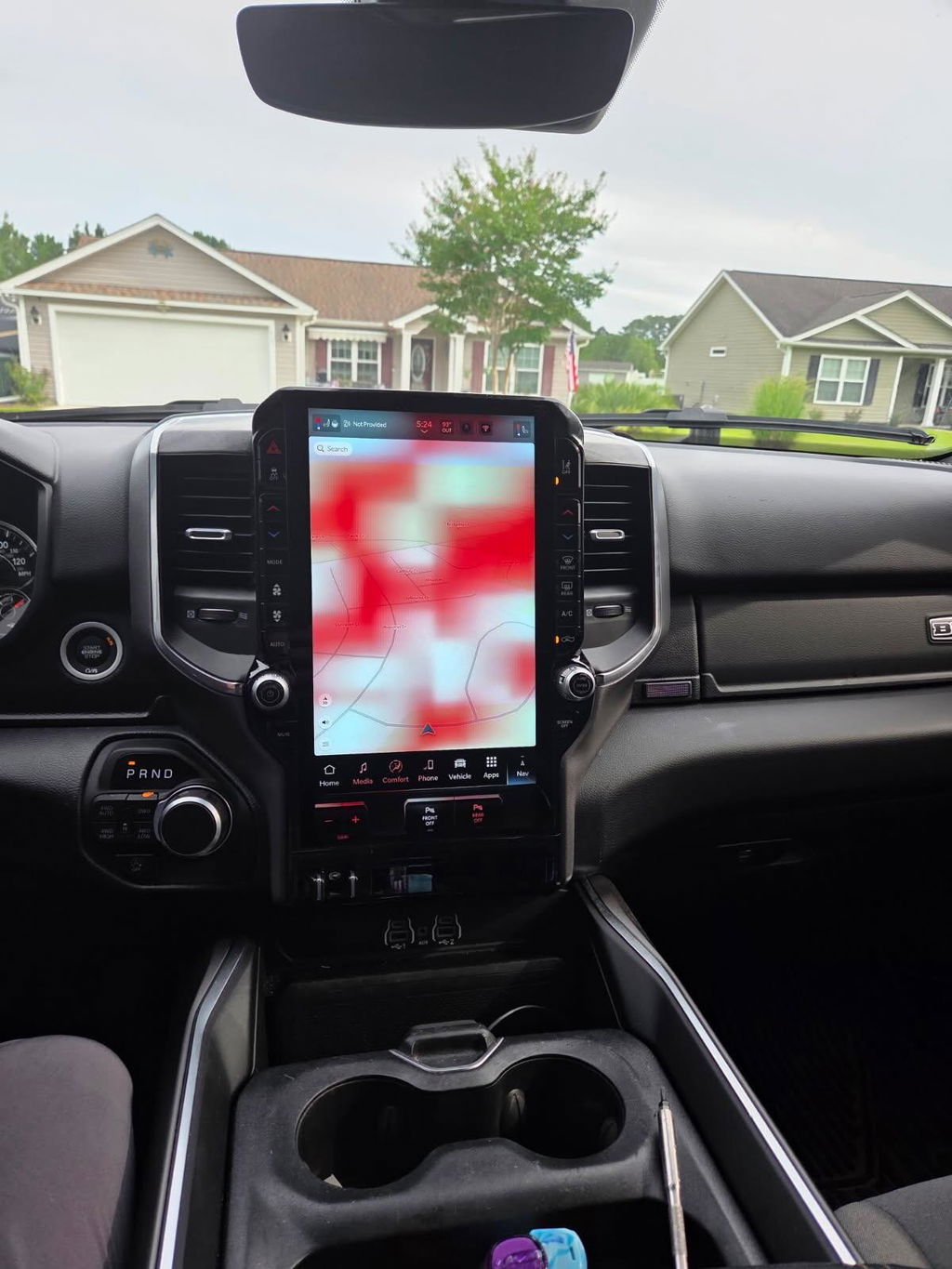
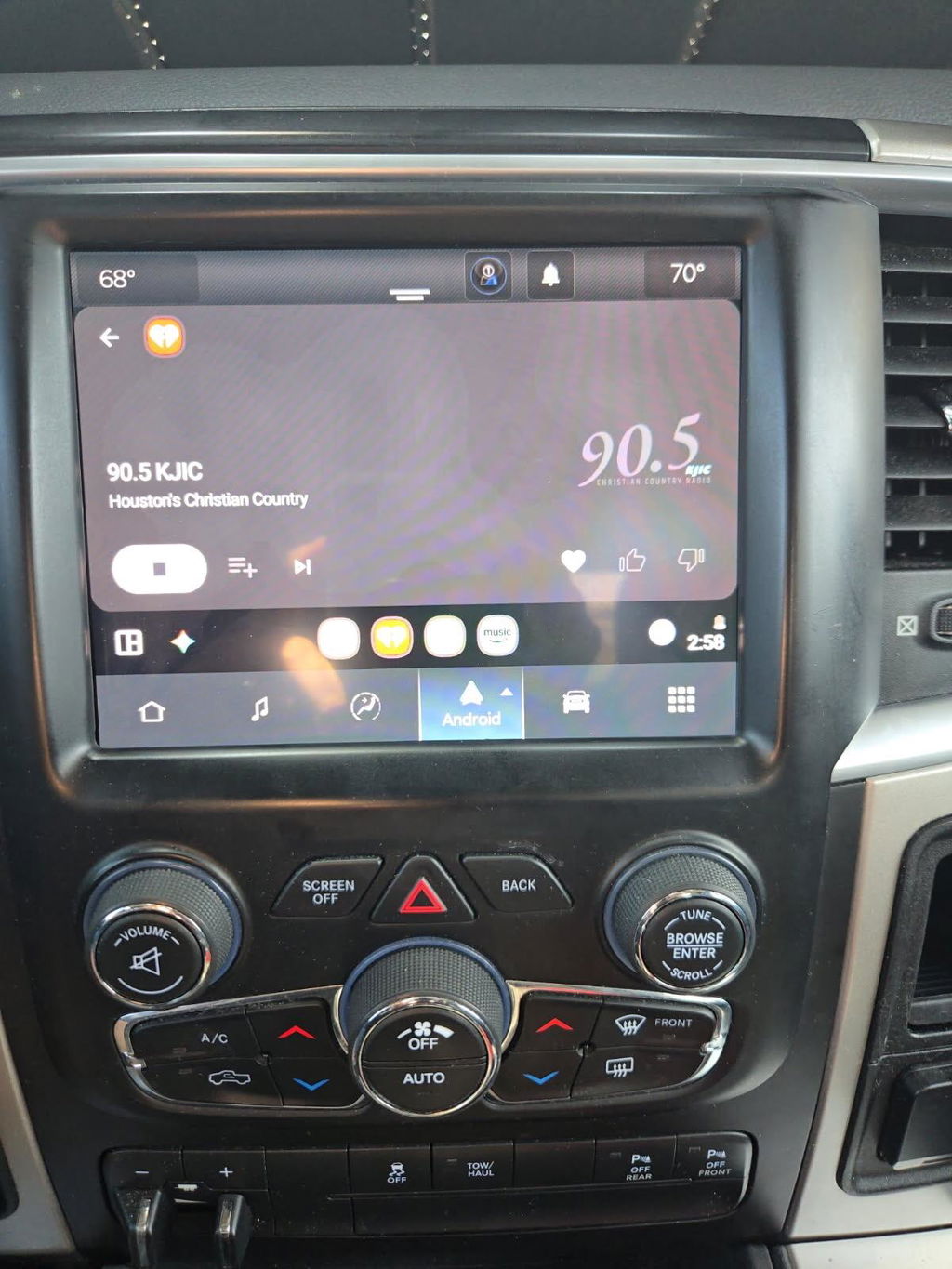
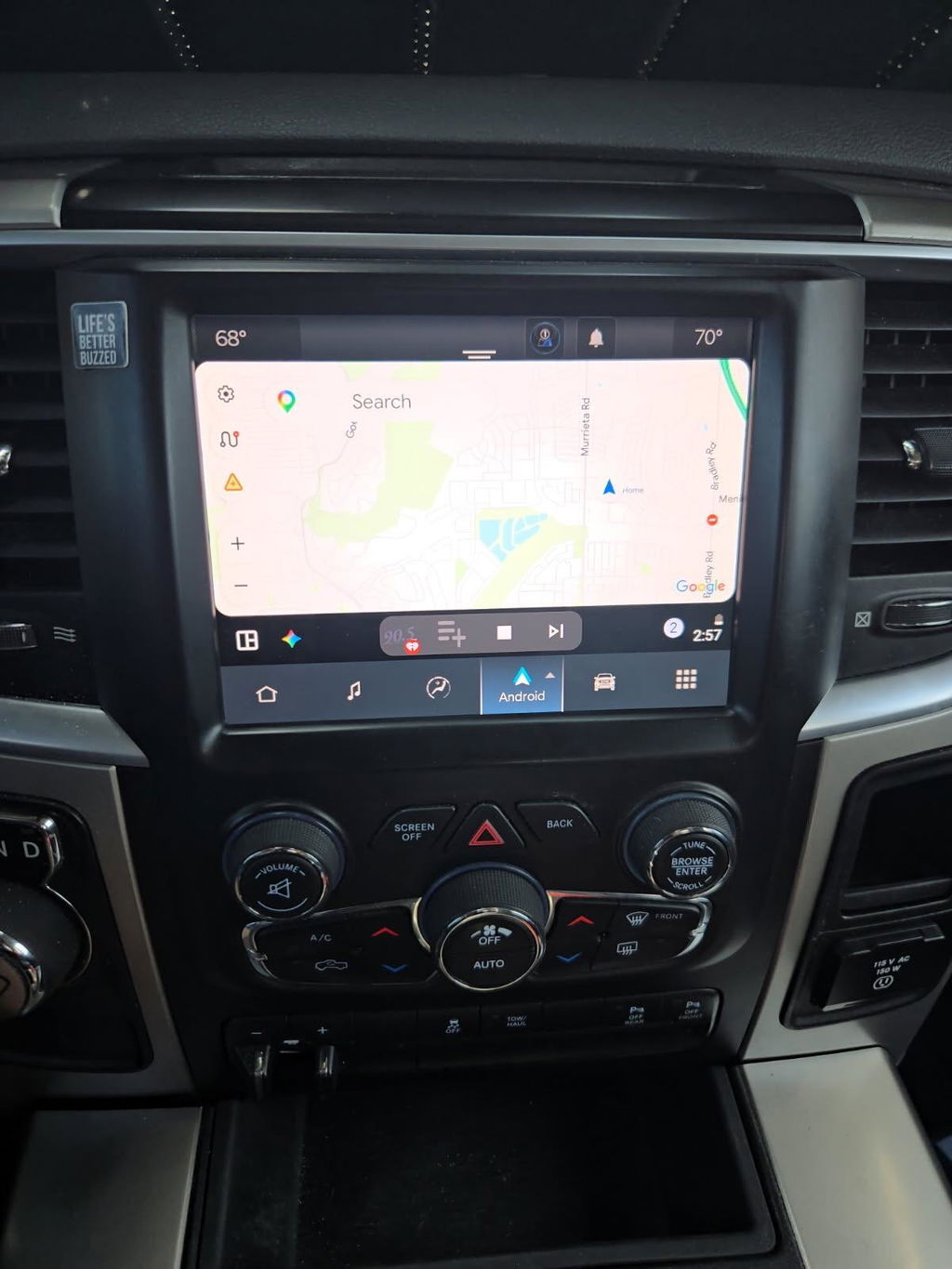
On older Ram platforms, the biggest jump usually comes from moving out of the small factory screen or low-feature radio into a larger Uconnect-style setup. On newer trucks, the upgrade is often less about basic function and more about better response time, improved graphics, smartphone integration, and access to newer OEM software and screen layouts.
That distinction matters. If your current system already does most of what you need, a full conversion may not be the best value. But if you are starting with an entry-level radio, the difference can feel like jumping ahead a full generation.
OEM-based upgrade vs aftermarket radio
This is where most buyers either save time or create a headache for themselves. An aftermarket radio can look attractive on price, especially when the advertised feature list is long. In practice, those installs often need extra modules, custom dash parts, wiring adapters, programming, and workarounds to keep factory features alive.
An OEM-based ram infotainment upgrade is usually the better fit for owners who care about factory integration. The parts are designed around the truck, the dash appearance stays correct, and the system behavior feels like it belongs there. That is a major difference if you use the truck every day and do not want to troubleshoot random glitches six months later.
The trade-off is simple. A true OEM-style setup can cost more up front than a bargain aftermarket unit. But that higher initial price often buys cleaner fitment, more predictable compatibility, and less installation risk. For a lot of Ram owners, that is the better value.
Why fitment matters more than features on paper
A radio upgrade is never just a screen. On Ram trucks, infotainment systems tie into multiple vehicle functions, and those functions vary by trim level and model year. A truck with a basic audio package does not have the same hardware starting point as one with a premium sound system, navigation, or factory 8.4-inch screen.
That is why model-year-specific kits matter. A proper package should account for bezel fit, harness compatibility, module requirements, antenna connections, and any programming needed for factory features to work correctly. If a seller cannot clearly explain what works with your exact truck, that is the first red flag.
This is especially true when buyers try to piece together used parts from multiple sources. You might save money on one component and lose it immediately when a missing module, wrong screen version, or incompatible harness turns the project into trial and error.
Uconnect upgrades and what buyers usually want
The most common reason Ram owners upgrade is to move into a newer Uconnect platform with a larger screen and more current software. In many cases, that means better screen resolution, quicker response, improved menus, and smartphone features that older factory radios either lacked or handled poorly.
Wireless Apple CarPlay and Android Auto are major selling points because they change how the truck is used every day. If you rely on maps, calls, messaging, and streaming audio, those features matter more than built-in navigation for a lot of drivers. For work trucks and daily drivers, that convenience is not a gimmick. It is one of the few upgrades you use every time you start the vehicle.
Screen size matters too, but it should be looked at realistically. A larger display is great when the system is designed around the truck and retains proper factory functionality. A large screen by itself does not help much if the interface is clunky or basic controls become harder to access.
What to check before buying a ram infotainment upgrade
Start with the truck’s exact year, trim, and current radio configuration. That is the baseline for everything else. If you do not know what system the truck has now, identify it before you shop. Guessing leads to wrong parts.
Next, think about what you actually want the upgrade to solve. Some owners need smartphone integration. Others want a factory-style large screen, cleaner graphics, or support for added OEM features. If your main complaint is that the stock radio feels dated, a full OEM-style conversion makes sense. If your current system already has the features you need, a smaller upgrade may be enough.
You should also pay attention to whether the kit is truly plug and play or just advertised that way. Real plug-and-play solutions are built around the vehicle and reduce the need for wire cutting, fabrication, or custom electrical work. That lowers installation time and lowers the odds of creating new issues.
Installation realities
No-nonsense answer: some upgrades are straightforward, and some are only straightforward if the kit is complete. That is a big difference.
A complete vehicle-specific package with OEM Genuine Components, the correct harnessing, and any required programming support is a very different experience from sourcing a screen, module, bezel, and cables one piece at a time. The first option is built for predictable results. The second option is where most install frustration starts.
If you are comfortable pulling trim panels and swapping factory components, many plug-and-play kits are manageable for a capable DIY owner. But if your truck has premium audio, special option content, or mixed factory equipment, it pays to be realistic. The more integrated the system, the more important it is to buy from a seller that specializes in exact-fit solutions.
The value question
A good ram infotainment upgrade is not the cheapest screen you can bolt into the dash. It is the upgrade that adds the right features, preserves factory integration, and does not create new problems.
That usually puts OEM-based solutions ahead for Ram owners who care about long-term ownership, resale appearance, and daily usability. Factory-style hardware simply ages better in the truck than universal-fit electronics. It looks right, works with the rest of the interior, and avoids the patched-together feel that hurts confidence in the install.
Price still matters, of course. But when comparing options, look at total cost rather than sticker price. Include adapters, modules, dash parts, install time, and the value of keeping factory functions intact. The lower-priced option is not always the less expensive one once everything is added up.
Who should upgrade and who should wait
If you have an older Ram with a basic radio, use your phone constantly in the truck, and plan to keep the vehicle, this upgrade usually makes sense. The cabin feels newer, the truck is easier to live with, and the change is noticeable every day.
If you already have a later factory system with the features you use most, the upgrade case is more situational. You may still want a newer screen or platform, but the return depends on how much the newer interface and added convenience matter to you.
For buyers who want a clean, factory-style result without chasing compatibility issues, this is where specialists matter. DD Offroad has built its catalog around OEM-based, plug-and-play truck upgrades for a reason - fitment, integration, and complete kits are what separate a smart upgrade from an expensive experiment.
The best upgrade is the one that makes your Ram feel current without making it feel modified in the wrong way. If the parts match the truck, the install path is clear, and the factory features stay intact, you will notice the difference every time you climb in.