Ram 1500 Remote Start Upgrade Guide
Share
Cold mornings make this upgrade easy to justify. If your truck is missing factory-style remote start, a ram 1500 remote start upgrade is one of the few changes you will use almost every day, not just admire in the driveway. The real question is not whether remote start is worth it. It is whether you want a clean OEM-style setup that works like it belongs in the truck, or a universal system that adds extra hardware, extra variables, and extra guesswork.
For most Ram owners, that distinction matters more than the feature itself. The truck already has a factory electrical architecture, module communication, and key functions designed to work together. When you add remote start the right way, you keep that logic intact. When you go cheap with a generic setup, you can end up chasing issues that have nothing to do with the truck and everything to do with the parts.
Why a Ram 1500 remote start upgrade makes sense
Remote start is not a flashy upgrade, but it is one of the highest-value ones. In hot climates, it helps cool the cabin before you climb in. In winter, it gives the HVAC system a head start and saves you from sitting on frozen seats and grabbing an ice-cold steering wheel. If your truck is a daily driver, tow rig, or work truck, that convenience adds up fast.
There is also a resale angle. Buyers tend to recognize factory-style features, especially on newer trucks where trim levels vary widely. A properly integrated remote start setup feels like a missing OEM feature finally added back in, not an accessory bolted on later.
That said, not every truck needs the same path. Some Ram 1500s are already pre-configured for certain factory functions and need only the right kit and programming. Others may require additional components depending on model year, trim, push-button start versus keyed ignition, and existing security hardware. That is where vehicle-specific fitment matters.
OEM-style kit vs universal remote start
This is where most buyers either save themselves a headache or create one.
A universal remote start system usually promises broad compatibility and low upfront cost. The trade-off is that universal systems often rely on extra modules, custom wiring, splices, and workarounds to communicate with factory electronics. Some installers do clean work with them, but the result still depends heavily on the installer, the module brand, and how well the system plays with your exact truck.
An OEM-based Ram 1500 remote start upgrade takes a different approach. Instead of forcing a generic remote start brain into the vehicle, it uses factory-style components and vehicle-specific programming so the truck behaves the way it was designed to. That matters for reliability, key fob function, security logic, and overall integration.
If you care about preserving factory operation, OEM-based wins. If your only priority is the lowest possible entry price, universal may look appealing. But lower parts cost does not always mean lower total cost once installation time, troubleshooting, and long-term reliability are factored in.
What to check before you buy
Fitment is everything on these trucks. A remote start kit that works on one Ram 1500 may not be right for another, even if the trucks look nearly identical from the outside.
Start with the model year. Ram platform changes, module updates, and trim-level differences affect compatibility. Next, verify whether your truck has push-button start or a keyed ignition. Then check the current key fob style, existing factory alarm equipment, and whether programming is required to activate the feature.
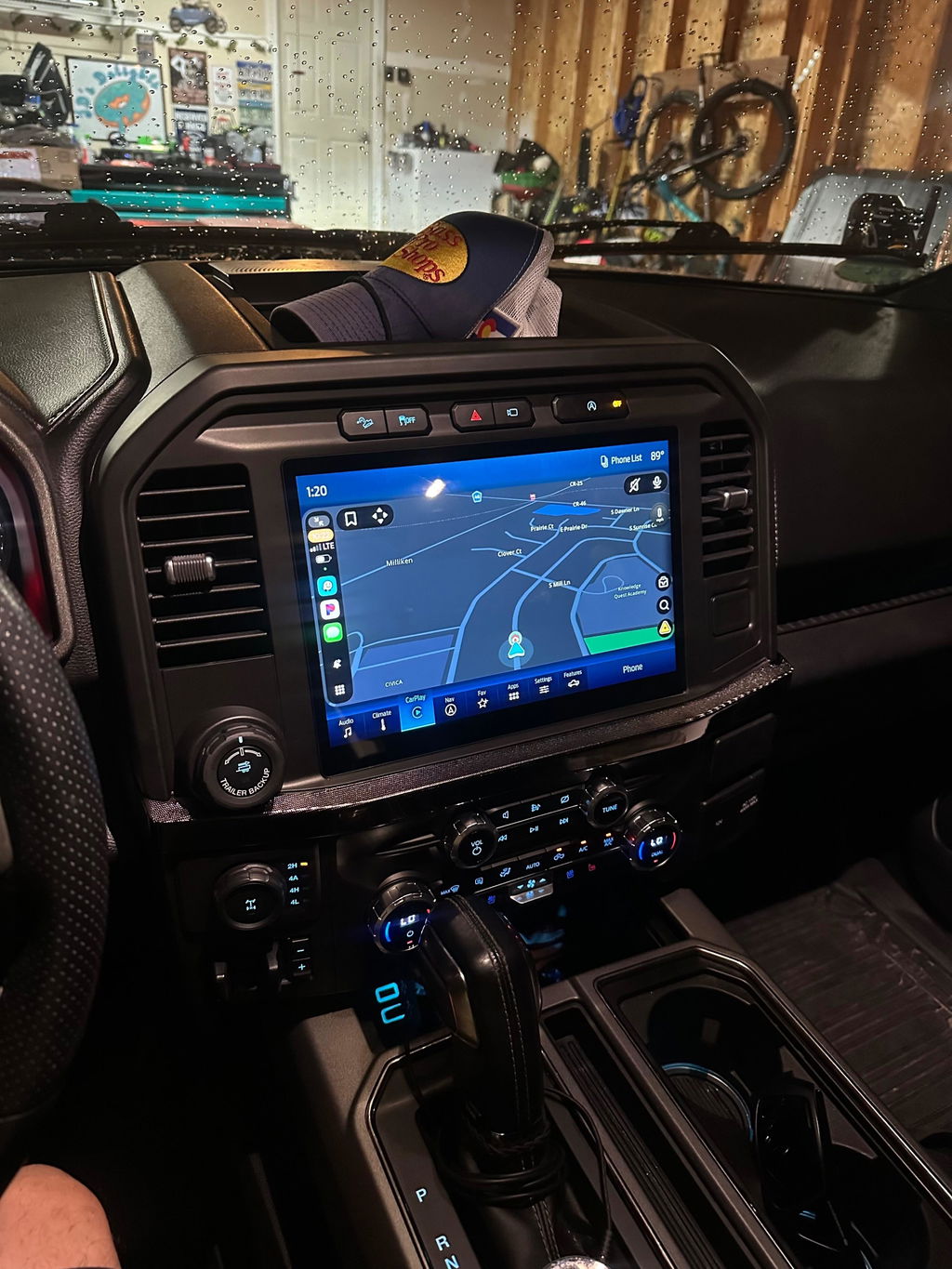
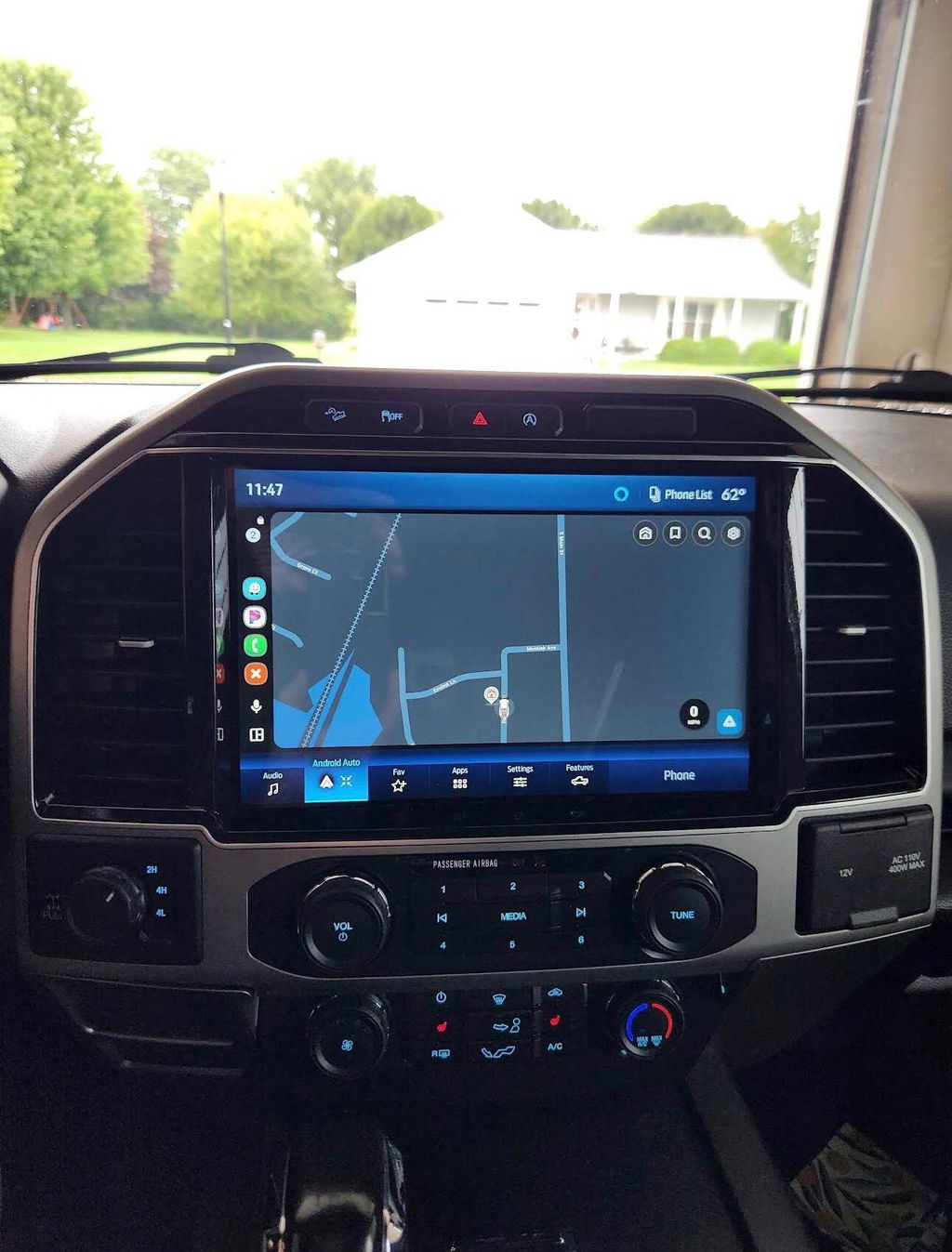
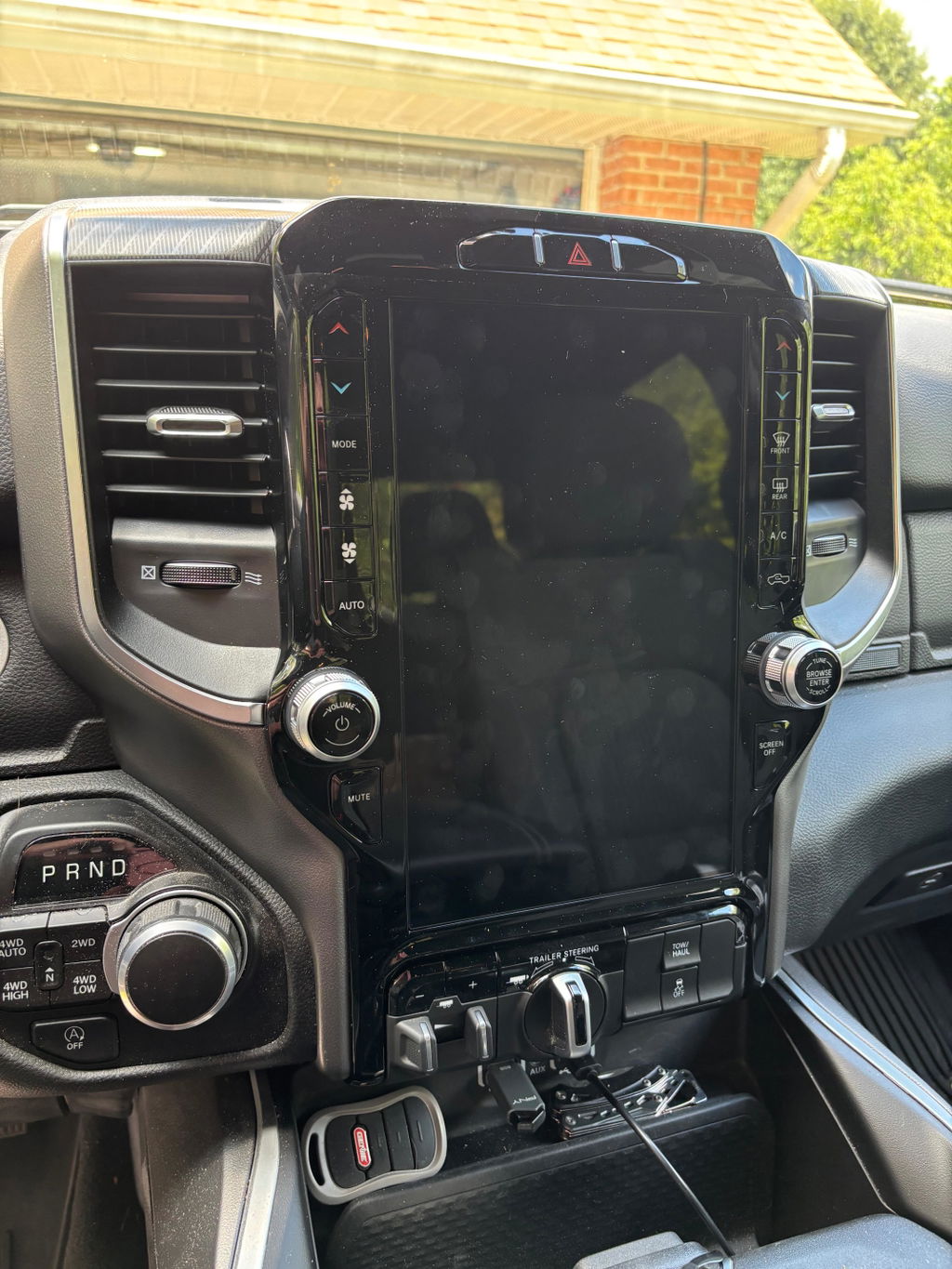
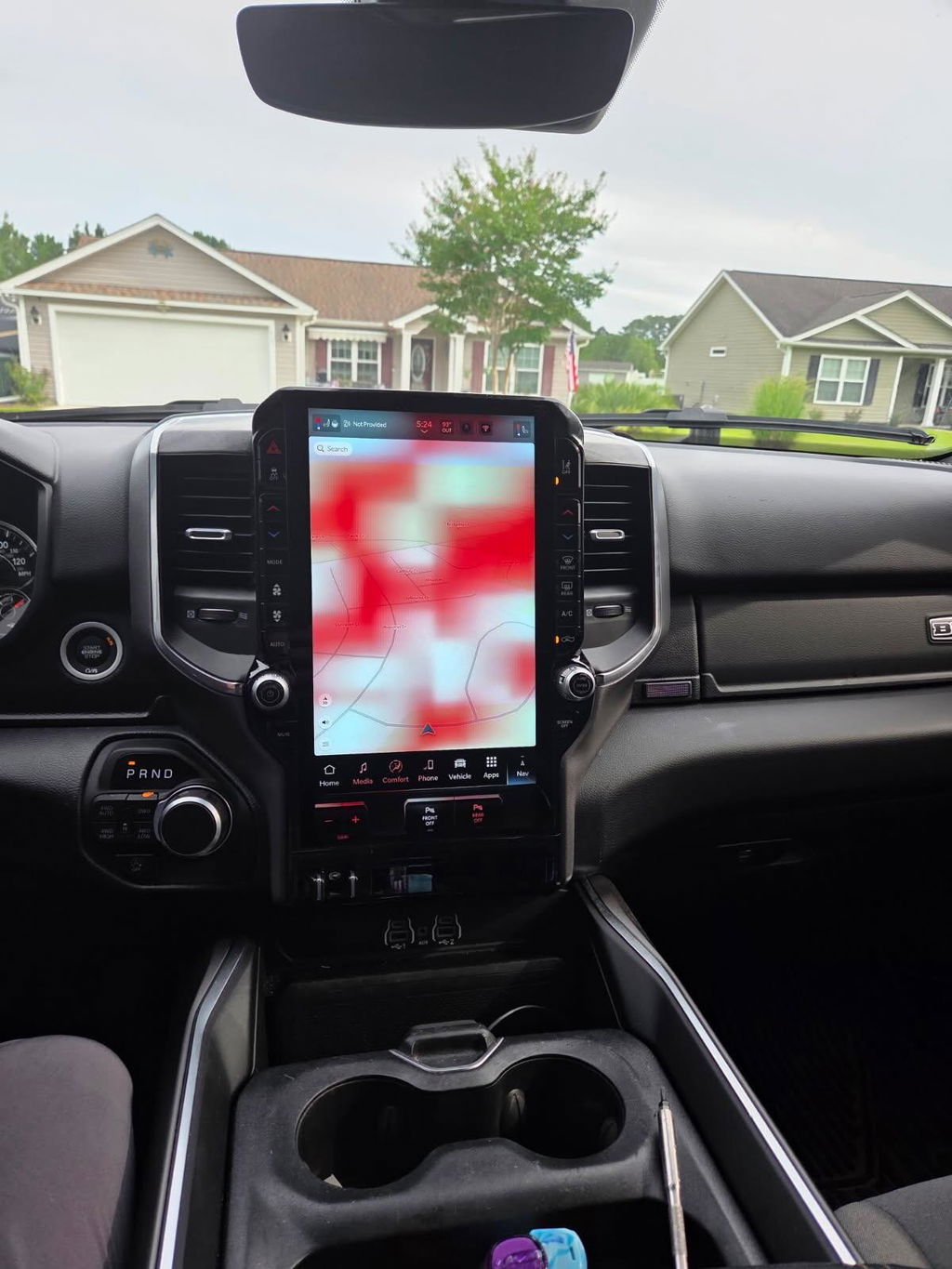
It is also smart to think about how you use the truck. If you just want basic start-from-the-fob convenience, an OEM remote start kit is usually the cleanest route. If you are also adding other factory-style features such as infotainment, a larger touchscreen, or cluster upgrades, choosing components that are designed around factory integration becomes even more important. Stacking mismatched electronics is where a lot of problems begin.
What installation should look like
A proper install should feel boring in the best way. No hacked-up harnesses. No loose antennas stuck in random places. No second remote dangling from your keychain unless that is specifically part of the setup you chose.
Plug-and-play is a major advantage here because it reduces variables. Less cutting and splicing usually means a cleaner install and a lower chance of electrical issues later. For Ram owners who want factory-style functionality without turning the truck into a wiring project, that matters.
Programming is the other half of the job. Some kits need the truck configured so the new hardware is recognized and functions correctly. That step is not optional. Good parts with incorrect programming can act like bad parts. If you are buying a vehicle-specific OEM-based kit, the value is not just in the hardware. It is in getting the combination of parts and setup process right for your exact truck.
Common mistakes with a Ram 1500 remote start upgrade
The biggest mistake is buying based on price alone. Truck owners do this all the time with electronics, then spend more fixing fitment or install problems than they would have spent buying the correct kit from the start.
Another common mistake is assuming all remote start systems operate the same way. They do not. Range, activation sequence, factory key retention, hood safety logic, and climate behavior can vary. If you expect a factory-style user experience, you need factory-style integration.
Some owners also overlook trim-specific features. For example, a truck with more advanced factory electronics may require a different solution than a lower-trim truck. The reverse is also true. Buying a more complex system than your truck needs can add cost without adding value.
The last mistake is treating programming like an afterthought. On modern Ram platforms, modules talk to each other constantly. If the truck is not configured correctly, remote start may not function as expected, or it may trigger warning messages and inconsistent behavior.
Is this a DIY upgrade or an installer job?
That depends on your comfort level with trim removal, connectors, and vehicle programming. If the kit is truly plug-and-play and designed specifically for your model year and configuration, many truck owners can handle the hardware side without much drama. The key is patience and following the fitment details exactly.
Where some DIY installs get hung up is the programming side. If your setup requires vehicle configuration changes, you need to know that part is covered before you buy. A clean install is not just about plugging parts in. It is about making sure the truck recognizes and uses them correctly.
For buyers who want the shortest path to a working result, a model-specific OEM kit from a specialist retailer is usually the safer move. That is especially true if you want to avoid mixing brands, chasing forum advice, or gambling on universal electronics that claim to fit everything.
What you are really paying for
When people compare prices on remote start kits, they often compare only the box price. That is incomplete.
What you are actually paying for is compatibility, installation time, integration quality, and confidence that the truck will behave like it should. OEM Genuine Components and vehicle-specific packaging cost more than generic universal hardware for a reason. They remove guesswork.
That does not mean every owner needs the most expensive solution available. It means the best value usually comes from buying the correct solution once. If your goal is factory-style performance, clean operation, and a straightforward install path, the right OEM-based kit tends to be the better value over time.
For Ram owners shopping online, this is where specialist retailers stand apart from generic electronics sellers. A company like DD Offroad focuses on platform-specific, plug-and-play upgrade paths because those products match how truck owners actually buy - by model year, feature set, and exact fitment, not by broad claims on a universal box.
When remote start is worth it and when it may not be
For most daily-driven Ram 1500s, remote start is easy to justify. If you park outside, live in a hot or cold climate, or spend a lot of time getting in and out of the truck during the workday, you will use it constantly.
If the truck is mostly a weekend vehicle, lives in a climate-controlled garage, or you rarely deal with harsh temperatures, the value becomes more personal. It is still a solid convenience feature, but it may rank behind other upgrades on your list.
That is the right way to look at it. Not every upgrade has to be first. But if remote start is the feature you miss every morning, the best move is to add it in a way that matches the truck instead of working around it.
A good remote start upgrade should feel like the truck came with it from day one. If that is the standard, the right parts choice gets a lot simpler.