Factory Remote Start Installation Steps
Share
Cold mornings expose bad parts fast. If your truck did not come with remote start from the factory, adding it the right way matters. The best factory remote start installation steps are not about cutting corners or forcing a universal kit to work. They are about correct vehicle fitment, OEM-compatible hardware, clean integration, and programming that talks to the truck the way it was designed to.
For Ram, Ford, Jeep, Dodge, and Chrysler owners, that distinction is the whole game. A factory-style setup usually gives you better key fob behavior, fewer warning lights, and less chance of electrical issues than a generic remote start stuffed into the harness. That does not mean every install is identical, though. Trim level, model year, factory alarm status, hood latch provisions, and whether the vehicle already has part of the hardware can all change the process.
What factory-style remote start really means
A lot of owners use the word factory to describe anything that starts the truck remotely. That is not always accurate. In most cases, a factory-style remote start kit uses OEM Genuine Components or model-specific parts designed to work with the truck's existing body control system, hood switch inputs, key fobs, and security architecture.
That matters because modern trucks are networked. Your ignition, immobilizer, door locks, hood ajar signal, and instrument cluster all communicate across modules. When remote start is added with the wrong hardware, you can end up chasing problems that have nothing to do with the starter itself. Door lock errors, no-crank conditions, battery drain, and inconsistent range are common signs of poor integration.
If the goal is factory behavior, the install should look like the truck was built that way. No hacked-in splices, no extra remotes if the OEM fob can handle the function, and no mystery module zip-tied under the dash unless the application actually requires it.
Factory remote start installation steps before you turn a wrench
The first job is confirming fitment. That means exact year, make, model, trim, engine, cab configuration when applicable, and existing equipment. On Ram and Ford platforms especially, two trucks that look nearly identical can have different module requirements. A 1500 Classic may not follow the same path as a DT Ram. An F-150 with certain option packages may need different programming than a lower trim truck.
Next, verify what is already on the vehicle. Some trucks are partially prepped from the factory and only need the missing components and activation. Others need the hood switch, antenna-related hardware, or a specific module added before programming. If you skip this check and order by guesswork, you can waste time and money on parts you do not need or miss one piece that stops the whole install.
Battery health also matters more than most people expect. Programming modules on a weak battery is asking for trouble. If voltage drops during a flash or module write, you can create a much bigger problem than a missing convenience feature.
Before installation, make sure you have trim tools, a ratchet and socket set, any needed Torx bits, and a stable way to handle programming if your vehicle requires it. Read the kit-specific instructions all the way through first. That sounds basic, but it is where a lot of avoidable mistakes start.
Hardware installation: where most fitment mistakes happen
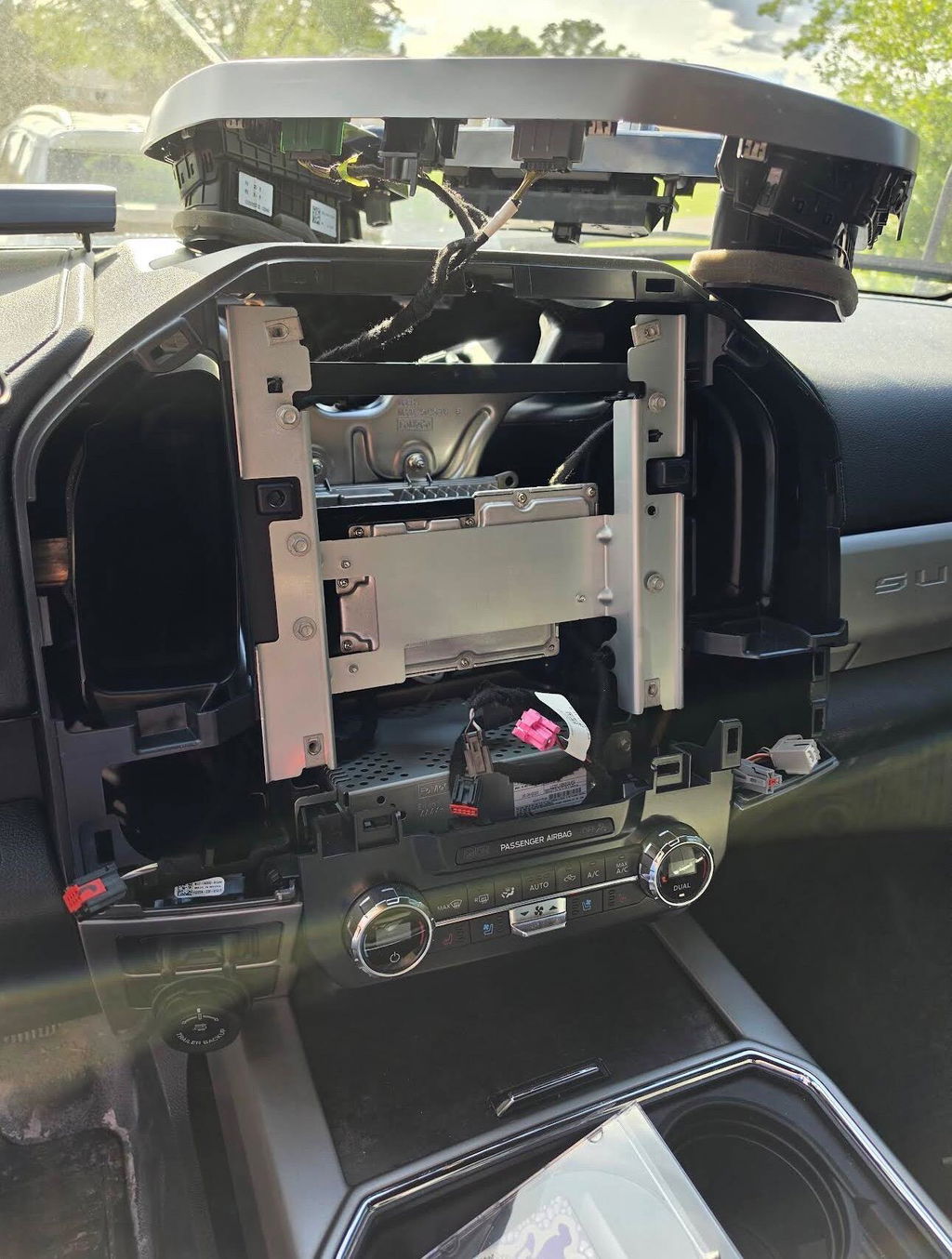
On many OEM-based kits, the physical install is straightforward. You remove the required trim panels, access the mounting area, connect the module or harness to the factory connector points, and add supporting hardware such as a hood switch if the truck does not already have one.
The key point is to resist treating every remote start install like an aftermarket alarm job. Plug-and-play means the connectors should fit correctly without forcing pins, shaving tabs, or repinning wires just to make something work. If a connector is wrong, stop and verify the kit. Forcing electrical connections on modern trucks is how terminals get damaged and intermittent faults get introduced.
Hood switch installation deserves extra attention. Remote start systems need to know the hood is closed. That is a safety input, not an optional extra. If the hood signal is missing or installed incorrectly, the system may refuse to remote start or cycle inconsistently. On some vehicles, the truck may already support the input and just need the switch added. On others, the harness path and hardware vary by model year.
Routing and securing the harness is another place where quality shows. Keep wiring away from pedals, steering components, sharp edges, and HVAC doors. Use factory routing points when possible. A clean install is not just cosmetic. It prevents noise, wear, and future electrical failures.
Watch for platform-specific differences
Ram, Ford, Jeep, and Dodge vehicles do not all handle remote start the same way. Some applications are heavily software-driven. Others require specific physical components plus activation. Some trims with push-button start behave differently from keyed ignition vehicles. There are also cases where the truck supports OEM remote start but the original key fobs do not have the right button layout, which changes the solution.
That is why vehicle-specific kits matter. They reduce guesswork and keep the installation centered on compatibility instead of adaptation.
Programming and activation: the step that makes or breaks the install
A remote start kit can be physically installed perfectly and still not function until the vehicle is programmed correctly. This is where many owners find out the difference between parts installation and system integration.
Depending on platform, programming may involve enabling remote start within the body control module, pairing updated key fobs, writing configuration changes, or using a model-specific programmer. On OEM-style systems, this step is not a shortcut item. The truck has to recognize the feature as part of its supported configuration.
If your application requires programming, follow the exact sequence for your vehicle. Do not assume a generic scan tool can handle OEM feature activation. Some can, some cannot, and partial programming is worse than no programming if it leaves the system in an unsupported state.
This is also the point where battery support is critical. Stable voltage protects the modules while changes are being written. If you are not confident in the programming side, it may make sense to handle the hardware yourself and let a qualified installer or programmer finish activation.
Testing after installation
Once the hardware is installed and programming is complete, test the system like an owner will actually use it. Lock the vehicle, trigger remote start from the OEM fob, and confirm the truck starts, stays running, and shuts down correctly when commanded. Then check the safety side.
Open the hood and verify remote start is disabled. Confirm door lock behavior is normal. Watch the cluster for warning messages. Make sure climate control behaves as expected on startup, especially if the vehicle has factory settings tied to heated seats, defrost, or temperature-based startup logic.
Run the system multiple times, not once. Intermittent issues often show up on the second or third cycle, especially if a hood switch is marginal or a connector is not fully seated.
Common reasons a factory-style remote start does not work
Most failures come back to a short list of issues. The wrong kit for the vehicle is common. Missing programming is another big one. Hood switch problems, weak battery voltage, incomplete connector engagement, and incompatible key fobs also show up often.
There is also the reality that some trucks have previous aftermarket electronics installed. Old alarm systems, remote starters, or poorly done stereo wiring can interfere with a new OEM-based setup. If your vehicle has a history of electrical modifications, inspect that before blaming the new kit.
DIY or professional install?
It depends on the truck and your comfort level. If the kit is truly plug-and-play, the trim removal is minor, and the programming is simple or handled with a dedicated tool, many owners can do the installation themselves. That is especially true for buyers who already work on their own Ram or Ford platform and understand basic module handling.
If the vehicle needs deeper programming, has mixed factory options, or already has aftermarket electronics in the dash, professional help can save time. Paying for a clean install is usually cheaper than correcting a bad one.
That is also why model-year-specific OEM upgrade kits have such a strong advantage. The less adaptation required, the better the result. For truck owners who want remote start to function like it belongs there, fitment and integration matter more than shaving a few dollars off the parts list.
A good remote start upgrade should feel boring in the best way. Press the button, the truck starts, and nothing else acts strange. That is the standard worth aiming for.