Dodge Security Gateway Bypass Programmer Guide
Share
If you have ever plugged a scan tool or programming device into a late-model Dodge and hit a wall, the security gateway is usually the reason. A dodge security gateway bypass programmer is built to solve that exact problem - restoring communication so approved diagnostic, programming, and feature-activation tools can do their job on supported vehicles.
For Dodge owners, this matters because more upgrades and service functions now depend on clean access to the vehicle network. Whether you are adding an OEM-style feature, running a compatible programmer, or trying to complete a module setup after a retrofit, the gateway can be the difference between a quick install and a stalled project. The key is understanding what the device does, what it does not do, and how to buy the right one for your platform.
What a dodge security gateway bypass programmer actually does
On many newer Dodge, Ram, Jeep, and Chrysler vehicles, the security gateway module controls access between the OBD-II port and the vehicle's internal networks. That gate was added for a reason. It helps restrict unauthorized commands and limits direct write access from generic tools.
The problem is that legitimate programming and diagnostic tasks can also get blocked. A bypass programmer or bypass cable setup gives a compatible scan tool, module programmer, or feature-enabling device the access path it needs. In plain terms, it lets approved hardware talk to the vehicle in a way the standard OBD connection may no longer allow.
That does not mean every tool suddenly works with every vehicle. It depends on the model year, platform, software, and the specific device you are using. A bypass is an access solution, not a universal fix for bad fitment or unsupported programming.
Why Dodge owners run into this issue more often now
As vehicle electronics have become more complex, OEMs have tightened control over network access. That is especially relevant on late-model trucks and SUVs where infotainment upgrades, digital cluster swaps, remote start activation, and module configuration all rely on proper communication between factory systems.
For the average owner, the issue usually shows up in one of three ways. A scan tool cannot perform a bidirectional function, a programmer cannot complete setup, or an upgrade kit reaches the final programming step and stops. In each case, the hardware may be fine. The gateway is just standing in the way.
This is why fitment-focused buyers tend to avoid generic electronics. If a product listing does not clearly state supported years, brands, and tool compatibility, you are taking a guess. On modern Dodge platforms, guessing gets expensive fast.
When you actually need a dodge security gateway bypass programmer
Not every Dodge owner needs one. If you are only reading basic codes with a simple consumer scanner, you may never run into a limitation that matters. But if you are doing more than basic code checks, the chances go up.
A bypass programmer makes sense when you are using a programming device that specifically requires gateway access, installing an OEM-based upgrade that includes a programming step, or performing service functions that need deeper communication with onboard modules. This is common with feature activations, module replacements, advanced diagnostics, and some factory-style retrofit work.
It also matters who is doing the install. A DIY buyer with a straightforward plug-and-play kit may only need the bypass once during setup. An installer or shop working on multiple Chrysler-family vehicles may use it regularly. Same category of product, different value depending on the job.
Fitment matters more than the product name
This is where many buyers get tripped up. They search for a dodge security gateway bypass programmer, see a product that sounds close enough, and assume it will work across the board. That is not how these vehicles are set up.
You need to verify the exact vehicle brand, model, trim where relevant, and model year. You also need to confirm whether the device is meant for Dodge only or if it also supports Ram, Jeep, and Chrysler applications. In many cases, platform overlap helps, but there are still differences in module behavior, connector layout, and software support.
Tool compatibility is just as important. Some bypass products are designed to work with one programming ecosystem and not another. Others are paired with a specific upgrade kit or activation tool. If the listing does not call out what it works with, stop there and verify before ordering.
This is one reason OEM-style upgrade buyers tend to prefer vehicle-specific solutions. The cleaner the fitment data, the lower the chance of installation delays, returns, or half-finished programming sessions.
What to check before you buy
Start with the basics. Confirm your exact year, make, and model. If your truck or SUV sits on a model-year transition, verify the build date too. Chrysler-family vehicles can have mid-cycle changes that affect modules, connectors, and programming paths.
Next, look at the intended use. Are you trying to run diagnostics, enable a factory feature, complete a radio upgrade, or pair a replacement module? Those are different jobs, and not every bypass product is designed around all of them.
Then check whether the product is plug and play or if it requires extra adapters, app-based setup, or a separate programming tool. Some buyers assume the bypass itself performs the programming. Usually, it does not. It simply enables access for another compatible device to complete the task.
Finally, think about support. With modern vehicle electronics, the best value is rarely the cheapest unverified option. The better buy is the one with clear application data, defined tool compatibility, and a straightforward installation path.
Common mistakes buyers make
The first mistake is treating the gateway bypass like a universal tuner or all-in-one programmer. It is neither. If your core tool does not support the vehicle or function, adding a bypass will not change that.
The second is overlooking platform differences between Dodge and Ram. Shoppers often group them together, and there is some overlap, but product fitment still needs to be checked by application. That is especially true once you get into newer generations with more module variation.
The third is assuming every retrofit needs one. Some plug-and-play kits are designed to minimize programming complexity. Others still require a final setup step. It depends on the upgrade and the vehicle's original equipment.
The fourth is buying based on price alone. A low-cost unit with vague fitment and no real compatibility details can waste far more time than it saves money.
Installing and using a gateway bypass the right way
Most gateway bypass setups are straightforward, but straightforward does not mean careless. Before connecting anything, make sure the vehicle battery is healthy and stable. Voltage drop during programming can create bigger problems than the gateway ever did.
Follow the device instructions exactly, especially around connector location and ignition state. Some products plug in near the gateway module behind the dash or within an access panel rather than through the standard OBD port alone. Others are used temporarily during setup and then removed once programming is complete.
If you are pairing it with a radio conversion, digital cluster install, or OEM feature upgrade, work through the process in order. Do not skip ahead because the hardware physically fits. On newer Dodge vehicles, physical fitment and electronic completion are two different things.
Why OEM-based upgrade buyers should care
If your goal is factory-style functionality, the gateway bypass becomes part of a bigger picture. Modern Dodge and Chrysler-family vehicles are heavily integrated. Radios talk to clusters, modules share configuration data, and feature activations often depend on proper network access.
That is why OEM-based, vehicle-specific upgrade paths tend to produce cleaner results. You are not just adding hardware. You are working within the vehicle's existing architecture. A properly matched bypass programmer supports that process by helping the right tools communicate with the right modules at the right step.
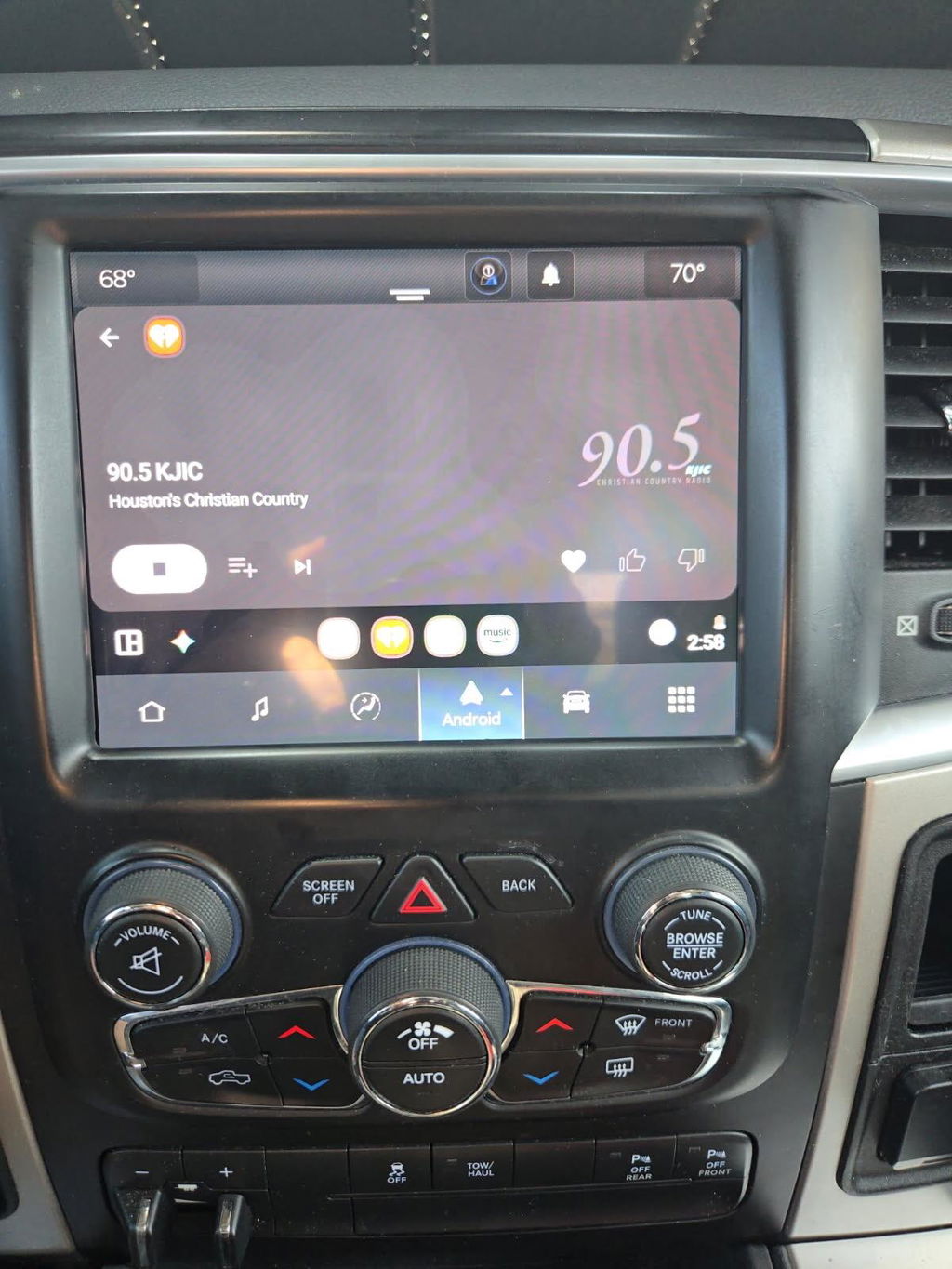
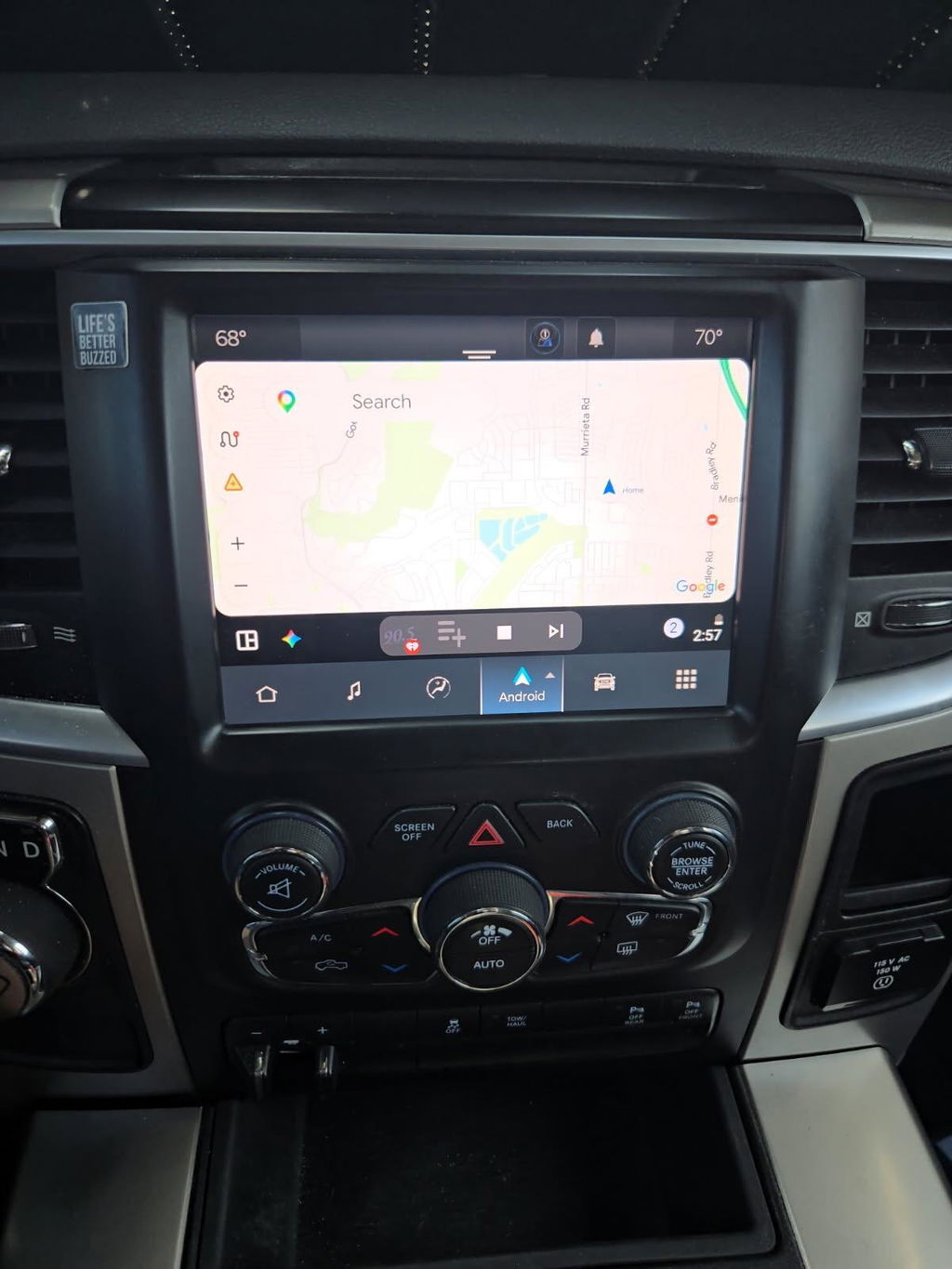
For buyers who want wireless smartphone integration, digital cluster functionality, remote start activation, or other factory-style upgrades without piecing together random aftermarket electronics, that matters. Clean compatibility usually beats trial and error.
The smart way to shop for one
Look for a product that is specific about supported vehicles, intended programming functions, and any required companion tools. Clear fitment beats broad claims every time. If a listing reads like it should fit everything, it probably does not.
A good retailer will also present the product the same way serious truck and SUV owners shop - by generation, model application, and actual use case. That is the practical advantage of buying from a specialist instead of sorting through generic electronics listings. Companies like DD Offroad build around exact-fit, OEM-oriented solutions because that is what reduces installation friction.
The right dodge security gateway bypass programmer is not the one with the biggest promises. It is the one that matches your vehicle, your tool, and your upgrade path the first time. Buy it that way, and the job usually stays simple.