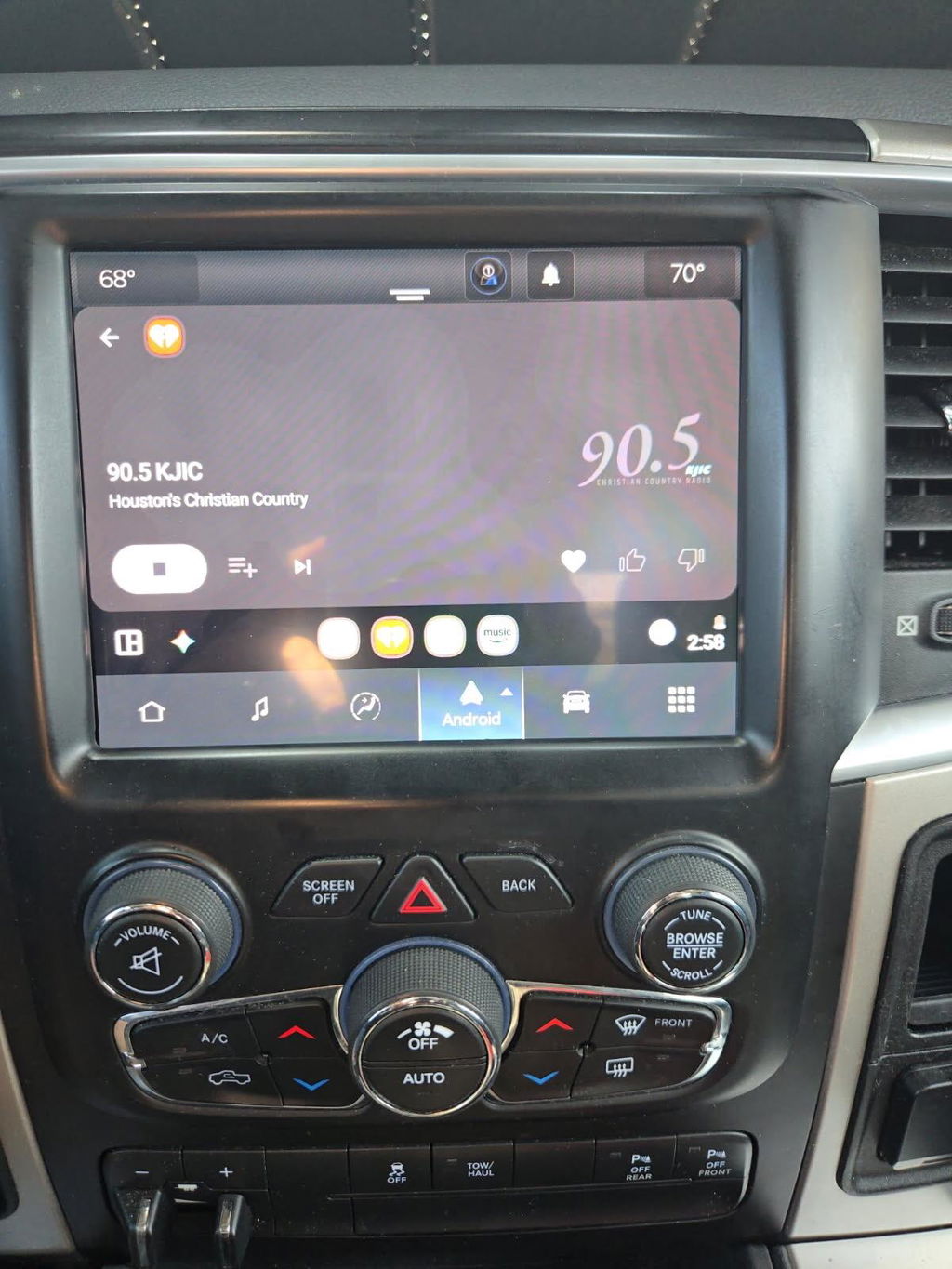
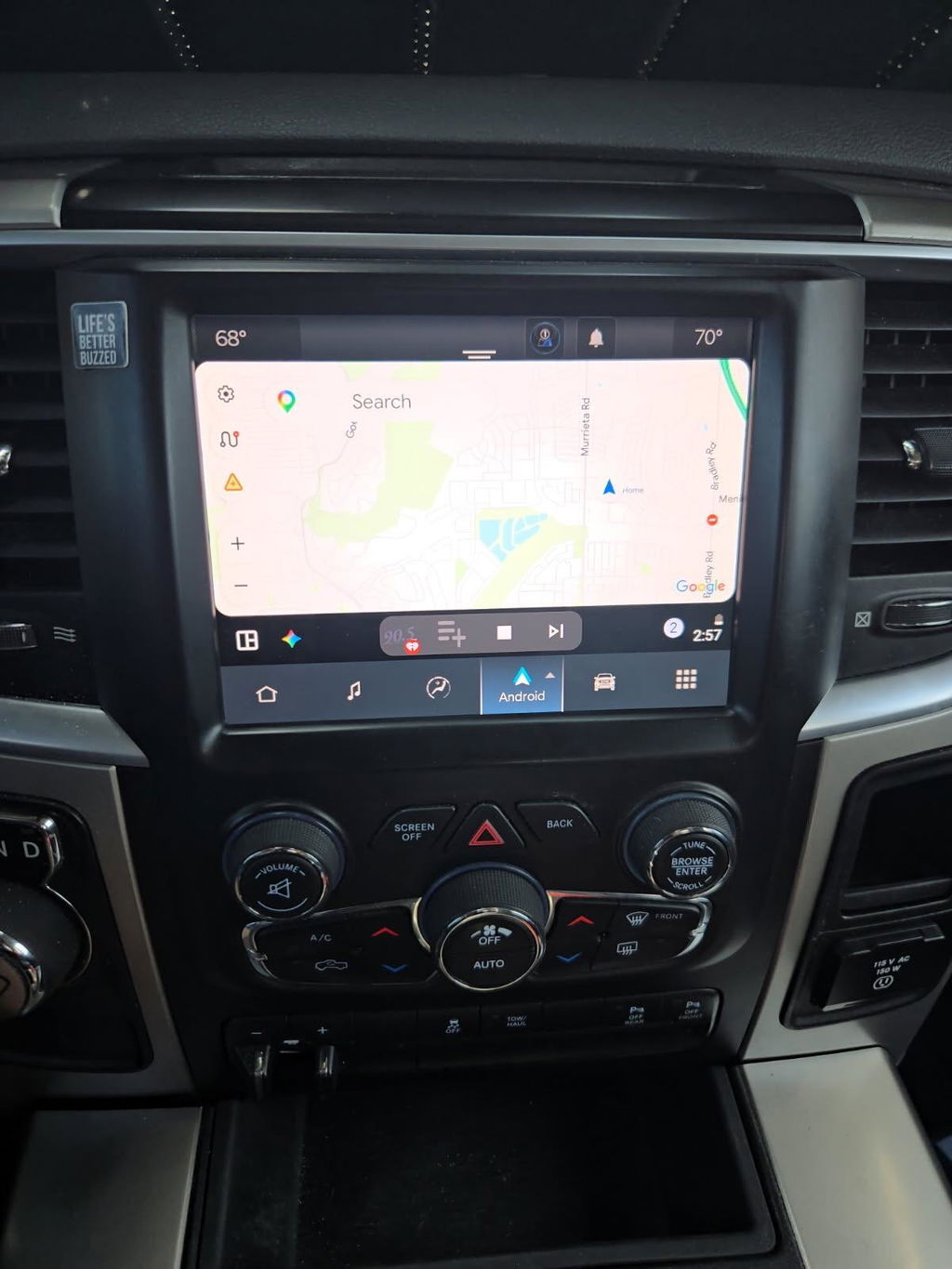
Best OEM Infotainment Upgrade for Trucks
Share
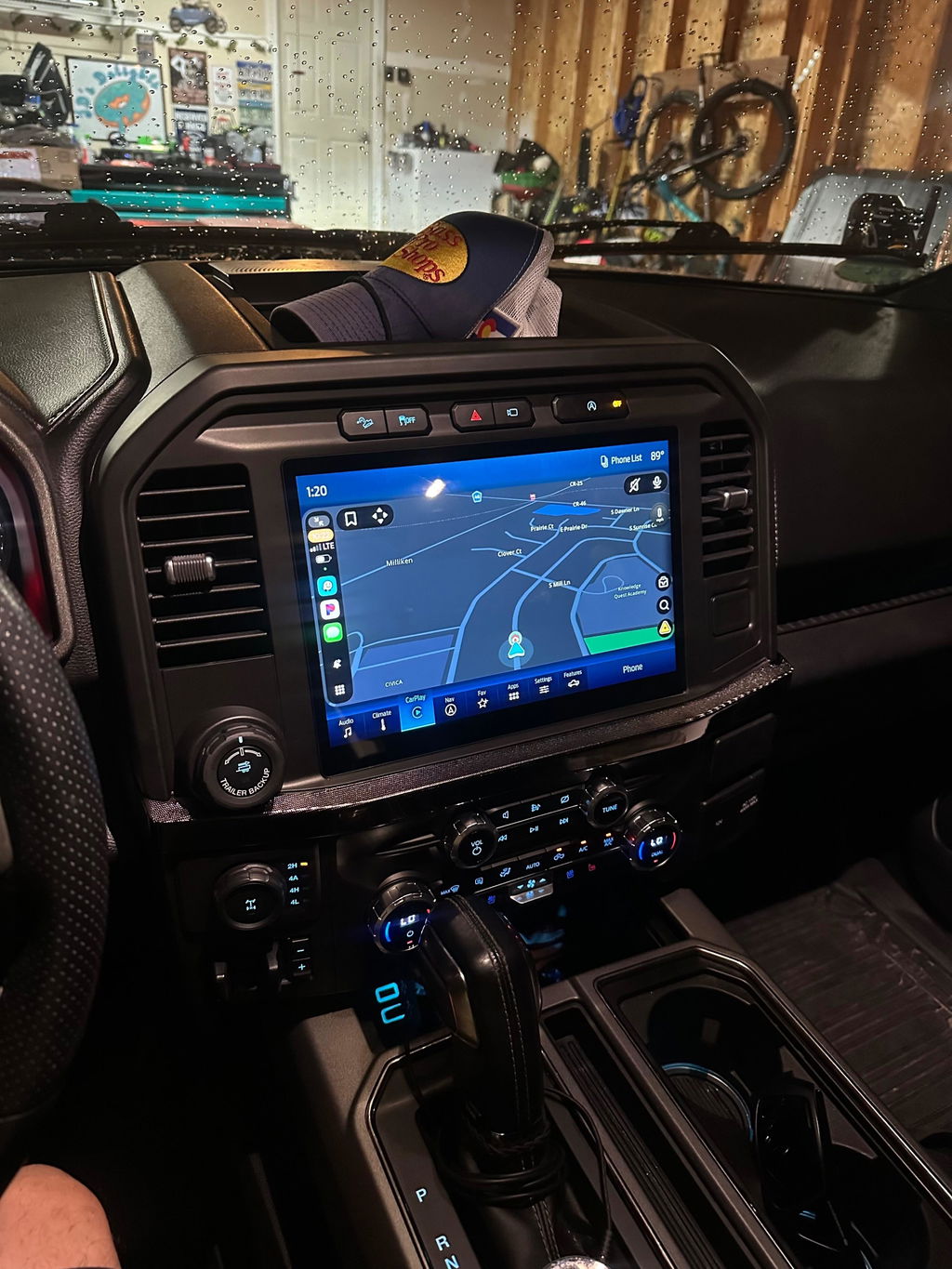
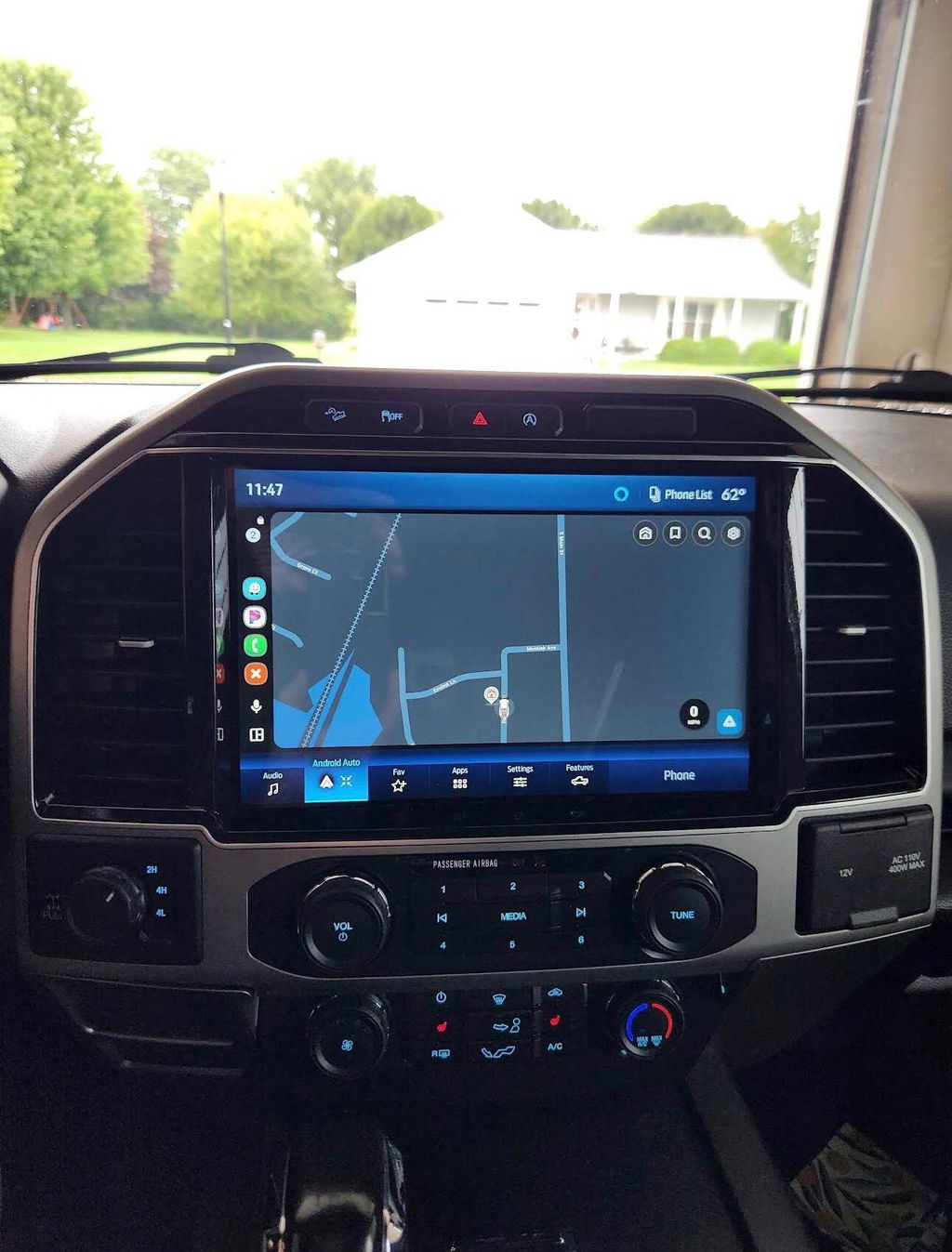
That factory 5-inch or 8.4-inch screen starts feeling old fast once you’ve used a newer truck with wireless CarPlay, faster menus, and a cleaner camera view. If you’re trying to find the best OEM infotainment upgrade, the real question is not just which screen looks best. It’s which system actually fits your truck, keeps factory features working, and adds the features you wanted from day one.
For most truck owners, that rules out a lot of generic aftermarket head units right away. A big floating screen may look impressive in photos, but if it brings wiring problems, poor climate control integration, laggy response, or a dash that no longer looks factory, it is not much of an upgrade. The better path is usually an OEM-based conversion built around your exact platform, model year, and factory option set.
What makes the best OEM infotainment upgrade
The best OEM infotainment upgrade does four things well. It matches the dash like it belongs there, works with the truck’s existing systems, adds current features like Apple CarPlay and Android Auto, and installs without turning the job into a custom fabrication project.
That last part matters more than most buyers expect. A lot of frustration starts when a kit claims broad compatibility but still needs splicing, extra modules, or trial-and-error programming. A true vehicle-specific OEM upgrade is different. It is built around factory components and proper fitment, so you are not guessing your way through the install.
For Ram and Ford owners, this usually means looking for screen and module packages that are matched to the generation. A 2019 Ram 1500 DT does not use the same solution as a 2018 Ram 1500 DS. A Ford Super Duty upgrade path is different from an F-150 or Maverick. The best result comes from buying for the exact platform, not just the badge on the grille.
OEM upgrade vs aftermarket replacement
If your goal is long-term value, OEM-based upgrades usually win on integration. Factory-style systems are designed to communicate with the truck’s original electronics. That means a better chance of retaining features like steering wheel controls, backup camera display, climate menus, vehicle settings, and factory audio behavior.
Aftermarket systems still have a place. They can be cheaper at the entry level, and some offer large displays with broad app support. But the trade-off is often fit and function. You may end up with trim that looks added-on, menus that do not match the rest of the truck, or adapters that solve one issue while creating another.
For a work truck, daily driver, or off-road build that still needs factory dependability, OEM usually makes more sense. You are upgrading the experience without making the cabin feel pieced together.
The features that matter most
A bigger screen gets attention first, but screen size alone does not decide the best OEM infotainment upgrade. What matters is how the system changes daily use.
Wireless Apple CarPlay and Android Auto are at the top of the list for a reason. They fix one of the biggest complaints with older factory systems. You get better navigation, faster access to calls and messages, and a cleaner way to run music or podcasts without plugging in every time.
Processing speed matters too. Older infotainment units can feel slow and dated even when they still work. A newer OEM system gives you faster boot times, smoother menus, and less delay when switching between camera views, media, and climate settings.
Display quality is another big factor. Higher resolution screens make cameras easier to use and maps easier to read. That matters in a full-size truck where visibility and trailer maneuvering are part of normal use, not an occasional feature.
Then there is factory feature retention. This is where many buyers make the right decision or the wrong one. If your truck has original camera functions, heated seat controls, performance pages, or vehicle settings built into the infotainment system, the upgrade needs to preserve them. If it does not, the bigger screen is not worth much.
Best OEM infotainment upgrade by buyer type
The best choice depends on what bothers you most about the current setup.
If you have a lower-trim truck with a small screen, the best upgrade is usually a full OEM touchscreen conversion. This is the biggest difference-maker because it changes both appearance and function. You get a factory-style dash with modern features instead of just patching around an outdated screen.
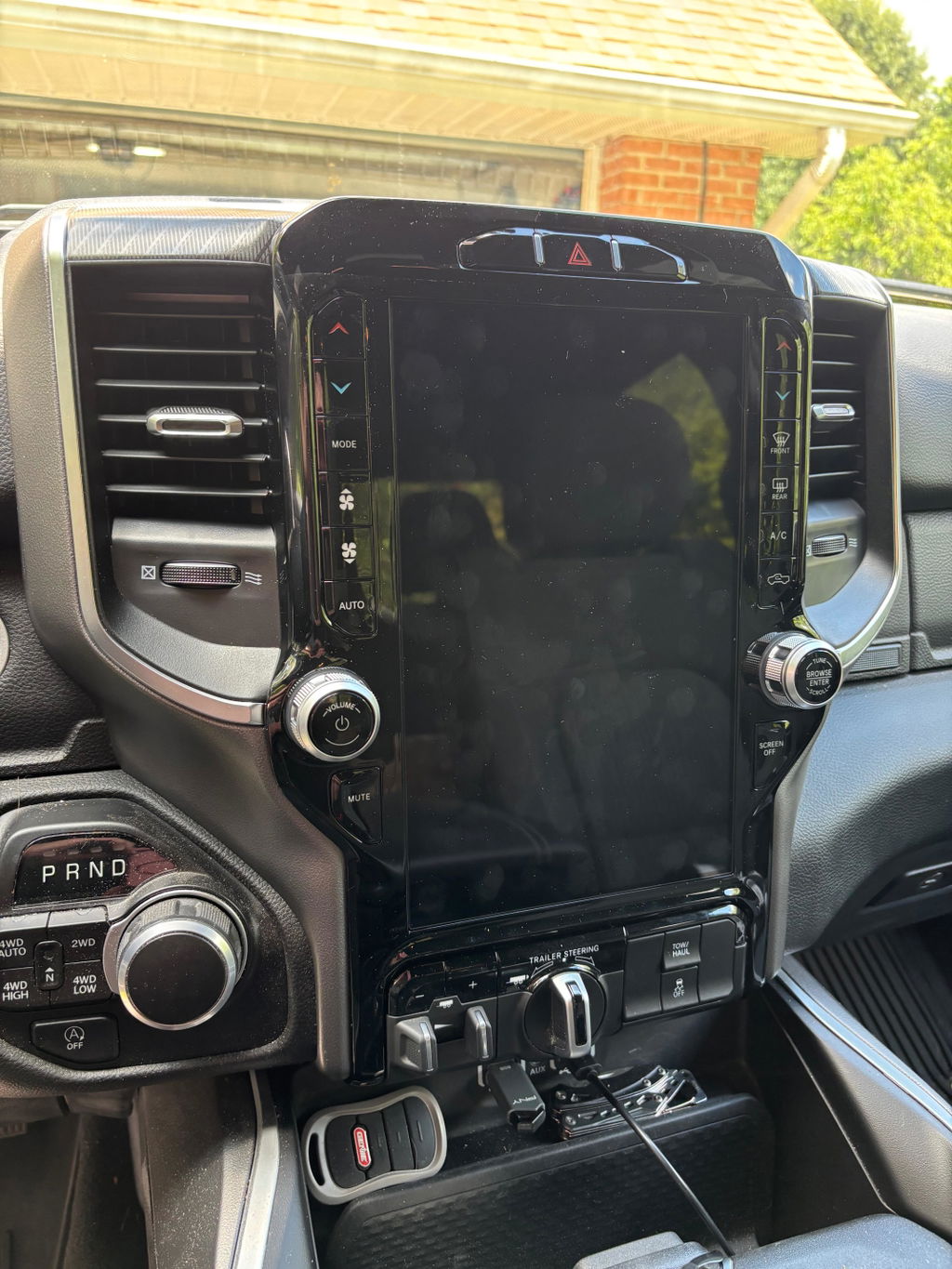
If you already have a decent factory screen but want newer software and smartphone integration, a newer-generation OEM system can be the better move. This is especially true on Ram platforms where Uconnect upgrades can bring a major improvement in response speed and user experience.
If your truck is already optioned well and you want the cabin to feel fully updated, pairing infotainment with a digital cluster upgrade can make sense. That is not the cheapest route, but it creates a more complete factory-modern interior. The key is making sure both systems are built for the same vehicle configuration.
Why Uconnect 5 conversions get so much attention
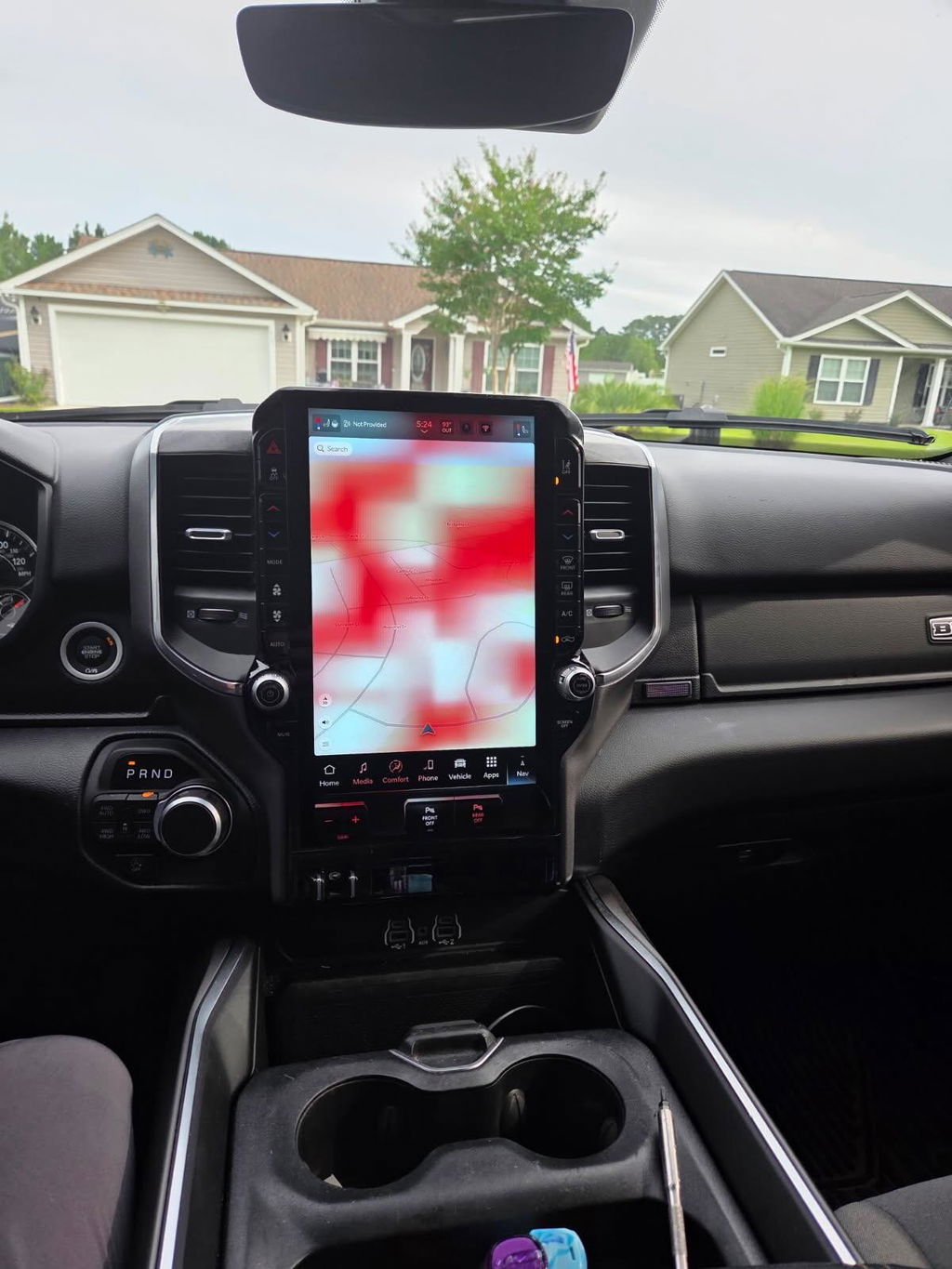
For many late-model Ram owners, a Uconnect 5 conversion is a strong candidate for the best OEM infotainment upgrade because it addresses both feature gap and factory appearance. You are not just adding a bigger screen. You are moving into a newer OEM interface that feels closer to current production trucks.
The appeal is straightforward. You keep the OEM look, gain modern functionality, and avoid the visual mismatch that comes with many aftermarket screens. On the right application, that means wireless smartphone integration, faster response, and a more premium dash without giving up the truck’s factory design language.
It is not a one-size-fits-all answer, though. Compatibility depends on model year, trim, and the truck’s starting configuration. That is why truck-specific kits matter. The more precise the fitment, the fewer surprises during install.
Fitment is where the best upgrade is decided
A lot of buyers focus on features first and fitment second. It should be the other way around. The best OEM infotainment upgrade is the one that is built for your exact truck, not the one with the longest feature list.
Start with year, body style, and platform generation. Then verify original screen size, audio package, and whether the truck has factory navigation, steering wheel controls, or integrated climate controls through the screen. Those details determine what will actually work.
This is where plug-and-play matters. A proper kit should reduce guesswork by packaging the right components for the application. That saves time, avoids compatibility problems, and lowers the risk of ending up with an expensive parts pile that still needs additional modules.
For buyers comparing options, ask simple questions. Is it genuine OEM hardware? Is it designed for your model year and trim range? Does it retain factory functions? Does it require cutting or custom wiring? Those answers tell you more than a polished product photo ever will.
Cost, value, and the right expectation
OEM-based upgrades usually cost more than entry-level aftermarket radios. That part is true. But value is not about the lowest invoice total. It is about what you get for the money and what headaches you avoid.
A cheaper universal system can become expensive once you add trim pieces, adapters, interface modules, and installation labor to fix integration issues. An OEM upgrade often costs more upfront because the hardware and fitment are better. For a lot of truck owners, that is money spent once instead of money spent twice.
There is also resale value to think about. A truck with a factory-style upgraded interior tends to appeal to more buyers than one with a visibly custom head unit and mixed trim. Not every owner cares about that, but it is still part of the equation.
So what is the best OEM infotainment upgrade?
For most Ram and Ford owners, the best OEM infotainment upgrade is the one that brings current factory features into the truck without compromising fit, function, or install quality. That usually means a model-specific OEM touchscreen conversion or newer-generation factory system upgrade, not a generic universal radio.
The right choice depends on your truck and what you want to fix. If your main problem is a small outdated screen, go with a full factory-style screen conversion. If your current system works but feels behind, a newer OEM interface may be the smarter move. If you care about the whole cabin experience, combine the infotainment upgrade with other OEM-based interior tech where it makes sense.
At DD Offroad, that OEM-first approach is the reason these upgrades make sense for truck owners who want better technology without the usual aftermarket compromises. Buy for exact fitment, prioritize retained factory features, and do not let a flashy screen distract you from compatibility. The best upgrade is the one that looks right, works right, and still feels right every time you start the truck.