Ford Sync 4 Upgrade Kit: What to Know
Share
If your factory screen feels dated every time you start the truck, a ford sync 4 upgrade kit is usually about solving that frustration without creating new problems. Most owners are not looking for a flashy custom stereo. They want a factory-style upgrade that works with the truck, keeps the dash looking right, and adds the features Ford should have included from the start.
That is where the details matter. Not every upgrade path is equal, and not every truck is a good candidate for the same kit. Screen size, model year, trim level, climate controls, factory camera setup, and whether you want to preserve OEM integration all affect what makes sense.
Why a Ford Sync 4 upgrade kit makes sense
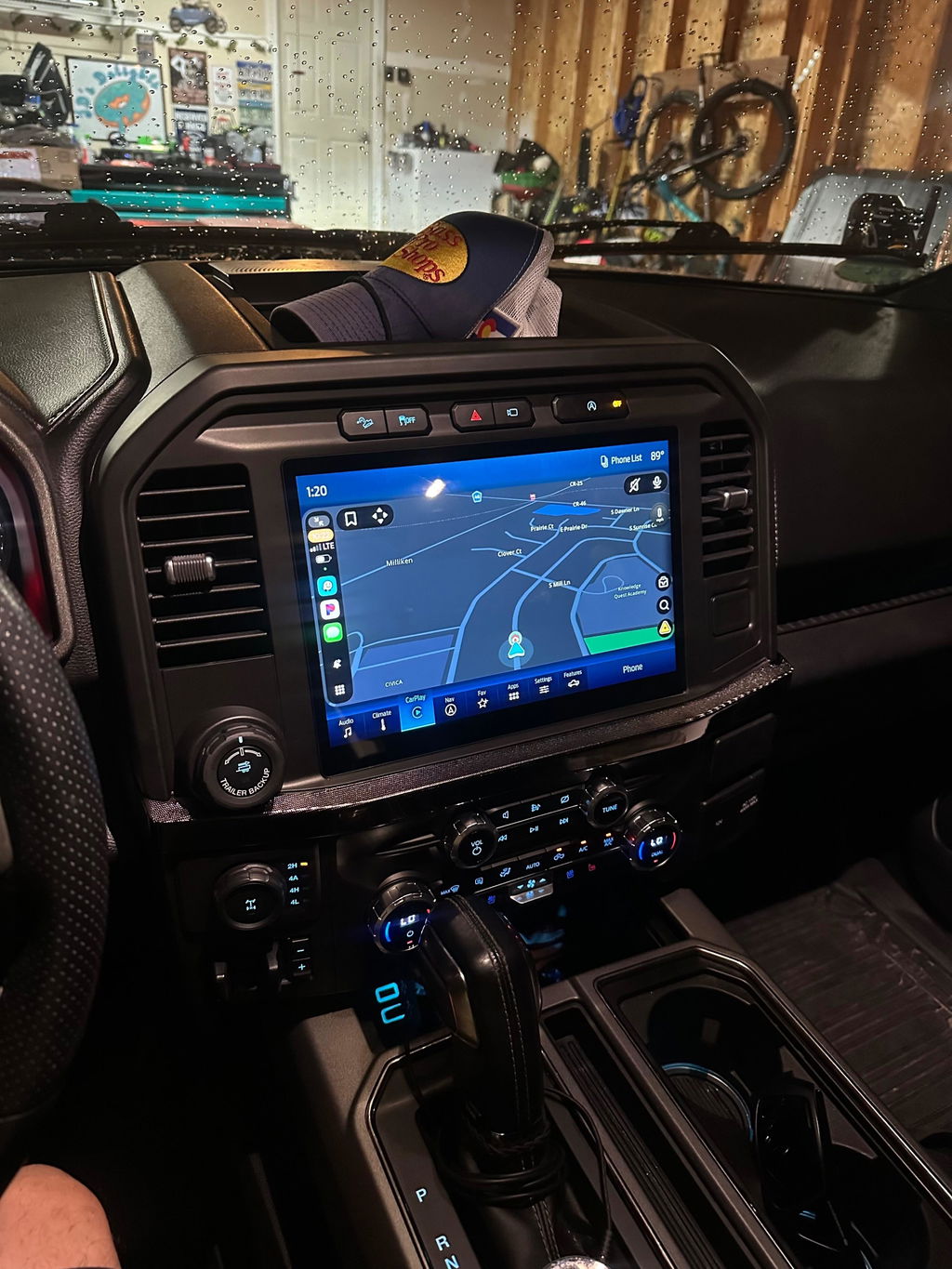
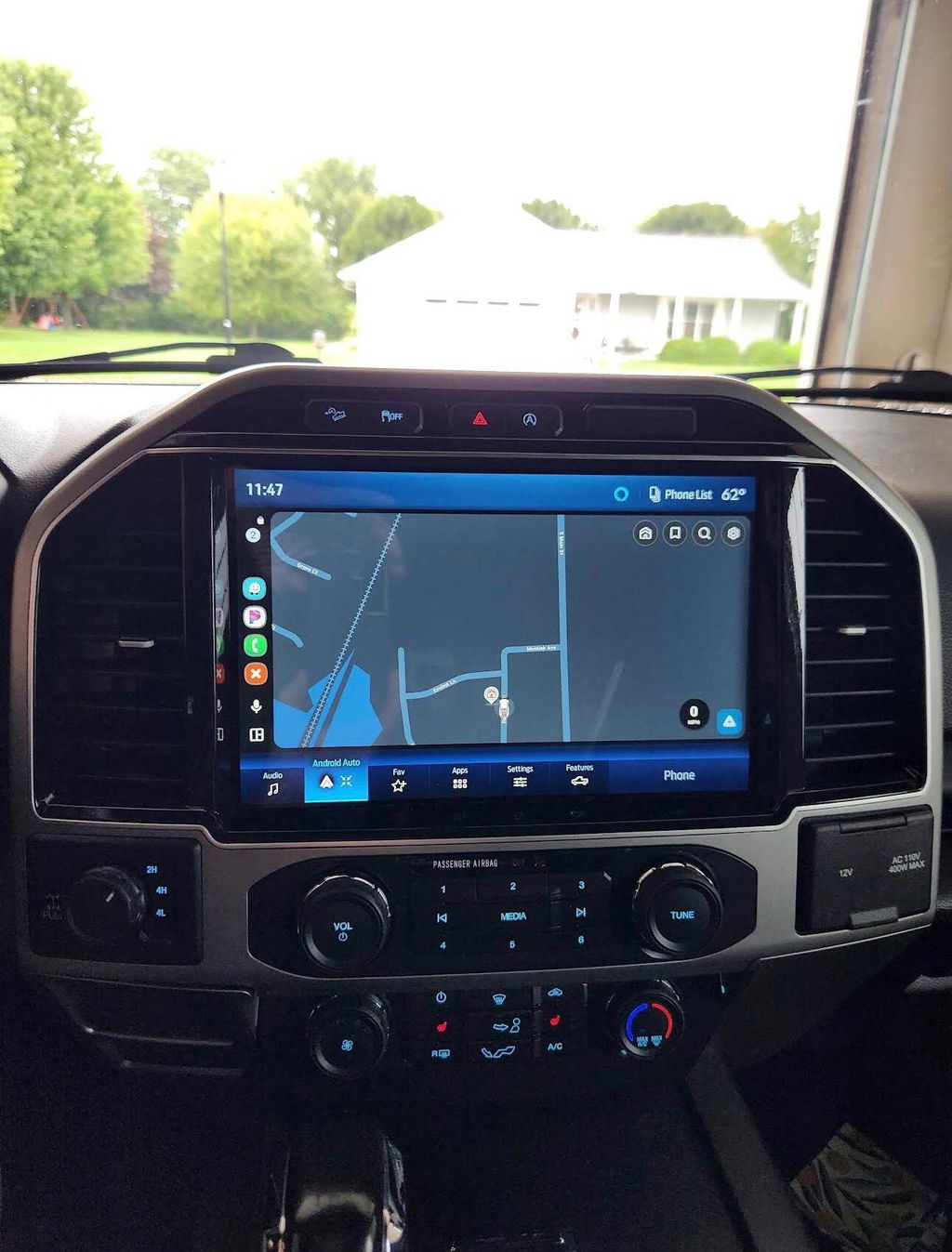
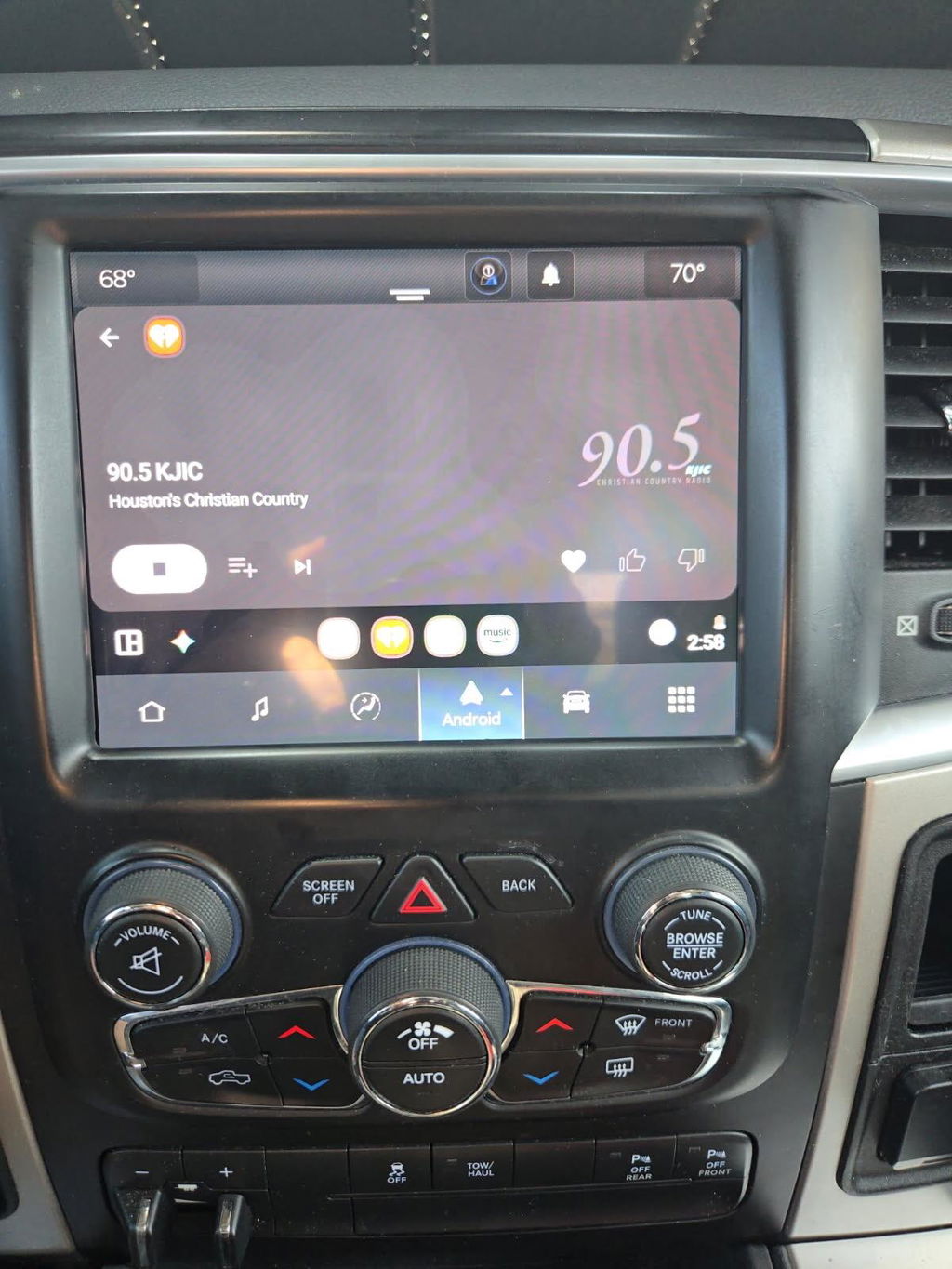
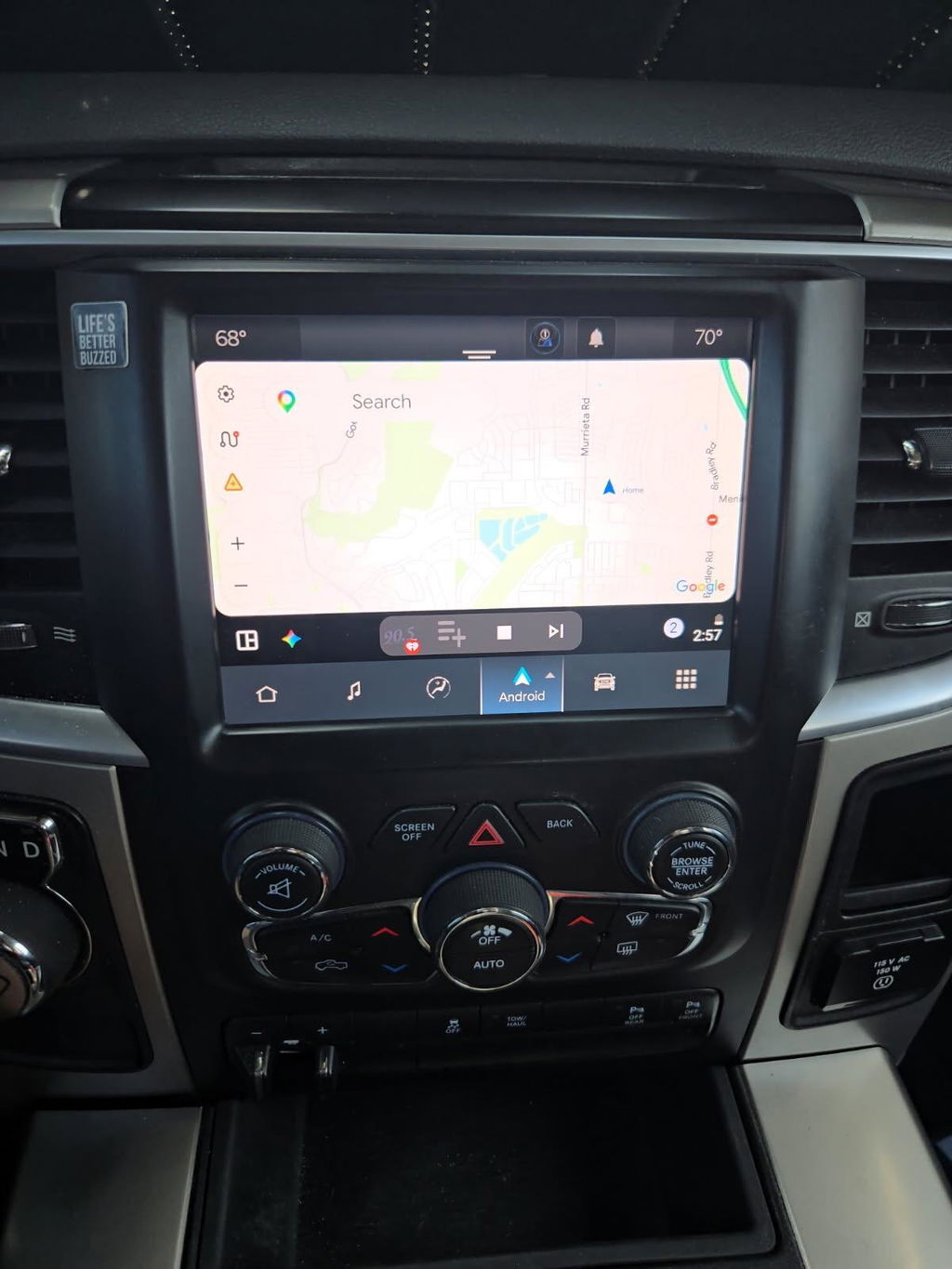
For a lot of Ford owners, the biggest reason to upgrade is simple: the factory infotainment system is behind the rest of the truck. You may have a solid platform, good powertrain, and a clean interior, but the center stack still feels like an older vehicle. A properly matched Ford Sync 4 upgrade kit brings the cabin up to date with a modern interface, faster response, and the smartphone features most drivers use every day.
The appeal is not just the screen itself. It is the combination of better usability and factory-style operation. When the upgrade is built around OEM genuine components and vehicle-specific fitment, you are not trading reliability for features. That matters more on a truck than on a weekend toy. If you use your vehicle for work, towing, travel, or daily driving, the radio and climate interface need to function the same way every time.
There is also a resale argument. Generic aftermarket head units can turn buyers away, especially if they look out of place or leave factory features partially disabled. A clean OEM-based conversion tends to hold value better because it looks intentional, not improvised.
What a Ford Sync 4 upgrade kit usually includes
A quality kit is more than a screen in a box. On newer Ford platforms, a complete solution often includes the display, the correct control module or APIM configuration, the surrounding trim needed for proper dash fitment, and the harnessing required to keep installation plug and play. In some cases, programming support is part of the package because the truck needs to recognize the new hardware correctly.
That last part is where many buyers get tripped up. They compare prices between a complete kit and a random collection of used take-off parts, then wonder why one costs more. The difference is usually compatibility and time. A true vehicle-specific package removes guesswork. You are paying for correct fitment, proper integration, and a cleaner install path.
If your truck has factory options like backup camera, 360 camera, heated seats, steering wheel controls, or specific climate menus, those features need to be considered from the beginning. The right kit is the one that supports your truck’s equipment, not just the one with the biggest screen.
Fitment matters more than the feature list
This is the part buyers should slow down and get right. A Ford Sync 4 upgrade kit may fit one F-150 configuration perfectly and be wrong for another truck that looks almost identical at first glance. Ford changed hardware, software, and dash layouts across model years and trim levels. Even within the same generation, differences in factory screen size and options can affect what parts are required.
If you are shopping for an F-150, Super Duty, Maverick, or Expedition upgrade, start with exact vehicle information. Year, trim, factory radio setup, and any premium packages matter. If the seller cannot explain what the kit is designed to work with, that is a problem.
This is also where OEM-based retailers have an advantage over general electronics sellers. A catalog built around specific Ford platforms is usually easier to trust because the fitment process is narrower and more deliberate. That is a better approach than trying to force a universal solution into a truck that was never designed for it.
OEM-based kit vs generic aftermarket setup
The biggest decision is usually not whether to upgrade. It is whether to go OEM-based or fully aftermarket.
An OEM-based Ford Sync 4 upgrade kit is the better choice if you care about factory integration, stock-style appearance, and a lower-risk installation. It is built for the owner who wants modern functionality without introducing a different user interface, odd trim gaps, extra adapters, or feature loss. Wireless Apple CarPlay and Android Auto are major selling points, but so is the fact that the truck still feels like a Ford when you are done.
A generic aftermarket system can make sense for someone chasing custom audio or highly specialized add-ons. But there are trade-offs. You may get more tuning flexibility, yet lose some factory behavior or end up with a dash kit that never looks fully OEM. On a work truck or a newer daily driver, that compromise is not always worth it.
For most truck owners, the cleaner answer is the one that preserves what already works and upgrades what does not.
Installation expectations
Plug and play does not mean careless. It means the kit is designed to minimize cutting, splicing, and fabrication. That is a major difference. A good upgrade should install with factory-style connectors, correct trim pieces, and a process that makes sense for the vehicle.
That said, installation time and difficulty still depend on the truck. Some owners are comfortable removing trim panels, swapping modules, and following programming instructions. Others are better off using a shop that understands Ford electronics. There is nothing wrong with that. Saving a few hours on paper is not worth creating a network issue, losing a camera function, or scratching the dash because the install was rushed.
Before buying, it is smart to ask a few practical questions. Does the kit require programming? Are all harnesses included? Will factory cameras and climate controls remain functional? Is it designed around your current screen size and trim layout? Those answers matter more than marketing claims.
Features worth paying for
Not every feature upgrade carries the same value. Faster response, better graphics, and a larger display are obvious benefits, but the most useful improvements are often the ones you use every day without thinking about them.
Wireless Apple CarPlay and Android Auto are at the top of that list for many owners. If you are in and out of the truck all day, not plugging in your phone every trip is a real quality-of-life improvement. Better menu logic also matters. A system that gets you to navigation, calls, cameras, and media faster is more useful than one packed with flashy extras you rarely touch.
Camera integration is another big one, especially on larger trucks. If a kit supports the truck’s factory camera features correctly, that has real value for towing, parking, and daily use. The same goes for retaining steering wheel controls and factory climate access through the screen where applicable.
A larger screen alone should not be the whole reason to upgrade. It should be part of a package that improves how the truck works.
When a ford sync 4 upgrade kit may not be the right move
There are cases where holding off makes sense. If your current system already has the core features you use and the truck is likely being sold soon, the cost may not pencil out. The same goes if you are unsure about exact fitment and have not confirmed compatibility yet. Buying first and troubleshooting later is how upgrade budgets get wasted.
It may also be the wrong move if you are really after a full custom audio build rather than an OEM-style infotainment conversion. Those are different goals. One prioritizes factory integration. The other prioritizes customization. Neither is automatically better, but they are not the same purchase.
The smart buy is the one that matches how you actually use the truck.
How to shop for the right kit
Look for a seller that leads with fitment, not hype. You want exact vehicle coverage, a clear parts list, and straight answers on what is included. OEM genuine components, plug-and-play design, and compatibility support are not filler terms here. They are the whole point.
You should also pay attention to whether the product presentation is specific. A good listing calls out model years, screen size, supported features, and any programming requirements. Vague descriptions usually mean more risk. Retailers like DD Offroad built around vehicle-specific upgrade kits tend to understand that buyers want certainty before they spend.
Price matters, but value is broader than the cheapest number on the page. Free shipping, included harnessing, proper trim, and reduced install guesswork all count. So does avoiding the headache of piecing together used parts from multiple sources and hoping they talk to each other.
A ford sync 4 upgrade kit is a strong upgrade when it is selected the right way. Get the fitment right, keep the install clean, and focus on OEM-based integration over shortcuts. Your truck should leave the process feeling more current, not more complicated.
The best upgrade is the one that works like it belonged there from day one.