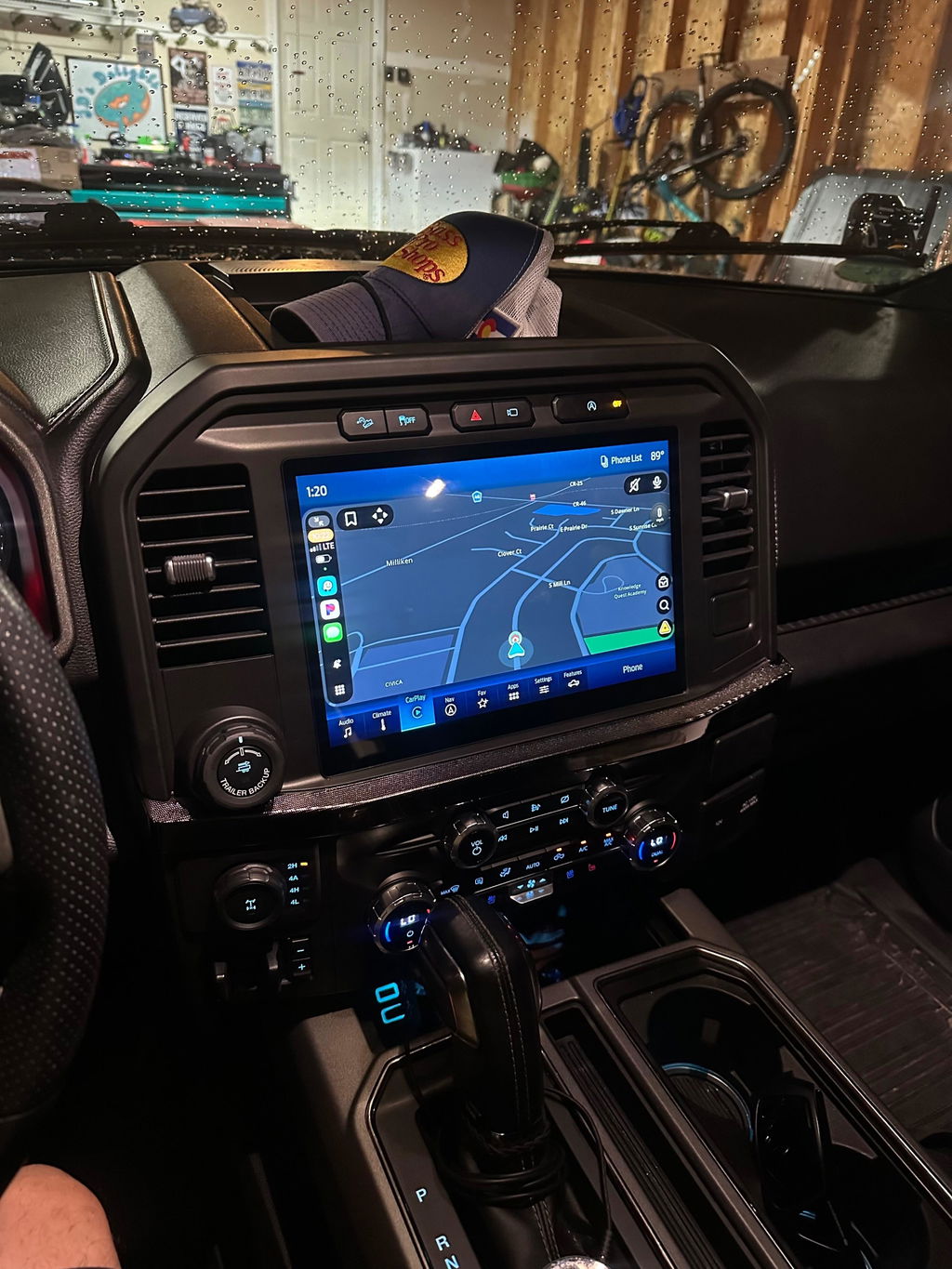
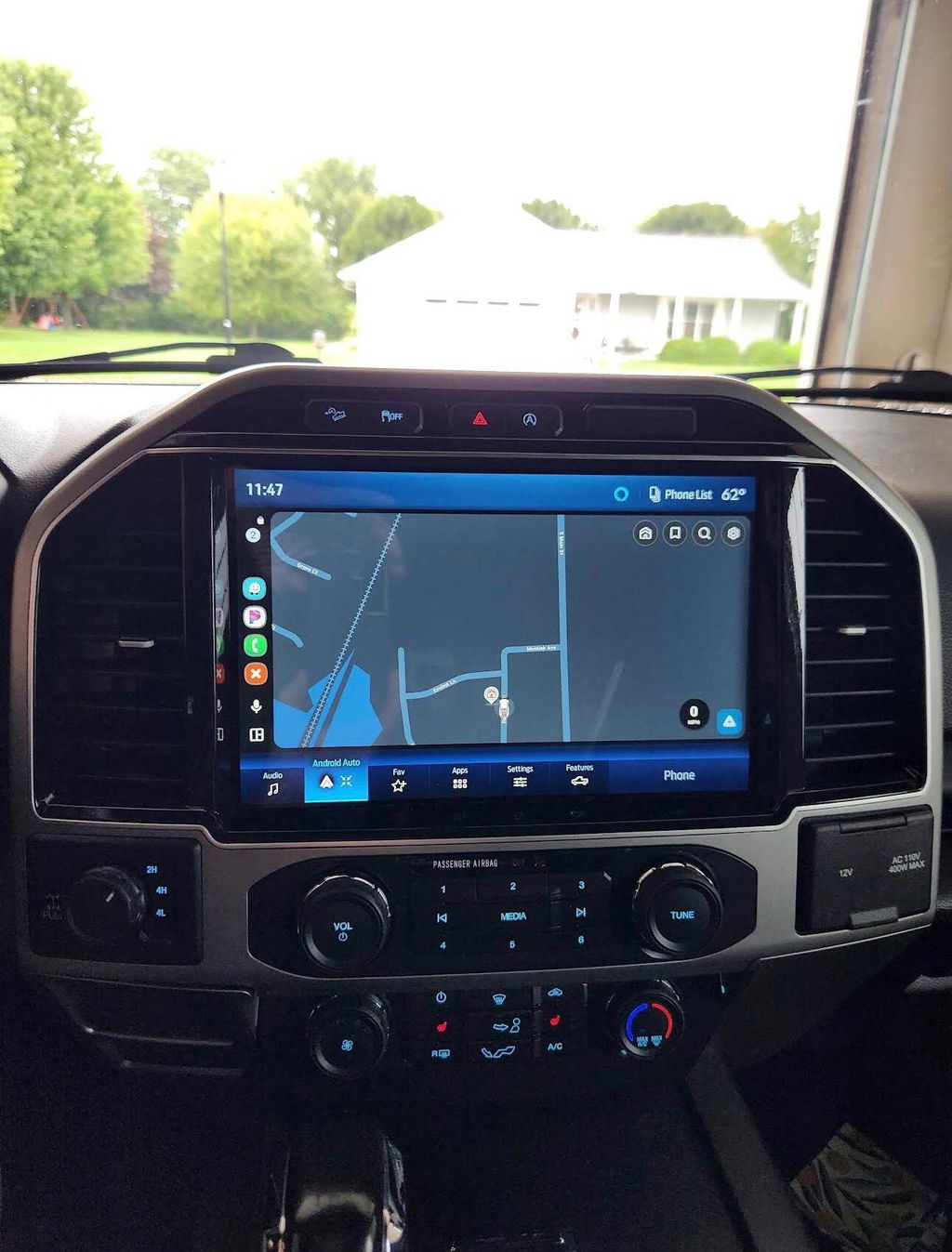
Ford F150 Screen Upgrade: What to Know
Share
A bad factory screen gets old fast when you rely on your truck every day. If you are considering a ford f150 screen upgrade, the real question is not just screen size - it is whether the new setup will work like it belongs in the truck, with the right fitment, features, and factory integration.
For most F-150 owners, that is where the decision gets made. A bigger display looks good on paper, but if you lose vehicle settings, fight wiring issues, or end up with a laggy interface, the upgrade stops feeling like an upgrade. The best results usually come from a vehicle-specific solution built around OEM compatibility, not a universal radio that happens to fit the dash.
Why a ford f150 screen upgrade makes sense
The F-150 has been one of the easiest trucks to live with mechanically, but infotainment ages quickly. Older factory screens can feel small, slow, and limited compared to what drivers expect now. That gap gets even more obvious if you use your truck for work during the week and road trips or towing on weekends.
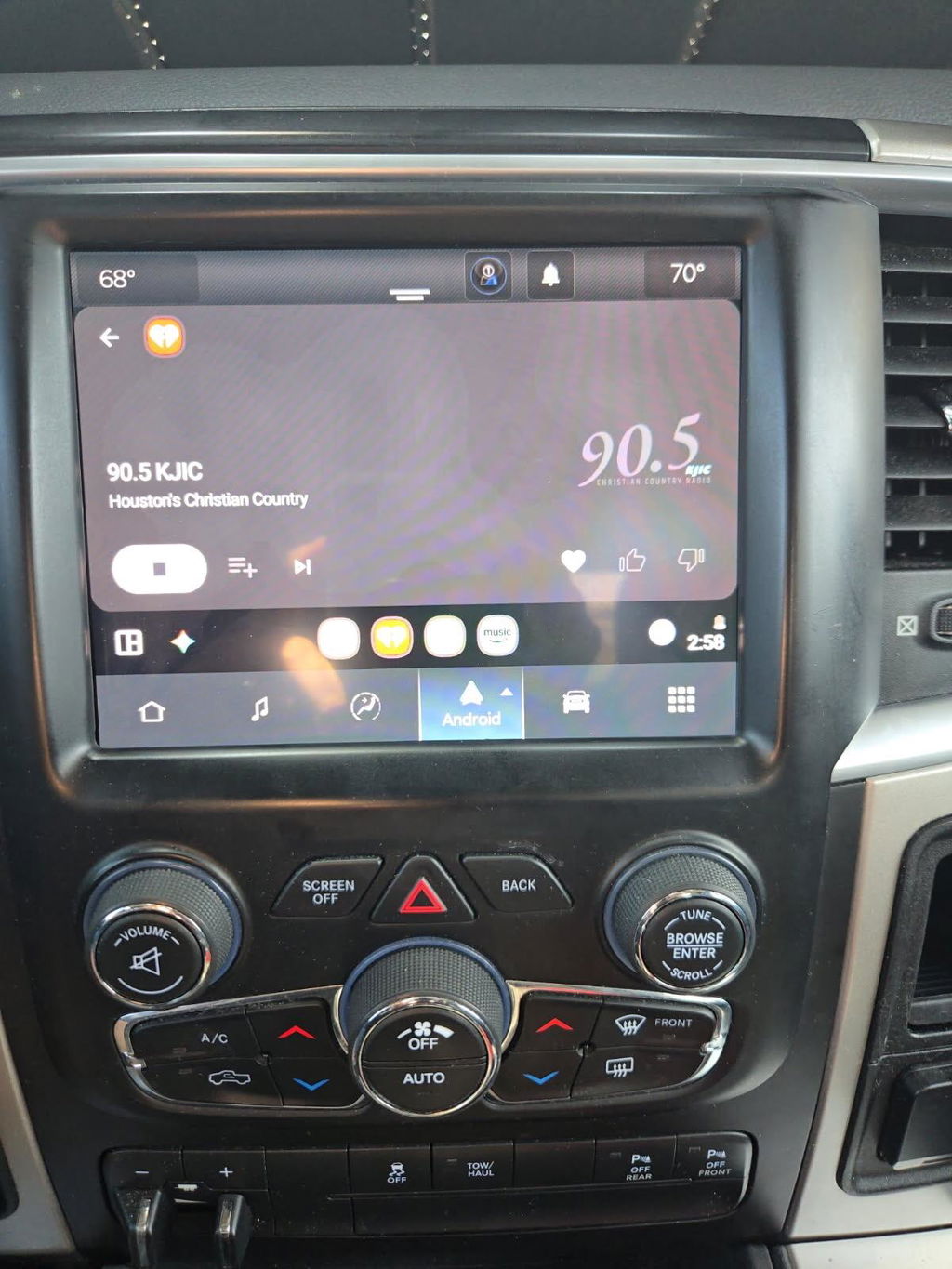
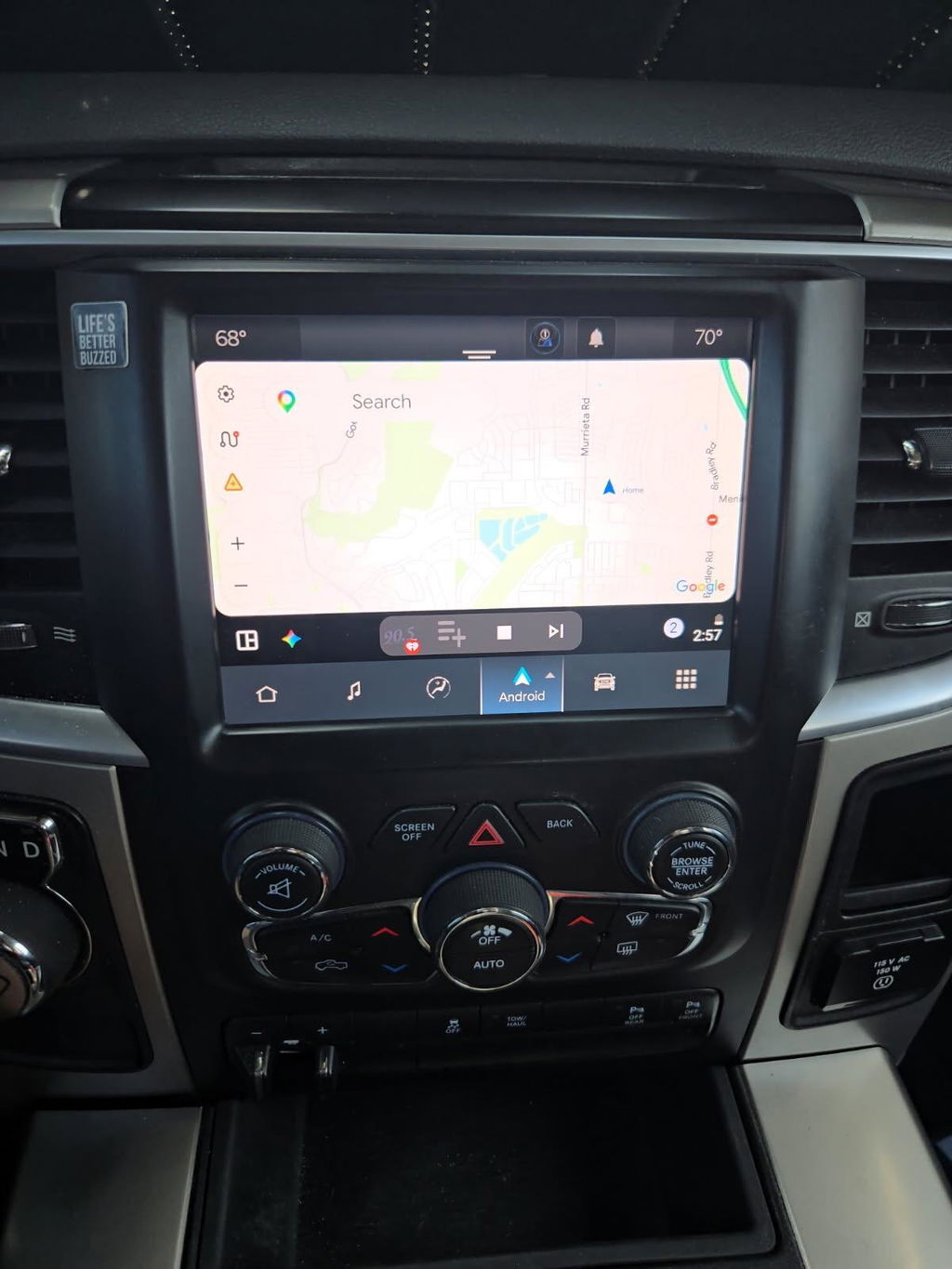
A modern screen upgrade can add better visibility, cleaner navigation, faster response, and smartphone features that many earlier trims did not have from the factory. Wireless Apple CarPlay and Android Auto are usually high on the list because they fix a daily annoyance without changing how the truck feels to drive. You get the benefit of modern software while keeping a factory-style cabin layout.
There is also a value angle. Interior tech affects how current the truck feels. A well-chosen upgrade can make an older F-150 feel several model years newer without the cost of replacing the vehicle. That matters if you plan to keep the truck long term.
OEM-style upgrade vs generic aftermarket screen
This is the main fork in the road. You can go with a generic aftermarket head unit, or you can choose an OEM-based, plug-and-play approach designed around your exact truck.
Generic aftermarket systems usually win on sheer variety. There are a lot of sizes, styles, and price points. The trade-off is that they often require adapters, extra modules, custom trim, and more installation judgment. In some cases they work fine. In other cases, owners end up chasing issues with steering wheel controls, backup camera retention, climate display behavior, audio performance, or intermittent glitches.
An OEM-style ford f150 screen upgrade is different. The goal is not to make the truck accept a random radio. The goal is to upgrade the truck using components and integration methods that match the factory system as closely as possible. That usually means cleaner fitment, more predictable functionality, and less risk of losing features the truck already had.
For buyers who care about factory appearance and reliable operation, OEM-based kits usually make more sense. They cost more than the cheapest universal options, but they also remove a lot of the guesswork.
Fitment matters more than screen size
A screen upgrade is never just about the display. On an F-150, model year, trim level, original radio configuration, and factory options all affect what will work.
A truck with a basic screen and manual climate controls may need a different solution than a higher-trim truck that already has a larger SYNC system. Audio package differences matter too. If the truck has a factory amplifier, premium audio, navigation, or integrated camera functions, the kit has to account for that.
This is why exact-fit product selection matters. A proper kit should be built around the truck’s year range and equipment, not just marketed as fitting an F-150 in general. That is how you avoid the common problem where a screen powers up but half the factory functions become inconsistent.
If you are shopping, treat broad fitment claims carefully. The cleaner the fitment details, the better the buying experience usually is.
Features worth paying for
Not every upgrade feature carries the same real-world value. Some sound impressive but do not change much once the truck is back on the road.
Wireless Apple CarPlay and Android Auto usually deliver the biggest daily improvement. You get maps, calls, messages, music, and a familiar interface without plugging in every time. Faster boot time and better touch response also matter more than many buyers expect, especially if the original system feels dated.
Backup camera retention is another important one. The camera is part of how the truck gets used, especially for towing, parking, and jobsite driving. Losing image quality or factory behavior to gain a larger screen is usually a bad trade.
Factory settings access should stay on the checklist too. In many trucks, the infotainment screen is tied to vehicle preferences and convenience settings. A proper upgrade should preserve access instead of forcing you to give up functions that were built into the truck.
Navigation is more situational. Some owners want built-in mapping even if they use their phone. Others are fine relying entirely on CarPlay or Android Auto. The right answer depends on how the truck is used and whether cellular coverage is reliable where you drive.
Installation: plug and play does not mean one-size-fits-all
Truck owners like the phrase plug and play for good reason. It means less cutting, less splicing, and less chance of creating future problems. But it still needs to be the right kit for the vehicle.
A true plug-and-play upgrade should include the correct harnessing, mounting, and integration components so the install follows the truck instead of forcing the installer to improvise. That is what separates a clean upgrade from a project that turns into a wiring bench exercise.
That does not mean every owner should install it themselves. Some F-150 owners are comfortable pulling trim panels and swapping modules. Others would rather hand the job to a trusted shop. Both approaches are fine. The key is starting with a kit that reduces variables.
If programming or configuration is required, that should be made clear up front. Hidden install steps are where frustration starts. The more complete the package, the easier it is to get factory-style results.
What to watch out for before you buy
The most common mistake is shopping by screen size first and compatibility second. A larger display does not help if the truck loses important functions or the dash fit looks off.
The second mistake is assuming all aftermarket listings describe fitment with the same level of accuracy. They do not. Some product pages are built to capture broad search traffic, not to help you identify the exact solution for your truck.
Look closely at year ranges, factory radio types, audio package requirements, and any notes about climate controls, cameras, or navigation. If the product details are vague, that is usually a warning sign.
Price should be weighed against what is included. A cheaper screen may look attractive until you add harnesses, trim pieces, interface modules, and labor to make it function correctly. A complete OEM-based package can be the better value because it cuts down on compatibility problems from the start.
Who should choose an OEM-based ford f150 screen upgrade
If your priority is factory appearance, reliable integration, and modern features without custom fabrication, an OEM-based setup is usually the right move. It fits especially well for owners who use their trucks hard and do not want dashboard electronics to become another problem to solve.
It also makes sense if you care about resale or simply want the cabin to feel consistent with the rest of the truck. A clean, factory-style screen upgrade tends to age better than flashy universal alternatives.
That is why many buyers end up choosing vehicle-specific kits from specialized retailers like DD Offroad. The appeal is straightforward: OEM Genuine Components, Plug and Play design, clear fitment, and a cleaner path to getting the features you actually want.
Making the right call for your truck
The best screen upgrade is the one that matches how your F-150 is equipped and how you actually use it. If you want the lowest price possible, there are generic options out there. If you want fewer compromises, stronger compatibility, and factory-style function, an OEM-based kit is usually the smarter buy.
A ford f150 screen upgrade should make the truck easier to use every day, not more complicated to own. Start with exact fitment, prioritize the features you will use most, and choose a setup that treats factory integration like a requirement, not an afterthought. That is usually where a good upgrade turns into one you are still happy with a year later.