Will OEM Upgrades Void Warranty?
Share
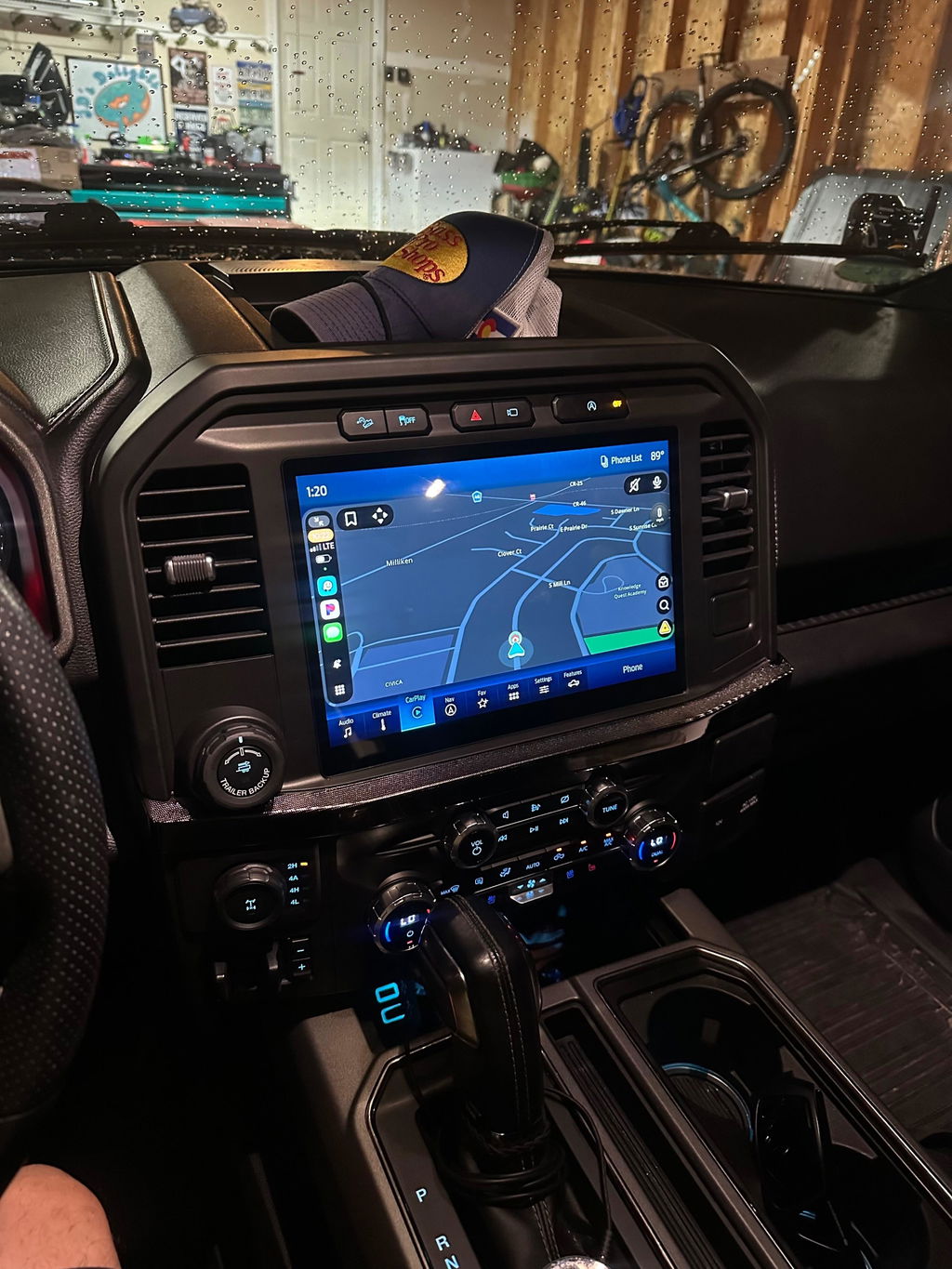
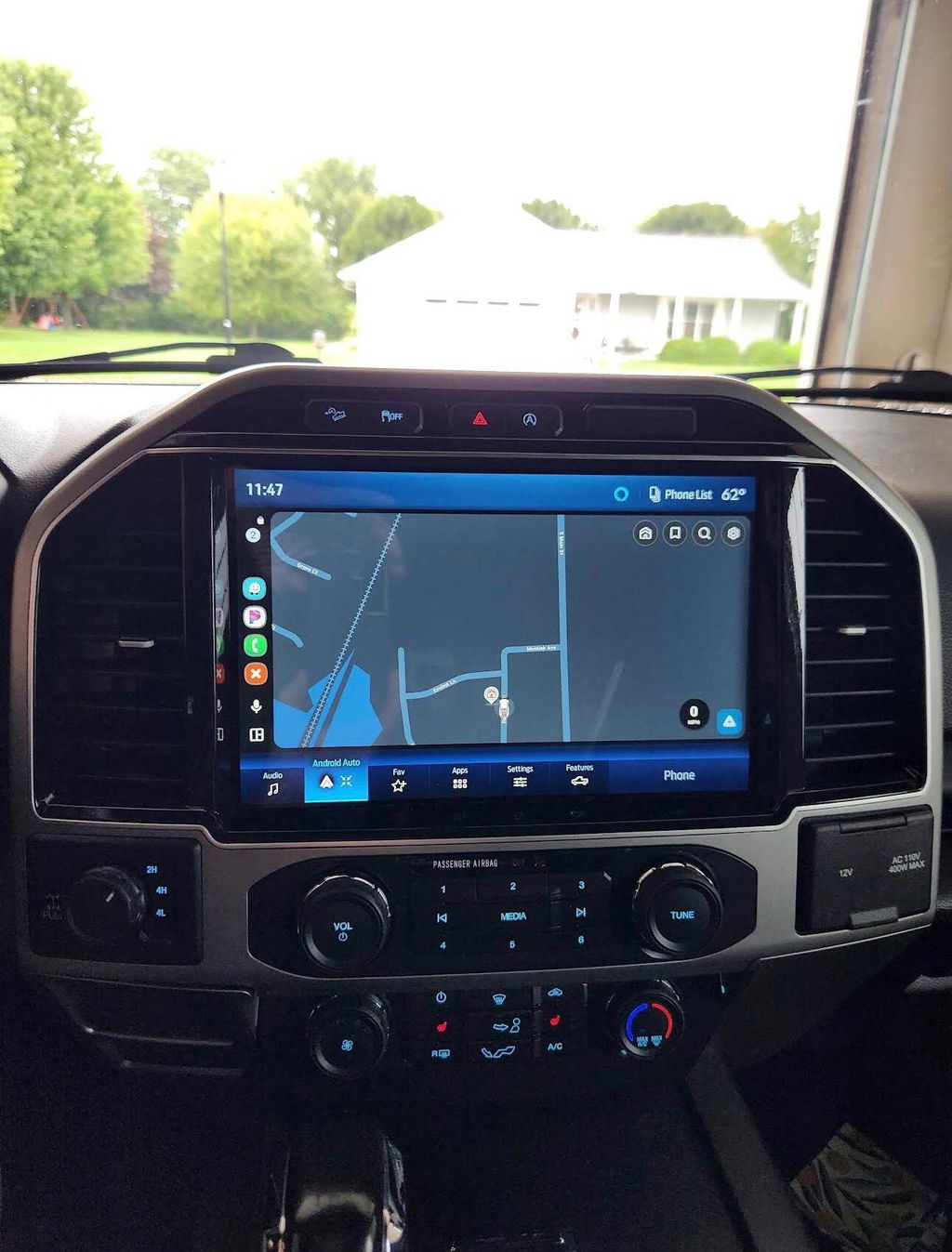
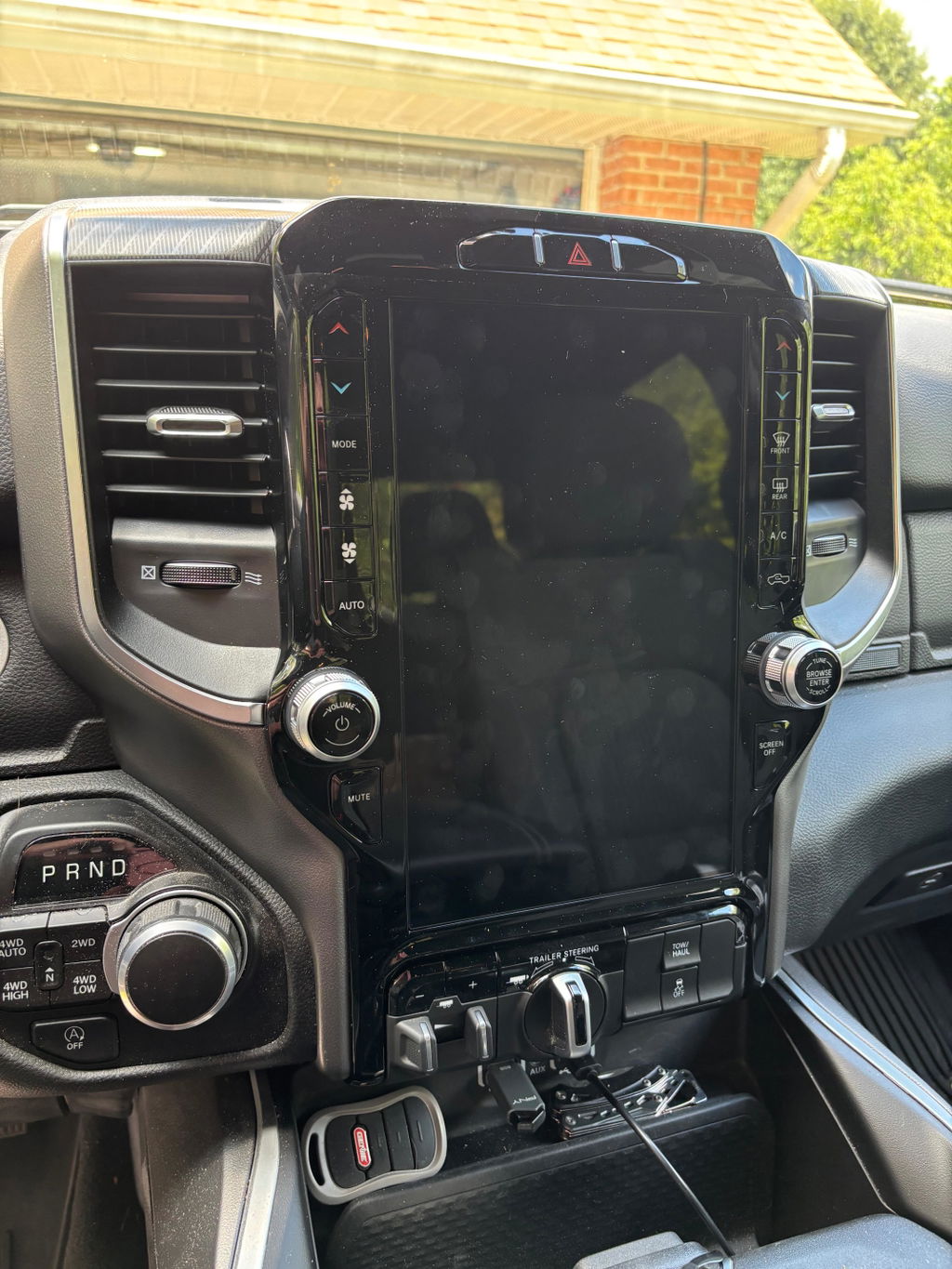
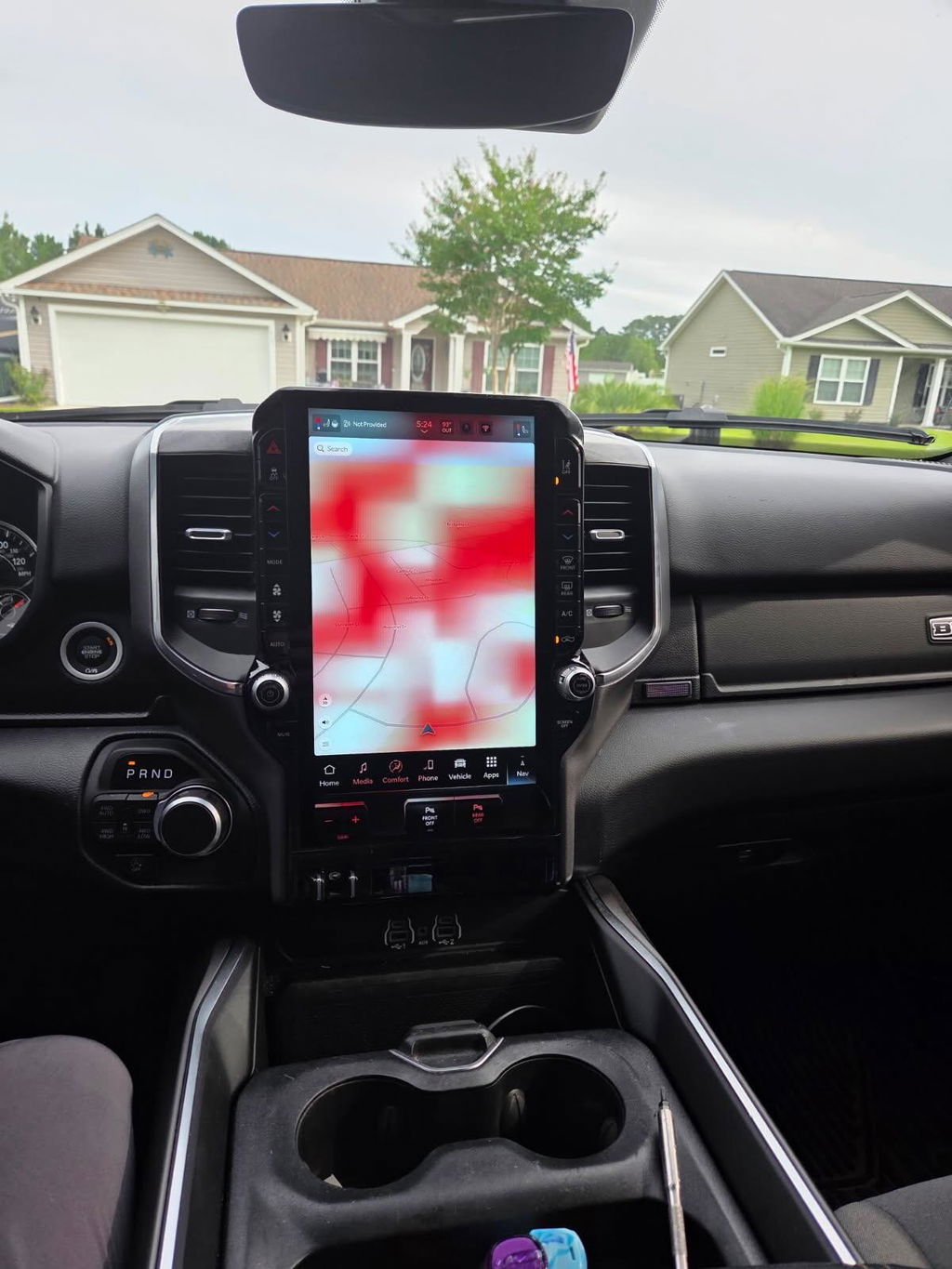
A lot of truck owners ask the warranty question right before they buy, not after installation. That makes sense. If you are looking at a larger OEM screen, a digital cluster, remote start, or another factory-style feature, the real concern is simple: will oem upgrades void warranty, or can you add modern functionality without creating a headache at the dealer?
The short answer is usually no, not automatically. An OEM upgrade does not instantly cancel your entire vehicle warranty just because you changed a component. But warranty coverage is not all-or-nothing. The real issue is whether the upgrade caused the specific problem being claimed.
Will OEM upgrades void warranty in every case?
No. That is the biggest misconception in this category.
Vehicle warranties generally do not disappear because you install an upgraded part, even if it was not on the truck from the factory when it was built. What can happen is much narrower. If a dealer or manufacturer believes your upgrade caused a failure, they may deny coverage for that related repair. That is very different from saying your whole powertrain, electronics, or bumper-to-bumper warranty is gone.
For example, if you install an OEM-style infotainment conversion and later your window regulator fails, those issues are unrelated. The screen upgrade should not affect a door hardware claim. On the other hand, if an audio module was wired incorrectly and that led to a communication fault on the network, the related repair could become a warranty discussion.
That distinction matters because many owners hear the phrase "void the warranty" when what is really meant is "this specific repair may not be covered if the modification caused it."
What federal law usually means for upgrade buyers
In the US, warranty decisions are not supposed to be based on fear or guesswork. A manufacturer cannot simply deny warranty coverage across the board because an owner installed an upgraded part. There needs to be a connection between the modification and the failure being claimed.
This is why OEM-based, vehicle-specific upgrades are often viewed differently from universal electronics, cut-and-splice installs, or heavily customized setups. When a part is designed to work within the factory system, uses genuine components, and maintains proper integration, there is usually less room for argument than with a generic aftermarket solution that alters wiring, mounting, or software in unpredictable ways.
That does not mean every dealer will respond the same way. Some service departments are modification-friendly. Others are more cautious, especially when electronics are involved. But the legal standard is still tied to causation, not blanket cancellation.
OEM upgrade vs aftermarket hack job
This is where the details matter.
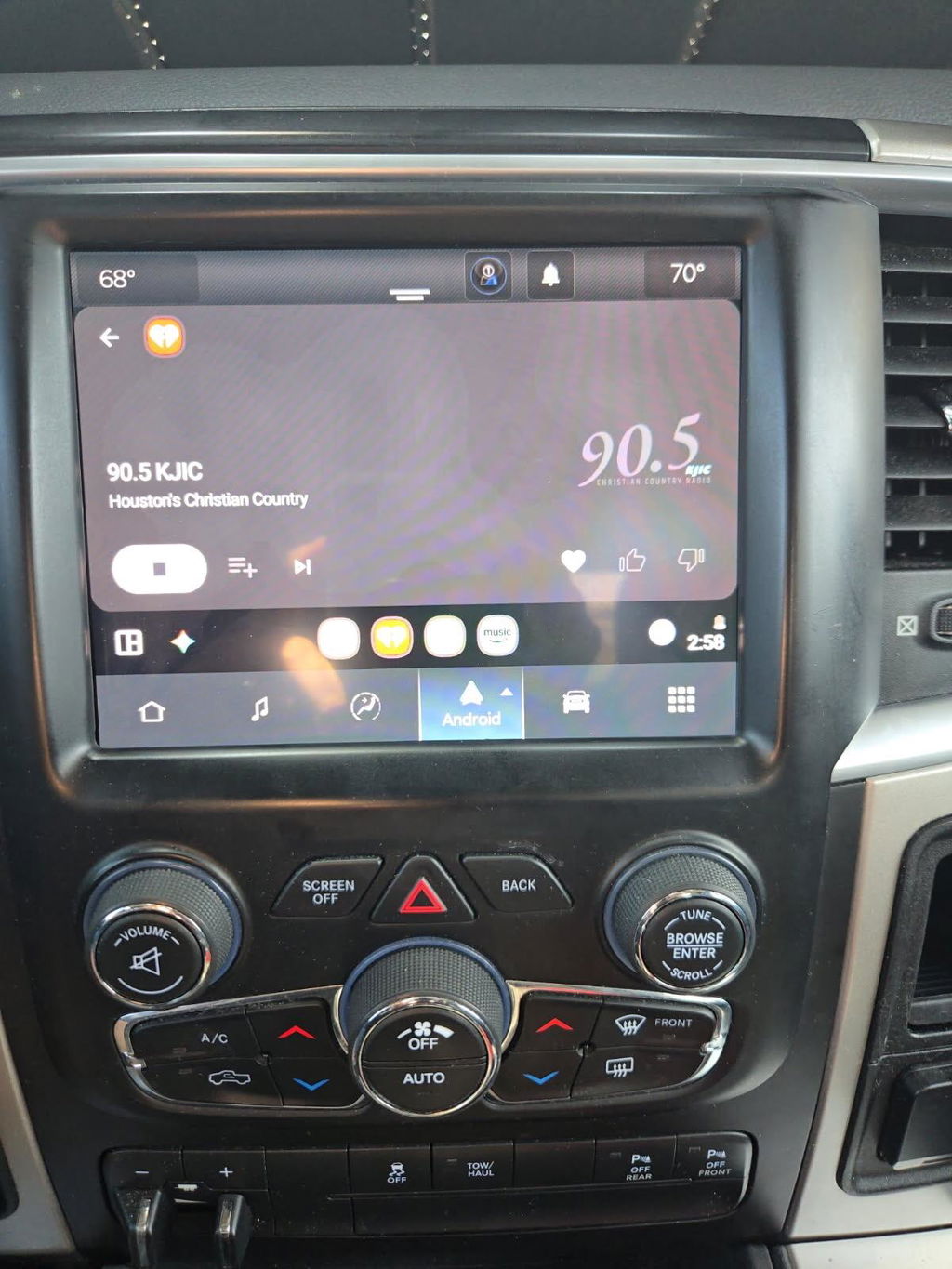
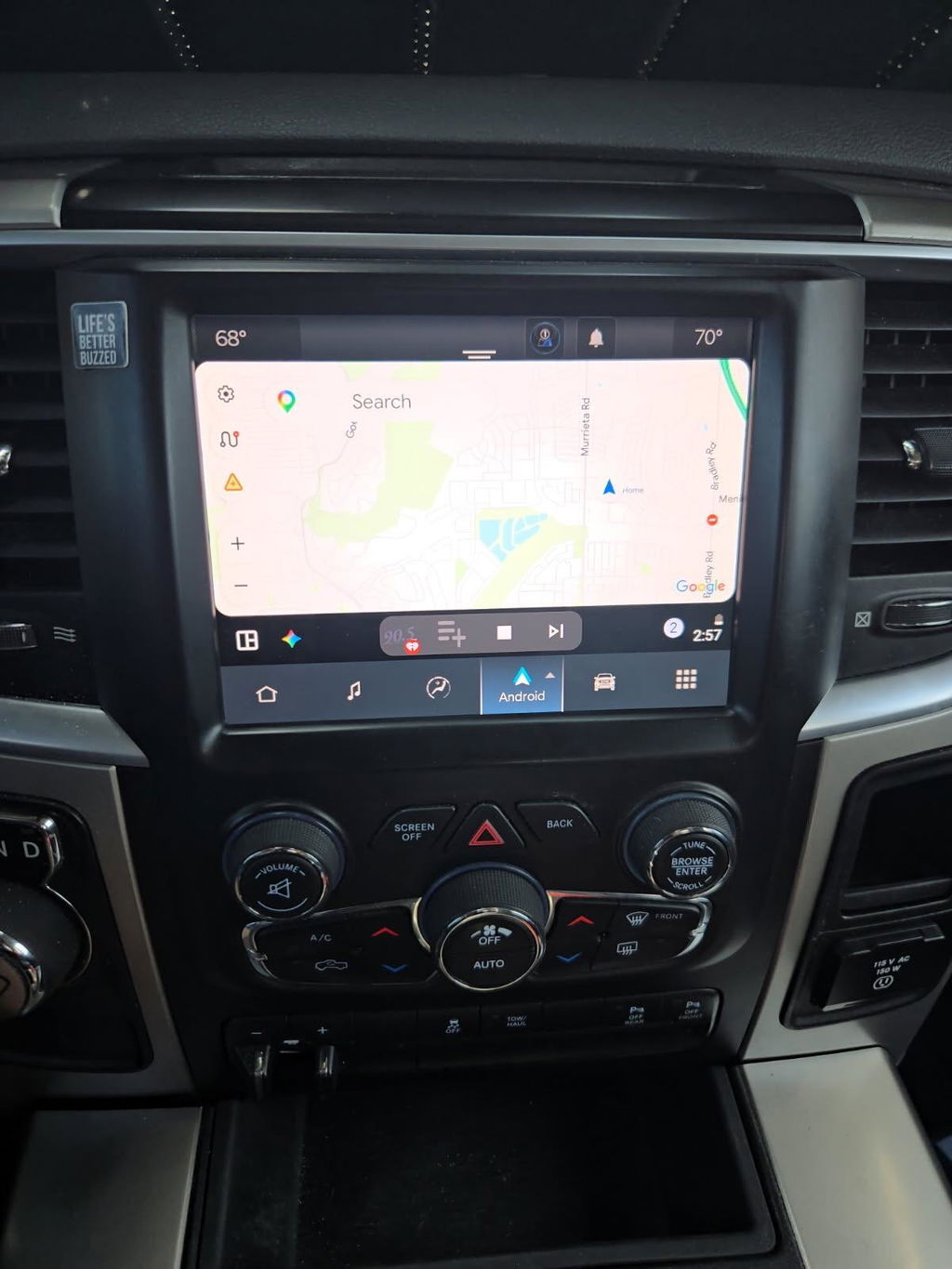
An OEM upgrade uses factory-based components and is typically built around existing vehicle architecture. Think factory touchscreen conversions, digital cluster swaps, OEM remote start kits, or programmers designed for specific Ram, Ford, Jeep, Dodge, or Chrysler applications. These upgrades tend to preserve factory appearance, retain normal operation, and reduce the risk that comes with universal-fit parts.
A low-quality aftermarket install is different. If the job involves cut wires, adapters stacked on adapters, poor grounding, or questionable programming, your risk goes up. Not just for warranty arguments, but for actual vehicle issues. Dealers are far more likely to push back when they see non-factory integration, homemade wiring work, or components that interfere with modules on the CAN bus.
That is why truck owners who care about long-term reliability usually lean toward plug-and-play, exact-fit systems. The cleaner the integration, the stronger your position if questions come up later.
The parts of your warranty most likely to be affected
Most of the time, upgraded electronics do not put your entire vehicle at risk. The concern is usually limited to the systems touched by the upgrade.
If you install a factory-style radio or Uconnect conversion, any warranty discussion would likely stay around the infotainment system, communications modules, display operation, or related wiring. If you add remote start, the conversation may center on body control modules, key programming, or start authorization functions. If you install a digital cluster, the focus may be on instrument panel communication, programming, or display behavior.
It is less likely that a properly installed interior electronics upgrade would impact unrelated systems like suspension, steering, transmission internals, or axle components. Dealers may still inspect the truck as a whole, but they still need a valid reason to tie the upgrade to the problem.
Installation quality matters more than most people think
A genuine OEM component can still create problems if it is installed badly.
That is one of the most overlooked parts of the warranty conversation. A dealership or manufacturer may not care that the part itself is factory-based if the installation introduced damage, shorted connectors, bent pins, incorrect programming, or module communication faults. In that situation, the issue is not just the part. It is the workmanship.
This is why buyers should pay attention to whether a kit is truly plug and play, whether it is matched to the exact model year and trim, and whether programming requirements are clearly spelled out. Vehicle-specific fitment is not a marketing extra. It is what helps keep factory systems operating the way they should.
For Ram and Ford owners especially, electronics integration has become more complex with each generation. Larger screens, digital clusters, security gateways, and networked modules leave less room for trial-and-error installs.
Dealer attitude vs actual warranty rights
A service advisor saying "that could void your warranty" is not the same as a final legal determination.
Dealers are the frontline point of contact, but they do not always explain things precisely. Sometimes they are trying to avoid liability. Sometimes they simply do not want to diagnose a modified vehicle until they understand what changed. Sometimes they are using broad language for a narrow issue.
If your truck has an OEM-based upgrade and a warranty concern comes up, the best move is to stay specific. What failed? What system is involved? Is there any evidence the installed component caused the issue? A vague warning should not be treated the same as a documented denial tied to a specific problem.
It also helps to keep your records. Save your invoice, installation documentation, part details, and any programming notes. If the upgrade was sold as a vehicle-specific solution using OEM genuine components, that context can matter when questions arise.
When an OEM upgrade is lower risk
Some upgrades are simply less controversial than others.
Factory-style screen conversions, OEM remote start kits, and digital cluster upgrades are generally lower risk when they are built for the exact vehicle application and installed correctly. The same goes for automatic programmers that are intended for supported model years and brands. The key is controlled compatibility.
Risk usually increases when owners mix trim-level hardware without correct programming, use salvage components with unknown histories, or attempt conversions using incomplete parts from online marketplaces. A truck may physically accept a module and still have software conflicts, feature loss, or communication issues. That is where a "cheap" upgrade can become expensive.
A properly packaged kit from a specialist retailer is often the smarter move because the guesswork is reduced. That matters not only for installation but for preserving factory behavior afterward.
How to protect yourself before and after installation
If you are worried about whether will oem upgrades void warranty, the safest approach is not avoiding upgrades entirely. It is choosing them carefully.
Start with exact vehicle fitment. Make sure the part is designed around your model year, trim, and platform. Confirm whether programming is required and whether the upgrade retains core factory functions. Avoid universal systems when an OEM-based option exists.
After that, focus on installation quality. If you are not comfortable with electrical work, module swaps, or vehicle programming, use a qualified installer. A clean install does more than make the truck look factory. It reduces the odds of electrical issues and gives you better footing if warranty questions come up.
Finally, be realistic. No upgrade is completely risk-free. If you modify the systems that your warranty covers, there is always a chance of scrutiny if something fails in that same area. But scrutiny is not the same thing as automatic denial, and it definitely is not the same thing as losing your whole warranty.
For most truck owners, the real answer is this: OEM upgrades are usually one of the safer ways to add features your vehicle should have had from the start. If you stick with genuine components, correct fitment, and plug-and-play integration from a platform-focused source like DD Offroad, you are making the kind of upgrade choice that is easier to live with both on the road and at the service lane.
The smart move is not to ask whether any upgrade carries zero risk. It is to ask whether the upgrade was built to work with your truck the right way.