Ram Programmer Review: Is It Worth the Upgrade?
Share
A Ram programmer can be the difference between an upgrade that works like a factory option and one that leaves warning lights, missing features, or a trip to the dealer. This Ram programmer review focuses on what truck owners should expect from an automatic programmer, how it fits into OEM-based upgrades, and whether it delivers enough value for your Ram build.
For most owners, the answer depends on the upgrade. If you are installing an OEM Uconnect screen, digital cluster, remote start kit, or another factory-style feature that requires vehicle configuration, programming is not an optional extra. It is part of making the hardware communicate correctly with the truck.
What a Ram Programmer Actually Does
A programmer is not a performance tuner. It does not add horsepower, change shift points, or overwrite your engine calibration for a more aggressive tune. In this application, an automatic programmer is a configuration tool designed to enable, align, or set up specific vehicle features after compatible OEM components are installed.
Modern Ram trucks use multiple electronic modules that share information across the vehicle network. The radio, instrument cluster, body control module, steering-wheel controls, backup camera, HVAC controls, and factory options all need to recognize one another. Replacing a screen or adding a feature can require the vehicle to be told what equipment is now present.
That is where a vehicle-specific programmer earns its place. It helps complete the installation without relying on universal electronics, improvised wiring, or trial-and-error coding. The goal is factory integration: the feature works as intended, the truck retains the controls it should retain, and the installation looks like it belongs there.
Ram Programmer Review: Where It Adds Real Value
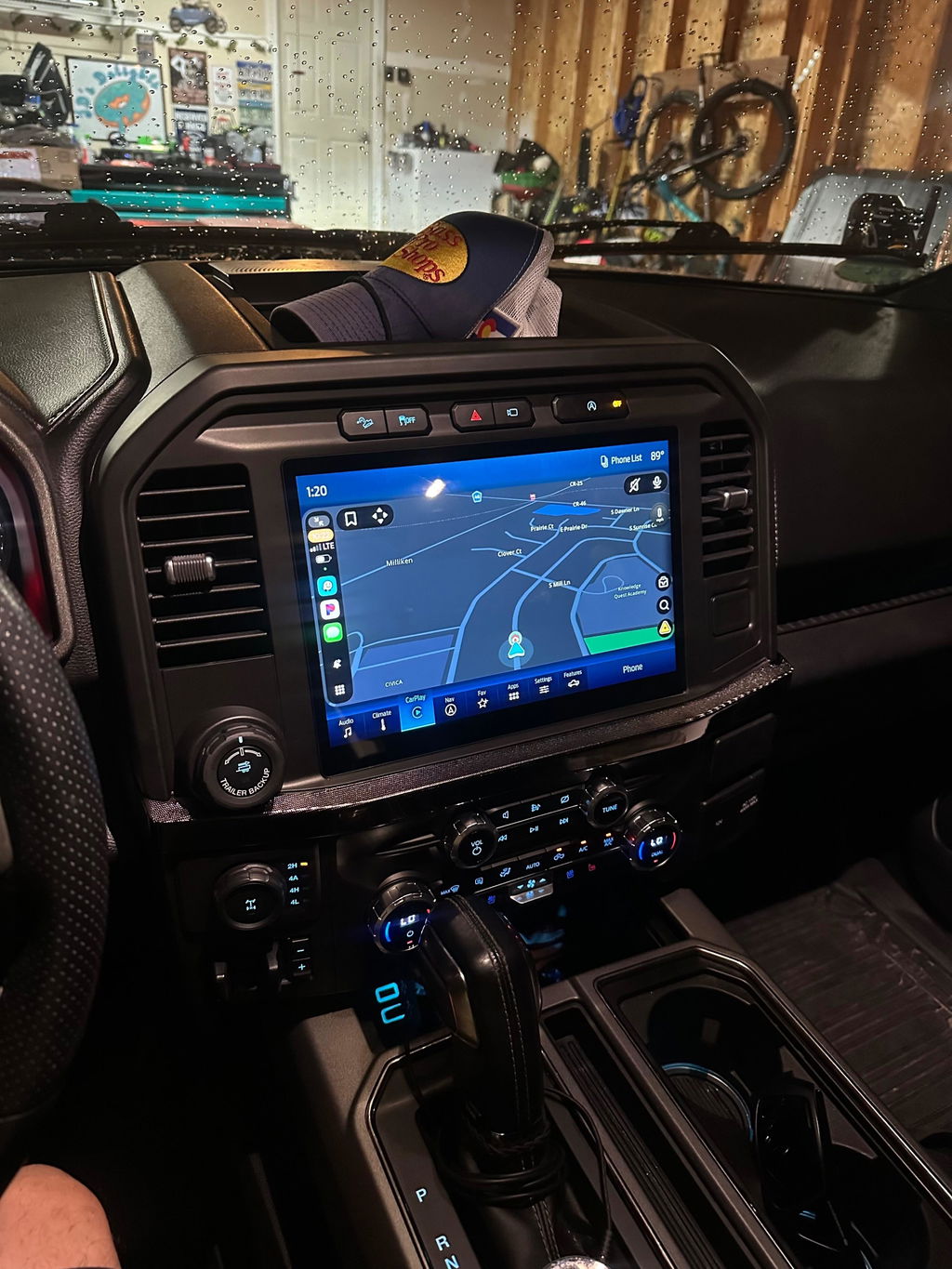
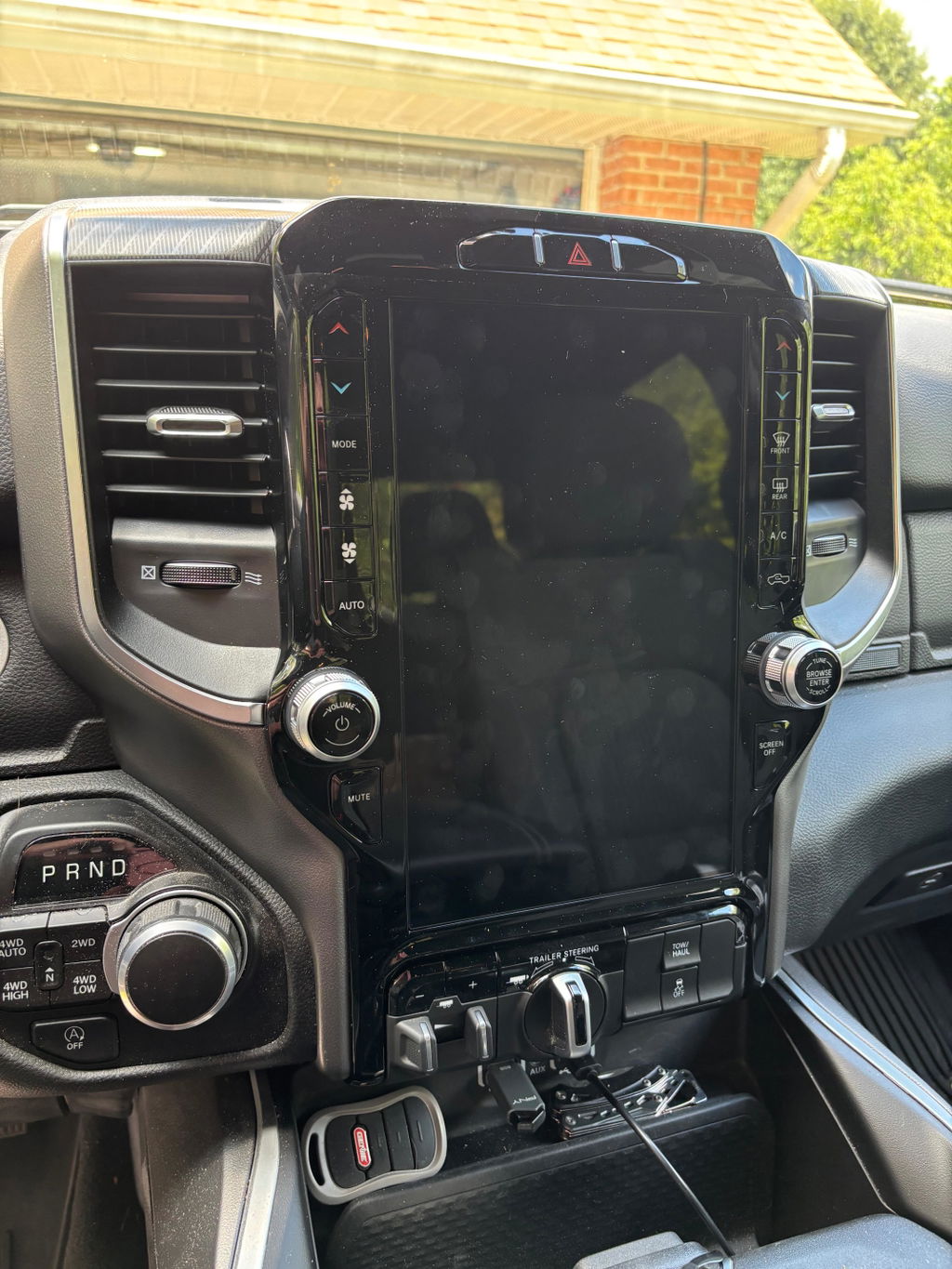
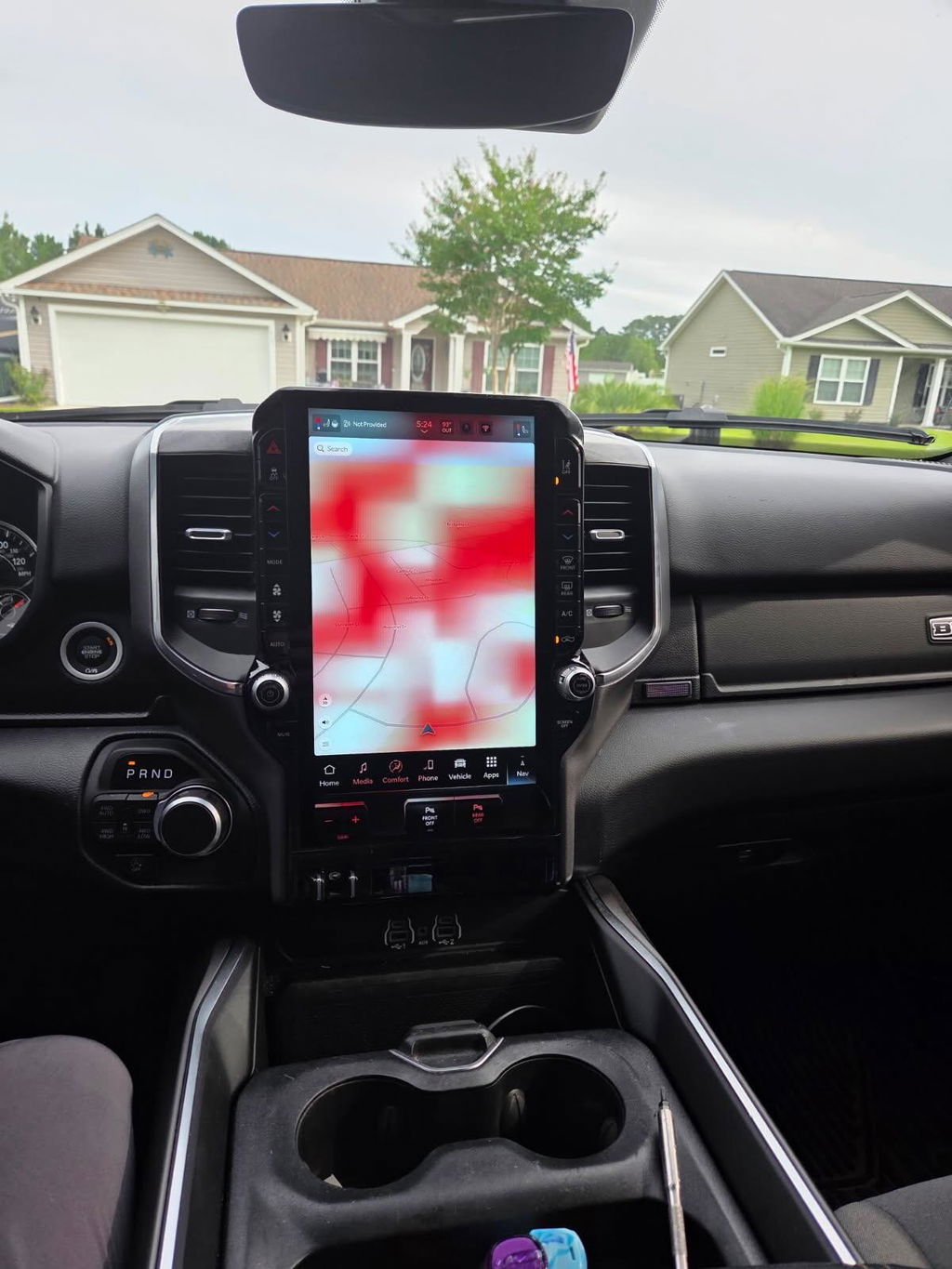
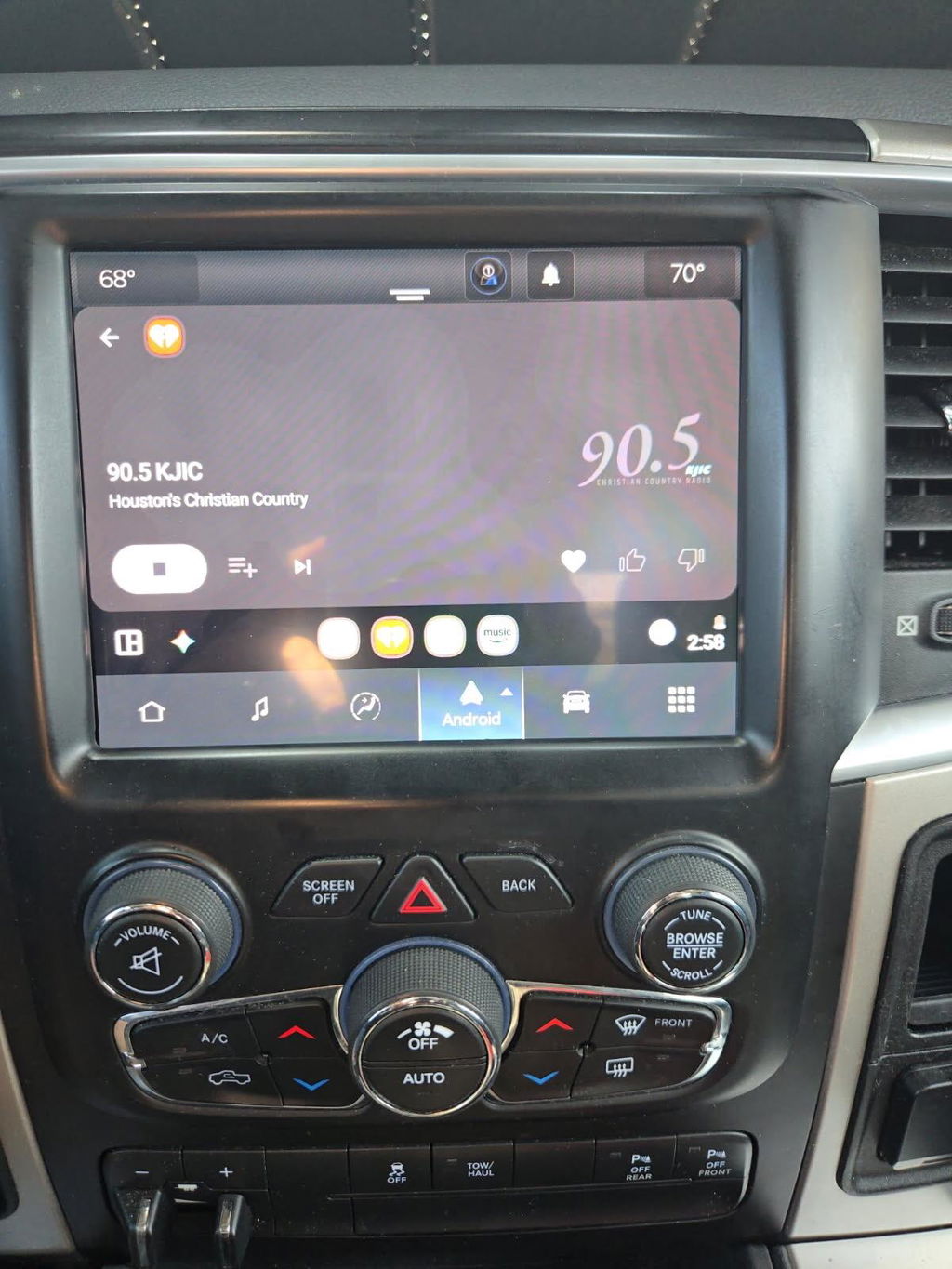
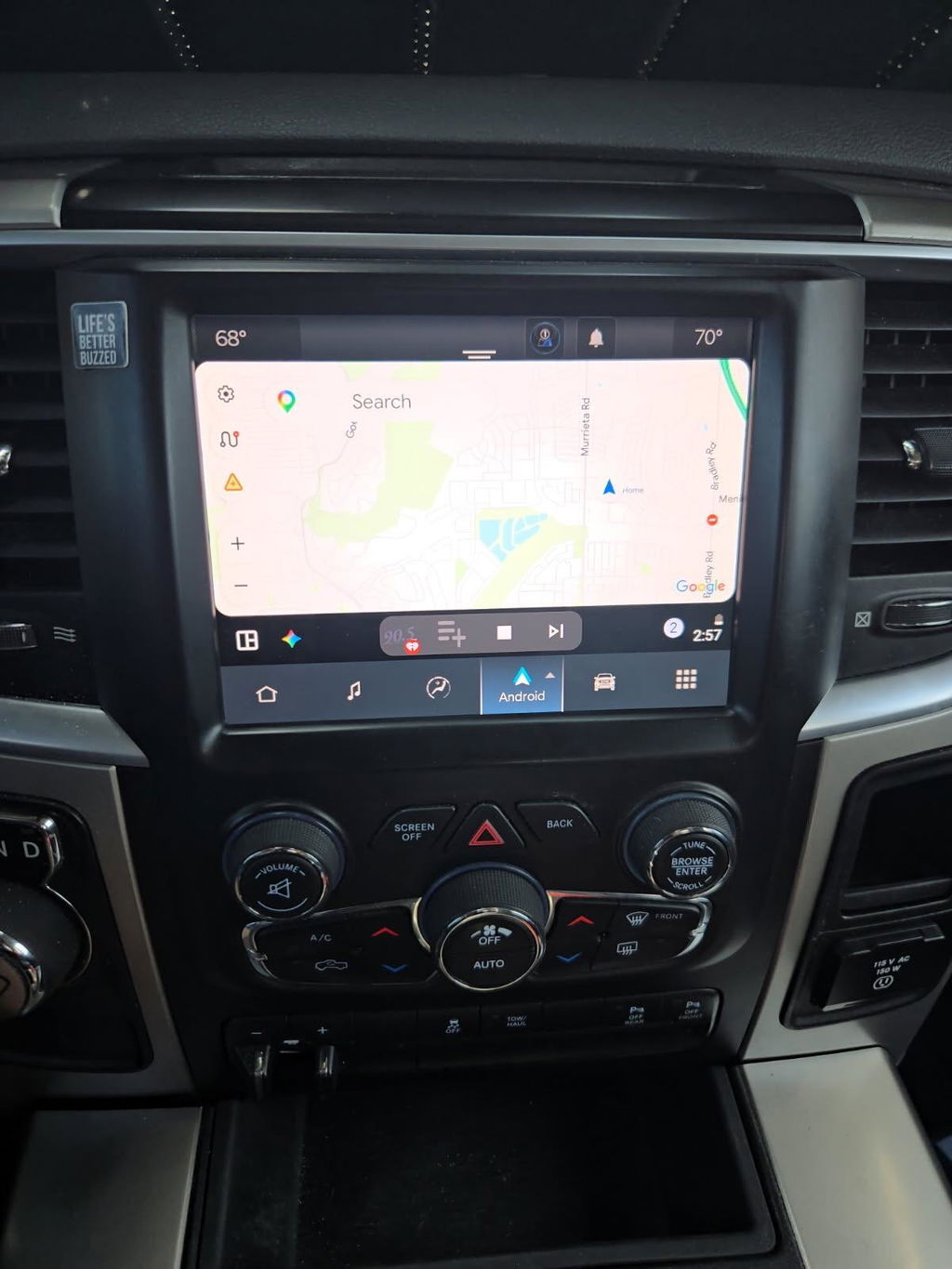
The strongest case for an automatic programmer is an OEM upgrade where physical installation is only half the job. A Uconnect 5 touchscreen conversion is a good example. You may have the correct screen, bezel, modules, and harnessing, but the truck can still need configuration for features such as camera operation, steering-wheel buttons, screen functions, or vehicle settings to work correctly.
The same applies to digital cluster conversions and select remote start upgrades. Ram platforms vary by generation, trim level, original equipment, and model year. A programmer helps account for those differences when it is matched to the exact kit and intended feature set.
The value is not just convenience. Correct programming can reduce the risk of common post-install problems, including:
- Features that appear in the menu but do not function
- Warning messages or module communication faults
- Backup camera, audio, or steering-wheel control issues
- Incorrect vehicle configuration after an OEM component swap
The Main Benefit: OEM-Style Integration
Truck owners often choose OEM-based upgrades because they want modern features without turning the dashboard into an aftermarket experiment. A properly matched programmer supports that objective.
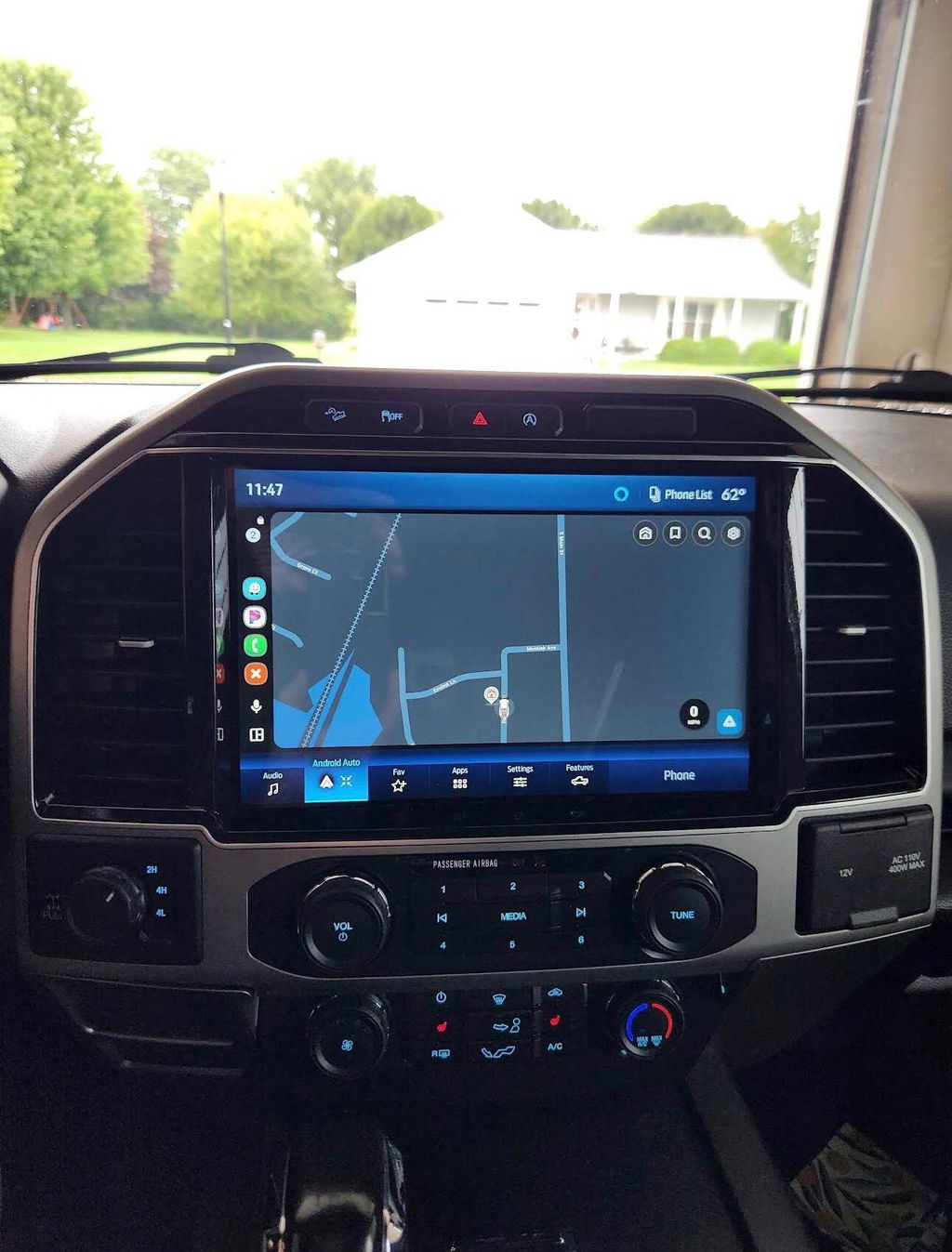
With an OEM-style Uconnect upgrade, for example, you are preserving the factory layout, vehicle menus, and integrated controls while moving to newer technology such as wireless Apple CarPlay and Android Auto on compatible systems. The programmer is part of the process that keeps the conversion focused on factory-level functionality rather than a separate touchscreen with its own interface, wiring, and compromises.
This approach is especially appealing for daily-driven Ram 1500 and Heavy Duty trucks. You can improve the cabin experience while maintaining the controls you use for towing, camera views, climate settings, and vehicle configuration. For owners who use their trucks for work, trailering, off-road travel, or family duty, that level of integration matters more than a flashy universal head unit.
Fitment Matters More Than the Programmer Brand
The most useful Ram programmer is not necessarily the one with the longest feature list. It is the one built or supplied for your exact application. Fitment should come before price, and it should be checked before you order any electronic upgrade.
Start with the truck's model year, model, trim, original radio or cluster configuration, and the options currently installed. Ram 1500 Classic, fifth-generation Ram 1500, and Heavy Duty trucks do not all use the same architecture or components. A 2018 truck can differ significantly from a 2019 truck, even when the dash layout looks similar.
You should also identify the part numbers and system version of the equipment being installed whenever possible. Factory screens, clusters, and modules may look alike but use different connectors, software generations, or feature support. A programmer cannot make incompatible hardware become compatible.
This is the primary trade-off with OEM upgrades. They provide a cleaner result than generic alternatives, but they demand more attention to model-year-specific fitment. That is not a drawback when the kit is properly matched. It is the reason the finished upgrade can retain a factory appearance and function.
Questions to Answer Before Ordering
Confirm whether your truck has the original radio, whether it has a factory backup camera, and whether the intended upgrade includes all required modules, harnesses, and programming. If you are adding remote start, verify that the application supports your truck's trim and existing key or start-button setup.
Also ask whether programming is included with the kit, required separately, or only necessary for certain configurations. A clear answer upfront is better than discovering after installation that a component needs additional setup.
Installation Expectations
An automatic programmer is designed to make an installation more straightforward, not to make compatibility irrelevant. Follow the supplied instructions in order, use a stable vehicle battery, and do not interrupt the process once programming begins. Low voltage or disconnecting equipment during module communication can create avoidable problems.
For a confident DIY owner, an OEM-style kit can be a practical weekend upgrade when the application is clearly defined. The work usually involves removing trim, disconnecting the battery when instructed, installing the correct components, reconnecting the system, and completing the required programming steps.
If you are not comfortable working around vehicle electronics, an experienced installer is a smart choice. This is particularly true for a multi-part infotainment or digital cluster conversion. The parts may be plug and play, but care still matters. Damaged trim, bent connectors, or skipped steps can turn a straightforward project into a longer diagnostic job.
The best installations are planned before the first panel comes off. Check the full kit contents, read the instructions, and make sure you have enough time to complete the work without rushing.
Limits to Keep in Mind
A Ram programmer should be viewed as a purpose-built configuration tool, not a universal solution for every feature request. It cannot add hardware that is not installed, bypass incompatible components, or guarantee that every option from a higher trim can be activated on a lower-trim truck.
Some factory features rely on specific antennas, sensors, cameras, modules, switches, or wiring that may not be present on your truck. Wireless phone integration, for example, depends on the radio system and compatible supporting hardware. Remote start may require components beyond a setting change. Digital cluster features can be limited by the source cluster and the truck's original options.
There is also a difference between a feature functioning and a feature functioning exactly like it did on a top-trim factory build. Before buying, set expectations around the features that are included, supported, and programmed for your specific vehicle.
Is a Ram Programmer Worth Buying?
For an OEM radio, cluster, or remote-start upgrade that calls for configuration, yes. The programmer is worth it because it protects the value of the larger investment. Buying quality factory-style components and then skipping the required setup is a false economy.
For a simple accessory that does not communicate with factory modules, probably not. There is no reason to pay for programming when the product is designed to operate independently. This is why vehicle-specific product information matters: the right answer changes with the kit, the truck, and the intended outcome.
DD Offroad focuses on OEM Genuine Components and vehicle-specific upgrade solutions because that makes the decision process clearer. Instead of combining unrelated electronics and hoping they cooperate, you can select an application built around the Ram platform and its factory systems.
Before you choose a programmer, treat your truck's VIN-level details, original equipment, and desired feature set as part of the purchase. The right configuration tool should feel like the final step in a properly matched upgrade - not a gamble after the parts arrive.