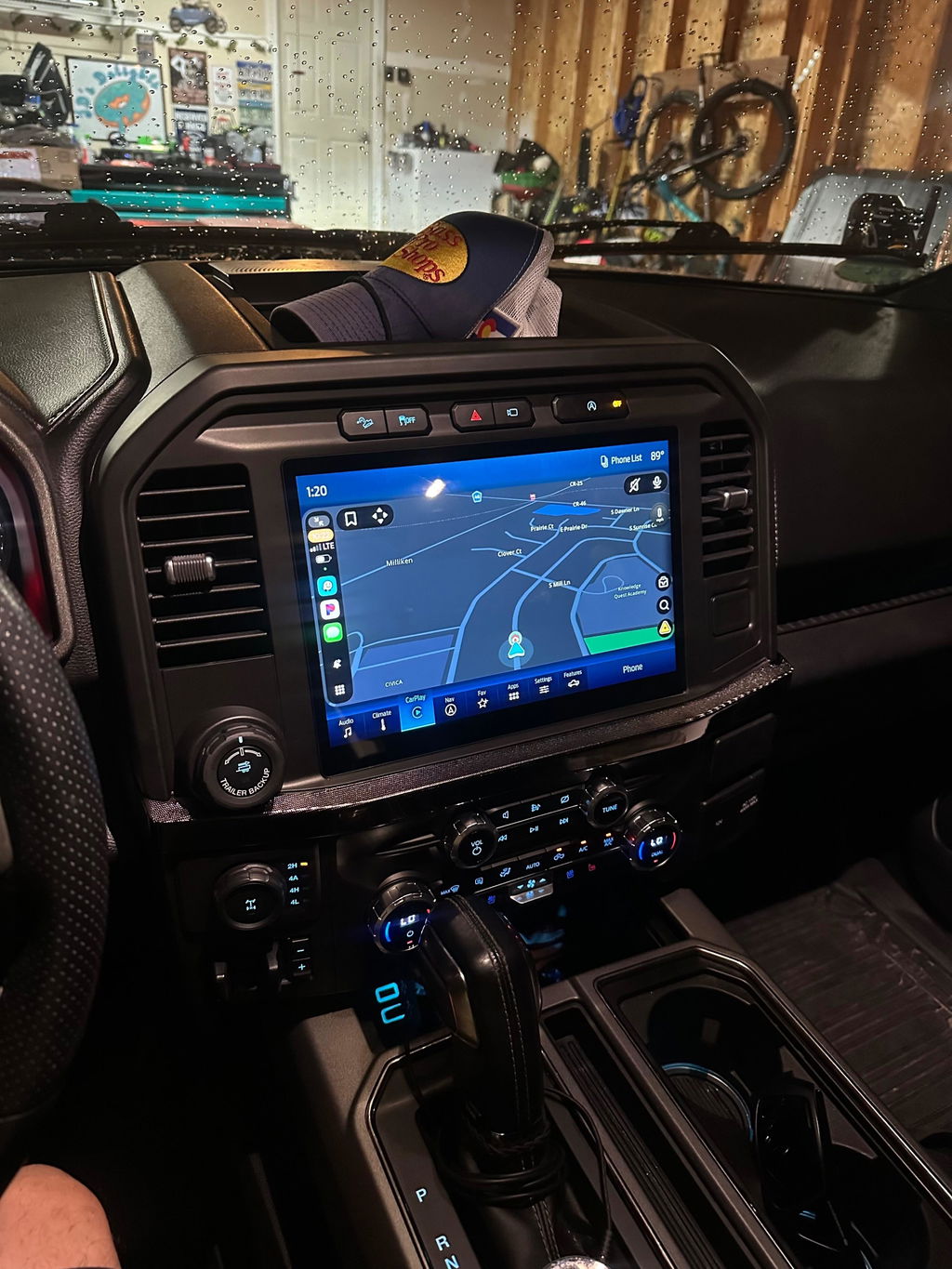
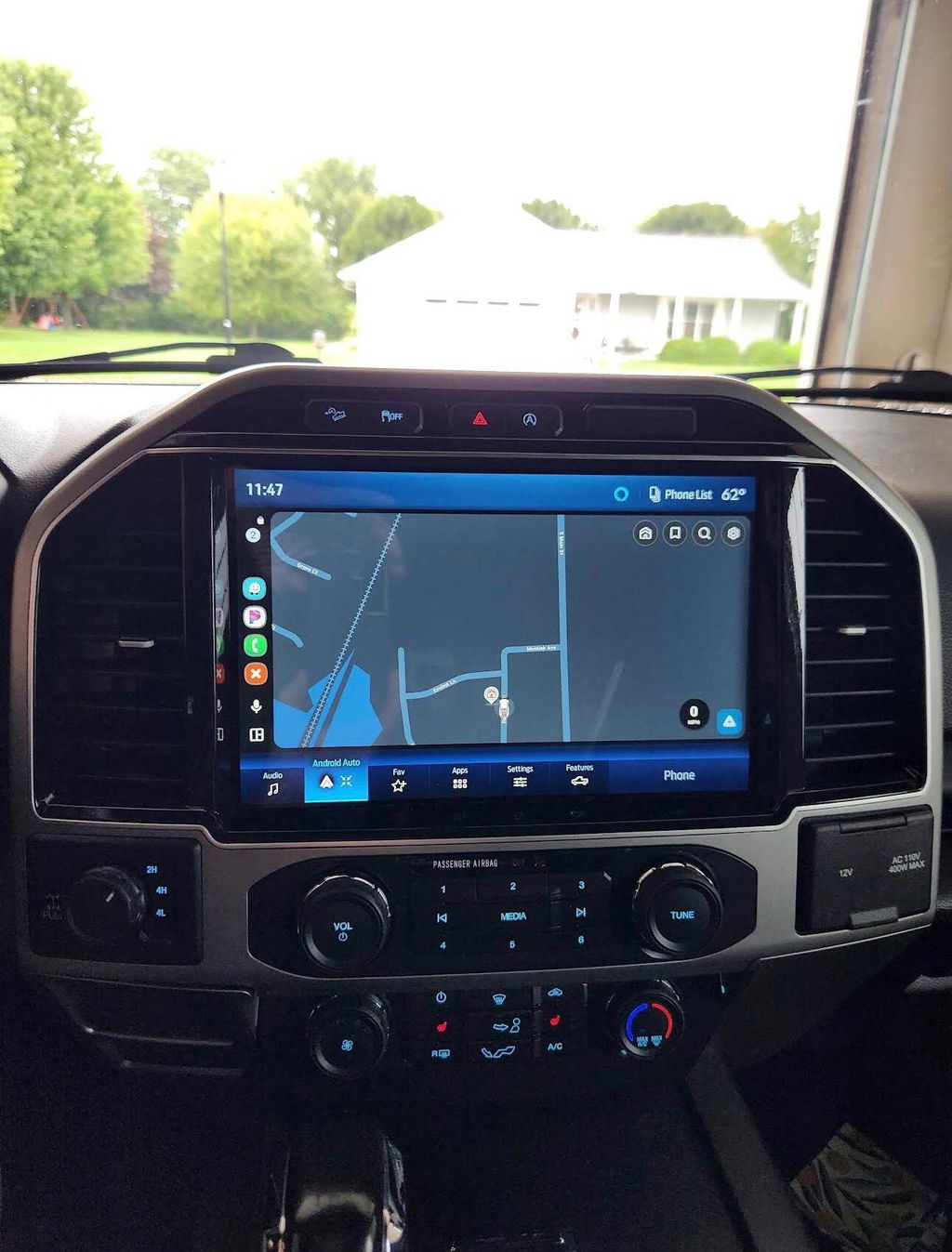
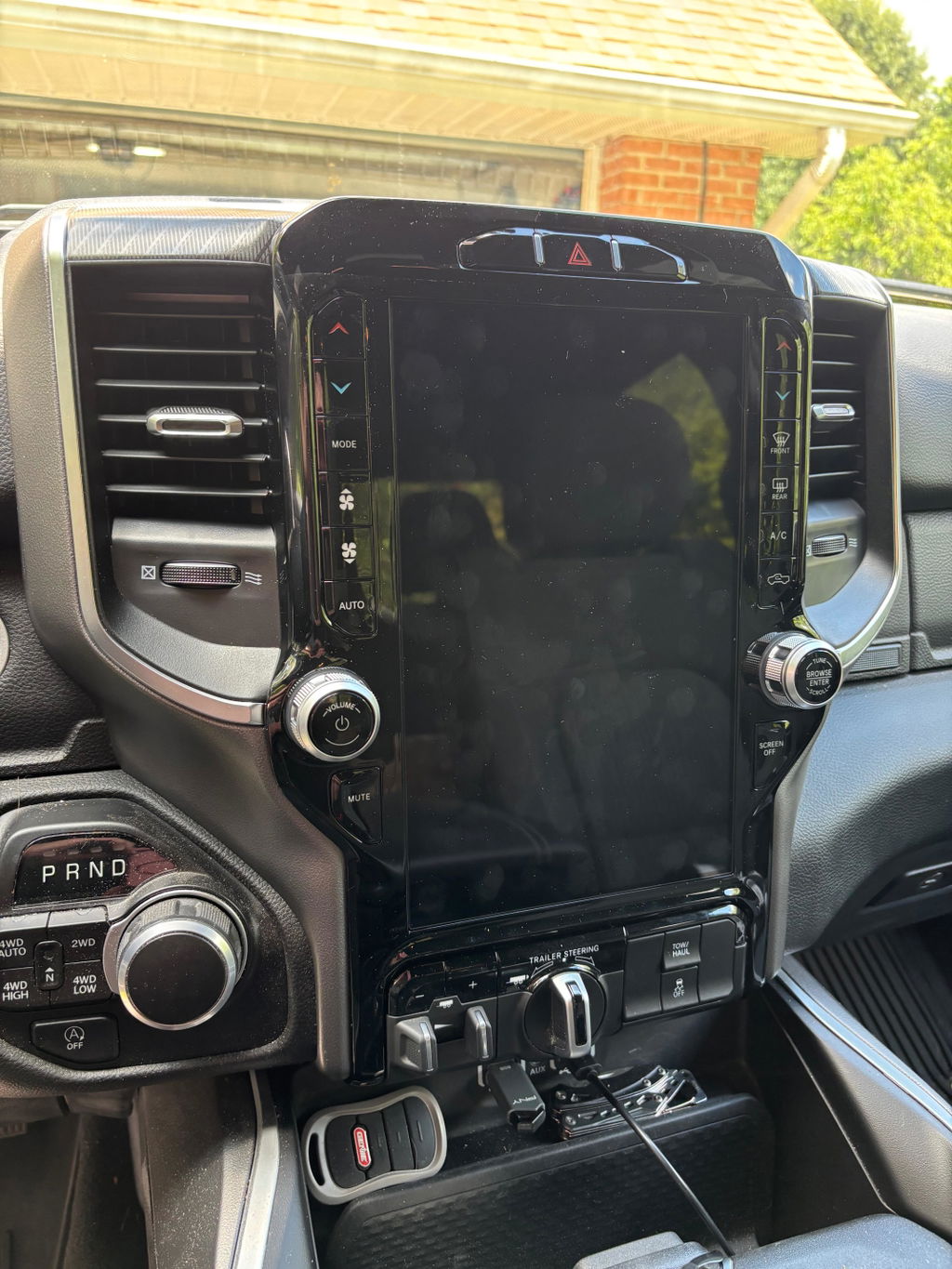
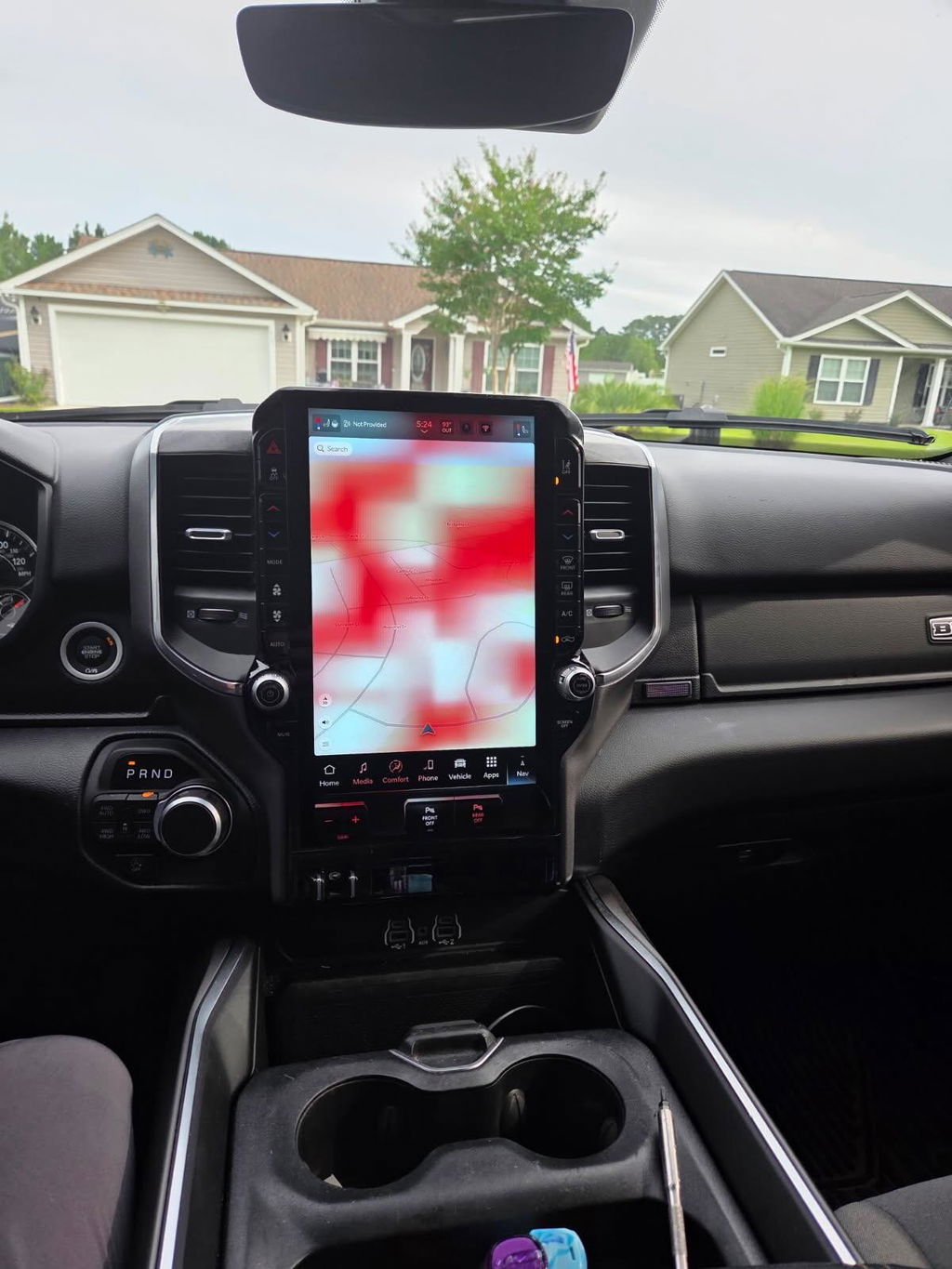
Maverick Infotainment Upgrade Kit: What to Know
Share
A small screen gets old fast when you spend real time in your truck. If you are looking at a maverick infotainment upgrade kit, the goal usually is not just a bigger display. It is better factory-style function, cleaner integration, and features your truck should have had from the start.
That distinction matters. On the Ford Maverick, infotainment upgrades can either feel like a smart OEM-based improvement or like an electronic compromise you regret every time you start the truck. The difference comes down to fitment, compatibility, and how well the system works with the rest of the vehicle.
Why a Maverick infotainment upgrade kit makes sense
The Maverick is practical by design, and that is part of why owners upgrade it so often. It is a truck people actually use - commuting, hauling gear, running trails, and covering long highway miles. When the factory screen feels basic or limited, you notice it every day.
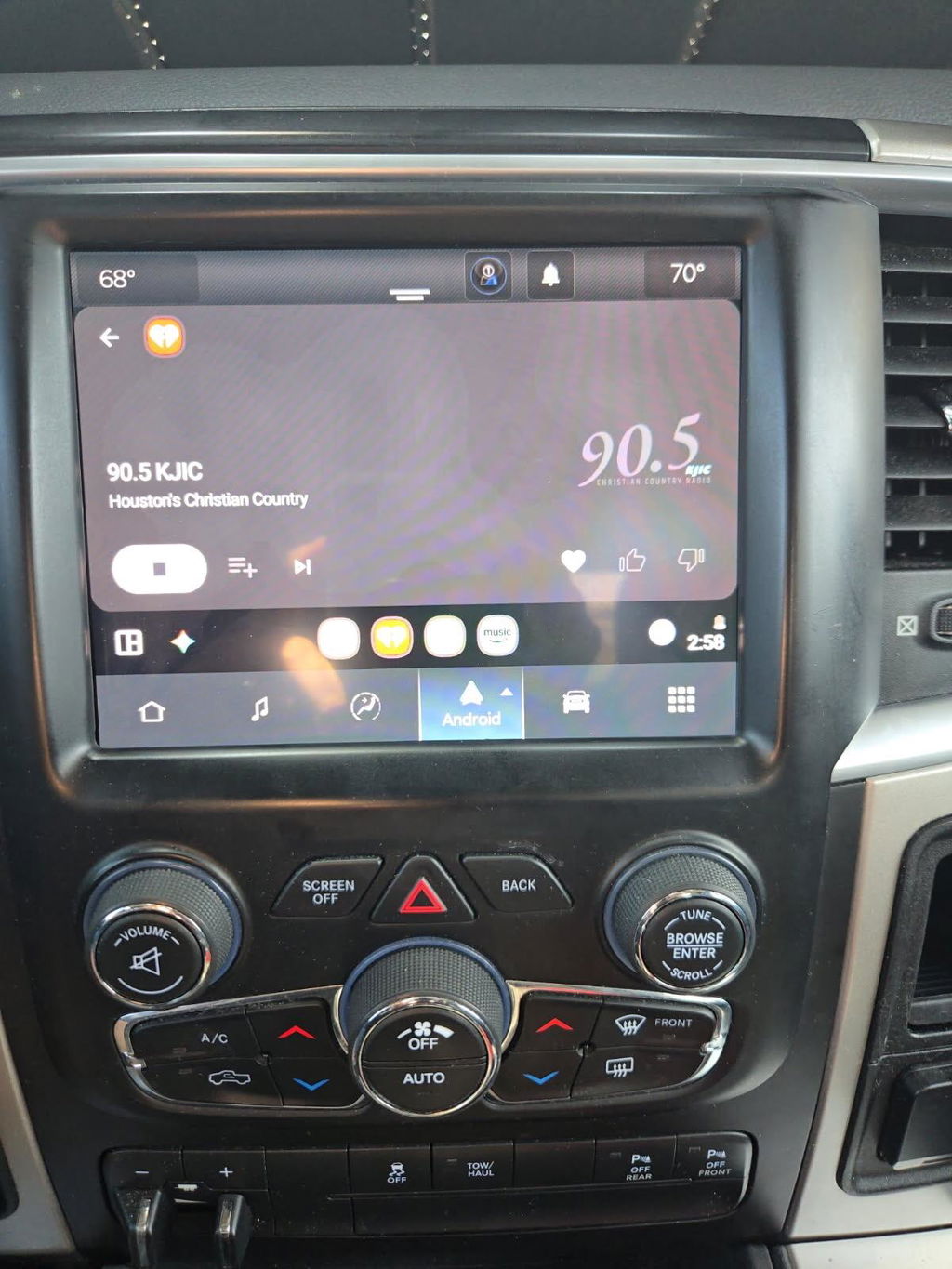
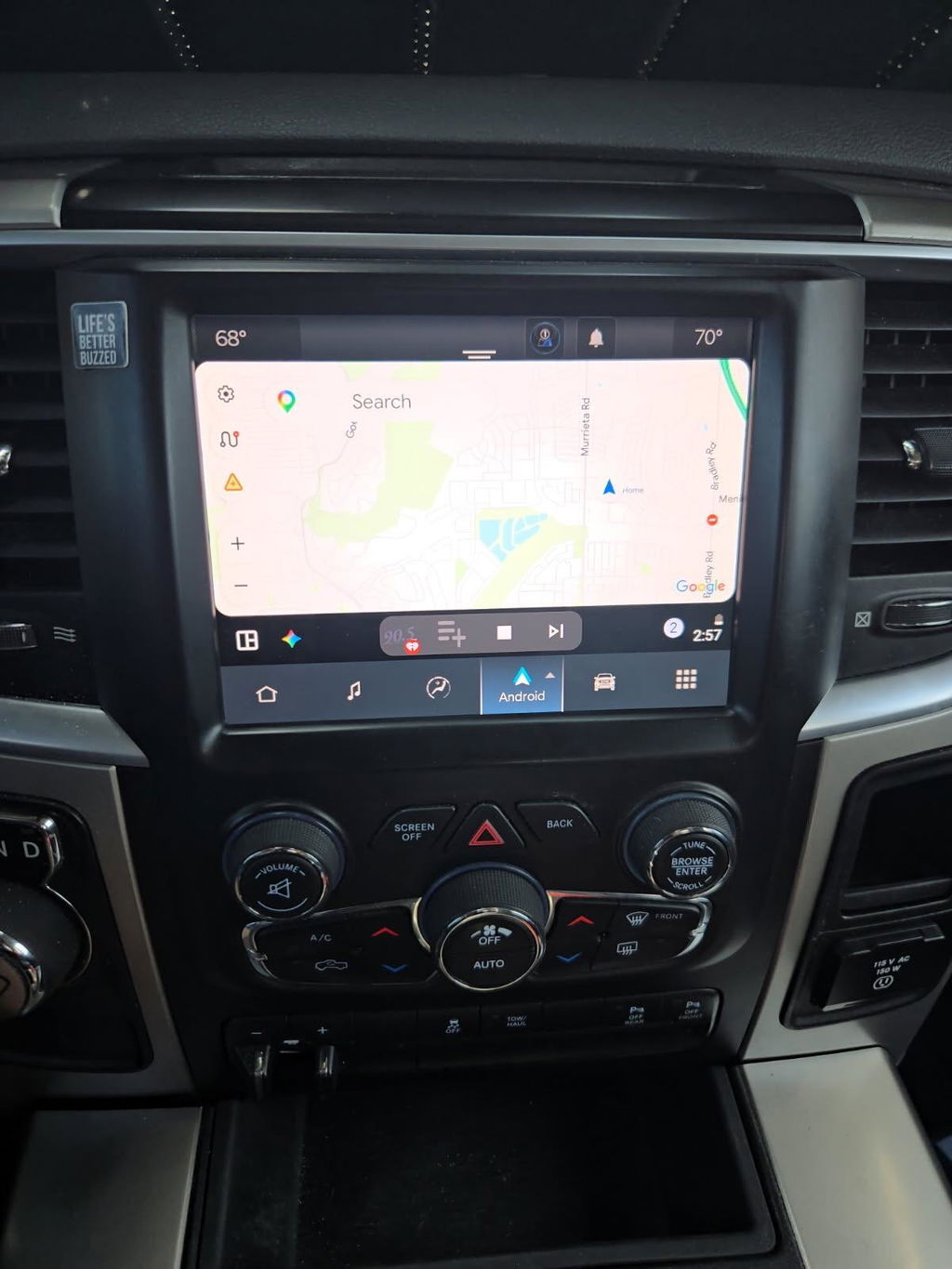
A proper upgrade solves more than appearance. It can add a more modern touchscreen layout, improve responsiveness, bring in wireless Apple CarPlay and Android Auto on the right setup, and create a cabin that feels closer to a higher-trim truck. For many owners, that is the real value. You are not chasing flashy aftermarket styling. You are correcting a weak point in an otherwise capable platform.
There is also the resale and ownership side of it. Factory-style upgrades tend to age better than universal aftermarket head units. They look right, they fit the dash correctly, and they do not advertise themselves as an add-on every time someone sits in the truck.
OEM-based kit vs generic aftermarket radio
This is where buyers either save themselves a headache or create one.
A generic aftermarket radio can look cheaper up front, but the total cost is rarely just the screen. You usually end up adding harnesses, interfaces, trim pieces, adapters, programming, and troubleshooting time. Even then, some factory functions may work poorly or not at all. Steering wheel controls, vehicle settings, backup camera behavior, warning chimes, and microphone quality are common problem areas.
An OEM-based Maverick infotainment upgrade kit is built around the truck, not around a universal chassis opening. That means the parts, connectors, and functions are intended to work together in a more factory-correct way. For buyers who care about reliable operation, that is a major advantage.
There is a trade-off, though. OEM-based systems are usually not the cheapest option on paper. If your only priority is getting any larger screen into the dash for the lowest possible spend, a universal aftermarket setup may still appeal to you. But for most Maverick owners who want clean integration and long-term usability, plug-and-play OEM-style kits are the better buy.
What to check before buying a Maverick infotainment upgrade kit
Fitment is everything. Model year, trim level, factory screen size, and original equipment package all matter more than many buyers expect.
The first thing to confirm is your current factory configuration. Not every Maverick starts with the same hardware, and that affects what can be upgraded directly. Screen size, factory media hub setup, climate control integration, and whether the truck already has certain communication modules can change the parts required.
Next, look at feature retention. A good kit should preserve the factory systems you already use, not force you to give them up for a larger display. That includes steering wheel controls, backup camera functionality, USB behavior, Bluetooth performance, and any menu-driven vehicle settings tied to the original screen.
You also want clarity on whether programming is included or required. Some upgrades are truly plug and play. Others still need module configuration to function correctly in the truck. Neither approach is automatically bad, but the product needs to be honest about it. Buyers get into trouble when they assume every kit installs the same way.
Finally, pay attention to component quality. OEM Genuine Components matter because the screen is only one part of the system. The harnesses, modules, trim, and software compatibility all determine whether the upgrade feels factory or feels patched together.
Features that actually matter
A bigger screen gets attention, but daily use is what should drive the purchase.
Wireless Apple CarPlay and Android Auto are high on the list because they change how the truck feels every single trip. Getting in, starting the truck, and having navigation, calls, messages, and music available without plugging in is the kind of upgrade you notice immediately.
Touch response is another factor buyers underestimate. An infotainment system can look modern in photos and still feel slow in real use. If the interface lags, menus are clunky, or the display quality is poor, the upgrade loses value fast.
Factory integration is just as important as the screen itself. If climate information, cameras, steering controls, and system settings behave properly, the truck feels complete. If those functions become inconsistent, the upgrade starts to feel like a workaround.
That is why factory-style kits tend to stand apart from off-brand alternatives. The best upgrades do not just add features. They preserve the truck’s normal behavior while improving the parts you interact with most.
Installation expectations
Most buyers want plug-and-play because they do not want to cut wires, fabricate mounts, or spend a weekend chasing electrical issues. That is a reasonable expectation, but it still helps to be realistic.
Plug and play does not always mean five-minute install. It usually means the kit is designed for the vehicle, uses the correct connectors, and avoids the kind of custom work universal systems often require. You may still need to remove dash panels carefully, swap modules, route certain connections, and verify that the truck recognizes the new hardware properly.
If you are comfortable with interior trim removal and basic vehicle electronics, many OEM-style kits are manageable. If not, a professional installer can still make sense, especially if you want the job done once and done right. The advantage is that a vehicle-specific kit gives the installer a cleaner starting point than a pile of universal components.
Cost, value, and where people misjudge the purchase
A Maverick infotainment upgrade kit is easy to price incorrectly if you only compare screen-to-screen. The better comparison is total installed value.
A lower-cost aftermarket radio setup may require extra parts, extra labor, and extra compromise. By the time you fix fitment issues, restore missing functions, and deal with poor interface quality, the bargain often stops looking like one.
An OEM-based kit usually costs more because it is solving for compatibility, appearance, and factory operation at the same time. That is the value proposition. You are paying for a cleaner result, fewer variables, and features that behave like they belong in the truck.
For owners who plan to keep the Maverick, that usually makes sense. For someone flipping a vehicle quickly or building on the absolute tightest budget, it may not. It depends on whether you care more about short-term price or long-term satisfaction.
Who should buy one and who should wait
If you use your Maverick daily, rely on navigation and phone integration, and want the cabin to feel more premium without going full custom, this upgrade is easy to justify. The truck becomes more pleasant to live with, and the result typically looks right in the dash.
If your current system already does everything you need and the screen size does not bother you, there is no reason to force the purchase. Not every truck needs every upgrade. The right time to buy is when missing features are affecting how you use the vehicle, not just when you want a new part for the sake of it.
That practical mindset is why buyers gravitate toward vehicle-specific OEM upgrade retailers like DD Offroad. The appeal is simple - exact-fit solutions, OEM Genuine Components, Plug and Play design, Competitive Pricing, and Free Shipping are easier to trust than gambling on a universal electronics bundle.
Choosing the right Maverick infotainment upgrade kit
The best kit is the one that matches your exact truck and your actual expectations. Not every owner needs the same screen, the same features, or the same installation path. What matters is getting a system that fits your model year, retains the functions you care about, and feels factory once it is installed.
That is the part worth slowing down for. A clean OEM-style upgrade can make the Maverick feel noticeably newer every time you drive it. If the kit is truly built around compatibility rather than marketing, you will feel the difference long after the box is gone.