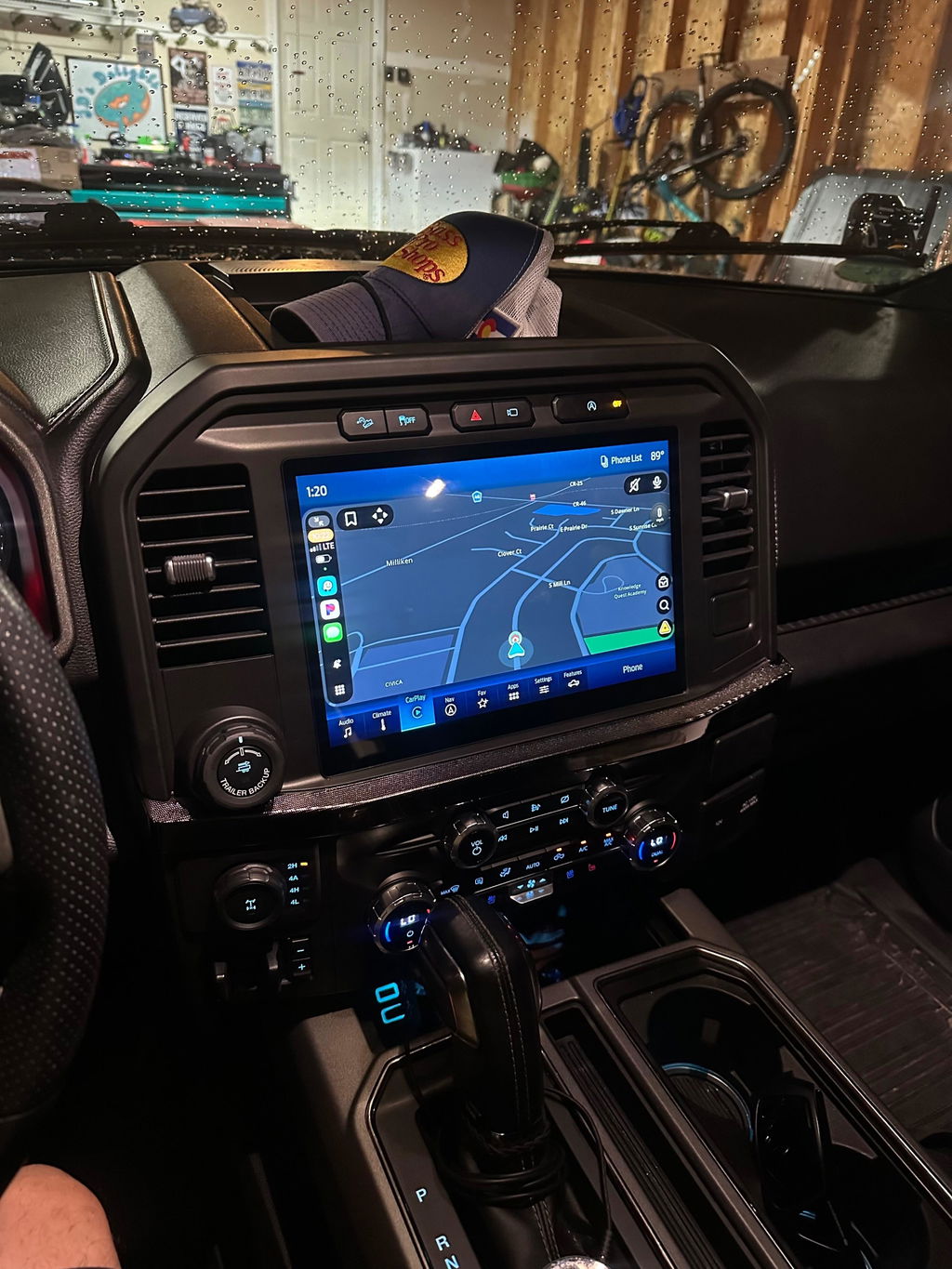
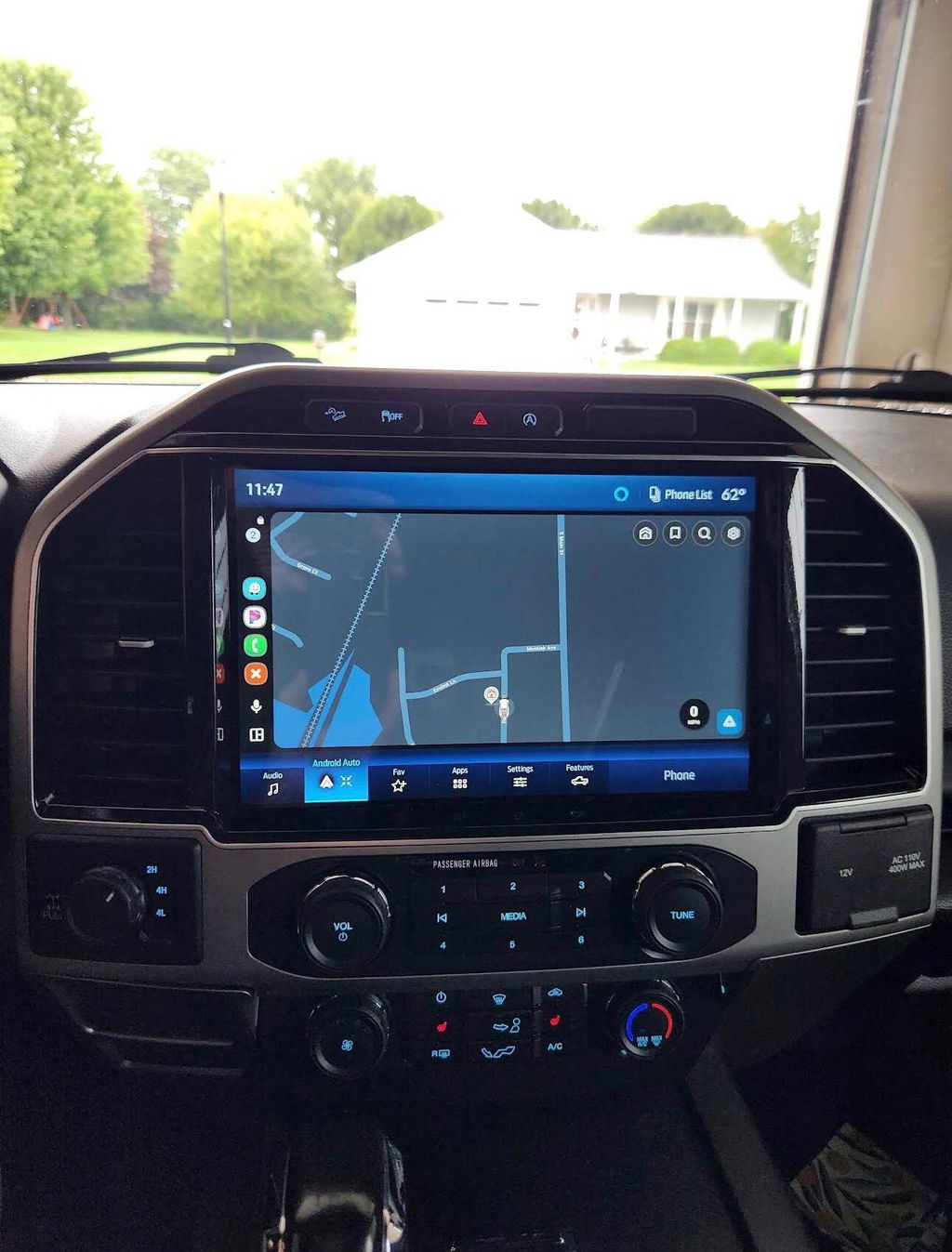
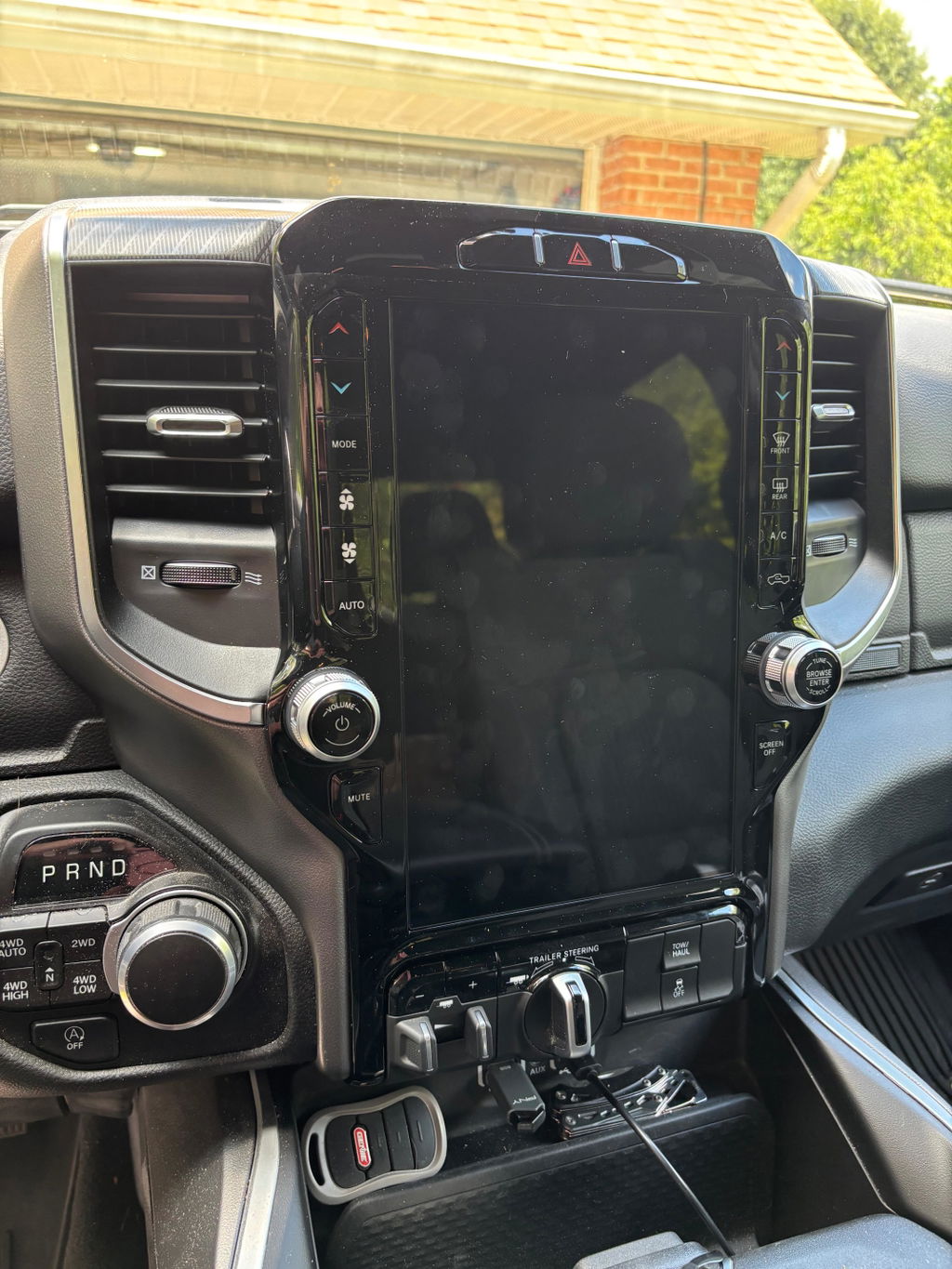
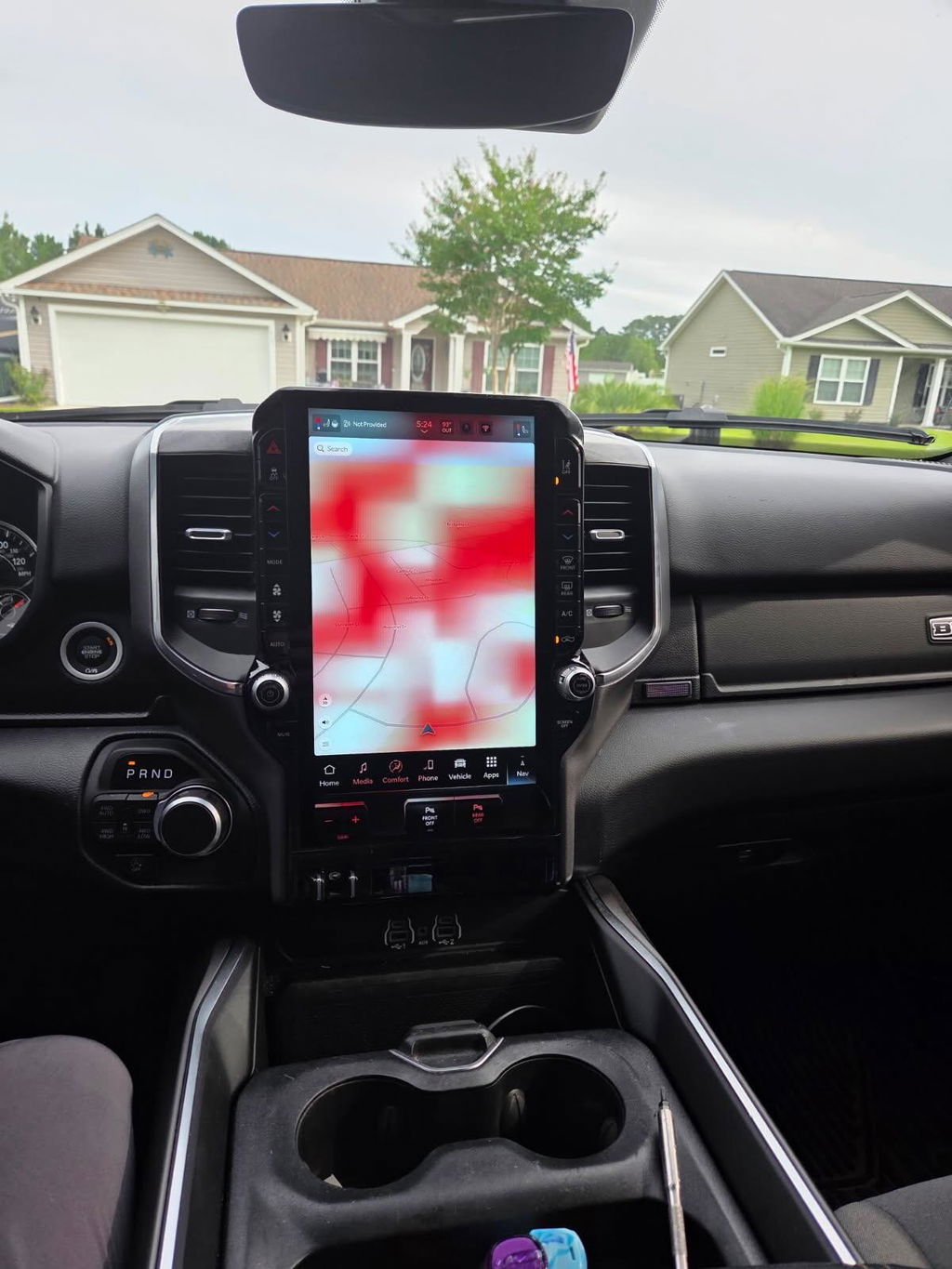
How to Retrofit Remote Start the OEM Way
Share
A cold morning is a bad time to find out your truck was built without remote start. The good news is that many Ram, Ford, Jeep, Dodge, and Chrysler vehicles can be upgraded with a factory-style system. Learning how to retrofit remote start starts with one rule: buy for your exact vehicle configuration, then make sure the vehicle is programmed to recognize the added equipment.
A remote-start retrofit is not simply a key fob with an extra button. On late-model trucks and SUVs, the body control module, security system, hood switch, antenna hardware, and key fob communication all have a role. The cleanest result comes from OEM Genuine Components or an OEM-based, vehicle-specific kit that works with the electronics already in your vehicle.
How to Retrofit Remote Start Without Universal Wiring
Universal remote-start systems can work, but they often require splicing ignition, brake, lock, and data wires. That may be acceptable for a custom build, but it is not the first choice for owners who want factory operation, clean wiring, and fewer compatibility questions.
An OEM-style retrofit is built around your truck's factory architecture. Depending on the platform and model year, the kit may use an updated factory key fob, an antenna or receiver, a hood-ajar switch, a harness, and programming support. When the correct components are installed and activated, the system should operate like an original factory option: typically by pressing the lock button and then the remote-start button on the fob.
That factory-style approach matters beyond convenience. It preserves the vehicle's normal safety logic. The engine should not remote start with the hood open, and it should shut down if the brake pedal is pressed before a valid key is present. Those are not features to bypass. They are part of a proper installation.
Start With Fitment, Not the Parts Cart
The biggest mistake in a remote-start retrofit is ordering by vehicle name alone. “Ram 1500 remote start” is not enough information. A 2014 Ram 1500, a 2019 Ram 1500 Classic, and a 2019 all-new-body Ram 1500 can use different electronics and programming paths. Ford trucks have similar differences across F-150, Super Duty, model year, trim, and key style.
Confirm the year, model, body style, trim, engine, and whether the vehicle has push-button start or a traditional keyed ignition. Also check whether it already has any remote-start-related hardware. Some vehicles were built with part of the required equipment but were not enabled for remote start. Others need additional hardware before programming can be completed.
The VIN is the most reliable starting point. It identifies build information that can affect module compatibility, key fob type, and available factory options. If you are buying a plug-and-play kit, verify its listed model years and platform details against your VIN before placing the order. A kit that is correct for a similar truck may still be wrong for yours.
Identify Your Current Key Fob and Start System
Look closely at your existing key fob. Count the buttons, note the layout, and determine whether the vehicle uses a physical key blade, proximity fob, or separate key and fob. Factory remote-start fobs often look nearly identical to standard fobs, except for the circular-arrow remote-start icon.
Do not assume an online fob is ready to use because it has that icon. The fob must match the vehicle's frequency, security system, and part number range. It also needs to be programmed to the vehicle. A mismatched fob can leave you with a non-functioning remote-start button or, worse, a key that cannot be properly enrolled.
The Components a Proper Retrofit May Need
The exact bill of materials depends on the vehicle, but a complete OEM-based retrofit commonly involves more than one part. The remote-start-capable key fob is the piece you see every day, yet it is often only one part of the system.
Your truck may also require a compatible radio-frequency hub or antenna, a hood latch or hood-ajar switch, a vehicle-specific harness, and module configuration. Some platforms use existing hardware and only need a fob plus programming. Others require hardware additions because the truck was not built with the remote-start option.
Avoid building a kit from random part numbers unless you have confirmed each part against factory documentation or a vehicle-specific application guide. A low-priced fob is not a complete system. The value of a matched kit is that the components are selected to work together, reducing guesswork and preventing unnecessary wiring changes.
Installation: Keep It Factory-Clean
Before installing anything, disconnect the negative battery terminal when the procedure calls for it and follow the service instructions for your vehicle. Interior trim panels, rear cab trim, dashboards, and hood-latch areas can contain clips that break easily when rushed. Use the right trim tools and take your time.
A plug-and-play harness should connect at factory-style connectors rather than requiring wire cuts. Inspect every connector before assembly. Bent terminals, partially seated plugs, and harnesses routed near moving pedals or sharp metal edges can create problems that are difficult to diagnose later.
If the retrofit includes a hood switch or hood-latch component, verify that the vehicle recognizes hood-open and hood-closed status before testing remote start. This safety input is a common reason a newly installed system will not start the engine. The vehicle is doing what it is supposed to do if it believes the hood is open.
For owners comfortable with trim removal and basic electrical work, many vehicle-specific kits are manageable driveway projects. Programming and key enrollment are where the job can become more technical. If you do not have the correct scan tool, programming device, or experience with immobilizer procedures, use a qualified installer. Saving an hour of labor is not worth disabling a vehicle or creating a no-start condition.
Programming Is What Makes the Retrofit Work
Hardware installation alone does not tell the truck it has remote start. The body control module or related modules may need to be configured with the correct option setting. On some vehicles, this is done with a dealer-level scan tool. On others, a compatible programmer can apply the required configuration and complete key fob enrollment.
Programming requirements vary by platform. A Ram may need a sales-code or feature configuration change, while another vehicle may require a different module routine. This is why a remote-start kit should clearly state whether programming is included, required separately, or only supported on certain model years.
After programming, test the system in a controlled location outdoors. Lock the vehicle, activate remote start using the correct fob sequence, and confirm the parking lights, engine operation, climate behavior, and shutdown functions. Check that the engine stops when the hood is opened and that it behaves correctly when you enter the vehicle and press the brake with the valid key present.
What Remote Start Will and Will Not Do
Factory remote start is designed to warm or cool the cabin before you get in, but the final result depends on your truck's existing HVAC system. Many vehicles resume the last climate-control settings. Others use automatic climate logic based on outside temperature. Heated seats, heated steering wheels, rear defrost, and ventilated seats may activate automatically only if the vehicle was equipped and configured for those features from the factory.
Remote start does not add heated seats or automatic climate control to a truck that does not already have the necessary hardware. It also will not run indefinitely. Factory systems use a timed run cycle and will shut down under specific conditions. That is normal operation, not a failure.
Range also depends on the type of system. Standard OEM fob remote start is convenient but has limited practical range around buildings, terrain, and radio interference. If long-distance control from a phone is your goal, that is a separate connected-services question. Confirm what your vehicle and subscription package support before expecting app-based starting from a fob retrofit.
Common Reasons a Retrofit Does Not Start
When remote start fails, start with the basics instead of replacing parts. Confirm that all doors, liftgate, and hood are fully closed, the check-engine light is not on, the fuel level is adequate, and the vehicle is locked. Many factory systems intentionally block remote start when there is an active fault code or a safety condition.
Next, verify the fob battery and button sequence. Then confirm that the correct fob was enrolled and that the vehicle's configuration was successfully written. If hardware and programming both check out, inspect the hood switch signal and connector seating. These simple checks resolve a large share of no-start complaints.
A remote-start retrofit should make your truck more useful, not turn it into a wiring project. Choose a model-year-specific OEM-based kit, verify fitment before ordering, and treat programming as part of the installation. That is how you get factory-style cold-weather convenience with the clean operation your truck deserves.