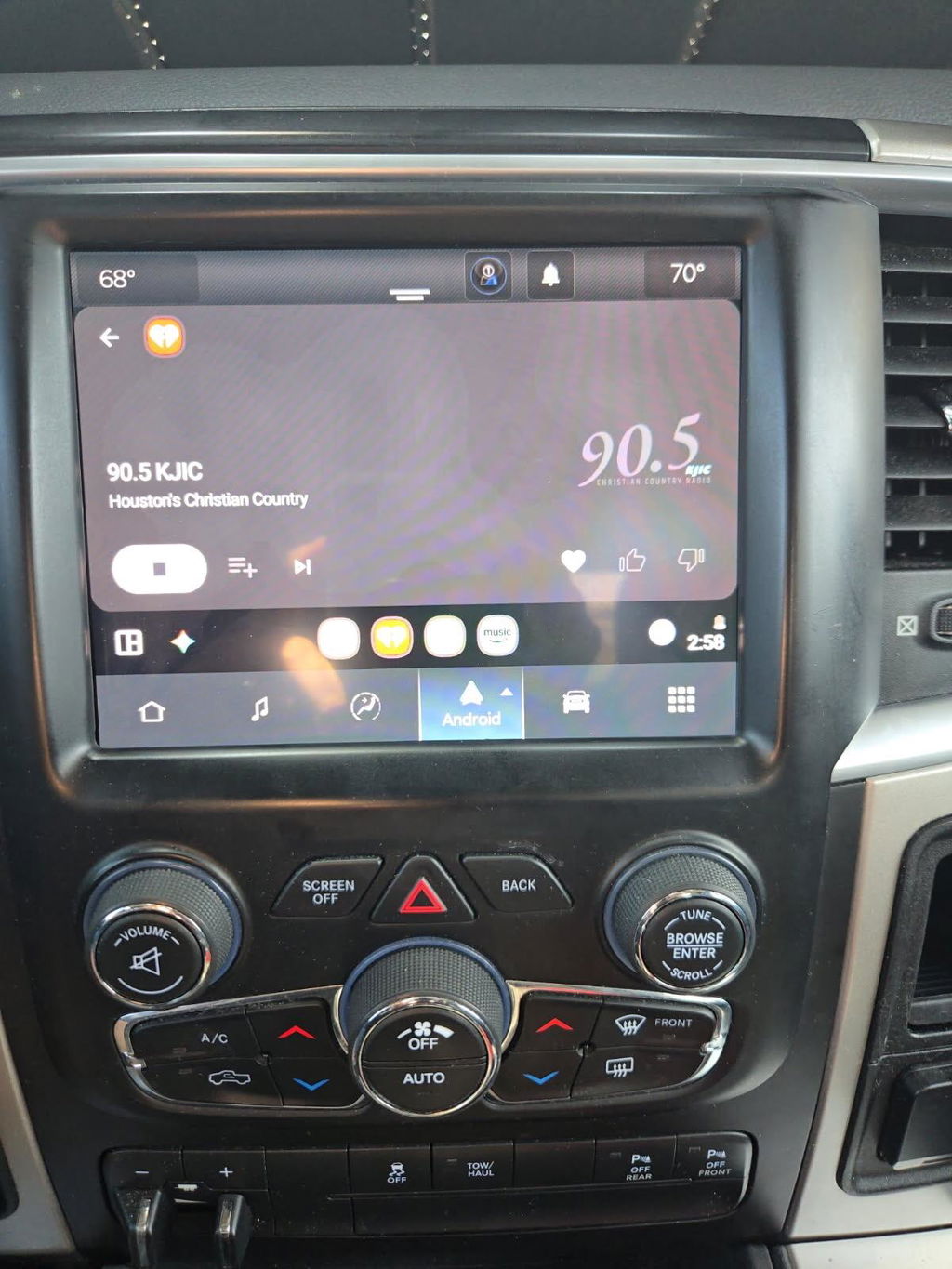
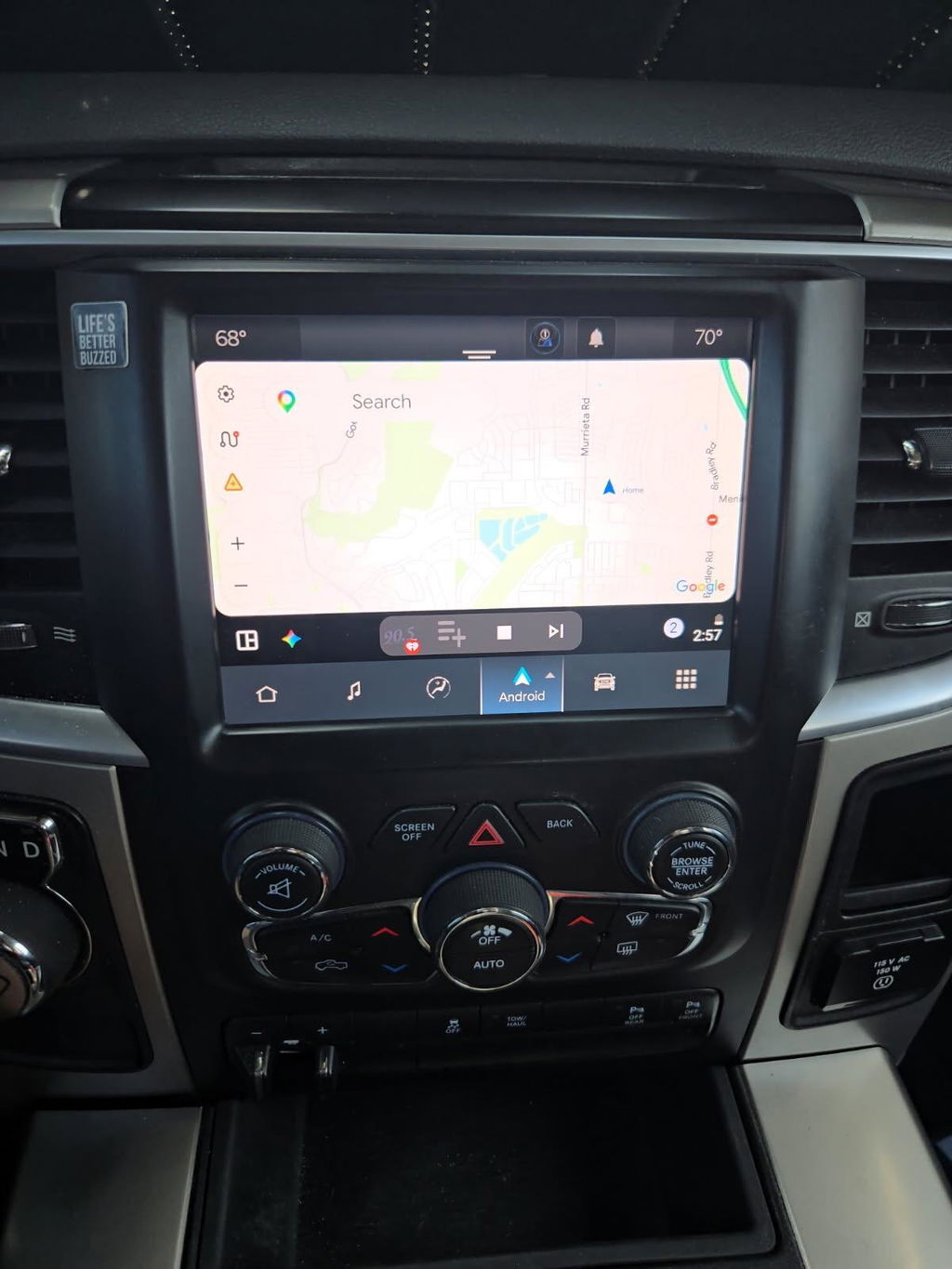
Factory Style Truck Stereo Upgrade Options
Share
A factory style truck stereo upgrade should not make your dash look modified, create warning lights, or leave you guessing which steering-wheel controls still work. The right upgrade brings your truck forward with a larger OEM screen, current software, and smartphone integration while keeping the fit, finish, and core functions your vehicle was built with.
For Ram and Ford owners, that usually means choosing a vehicle-specific OEM-based kit instead of forcing a universal radio into an opening it was never designed to fill. The difference is more than appearance. It affects installation time, feature retention, resale value, and how confidently you can use the system every day.
What Factory Style Actually Means
“Factory style” gets used loosely in the truck audio market. A screen that fills the dash opening is not automatically factory style. A true factory-style upgrade is built around the vehicle’s original architecture: the correct screen size and bezel, OEM-style connectors, compatible modules, and programming appropriate for the truck’s year and equipment.
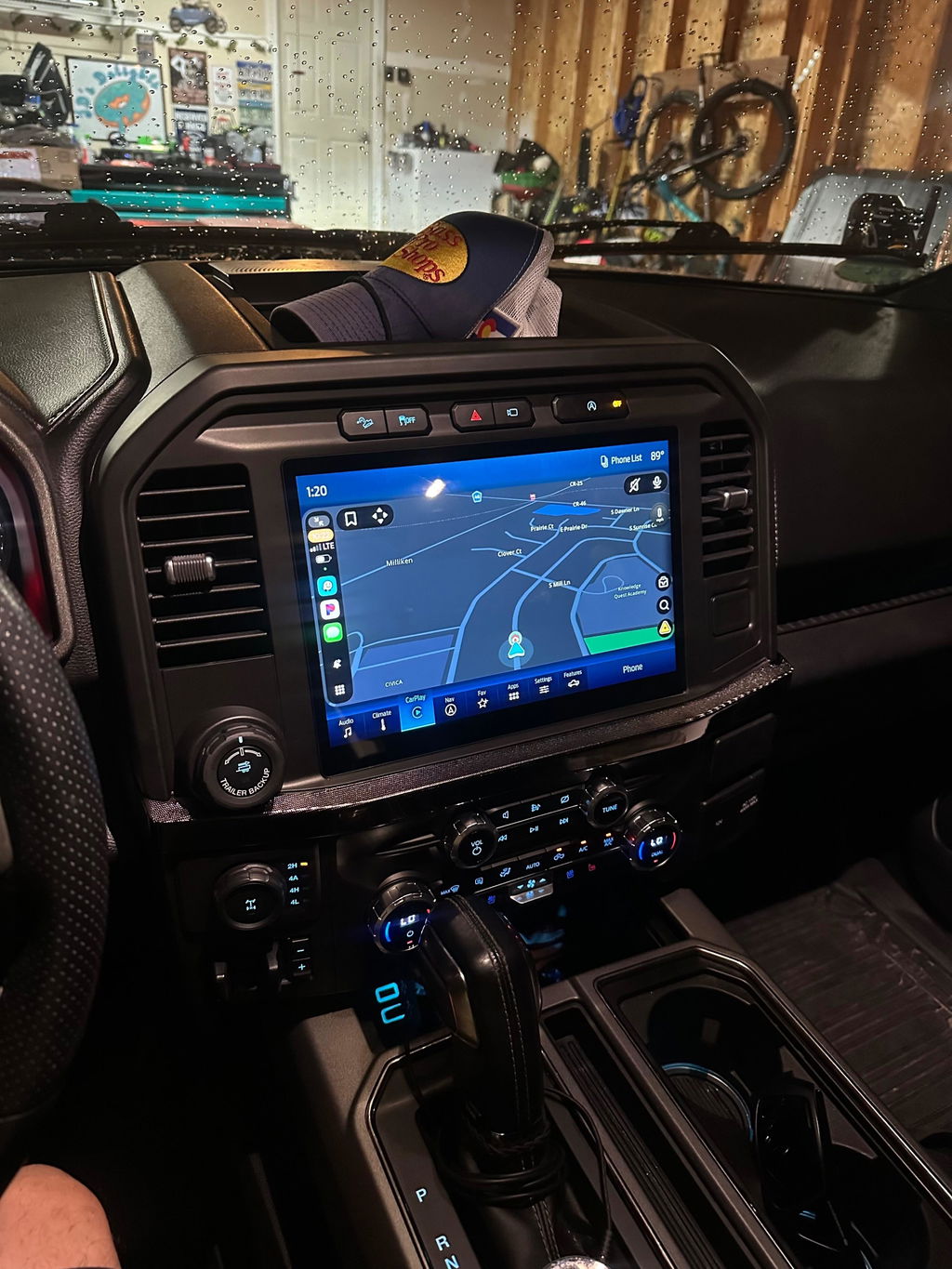
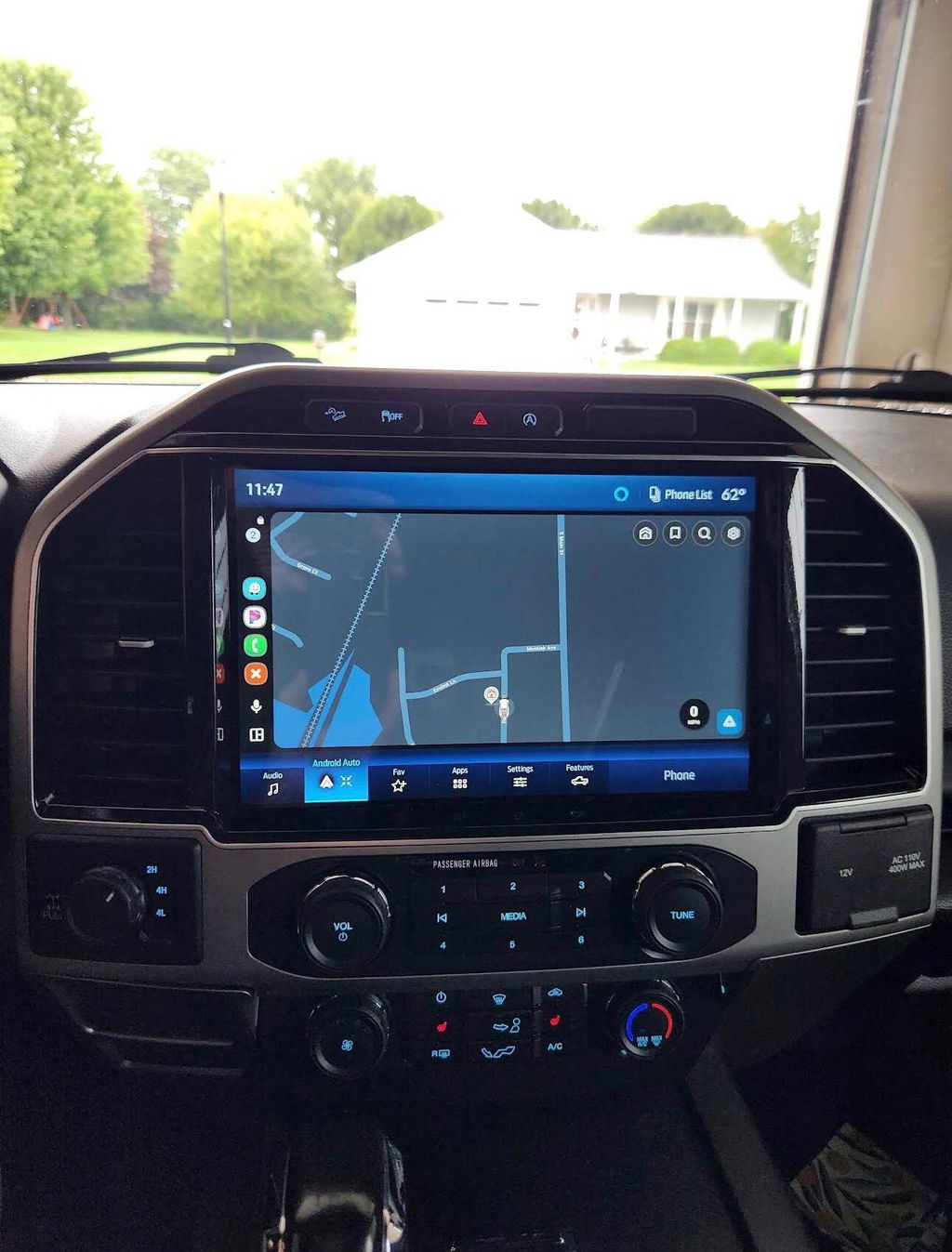
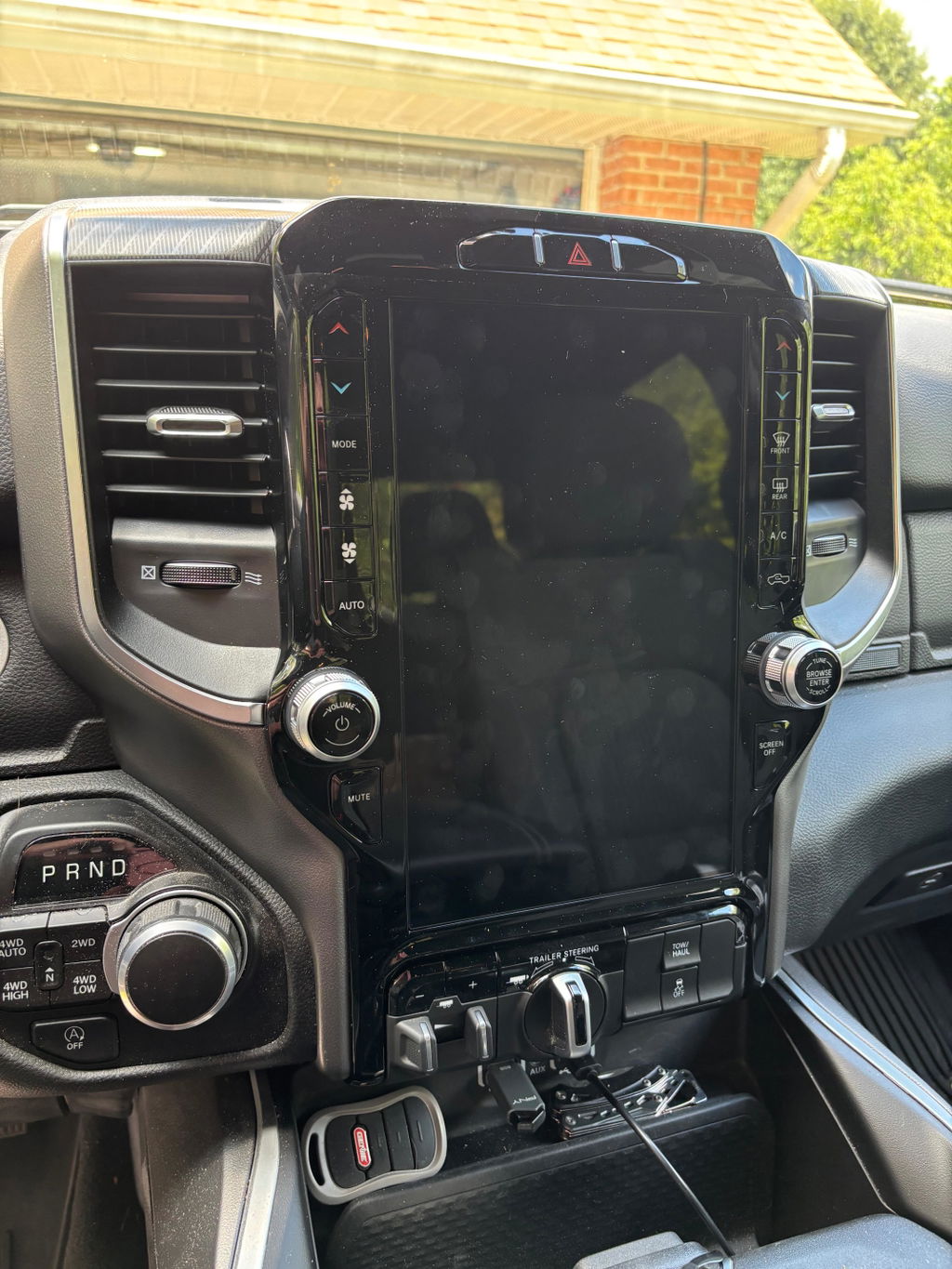
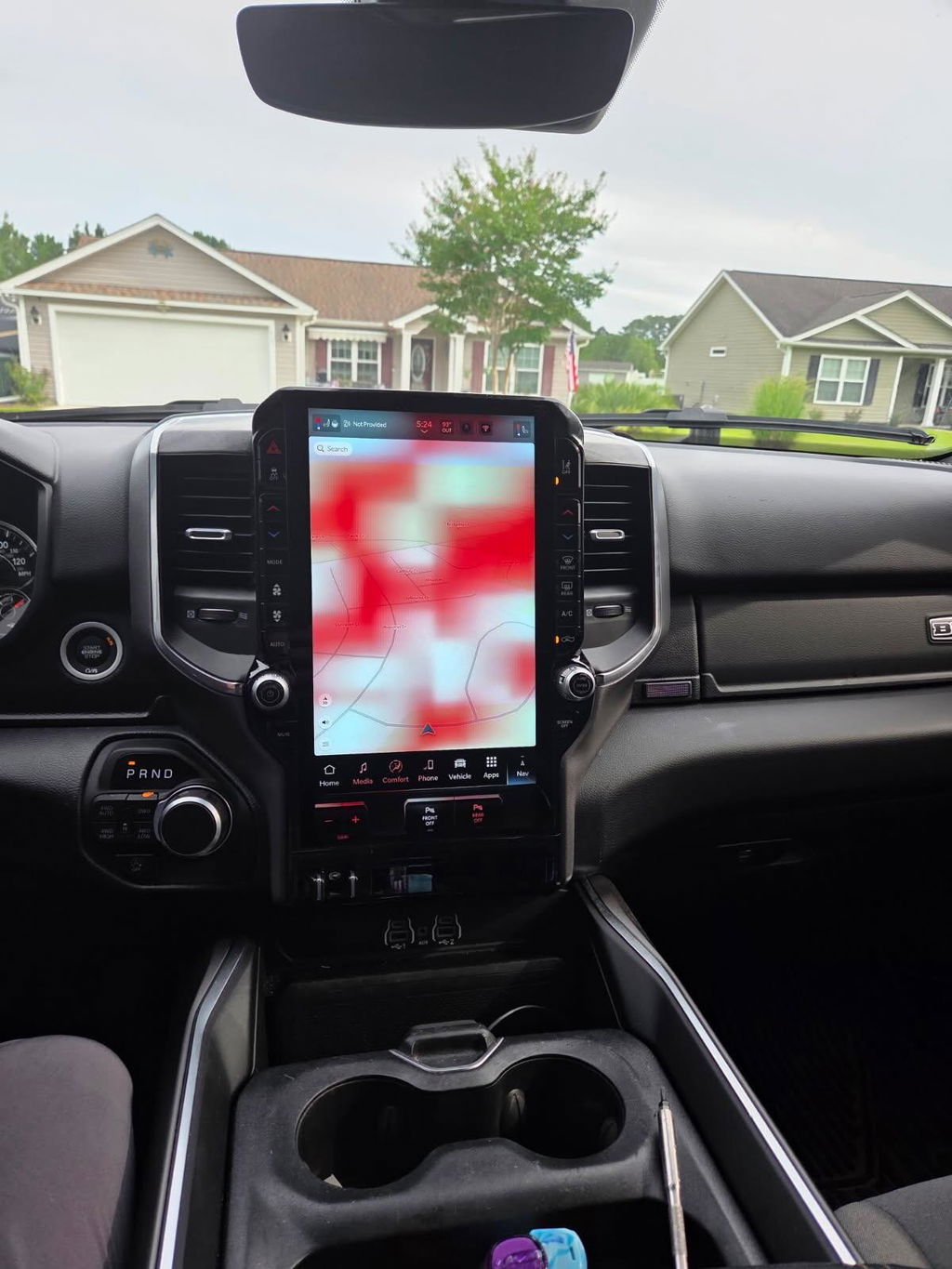
On a Ram, that may mean moving from an older small Uconnect setup to an OEM Uconnect 5 touchscreen conversion with wireless Apple CarPlay and Android Auto. On a Ford, it can mean updating a lower-trim display to a larger factory-format infotainment system designed for the correct F-150, Super Duty, Maverick, or Expedition generation.
The goal is straightforward: modern functionality without an aftermarket-looking dash or a collection of adapters that may not communicate correctly.
Why OEM-Based Upgrades Make Sense for Trucks
Truck interiors are more integrated than they used to be. The radio may handle backup camera display, climate controls, trailer-related alerts, vehicle settings, parking sensors, phone functions, and factory microphones. Replacing it with a generic head unit can require interface modules, harnesses, custom trim panels, and separate programming.
That route can work when there is no OEM upgrade path, but it comes with trade-offs. Each added interface is another component that must be compatible with your truck’s trim, options, and model year. Troubleshooting can become difficult when the stereo, adapter, camera, and factory modules come from different manufacturers.
An OEM-based factory style truck stereo upgrade is a cleaner option when available. Genuine OEM components are engineered around the vehicle platform, so the display, menus, camera functions, and cabin appearance stay closer to factory operation. A vehicle-specific plug-and-play kit also reduces the need to cut factory wiring or fabricate mounting solutions.
That does not mean every OEM conversion is identical. Some applications require configuration steps, module programming, an updated USB media hub, or an antenna adapter. The right kit accounts for those requirements before installation, rather than treating every truck in a model line as the same.
Start With Exact Vehicle Fitment
Model name alone is not enough to order an infotainment upgrade. A 2019 Ram 1500 Classic and a 2019 all-new Ram 1500 are different platforms. Ford trucks can also vary by generation, trim package, factory screen size, audio system, camera equipment, and whether they use a standard or premium amplified system.
Before selecting a kit, confirm the vehicle year, model, trim, cab configuration where applicable, and current radio or screen configuration. The factory build information matters most when the truck has premium audio, navigation, a 360-degree camera, trailer camera provisions, or integrated climate functions.
Take a clear look at what is in the dash now. Note the screen size, physical buttons, USB ports, camera behavior, and any features displayed through the radio. If the original system includes a separate amplifier, active noise cancellation, or an off-road information page, verify that the intended upgrade is designed to retain or properly support it.
This is where vehicle-specific cataloging matters. DD Offroad focuses on OEM upgrade paths by platform and model year because “close enough” fitment is not good enough when the radio is tied into the rest of the truck.
Choose Features You Will Use Every Day
A larger screen gets attention, but the real value is in how the system improves daily driving. Wireless Apple CarPlay and Android Auto are often the biggest gains for owners moving out of an older factory radio. They provide familiar navigation, hands-free calling, messaging, and music access without mounting a phone on the windshield or routing loose charging cables across the console.
For work trucks and tow rigs, a larger factory-format display can also make camera viewing and navigation easier to use. Drivers who spend long hours behind the wheel typically benefit more from reliable phone integration and clear controls than from flashy aftermarket graphics.
Consider the features in practical terms. If you use an iPhone every day, confirm the conversion supports the CarPlay connection method you want. If several drivers use the truck, wireless compatibility can make handoffs easier. If you rely on factory navigation, SiriusXM, or a specific camera system, make sure those functions are supported by the exact package instead of assuming they will transfer automatically.
Do not pay for features your truck cannot use or your driving routine does not need. A properly matched OEM 8.4-inch or 12-inch upgrade can be a better purchase than a more complicated system with functions that add cost but no daily benefit.
Retaining Factory Functions Is the Real Test
The best factory-style conversions feel normal after installation. Steering-wheel audio buttons respond correctly. The backup camera appears when reverse is selected. Factory vehicle settings remain accessible. The microphone and speakers work as expected, and warning chimes are not lost in the process.
Feature retention depends on the original equipment and the kit design. A base-audio truck is generally more straightforward than a premium-audio truck with an external amplifier. A standard backup camera may be easy to retain, while a surround-view camera system or trailer camera setup needs application-specific confirmation.
This is also why generic “fits most trucks” stereos deserve caution. They may be a reasonable budget option for a basic vehicle, but they can require compromises in sound quality, camera retention, screen response, or vehicle-menu access. If preserving factory integration is the priority, use a kit built for your generation and configuration.
Installation: Plug and Play Does Not Mean Guesswork
Plug and play should mean the kit uses matched connectors and clear vehicle-specific components, not that no preparation is required. Read the installation instructions before removing trim. Verify every included part, keep the battery and ignition procedure in mind, and protect dash panels from scratches.
Some upgrades require a programming step to enable features or pair modules correctly. That is normal with modern OEM electronics. The important point is that the programming process should be known upfront and matched to the kit, not discovered after the dash is apart.
Experienced DIY owners can often handle a straightforward conversion with basic trim tools and patience. If your truck has premium audio, advanced cameras, or complex factory options, professional installation may be worth the cost. A qualified installer can confirm operation before the vehicle leaves the bay and address configuration issues without trial-and-error parts swapping.
After installation, test more than the radio. Check AM/FM reception, Bluetooth or wireless phone connection, every steering-wheel button, front and rear cameras, USB charging and data functions, climate controls, speakers, warning chimes, and vehicle settings. Test these functions before reinstalling every trim panel.
Avoid the Cheapest Shortcut
Low-cost universal screens often advertise large displays and long feature lists. The problem is not that all aftermarket units are bad. The problem is that a low-priced unit may shift the work and risk to the owner. You may need separate harnesses, trim kits, camera adapters, steering-wheel control modules, and custom wiring. Support can also be fragmented if one component fails to communicate with another.
An OEM-based upgrade usually costs more upfront than a bare universal radio, but the value is in the complete fitment path. You are paying for correct physical integration, compatible parts, retained functions, and a cleaner end result. For a truck you plan to keep, use for work, or sell later, that difference matters.
There are cases where a custom aftermarket system is the better choice. Owners building competition audio systems, adding extensive amplifier power, or pursuing specialized off-road displays may need more flexibility than an OEM screen offers. For most drivers who want current infotainment without turning the dash into a project, factory-style is the more practical direction.
Build the Upgrade Around Your Truck
A stereo upgrade should fit the way the truck is used. A daily-driven Ram 1500 may benefit most from wireless smartphone integration and a responsive larger display. A Super Duty tow vehicle may place more value on camera compatibility and easy navigation. An older work truck may need a dependable OEM-format screen that improves calling and music without adding unnecessary complexity.
Start with the exact vehicle, verify the factory equipment, and choose the features that solve your real problem. A properly matched factory style truck stereo upgrade gives you modern technology where it belongs: in a dash that still looks and works like it came that way.