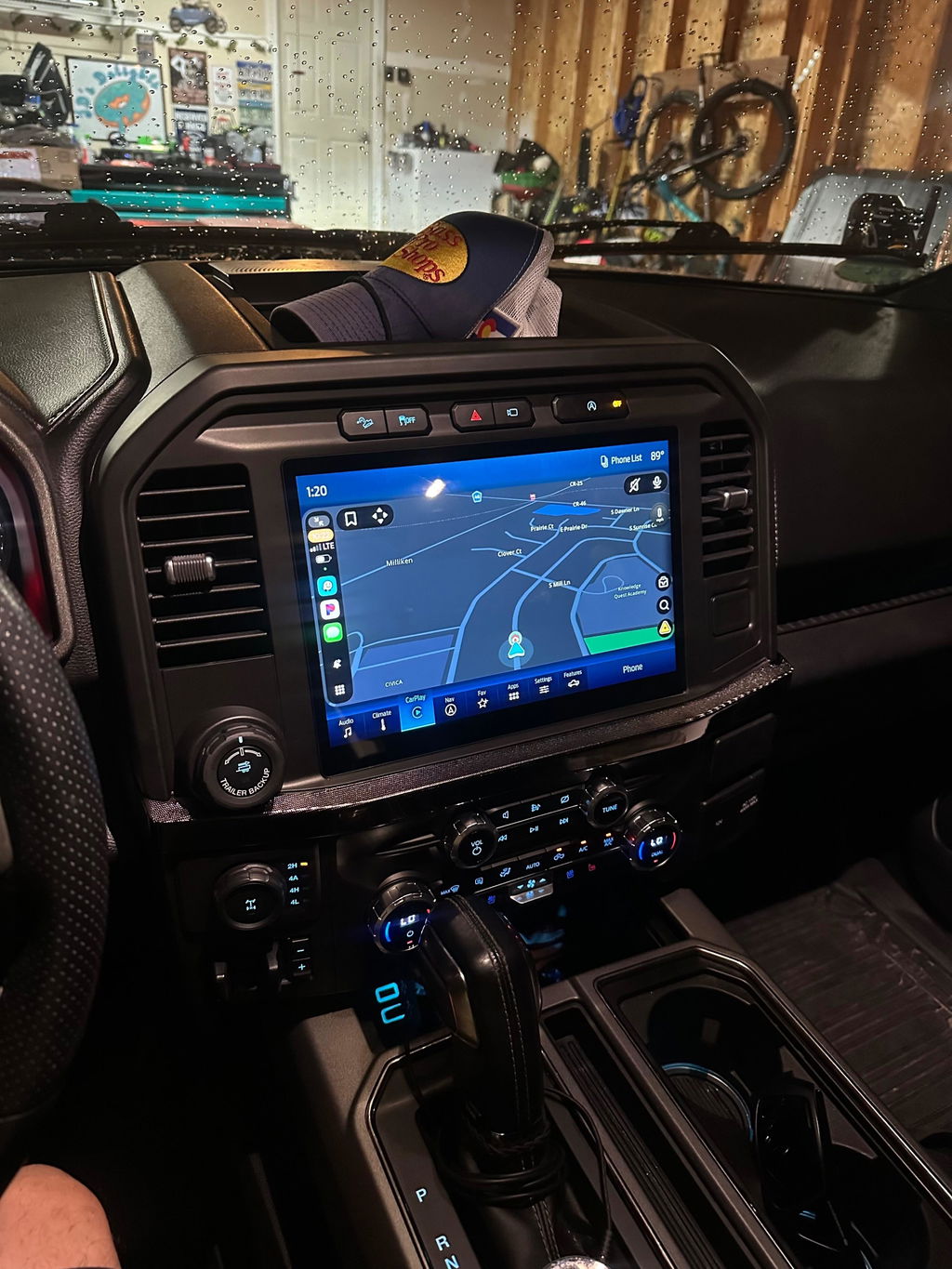
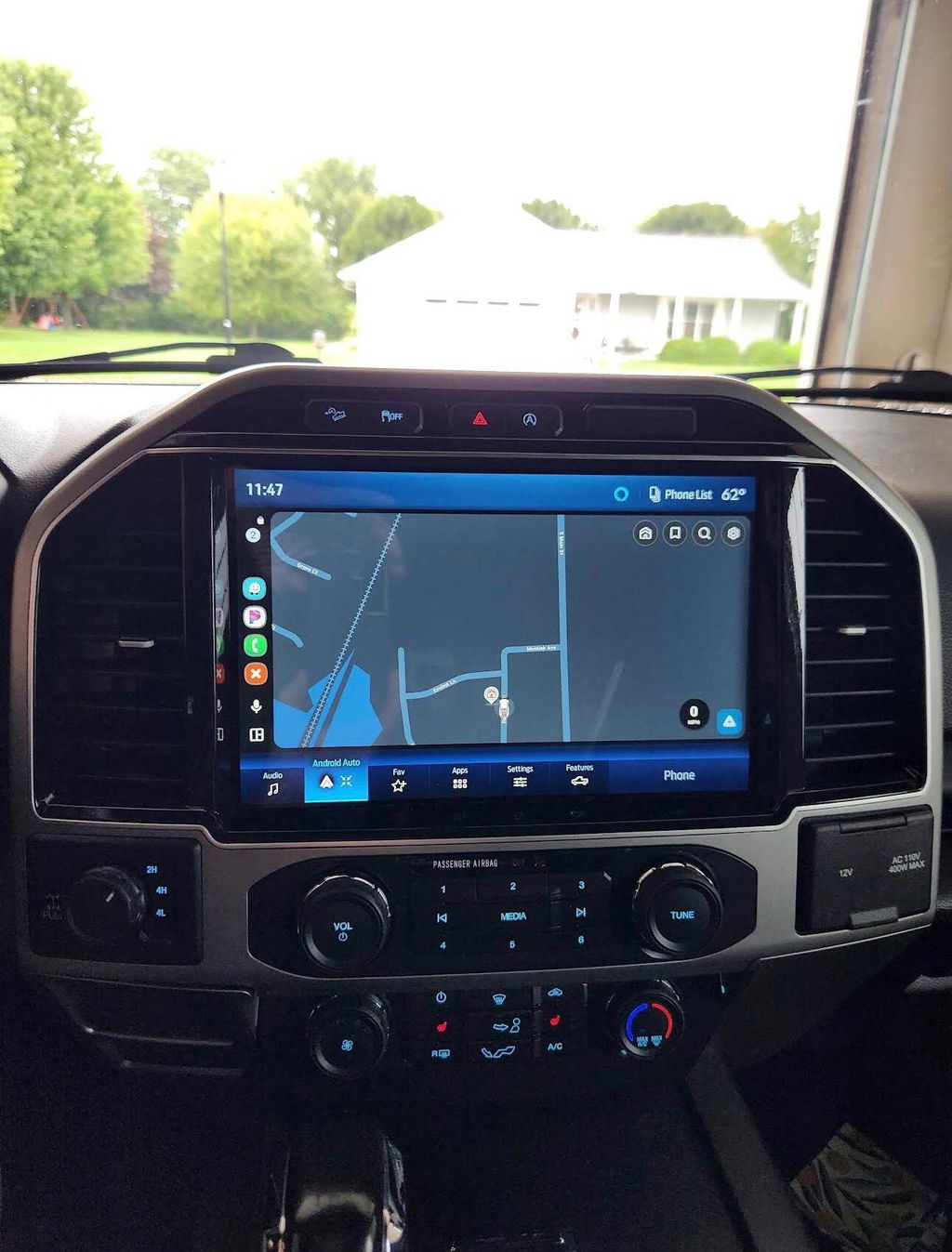
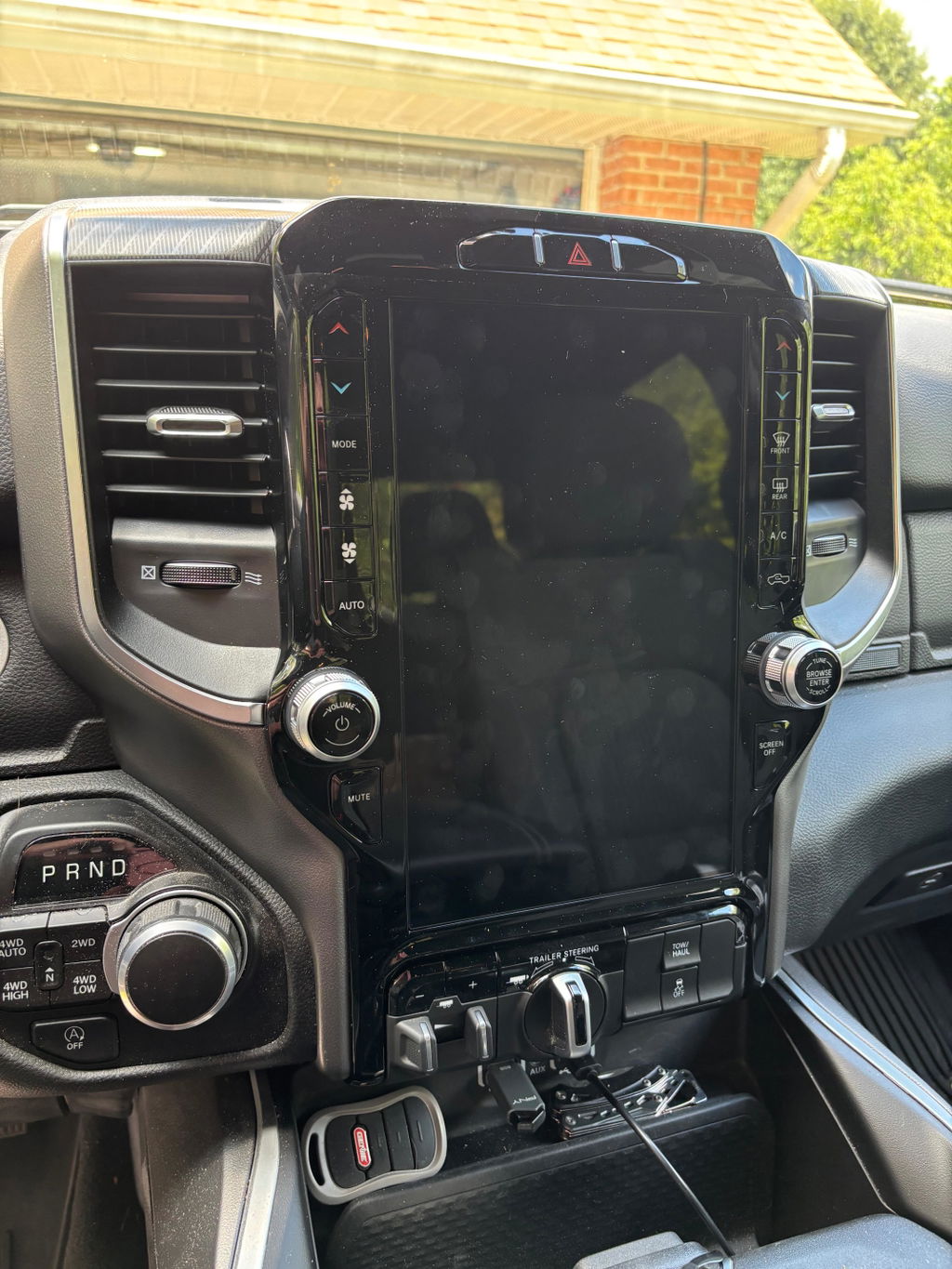
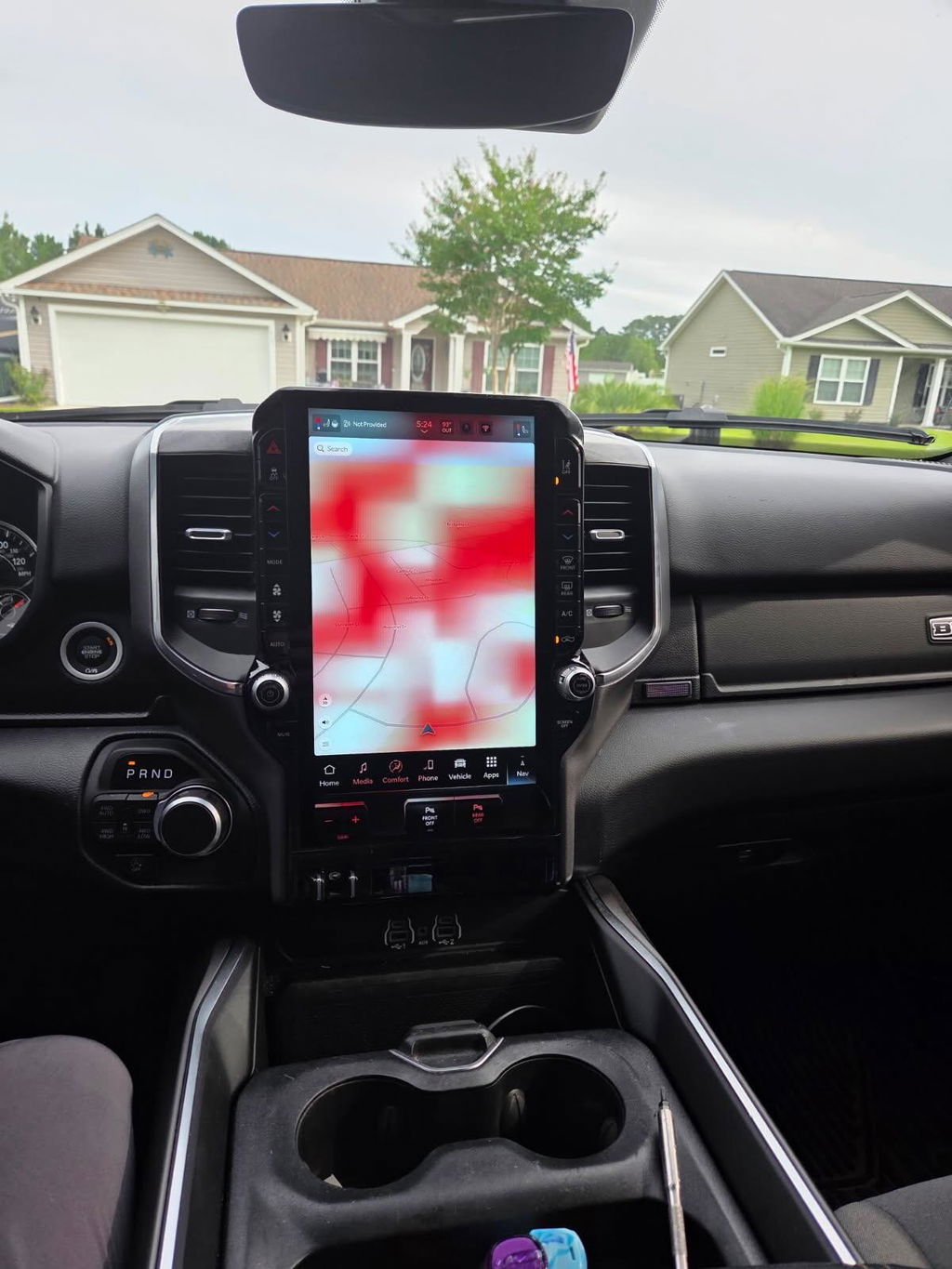
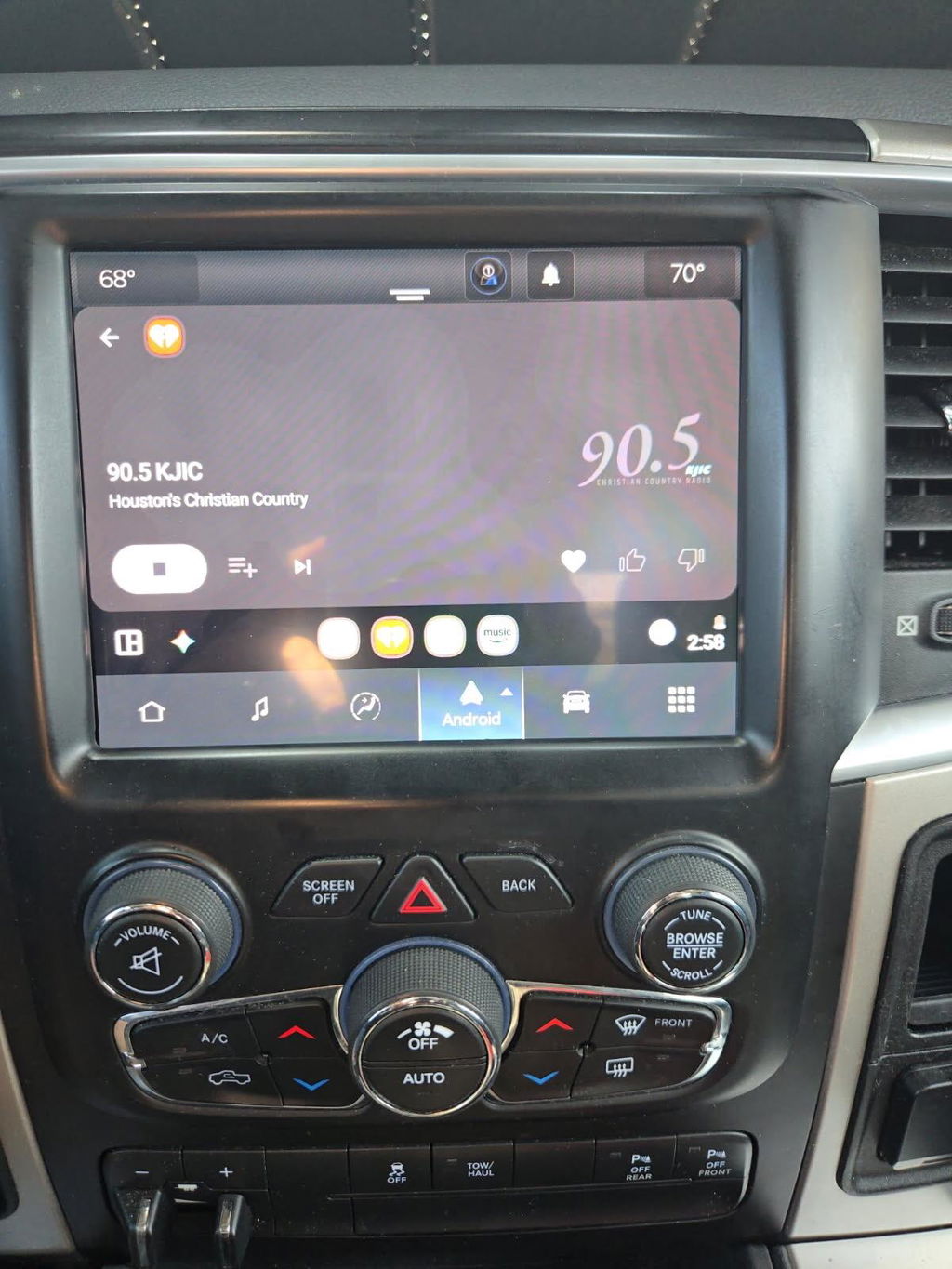
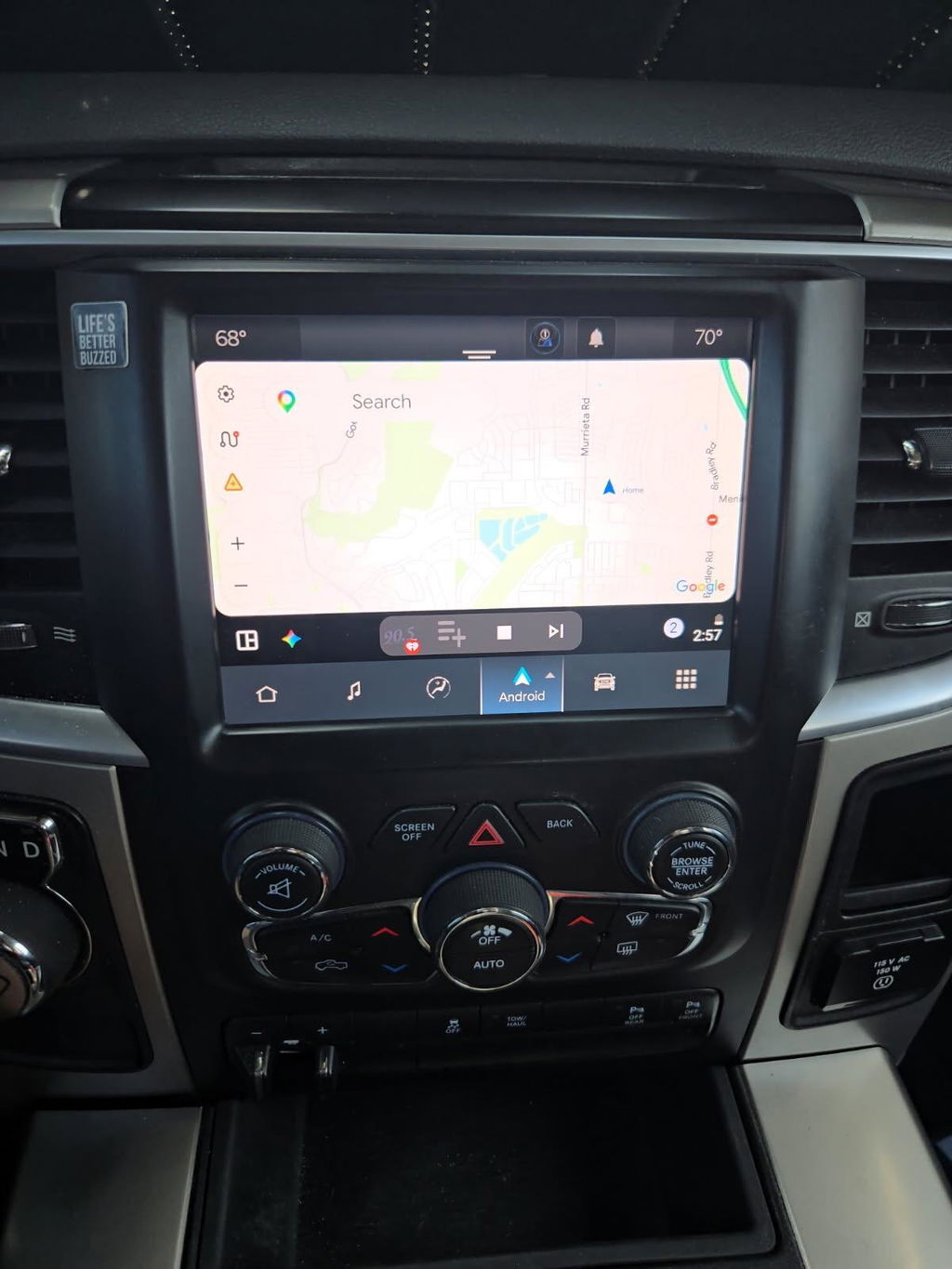
Expedition Screen Upgrade Kit: What to Know
Share
A small factory screen feels old fast in a full-size SUV that still does everything else right. If you are shopping for an expedition screen upgrade kit, the goal usually is not to make the vehicle flashy. It is to get a larger display, better factory-style integration, and current features like Apple CarPlay or Android Auto without turning the dash into a wiring project.
That sounds simple, but Expedition owners run into the same problem truck owners do across the board - not every screen swap is truly vehicle-specific. Some kits look good in photos and create problems later with climate controls, camera functions, steering wheel controls, or software compatibility. A clean upgrade comes down to fitment, OEM integration, and whether the kit was built around your exact platform instead of adapted from a generic aftermarket setup.
What an expedition screen upgrade kit should actually do
A proper screen upgrade should improve the vehicle without changing how it feels to use every day. That means the new display needs to look right in the dash, respond the way a factory system should, and keep original functions working as expected.
For most buyers, the real value is not just screen size. It is preserving factory behavior while adding newer features the original system may not have offered. In practical terms, that can mean better navigation support, smartphone connectivity, cleaner touch response, improved menu layout, and a more premium cabin feel.
The best kits do not force you to compromise core vehicle functions just to gain a larger display. If backup camera operation becomes inconsistent, if audio settings are harder to access, or if the interface feels like an aftermarket tablet attached to the dash, the upgrade missed the point.
Why Expedition owners usually upgrade
The Expedition is built to haul families, gear, trailers, and long highway miles. In a vehicle that handles so much, the infotainment system gets used constantly. Owners typically start looking for an upgrade for one of three reasons.
The first is screen size. Older factory displays can feel undersized compared to newer OEM interiors. The second is feature gap. Many owners want Apple CarPlay, Android Auto, updated interface speed, or better media functionality. The third is resale and overall cabin experience. A larger, factory-style display can make the interior feel years newer without changing the character of the vehicle.
There is also a practical side. If you rely on cameras, navigation, hands-free calling, or trailer-related features, a better screen is not just cosmetic. It can make daily use easier, especially in a large SUV where visibility and quick access to controls matter.
OEM-style upgrade vs generic aftermarket screen
This is where most of the buying decision should happen. A generic aftermarket unit may advertise a long feature list, but feature count is not the same as integration.
An OEM-style or OEM-based kit is built around factory compatibility. That matters because the Expedition is not just a radio and a screen. The infotainment system often ties into cameras, vehicle settings, USB functions, steering wheel controls, and trim-specific electronics. The closer the upgrade stays to factory architecture, the lower the chance of weird issues after installation.
A generic unit can still work, but it often asks you to accept trade-offs. Sometimes the trim fit is off. Sometimes startup behavior changes. Sometimes audio quality drops off, or menu logic becomes less intuitive than stock. In some cases, support becomes a problem too. A seller may be able to tell you the screen size, but not whether your exact model year and factory option package will retain full functionality.
That is why vehicle-specific kits tend to make more sense for Expedition owners who want results that feel permanent, not experimental.
Fitment matters more than most buyers expect
An expedition screen upgrade kit is only as good as its compatibility. Model year range matters. Factory screen size matters. Existing SYNC generation matters. Audio package matters. Even trim level can matter depending on the hardware and software involved.
A lot of frustration starts when buyers assume all Expeditions within a broad generation use the same setup. They often do not. A kit that fits one year or configuration may require different components, programming, or bezel pieces on another.
This is where a model-specific seller has an advantage. Clear fitment information saves time and prevents the usual cycle of ordering, opening boxes, comparing connectors, and finding out the vehicle needs a different harness or programmed module. Plug-and-play only means something if the kit was actually assembled around your vehicle details.
If a seller cannot clearly explain compatibility by year, trim, factory screen type, and retained functions, that is a warning sign.
Features worth paying for and features that are just noise
Not every upgrade feature carries the same value. A larger screen is usually the headline feature, but the daily-use features matter more once the installation is done.
Wireless Apple CarPlay and Android Auto are high on the list for a reason. They modernize the cabin immediately and reduce dependence on older factory navigation or media layouts. Factory camera retention is another major one. If the vehicle already has useful camera hardware, the upgrade should preserve it cleanly.
Responsive touch input and factory-style menu behavior matter too. People notice lag every single day. They also notice when simple tasks like changing audio sources or adjusting vehicle settings take more taps than they used to.
On the other hand, some advertised features sound better than they perform. A screen packed with extra apps or non-factory visual gimmicks may not improve the ownership experience at all. In a daily-driven Expedition, stable function usually beats novelty.
Installation reality - easy does not mean careless
Most buyers looking at this category want a plug-and-play path, not a custom electronics project. That is the right mindset. But even a straightforward installation still depends on getting the right kit and understanding what is involved.
A true vehicle-specific setup should minimize cutting, splicing, and guesswork. That is the standard most owners should expect. At the same time, dash disassembly, connector handling, module placement, and software setup still require care. The cleaner the kit design, the easier the process, but no screen swap should be approached like changing wiper blades.
If you are comfortable removing trim and following install instructions, many OEM-based kits are within reach for experienced DIY owners. If not, a professional installer may be the better move. The smart decision is not about proving you can do it yourself. It is about protecting the parts and getting a clean final result.
How to judge value in an expedition screen upgrade kit
Price matters, but low price by itself is not value. The cheaper kit often becomes expensive once you factor in missing parts, poor support, or lost factory functionality.
A better way to evaluate cost is to ask what the kit includes, what functions it retains, and whether the components are OEM genuine components or lower-grade substitutes. Support matters too. So does shipping speed, return clarity, and whether the product is sold with specific fitment confidence or broad promises.
This is one reason buyers often prefer specialized retailers over generic electronics marketplaces. A seller focused on vehicle-specific upgrade kits usually understands the platform better and structures products around real compatibility, not just broad keyword matching. That matters on a modern Ford platform where integration is everything.
At DD Offroad, that same logic is what makes OEM-based upgrades appealing in the first place - you get a cleaner path to modern features without gambling on universal-fit electronics.
Who should upgrade and who should hold off
If your current screen feels too small, your factory system lacks smartphone integration, or your interior is solid everywhere else but the display dates the cabin, an upgrade usually makes sense. The Expedition responds well to a factory-style screen improvement because it is already a premium utility vehicle. The right kit brings the tech experience in line with the rest of the SUV.
If your current setup already does everything you need, or if you are unsure about exact fitment and have not confirmed your vehicle details, it is better to pause than rush the purchase. The right screen kit is worth it. The wrong one is a headache.
The biggest difference is usually not the screen itself. It is whether the upgrade feels like it belongs in the vehicle. When the fit is right, the functions stay intact, and the system works like it should, the Expedition feels newer every time you start it.