7 Best Ford Towing Technology Upgrades for Trucks
Share
A loaded trailer changes the job your Ford has to do. Visibility gets worse, braking distances grow, and a basic factory screen can become a real limitation when you need navigation, camera views, and trailer information in one place. The best Ford towing technology upgrades are not always the biggest or most expensive parts. They are the upgrades that solve a specific towing problem while keeping the truck dependable, clean, and easy to operate.
For F-150, Super Duty, Expedition, and Maverick owners, factory-style integration matters. A universal screen, loose camera wiring, or poorly matched controller can create more problems than it fixes. Start with the features you will use every time you hook up, then confirm compatibility by model year, trim, existing options, and trailer type.
1. OEM-Style Infotainment Screen Upgrade
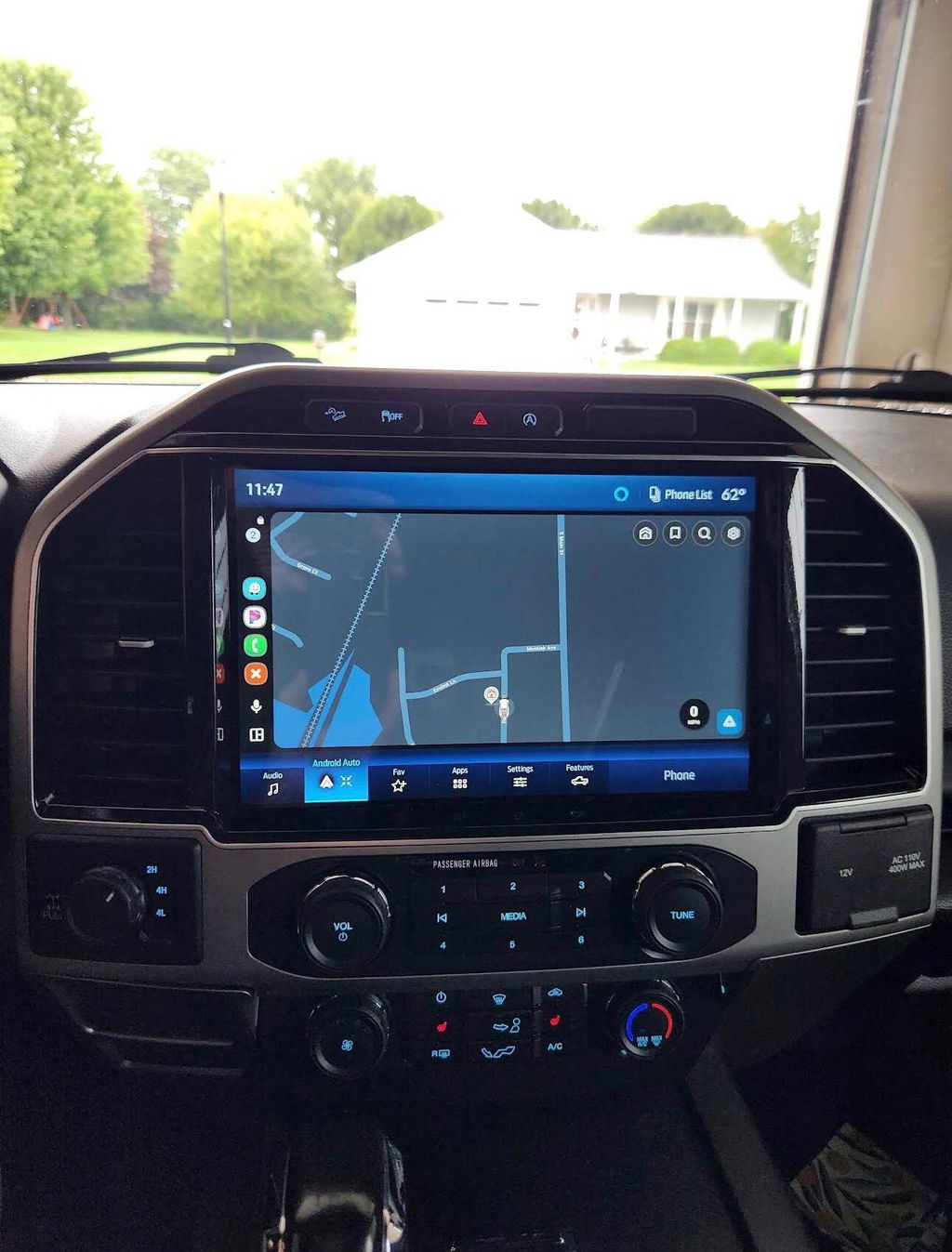
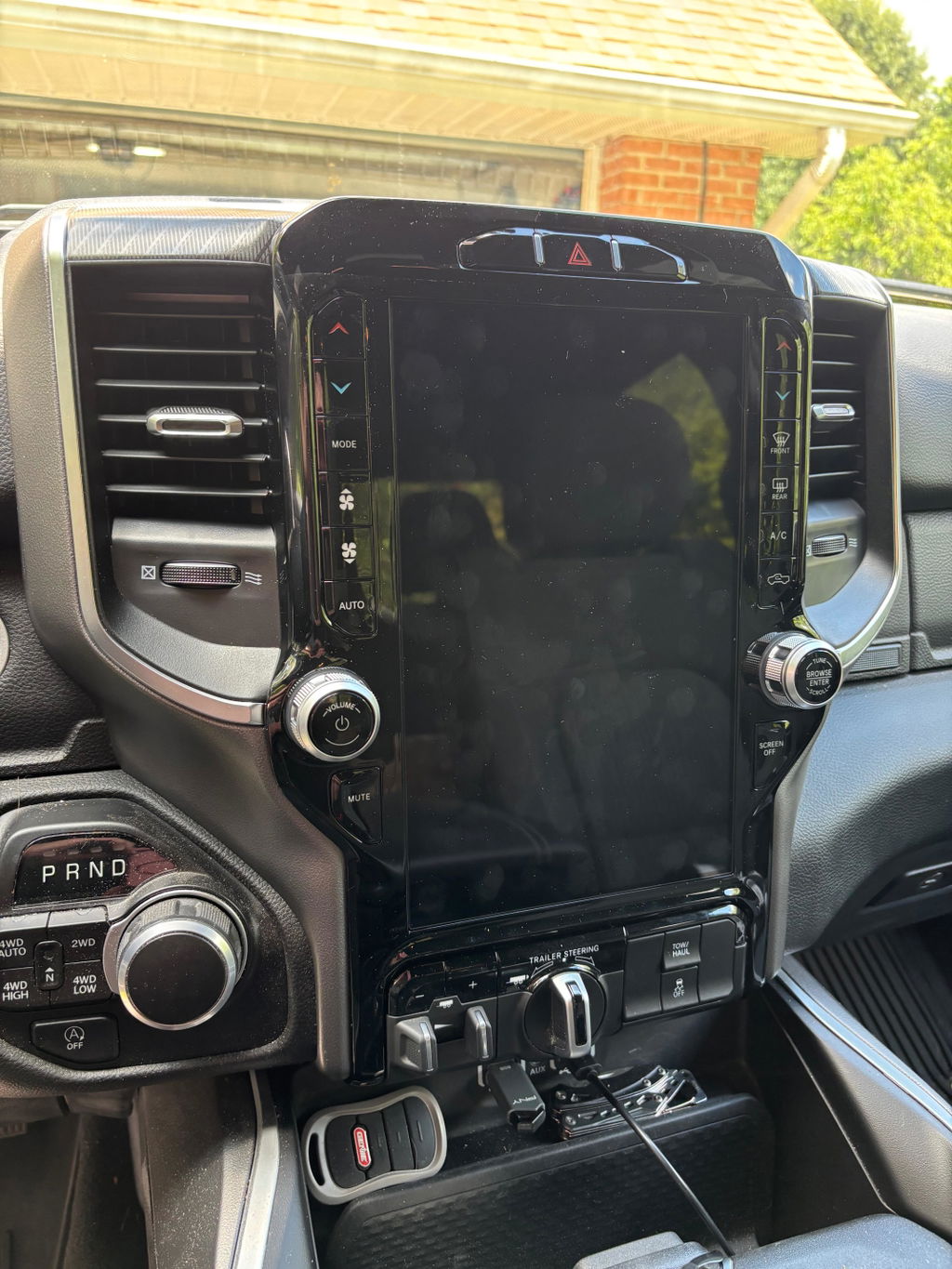
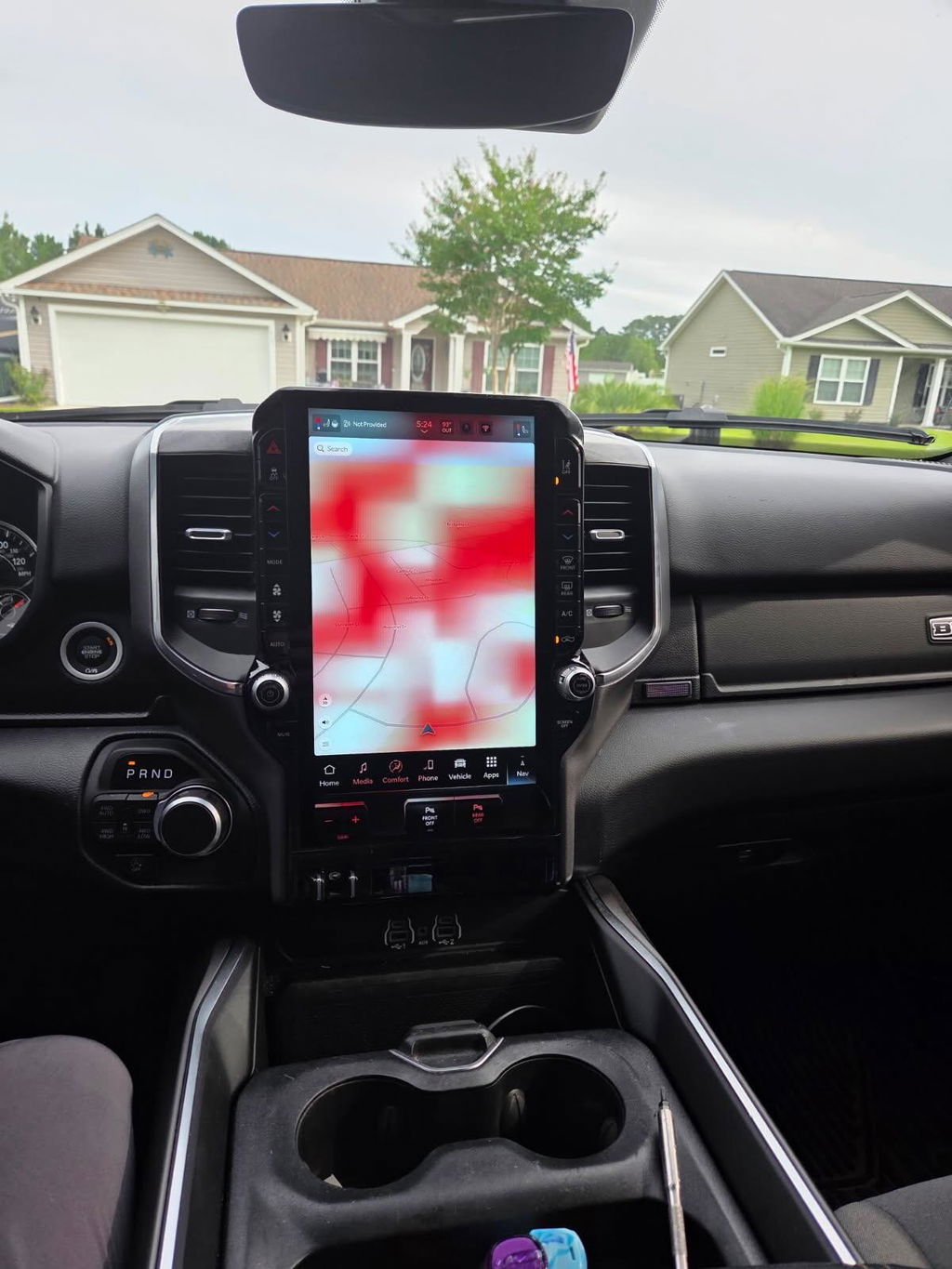
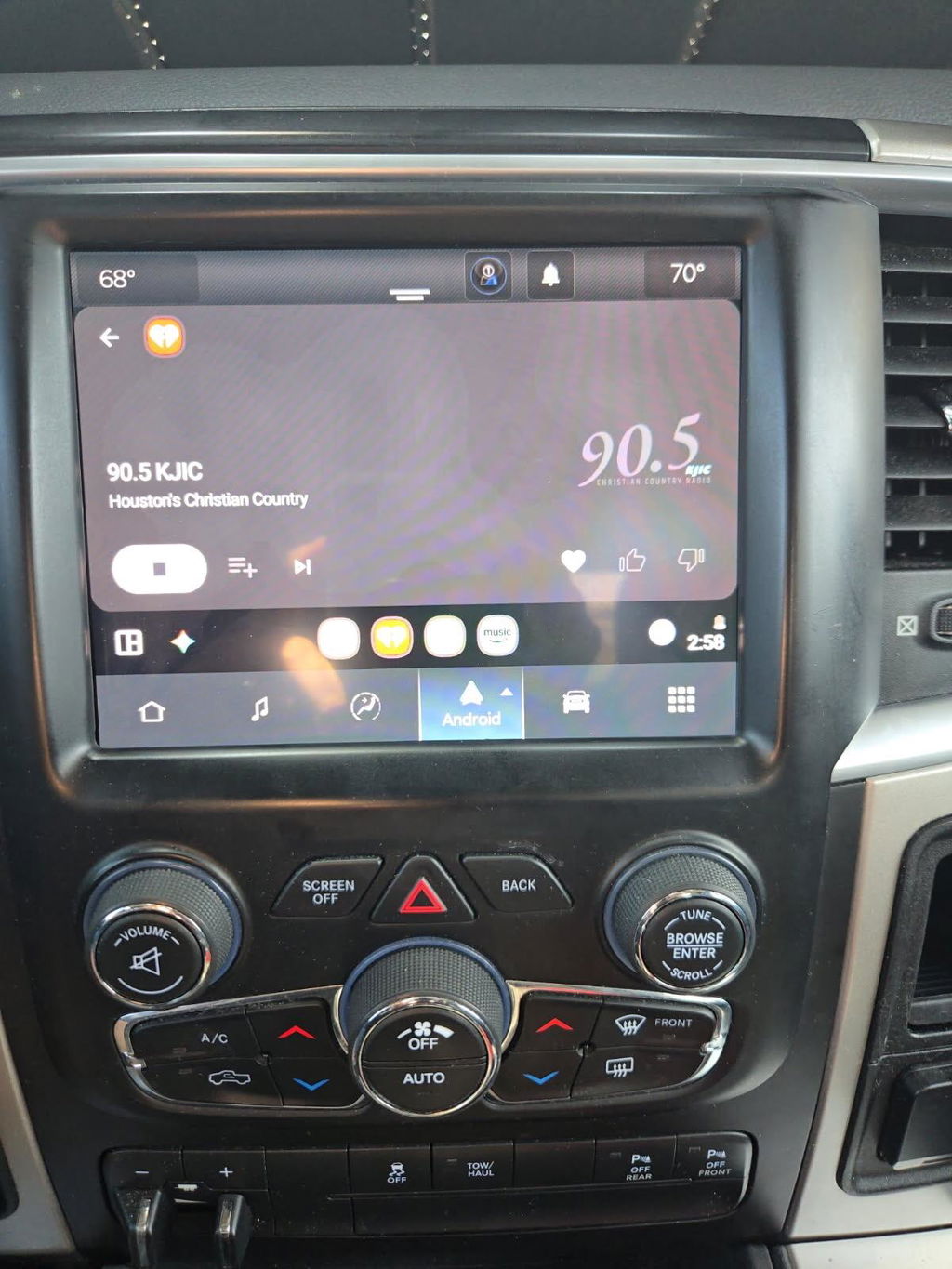
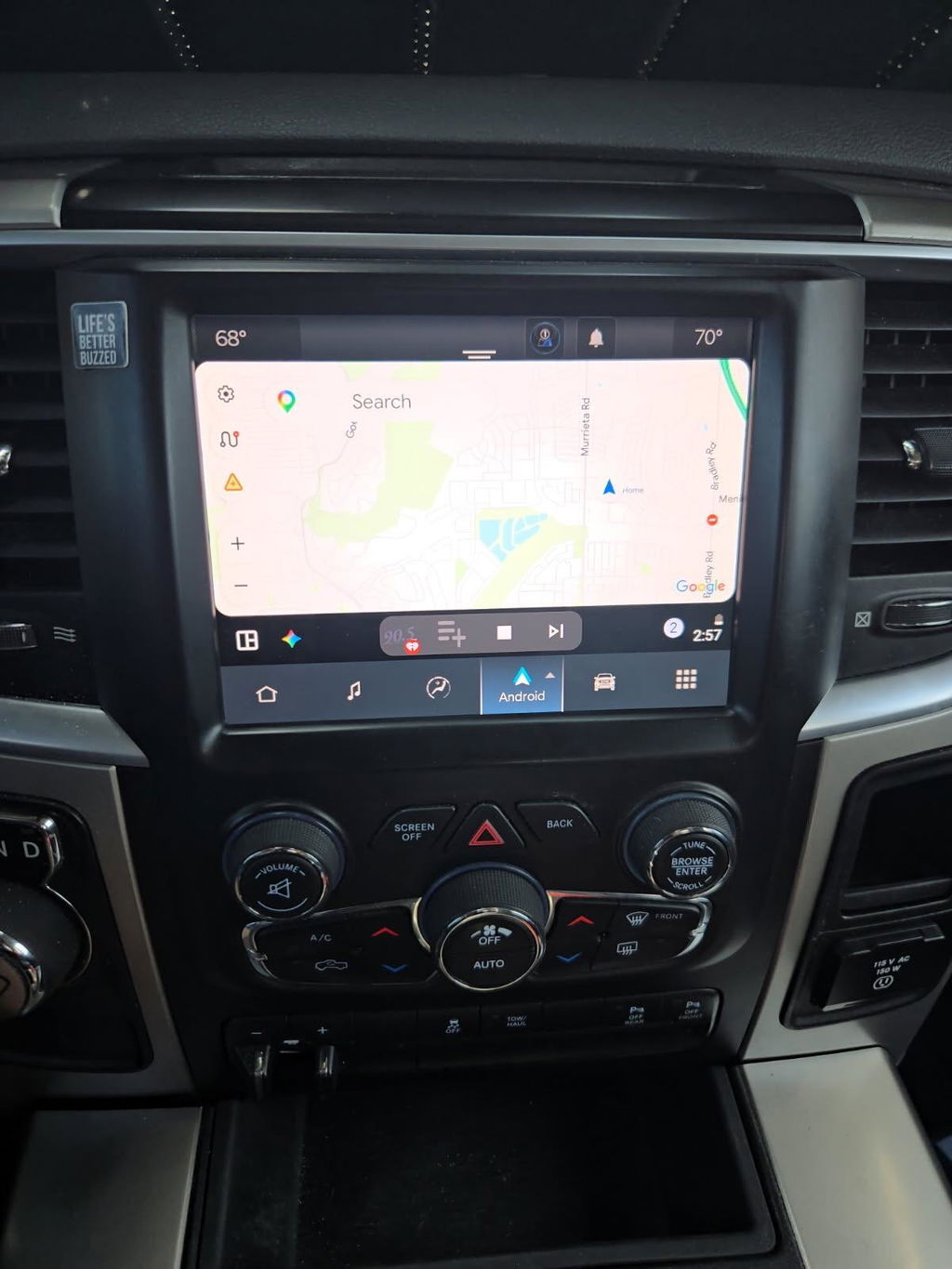
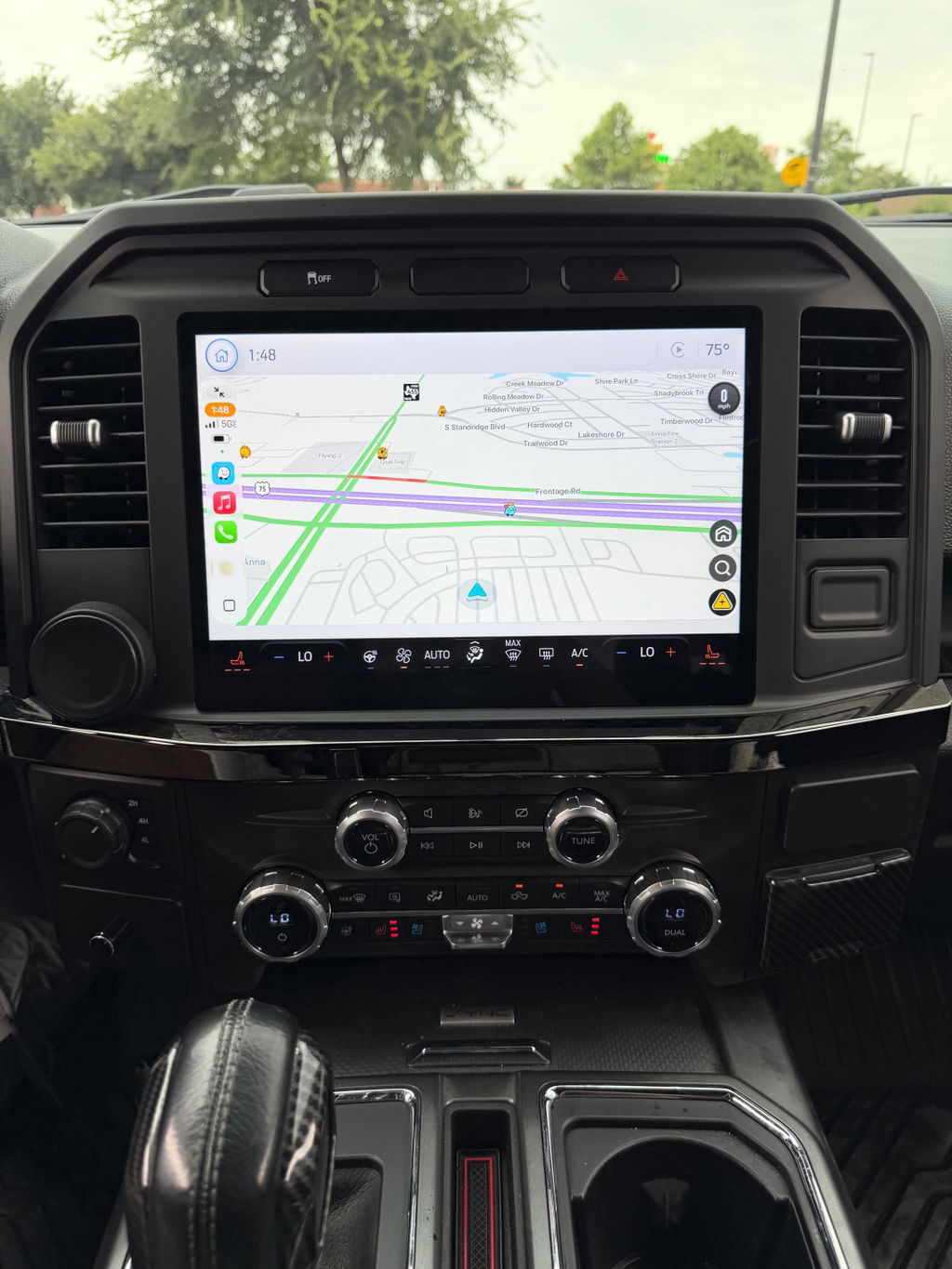
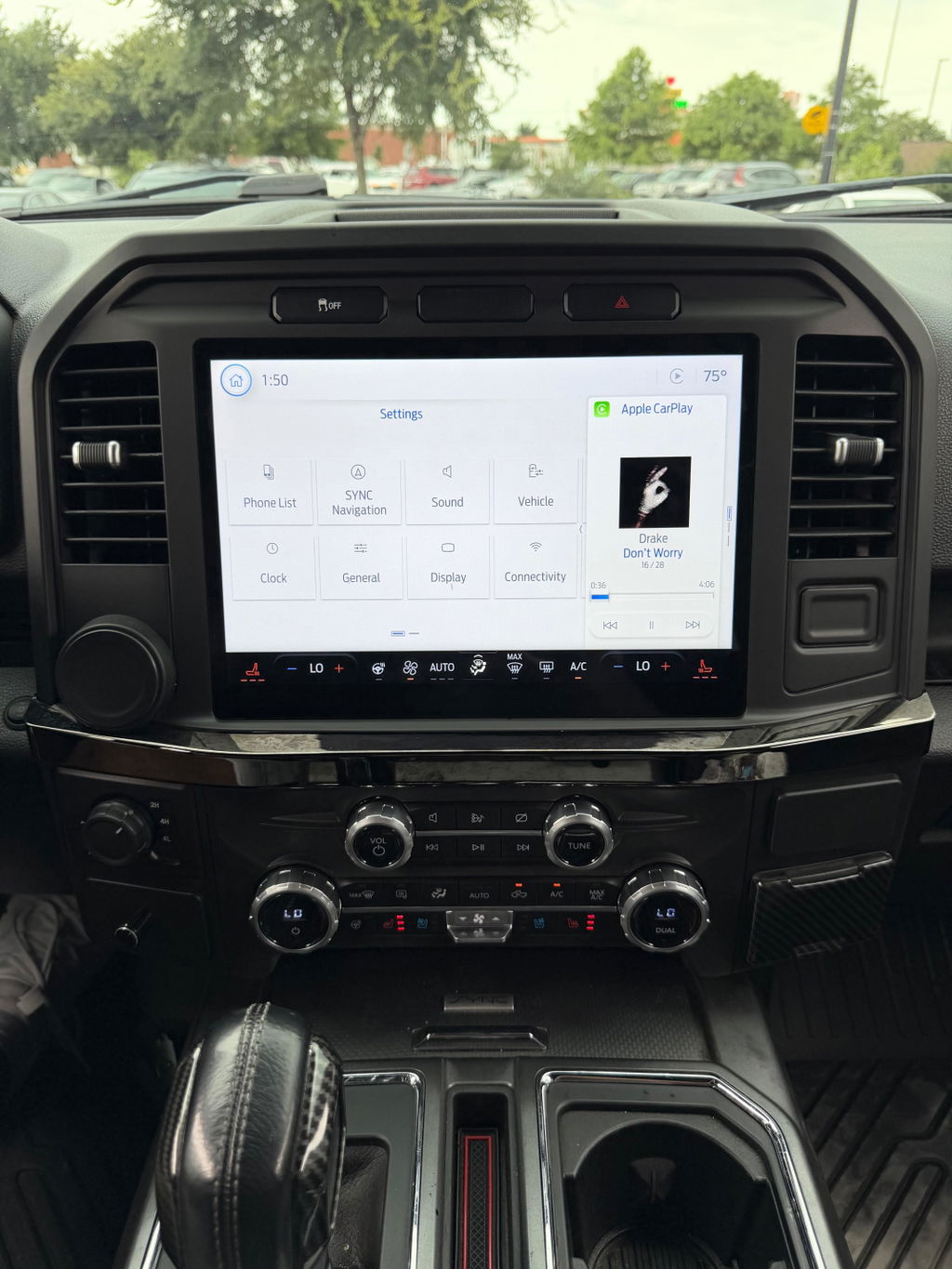
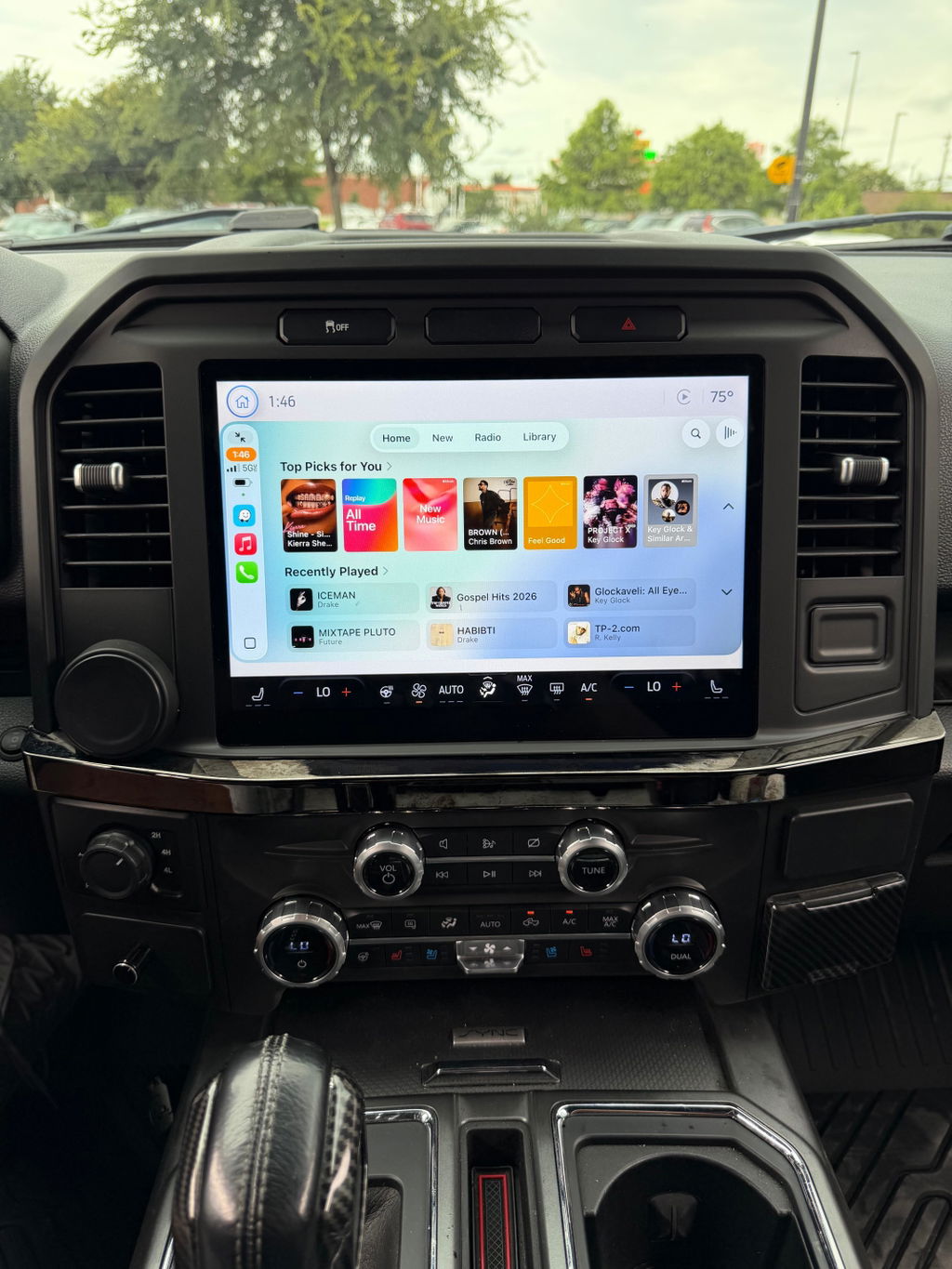
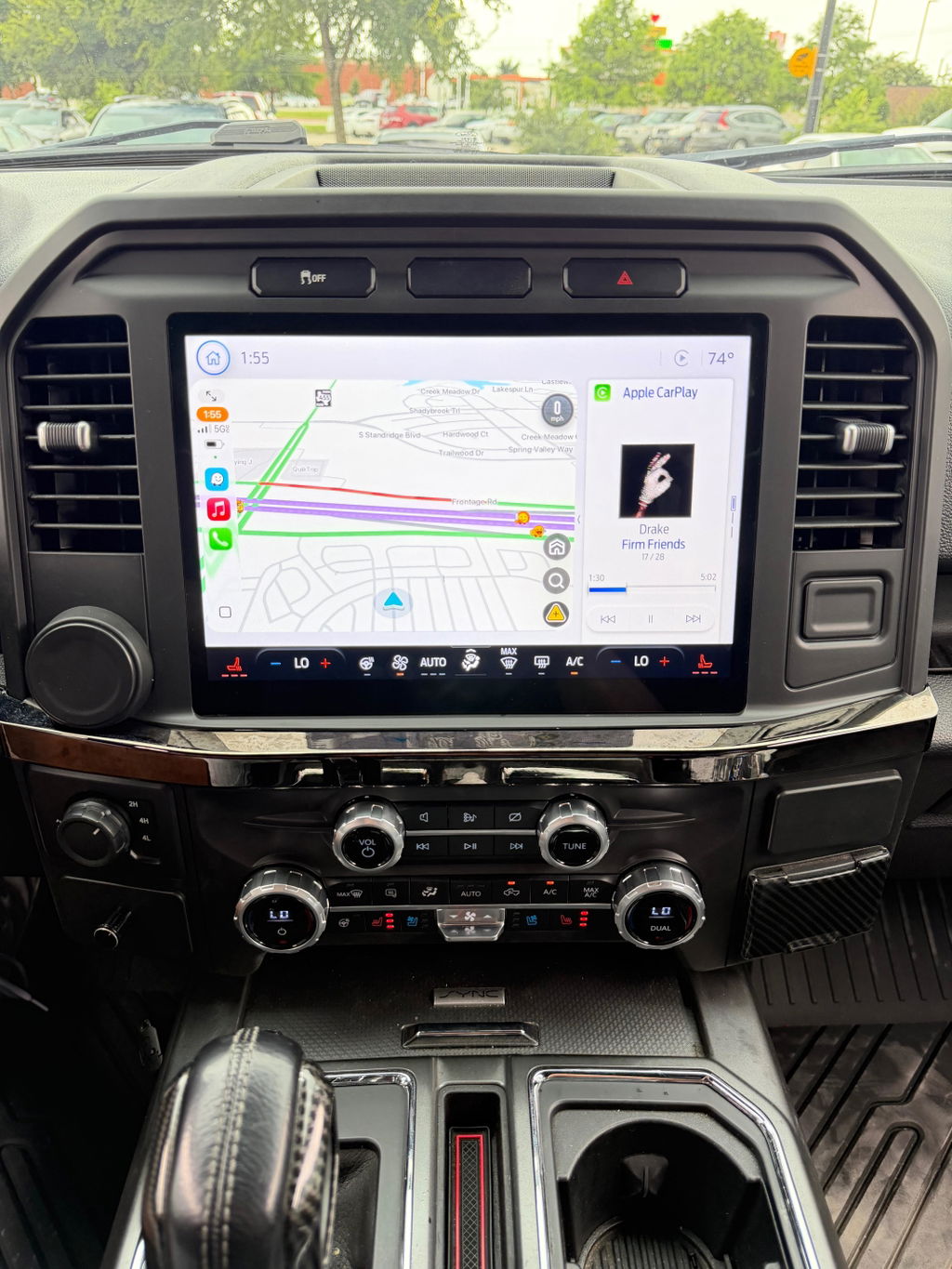
A larger, modern infotainment system is often the most useful place to begin, especially on trucks equipped with an older small display or outdated SYNC hardware. Towing is easier when your navigation, phone, music, camera system, and vehicle settings are accessible without working through slow menus or mounting a separate device on the dash.
An OEM-style screen conversion can add a cleaner factory appearance along with modern functions such as Apple CarPlay and Android Auto, depending on the kit and vehicle configuration. Wireless smartphone integration is particularly useful on long hauls because it keeps route changes, messages, and calls accessible without handling a phone.
The trade-off is fitment. Ford infotainment systems vary across generations and trims, so screen size alone does not determine whether a conversion will work. Check the truck's model year, original screen setup, audio package, camera equipment, and required programming before ordering. A vehicle-specific plug-and-play kit is the better route when preserving factory controls and appearance is the priority.
2. Integrated Trailer Brake Controller
If your trailer has electric brakes, a properly adjusted brake controller is not optional equipment. It helps the trailer brake in proportion to the truck, reducing push during stops and giving the combination a more controlled feel on grades, in traffic, and on wet pavement.
Many Ford trucks are equipped with an integrated trailer brake controller from the factory, but not every truck has one. For trucks without it, an OEM-compatible controller is generally preferable to a generic add-on with a separate knob mounted under the dash. The goal is a clean installation, clear adjustment access, and reliable communication with the trailer braking system.
A brake controller cannot compensate for improperly adjusted trailer brakes, overloaded cargo, or worn tires. Before increasing gain, make sure the trailer is loaded correctly and the coupler, breakaway switch, wiring, and brake components are in working order. More gain is not automatically better - excessive trailer braking can cause tire lockup and instability.
3. Trailer Camera and Rear-View Camera Integration
Backing a boat, enclosed trailer, equipment trailer, or fifth-wheel into a tight spot is where camera technology earns its keep. A rear-view camera is useful on its own, but a trailer-focused camera setup can give you visibility along the trailer, behind the load, or at the hitch point depending on the equipment installed.
The most practical upgrade for many owners is improved camera display integration. A larger OEM-style screen makes factory camera views easier to see and can reduce the need for a separate monitor mounted on the dash. For frequent towing, that cleaner layout is more than a cosmetic benefit. It means fewer distractions when you are lining up, changing lanes, or checking the trailer at a fuel stop.
Camera systems need to match the job. A short utility trailer may only require a clear rear camera and good mirrors. A long enclosed trailer, camper, or horse trailer can justify an additional rear trailer camera. Confirm whether a camera upgrade works with your existing Ford display and wiring before purchasing. Generic wireless camera kits may be convenient, but signal loss, charging requirements, and extra displays can be drawbacks on a working truck.
4. Factory-Style Tow Mirrors and Blind-Spot Visibility
Mirrors are still one of the most valuable towing upgrades available. No screen replaces a properly adjusted set of tow mirrors when you need to see down both sides of a wide trailer. Factory-style telescoping mirrors can improve your view while maintaining the truck's original mounting points, power functions, heating, turn signals, or marker lights when equipped.
This upgrade matters most when the trailer is wider than the truck or blocks the view directly behind the cab. Extending mirrors gives you better lane awareness, clearer turns, and more confidence when backing into a site or loading area.
Do not buy mirrors based only on appearance. Match the connector, power-fold function, heat function, camera provisions, blind-spot equipment, and model-year fitment. A mirror that physically bolts on but does not communicate with the truck's existing features is not a complete upgrade.
5. Trailer Tire Pressure Monitoring
Trailer tire failures can turn a routine highway pull into major damage fast. A trailer tire pressure monitoring system gives the driver a chance to spot a pressure loss or rising tire temperature before a tire comes apart and damages the trailer, fender, wiring, or cargo.
This is one of the best Ford towing technology upgrades for owners who pull long distances, run heavier loads, or tow equipment where a roadside failure is more than an inconvenience. The system does not prevent every failure, but early warning gives you time to slow down and stop before a small issue becomes a major repair.
Choose a system based on trailer length, tire count, sensor type, and how you want alerts displayed. External valve-cap sensors are easier to install, while internal sensors are more protected but require tire service. Either way, start with properly rated tires, correct cold inflation pressure, and regular inspection. Monitoring technology supports maintenance - it does not replace it.
6. Tow/Haul and Trailer Profile Features
Ford's Tow/Haul mode and available trailer profile features are often underused because they are already in the truck. Used correctly, they can improve shift behavior, engine braking, and trailer-specific settings. That can make a noticeable difference on steep grades or when hauling near the upper end of the truck's rated capacity.
If your truck supports trailer profiles, take time to set them up instead of treating the trailer connection as a plug-and-go task. Naming the trailer, entering its dimensions where available, and confirming the correct brake gain can save time every time you hook up. Some newer Ford configurations also support features such as trailer light checks and trailer backup assistance.
Not every feature is available on every Ford model, trim, or model year. Do not assume an online video or a feature listed for a new Super Duty applies to an older F-150. Verify what your truck is equipped to support before planning an upgrade around it.
7. OEM Remote Start for Pre-Trip Comfort
Remote start is not a towing control system, but it is a practical upgrade for truck owners who haul year-round. On cold mornings, it can warm the cab and begin defrosting glass before you start connecting the trailer. In hot weather, it can cool the interior before a long drive.
An OEM remote start kit is the right choice when available because it is designed around the vehicle's existing electronics, keys, and security system. Factory-style operation is generally cleaner than adding a universal remote-start system that may require more splicing, separate remotes, or complicated troubleshooting later.
Remote start should never be used to leave a truck idling unattended in an unsafe location, and it will not prepare the drivetrain for immediate heavy towing by itself. Give the truck time to reach normal operating temperature once you are underway, particularly in extreme cold.
Build the Upgrade Plan Around Your Trailer
The right towing technology package depends on how you use your Ford. A weekend boat trailer may benefit most from a better screen, camera integration, and tow mirrors. A work truck pulling equipment may put brake control, tire pressure monitoring, and visibility first. A camper or long enclosed trailer can justify a more complete camera and infotainment setup.
At DD Offroad, the focus is on vehicle-specific, OEM-based upgrades that avoid the guesswork of piecing together universal electronics. Before choosing any component, verify model-year fitment, factory options, wiring, and programming requirements. A clean plug-and-play upgrade is worth more than a feature list if it works correctly every time you hook up and head out.